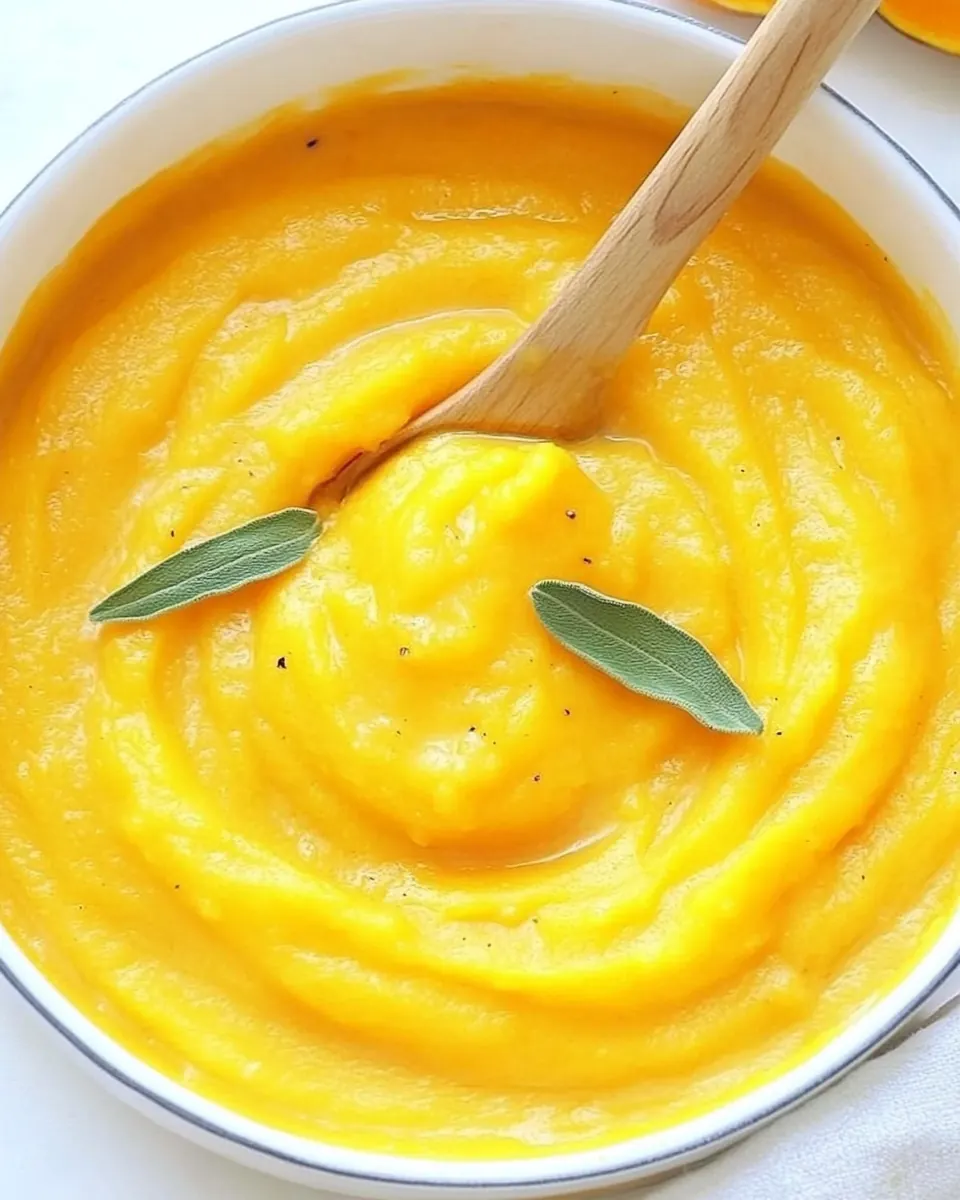
Butternut Squash Alfredo Sauce
Butternut Squash Alfredo Sauce became a weeknight favorite the first time I swapped heavy cream for roasted squash on a rainy November evening. I was chasing comfort without the heaviness, and that vivid orange puree felt like a warm sweater for the soul. The first spoonful convinced me this is more than a clever shortcut, it is a new kind of comfort food that still manages to feel bright and seasonal.
I remember stirring a pot while the house filled with a gentle, sweet aroma, and wondering how something so simple could taste so silky. I wanted a sauce that clung to pasta, but also tasted like the season, so I leaned into the natural sweetness of the vegetable and the savory pop of Parmesan cheese. That contrast is what keeps me coming back to this recipe, whether I need an easy dinner for two or a cozy meal for friends.
Over time I tweaked amounts, learned which textures matter, and kept the technique intentionally forgiving. What I love is how this sauce makes pantry pasta feel elevated, and how it stores neatly for quick lunches. When winter evenings arrive, I reach for this recipe because it is fast, creamy, and comforting without being heavy.
Recipe Snapshot
17 mins
10 mins
7 mins
Easy
150 kcal
Italian
Keto, Gluten-Free
Dinner
Large pot, Blender, Plate
Why We Love This Butternut Squash Alfredo Sauce
Velvety Texture Without Heavy Cream
I adore how the squash purees into a naturally silky base, so you get a creamy mouthfeel without pouring in cups of cream. It saves on richness while delivering that luxurious coating that clings to pasta, and it keeps the sauce from feeling greasy.
Seasonal, Yet Versatile
This sauce celebrates butternut squash in a way that works across meals. I serve it for a casual weeknight, and it also fits a holiday table when paired with roasted vegetables. The flavor profile is cozy and adaptable, so I can add herbs or keep it simple.
Simple Ingredients, Big Flavor
With only a handful of items, including Parmesan cheese and garlic, this turned into one of my go to sauces. I like that the ingredients are mostly pantry staples or easy to find at the farmer’s market, and you can make the whole thing in one blender, which saves cleanup time.
Fast and Make Ahead Friendly
When weeknights get busy, having a sauce that stores in the fridge for several days is a game changer. I often double the batch and keep jars chilled so dinner comes together in minutes. It reheats smoothly, and the reserved cooking water helps revive the texture if it thickens too much.
Naturally Comforting and Family Friendly
Kids and adults alike tend to respond well to the gentle sweetness and familiar cheesy note. I find it is an easy way to sneak in extra vegetable servings without anyone noticing, and the texture makes it an immediate hit with picky eaters.
What You Need for Butternut Squash Alfredo Sauce
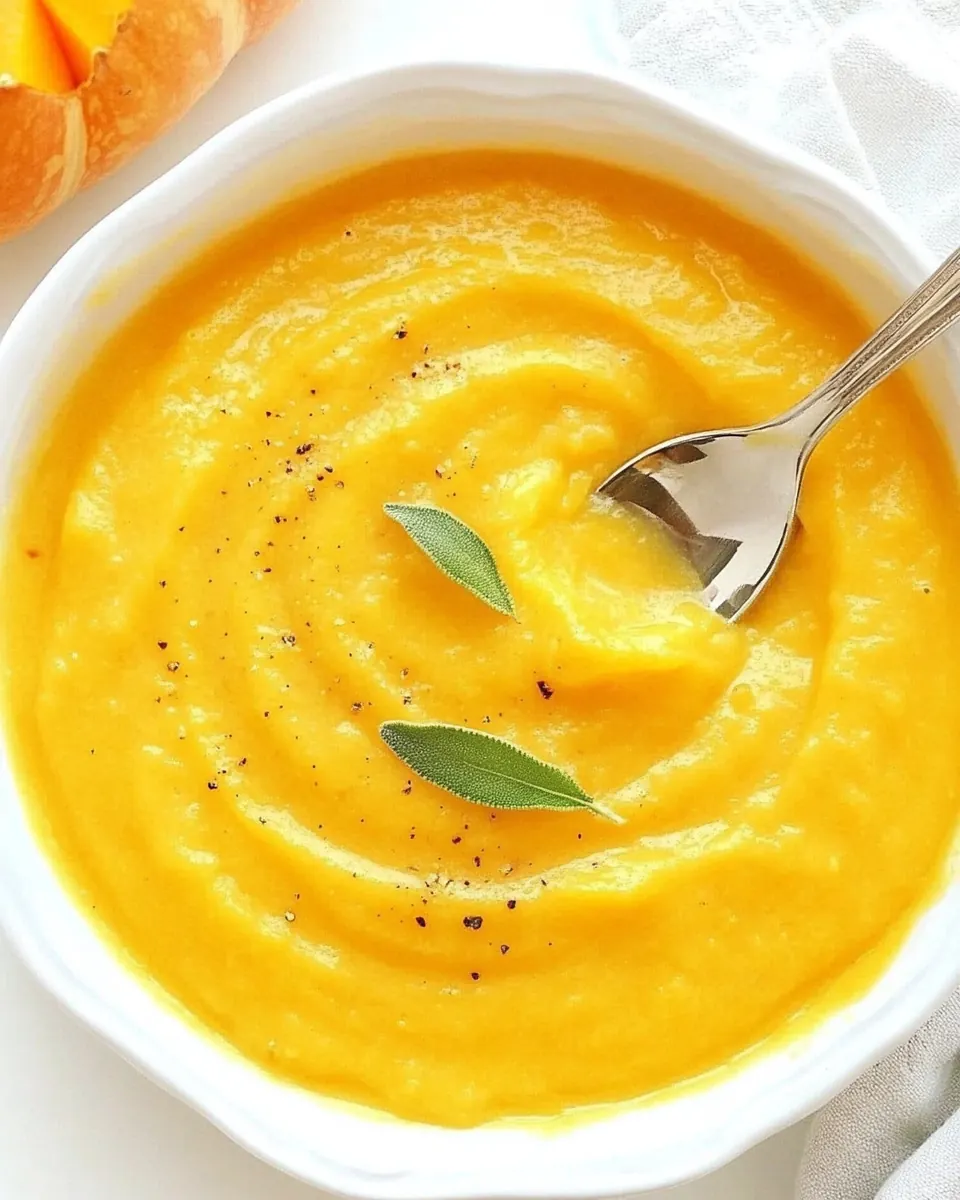
These ingredients are chosen to create a sauce that is simultaneously silky and bright. The squash provides body and natural sweetness, while the Parmesan cheese and garlic give savory depth. The reserved cooking water is a secret weapon for adjusting texture without thinning the flavor.
- 5 cups cubed butternut squash peeled before cutting: Provide creamy body and natural sweetness when cooked and blended; supplies the primary squash flavor and silky texture that mimics traditional Alfredo. Peel, cube, and roast or boil until very tender to ensure a smooth purée that integrates easily with cheese and garlic. Acts as the sauce base, bulking up volume without heavy cream.
- 3/4 cup water reserved after cooking is great: Use to adjust sauce consistency and to deglaze the cooking pan after roasting or sautéing; reserved cooking water contains starches that help emulsify and thin the puréed squash to a velvety finish. Add gradually while blending to reach the desired pourable texture without watering down flavor.
- 1/2 cup grated Parmesan cheese: Add salty, umami-rich savory depth to the puréed squash for a true Alfredo character; grated Parmesan melts into the warm purée to create a cohesive, cheesy backbone. Stir in at the end of blending or over low heat to avoid graininess and to encourage a glossy, flavorful sauce.
- 3 cloves fresh garlic OR 6 roasted garlic cloves: Provide aromatic pungency and savory complexity whether used fresh or roasted; fresh garlic lends bright, sharp notes while roasted garlic adds mellow sweetness and softness. Sauté briefly or roast beforehand to temper harshness and to integrate seamlessly into the smooth sauce.
- salt and pepper to taste: Season to balance sweetness and enhance overall flavor profile; salt brings forward the cheese and squash, while black pepper adds mild heat and complexity. Add gradually and taste frequently to achieve a well-rounded final sauce.
Making This Butternut Squash Alfredo Sauce
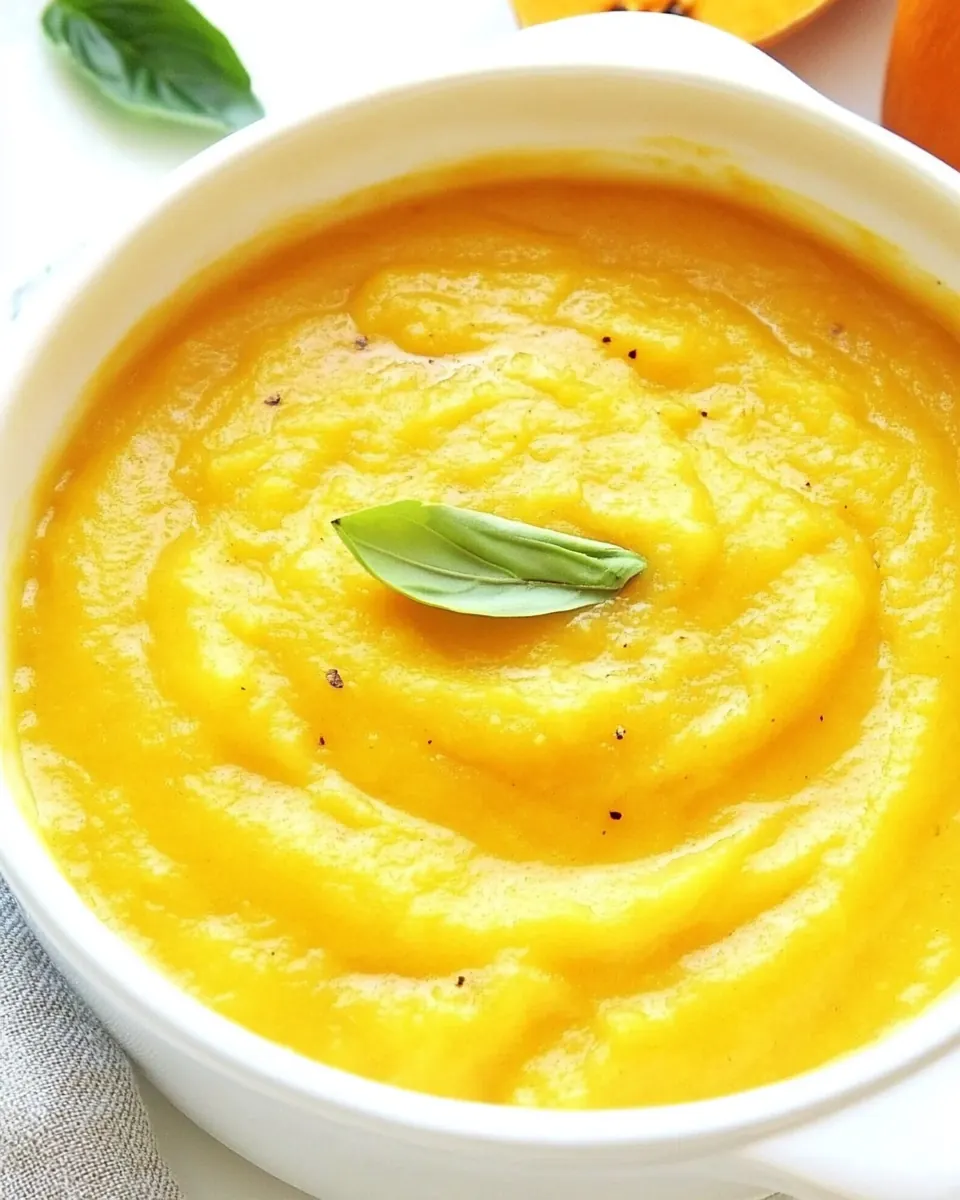
Blending this sauce is straightforward, but I like to be intentional about texture and seasoning. These steps guide you through cooking the squash until tender, capturing the cooking water, and blending everything to a silky finish. Take your time with tasting and adjusting, the result rewards a little patience.
- Place butternut squash in a large pot and add enough water to cover the chopped vegetable. Cook over medium heat until soft. Remove squash onto a plate to cool. Reserve 3/4 cup of cooking water for the sauce.: The moment the pot comes to life you will hear gentle bubbling and see the water move around the cubes, and the kitchen will start to smell subtly sweet. Cooking the butternut squash submerged ensures even heat transfer so pieces soften uniformly, which is essential for a lump free puree. A common mistake is packing the pot too tightly, which makes some pieces undercooked while others fall apart. If you notice uneven cooking, stir gently and give the firmer pieces a little head start in a small saucepan.
- Into a blender, add cooled butternut squash, water, Parmesan cheese and garlic cloves. Blend for 20 seconds, scrape the sides of blender, blend again until smooth.: As the squash heats, listen for a consistent simmer and watch for steam rising steadily. You will know they are ready when a fork slides through a cube with almost no resistance, and the liquid will carry a sweet, roasted aroma even without actual roasting. The reason this matters is that fully softened squash blends into a silkier texture and avoids gritty bits. Avoid boiling aggressively, which can waterlog the squash and dilute flavor; keep the temperature steady.
- Pour sauce into jars OR use right away in a pasta dish.: When scooping the tender pieces out, you will notice a gentle steam and the cubes will collapse slightly in your spoon, signaling readiness. Letting them cool briefly lowers the temperature before blending, protecting blender blades and preventing splatter. Cooling also helps the sauce settle so you can better judge seasoning. A frequent oversight is blending while too hot, which can cause steam pressure and messy spills, so wait a few minutes until lukewarm.
- Store covered in a fridge for up to 5 days.: The reserved cooking water is surprisingly valuable, carrying starch that helps the sauce bind and shine. Measure out about 3/4 cup and set it aside; start by adding less when blending and add more if the consistency needs loosening. If you skip reserving the water, the sauce may need plain water instead, but you will miss the natural thickening properties. Watch for over thinning if you pour all the liquid in at once.
- Into a blender, add cooled butternut squash, water, Parmesan cheese and garlic cloves: Dropping ingredients into the blender you will see the bright orange squash surrounded by flecks of Parmesan cheese and bits of garlic , promising depth. Layering cool ingredients helps the blades work efficiently and avoids overheating. The choice of fresh or roasted garlic alters the aroma immediately, with roasted giving warmer, sweeter notes. A typical slip is crowding a small blender; if yours is compact, work in batches to avoid uneven blending.
- Blend for 20 seconds, scrape the sides of blender, blend again until smooth: As the blender runs you will hear a steady whirr and see the mixture transform from chunky cubes to a glossy stream, releasing a nutty, savory fragrance. Scraping the sides keeps everything moving toward uniformity so you do not end up with hidden unmixed bits. The why here is texture control, and taking the time to pulse and scrape yields a truly silky finish. Avoid running the blender at maximum speed for too long, which can warm the sauce and thin it excessively.
- Pour sauce into jars OR use right away in a pasta dish: When pouring, the sauce should ribbon off the spatula and cling to pasta, showing you the ideal thickness and sheen. If it looks too thick, stir in a little more reserved cooking water until it reaches the live coating stage, where it coats pasta without pooling. Serving immediately preserves that fresh, vivid flavor. A common error is overheating the sauce on the stove after blending, which can separate it and dull the taste, so gently warm if needed, do not boil.
- Store covered in a fridge for up to 5 days: Jarring the sauce while cooled helps it keep its texture and flavor in the refrigerator, and the starches settle so reheating is simple. When reheating, gently warm and stir in a splash of the reserved cooking water to bring back the glossy consistency. One pitfall is leaving it at room temperature for long stretches; always cool quickly and refrigerate in a sealed container to maintain freshness and safety.
Recipe Notes about Butternut Squash Alfredo Sauce
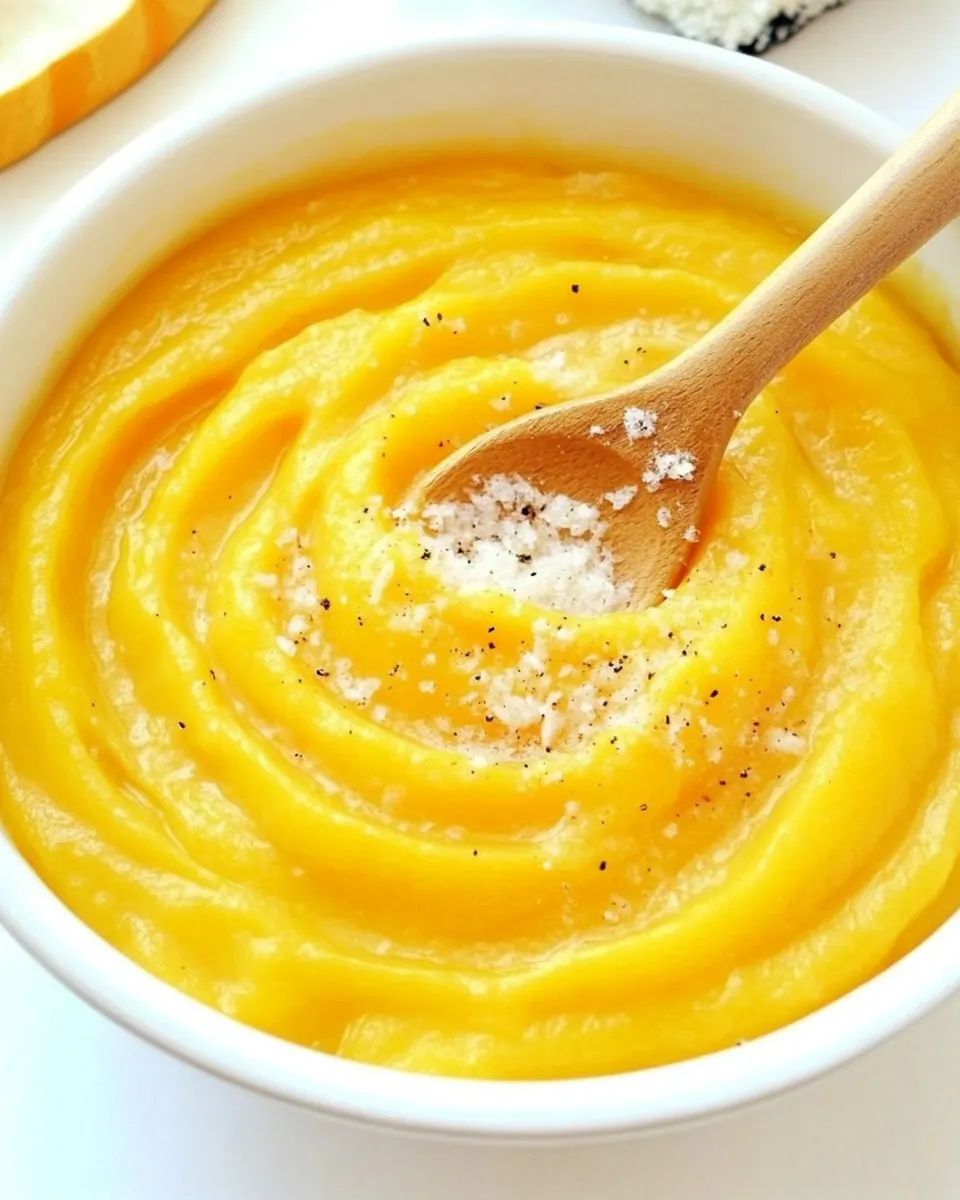
Here are practical notes to make this sauce reliably silky every time. I include storage tips, texture adjustments, and quick fixes that have saved many of my rushed dinners. These are the small details that make a big difference.
- Adjust texture with reserved water: Always add the reserved cooking water gradually while blending to reach the desired pourable consistency without diluting flavor.
- Freshly grate your Parmesan: Grating Parmesan cheese just before mixing gives a brighter, more complex taste compared to pre grated varieties that can be dry.
- Control garlic intensity: If raw garlic is too sharp for your palate, swap for roasted cloves to mellow the flavor and add sweet nuttiness.
- Warm gently when reheating: Reheat the sauce slowly over low heat while stirring to avoid separation and preserve the glossy texture.
- Double the batch for quick meals: The sauce stores well for up to five days in the fridge, making it ideal for quick lunches and last minute dinners.
What Complements This Butternut Squash Alfredo Sauce
This sauce pairs beautifully with simple pastas and seasonal sides, and it adapts to many serving situations from cozy family dinners to special gatherings. Below are serving ideas, occasions, and storage notes to help you plan a complete meal around the sauce.
- Pasta pairings: Toss the sauce with long pasta like fettuccine or ribbons such as pappardelle so the Butternut Squash Alfredo Sauce clings to every strand, creating a luxurious bite that feels indulgent yet approachable.
- Vegetable complements: Serve alongside roasted autumn vegetables for contrast in texture and temperature, adding crunch and earthiness to the silky sauce.
- Occasions: This is ideal for a relaxed weeknight dinner, a small dinner party, or a comforting lunch during the fall season when you want something seasonal and satisfying.
- Portioning: For family style meals, ladle the sauce over pasta on the platter and let guests serve themselves, or pre toss individual portions for a neat presentation.
- Storage tips: Store chilled in airtight jars for up to five days, and when reheating add a splash of the reserved cooking water to restore silkiness before tossing with warmed pasta.
- Seasonal pairings: Pair with crisp autumn salads or a simple green side to balance the sauce’s richness, and consider warm, crusty bread for mopping up every last drop.
FAQ
Conclusion
This Butternut Squash Alfredo Sauce stands out because it transforms simple autumn produce into a creamy, comforting sauce without heavy cream. Give it a try to see how the natural sweetness of the squash and the savory lift from Parmesan cheese create a balanced, craveable sauce. I hope it becomes a reliable staple in your kitchen for busy weeknights and cozy weekends alike, bringing seasonal flavor to effortless meals.

Butternut Squash Alfredo Sauce
Equipment
- Large Pot
- Blender
- Plate
Ingredients
- 5 cups cubed butternut squash peeled before cutting Provide creamy body and natural sweetness when cooked and blended; supplies the primary squash flavor and silky texture that mimics traditional Alfredo. Peel, cube, and roast or boil until very tender to ensure a smooth purée that integrates easily with cheese and garlic. Acts as the sauce base, bulking up volume without heavy cream.
- 3/4 cup water reserved after cooking is great Use to adjust sauce consistency and to deglaze the cooking pan after roasting or sautéing; reserved cooking water contains starches that help emulsify and thin the puréed squash to a velvety finish. Add gradually while blending to reach the desired pourable texture without watering down flavor.
- 1/2 cup grated Parmesan cheese Add salty, umami-rich savory depth to the puréed squash for a true Alfredo character; grated Parmesan melts into the warm purée to create a cohesive, cheesy backbone. Stir in at the end of blending or over low heat to avoid graininess and to encourage a glossy, flavorful sauce.
- 3 cloves fresh garlic OR 6 roasted garlic cloves Provide aromatic pungency and savory complexity whether used fresh or roasted; fresh garlic lends bright, sharp notes while roasted garlic adds mellow sweetness and softness. Sauté briefly or roast beforehand to temper harshness and to integrate seamlessly into the smooth sauce.
- salt and pepper to taste Season to balance sweetness and enhance overall flavor profile; salt brings forward the cheese and squash, while black pepper adds mild heat and complexity. Add gradually and taste frequently to achieve a well-rounded final sauce.
Instructions
- Place butternut squash in a large pot and add enough water to cover the chopped vegetable. Cook over medium heat until soft. Remove squash onto a plate to cool. Reserve 3/4 cup of cooking water for the sauce.: The moment the pot comes to life you will hear gentle bubbling and see the water move around the cubes, and the kitchen will start to smell subtly sweet. Cooking the butternut squash submerged ensures even heat transfer so pieces soften uniformly, which is essential for a lump free puree. A common mistake is packing the pot too tightly, which makes some pieces undercooked while others fall apart. If you notice uneven cooking, stir gently and give the firmer pieces a little head start in a small saucepan.
- Into a blender, add cooled butternut squash, water, Parmesan cheese and garlic cloves. Blend for 20 seconds, scrape the sides of blender, blend again until smooth.: As the squash heats, listen for a consistent simmer and watch for steam rising steadily. You will know they are ready when a fork slides through a cube with almost no resistance, and the liquid will carry a sweet, roasted aroma even without actual roasting. The reason this matters is that fully softened squash blends into a silkier texture and avoids gritty bits. Avoid boiling aggressively, which can waterlog the squash and dilute flavor; keep the temperature steady.
- Pour sauce into jars OR use right away in a pasta dish.: When scooping the tender pieces out, you will notice a gentle steam and the cubes will collapse slightly in your spoon, signaling readiness. Letting them cool briefly lowers the temperature before blending, protecting blender blades and preventing splatter. Cooling also helps the sauce settle so you can better judge seasoning. A frequent oversight is blending while too hot, which can cause steam pressure and messy spills, so wait a few minutes until lukewarm.
- Store covered in a fridge for up to 5 days.: The reserved cooking water is surprisingly valuable, carrying starch that helps the sauce bind and shine. Measure out about 3/4 cup and set it aside; start by adding less when blending and add more if the consistency needs loosening. If you skip reserving the water, the sauce may need plain water instead, but you will miss the natural thickening properties. Watch for over thinning if you pour all the liquid in at once.
- Into a blender, add cooled butternut squash, water, Parmesan cheese and garlic cloves: Dropping ingredients into the blender you will see the bright orange squash surrounded by flecks of Parmesan cheese and bits of garlic , promising depth. Layering cool ingredients helps the blades work efficiently and avoids overheating. The choice of fresh or roasted garlic alters the aroma immediately, with roasted giving warmer, sweeter notes. A typical slip is crowding a small blender; if yours is compact, work in batches to avoid uneven blending.
- Blend for 20 seconds, scrape the sides of blender, blend again until smooth: As the blender runs you will hear a steady whirr and see the mixture transform from chunky cubes to a glossy stream, releasing a nutty, savory fragrance. Scraping the sides keeps everything moving toward uniformity so you do not end up with hidden unmixed bits. The why here is texture control, and taking the time to pulse and scrape yields a truly silky finish. Avoid running the blender at maximum speed for too long, which can warm the sauce and thin it excessively.
- Pour sauce into jars OR use right away in a pasta dish: When pouring, the sauce should ribbon off the spatula and cling to pasta, showing you the ideal thickness and sheen. If it looks too thick, stir in a little more reserved cooking water until it reaches the live coating stage, where it coats pasta without pooling. Serving immediately preserves that fresh, vivid flavor. A common error is overheating the sauce on the stove after blending, which can separate it and dull the taste, so gently warm if needed, do not boil.
- Store covered in a fridge for up to 5 days: Jarring the sauce while cooled helps it keep its texture and flavor in the refrigerator, and the starches settle so reheating is simple. When reheating, gently warm and stir in a splash of the reserved cooking water to bring back the glossy consistency. One pitfall is leaving it at room temperature for long stretches; always cool quickly and refrigerate in a sealed container to maintain freshness and safety.
Notes
- Adjust texture with reserved water: Always add the reserved cooking water gradually while blending to reach the desired pourable consistency without diluting flavor.
- Freshly grate your Parmesan: Grating Parmesan cheese just before mixing gives a brighter, more complex taste compared to pre grated varieties that can be dry.
- Control garlic intensity: If raw garlic is too sharp for your palate, swap for roasted cloves to mellow the flavor and add sweet nuttiness.
- Warm gently when reheating: Reheat the sauce slowly over low heat while stirring to avoid separation and preserve the glossy texture.
- Double the batch for quick meals: The sauce stores well for up to five days in the fridge, making it ideal for quick lunches and last minute dinners.
