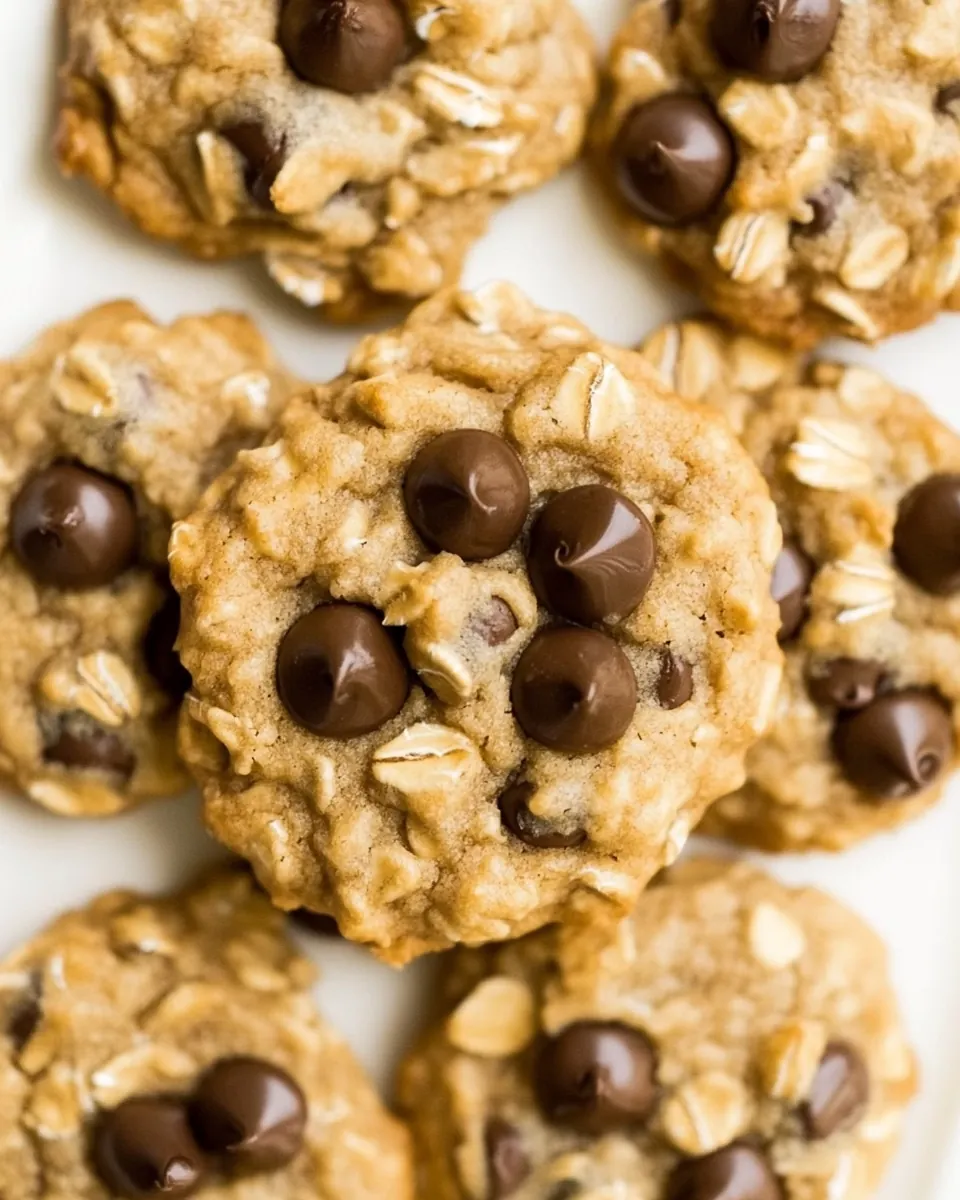
Healthy Oatmeal Cookies
Healthy Oatmeal Cookies have been my go to when I want something comforting but not over the top sweet, and they always feel like a small act of self care. I remember pulling a warm batch from the oven on a gray afternoon, the kitchen filling with a toasty, nutty aroma that made me sit down for a quiet five minutes with a cookie and a mug of tea. That little pause became a habit, and these cookies turned into my quick pick me up whenever I needed a gentle treat.
The recipe itself started as an experiment to marry pantry staples into something wholesome and chewy. I swapped refined sugar for coconut sugar, tried different nut butters, and learned to trust the dough when it looks a bit dry at first. Over time I refined the texture so each bite hits with a touch of chew from the rolled oats and a soft crumb from the pelt flour or oat flour.
I love sharing these because they feel accessible, whether you are baking with kids or packing snacks for a busy week. You do not need any exotic tools, and the method invites small tweaks like raisins or chocolate chips for personal preference. When a friend asked for a lighter cookie that still tasted like something indulgent, this became my answer, and it has stayed on repeat ever since.
Recipe Snapshot
20 mins
10 mins
10 mins
Easy
120 kcal
American
Gluten-Free, Vegan
Desserts
Oven, Mixing bowl, Baking sheet, Spatula
The Magic of This Healthy Oatmeal Cookies
They are genuinely easy
I find that the real beauty of these Healthy Oatmeal Cookies is how forgiving the recipe is. Even when my nut butter is a little thick or I measure a touch differently, the dough comes together with a little patience. That laxity makes them perfect for busy evenings or baking with someone new to the kitchen, and I often say that a relaxed approach yields the best texture.
Texture that satisfies
These cookies deliver a chewy interior with slightly crisp edges when baked properly. The pairing of rolled oats and pelt flour or oat flour provides structure and bite, while the almond butter or cashew butter keeps them tender. I love the contrast and how the cookie firms up as it cools, giving you a pleasant snap without being dry.
Flexible for preferences
I appreciate recipes that invite personalization, and these do just that. You can choose chocolate chips for a more indulgent version or raisins for a fruitier, naturally sweeter note. The small list of ingredients means you can adapt the cookies to dietary needs or whatever is on hand, without compromising the core concept.
Clean ingredients that still feel indulgent
Using coconut sugar instead of refined white sugar gives a warm caramel note, and the nut butter provides richness that makes each bite feel satisfying. For me, a cookie that tastes like a treat while relying on whole food ingredients is the sweet spot between comfort and wellness.
Great for sharing and storing
They travel well, and I often pack a few into a container for friends or stash a batch in the freezer. Because they hold their shape and texture, you can bake once and enjoy for days, which makes them practical for meal prep and gifting alike.
Main Ingredients for Healthy Oatmeal Cookies
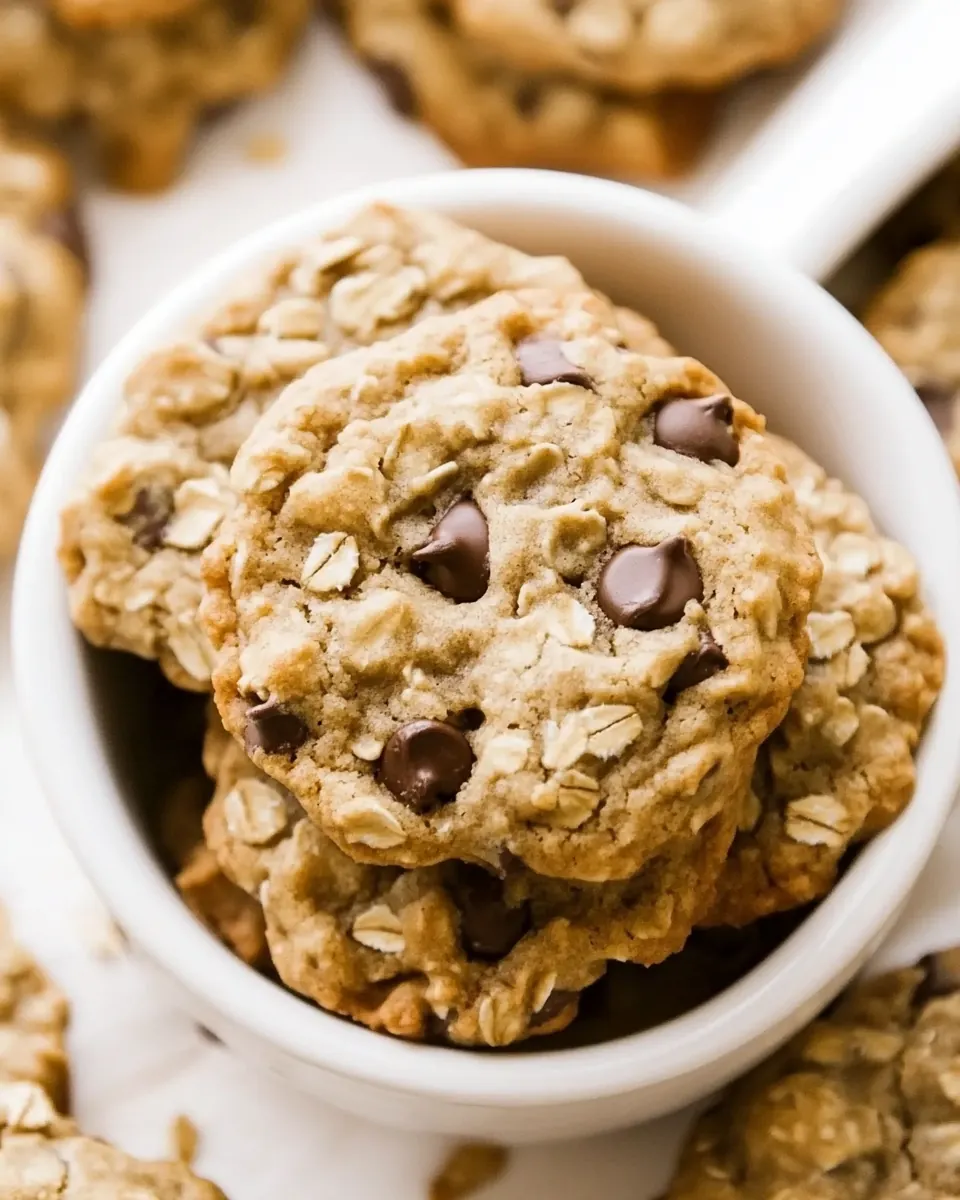
These ingredients are deliberately simple, chosen to produce a chewy, wholesome cookie without complicated steps. The key players are the flours and oats for structure, the almond butter or cashew butter for richness and moisture, and the coconut sugar for warm sweetness. Together they create a balance of texture and flavor that does not rely on processed fats or refined syrups.
- 3/4 cups pelt flour or oat flour (90 g) (or try these Keto Cookies): Provide a gluten-free flour base that gives structure and chewiness to the cookies while absorbing liquids; use pelt or oat flour measured accurately for consistent texture and replaceable by similar flours if needed.
- 1/2 cup rolled oats (45 g): Contribute hearty texture and mild oat flavor while adding chew and visual interest; fold in gently to preserve some whole-oat tooth and balance moisture.
- 3/4 cup coconut sugar (100 g): Add natural sweetness and a caramel-like depth that sweetens without refining white sugar; adjust slightly to taste and ensure even distribution for uniform sweetness.
- 1/3 cup chocolate chips or raisins or add-ins of choice (40 g): Provide bursts of sweetness and contrasting texture that complement the oats; choose chocolate chips, raisins, or other mix-ins and fold in at the end to avoid melting or clumping.
- 1/2 tsp baking soda: Act as a leavening agent to help the cookies spread and rise a bit, creating a lighter crumb; measure precisely to prevent soapy or metallic aftertastes.
- 1/4 tsp salt: Enhance overall flavor by balancing sweetness and bringing out other spices; use a small amount to improve taste without making the cookie salty.
- 1/3 cup almond butter or cashew butter (80 g) (regular butter also works): Bind and add richness while supplying a subtle nutty flavor and healthy fats; choose almond or cashew butter for creaminess, or use regular butter if preferred for different texture.
- 2 tbsp water (30 g): Adjust dough consistency and help hydrate dry ingredients for a cohesive dough; add gradually to reach the desired softness without making the mixture too wet.
- 1/4 tsp pure vanilla extract: Provide warm aromatic notes and enhance sweetness perception with a small amount of pure vanilla; use real extract for best flavor clarity.
- 1/4 tsp ground cinnamon () (optional): Offer warm, fragrant spice that complements oats and nuts when used; include cinnamon optionally to deepen flavor and add subtle complexity.
Making This Healthy Oatmeal Cookies
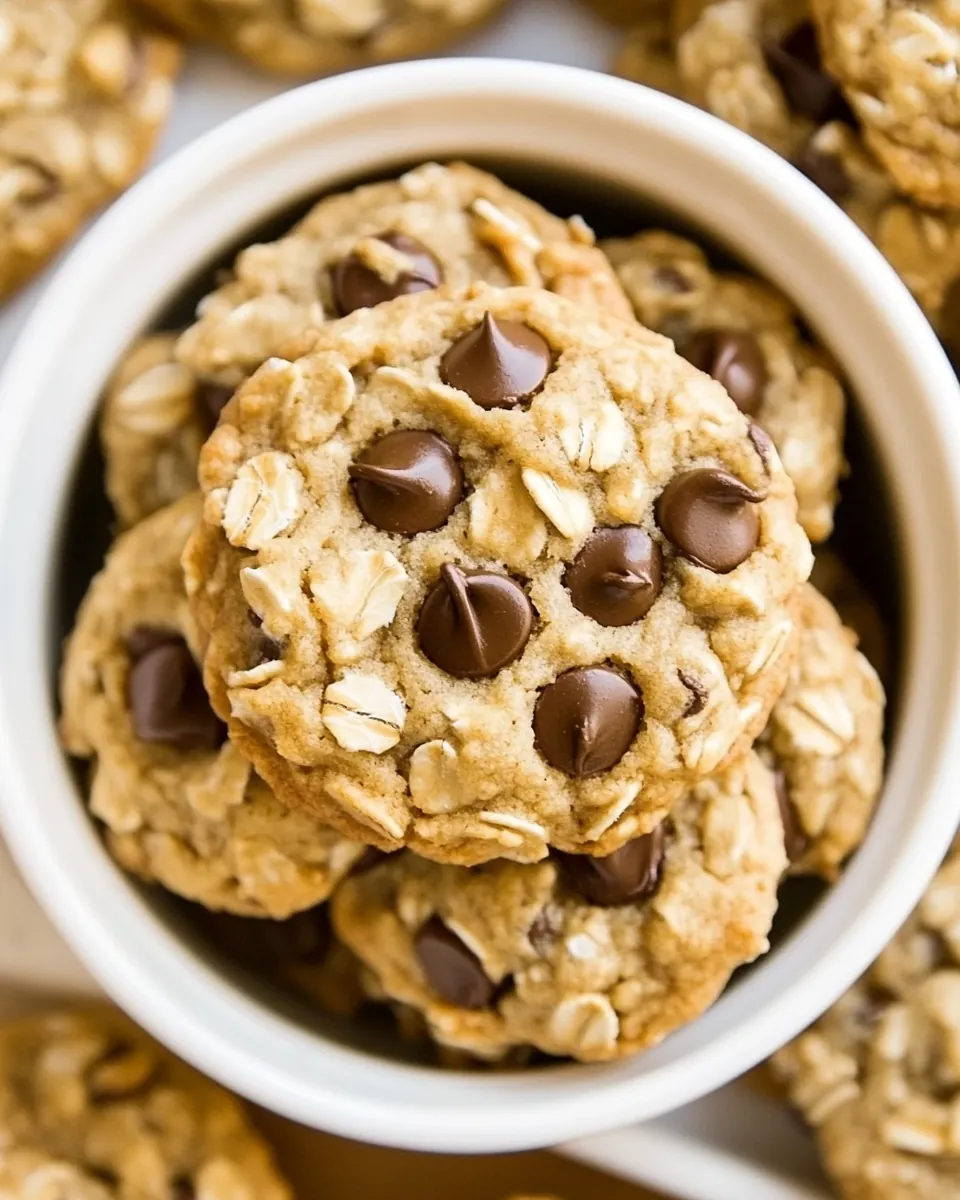
I like to keep the instruction tone friendly and reassuring, because this recipe demands patience rather than precision. Read through the steps once, gather your rolled oats and flour, and be ready to trust the dough as it evolves. Baking these cookies is a sensory experience, so pay attention to the smell, texture, and how the cookies look as they bake.
- To make the healthy oatmeal cookies, start by preheating the oven to 325 F. If your nut butter is not already easy to stir, gently warm it in the microwave or in a small pan on the stove until thin and runny. Stir dry ingredients in a large bowl, then mix in remaining ingredients. The dough will be dry at first but will form a cookie dough texture after about a minute. So keep stirring and breaking up all clumps of nut butter. For best results, do not add more liquid. Roll into cookie dough balls, and place the balls on two greased baking sheets. Leave space between each ball because they will spread as they cook. Bake on the center rack of the oven for 10 minutes. Let cool before handling, during which time the cookies firm up considerably.: Warm air and a hint of heat help set the dough properly, producing that desirable edge crispness while the center remains chewy. As the oven comes up to temperature you will notice a steady, dry warmth; this signals even baking and prevents overly rapid spreading. The preheat also primes the oven so the cookies begin rising immediately on contact, contributing to the right texture. A common mistake is placing cookies into a cold oven, which yields unevenly baked, dense results, so be sure your oven reads a reliable steady temperature before inserting pans.
- If your nut butter is not already easy to stir, gently warm it in the microwave or in a small pan on the stove until thin and runny: The tactile transformation of the almond butter or cashew butter is important because a runnier texture blends more uniformly with the dry ingredients, preventing clumps. Gently warming will release a soft nutty aroma and make stirring effortless, but avoid overheating, as that can separate oils and change mouthfeel. Stir it to a glossy, pourable state and you will see it blend into the dough smoothly. A pitfall is overheating which creates an oily layer, so warm only in short, cautious bursts.
- Stir dry ingredients in a large bowl: When you mix the pelt flour or oat flour , rolled oats , coconut sugar , baking soda , and salt , you will sense a dry, grittier texture that forms the backbone of the cookie. This step distributes the leavening and seasoning evenly, which is why it matters for consistent rise and flavor. Stir until the color and texture look uniform with tiny specks of oats visible throughout. Avoid under mixing the dry base, which can cause pockets of baking soda or salt and uneven taste.
- Then mix in remaining ingredients: As you combine the warmed nut butter, water , pure vanilla extract , and optional ground cinnamon , the dough will gradually transform. You'll notice the nut butter coating the oats, and the mixture taking on a slightly glossy sheen. This step is where the dough begins to cohere, and you should aim for a texture that holds together when pressed. Overworking the mixture can lead to denser cookies, so blend until just incorporated, and then pause to check the texture.
- The dough will be dry at first but will form a cookie dough texture after about a minute: Expect a short period of stubborn dryness, then a satisfying shift as the ingredients hydrate and bind. When the dough reaches the right stage, it will hold together when squeezed and show a uniform color and speckled look from the oats and any add ins. The transformation is tactile and reassuring, and you will hear less scraping as the dough cleans the sides of the bowl. Be careful not to add extra liquid prematurely, which can make the cookies spread too thin during baking.
- So keep stirring and breaking up all clumps of nut butter: Working through clumps is crucial so that every bite has an even distribution of nutty richness. Use a spatula to press and smear any thick spots until the mixture looks cohesive and slightly glossy. This produces consistent texture and avoids pockets of oily or under incorporated nut butter. A common misstep is leaving large clumps which bake into oily indentations, so take the extra minute to smooth them out.
- For best results, do not add more liquid: Restraint here helps maintain the ideal density and chew. The dough will firm as it cools, so adding more water usually produces cookies that spread excessively and become flat. If your environment is very dry, you may be tempted to add more moisture, but resist that urge and instead check the dough after a minute of mixing to reassess. Too much liquid is irreversible at this stage and leads to disappointing texture.
- Roll into cookie dough balls, and place the balls on two greased baking sheets: Forming uniform balls ensures even baking and similar chew across the batch. As you roll, you will feel the dough compress and smooth out, and the surface should have a soft sheen from the nut butter. Space the balls evenly so air circulates and they can spread predictably. A typical mistake is crowding the sheet which produces merged cookies and uneven baking, so leave adequate space between each ball.
- Leave space between each ball because they will spread as they cook: During the first few minutes of baking you will see the edges relax and the centers puff slightly, then the spread will settle into a nice round shape. That visual cue tells you the cookies are progressing correctly, and you will notice a gentle browning at the edges when they are almost done. If you place the balls too close, they will fuse and create an irregularly baked mass, so anticipate spread when arranging them.
- Bake on the center rack of the oven for 10 minutes: As they bake, the kitchen will fill with a warm, toasty aroma and the edges will take on a faint golden tone. The center will still seem soft when you remove them, but they continue to set as they cool, firming into the right chew. Baking on the center rack ensures even heat exposure and avoids burnt bottoms or undercooked tops. A common error is overbaking for a firmer cookie, but that reduces chew and dries them out, so trust the timing and visual cues.
- Let cool before handling, during which time the cookies firm up considerably: Cooling is a quiet but essential finishing step, because residual heat carries on cooking the cookies slightly, leading to the ideal texture. When you touch them after five to ten minutes, you will find a balance between a tender center and slightly crisp edges. If you try to move them too early they may break apart, so patience rewards you with intact, attractive cookies. Avoid stacking while still warm, which traps steam and makes them lose crispness.
Change It Up
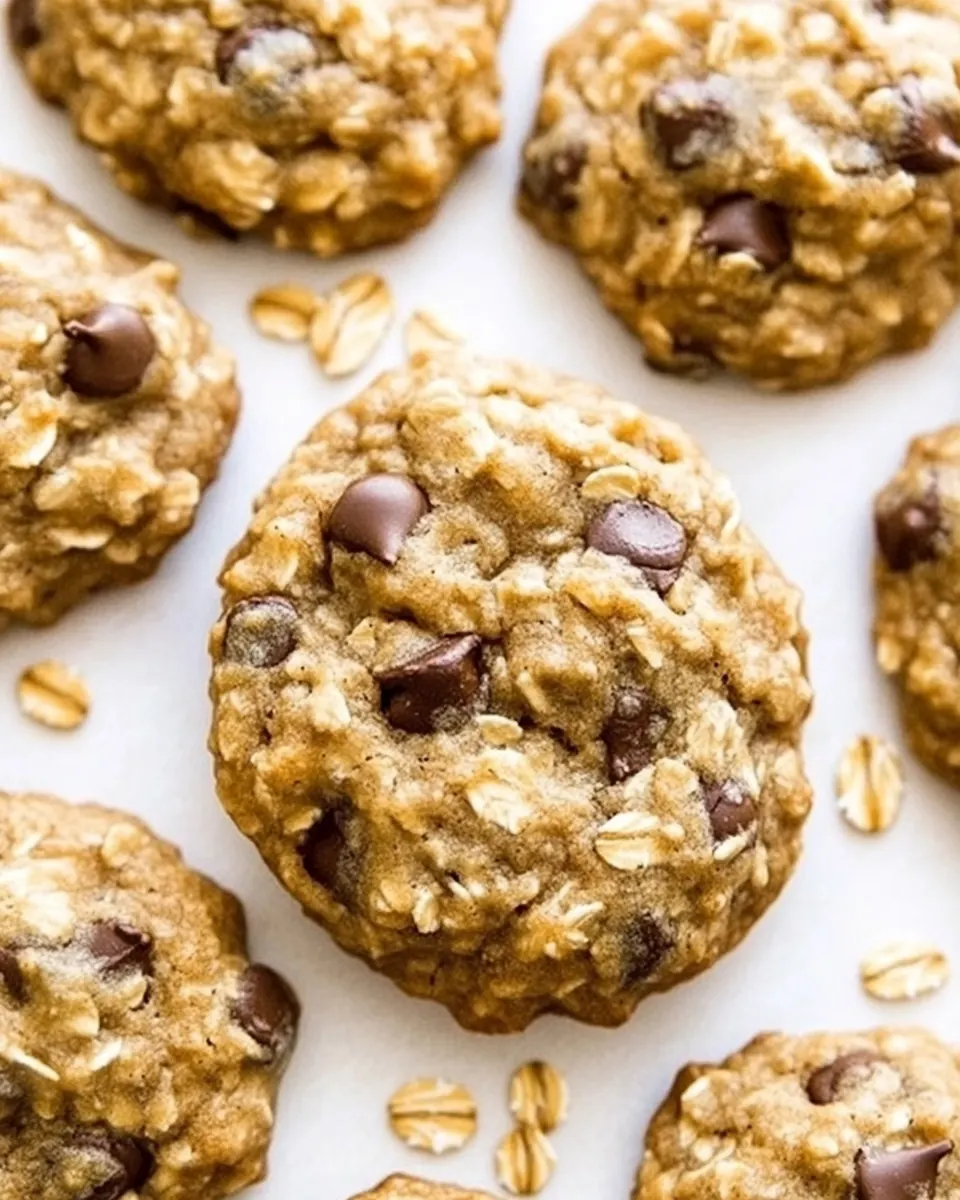
If you love variety, these small swaps and ideas keep the base recipe exciting. Below are focused tips you can try, each starting with a bolded hook so you can scan quickly for inspiration. I expanded on the single line from the notes into full, practical suggestions you can use right away.
- Fruit sweetened option: Try the banana based fruit sweetened cookies by replacing the coconut sugar and part of the water with mashed ripe banana, which adds natural sweetness and moisture. Mash thoroughly and reduce added water to avoid overly loose dough. Expect a softer, denser cookie with a pronounced banana aroma and slightly darker crumb. This change works well if you want fewer processed sweeteners, though the texture will be more cake like. Chill the dough briefly if it becomes too soft to form balls.
- Mix ins matter: Swap or vary the chocolate chips or raisins for toasted nuts, seeds, or a mix of dried fruit to change texture and flavor. Toasting nuts beforehand brings out their oils and enhances their crunch, and seeds add a pleasant contrast to the chew of oats. Add no more than the listed amount to avoid structural issues, and toss any add ins with a teaspoon of flour so they do not sink during baking.
- Flavor boosts: Add a pinch more ground cinnamon or a very small pinch of nutmeg to deepen the spice profile without overwhelming the oats. Spices are powerful, so small increments go a long way. Stir them into the dry ingredients to ensure even distribution and to prevent clumping pockets of spice in the finished cookie.
- Texture tweaks: For a chewier result, use old fashioned rolled oats as listed, and gently press each dough ball after placing on the sheet to encourage even spread. For a slightly crisper cookie, flatten the balls more and bake a minute or two longer, keeping a close eye on color. Remember that cooling also firms cookies, so rely on both baking time and cooling for your desired finish.
- Storage and freezing: Freeze baked cookies on a tray until solid, then transfer to a sealed container for up to three months. To refresh, warm briefly in a low oven or microwave for a few seconds to restore chew. For freezing unbaked dough, shape into balls and freeze on a tray before bagging, then bake from frozen with an extra minute or two added to the bake time.
Side Dish Ideas for Healthy Oatmeal Cookies
These cookies work across many occasions, from a quick afternoon snack to a portable lunchbox treat. Below I outline serving ideas and pairings, along with storage notes and situational suggestions, so you can plan how to enjoy them best.
- Casual snack pairing: Serve a couple of cookies alongside a mug of herbal tea or coffee for a cozy afternoon break, the warm, nutty notes of the cookie complement hot beverages and make for an easy pick me up.
- Lunchbox addition: Pack one or two cookies in a lunchbox with fruit and a protein like yogurt to add a sweet but wholesome element; they travel well and provide energy without being overly heavy.
- Occasion suggestion: These cookies are great for a light dessert after weeknight meals or as a small offering during gatherings where you want something approachable and less sugary than traditional treats.
- Storage tips: Store at room temperature in an airtight container for up to five days, or freeze baked cookies for longer keeping. Layer with parchment to prevent sticking and maintain texture.
- Seasonal pairing: In cooler months, pair with a warm spiced drink to enhance the cinnamon and oat notes; in warmer weather, serve with chilled yogurt or fruit for a refreshing contrast.
- Serving style: Present on a small platter with a variety of add ins on the side, so guests can choose between chocolate chips or raisins, creating a casual, customizable snack setup.
FAQ
Conclusion
These Healthy Oatmeal Cookies stand out because they combine simple pantry ingredients into a chewy, satisfying cookie that still feels wholesome. Try them when you want a modestly sweet snack that travels well, freezes beautifully, and offers room for personalization. They are forgiving in technique, so even if your measurements are a little off you can usually recover by adjusting texture rather than ingredients. I hope you bake a batch soon and discover your favorite mix in the add ins, whether that is chocolate chips or raisins, and that these cookies become a small ritual in your routine.
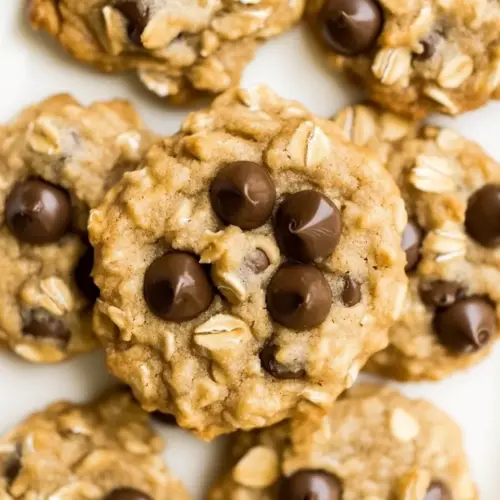
Healthy Oatmeal Cookies
Equipment
- Oven
- Mixing Bowl
- Baking Sheet
- Spatula
Ingredients
- 3/4 cups pelt flour or oat flour (90 g) (or try these Keto Cookies) Provide a gluten-free flour base that gives structure and chewiness to the cookies while absorbing liquids; use pelt or oat flour measured accurately for consistent texture and replaceable by similar flours if needed.
- 1/2 cup rolled oats (45 g) Contribute hearty texture and mild oat flavor while adding chew and visual interest; fold in gently to preserve some whole-oat tooth and balance moisture.
- 3/4 cup coconut sugar (100 g) Add natural sweetness and a caramel-like depth that sweetens without refining white sugar; adjust slightly to taste and ensure even distribution for uniform sweetness.
- 1/3 cup chocolate chips or raisins or add-ins of choice (40 g) Provide bursts of sweetness and contrasting texture that complement the oats; choose chocolate chips, raisins, or other mix-ins and fold in at the end to avoid melting or clumping.
- 1/2 tsp baking soda Act as a leavening agent to help the cookies spread and rise a bit, creating a lighter crumb; measure precisely to prevent soapy or metallic aftertastes.
- 1/4 tsp salt Enhance overall flavor by balancing sweetness and bringing out other spices; use a small amount to improve taste without making the cookie salty.
- 1/3 cup almond butter or cashew butter (80 g) (regular butter also works) Bind and add richness while supplying a subtle nutty flavor and healthy fats; choose almond or cashew butter for creaminess, or use regular butter if preferred for different texture.
- 2 tbsp water (30 g) Adjust dough consistency and help hydrate dry ingredients for a cohesive dough; add gradually to reach the desired softness without making the mixture too wet.
- 1/4 tsp pure vanilla extract Provide warm aromatic notes and enhance sweetness perception with a small amount of pure vanilla; use real extract for best flavor clarity.
- 1/4 tsp ground cinnamon (optional) Offer warm, fragrant spice that complements oats and nuts when used; include cinnamon optionally to deepen flavor and add subtle complexity.
Instructions
- To make the healthy oatmeal cookies, start by preheating the oven to 325 F. If your nut butter is not already easy to stir, gently warm it in the microwave or in a small pan on the stove until thin and runny. Stir dry ingredients in a large bowl, then mix in remaining ingredients. The dough will be dry at first but will form a cookie dough texture after about a minute. So keep stirring and breaking up all clumps of nut butter. For best results, do not add more liquid. Roll into cookie dough balls, and place the balls on two greased baking sheets. Leave space between each ball because they will spread as they cook. Bake on the center rack of the oven for 10 minutes. Let cool before handling, during which time the cookies firm up considerably.: Warm air and a hint of heat help set the dough properly, producing that desirable edge crispness while the center remains chewy. As the oven comes up to temperature you will notice a steady, dry warmth; this signals even baking and prevents overly rapid spreading. The preheat also primes the oven so the cookies begin rising immediately on contact, contributing to the right texture. A common mistake is placing cookies into a cold oven, which yields unevenly baked, dense results, so be sure your oven reads a reliable steady temperature before inserting pans.
- If your nut butter is not already easy to stir, gently warm it in the microwave or in a small pan on the stove until thin and runny: The tactile transformation of the almond butter or cashew butter is important because a runnier texture blends more uniformly with the dry ingredients, preventing clumps. Gently warming will release a soft nutty aroma and make stirring effortless, but avoid overheating, as that can separate oils and change mouthfeel. Stir it to a glossy, pourable state and you will see it blend into the dough smoothly. A pitfall is overheating which creates an oily layer, so warm only in short, cautious bursts.
- Stir dry ingredients in a large bowl: When you mix the pelt flour or oat flour , rolled oats , coconut sugar , baking soda , and salt , you will sense a dry, grittier texture that forms the backbone of the cookie. This step distributes the leavening and seasoning evenly, which is why it matters for consistent rise and flavor. Stir until the color and texture look uniform with tiny specks of oats visible throughout. Avoid under mixing the dry base, which can cause pockets of baking soda or salt and uneven taste.
- Then mix in remaining ingredients: As you combine the warmed nut butter, water , pure vanilla extract , and optional ground cinnamon , the dough will gradually transform. You'll notice the nut butter coating the oats, and the mixture taking on a slightly glossy sheen. This step is where the dough begins to cohere, and you should aim for a texture that holds together when pressed. Overworking the mixture can lead to denser cookies, so blend until just incorporated, and then pause to check the texture.
- The dough will be dry at first but will form a cookie dough texture after about a minute: Expect a short period of stubborn dryness, then a satisfying shift as the ingredients hydrate and bind. When the dough reaches the right stage, it will hold together when squeezed and show a uniform color and speckled look from the oats and any add ins. The transformation is tactile and reassuring, and you will hear less scraping as the dough cleans the sides of the bowl. Be careful not to add extra liquid prematurely, which can make the cookies spread too thin during baking.
- So keep stirring and breaking up all clumps of nut butter: Working through clumps is crucial so that every bite has an even distribution of nutty richness. Use a spatula to press and smear any thick spots until the mixture looks cohesive and slightly glossy. This produces consistent texture and avoids pockets of oily or under incorporated nut butter. A common misstep is leaving large clumps which bake into oily indentations, so take the extra minute to smooth them out.
- For best results, do not add more liquid: Restraint here helps maintain the ideal density and chew. The dough will firm as it cools, so adding more water usually produces cookies that spread excessively and become flat. If your environment is very dry, you may be tempted to add more moisture, but resist that urge and instead check the dough after a minute of mixing to reassess. Too much liquid is irreversible at this stage and leads to disappointing texture.
- Roll into cookie dough balls, and place the balls on two greased baking sheets: Forming uniform balls ensures even baking and similar chew across the batch. As you roll, you will feel the dough compress and smooth out, and the surface should have a soft sheen from the nut butter. Space the balls evenly so air circulates and they can spread predictably. A typical mistake is crowding the sheet which produces merged cookies and uneven baking, so leave adequate space between each ball.
- Leave space between each ball because they will spread as they cook: During the first few minutes of baking you will see the edges relax and the centers puff slightly, then the spread will settle into a nice round shape. That visual cue tells you the cookies are progressing correctly, and you will notice a gentle browning at the edges when they are almost done. If you place the balls too close, they will fuse and create an irregularly baked mass, so anticipate spread when arranging them.
- Bake on the center rack of the oven for 10 minutes: As they bake, the kitchen will fill with a warm, toasty aroma and the edges will take on a faint golden tone. The center will still seem soft when you remove them, but they continue to set as they cool, firming into the right chew. Baking on the center rack ensures even heat exposure and avoids burnt bottoms or undercooked tops. A common error is overbaking for a firmer cookie, but that reduces chew and dries them out, so trust the timing and visual cues.
- Let cool before handling, during which time the cookies firm up considerably: Cooling is a quiet but essential finishing step, because residual heat carries on cooking the cookies slightly, leading to the ideal texture. When you touch them after five to ten minutes, you will find a balance between a tender center and slightly crisp edges. If you try to move them too early they may break apart, so patience rewards you with intact, attractive cookies. Avoid stacking while still warm, which traps steam and makes them lose crispness.
Notes
- Fruit sweetened option: Try the banana based fruit sweetened cookies by replacing the coconut sugar and part of the water with mashed ripe banana, which adds natural sweetness and moisture. Mash thoroughly and reduce added water to avoid overly loose dough. Expect a softer, denser cookie with a pronounced banana aroma and slightly darker crumb. This change works well if you want fewer processed sweeteners, though the texture will be more cake like. Chill the dough briefly if it becomes too soft to form balls.
- Mix ins matter: Swap or vary the chocolate chips or raisins for toasted nuts, seeds, or a mix of dried fruit to change texture and flavor. Toasting nuts beforehand brings out their oils and enhances their crunch, and seeds add a pleasant contrast to the chew of oats. Add no more than the listed amount to avoid structural issues, and toss any add ins with a teaspoon of flour so they do not sink during baking.
- Flavor boosts: Add a pinch more ground cinnamon or a very small pinch of nutmeg to deepen the spice profile without overwhelming the oats. Spices are powerful, so small increments go a long way. Stir them into the dry ingredients to ensure even distribution and to prevent clumping pockets of spice in the finished cookie.
- Texture tweaks: For a chewier result, use old fashioned rolled oats as listed, and gently press each dough ball after placing on the sheet to encourage even spread. For a slightly crisper cookie, flatten the balls more and bake a minute or two longer, keeping a close eye on color. Remember that cooling also firms cookies, so rely on both baking time and cooling for your desired finish.
- Storage and freezing: Freeze baked cookies on a tray until solid, then transfer to a sealed container for up to three months. To refresh, warm briefly in a low oven or microwave for a few seconds to restore chew. For freezing unbaked dough, shape into balls and freeze on a tray before bagging, then bake from frozen with an extra minute or two added to the bake time.