Homemade Greek Yogurt Recipe
Homemade Greek Yogurt Recipe began as a kitchen experiment that turned into a weekly ritual for me, the kind of recipe that quietly becomes part of the rhythm of a home. I remember the first time I held that spoonful to my lips, the texture both familiar and elevated, and I felt oddly proud because I had coaxed something simple into something luxurious. Over time I learned small adjustments that make every batch sing, and those discoveries are what I want to share with you.
There is a comfort to preparing Homemade Greek Yogurt Recipe that goes beyond the final jar. I like the ritual of warming the milk, watching the steam rise, and feeling the slight impatience as it cools. Then there is the hush of leaving it wrapped and undisturbed, trusting time to do its work. I often tell friends that yogurt making is partly science, partly patience, and entirely worth it when the first tangy, creamy bite happens. Through seasons of rushed breakfasts and slow weekends, this recipe has been my anchor for richer breakfasts and effortless snacks.
Recipe Snapshot
10 hr 20 mins
20 mins
600 mins
Hard
150 kcal
Mediterranean
Keto, Gluten-Free
Breakfast
Large pot, Thermometer, Whisk, Cheesecloth, Strainer
What Sets This Homemade Greek Yogurt Recipe Apart
Simple Pantry Magic
I love that Homemade Greek Yogurt Recipe uses only two main ingredients. That simplicity lets each element shine, and the result feels like a small culinary miracle. You do not need specialty supplies, just patience and a thermometer. Because the ingredients are few, the quality of each one matters more, and you can taste the difference when you start with good milk and a reliable starter.
Flavor You Control
One reason I return to this recipe is how editable the flavor is. I like a slightly tangy profile, and I find that the resting time and the temperature at inoculation nudge the final taste. If you want milder yogurt, shorten the incubation a touch. For tangier yogurt, let it rest on the longer end. This flexibility means you can tailor the texture and tang to your familys preference without fuss.
Texture That Feels Luxurious
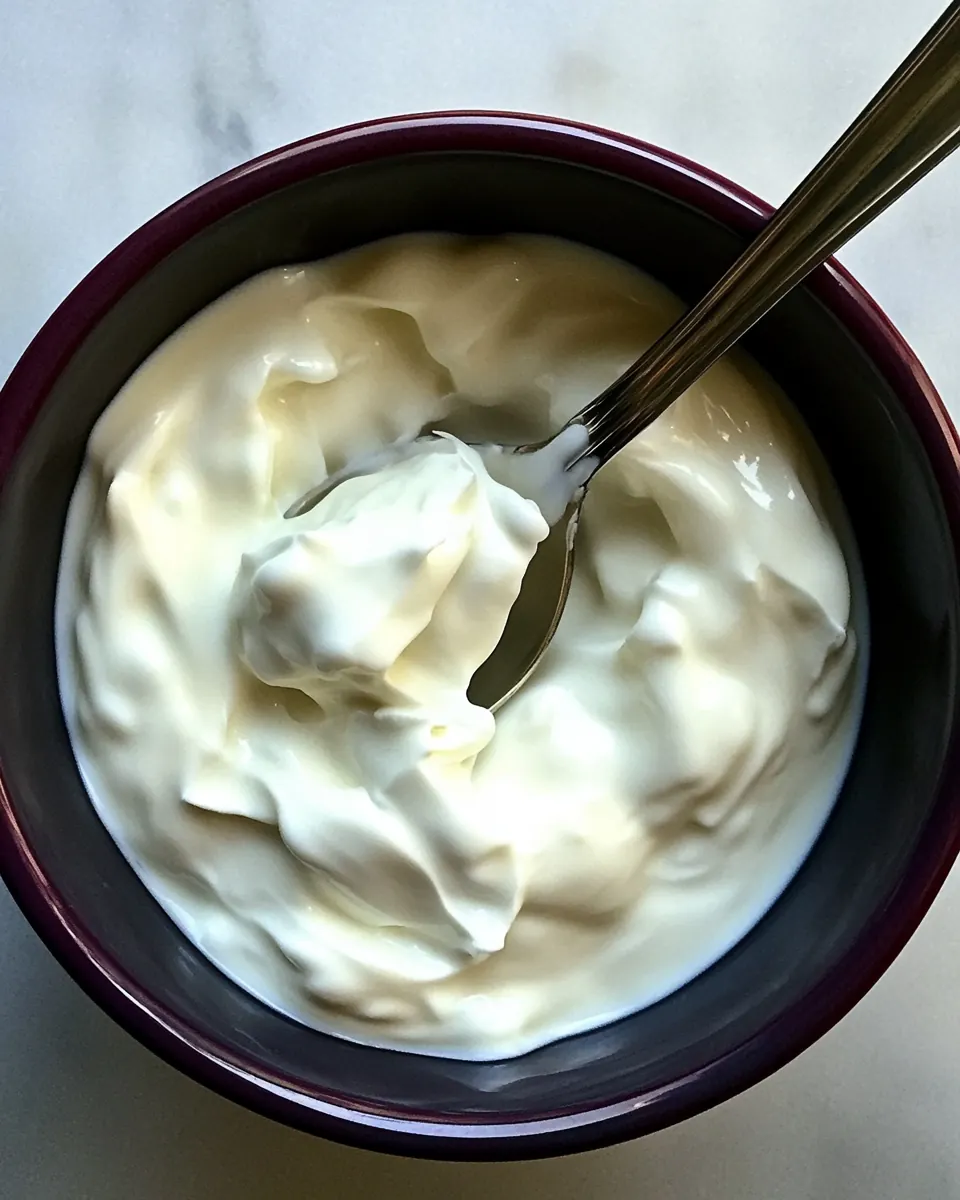
The thick, velvety texture you get from straining the whey is a showstopper. I adore spooning the cooled, thickened yogurt into jars and seeing how it holds its shape. It makes breakfasts feel decadent even when paired with something simple like fruit or honey. That concentrated creaminess is what turns plain yogurt into Greek style, and I find it elevates everyday meals.
Frugal and Sustainable
I appreciate how economical this recipe is. Making a gallon at home yields more servings for less money than many store brands, and you avoid single use packaging. It also reduces food waste because you can control portions and use whey in other kitchen projects. For that reason, I often make a batch on the weekend and it carries us through several breakfasts and snacks.
Reliable for Every Kitchen
Finally, I love that this method is forgiving and adaptable to most homes. You do not need special equipment, just a warm spot and a little attention to temperature. Over time you learn the visual cues and smells that tell you the yogurt is on track, which makes the process intuitive. Once you have that confidence, producing consistent batches becomes wonderfully satisfying.
Ingredients for Homemade Greek Yogurt Recipe
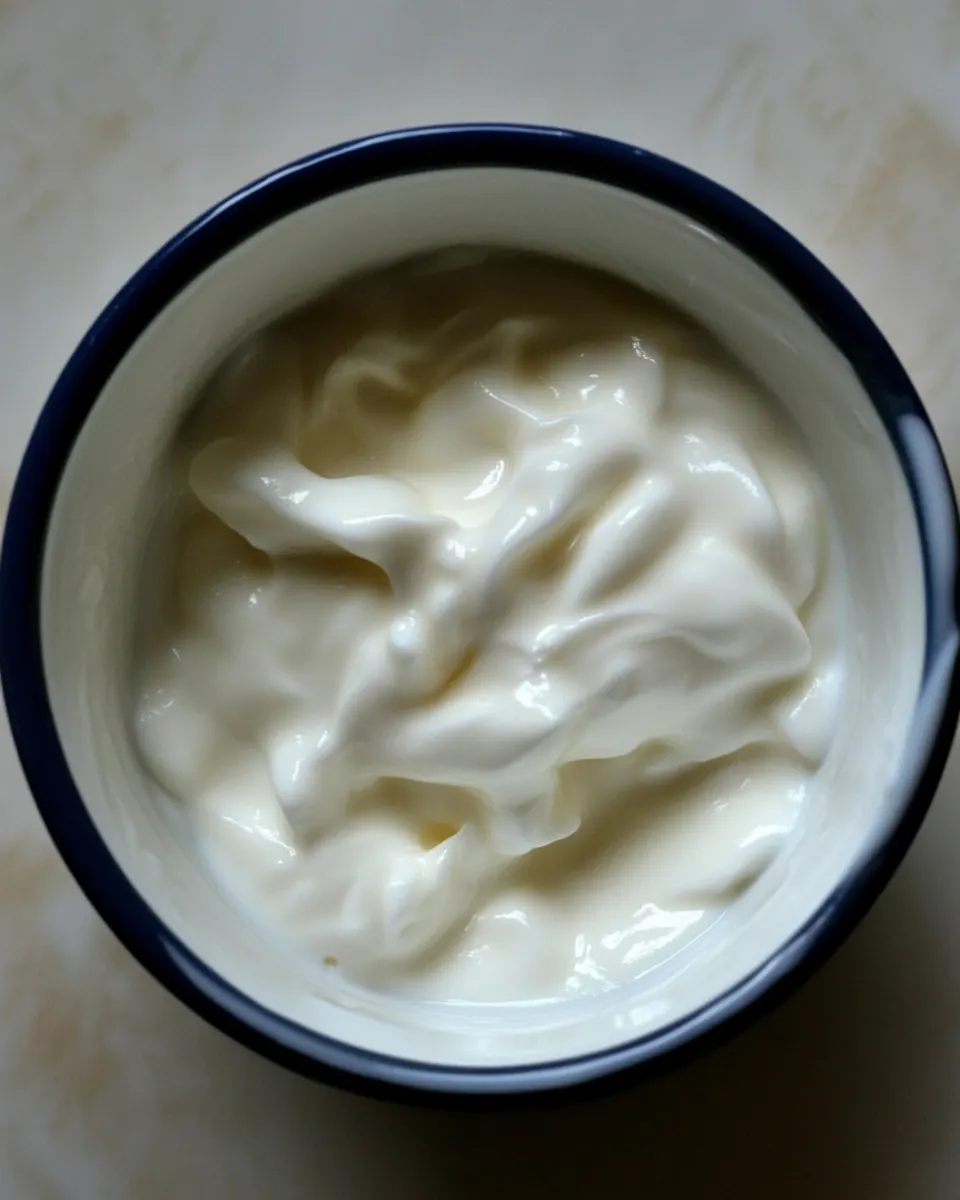
These ingredients reflect a philosophy of doing more with less. A high quality milk provides the canvas for flavor and body, while a small amount of live plain yogurt acts as the culture that transforms milk into tangy, creamy yogurt. Together they create a predictable fermentation that rewards patience and gentle handling. The key players are the milk, which supplies richness and structure, and the starter yogurt, which seeds the friendly bacteria that build flavor and thickness.
- 1 gallon milk skim, 1%, 2% or whole: Provide the liquid base for the yogurt, contributing fat, protein, and body that determine creaminess and texture; heat and cool to proper temperatures to denature proteins for optimal set and consistency, and to ensure food safety before culturing.
- 1/3 cup plain greek yogurt: Act as the live culture starter to inoculate the milk with beneficial bacteria, supplying strains that ferment lactose into lactic acid to thicken and tangify the yogurt; measure precisely to achieve reliable tang, set time, and desired viscosity.
The Method for Homemade Greek Yogurt Recipe
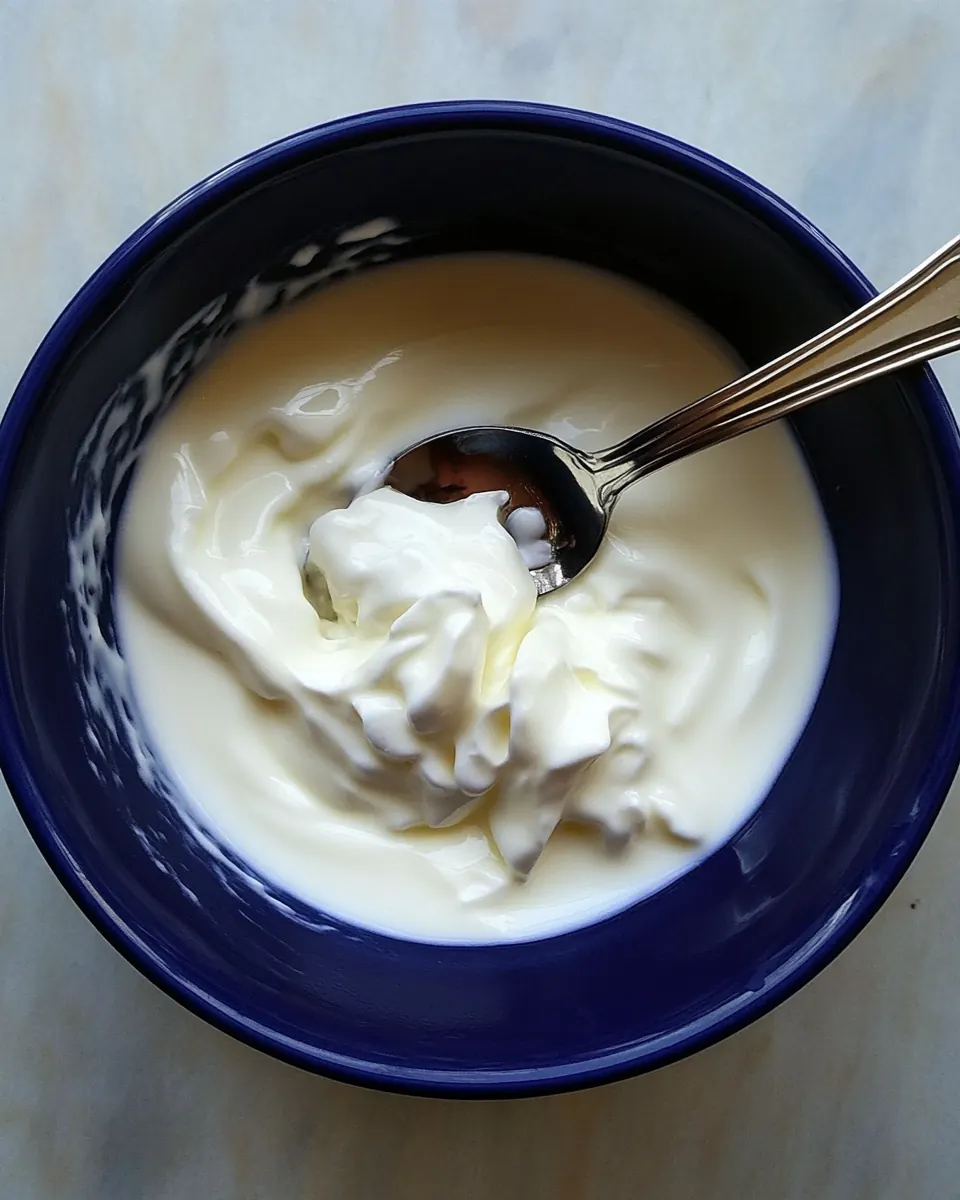
These steps guide you through the slow, attentive process that makes homemade yogurt reliably delicious. I like to talk through sensory cues and common pitfalls so you feel confident at every stage. The directions below expand on each step with why it matters, how it should look and smell, and what to watch out for.
- Pour 1 full gallon of milk into a large pot and set over medium heat uncovered.: You will notice the milk shimmer and tiny bubbles forming at the edges as it warms, a visual cue that the proteins are waking up. Heating in an uncovered pot helps moisture escape and prevents pressure build up. Use a heavy bottom pot to avoid hot spots and stirring frequently helps distribute heat. A frequent error is using too high heat which scorches the bottom, creating an off taste and uneven heating, so patience here sets the stage for smooth texture.
- Place a thermometer into the milk and whisk frequently to heat it evenly and so the bottom of the pot doesn’t scorch.: The whisking rhythm changes the sound of the milk from quiet to a steady swish, and the thermometer becomes your guide to precision. Even heating prevents proteins from denaturing unevenly, which influences creaminess. If you skip the thermometer, you risk overshooting the target temperature; overheating can create a cooked flavor and make the final yogurt grainy, so always monitor the heat closely.
- Let the milk come up to 185 degrees. It NEEDS to reach this temp if you want it to work!: At this point you will see gentle rising steam and the surface may ripple, and reaching 185 degrees denatures whey proteins so they can trap water and thicken the final yogurt. This step is crucial for a stable set. A common mistake is assuming bubbling equals the right temperature, but visual cues can be misleading, so rely on the thermometer for accuracy.
- Remove milk from heat and let it cool to 110-120 degrees.: As the milk cools you will notice the surface calming and the steam subsiding, and the thermometer will slowly fall into the safe range for adding culture. Cooling to 110 to 120 degrees avoids killing the live cultures while also allowing the milk to be warm enough to activate them. If you rush and add the starter too hot, you will kill the bacteria and the yogurt will not set, so be patient with the cooling period.
- Whisk in 1/3 cup room temperature plain greek yogurt.: When you stir, the aroma shifts subtly to a faint tang, and the starter blends into the milk creating a uniform mixture. Whisking distributes cultures evenly so fermentation proceeds consistently throughout the pot. A typical pitfall is adding cold starter straight from the fridge which can shock the milk and slow fermentation, so ensure the starter is near room temperature before mixing.
- Cover pot with tight lid and either wrap it well in towels or blankets or place it in a warm spot in your house. It needs to stay warm and undisturbed for 10-12 hours so the yogurt can work it’s magic and turn that gallon of milk into yogurt. Cathy placed hers on her stove with the oven light on for a small heat source.: During incubation the air becomes still and a faint tang develops, and the slow, steady warmth allows bacteria to metabolize lactose into lactic acid. Wrapping the pot retains gentle heat and encourages a consistent set. Avoid frequently checking or moving the pot, as temperature fluctuations can lead to uneven set or a thin texture, so resist peeking until the time is up.
- After 10-12 hours, milk should have thickened and turned into yogurt. Pour off any excess liquid and then scoop yogurt into a cheesecloth lined strainer. Place into refrigerator until yogurt is the desired consistency you want. This will continue to remove they whey still left in the yogurt.: When you lift the lid you may see a custard like surface and a slightly tangy scent, and pouring off whey begins concentrating the solids for a true Greek texture. Straining in cheesecloth over a bowl yields a silkier mouthfeel as liquid drains away. A frequent oversight is not chilling the yogurt before straining; cooling helps the curds firm up so they hold together and strain more cleanly, so refrigerate first for best results.
- Spoon yogurt into air tight containers and keep in refrigerator.: The final jars should feel cool to the touch and the aroma will be mildly tart and clean, with a thick creamy body that holds a spoonful. Airtight storage preserves freshness and slows further fermentation, keeping flavor stable for days. Leaving containers loosely covered can allow flavors to change and the yogurt to develop excessive tang, so always seal containers well for consistent quality.
Tips and Variations
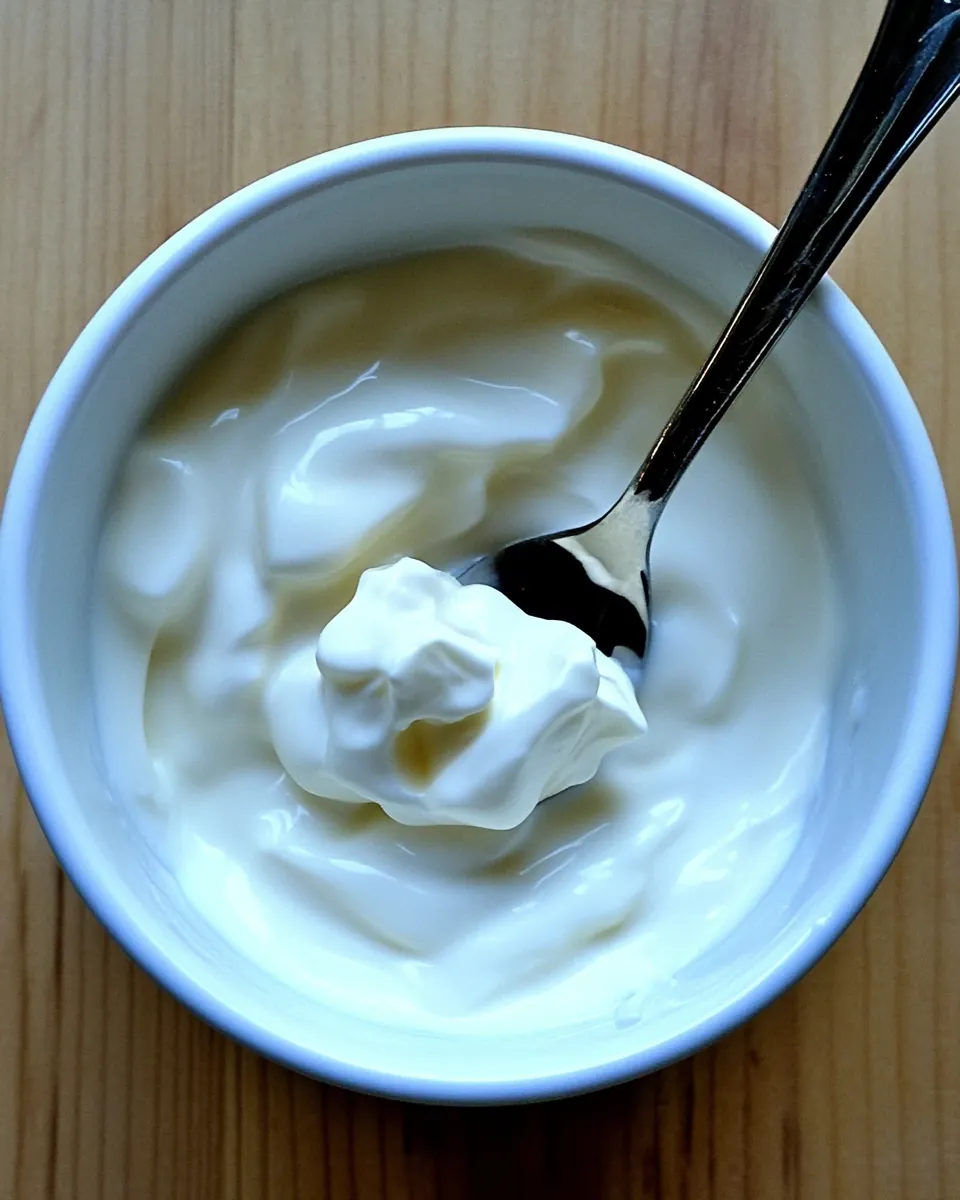
I like to keep a short list of practical tweaks I use depending on the season and what I have on hand. These tips focus on texture, flavor, and convenience so you can adapt the process without guessing. Read through and pick a couple that suit your routine.
- Warmth tip Use an oven with the light on or wrap the pot in towels to create a gentle, consistent heat source for incubation, avoiding spotty temperature that can lead to thin yogurt.
- Starter care Always use a plain yogurt with live cultures as a starter; if left too long between batches your starter can weaken, so refresh it periodically with a new store bought plain yogurt.
- Milk choice Whole milk produces the richest end result, while 1 percent or 2 percent will be lighter; choose based on the mouthfeel you prefer and do not dilute with non dairy milks which will not set the same way.
- Timing flexibility Incubation of 10 hours yields mild tang, while 12 hours gives a stronger flavor, so adjust within that window to match your taste without altering other steps.
- Straining control For very thick Greek style yogurt, strain longer in the refrigerator; for a spoonable, creamy texture, strain briefly until you reach the mouthfeel you like.
How to Enjoy Homemade Greek Yogurt Recipe
This yogurt is versatile and works for breakfast, snacks, and as a base for savory dressings. I like to prepare a batch and let it become the foundation for quick breakfasts and improvised meals. Below are thoughtful serving ideas, storage guidance, and occasion suggestions to help you use every jar.
- Breakfast bowls Serve with fresh fruit, a drizzle of honey, or a sprinkle of nuts for a balanced morning that combines protein and texture.
- Snack jars Portion into small airtight containers for grab and go snacks that keep well in the fridge for several days, making mornings easier.
- Savory uses Use as a creamy base for dressings or dips by thinning with a little cold water and adding herbs and spices, which turns the yogurt into a flexible condiment.
- Occasions This works well for relaxed brunches, Ramadan suhoor choices, or as a healthy addition to packed lunches where a rich source of protein is welcome.
- Storage tips Keep jars sealed and refrigerated, and consume within about one to two weeks for best flavor; always use clean utensils to avoid introducing contaminants.
- Seasonal pairing In warmer months, pair with stone fruit and a touch of citrus zest; in cooler months, try it with baked apples or spiced compotes for contrast.
FAQ
Conclusion
This recipe stands out for turning simple milk and a small amount of starter into a rich, creamy staple you will reach for regularly. Try making a batch and enjoy the satisfaction of serving fresh, tangy, homemade yogurt to your family. Its an approachable ritual that rewards patience and improves with practice, so give it a go and see how small adjustments change its flavor and texture.
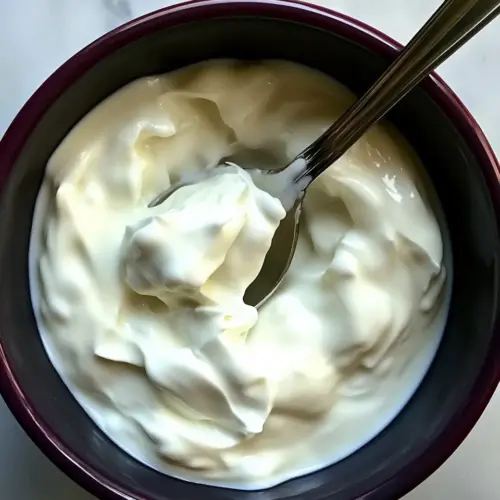
Homemade Greek Yogurt Recipe
Equipment
- Large Pot
- Thermometer
- Whisk
- Cheesecloth
- Strainer
Ingredients
- 1 gallon milk skim, 1%, 2% or whole Provide the liquid base for the yogurt, contributing fat, protein, and body that determine creaminess and texture; heat and cool to proper temperatures to denature proteins for optimal set and consistency, and to ensure food safety before culturing.
- 1/3 cup plain greek yogurt Act as the live culture starter to inoculate the milk with beneficial bacteria, supplying strains that ferment lactose into lactic acid to thicken and tangify the yogurt; measure precisely to achieve reliable tang, set time, and desired viscosity.
Instructions
- Pour 1 full gallon of milk into a large pot and set over medium heat uncovered.: You will notice the milk shimmer and tiny bubbles forming at the edges as it warms, a visual cue that the proteins are waking up. Heating in an uncovered pot helps moisture escape and prevents pressure build up. Use a heavy bottom pot to avoid hot spots and stirring frequently helps distribute heat. A frequent error is using too high heat which scorches the bottom, creating an off taste and uneven heating, so patience here sets the stage for smooth texture.
- Place a thermometer into the milk and whisk frequently to heat it evenly and so the bottom of the pot doesn’t scorch.: The whisking rhythm changes the sound of the milk from quiet to a steady swish, and the thermometer becomes your guide to precision. Even heating prevents proteins from denaturing unevenly, which influences creaminess. If you skip the thermometer, you risk overshooting the target temperature; overheating can create a cooked flavor and make the final yogurt grainy, so always monitor the heat closely.
- Let the milk come up to 185 degrees. It NEEDS to reach this temp if you want it to work!: At this point you will see gentle rising steam and the surface may ripple, and reaching 185 degrees denatures whey proteins so they can trap water and thicken the final yogurt. This step is crucial for a stable set. A common mistake is assuming bubbling equals the right temperature, but visual cues can be misleading, so rely on the thermometer for accuracy.
- Remove milk from heat and let it cool to 110-120 degrees.: As the milk cools you will notice the surface calming and the steam subsiding, and the thermometer will slowly fall into the safe range for adding culture. Cooling to 110 to 120 degrees avoids killing the live cultures while also allowing the milk to be warm enough to activate them. If you rush and add the starter too hot, you will kill the bacteria and the yogurt will not set, so be patient with the cooling period.
- Whisk in 1/3 cup room temperature plain greek yogurt.: When you stir, the aroma shifts subtly to a faint tang, and the starter blends into the milk creating a uniform mixture. Whisking distributes cultures evenly so fermentation proceeds consistently throughout the pot. A typical pitfall is adding cold starter straight from the fridge which can shock the milk and slow fermentation, so ensure the starter is near room temperature before mixing.
- Cover pot with tight lid and either wrap it well in towels or blankets or place it in a warm spot in your house. It needs to stay warm and undisturbed for 10-12 hours so the yogurt can work it’s magic and turn that gallon of milk into yogurt. Cathy placed hers on her stove with the oven light on for a small heat source.: During incubation the air becomes still and a faint tang develops, and the slow, steady warmth allows bacteria to metabolize lactose into lactic acid. Wrapping the pot retains gentle heat and encourages a consistent set. Avoid frequently checking or moving the pot, as temperature fluctuations can lead to uneven set or a thin texture, so resist peeking until the time is up.
- After 10-12 hours, milk should have thickened and turned into yogurt. Pour off any excess liquid and then scoop yogurt into a cheesecloth lined strainer. Place into refrigerator until yogurt is the desired consistency you want. This will continue to remove they whey still left in the yogurt.: When you lift the lid you may see a custard like surface and a slightly tangy scent, and pouring off whey begins concentrating the solids for a true Greek texture. Straining in cheesecloth over a bowl yields a silkier mouthfeel as liquid drains away. A frequent oversight is not chilling the yogurt before straining; cooling helps the curds firm up so they hold together and strain more cleanly, so refrigerate first for best results.
- Spoon yogurt into air tight containers and keep in refrigerator.: The final jars should feel cool to the touch and the aroma will be mildly tart and clean, with a thick creamy body that holds a spoonful. Airtight storage preserves freshness and slows further fermentation, keeping flavor stable for days. Leaving containers loosely covered can allow flavors to change and the yogurt to develop excessive tang, so always seal containers well for consistent quality.
Notes
- Warmth tip Use an oven with the light on or wrap the pot in towels to create a gentle, consistent heat source for incubation, avoiding spotty temperature that can lead to thin yogurt.
- Starter care Always use a plain yogurt with live cultures as a starter; if left too long between batches your starter can weaken, so refresh it periodically with a new store bought plain yogurt.
- Milk choice Whole milk produces the richest end result, while 1 percent or 2 percent will be lighter; choose based on the mouthfeel you prefer and do not dilute with non dairy milks which will not set the same way.
- Timing flexibility Incubation of 10 hours yields mild tang, while 12 hours gives a stronger flavor, so adjust within that window to match your taste without altering other steps.
- Straining control For very thick Greek style yogurt, strain longer in the refrigerator; for a spoonable, creamy texture, strain briefly until you reach the mouthfeel you like.