Strawberries and Cream Scones
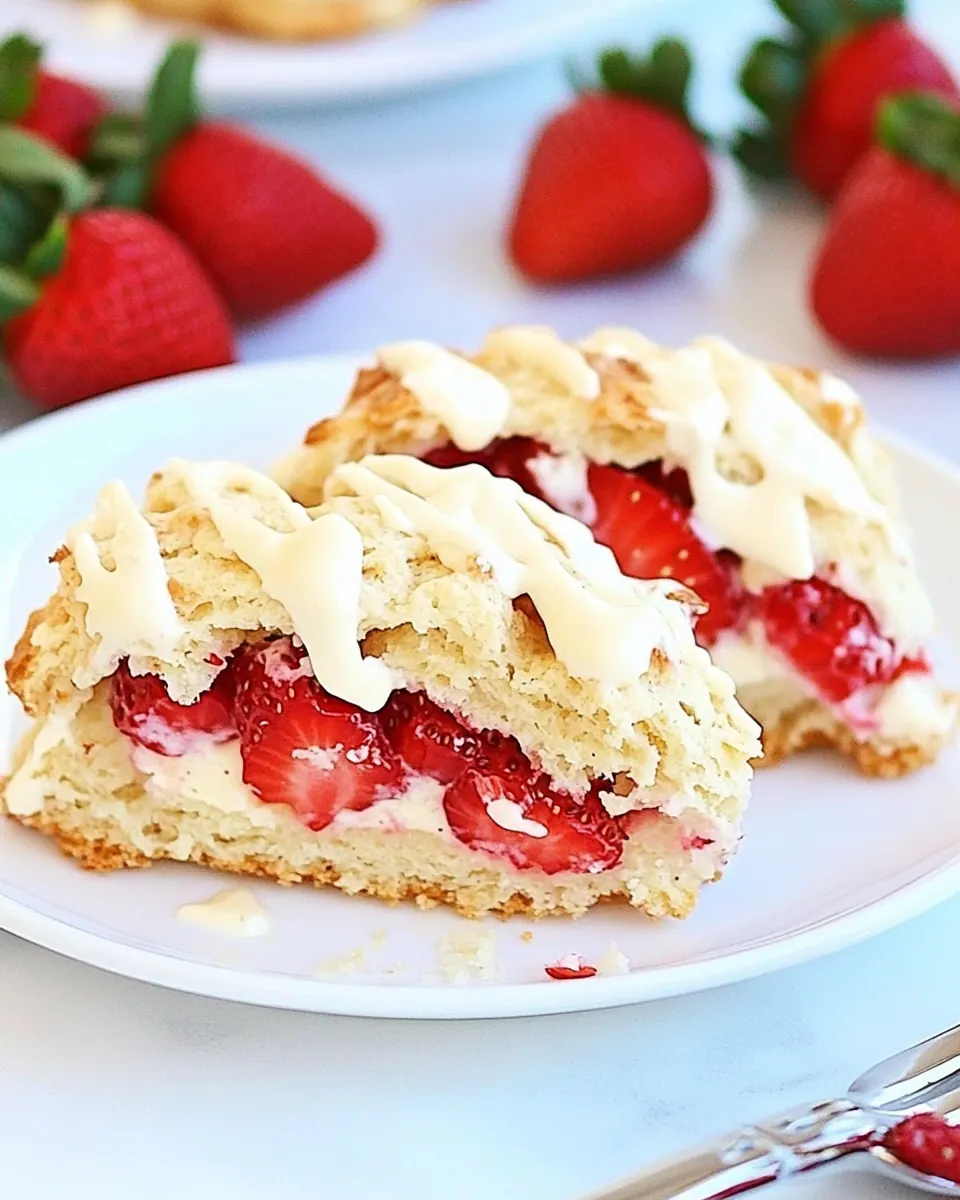
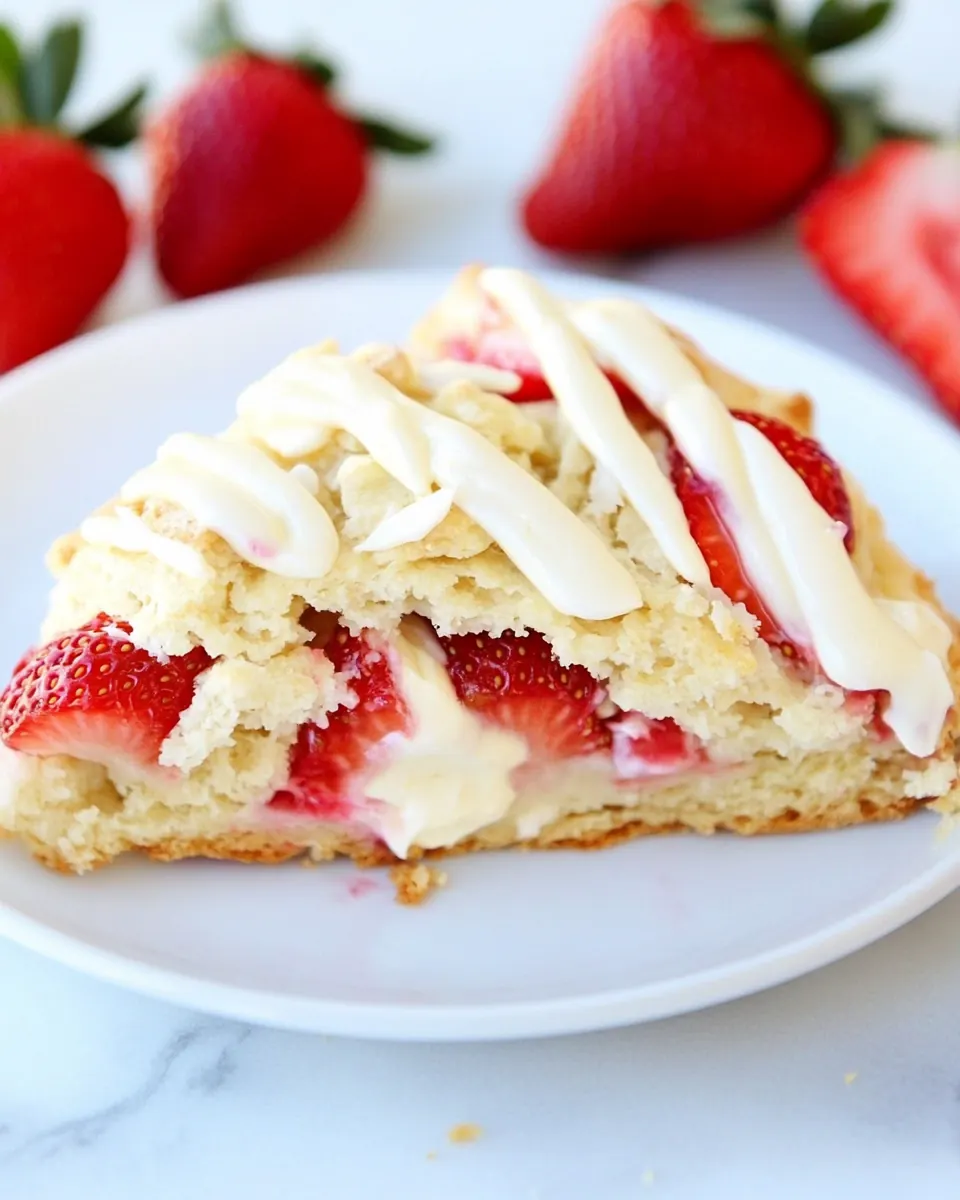
Strawberries and Cream Scones have been my go to treat for spring mornings when the market strawberries finally start to taste like sunshine. I still remember the first time I tucked a warm wedge into my palm, the steam carrying a whisper of vanilla while the fruit softened into the flaky crumb. That moment made me rethink weekend baking, turning a casual brunch into something that felt handcrafted and indulgent.
I love how the recipe balances simple pantry staples with a bright pop of fruit, and how the texture lands somewhere between a tender biscuit and a rustic pastry. Over the years I have tweaked the technique so the scones stay airy without becoming dry, and I always find myself smiling at the tiny pockets of cream and strawberry. When guests arrive, the aroma does half the work for me, drawing people into the kitchen and giving us a reason to slow down and chat.
Recipe Snapshot
22 mins
10 mins
12 mins
Medium
280 kcal
American
Gluten-Free, Low FODMAP
Desserts
Food Processor, Rimmed Baking Sheet, Parchment Paper
The Best Thing About This Strawberries and Cream Scones
Light and Tender Texture
I adore how these Strawberries and Cream Scones yield a tender interior with a lightly crisp exterior. The combination of cold, cubed butter worked into the flour, and just the right amount of heavy cream, creates small steam pockets while baking, which lift the crumb and keep it moist. I find that this texture makes every bite comforting and satisfying.
Fresh Strawberry Brightness
Adding hulled and quartered strawberries turns an otherwise simple scone into a spring forward delight. The berries release a little juice as the scones bake, creating subtle streaks of fruit and a fragrant perfume. I like how that natural sweetness balances the rich dairy notes, and it never feels overwhelming.
Simple, Accessible Ingredients
The ingredient list reads like a pantry check, which is one of the reasons I reach for this recipe often. From all purpose flour to powdered sugar, nothing is exotic, yet together they produce a refined result. I appreciate recipes that let technique shine over fancy inputs, and these scones do exactly that.
Versatile and Crowd Friendly
Whether I am serving them for a leisurely weekend breakfast or a casual brunch, the yield and ease make them great for groups. The wedges are easy to portion and pleasing to present on a platter. I also like that the glaze made from powdered sugar and extra heavy cream can be adjusted for thickness, so you can customize how sweet and glossy the finish is.
Fail Proof Appeal
There are a few small technique points that boost success, which is why I keep returning to this version. Cold butter, minimal handling when kneading in the strawberries, and watching for a light golden color in the oven, these details make the difference between a dense scone and one that practically melts on the tongue. I always enjoy sharing those little wins with fellow bakers.
Essential Ingredients for Strawberries and Cream Scones
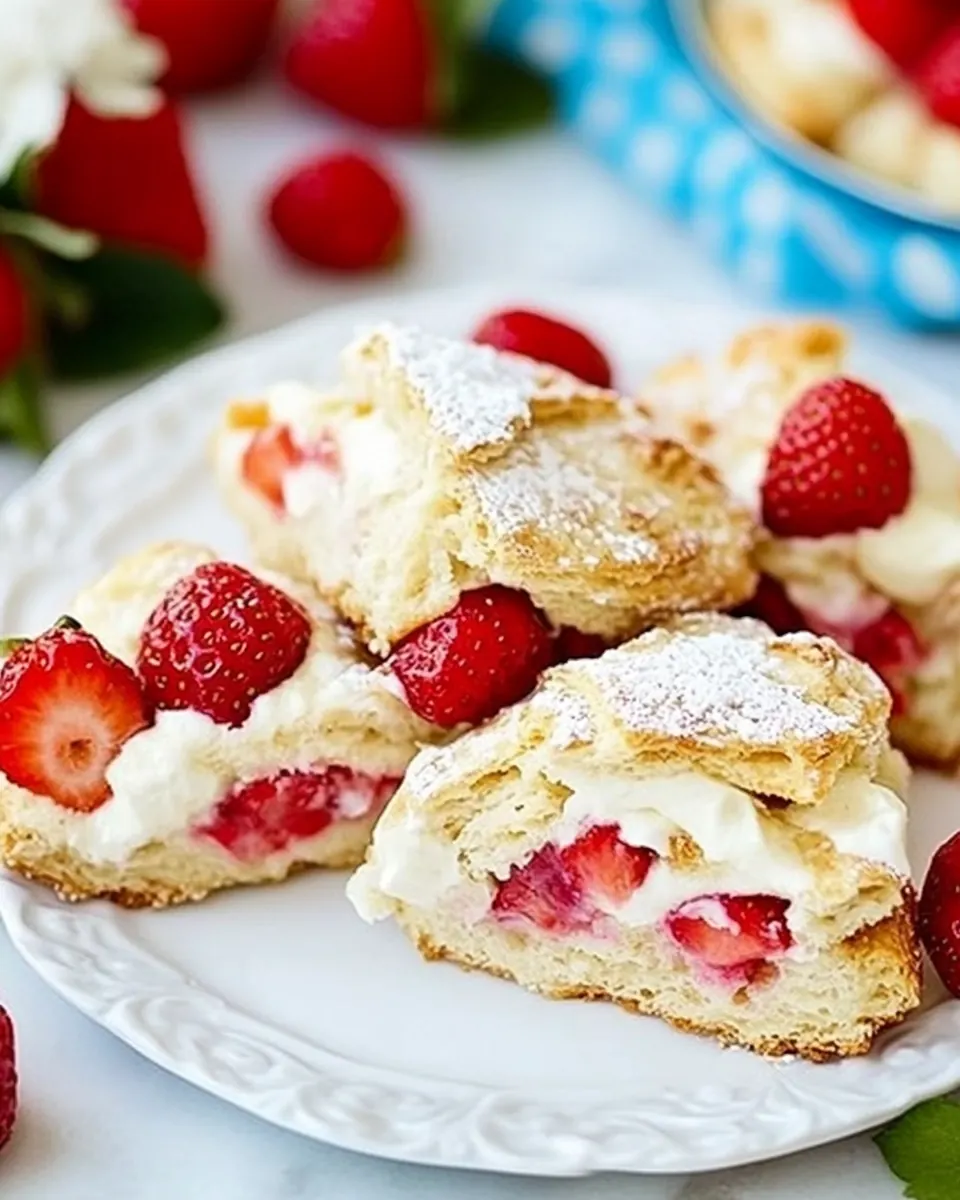
These ingredients are chosen to create a balance of richness, structure, and fresh brightness. The key players are the dry base that provides structure, the butter for flakiness, and the heavy cream for tenderness and moisture. The strawberries bring seasonal flair, while the extracts and powdered sugar add fragrant sweetness to finish.
- 3 cups all-purpose flour: Provide structure and body to baked goods; contributes gluten for chew and holds other ingredients together. Measure accurately to maintain proper dough texture and ensure even rise in scones.
- 1 cup sugar: Add sweetness and tenderize the crumb by interacting with fats and liquids; helps with browning during baking. Dissolve evenly into the dry mixture to distribute flavor and control sweetness level.
- 1 tablespoon baking powder: Leaven the dough by releasing carbon dioxide when mixed and heated, creating lift and a light crumb. Combine with dry ingredients to ensure even rising and avoid pockets of bitter baking agent.
- 1/2 teaspoon salt: Enhance overall flavor and balance sweetness while strengthening gluten formation control; prevents blandness. Dissolve into the dry mix so the salt disperses uniformly throughout the dough.
- 10 tablespoons chilled unsalted butter: Cut into the dry ingredients to create flaky layers and tender texture; chill to prevent melting before baking. Use a pastry cutter or fingertips briefly to incorporate until pea-sized pieces remain for optimal flakiness.
- 1 1/2 to 2 cups heavy cream: Provide moisture and richness, contributing to tenderness and binding the dough while adding dairy flavor; quantity controls dough consistency. Add gradually within the specified range until the dough comes together without becoming too wet.
- 1/2 teaspoon vanilla extract: Impart warm, familiar vanilla aroma and enhance perceived sweetness; rounds out flavors in the dough. Stir into the cream or liquid portion to distribute its fragrance evenly throughout the mixture.
- 1/2 teaspoon almond extract: Contribute a nutty, aromatic note that complements vanilla and fruit; use sparingly to avoid overpowering. Blend with other extracts into the liquid to ensure balanced flavor infusion in the scones.
- 1 cup hulled and quartered strawberries: Introduce fresh, juicy fruit flavor and a pop of color; add moisture and bursts of natural sweetness. Fold gently into the dough near the end of mixing to avoid crushing and preserving berry texture.
- 1/2 cup powdered sugar: Sweeten and thicken the glaze while adding a smooth, velvety finish; dissolves readily for a glossy topping. Sift before mixing to remove lumps and combine with liquid to form a smooth icing consistency.
- 2 to 3 tablespoons heavy cream: Adjust glaze consistency and add richness; helps dissolve powdered sugar into a pourable glaze. Add incrementally to achieve a drizzle-able texture without thinning the icing too much.
- 1/2 teaspoon vanilla extract: Enhance glaze aroma and deepen sweetness perception; pairs with powdered sugar to create a classic finishing flavor. Stir into the glaze at the end to perfume the icing without heat-sensitive loss of aroma.
Step by Step Guide for Strawberries and Cream Scones
Baking scones is part technique and part feeling the dough. Below I expand each direction into sensory rich, practical guidance so you know exactly what to expect at every stage. Read through once, then preheat and gather your tools.
- Preheat oven to 425 degrees. Line a baking sheet with parchment paper.: The warm oven smell hits quickly as it reaches 425 degrees , and that preheated environment is what gives the scones an immediate lift. I always let the oven fully reach temperature before sliding the pan in, because an oven that is even a few degrees cool can yield flatter scones. A common mistake is placing scones into a not fully heated oven, which delays rising and leads to dense results. Use a rimmed baking sheet with parchment paper to prevent sticking and allow the bottoms to brown evenly.
- Place flour, sugar, baking powder, and salt in a food processor and process until blended evenly.: You will notice a faint sweet aroma as the flour and sugar whirl together, and the mixture should look uniform and powdery when done. This step ensures even distribution of the baking powder and salt , which is critical for consistent rise and flavor. A frequent error is under-mixing dry ingredients, which can cause uneven pockets of leavening or salt. Processing for just a few pulses avoids warming the flour and keeps the mixture cool.
- Cut butter into 1/2-inch cubes and scatter on top of flour mixture. Pulse about 15 to 20 times, until mixture is crumbly.: As the cold butter is pulsed, you will see the mixture transition into coarse crumbs with pea sized bits of butter still visible, which is ideal. Those visible bits are what create flakiness as they melt and produce steam in the oven. Overprocessing is a pitfall because it can fully incorporate the butter , removing the little pockets needed for lift. Aim for a crumbly texture, not a paste, and keep the bowl cool to preserve the shape of the butter .
- Place 1 1/2 cups heavy cream in a glass measuring cup and add vanilla and almond extracts.: The aroma of the vanilla extract and almond extract blooming into the heavy cream is delightful and sets the flavor baseline for the dough. Stirring gently combines the extracts into a silky pale liquid. If you add extracts to warm liquid instead of cold, their volatile aromatics can evaporate, so I always mix them into cool heavy cream . Measuring precisely here helps keep the balance between floral and creamy notes.
- With food processor running, gradually add cream mixture through the feed tube. If a dough has formed, remove from food processor and place on a lightly floured surface. If not, add cream, 1 tablespoon at a time until a dough forms.: As the heavy cream is added, you will hear the texture change from dusty to a cohesive mass, and you may smell the slightly sweet scent of the dairy. The goal is a dough that holds together when pinched but is not soggy. Adding too much heavy cream at once can yield a wet, sticky dough that is hard to shape; if that happens, dust with a touch of flour to correct. Working quickly and pulsing in increments keeps the mixture cool and manageable.
- Knead strawberries into dough, handling the dough as little as possible. Pat into a 3/4-inch thick disc and cut into 8 wedges. Place on prepared baking sheet.: When you fold in the strawberries , be gentle to avoid bruising and releasing too much juice, which can make the dough heavy. The feel should be slightly tacky, studded with bright bits of berry. Pat the dough into a uniform 3/4 inch disc so the wedges bake evenly; you want a firm hand rather than vigorous kneading. Overworking is the classic mistake here, as it develops excess gluten and toughens the scones. Arrange the eight wedges with little space between them so they support each other while rising.
- Bake for 10 to 12 minutes or until just barely light golden brown and no longer doughy.: As the scones bake, you will see edges turn a soft golden hue and the tops set while a warm, sweet aroma fills the kitchen. The sound is subtle, a quiet sizzle from the butter and cream as they transform. Remove when the centers are set and the color is pale gold to preserve tenderness; extended baking causes dryness. A common error is waiting for deep browning, which produces crispness at the expense of a soft interior. Let them cool briefly on the sheet so they finish setting without losing moisture.
- In a small bowl, whisk together powdered sugar, heavy cream, and vanilla to make glaze.: The powdered sugar dissolves into the heavy cream creating a glossy glaze, and the scent of vanilla lifts the sweetness. Adjusting the additional heavy cream a spoonful at a time lets you control thickness. If the glaze is too thin it will run off, if too thick it will clump; a smooth, ribbon like pour is the target. Avoid over whisking which can introduce air and make the glaze look frothy instead of shiny.
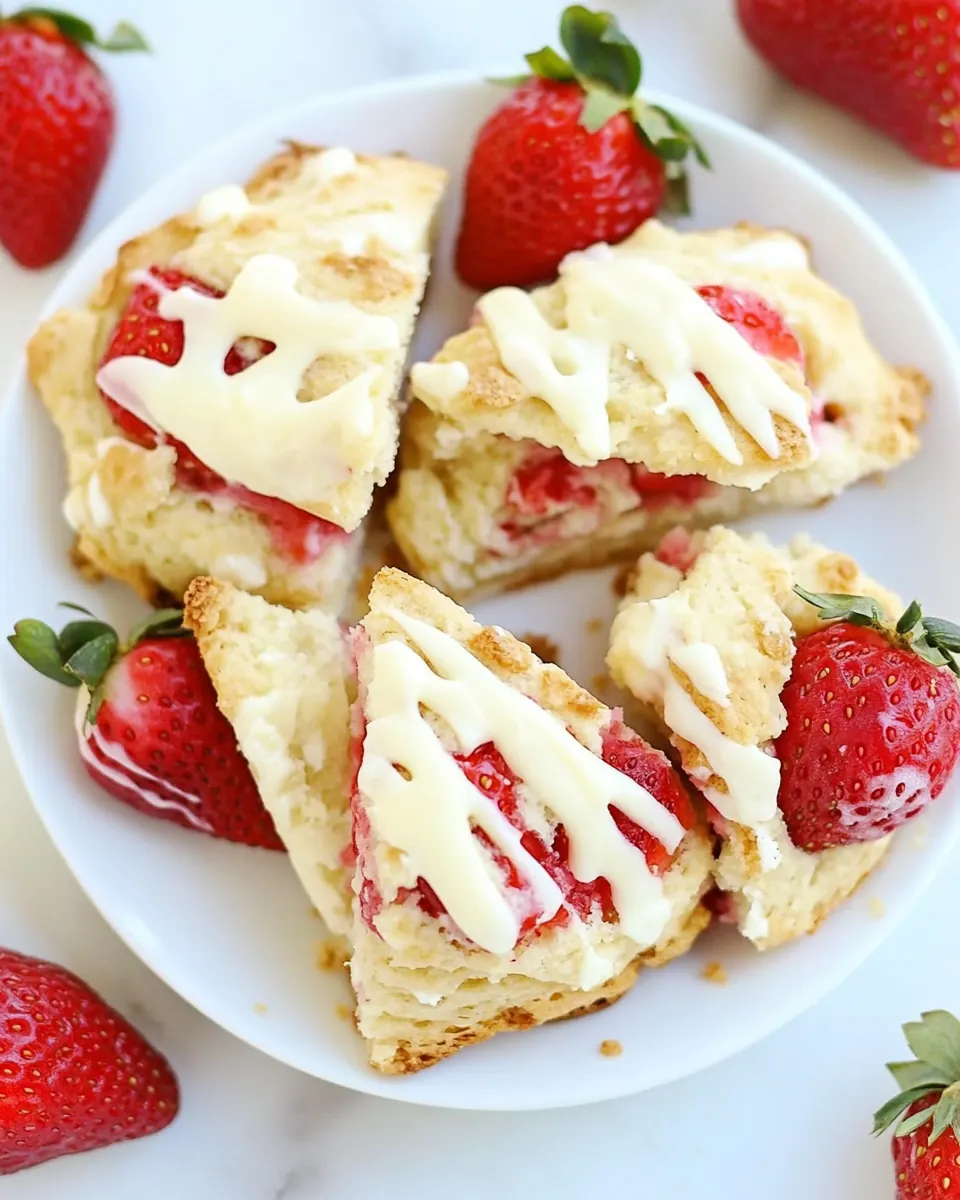
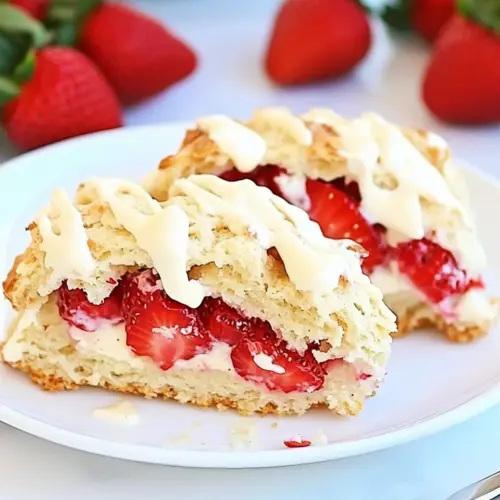
- Drizzle on scones. Best eaten warm.: When you drizzle the glaze over warm scones, it sets into a delicate sheen and the surface sparkles slightly. The contrast between the warm crumb and the cool glaze is delightful on the first bite. Serve shortly after glazing for the best texture, because sitting too long can soften the crisp edges. Resist the urge to stack glazed scones while still warm, as the glaze can stick and mar the finish.
Pro Tips and Tweaks
These pro tips will help you refine technique and adapt the recipe to your preferences. I tested several small adjustments to find what makes a reliably tender scone while keeping the assembly straightforward.
- Freeze the butter briefly: Chilling the cubed butter for five to ten minutes before pulsing ensures it stays solid and produces flakier layers as the scones bake.
- Pulse instead of overmix: Use short pulses in the food processor to combine dry ingredients and incorporate butter without generating heat, which can melt the fat prematurely.
- Start with less cream: Add the lower amount of heavy cream first and increase only as needed so the dough is easier to handle and not overly sticky.
- Work quickly with strawberries: Fold the strawberries in at the end and pat the dough lightly to keep the berries intact and avoid releasing too much moisture.
- Watch the oven closely: Remove the scones as soon as they achieve a pale golden color to preserve moisture, checking at ten minutes and up to twelve minutes as needed.
- Glaze thoughtfully: Mix powdered sugar with small spoonfuls of heavy cream until the glaze is smooth and shiny, then drizzle while the scones are warm for the best finish.
What to Serve With Strawberries and Cream Scones
These scones are versatile and pair well with light accompaniments and casual occasions. Below are ideas for serving, occasions, and storage in an easy to read list.
- Simple beverage pairings: Serve with a pot of tea, coffee, or a chilled milk for a classic brunch pairing that highlights the buttery and fruity notes.
- Fruit accents: Fresh berries or a small fruit salad complement the strawberries inside the scones, adding contrast and additional brightness on the plate.
- Occasions: Ideal for spring brunches, bridal showers, or a leisurely weekend breakfast, these scones bring a touch of elegance without fuss.
- Presentation tip: Arrange wedges on a serving platter with a small bowl of extra glaze so guests can add more if they like.
- Storage: Keep cooled scones in an airtight container at room temperature for up to two days, or freeze individually wrapped for longer storage. Rewarm briefly in a low oven to refresh before serving.
- Seasonal pairings: In spring, highlight the recipe with other light fare like salads and fruit, saving heavier sides for later seasons.
FAQ
Conclusion
These Strawberries and Cream Scones shine because they combine approachable technique with vibrant seasonal flavor for a reliably tender result. Give them a try this weekend, and you will likely find they become a favored ritual for leisurely breakfasts and spring gatherings. I hope you enjoy the balance of creamy richness and bright strawberry notes, and that the simple steps help you bake with confidence and pleasure.
Strawberries and Cream Scones
Equipment
- Food Processor
- Rimmed Baking Sheet
- Parchment Paper
Ingredients
- 3 cups all-purpose flour Provide structure and body to baked goods; contributes gluten for chew and holds other ingredients together. Measure accurately to maintain proper dough texture and ensure even rise in scones.
- 1 cup sugar Add sweetness and tenderize the crumb by interacting with fats and liquids; helps with browning during baking. Dissolve evenly into the dry mixture to distribute flavor and control sweetness level.
- 1 tablespoon baking powder Leaven the dough by releasing carbon dioxide when mixed and heated, creating lift and a light crumb. Combine with dry ingredients to ensure even rising and avoid pockets of bitter baking agent.
- 1/2 teaspoon salt Enhance overall flavor and balance sweetness while strengthening gluten formation control; prevents blandness. Dissolve into the dry mix so the salt disperses uniformly throughout the dough.
- 10 tablespoons chilled unsalted butter Cut into the dry ingredients to create flaky layers and tender texture; chill to prevent melting before baking. Use a pastry cutter or fingertips briefly to incorporate until pea-sized pieces remain for optimal flakiness.
- 1 1/2 to 2 cups heavy cream Provide moisture and richness, contributing to tenderness and binding the dough while adding dairy flavor; quantity controls dough consistency. Add gradually within the specified range until the dough comes together without becoming too wet.
- 1/2 teaspoon vanilla extract Impart warm, familiar vanilla aroma and enhance perceived sweetness; rounds out flavors in the dough. Stir into the cream or liquid portion to distribute its fragrance evenly throughout the mixture.
- 1/2 teaspoon almond extract Contribute a nutty, aromatic note that complements vanilla and fruit; use sparingly to avoid overpowering. Blend with other extracts into the liquid to ensure balanced flavor infusion in the scones.
- 1 cup hulled and quartered strawberries Introduce fresh, juicy fruit flavor and a pop of color; add moisture and bursts of natural sweetness. Fold gently into the dough near the end of mixing to avoid crushing and preserving berry texture.
- 1/2 cup powdered sugar Sweeten and thicken the glaze while adding a smooth, velvety finish; dissolves readily for a glossy topping. Sift before mixing to remove lumps and combine with liquid to form a smooth icing consistency.
- 2 to 3 tablespoons heavy cream Adjust glaze consistency and add richness; helps dissolve powdered sugar into a pourable glaze. Add incrementally to achieve a drizzle-able texture without thinning the icing too much.
- 1/2 teaspoon vanilla extract Enhance glaze aroma and deepen sweetness perception; pairs with powdered sugar to create a classic finishing flavor. Stir into the glaze at the end to perfume the icing without heat-sensitive loss of aroma.
Instructions
- Preheat oven to 425 degrees. Line a baking sheet with parchment paper.: The warm oven smell hits quickly as it reaches 425 degrees , and that preheated environment is what gives the scones an immediate lift. I always let the oven fully reach temperature before sliding the pan in, because an oven that is even a few degrees cool can yield flatter scones. A common mistake is placing scones into a not fully heated oven, which delays rising and leads to dense results. Use a rimmed baking sheet with parchment paper to prevent sticking and allow the bottoms to brown evenly.
- Place flour, sugar, baking powder, and salt in a food processor and process until blended evenly.: You will notice a faint sweet aroma as the flour and sugar whirl together, and the mixture should look uniform and powdery when done. This step ensures even distribution of the baking powder and salt , which is critical for consistent rise and flavor. A frequent error is under-mixing dry ingredients, which can cause uneven pockets of leavening or salt. Processing for just a few pulses avoids warming the flour and keeps the mixture cool.
- Cut butter into 1/2-inch cubes and scatter on top of flour mixture. Pulse about 15 to 20 times, until mixture is crumbly.: As the cold butter is pulsed, you will see the mixture transition into coarse crumbs with pea sized bits of butter still visible, which is ideal. Those visible bits are what create flakiness as they melt and produce steam in the oven. Overprocessing is a pitfall because it can fully incorporate the butter , removing the little pockets needed for lift. Aim for a crumbly texture, not a paste, and keep the bowl cool to preserve the shape of the butter .
- Place 1 1/2 cups heavy cream in a glass measuring cup and add vanilla and almond extracts.: The aroma of the vanilla extract and almond extract blooming into the heavy cream is delightful and sets the flavor baseline for the dough. Stirring gently combines the extracts into a silky pale liquid. If you add extracts to warm liquid instead of cold, their volatile aromatics can evaporate, so I always mix them into cool heavy cream . Measuring precisely here helps keep the balance between floral and creamy notes.
- With food processor running, gradually add cream mixture through the feed tube. If a dough has formed, remove from food processor and place on a lightly floured surface. If not, add cream, 1 tablespoon at a time until a dough forms.: As the heavy cream is added, you will hear the texture change from dusty to a cohesive mass, and you may smell the slightly sweet scent of the dairy. The goal is a dough that holds together when pinched but is not soggy. Adding too much heavy cream at once can yield a wet, sticky dough that is hard to shape; if that happens, dust with a touch of flour to correct. Working quickly and pulsing in increments keeps the mixture cool and manageable.
- Knead strawberries into dough, handling the dough as little as possible. Pat into a 3/4-inch thick disc and cut into 8 wedges. Place on prepared baking sheet.: When you fold in the strawberries , be gentle to avoid bruising and releasing too much juice, which can make the dough heavy. The feel should be slightly tacky, studded with bright bits of berry. Pat the dough into a uniform 3/4 inch disc so the wedges bake evenly; you want a firm hand rather than vigorous kneading. Overworking is the classic mistake here, as it develops excess gluten and toughens the scones. Arrange the eight wedges with little space between them so they support each other while rising.
- Bake for 10 to 12 minutes or until just barely light golden brown and no longer doughy.: As the scones bake, you will see edges turn a soft golden hue and the tops set while a warm, sweet aroma fills the kitchen. The sound is subtle, a quiet sizzle from the butter and cream as they transform. Remove when the centers are set and the color is pale gold to preserve tenderness; extended baking causes dryness. A common error is waiting for deep browning, which produces crispness at the expense of a soft interior. Let them cool briefly on the sheet so they finish setting without losing moisture.
- In a small bowl, whisk together powdered sugar, heavy cream, and vanilla to make glaze.: The powdered sugar dissolves into the heavy cream creating a glossy glaze, and the scent of vanilla lifts the sweetness. Adjusting the additional heavy cream a spoonful at a time lets you control thickness. If the glaze is too thin it will run off, if too thick it will clump; a smooth, ribbon like pour is the target. Avoid over whisking which can introduce air and make the glaze look frothy instead of shiny.
- Drizzle on scones. Best eaten warm.: When you drizzle the glaze over warm scones, it sets into a delicate sheen and the surface sparkles slightly. The contrast between the warm crumb and the cool glaze is delightful on the first bite. Serve shortly after glazing for the best texture, because sitting too long can soften the crisp edges. Resist the urge to stack glazed scones while still warm, as the glaze can stick and mar the finish.
Notes
- Freeze the butter briefly: Chilling the cubed butter for five to ten minutes before pulsing ensures it stays solid and produces flakier layers as the scones bake.
- Pulse instead of overmix: Use short pulses in the food processor to combine dry ingredients and incorporate butter without generating heat, which can melt the fat prematurely.
- Start with less cream: Add the lower amount of heavy cream first and increase only as needed so the dough is easier to handle and not overly sticky.
- Work quickly with strawberries: Fold the strawberries in at the end and pat the dough lightly to keep the berries intact and avoid releasing too much moisture.
- Watch the oven closely: Remove the scones as soon as they achieve a pale golden color to preserve moisture, checking at ten minutes and up to twelve minutes as needed.
- Glaze thoughtfully: Mix powdered sugar with small spoonfuls of heavy cream until the glaze is smooth and shiny, then drizzle while the scones are warm for the best finish.