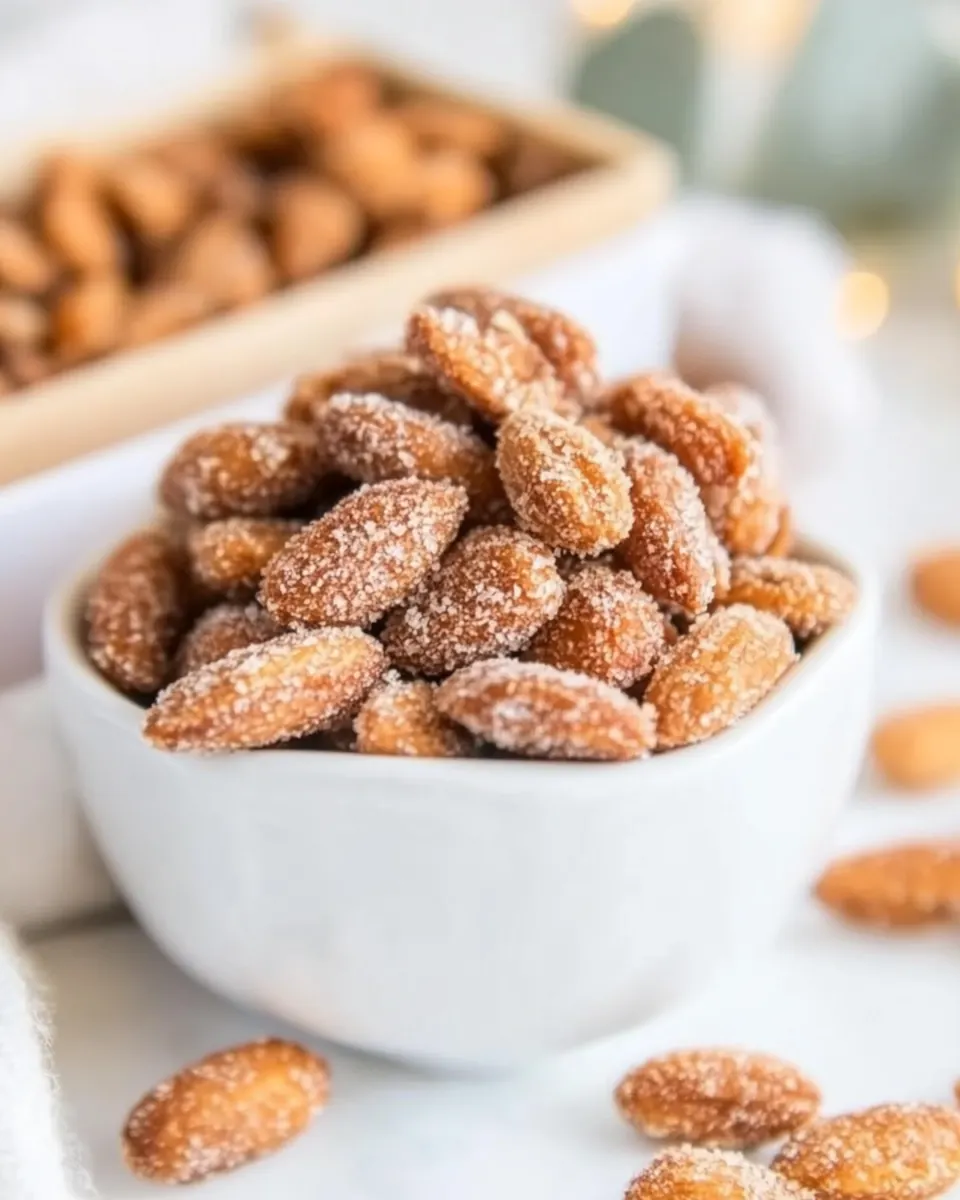
Candied Almonds
Candied Almonds have been my little festive cheat code for years, a jar of crunchy, sweet comfort that appears at holiday gatherings and quiet weekday tea times alike.
I first learned to make Candied Almonds on a rainy November afternoon while helping a neighbor sort jars for a bake sale. She handed me a warm tray straight from the oven, and the aroma of caramelized sugar and cinnamon wrapped around me like a cozy blanket. We laughed over a spilled bowl of sugar, and I kept stealing almonds until the tray was empty. That sticky, crisp bite stuck with me, and I started experimenting at home, dialing up spice and texture until it felt just like that memory.
Over the years Candied Almonds have become my hostess gift, last minute party treat, and a go to snack to tuck into lunch boxes. I love how the simple set of pantry staples transforms into something celebratory with just a little patience and attention. You can make a small batch on a weeknight or scale it up for a crowd, and the result always feels thoughtful and homemade.
What I appreciate most is that this recipe rewards gentle hands and timing. The sugar needs to darken and harden without burning, and that brief window when the almonds are glossy and fragrant is pure magic. I often double the recipe around the holidays and share jars with friends, and every time someone bites into one they ask for the recipe. That, more than anything, keeps me making it again and again.
Recipe Snapshot
50 mins
10 mins
40 mins
Medium
150 kcal
American
Gluten-Free, Low FODMAP
Desserts
Mixing bowl, Whisk, Baking sheet, Silicone baking mat or parchment paper
What Makes This Candied Almonds Special
Crunchy Texture that Lasts
I adore how Candied Almonds keep their snap long after they cool. The combination of sugars and a properly baked coating gives a satisfying crunch, so each nibble feels substantial. When you bite in you should hear a crisp crack, and the nut inside stays perfectly toasted rather than soggy. I’ve found that patience during baking and stirring helps avoid clumps and ensures even coating.
Warm Spice Notes
One reason I keep returning to Candied Almonds is the cozy cinnamon warmth. That light spiced edge complements the toasted almond flavor and makes these feel seasonal and comforting. You can tune the amount of spice to match your mood, whether you want subtle background warmth or bolder aromatic presence.
Built From Pantry Staples
What stands out to me is how few ingredients deliver so much. With just egg white, vanilla, sugars, and cinnamon you get a snack that feels gourmet. It’s ideal when you want something impressive without an elaborate shopping list. I often pull this together when unexpected guests arrive, and I’m always surprised by how often people ask for a jar to take home.
Flexible and Giftable
I like that Candied Almonds are extremely adaptable. You can tweak the sugar balance, swap spices, or use different nuts while keeping the core method. They store well in an airtight container, so they travel and gift wonderfully. I’ve given them in mason jars with ribbons, and they’re always well received.
Simple Technique, Big Payoff
Finally, this recipe proves that small technique choices make a big difference. Whisking the egg white until foamy, coating the almonds evenly, and stirring at the right moments while baking all shape the final texture and shine. These steps are approachable, and once you get a feel for them, you’ll make Candied Almonds again and again.
Recipe Ingredients for Candied Almonds
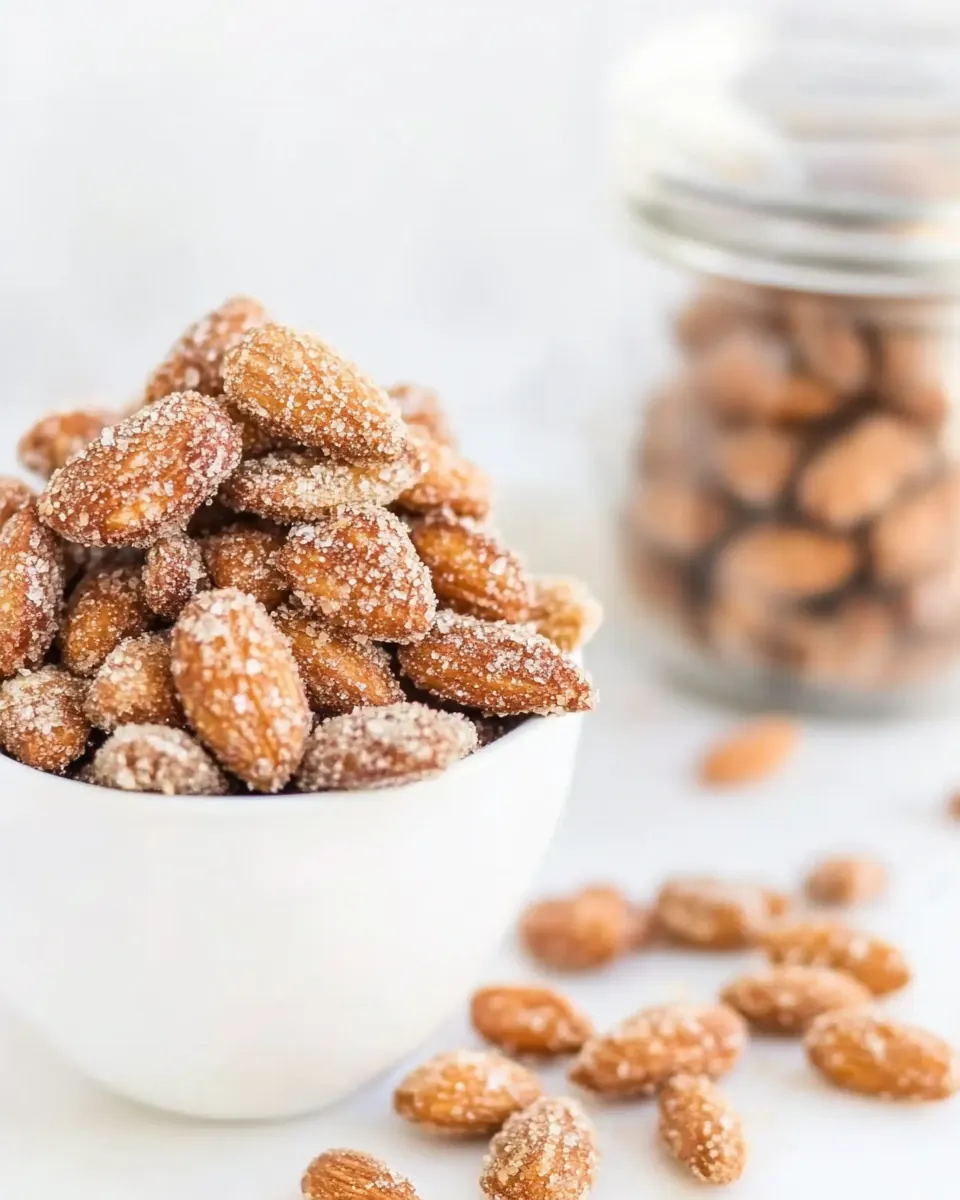
These ingredients are intentionally simple, chosen to build crunchy sweetness and warm spice. The key players are the egg white which helps the coating adhere, the duo of dark brown sugar and granulated sugar which caramelize into a crisp shell, and the cinnamon which gives that familiar holiday character. Each item has a clear role, and together they create a balanced, crunchy snack.
- 1 egg white room temperature: Whisk to create a sticky coating that helps sugars adhere; beat until foamy but not dry to bind spices and sugar to the nuts. Use room temperature egg white for even coating and a glossy finish after cooking, contributing to a light crunch once set.
- 1 teaspoon vanilla extract: Provide aromatic depth and a hint of sweetness; stir into the egg-white mixture to flavor the coating evenly. Use vanilla extract sparingly to enhance the overall complexity without overpowering the nuts.
- 2 teaspoons water: Add moisture to thin the egg-white mixture so it spreads smoothly over the almonds; stir in gradually to reach a glossy, tacky consistency. Water also helps dissolve sugars during cooking for an even caramelization.
- 16 ounces almonds raw, whole: Offer the bulk and texture of the final snack; use raw whole almonds for a hearty, crunchy base that toasts well. Roast or coat them uniformly so each nut receives equal coverage of spiced, caramelized sugar.
- 1/2 cup dark brown sugar packed: Contribute deep, molasses-like sweetness and a chewy, caramel character; pack firmly to measure consistent sweetness and color. Brown sugar promotes a softer, more complex caramel coating and helps create a slightly sticky glaze on the almonds.
- 1/2 cup granulated sugar: Provide pure crystalline sweetness and help form a crisp caramelized exterior; sprinkle or mix with the brown sugar for balanced sweetness and texture. Granulated sugar melts and browns to produce the signature glossy, crunchy shell.
- 1 to 2 teaspoons ground cinnamon: Lend warm, earthy spice that pairs with sugar to create classic candied flavor; measure according to preference for subtle or pronounced cinnamon notes. Cinnamon enhances aroma and complements the nuts without adding moisture.
- 1/2 teaspoon ea salt: Enhance overall flavor by balancing sweetness and bringing out other tastes; sprinkle evenly into the sugar mixture to avoid clumping. Salt sharpens the caramel profile and prevents the snack from tasting one-dimensional.
Making This Candied Almonds
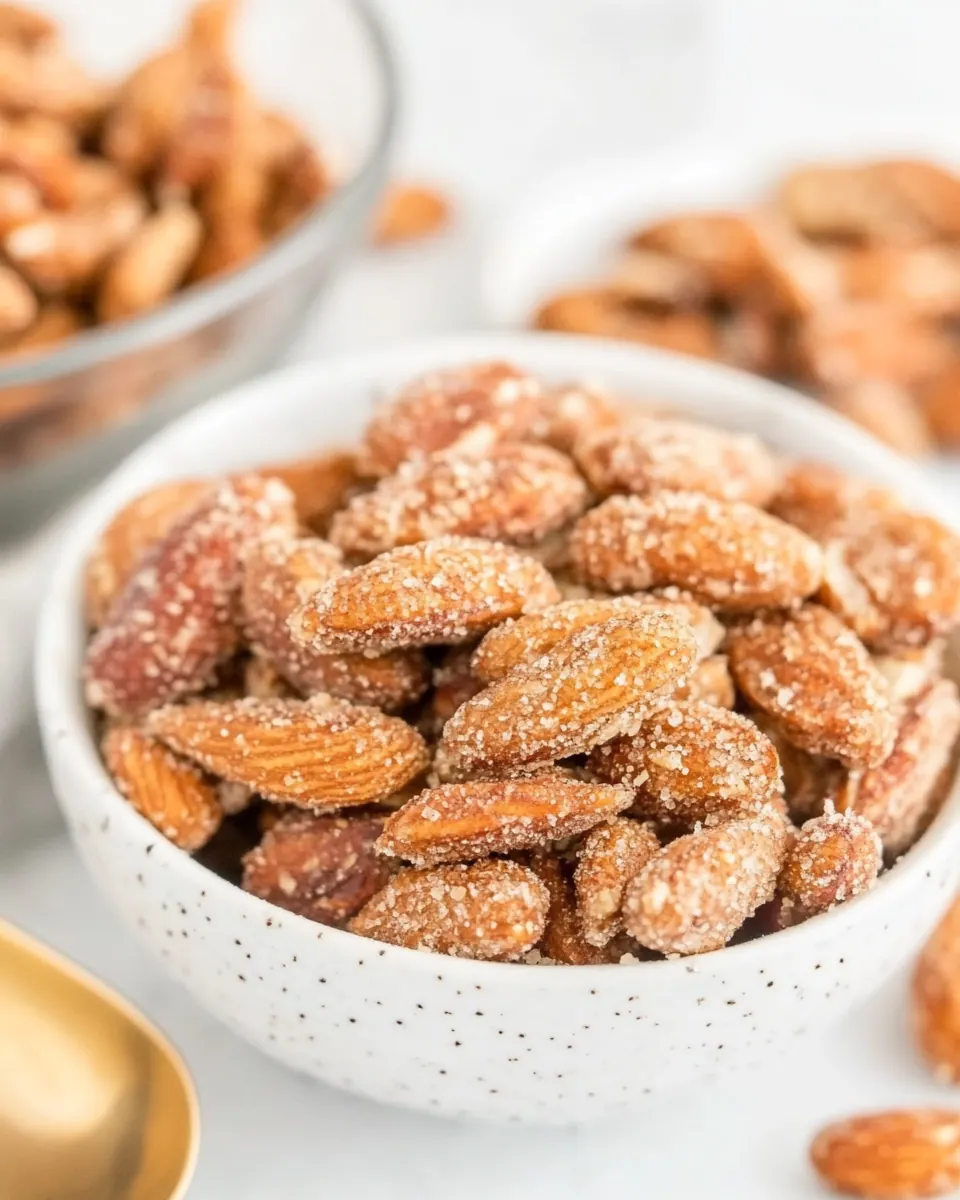
I like to think of this as a patient, sensory process more than a recipe where you race the clock. These steps guide you through temperature, texture, and smell so you know when each stage is right. Keep your attention during baking, and reward yourself with a salted crisp bite at the end.
- Preheat oven to 300°F. Line a large baking sheet with a silicone baking mat or parchment paper and set aside.: You should feel the warm anticipation in the kitchen as you set the oven to 300°F , the even heat is key for gentle toasting without burning. The air will gradually shift from neutral to faintly warm and clean, not smoky, when the oven reaches temperature. Lining the baking sheet with a silicone baking mat or parchment paper prevents sticking and makes cleanup easier, and it also helps the sugar shell set properly as it cools. A common mistake is using too high a temperature which can caramelize too quickly and lead to burnt sugar, so trust the moderate heat. Ensure the sheet is large enough to spread the nuts in a single layer, because crowded almonds will steam and lose crispness.
- In a large bowl, whisk egg white, vanilla extract, and water until foamy, about 3 minutes. A hand or stand mixer will make quick work of this.: As you whisk the egg white , vanilla , and water , watch the mixture change from translucent to pearly and foamy, with soft peaks forming in the bowl after about three minutes. The foam creates tiny air pockets that help the sugar cling and dry into a thin, even coating when baked, so this texture matters. The whisking rhythm will sound airy and brisk, not splattering, and the bowl will warm slightly under your hands or the mixer. A frequent error is stopping too soon, which leaves the coating patchy, or overwhipping until it becomes dry. If that happens you can start a fresh egg white for best results.
- Fold in almonds and stir until completely coated in egg white mixture.: When you add the almonds the bowl will go quiet but busy, as each nut becomes glossy with the egg white foam. Use a gentle folding motion so you preserve the aeration while ensuring every nut wears a thin veil of coating. The ideal visual cue is a uniformly shiny surface on each nut, not clumpy lumps. You may hear the light scrape of almonds against the bowl, and the mixture will feel tacky to the touch. Avoid rushing and using aggressive stirring which can knock out the foam and make the coat uneven.
- In a separate medium bowl, whisk together granulated sugar, brown sugar, cinnamon and salt. Pour over the top of the almonds and toss until almonds are completely coated in cinnamon sugar mixture.: As you mix the granulated sugar , dark brown sugar , cinnamon , and salt , inhale the warming spice; it should smell aromatic and slightly toasty from the brown sugar. Pouring this onto the glossy almonds will create a cascade of fine crystals, and tossing gently ensures the sugar adheres to the tacky egg white. The tactile cue is a powdery dusting evolving into a granular shell, and the nuts should feel evenly textured rather than sticky. A common pitfall is uneven mixing of the sugars, which yields spots of heavy sweetness and bare nuts. Make sure the sugar blend is homogeneous before tossing.
- Spread the almonds onto the prepared baking in a single layer. Bake for 35 to 40 minutes stirring after the first 15 minutes, then every 10 minutes thereafter until the sugar mixture has hardened.: When you spread the almonds onto the lined sheet, space them so each nut sits alone, not touching neighbors, which allows the hot air to coat each one evenly. While baking, the kitchen aroma will shift from sweet to toasted, and small bubbles may form in the sugar before it darkens; that bubbling is normal and signals caramelization. Stirring after the first 15 minutes and then every 10 minutes keeps the nuts from clumping and promotes even color development. The sugar will go from damp and glossy to dry and slightly crackly; that is the visual cue you want. A frequent error is skipping stirring, which leads to uneven browning and sticky clusters that do not crisp properly.
- Remove the candied almonds from the oven and let cool on the baking sheet before transferring to an airtight container.: Once you take the tray out, the scent will be deeply sweet with toasted almond notes and warm spice. Letting the nuts cool undisturbed on the baking sheet allows the sugar shell to harden and snap, rather than staying tacky. Resist the temptation to move them while hot because they are fragile and will clump or smear. After cooling they should rattle slightly in the pan when nudged and present a uniform sheen. Pack them into an airtight container only when fully cool to preserve crispness. A common mistake is sealing them while still warm, which traps steam and softens the coating.
Recipe Tips about Candied Almonds
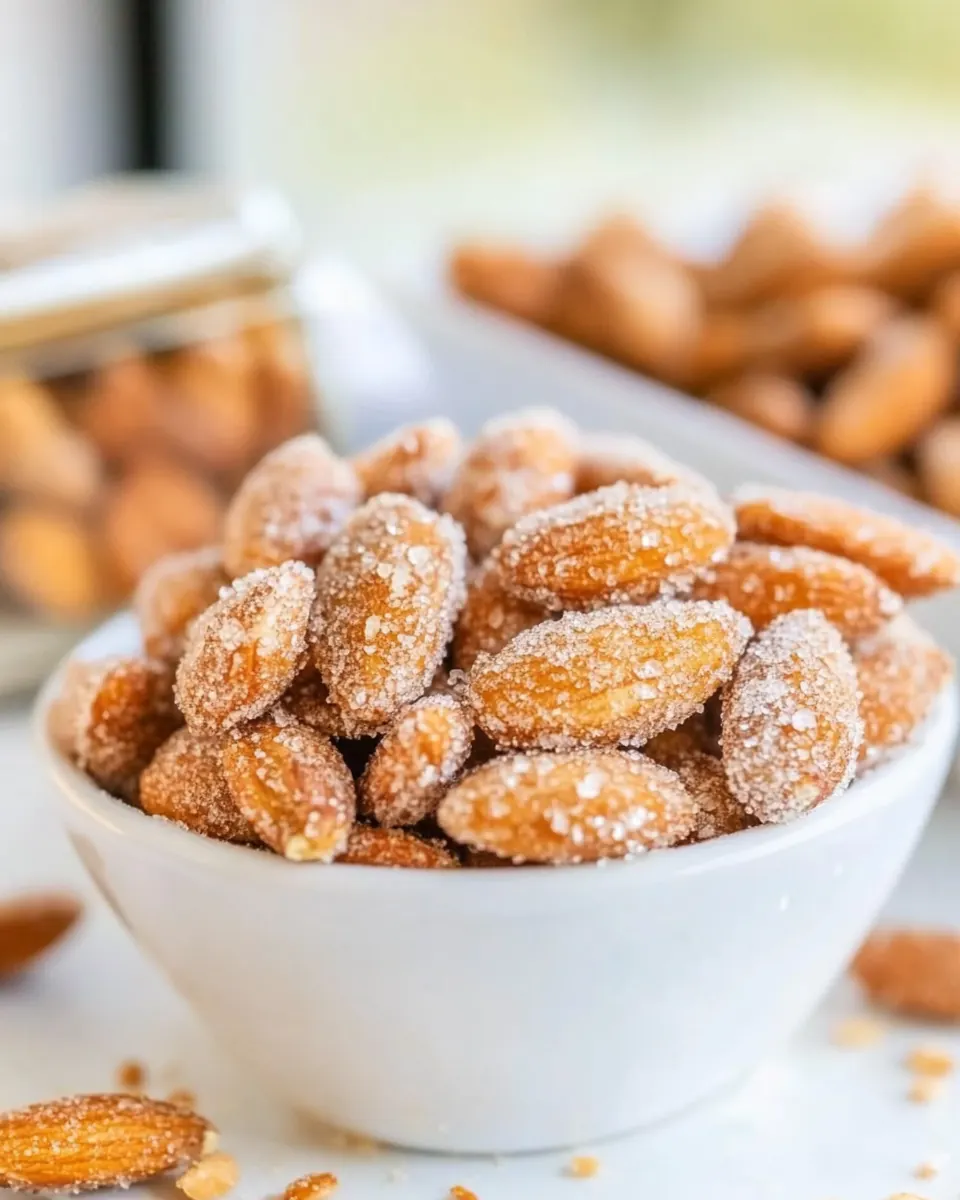
These tips will help you perfect texture, flavor, and presentation. Each one focuses on a practical tweak I use in my kitchen to get consistent results and delightful flavor.
- Use a wide baking sheet so the almonds sit in a single layer, which promotes even heat circulation and consistent crisping across the batch.
- Whisk the egg white until foamy, not dry, so the sugar adheres uniformly and the coating dries with a delicate, crackly shell instead of clumping.
- Mix sugars thoroughly before tossing over the nuts to avoid pockets of brown sugar that can overbrown and create uneven caramelization.
- Stir at set intervals during baking, starting after 15 minutes, to break up clusters and ensure every nut gets toasted without burning.
- Cool fully on the sheet before transferring to storage, since sealing while warm traps moisture and ruins the crunch you worked for.
- Experiment with spice blends by substituting or adding small amounts to the cinnamon, which lets you personalize the profile for gifting or seasonal themes.
Best Served With
I like to present these as a snack, a hostess gift, or as part of a dessert spread. The following ideas cover occasions, pairings, storage recommendations, and presentation notes to help you serve Candied Almonds beautifully.
- As a snack bowl offer a small bowl of Candied Almonds near the coffee station or on a side table for guests to nibble on during casual gatherings.
- Gift jars fill mason jars with cooled nuts, add a ribbon and label, and give them as thoughtful holiday presents or thank you gifts that travel well.
- Charcuterie addition place them on a cheese board to add sweet crunch alongside cheeses and dried fruit, enhancing texture contrast and flavor balance.
- Party favor package small portions in clear bags for wedding favors, holiday party takeaways, or meeting snacks, they store and transport easily.
- Storage tips keep the nuts in an airtight container at room temperature for up to two weeks, or freeze for longer storage, making sure they are completely cool before sealing.
- Seasonal pairing serve them during fall gatherings, breakfast brunches, or Ramadan evenings as an easy, shareable snack that complements tea and coffee.
FAQ
Conclusion
Candied Almonds shine because they transform a few pantry staples into a crunchy, warmly spiced snack with minimal fuss. I encourage you to try the recipe, paying attention to the foamy egg white, even coating, and gentle baking that create the perfect crisp. Share a jar with friends, tuck some into a lunch box, or keep them on the counter for a quick treat, and enjoy the simple pleasure of homemade sweet crunch.
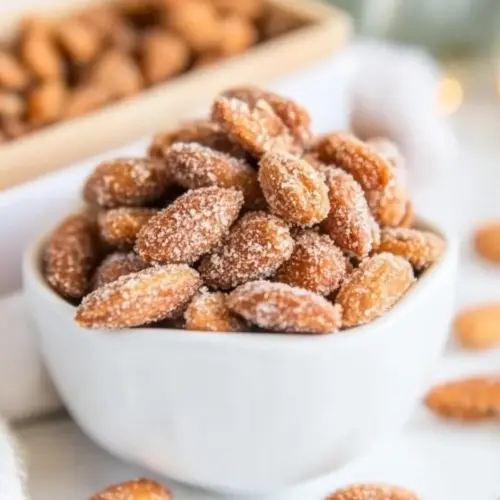
Candied Almonds
Equipment
- Mixing Bowl
- Whisk
- Baking Sheet
- Silicone baking mat or parchment paper
Ingredients
- 1 egg white room temperature Whisk to create a sticky coating that helps sugars adhere; beat until foamy but not dry to bind spices and sugar to the nuts. Use room temperature egg white for even coating and a glossy finish after cooking, contributing to a light crunch once set.
- 1 teaspoon vanilla extract Provide aromatic depth and a hint of sweetness; stir into the egg-white mixture to flavor the coating evenly. Use vanilla extract sparingly to enhance the overall complexity without overpowering the nuts.
- 2 teaspoons water Add moisture to thin the egg-white mixture so it spreads smoothly over the almonds; stir in gradually to reach a glossy, tacky consistency. Water also helps dissolve sugars during cooking for an even caramelization.
- 16 ounces almonds raw, whole Offer the bulk and texture of the final snack; use raw whole almonds for a hearty, crunchy base that toasts well. Roast or coat them uniformly so each nut receives equal coverage of spiced, caramelized sugar.
- 1/2 cup dark brown sugar packed Contribute deep, molasses-like sweetness and a chewy, caramel character; pack firmly to measure consistent sweetness and color. Brown sugar promotes a softer, more complex caramel coating and helps create a slightly sticky glaze on the almonds.
- 1/2 cup granulated sugar Provide pure crystalline sweetness and help form a crisp caramelized exterior; sprinkle or mix with the brown sugar for balanced sweetness and texture. Granulated sugar melts and browns to produce the signature glossy, crunchy shell.
- 1 to 2 teaspoons ground cinnamon Lend warm, earthy spice that pairs with sugar to create classic candied flavor; measure according to preference for subtle or pronounced cinnamon notes. Cinnamon enhances aroma and complements the nuts without adding moisture.
- 1/2 teaspoon ea salt Enhance overall flavor by balancing sweetness and bringing out other tastes; sprinkle evenly into the sugar mixture to avoid clumping. Salt sharpens the caramel profile and prevents the snack from tasting one-dimensional.
Instructions
- Preheat oven to 300°F. Line a large baking sheet with a silicone baking mat or parchment paper and set aside.: You should feel the warm anticipation in the kitchen as you set the oven to 300°F , the even heat is key for gentle toasting without burning. The air will gradually shift from neutral to faintly warm and clean, not smoky, when the oven reaches temperature. Lining the baking sheet with a silicone baking mat or parchment paper prevents sticking and makes cleanup easier, and it also helps the sugar shell set properly as it cools. A common mistake is using too high a temperature which can caramelize too quickly and lead to burnt sugar, so trust the moderate heat. Ensure the sheet is large enough to spread the nuts in a single layer, because crowded almonds will steam and lose crispness.
- In a large bowl, whisk egg white, vanilla extract, and water until foamy, about 3 minutes. A hand or stand mixer will make quick work of this.: As you whisk the egg white , vanilla , and water , watch the mixture change from translucent to pearly and foamy, with soft peaks forming in the bowl after about three minutes. The foam creates tiny air pockets that help the sugar cling and dry into a thin, even coating when baked, so this texture matters. The whisking rhythm will sound airy and brisk, not splattering, and the bowl will warm slightly under your hands or the mixer. A frequent error is stopping too soon, which leaves the coating patchy, or overwhipping until it becomes dry. If that happens you can start a fresh egg white for best results.
- Fold in almonds and stir until completely coated in egg white mixture.: When you add the almonds the bowl will go quiet but busy, as each nut becomes glossy with the egg white foam. Use a gentle folding motion so you preserve the aeration while ensuring every nut wears a thin veil of coating. The ideal visual cue is a uniformly shiny surface on each nut, not clumpy lumps. You may hear the light scrape of almonds against the bowl, and the mixture will feel tacky to the touch. Avoid rushing and using aggressive stirring which can knock out the foam and make the coat uneven.
- In a separate medium bowl, whisk together granulated sugar, brown sugar, cinnamon and salt. Pour over the top of the almonds and toss until almonds are completely coated in cinnamon sugar mixture.: As you mix the granulated sugar , dark brown sugar , cinnamon , and salt , inhale the warming spice; it should smell aromatic and slightly toasty from the brown sugar. Pouring this onto the glossy almonds will create a cascade of fine crystals, and tossing gently ensures the sugar adheres to the tacky egg white. The tactile cue is a powdery dusting evolving into a granular shell, and the nuts should feel evenly textured rather than sticky. A common pitfall is uneven mixing of the sugars, which yields spots of heavy sweetness and bare nuts. Make sure the sugar blend is homogeneous before tossing.
- Spread the almonds onto the prepared baking in a single layer. Bake for 35 to 40 minutes stirring after the first 15 minutes, then every 10 minutes thereafter until the sugar mixture has hardened.: When you spread the almonds onto the lined sheet, space them so each nut sits alone, not touching neighbors, which allows the hot air to coat each one evenly. While baking, the kitchen aroma will shift from sweet to toasted, and small bubbles may form in the sugar before it darkens; that bubbling is normal and signals caramelization. Stirring after the first 15 minutes and then every 10 minutes keeps the nuts from clumping and promotes even color development. The sugar will go from damp and glossy to dry and slightly crackly; that is the visual cue you want. A frequent error is skipping stirring, which leads to uneven browning and sticky clusters that do not crisp properly.
- Remove the candied almonds from the oven and let cool on the baking sheet before transferring to an airtight container.: Once you take the tray out, the scent will be deeply sweet with toasted almond notes and warm spice. Letting the nuts cool undisturbed on the baking sheet allows the sugar shell to harden and snap, rather than staying tacky. Resist the temptation to move them while hot because they are fragile and will clump or smear. After cooling they should rattle slightly in the pan when nudged and present a uniform sheen. Pack them into an airtight container only when fully cool to preserve crispness. A common mistake is sealing them while still warm, which traps steam and softens the coating.
Notes
- Use a wide baking sheet so the almonds sit in a single layer, which promotes even heat circulation and consistent crisping across the batch.
- Whisk the egg white until foamy, not dry, so the sugar adheres uniformly and the coating dries with a delicate, crackly shell instead of clumping.
- Mix sugars thoroughly before tossing over the nuts to avoid pockets of brown sugar that can overbrown and create uneven caramelization.
- Stir at set intervals during baking, starting after 15 minutes, to break up clusters and ensure every nut gets toasted without burning.
- Cool fully on the sheet before transferring to storage, since sealing while warm traps moisture and ruins the crunch you worked for.
- Experiment with spice blends by substituting or adding small amounts to the cinnamon, which lets you personalize the profile for gifting or seasonal themes.