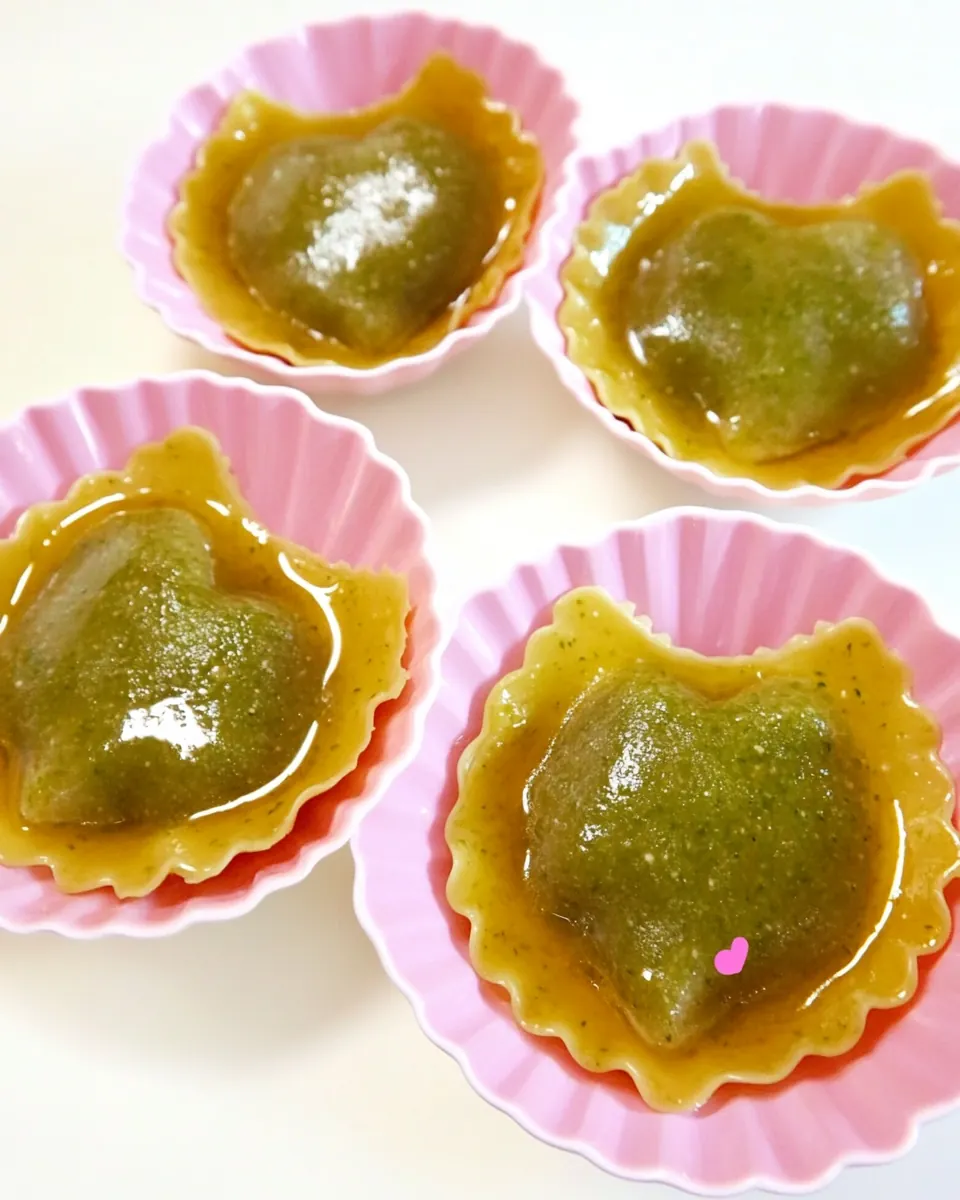
Ravioli Pesto Hearts
Ravioli Pesto Hearts arrived in my life on a chaotic afternoon when I wanted something playful, quick, and a little romantic to brighten a weeknight.
I remember standing at the counter, jars and ribbons of basil pesto scattered around, feeling oddly proud that such a small shape could feel festive. I had a stack of wonton wrappers and a stubborn desire to make dinner feel handcrafted without hours of effort. That first batch was full of imperfect edges and triumphant smiles, and it taught me how a handful of simple ingredients can feel celebrated when plated with care.
Since then, I reach for this recipe when I want to impress without fuss. The charm is in the details, like how the filling peeks out when the pasta puffs slightly, and how a quick sprinkle of Parmesan Cheese makes every bite sing. I often make extra pesto so there is something to spoon and taste as I work, a little ritual that keeps things fun.
Every time I make Ravioli Pesto Hearts, I think about the tiny rituals that turn cooking into memory making, whether it is sharing with friends, making a cozy dinner for two, or bringing a smile to someone on a special day. The recipe is forgiving, and that gives me permission to play, to adjust quantities, and to savor the process as much as the result. It has become my go to for when I want something that feels homemade and thoughtful without being complicated.
Recipe Snapshot
20 mins
10 mins
10 mins
Medium
250 kcal
Italian
Keto, Gluten-Free
Dinner
Large saucepan, 3 inch heart shaped cookie cutter, Slotted spoon
The Beauty of This Ravioli Pesto Hearts
Handmade charm in minutes
I love that Ravioli Pesto Hearts feels handmade, even when you are short on time. Using simple wonton wrappers lets you shape tiny pillows of flavor in a flash, creating something visually striking without a lot of fuss. I often tell friends that this recipe delivers presentation and personality with a minimal time commitment, which is rare.
Bright basil flavor that sings
The pesto filling is the hero, so you get a burst of fresh basil and savory sun dried tomato tang in every bite. I appreciate how a small spoonful of pesto translates into concentrated flavor, and how the wrapper softens to cradle that taste. When I serve these, people comment first on the flavor and then on the shape, which is a nice reversal of expectations.
Versatile for many occasions
I make these for casual lunches, cozy dinners, and festive occasions like Valentine's Day. The hearts make them feel special without needing elaborate plating, and they pair well with a crisp salad or a light soup. I like that I can scale the batch easily, and that the technique works whether I am cooking for two or for a small gathering.
Quick cooking and satisfying texture
Boiling the filled hearts for a couple of minutes delivers tender wrappers that still hold their shape, giving a soft, pillowy texture with a slight chew. I enjoy the contrast between the silky wrapper, the herbaceous, slightly oily pesto, and the textural lift from a finishing dusting of Parmesan Cheese. For me, that balance is what makes these memorable.
Comfort with creative room
This recipe gives you a clear method, yet invites small personal touches, like adding a few extra herbs to the pesto or adjusting the amount used per ravioli. I often experiment and learn more about proportions through each batch. That combination of structure and flexibility is why I keep returning to Ravioli Pesto Hearts, and why I recommend it to cooks who want to feel playful in the kitchen.
Main Ingredients for Ravioli Pesto Hearts
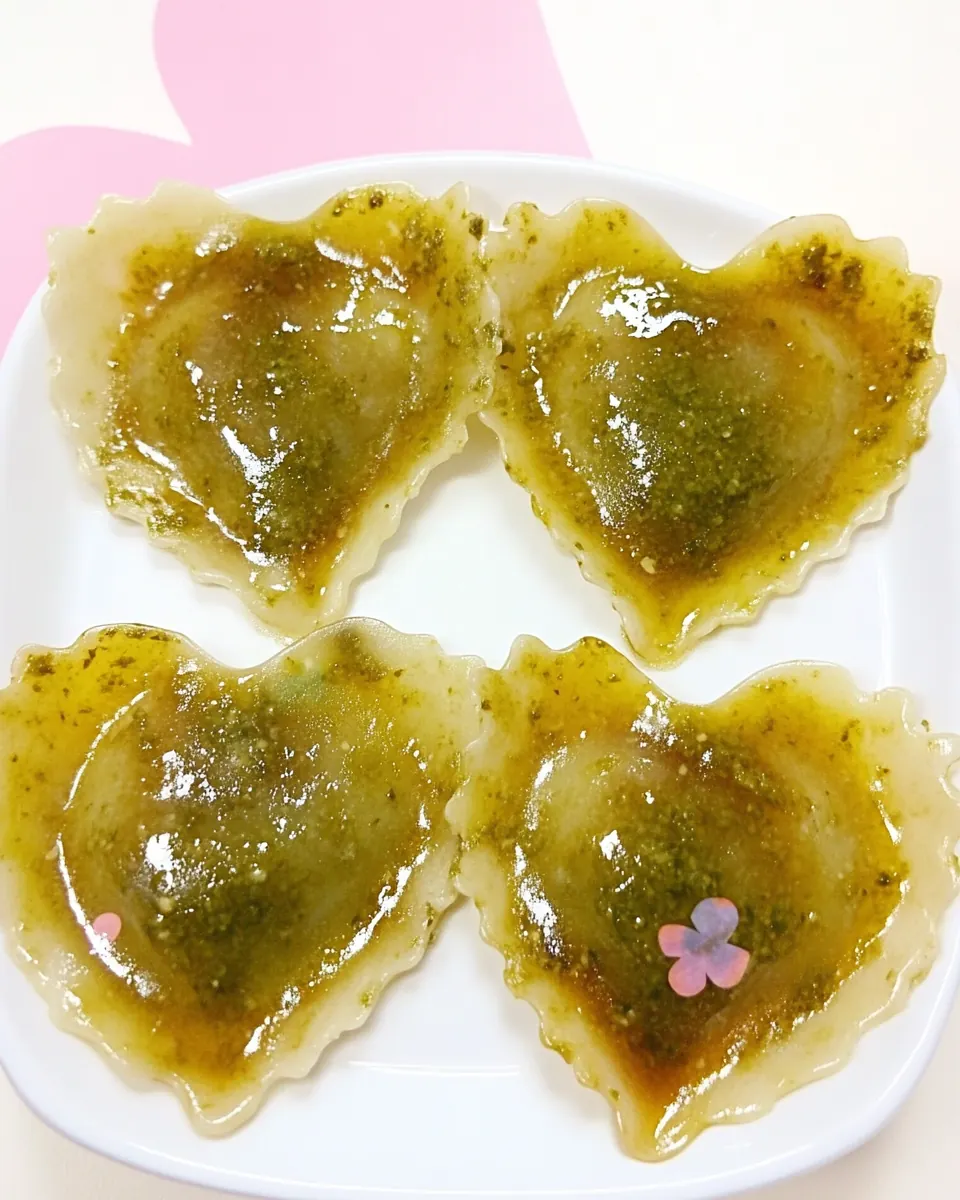
These ingredients are deliberately simple, each serving a clear purpose. The wrappers create a delicate, tender shell, the pesto delivers concentrated flavor and fat for richness, water helps seal the edges, and a final sprinkle of Parmesan Cheese brightens the finished dish. Together they form a balanced bite that is both quick to assemble and satisfying to eat.
- 112 ounce Package Wonton Wrappers: Provide thin, pliable sheets used as the pasta base for forming delicate ravioli hearts; handle gently to prevent tearing and keep covered to avoid drying out before assembly.
- 1 Recipe Sun Dried Tomato Basil Pesto: Add bright, herbaceous flavor and a concentrated savory richness that becomes the filling’s seasoning; stir to distribute evenly and adjust quantity to taste for desired intensity.
- 2 tablespoon water: Moisten edges and help seal wonton wrappers by acting as an adhesive when pinched together; use sparingly to avoid soggy seams and ensure a tight closure.
- Parmesan Cheese, for sprinkling: Garnish with a nutty, umami finish that enhances overall flavor and adds a slight salty contrast; grate or shave over finished ravioli just before serving for best texture.
Cooking Method for Ravioli Pesto Hearts
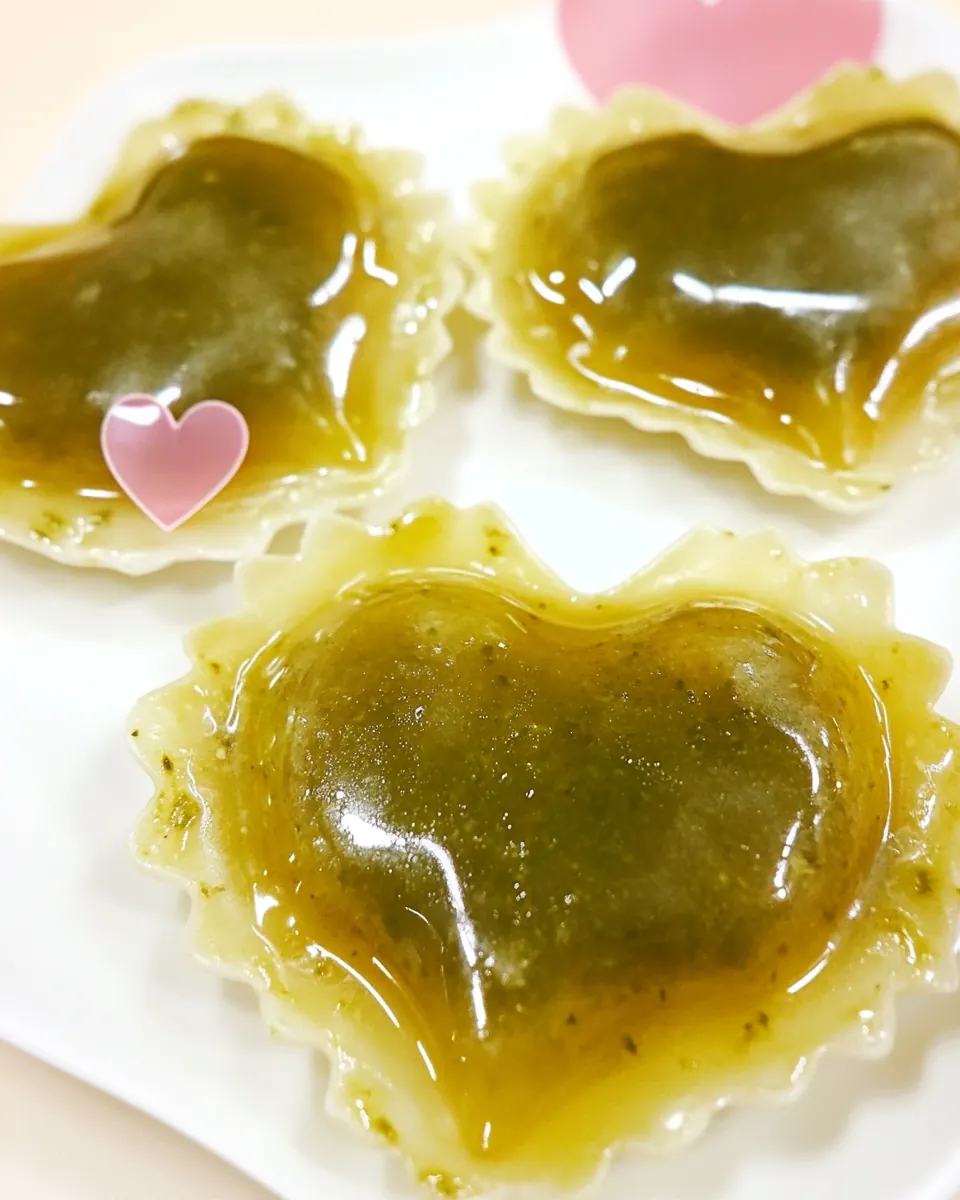
This method is straightforward and forgiving, focused on shaping, sealing, and quick boiling. Gather a shallow bowl of water, a small cookie cutter or template, and a large pot to boil. Work in batches so the water stays lively and the finished hearts are warm when plated.
- Using a 3" heart-shaped cookie cutter, cut the wonton wrappers into hearts (cut 30 hearts to make 15 ravioli, though you may have enough filling to make a few more).: The scent of fresh dough is subtle and slightly sweet as you press the cutter, and the repetitive thud is oddly satisfying, giving you a visual rhythm to the process. You want clean, even hearts so they seal well, and trimming in one comfortable motion helps maintain uniform sizes. Keep unused wrappers under a damp towel to prevent drying, which makes sealing more difficult. A typical slip is trying to cut too many at once and letting the cut pieces sit exposed, which causes cracking along the edges; work steadily and cover them as you go.
- Place 1 tsp pesto in the center of one wonton heart.: When the scent of basil and sun dried tomato rises, it tells you the filling is properly seasoned. Place a measured teaspoon into the center so that the filling stays contained and the wrapper can fold around it without bulging. The tactile feedback is important the pesto should sit neatly without touching the edges. A common misstep is using a heaping spoonful, which leads to leaking during cooking; measure carefully to maintain structure.
- Dip finger in a small bowl of water and dab around edges of the wonton heart.: The slight dampness should glisten but not drip, creating a tacky sealant for the dough edges. This step smells neutral but feels important under your fingertip as the water primes the gluten to stick. Apply in a thin, even ring to avoid trapping excess moisture between layers. Over saturating the edge will create a soggy seam that fails to adhere, so dab lightly and evenly.
- Top with a dry wonton heart and gently press the edges together to seal.: As you press, listen for the faint soft compression of dough and look for a continuous seam without gaps. Patting along the edge helps expel air pockets that can burst in boiling, and a gentle pinch in sections makes a reliable seal. I recommend pressing from one side to the other to move any trapped air outward. Rushing this step or pressing too hard can tear the wrapper, which leads to filling loss in the pot.
- Bring a large saucepan of salted water to a boil.: You will smell the faint minerality as the water begins to steam and the surface breaks into rolling bubbles. Use a large pot so the hearts can float freely, preventing them from sticking together. The salt enhances the wrapper and filling flavors, and a vigorous boil helps maintain temperature when you add the ravioli. A frequent mistake is using too small a pot, which causes temperature to drop and leads to clumping and uneven cooking.
- Gently place several hearts in the water at a time and cook for 2 – 3 minutes.: As they cook, watch for the wrappers to look translucent and slightly plump, and notice a softer, more tender feel when you nudge them with a spoon. The brief cook time preserves the fresh herb brightness and gives a pillowy texture, while overcooking makes the wrapper mushy and prone to breakup. Avoid dropping too many at once or stirring aggressively, both of which can cause tearing or sticking; add them in small batches for best results.
- Remove ravioli hearts from water with a slotted spoon and transfer to a plate.: The gentle clink of the metal spoon and the sight of glossy, tender hearts on the plate is very satisfying. Draining with a slotted spoon keeps them intact and prevents them from soaking in residual water, which would dilute flavor. Transfer in a single layer if possible to avoid crushing, and use a shallow plate to keep them warm. A common error is piling them too high which causes steaming and sogginess; arrange them with space between each piece.
- Sprinkle with parmesan cheese and serve immediately.: The aroma of freshly grated Parmesan Cheese hitting warm pasta lifts the whole dish, creating a salty, nutty finish that balances the pesto. The cheese clings to the warm surface, adding both flavor and a pleasing textural note. Serve right away so the contrast between warm filling and the slightly cooler air is at its best. Leaving them to sit will let moisture redistribute, softening the edges and reducing the textural pop that makes these delightful.
Substitutions and Tips
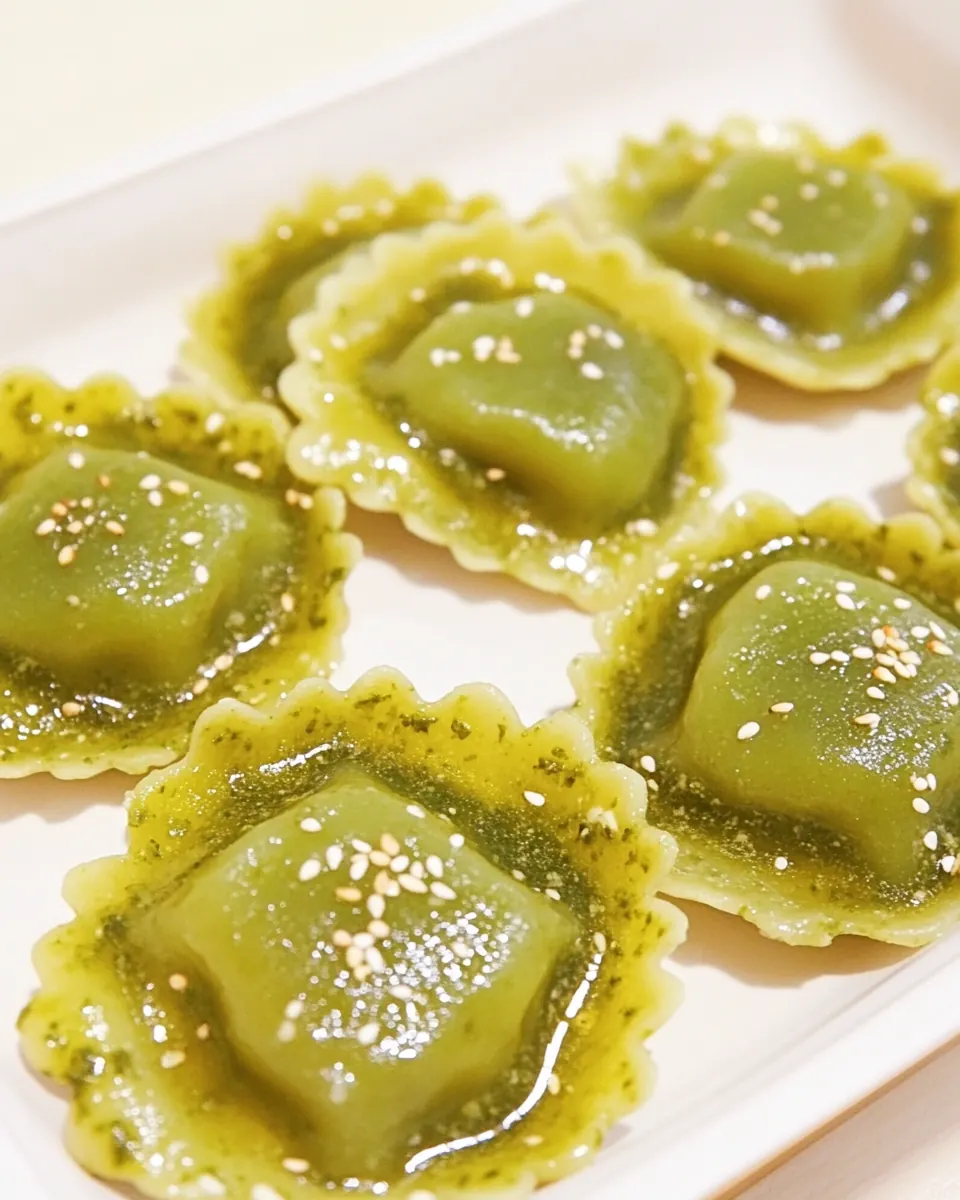
This short intro gives practical ways to adapt and improve the recipe depending on what you have and how you prefer to serve it. Below are focused tips and substitution ideas to help you succeed and to make the most of your time and pantry items.
- Swap the pesto carefully Use a homemade or store bought Sun Dried Tomato Basil Pesto, but check the oil content; a thicker pesto seals better and reduces the chance of leaks.
- Handle wrappers gently Keep a damp cloth over the unused wonton wrappers; they dry quickly and dry edges will crack when sealed.
- Seal with precision Dab water sparingly around the edge rather than soaking it, because too much moisture makes the seam weak and soggy.
- Work in small batches Boil only a few at a time to keep the water at a steady boil, preventing sticking and tearing from crowding.
- Finish with fresh cheese Grate Parmesan Cheese just before serving for the best aroma and texture, rather than using pre grated substitutes.
Great Combinations for Ravioli Pesto Hearts
These serving suggestions help you build a complete meal, from sides to occasions. The list includes pairing ideas and storage notes to keep your planning simple and delicious.
- Light green salad A crisp mixed green salad with a tangy vinaigrette complements the herbaceous pesto and cleanses the palate between bites, making the meal feel balanced.
- Simple broth or soup A clear vegetable broth or a light tomato soup makes a cozy starter that pairs nicely without overpowering the delicate ravioli.
- Occasion pairing These are perfect for Valentine's Day or any intimate dinner, since the heart shapes add a festive and thoughtful touch with minimal extra effort.
- Serving style Serve warm on a shallow plate with a light sprinkle of Parmesan Cheese and a few extra dots of pesto for color and concentrated flavor.
- Storage tips Store uncooked sealed ravioli in a single layer on a baking sheet covered with plastic wrap for up to one day; refrigerate and cook within that time for best texture.
- Scaling for guests For a small gathering, double or triple the batch and cook in multiple pots or sequential batches so each portion stays warm and intact when served.
FAQ
Conclusion
Ravioli Pesto Hearts stand out because they transform a few pantry items into a tender, flavorful, and visually charming dish. The combination of aromatic pesto and delicate wonton wrappers creates an approachable yet special meal that is quick enough for weeknights and pretty enough for celebrations. Give it a try when you want to make something with personality and minimal fuss. You might find it becomes a go to for intimate dinners, happy gatherings, or whenever you want to make someone smile.
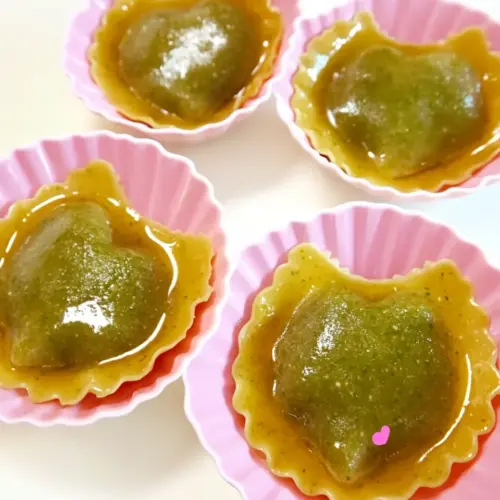
Ravioli Pesto Hearts
Equipment
- Large saucepan
- 3 inch heart shaped cookie cutter
- Slotted Spoon
Ingredients
- 112 -ounce Package Wonton Wrappers Provide thin, pliable sheets used as the pasta base for forming delicate ravioli hearts; handle gently to prevent tearing and keep covered to avoid drying out before assembly.
- 1 Recipe Sun Dried Tomato Basil Pesto Add bright, herbaceous flavor and a concentrated savory richness that becomes the filling’s seasoning; stir to distribute evenly and adjust quantity to taste for desired intensity.
- 2 tablespoon water Moisten edges and help seal wonton wrappers by acting as an adhesive when pinched together; use sparingly to avoid soggy seams and ensure a tight closure.
- Parmesan Cheese, for sprinkling Garnish with a nutty, umami finish that enhances overall flavor and adds a slight salty contrast; grate or shave over finished ravioli just before serving for best texture.
Instructions
- Using a 3" heart-shaped cookie cutter, cut the wonton wrappers into hearts (cut 30 hearts to make 15 ravioli, though you may have enough filling to make a few more).: The scent of fresh dough is subtle and slightly sweet as you press the cutter, and the repetitive thud is oddly satisfying, giving you a visual rhythm to the process. You want clean, even hearts so they seal well, and trimming in one comfortable motion helps maintain uniform sizes. Keep unused wrappers under a damp towel to prevent drying, which makes sealing more difficult. A typical slip is trying to cut too many at once and letting the cut pieces sit exposed, which causes cracking along the edges; work steadily and cover them as you go.
- Place 1 tsp pesto in the center of one wonton heart.: When the scent of basil and sun dried tomato rises, it tells you the filling is properly seasoned. Place a measured teaspoon into the center so that the filling stays contained and the wrapper can fold around it without bulging. The tactile feedback is important the pesto should sit neatly without touching the edges. A common misstep is using a heaping spoonful, which leads to leaking during cooking; measure carefully to maintain structure.
- Dip finger in a small bowl of water and dab around edges of the wonton heart.: The slight dampness should glisten but not drip, creating a tacky sealant for the dough edges. This step smells neutral but feels important under your fingertip as the water primes the gluten to stick. Apply in a thin, even ring to avoid trapping excess moisture between layers. Over saturating the edge will create a soggy seam that fails to adhere, so dab lightly and evenly.
- Top with a dry wonton heart and gently press the edges together to seal.: As you press, listen for the faint soft compression of dough and look for a continuous seam without gaps. Patting along the edge helps expel air pockets that can burst in boiling, and a gentle pinch in sections makes a reliable seal. I recommend pressing from one side to the other to move any trapped air outward. Rushing this step or pressing too hard can tear the wrapper, which leads to filling loss in the pot.
- Bring a large saucepan of salted water to a boil.: You will smell the faint minerality as the water begins to steam and the surface breaks into rolling bubbles. Use a large pot so the hearts can float freely, preventing them from sticking together. The salt enhances the wrapper and filling flavors, and a vigorous boil helps maintain temperature when you add the ravioli. A frequent mistake is using too small a pot, which causes temperature to drop and leads to clumping and uneven cooking.
- Gently place several hearts in the water at a time and cook for 2 – 3 minutes.: As they cook, watch for the wrappers to look translucent and slightly plump, and notice a softer, more tender feel when you nudge them with a spoon. The brief cook time preserves the fresh herb brightness and gives a pillowy texture, while overcooking makes the wrapper mushy and prone to breakup. Avoid dropping too many at once or stirring aggressively, both of which can cause tearing or sticking; add them in small batches for best results.
- Remove ravioli hearts from water with a slotted spoon and transfer to a plate.: The gentle clink of the metal spoon and the sight of glossy, tender hearts on the plate is very satisfying. Draining with a slotted spoon keeps them intact and prevents them from soaking in residual water, which would dilute flavor. Transfer in a single layer if possible to avoid crushing, and use a shallow plate to keep them warm. A common error is piling them too high which causes steaming and sogginess; arrange them with space between each piece.
- Sprinkle with parmesan cheese and serve immediately.: The aroma of freshly grated Parmesan Cheese hitting warm pasta lifts the whole dish, creating a salty, nutty finish that balances the pesto. The cheese clings to the warm surface, adding both flavor and a pleasing textural note. Serve right away so the contrast between warm filling and the slightly cooler air is at its best. Leaving them to sit will let moisture redistribute, softening the edges and reducing the textural pop that makes these delightful.
Notes
- Swap the pesto carefully Use a homemade or store bought Sun Dried Tomato Basil Pesto, but check the oil content; a thicker pesto seals better and reduces the chance of leaks.
- Handle wrappers gently Keep a damp cloth over the unused wonton wrappers; they dry quickly and dry edges will crack when sealed.
- Seal with precision Dab water sparingly around the edge rather than soaking it, because too much moisture makes the seam weak and soggy.
- Work in small batches Boil only a few at a time to keep the water at a steady boil, preventing sticking and tearing from crowding.
- Finish with fresh cheese Grate Parmesan Cheese just before serving for the best aroma and texture, rather than using pre grated substitutes.