Vegetarian Chili Mac Recipe
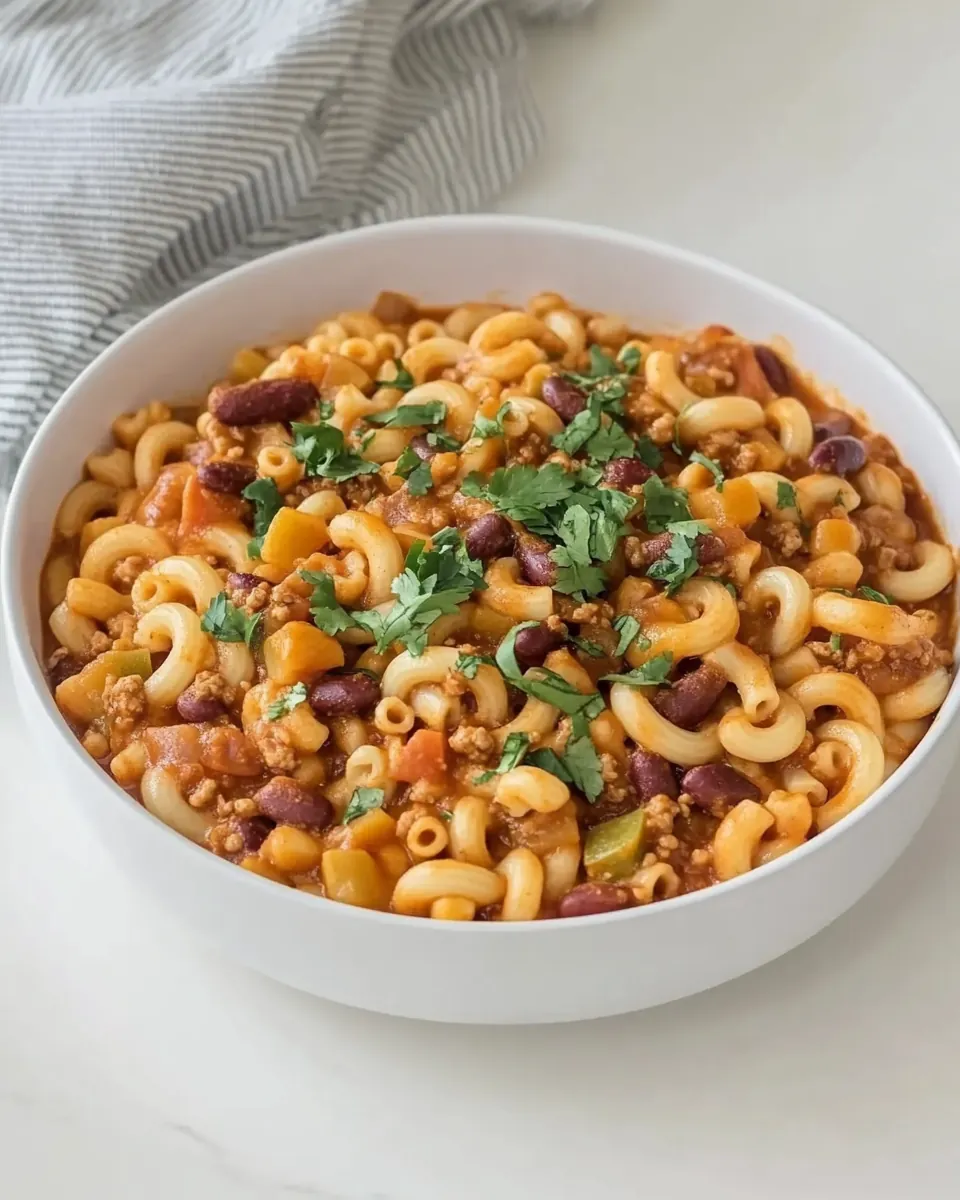
Vegetarian Chili Mac Recipe arrived in my kitchen on a rainy afternoon when I was craving something hearty but not fussy. I remember the first time I stirred a pot of pasta into a savory, spiced tomato and bean mixture, and how that comforting aroma made the whole apartment feel like home. This dish quickly became my go to for nights when I wanted something filling yet simple, the sort of recipe you can tweak depending on what vegetables are sitting in your crisper.
Over the years I’ve made small changes to suit weeknight rhythms, and each version taught me a little more about balance. The chew of the pasta, the gentle sweet notes from roasted squash or carrot, and the warm spice from ground cumin and chili powder all play off each other. When friends come over, I love that everyone can help themselves to toppings, making the meal feel communal and relaxed. I still get a thrill from that first bubbling stir, when the cheese begins to melt into the mixture and everything looks and smells like pure comfort.
What keeps me coming back is how forgiving this recipe is. I often swap small things depending on the season, but the core idea remains the same: combine tender veggies, beans, sauce, and pasta into one cozy bowl. It works for leftovers, for feeding a crowd, and for those nights when you want a little extra warmth. This is not fussy cooking, it’s practical, homey food with personality.
Recipe Snapshot
40 mins
10 mins
30 mins
Medium
400 kcal
American
Gluten-Free, Vegan
Dinner
Calphalon 5-Quart Pot, Green Pan Non-Stick Pan, Olive Oil
What Sets This Vegetarian Chili Mac Recipe Apart
Versatility that saves the weeknight
I love how Vegetarian Chili Mac Recipe adapts to whatever is in the fridge. Use different short pasta shapes, switch up the veggies, or add frozen corn at the end, and you still wind up with a satisfying meal. That flexibility makes it a reliable choice when time is short.
Bold, layered flavors
The combination of ground cumin, chili powder, and Spanish paprika gives the dish an earthy, warm backbone. I appreciate that the spices are straightforward yet impactful, so each spoonful has a clear savory identity without needing any exotic pantry items.
Comforting texture contrast
The starchy bite of the pasta paired with soft, shredded veggies and tender beans creates a pleasant mouthfeel. When the cheddar cheese melts through, it brings creaminess that ties the components together, which is why this feels like a complete meal in one bowl.
Feeds a crowd or stores beautifully
I often make a double batch because it reheats wonderfully. Leftovers keep well, and a quick splash of water or broth while reheating restores the sauce, so you get almost the same comfort on day two. That reliability is priceless for busy weeks.
Kid friendly and customizable
Because the flavors are approachable, this works for picky eaters too. You can hide shredded veggies in the base and let folks add toppings like sour cream or cilantro at the table, which keeps everyone happy and makes serving easy.
Ingredients You’ll Need for Vegetarian Chili Mac Recipe
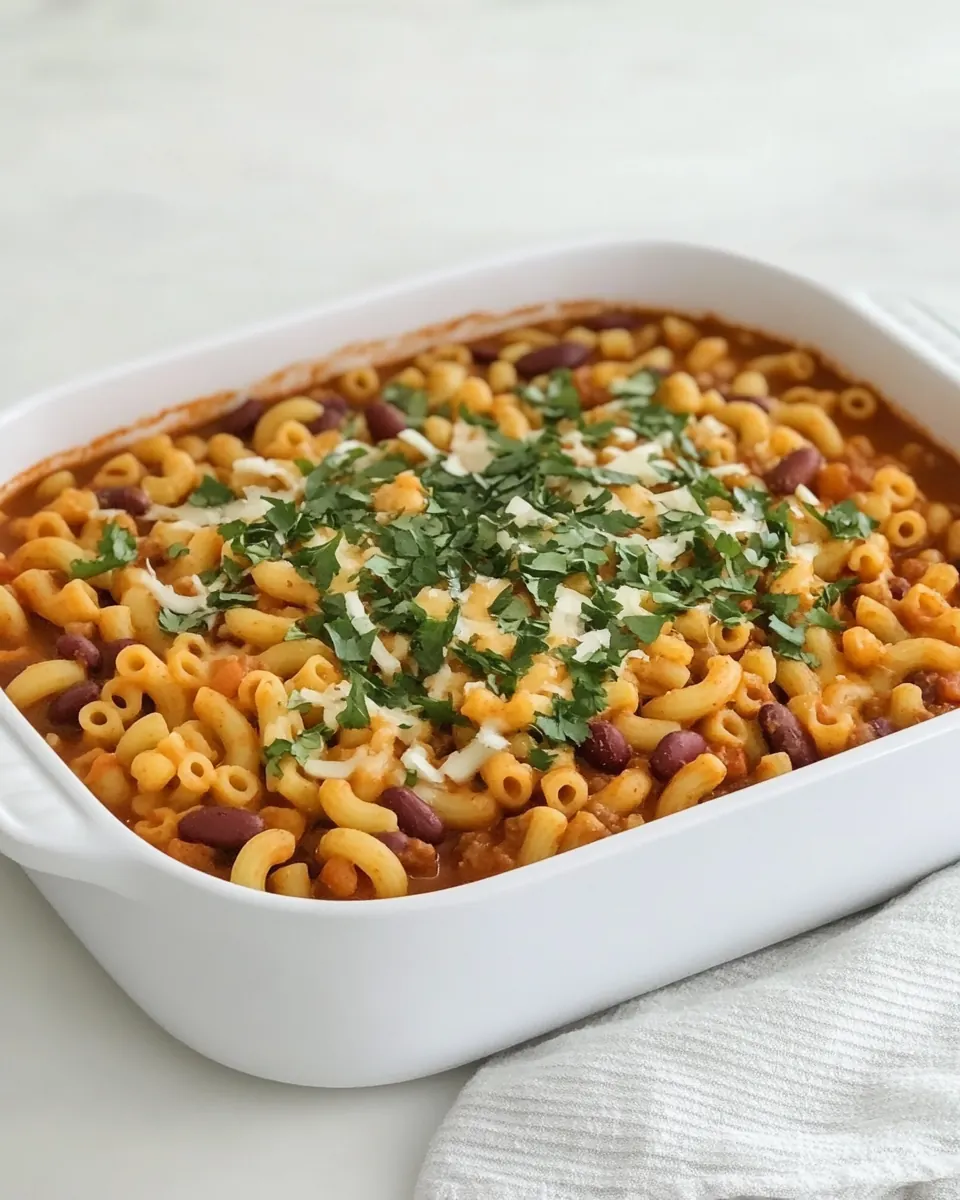
These ingredients are chosen to build harmony between texture and flavor. The short pasta shapes carry sauce well, while the mix of shredded veggies adds natural sweetness and body. Beans provide protein and a creamy bite, and the tomato sauce plus spices create a chili like warmth that ties everything together.
- 16 ounces pasta (I prefer small shapes like mini shells, elbows, farfalle, or ditalini): Provide small pasta shapes to absorb sauce and create a comforting, hearty base for the chili mac; cooks to a tender texture and helps bind the dish together when mixed with cheese.
- 2 tablespoons olive oil (or unsalted butter): Add healthy fat and a smooth mouthfeel while sautéing vegetables; helps prevent sticking, enhances flavor development, and can be substituted with unsalted butter for a milder richness.
- 4 cups very finely chopped or shredded veggies (such as sweet potato, butternut squash, carrot, onion, and/or bell peppers): Contribute concentrated sweetness, texture, and body to the chili mac when very finely chopped or shredded; vegetables like sweet potato, butternut squash, carrot, onion, and bell peppers meld into the sauce and enrich its nutritional profile.
- 2 garlic cloves (peeled and minced): Deliver aromatic pungency and depth when peeled and minced; garlic boosts savory notes and elevates the overall flavor of the chili base.
- 1 tablespoon ground cumin: Impart warm, earthy notes and a classic chili profile; ground cumin layers savory complexity and pairs well with tomato and beans.
- 1 teaspoon chili powder: Bring mild heat and rounded chili flavor to the dish; chili powder helps define the spicy, Southwestern character of the chili mac.
- 1/2 teaspoon Spanish paprika: Add smoky, slightly sweet undertones to complement cumin and chili powder; Spanish paprika enhances color and provides subtle depth.
- 1/2 teaspoon salt: Enhance overall seasoning balance and bring out other flavors; salt is essential for making the vegetables, beans, and pasta taste vibrant.
- 1/2 cup water or reduced-sodium vegetable or chicken broth: Provide liquid to deglaze the pan and help cook down the vegetables; water or reduced–sodium broth adjusts consistency and adds subtle savory background notes.
- 14.5 ounce can tomato sauce: Supply concentrated tomato flavor and a saucy base for the chili; tomato sauce binds ingredients and contributes acidity and body to the mac.
- 2 14.5-ounce cans beans (such as kidney beans, pinto beans, or black beans, rinsed and drained): Add bulk, protein, and creamy texture when rinsed and drained; canned beans contribute heartiness and nutritional value central to the vegetarian chili mac.
- 1 1/2 cups shredded cheddar cheese: Create creamy, melty richness and help bind the pasta and chili components when shredded into the hot dish; cheddar adds savory, tangy flavor.
- 1 cup frozen corn () (optional): Introduce sweet bursts of texture and color when stirred in; frozen corn is optional but complements beans and cheese with subtle sweetness.
- Cilantro, shredded lettuce, sour cream, and/or any other desired taco toppings () (optional): Offer fresh, crunchy, and cooling finishing touches such as cilantro, shredded lettuce, sour cream, or other taco toppings to balance richness and add bright contrast.
Recipe Directions for Vegetarian Chili Mac Recipe
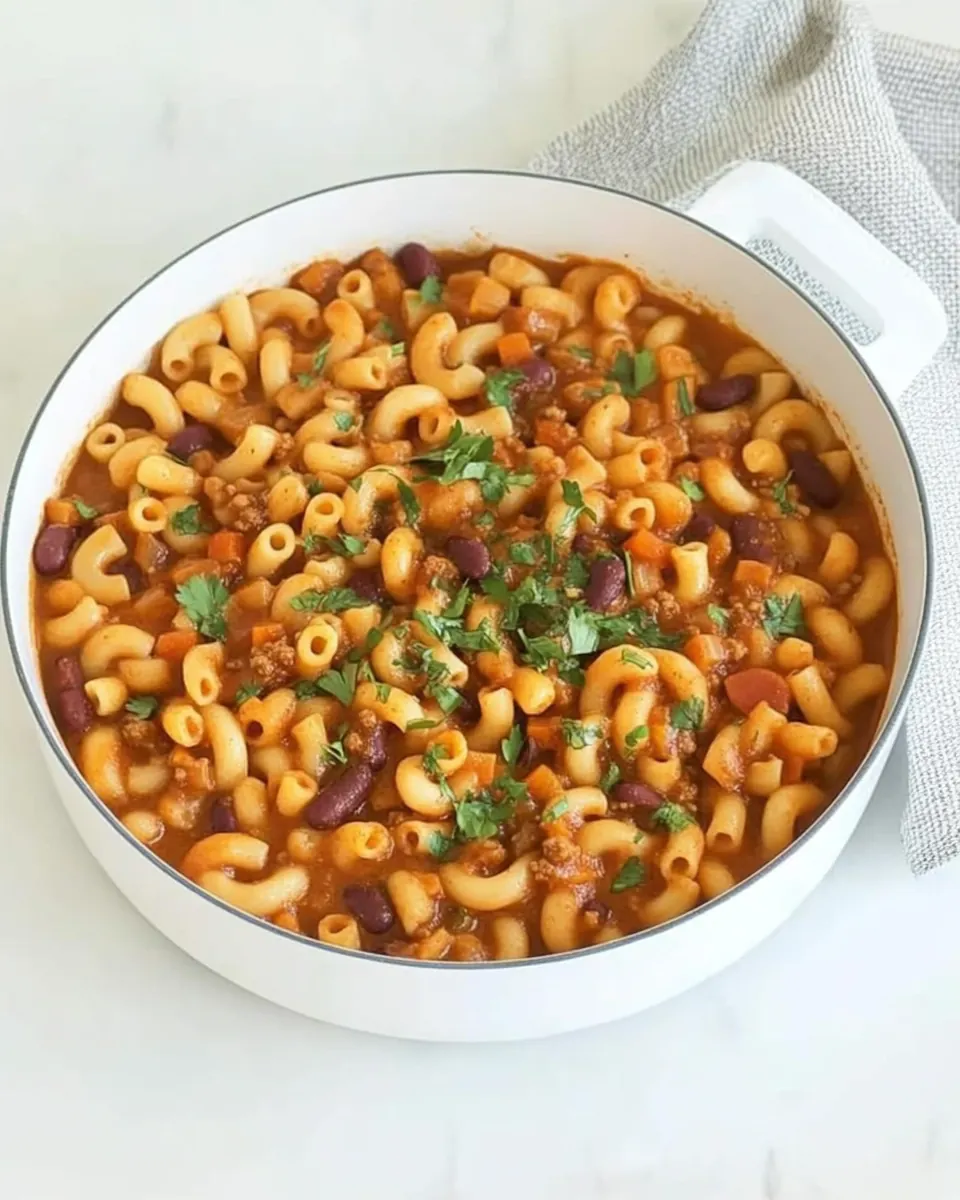
This recipe moves from boiling pasta to building a spiced veggie bean mixture, then bringing everything together with cheese. The steps are straightforward, and focusing on sensory cues will help you get it just right.
- Set a large pot of water over high heat and bring to a boil. Prepare pasta according to package directions.: Steam and scent are your guides here, as the water should be rolling when you add the pasta , and a gentle, salty aroma will lift up from the pot. The pasta will go from stiff to tender, and you want it just shy of fully soft, because it will finish cooking when combined with the sauce. A common mistake is overcooking, which makes the final dish mushy. To avoid that, taste a piece a minute or two before the lower end of the package time, and keep an eye on the pot so it does not foam over.
- Meanwhile, set a medium skillet over medium heat and add the oil. When warmed, add the veggies, garlic, cumin, chili powder, paprika, and salt. Stir, cover, and cook for 8-10 minutes or until the veggies are soft.: You should hear a gentle sizzle as the veggies hit the hot oil, and the aroma of toasted ground cumin and chili powder will bloom, smelling warm and slightly smoky. Visually, the veggies will soften and shrink, releasing sweet steam, and the garlic will become fragrant but not brown. This step develops flavor through gentle browning and spice toasting, which deepens the final profile. A typical error is cooking too hot, which scorches the garlic or spices. Keep the heat at medium and stir occasionally so everything softens evenly.
- Add the water (or broth) and tomato sauce and stir to combine.: When you pour in the tomato sauce and liquid, the skillet will hiss softly and then settle into a gentle simmer as the sauce heats. The mixture should look glossy and come together, the spices dispersing through the tomato base. This step creates the sauce medium that will coat the pasta and beans, so aim for a slightly loose consistency. If it seems too thick, add a touch more water. Avoid adding too much liquid at once, which can dilute the flavors; add gradually until you reach a saucy harmony.
- Drain the beans in a colander and rinse with water.: Rinsing canned beans softens their brine scent and improves texture, leaving them clean and ready to warm through. You should see the liquid run clear and the beans look plump and matte rather than sticky. A common misstep is skipping this rinse, which can make the dish overly salty or give the sauce a metallic tang. Rinse gently and let excess water drain before adding them to the skillet.
- Stir the beans into the veggie mixture and warm through for about 5 minutes.: As the beans heat in the sauce, they soften further and take on the spices, producing a cozy, savory aroma and a uniform texture. You'll notice little bubbles at the edge as the sauce simmers and the beans absorb some liquid. This step melds flavors so the beans taste integrated rather than separate. Avoid boiling vigorously, which can break the beans and create a mushy texture; keep a gentle simmer and stir occasionally to prevent sticking.
- Drain the pasta.: After the pasta reaches al dente, drain it in a colander; the water will run clear and the pasta will appear plump yet firm to the bite. Leave it slightly undercooked on purpose if you plan to finish cooking it in the sauce, because it will absorb some moisture and become perfectly tender. A frequent mistake is rinsing the pasta under cold water, which removes surface starch that helps the sauce cling. Unless you need to stop cooking immediately for cold salads, do not rinse.
- Add the pasta to the skillet with the veggies (or to a big bowl if the skillet isn't big enough). Stir in the cheese. Serve warm topped with desired toppings.: When you combine the hot pasta with the saucy mixture, steam will rise and the cheddar cheese will begin to melt, forming ribbons of creaminess. Visually, the dish looks glossy and cohesive, and the aroma becomes rich and inviting. Stirring helps the cheese distribute and bind the sauce to the pasta . If the mixture seems dry, add a splash of water or broth to loosen it. A common oversight is adding cheese to a cold pan where it clumps; always fold it into something hot so it melts smoothly and creates a luscious texture.
Ways to Customize
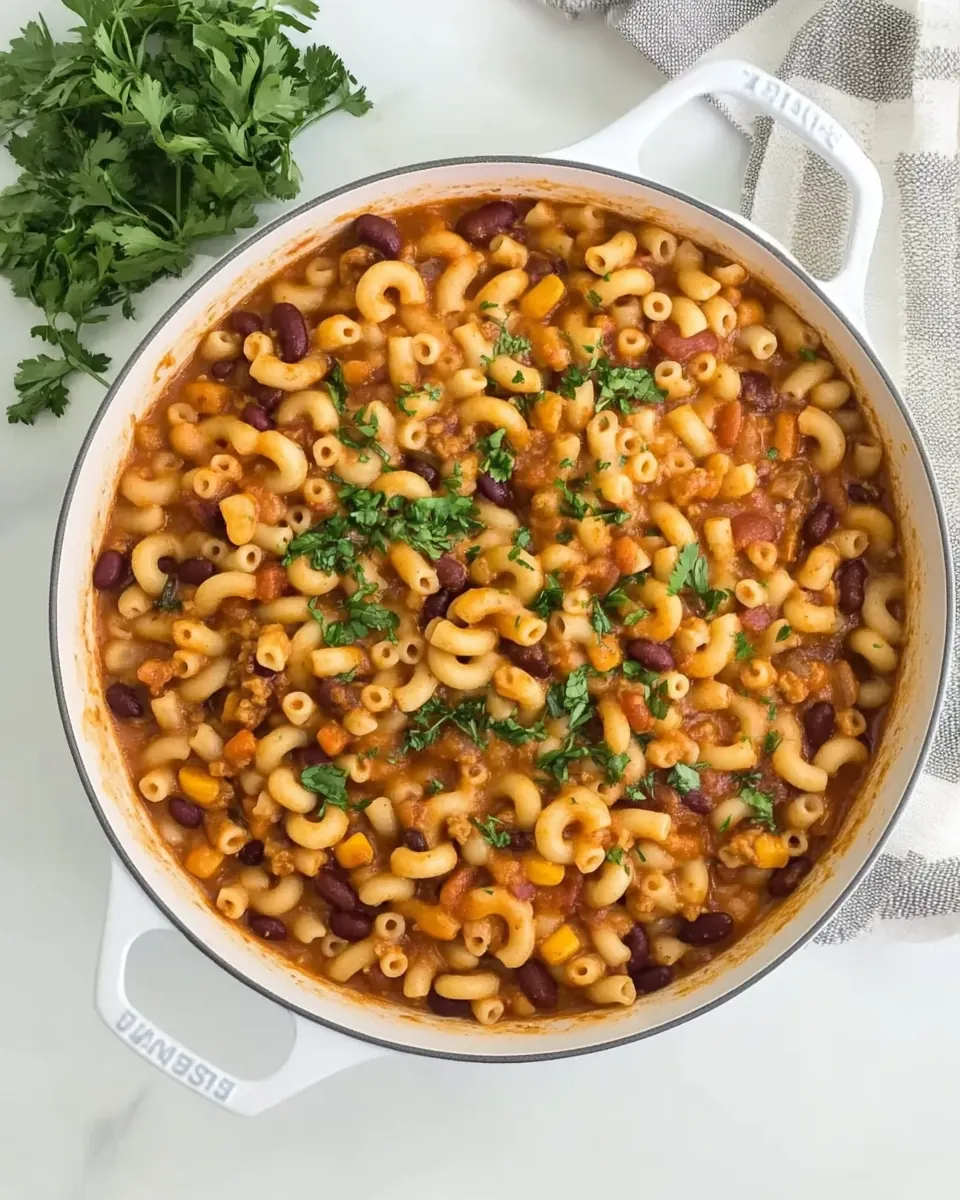
You can personalize Vegetarian Chili Mac Recipe in many directions, from texture tweaks to flavor boosts. Below are practical ideas to adapt the dish to your pantry and preferences, each starting with a clear action to guide you.
- Swap pasta shapes: Try mini shells, elbows, farfalle, or ditalini to change how the sauce clings and how each bite feels.
- Adjust vegetables: Use any combination of shredded sweet potato, butternut squash, carrot, onion, or bell peppers to vary sweetness and texture.
- Make it saucier: Reduce the pasta quantity slightly or stir up to an extra half cup of broth while reheating to loosen the sauce without watering down flavor.
- Add frozen corn at the end: Stir in a cup of frozen corn so it retains a little pop and brightens the overall sweetness.
- Choose your fat: Use olive oil for a lighter profile or unsalted butter for a richer, rounder finish depending on your preference.
- Use precut veggies: Buy prechopped vegetables to speed assembly on busy nights while preserving texture and flavor.
Pairing Suggestions for Vegetarian Chili Mac Recipe
This dish works well across casual and slightly festive occasions. It pairs nicely with crisp sides that contrast the creamy, spiced bowl. Below are serving ideas, storage notes, and seasonal suggestions to help you plan when and how to present this meal.
- Casual weeknight dinner: Serve the Vegetarian Chili Mac Recipe family style with bowls of chopped cilantro, sour cream, and shredded lettuce so everyone customizes their plate.
- Lunch for a crowd: Keep toppings on the side and offer a simple green salad to provide freshness and balance the richness of the cheese.
- Ramadan or communal meals: Make a large pot ahead and set out warm bowls of toppings, allowing guests to assemble their own portions, which is convenient for shared breaking of fast.
- Storage tips: Store leftovers in an airtight container for three to five days in the fridge. Reheat gently with a splash of water or broth to restore sauciness and stir until steaming hot.
- Seasonal pairing: In fall, highlight roasted root vegetables in the mix, while in warmer months use bell peppers and fewer starchy roots for a lighter feel.
- Serving style: Offer the dish topped with a dollop of sour cream and a sprinkle of cilantro for brightness, or add shredded lettuce for crunch and contrast.
FAQ
Conclusion
This recipe shines because it combines simple pantry ingredients into a comforting, flavorful bowl that works for weeknights and gatherings alike. Give Vegetarian Chili Mac Recipe a try when you want a meal that is both easy to pull together and deeply satisfying. It’s forgiving, customizable, and one of those dishes that feels like a warm hug in a bowl.
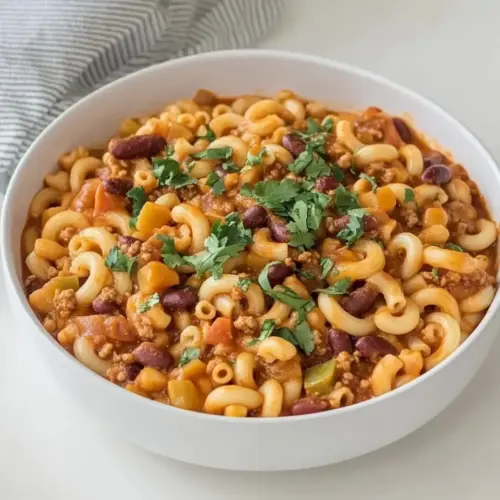
Vegetarian Chili Mac Recipe
Equipment
- Calphalon 5-Quart Pot
- Green Pan Non-Stick Pan
- Olive Oil
Ingredients
- 16 ounces pasta (I prefer small shapes like mini shells, elbows, farfalle, or ditalini) Provide small pasta shapes to absorb sauce and create a comforting, hearty base for the chili mac; cooks to a tender texture and helps bind the dish together when mixed with cheese.
- 2 tablespoons olive oil (or unsalted butter) Add healthy fat and a smooth mouthfeel while sautéing vegetables; helps prevent sticking, enhances flavor development, and can be substituted with unsalted butter for a milder richness.
- 4 cups very finely chopped or shredded veggies (such as sweet potato, butternut squash, carrot, onion, and/or bell peppers) Contribute concentrated sweetness, texture, and body to the chili mac when very finely chopped or shredded; vegetables like sweet potato, butternut squash, carrot, onion, and bell peppers meld into the sauce and enrich its nutritional profile.
- 2 garlic cloves (peeled and minced) Deliver aromatic pungency and depth when peeled and minced; garlic boosts savory notes and elevates the overall flavor of the chili base.
- 1 tablespoon ground cumin Impart warm, earthy notes and a classic chili profile; ground cumin layers savory complexity and pairs well with tomato and beans.
- 1 teaspoon chili powder Bring mild heat and rounded chili flavor to the dish; chili powder helps define the spicy, Southwestern character of the chili mac.
- 1/2 teaspoon Spanish paprika Add smoky, slightly sweet undertones to complement cumin and chili powder; Spanish paprika enhances color and provides subtle depth.
- 1/2 teaspoon salt Enhance overall seasoning balance and bring out other flavors; salt is essential for making the vegetables, beans, and pasta taste vibrant.
- 1/2 cup water or reduced-sodium vegetable or chicken broth Provide liquid to deglaze the pan and help cook down the vegetables; water or reduced-sodium broth adjusts consistency and adds subtle savory background notes.
- 14.5 -ounce can tomato sauce Supply concentrated tomato flavor and a saucy base for the chili; tomato sauce binds ingredients and contributes acidity and body to the mac.
- 2 14.5-ounce cans beans (such as kidney beans, pinto beans, or black beans, rinsed and drained) Add bulk, protein, and creamy texture when rinsed and drained; canned beans contribute heartiness and nutritional value central to the vegetarian chili mac.
- 1 1/2 cups shredded cheddar cheese Create creamy, melty richness and help bind the pasta and chili components when shredded into the hot dish; cheddar adds savory, tangy flavor.
- 1 cup frozen corn (optional) Introduce sweet bursts of texture and color when stirred in; frozen corn is optional but complements beans and cheese with subtle sweetness.
- Cilantro, shredded lettuce, sour cream, and/or any other desired taco toppings (optional) Offer fresh, crunchy, and cooling finishing touches such as cilantro, shredded lettuce, sour cream, or other taco toppings to balance richness and add bright contrast.
Instructions
- Set a large pot of water over high heat and bring to a boil. Prepare pasta according to package directions.: Steam and scent are your guides here, as the water should be rolling when you add the pasta , and a gentle, salty aroma will lift up from the pot. The pasta will go from stiff to tender, and you want it just shy of fully soft, because it will finish cooking when combined with the sauce. A common mistake is overcooking, which makes the final dish mushy. To avoid that, taste a piece a minute or two before the lower end of the package time, and keep an eye on the pot so it does not foam over.
- Meanwhile, set a medium skillet over medium heat and add the oil. When warmed, add the veggies, garlic, cumin, chili powder, paprika, and salt. Stir, cover, and cook for 8-10 minutes or until the veggies are soft.: You should hear a gentle sizzle as the veggies hit the hot oil, and the aroma of toasted ground cumin and chili powder will bloom, smelling warm and slightly smoky. Visually, the veggies will soften and shrink, releasing sweet steam, and the garlic will become fragrant but not brown. This step develops flavor through gentle browning and spice toasting, which deepens the final profile. A typical error is cooking too hot, which scorches the garlic or spices. Keep the heat at medium and stir occasionally so everything softens evenly.
- Add the water (or broth) and tomato sauce and stir to combine.: When you pour in the tomato sauce and liquid, the skillet will hiss softly and then settle into a gentle simmer as the sauce heats. The mixture should look glossy and come together, the spices dispersing through the tomato base. This step creates the sauce medium that will coat the pasta and beans, so aim for a slightly loose consistency. If it seems too thick, add a touch more water. Avoid adding too much liquid at once, which can dilute the flavors; add gradually until you reach a saucy harmony.
- Drain the beans in a colander and rinse with water.: Rinsing canned beans softens their brine scent and improves texture, leaving them clean and ready to warm through. You should see the liquid run clear and the beans look plump and matte rather than sticky. A common misstep is skipping this rinse, which can make the dish overly salty or give the sauce a metallic tang. Rinse gently and let excess water drain before adding them to the skillet.
- Stir the beans into the veggie mixture and warm through for about 5 minutes.: As the beans heat in the sauce, they soften further and take on the spices, producing a cozy, savory aroma and a uniform texture. You'll notice little bubbles at the edge as the sauce simmers and the beans absorb some liquid. This step melds flavors so the beans taste integrated rather than separate. Avoid boiling vigorously, which can break the beans and create a mushy texture; keep a gentle simmer and stir occasionally to prevent sticking.
- Drain the pasta.: After the pasta reaches al dente, drain it in a colander; the water will run clear and the pasta will appear plump yet firm to the bite. Leave it slightly undercooked on purpose if you plan to finish cooking it in the sauce, because it will absorb some moisture and become perfectly tender. A frequent mistake is rinsing the pasta under cold water, which removes surface starch that helps the sauce cling. Unless you need to stop cooking immediately for cold salads, do not rinse.
- Add the pasta to the skillet with the veggies (or to a big bowl if the skillet isn't big enough). Stir in the cheese. Serve warm topped with desired toppings.: When you combine the hot pasta with the saucy mixture, steam will rise and the cheddar cheese will begin to melt, forming ribbons of creaminess. Visually, the dish looks glossy and cohesive, and the aroma becomes rich and inviting. Stirring helps the cheese distribute and bind the sauce to the pasta . If the mixture seems dry, add a splash of water or broth to loosen it. A common oversight is adding cheese to a cold pan where it clumps; always fold it into something hot so it melts smoothly and creates a luscious texture.
Notes
- Swap pasta shapes: Try mini shells, elbows, farfalle, or ditalini to change how the sauce clings and how each bite feels.
- Adjust vegetables: Use any combination of shredded sweet potato, butternut squash, carrot, onion, or bell peppers to vary sweetness and texture.
- Make it saucier: Reduce the pasta quantity slightly or stir up to an extra half cup of broth while reheating to loosen the sauce without watering down flavor.
- Add frozen corn at the end: Stir in a cup of frozen corn so it retains a little pop and brightens the overall sweetness.
- Choose your fat: Use olive oil for a lighter profile or unsalted butter for a richer, rounder finish depending on your preference.
- Use precut veggies: Buy prechopped vegetables to speed assembly on busy nights while preserving texture and flavor.