Spinach Feta Frittata
Spinach Feta Frittata is one of those recipes I reach for when mornings are hurried but I still want something that tastes thoughtful and homemade.
I remember the first time I cooked this, the kitchen filled with the bright, savory aroma of sautéed onion and the green, slightly earthy scent of wilted spinach. I was juggling a ringing phone and a sleepy cat, yet the simple act of whisking eggs felt calming. Each bite was creamy, with crumbly pockets of feta that surprised me in the best way. That morning turned into a ritual, and now I make this when friends drop by unannounced or when I want a quick solo brunch that still feels celebratory.
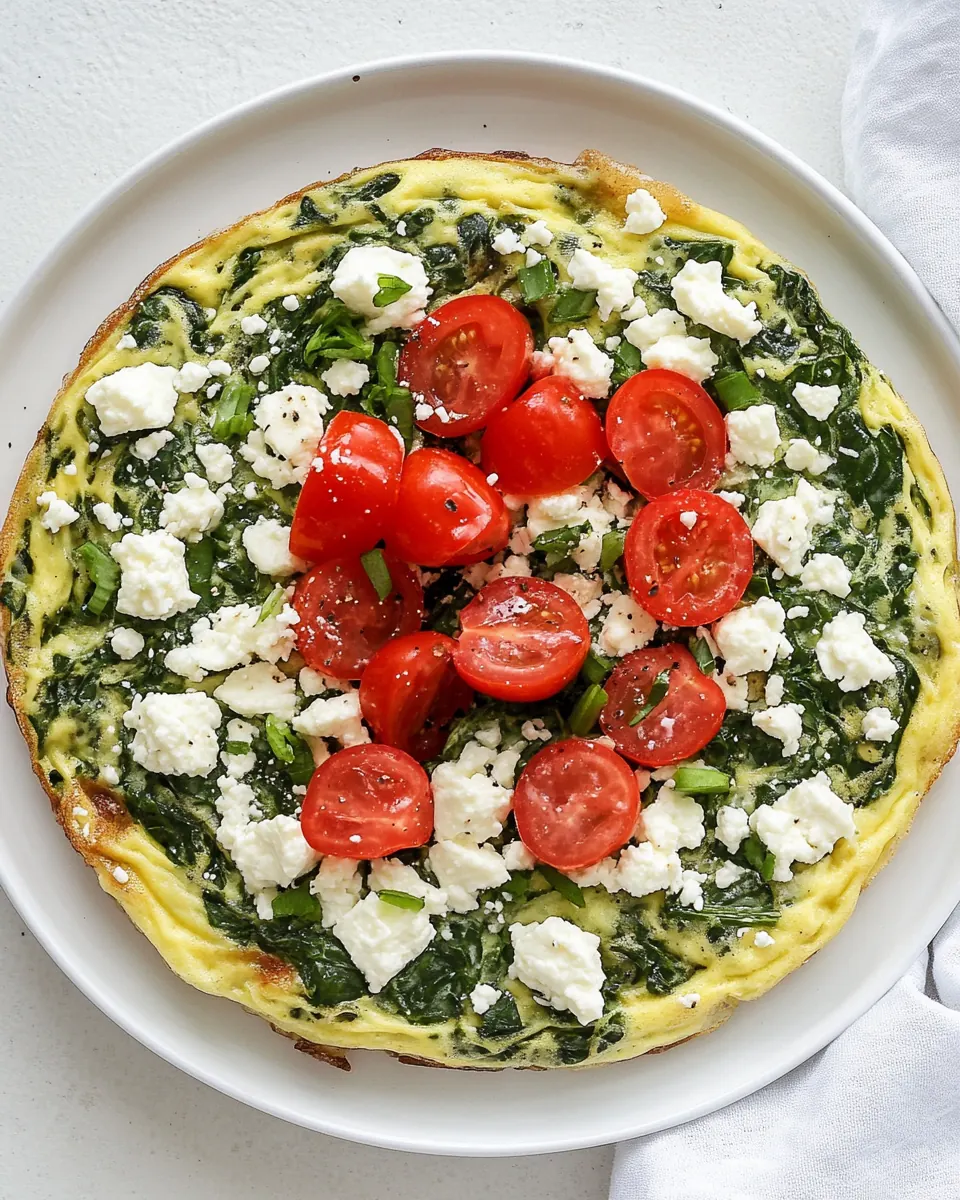
Over time I’ve tuned small details, like how long to cook the base on the stove so the bottom sets without overcooking the center, and how much grated Parmigiano Reggiano to fold in for a nutty lift. I love topping wedges with bright tomato for acidity and extra chopped scallions for a fresh crunch. This recipe has this comfortable balance of rustic and refined that keeps me coming back.
Recipe Snapshot
15 mins
5 mins
10 mins
Medium
220 kcal
Mediterranean
Paleo, Gluten-Free
Breakfast
9-inch oven-safe non-stick skillet, 10-inch oven-safe non-stick skillet
Why This Spinach Feta Frittata Hits Different
One pan simplicity
I adore how Spinach Feta Frittata cooks mainly in a single oven safe skillet, which means fewer dishes and more time to enjoy the meal. The method keeps the texture even, and the quick transition from stovetop to oven gives the frittata a tender interior and a slightly golden top.
Bright, balanced flavors
The contrast between creamy eggs, salty feta, and fresh spinach creates a layered bite. I often find that a small amount of grated Parmigiano Reggiano adds savory depth without stealing the spotlight, so each forkful tastes lively and well rounded.
Flexible and forgiving
This dish is wonderfully forgiving. Whether you use whole eggs and extra egg whites for a lighter texture, or add a touch more cheese for richness, the core technique holds. I appreciate a recipe that adapts when life does, and this one does just that.
Perfect for many occasions
From casual weekend brunches to a quick weeknight dinner, Spinach Feta Frittata fits seamlessly into my meal rotation. It slices into neat wedges, so it travels well for potlucks or picnic style meals.
Healthy and satiating
With protein forward eggs and iron rich spinach, the frittata fills you up without feeling heavy. I like that it pairs easily with a fresh salad or simply some toasted bread for a complete plate.
Spinach Feta Frittata Shopping List
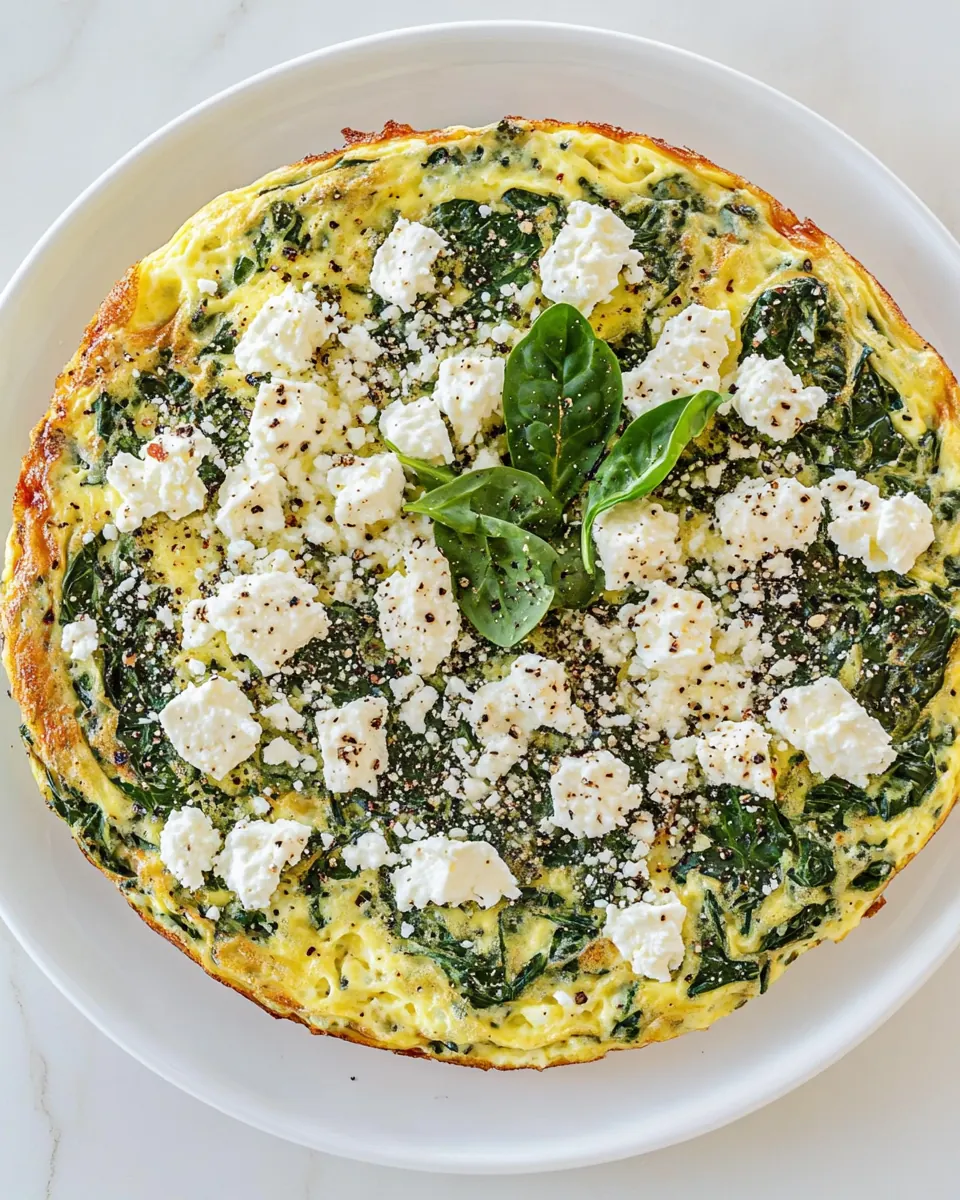
These ingredients come together with a simple philosophy: choose fresh, complementary elements that build savory depth without fuss. The key players are the eggs for structure, the cheeses for salty creaminess, and the spinach and aromatics for freshness. Each component supports texture and flavor so the finished frittata is balanced and satisfying.
- 4 large whole eggs: Whisked to bind the frittata, providing richness, structure, and a creamy mouthfeel when cooked through. Whole eggs contribute fat and flavor while helping the dish set and brown lightly on the edges.
- 1 cup egg whites: Added to increase volume and reduce overall fat, creating a lighter, fluffier texture without altering flavor significantly. Egg whites also help the frittata hold its shape and produce a tender interior.
- 1 teaspoon olive oil: Used to sauté aromatics and prevent sticking while imparting a subtle fruity note that complements the eggs and cheese. Olive oil also helps gently wilt vegetables and carry heat for even cooking.
- 1/2 cup red onion, finely chopped: Sweated until translucent to add a sweet, savory depth and slight crunch contrast to the soft eggs. Finely chopping ensures even distribution of flavor throughout the frittata.
- 3 medium scallions, chopped, plus more for topping: Sliced and softened to add a mild oniony bite and fresh green color, with extra for garnish to provide a crisp, fresh finish. Scallions brighten the dish with mild allium notes without overpowering other flavors.
- 1 1/2 cups fresh chopped spinach: Wilted down to contribute fresh, vegetal flavor, moisture, and vibrant color while adding bulk and nutrition without heaviness. Chopping ensures even pockets of spinach throughout the frittata for consistent texture.
- 2 ounces crumbled feta, plus more for topping (optional): Crumpled into the mixture to introduce a salty, tangy, and creamy element that contrasts nicely with the eggs and spinach. Using a small measured amount allows control over saltiness while optional extra topping boosts flavor and presentation.
- 2 tablespoons Parmigiano-Reggiano, grated: Sprinkled in for a nutty, umami kick and a granular texture that complements the feta’s creaminess, enhancing overall savory complexity. Grated Parmigiano–Reggiano also helps with browning and adds depth.
- 1/2 teaspoon kosher salt, and freshly ground pepper: Measured to season and balance flavors while freshly ground pepper adds aromatic heat; kosher salt helps control seasoning without over-salting. Adjusting to taste ensures the frittata is well-balanced and flavorful.
- diced grape or cherry tomatoes, for topping (optional): Added sparingly as an optional fresh, juicy topping to provide bursts of acidity and color contrast that brighten each bite. Diced grape or cherry tomatoes complement the creamy cheeses and greens without altering the cooked interior.
Step by Step Instructions for Spinach Feta Frittata
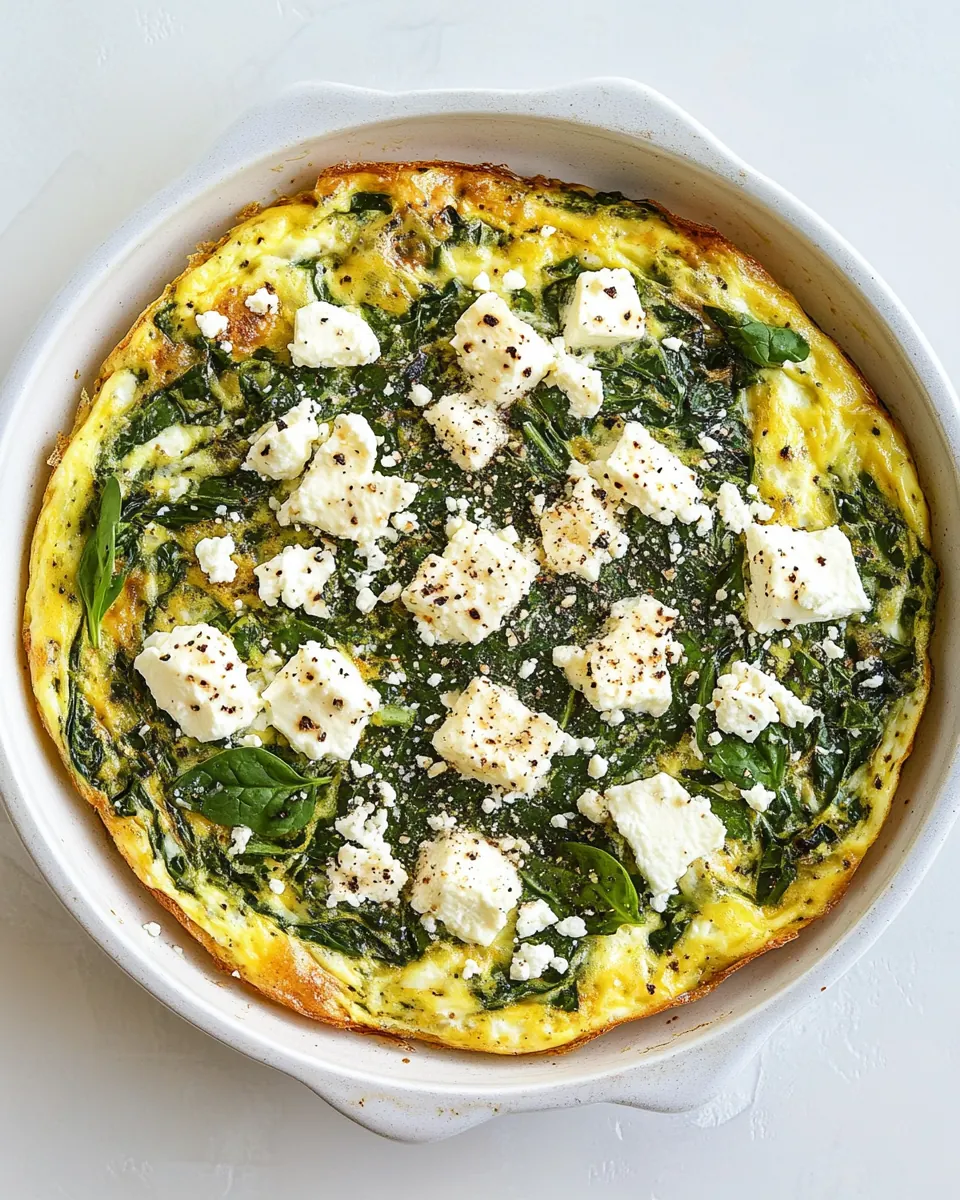
This method is straightforward and satisfying, moving from stovetop to oven to finish. Follow each stage with attention to visual and aromatic cues, and you will end up with wedges that are set yet tender. I find the small sensory details make the difference between a good and a great frittata.
- Preheat the oven to 400 F.: You will notice a faint warmth in the kitchen as the oven comes up to temperature, which helps the top of the frittata puff and set evenly once transferred from the skillet. Preheating ensures that when you slide the pan into the oven the cooking continues uniformly rather than starting slowly and producing an overcooked rim and undercooked center. A common mistake is skipping preheating, which leads to inconsistent texture. If your oven runs hot or cold, use an oven thermometer to confirm accuracy before baking.
- In a 9-inch or 10-inch oven-safe non-stick skillet, heat olive oil over medium heat.: As the olive oil warms, it should shimmer but not smoke, releasing a gentle savory scent. Heating the skillet properly creates an even surface that prevents sticking and helps the aromatics soften quickly. If the oil smokes, turn down the heat to avoid bitterness. Avoid using a pan that is too large, which can make the egg layer too thin to set correctly.
- Add the onion and scallions and cook until soft, about 4 minutes.: You will hear a soft sizzling as the diced red onion and chopped scallions hit the pan, and they will gradually turn translucent and fragrant. This step builds the sweet savory backbone for the dish, breaking down the sugars in the onion . If you rush with high heat, the aromatics can brown or burn, giving bitter notes, so keep the temperature moderate and stir occasionally.
- Meanwhile in a medium bowl, beat the eggs and egg whites.: Whisking the mixture should create a smooth, uniform yellow liquid with slight ribbons of glossy protein. The act of whisking incorporates air, contributing to a light texture when cooked. If you under beat, the result can be unevenly set; over beating can create a frothy, unstable structure, so whisk until combined and slightly aerated. Make sure to scrape the bowl sides so no streaks remain.
- Add salt, black pepper, cheeses, sauteed onions and spinach and mix well.: As you fold in the feta , grated Parmigiano Reggiano , softened aromatics, and wilted spinach , the mixture will smell bright and savory with cheese and herbs mingling. This is where flavor layers build, so distribute the ingredients evenly for consistent bites. A misstep is adding too much salt because the feta is naturally salty; taste and adjust lightly. Ensure any excess moisture from the spinach is wrung out so the eggs do not become watery.
- Pour the mixture into the skillet and cook until the bottom sets, about 4 to 5 minutes.: Pouring in produces a gentle sizzle as the liquid contacts the warm pan, and you will see the edges begin to firm while the center still jiggles slightly. This partial stovetop cook creates a golden base and helps the frittata release from the pan. If the heat is too high, the bottom can brown too quickly and the center will stay raw, so watch for even setting. If you find the center still very loose after the suggested time, reduce the stovetop time and rely slightly more on oven finishing.
- Once the bottom sets transfer to the oven and bake 4 to 5 minutes.: Placing the skillet in the preheated oven finishes the cook gently and yields a lightly puffed, set top. You will notice a faint golden color and a springy feel when touched with a fingertip, indicating doneness. Overbaking causes dryness, so remove when the center is just set and not wet. Use an oven mitt and a sturdy surface, because the hot skillet is heavy and retains heat.
- To serve remove from the oven and transfer to a plate. Cut into 4 wedges.: The frittata should smell toasty and savory, and when inverted, it will release easily if the base is cooked correctly. Cutting into wedges reveals a creamy interior dotted with melted cheese and spinach. A common error is leaving it in the pan to cool fully which can trap steam and make the texture mushy; let it rest briefly, then slice with a sharp knife for clean portions.
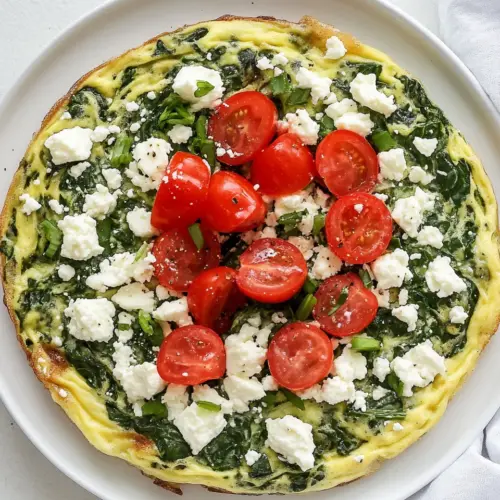
- Serve topped with fresh tomatoes and scallions.: Adding diced grape or cherry tomatoes and reserved chopped scallions brings a bright contrast in acidity and crunch that lifts the rich eggs and cheeses. The contrast of warm slices with cool toppings is delightful to the palate, creating layers of texture and flavor. Avoid piling on too many wet toppings which can soften the slices; add just enough for brightness and color.
How to Switch It Up
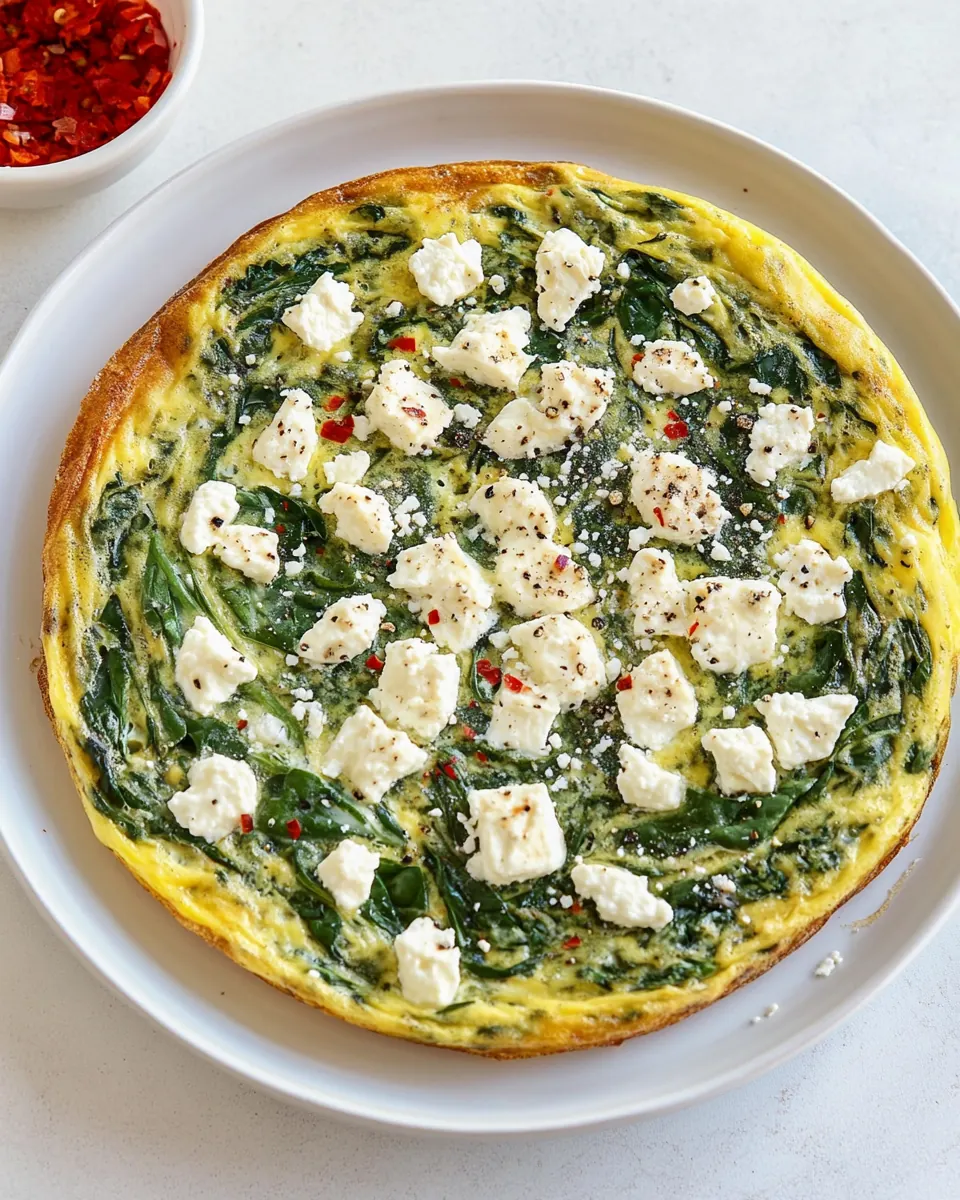
This section offers ways to vary the flavor and texture while staying true to the simple technique. Small swaps or additions change the dish for different occasions without altering the base process.
- Make it lighter by increasing the proportion of egg whites to reduce richness while keeping plenty of protein. Be mindful that too many egg whites can dry the texture, so balance with a small extra splash of olive oil or a tablespoon of water before whisking.
- Add fresh herbs such as chopped parsley or dill at the end for a bright finish. Stirring herbs into the warm but not piping hot frittata preserves their aroma and color, preventing them from turning dull.
- Boost umami by using a little extra grated Parmigiano Reggiano folded into the eggs, which deepens the savory profile without overwhelming the feta. Grate freshly for the best melt and avoid pre grated versions that can be powdery.
- Top with fresh diced tomatoes right before serving to add acidity and juiciness that cut through the richness. Drain or pat the tomatoes dry if they are especially watery to avoid sogginess.
- Serve warm or room temperature, which makes the dish versatile for picnics or make ahead brunches. If serving at room temperature, let the frittata rest on a rack to avoid trapped steam causing condensation.
How to Serve Spinach Feta Frittata
This section explains classic and creative serving ideas, pairing suggestions, and storage tips so your frittata shines on any table. The goal is to match temperature, texture, and occasion for the best experience.
- Serve as a brunch centerpiece with wedges arranged on a large platter, garnished with extra chopped scallions and halved grape tomatoes for color.
- Offer as a light dinner paired with a crisp green salad dressed in lemon vinaigrette, letting the acidity complement the creamy feta and eggs.
- Pack for potlucks where room temperature slices travel well, making it a convenient choice for gatherings and casual occasions.
- Store leftovers properly in an airtight container in the refrigerator for up to three days; reheat gently in a low oven to preserve texture and prevent drying out.
- Seasonal pairing works beautifully in spring when fresh spinach and young tomatoes are at their peak, enhancing the dish with bright, seasonal produce.
FAQ
Conclusion
What makes this recipe special is its elegant balance of simple ingredients that yield a flavorful, satisfying dish every time. The combination of tender eggs, briny feta, and bright spinach creates a comforting yet fresh plate that works for many meals. Give it a try when you want something quick that still feels intentional, and don’t be afraid to make small tweaks to match your pantry. Once you get the timing down, this frittata will become one of your reliable, feel good recipes.
Spinach Feta Frittata
Equipment
- 9-inch oven-safe non-stick skillet
- 10-inch oven-safe non-stick skillet
Ingredients
- 4 large whole eggs Whisked to bind the frittata, providing richness, structure, and a creamy mouthfeel when cooked through. Whole eggs contribute fat and flavor while helping the dish set and brown lightly on the edges.
- 1 cup egg whites Added to increase volume and reduce overall fat, creating a lighter, fluffier texture without altering flavor significantly. Egg whites also help the frittata hold its shape and produce a tender interior.
- 1 teaspoon olive oil Used to sauté aromatics and prevent sticking while imparting a subtle fruity note that complements the eggs and cheese. Olive oil also helps gently wilt vegetables and carry heat for even cooking.
- 1/2 cup red onion, finely chopped Sweated until translucent to add a sweet, savory depth and slight crunch contrast to the soft eggs. Finely chopping ensures even distribution of flavor throughout the frittata.
- 3 medium scallions, chopped, plus more for topping Sliced and softened to add a mild oniony bite and fresh green color, with extra for garnish to provide a crisp, fresh finish. Scallions brighten the dish with mild allium notes without overpowering other flavors.
- 1 1/2 cups fresh chopped spinach Wilted down to contribute fresh, vegetal flavor, moisture, and vibrant color while adding bulk and nutrition without heaviness. Chopping ensures even pockets of spinach throughout the frittata for consistent texture.
- 2 ounces crumbled feta, plus optional more for topping Crumpled into the mixture to introduce a salty, tangy, and creamy element that contrasts nicely with the eggs and spinach. Using a small measured amount allows control over saltiness while optional extra topping boosts flavor and presentation.
- 2 tablespoons Parmigiano-Reggiano, grated Sprinkled in for a nutty, umami kick and a granular texture that complements the feta’s creaminess, enhancing overall savory complexity. Grated Parmigiano-Reggiano also helps with browning and adds depth.
- 1/2 teaspoon kosher salt, and freshly ground pepper Measured to season and balance flavors while freshly ground pepper adds aromatic heat; kosher salt helps control seasoning without over-salting. Adjusting to taste ensures the frittata is well-balanced and flavorful.
- diced grape or cherry tomatoes, optional for topping Added sparingly as an optional fresh, juicy topping to provide bursts of acidity and color contrast that brighten each bite. Diced grape or cherry tomatoes complement the creamy cheeses and greens without altering the cooked interior.
Instructions
- Preheat the oven to 400 F.: You will notice a faint warmth in the kitchen as the oven comes up to temperature, which helps the top of the frittata puff and set evenly once transferred from the skillet. Preheating ensures that when you slide the pan into the oven the cooking continues uniformly rather than starting slowly and producing an overcooked rim and undercooked center. A common mistake is skipping preheating, which leads to inconsistent texture. If your oven runs hot or cold, use an oven thermometer to confirm accuracy before baking.
- In a 9-inch or 10-inch oven-safe non-stick skillet, heat olive oil over medium heat.: As the olive oil warms, it should shimmer but not smoke, releasing a gentle savory scent. Heating the skillet properly creates an even surface that prevents sticking and helps the aromatics soften quickly. If the oil smokes, turn down the heat to avoid bitterness. Avoid using a pan that is too large, which can make the egg layer too thin to set correctly.
- Add the onion and scallions and cook until soft, about 4 minutes.: You will hear a soft sizzling as the diced red onion and chopped scallions hit the pan, and they will gradually turn translucent and fragrant. This step builds the sweet savory backbone for the dish, breaking down the sugars in the onion . If you rush with high heat, the aromatics can brown or burn, giving bitter notes, so keep the temperature moderate and stir occasionally.
- Meanwhile in a medium bowl, beat the eggs and egg whites.: Whisking the mixture should create a smooth, uniform yellow liquid with slight ribbons of glossy protein. The act of whisking incorporates air, contributing to a light texture when cooked. If you under beat, the result can be unevenly set; over beating can create a frothy, unstable structure, so whisk until combined and slightly aerated. Make sure to scrape the bowl sides so no streaks remain.
- Add salt, black pepper, cheeses, sauteed onions and spinach and mix well.: As you fold in the feta , grated Parmigiano Reggiano , softened aromatics, and wilted spinach , the mixture will smell bright and savory with cheese and herbs mingling. This is where flavor layers build, so distribute the ingredients evenly for consistent bites. A misstep is adding too much salt because the feta is naturally salty; taste and adjust lightly. Ensure any excess moisture from the spinach is wrung out so the eggs do not become watery.
- Pour the mixture into the skillet and cook until the bottom sets, about 4 to 5 minutes.: Pouring in produces a gentle sizzle as the liquid contacts the warm pan, and you will see the edges begin to firm while the center still jiggles slightly. This partial stovetop cook creates a golden base and helps the frittata release from the pan. If the heat is too high, the bottom can brown too quickly and the center will stay raw, so watch for even setting. If you find the center still very loose after the suggested time, reduce the stovetop time and rely slightly more on oven finishing.
- Once the bottom sets transfer to the oven and bake 4 to 5 minutes.: Placing the skillet in the preheated oven finishes the cook gently and yields a lightly puffed, set top. You will notice a faint golden color and a springy feel when touched with a fingertip, indicating doneness. Overbaking causes dryness, so remove when the center is just set and not wet. Use an oven mitt and a sturdy surface, because the hot skillet is heavy and retains heat.
- To serve remove from the oven and transfer to a plate. Cut into 4 wedges.: The frittata should smell toasty and savory, and when inverted, it will release easily if the base is cooked correctly. Cutting into wedges reveals a creamy interior dotted with melted cheese and spinach. A common error is leaving it in the pan to cool fully which can trap steam and make the texture mushy; let it rest briefly, then slice with a sharp knife for clean portions.
- Serve topped with fresh tomatoes and scallions.: Adding diced grape or cherry tomatoes and reserved chopped scallions brings a bright contrast in acidity and crunch that lifts the rich eggs and cheeses. The contrast of warm slices with cool toppings is delightful to the palate, creating layers of texture and flavor. Avoid piling on too many wet toppings which can soften the slices; add just enough for brightness and color.
Notes
- Make it lighter by increasing the proportion of egg whites to reduce richness while keeping plenty of protein. Be mindful that too many egg whites can dry the texture, so balance with a small extra splash of olive oil or a tablespoon of water before whisking.
- Add fresh herbs such as chopped parsley or dill at the end for a bright finish. Stirring herbs into the warm but not piping hot frittata preserves their aroma and color, preventing them from turning dull.
- Boost umami by using a little extra grated Parmigiano Reggiano folded into the eggs, which deepens the savory profile without overwhelming the feta. Grate freshly for the best melt and avoid pre grated versions that can be powdery.
- Top with fresh diced tomatoes right before serving to add acidity and juiciness that cut through the richness. Drain or pat the tomatoes dry if they are especially watery to avoid sogginess.
- Serve warm or room temperature, which makes the dish versatile for picnics or make ahead brunches. If serving at room temperature, let the frittata rest on a rack to avoid trapped steam causing condensation.