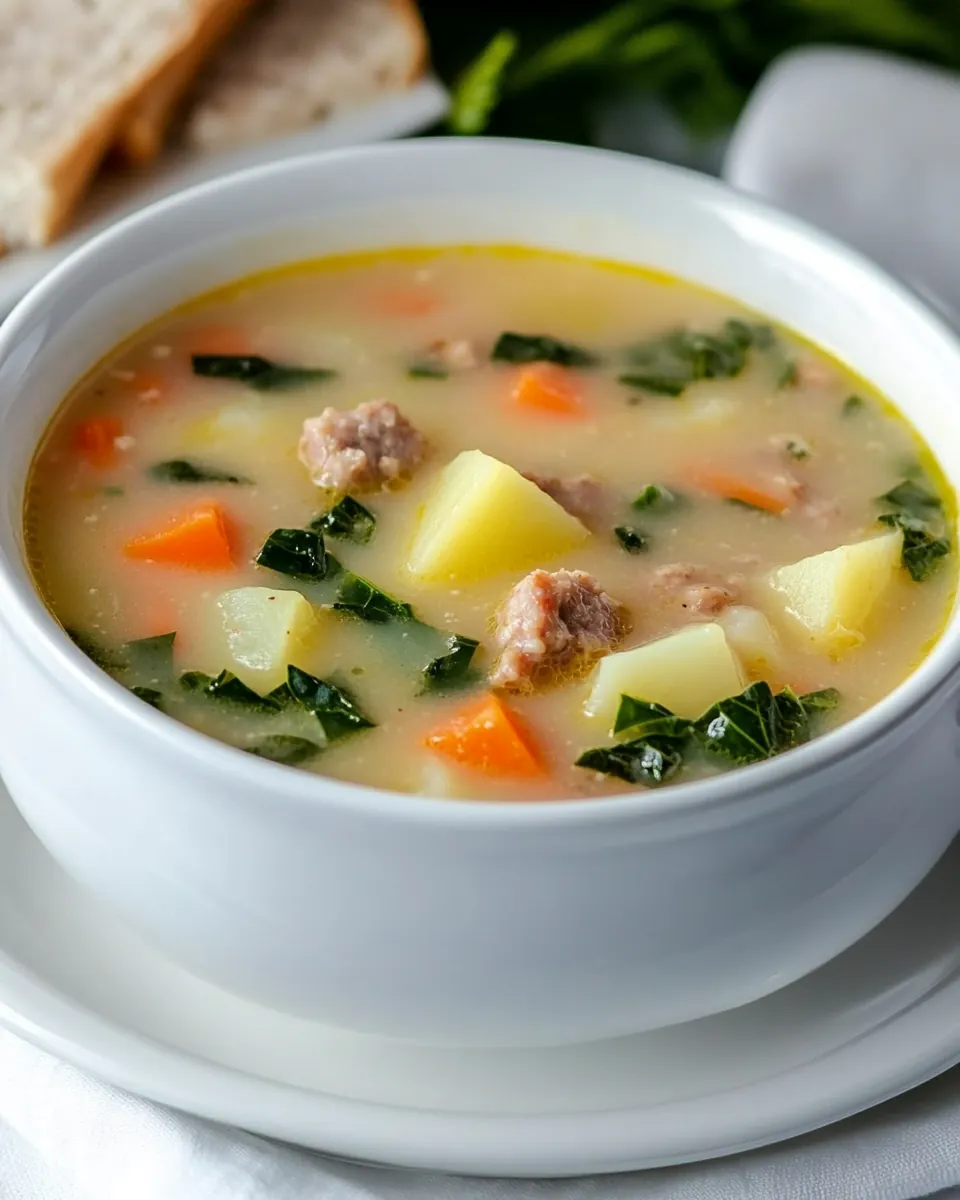
Slow Cooker Sausage and Potato Soup
Slow Cooker Sausage and Potato Soup is the kind of meal I reach for when the sky goes charcoal and I want something warm, simple, and deeply satisfying. The first time I made it I was cooking for two after a long day, and the house filled with the cozy scent of simmering chicken sausage and tender potato. I remember standing at the sink, stirring a mug of tea, and feeling grateful that a single pot could feel like a hug in a bowl.
Over the years I have tuned this recipe so it speaks to quiet evenings and small celebrations alike. It’s not flashy, it’s honest. The balance between the savory, lightly spiced chicken sausage and the creamy, soft cubes of russet potato makes every spoonful feel complete. I often tell friends this is the recipe to make when you want a fuss free dinner that still tastes thoughtfully homemade.
What I love most is how flexible this soup is, while still staying true to its cozy core. You can prep the morning before, or assemble and forget it in the slow cooker while you run errands. Every time I lift the lid and see the vegetables softened and the broth brimming, I get a little thrill. This is comfort food without the heavy lifting, and it always reminds me of evenings spent talking and laughing over a warm bowl.
Recipe Snapshot
3 hr 25 mins
15 mins
190 mins
Hard
320 kcal
American
Gluten-Free, Keto
Soups
Slow Cooker, Mixing Bowl
Why This Slow Cooker Sausage and Potato Soup Hits Different
Comfort without complexity
I adore how Slow Cooker Sausage and Potato Soup delivers deep comfort with very little effort. Because everything slow simmers together, the flavors meld into a cohesive, savory broth, and you get big flavor from a handful of honest ingredients. I appreciate recipes that respect busy schedules, and this one exactly does that. It makes weeknight dinners feel special without asking for extra time.
Perfect portion for two
This recipe is scaled for two, which is a rare find. I like that I can make just enough without worrying about waste. The pot yields satisfying bowls rather than endless leftovers, so you get that fresh, just made feeling when you sit down to eat. I’ve brought this to small dinner dates at home, and it never feels skimpy.
Layered textures and flavors
The contrast between the firm bite of sautéed or seared chicken sausage slices and the silky softness of cubed russet potato is delightful. Add the slight sweetness from the carrot and the aromatic backbone of the yellow onion, and you’ve got texture and taste in every spoonful. I like recipes where each mouthful tells the same little story.
Gentle finishing for freshness
Adding the milk and baby spinach at the end is a small trick that makes a big difference. The brief residual heat wilts the greens just right and the milk adds creaminess without curdling when tempered. I’ve learned that timing here matters, and taking that extra minute to temper the milk is worth it every time.
Reliable, everyday ingredients
What really wins me over is the accessibility of the components. You probably already have celery, a carrot, and a yellow onion in the fridge. This recipe doesn’t require specialty items, which means it’s easy to pull together on short notice. I love that it feels homey and intentional at once.
What to Gather for Slow Cooker Sausage and Potato Soup
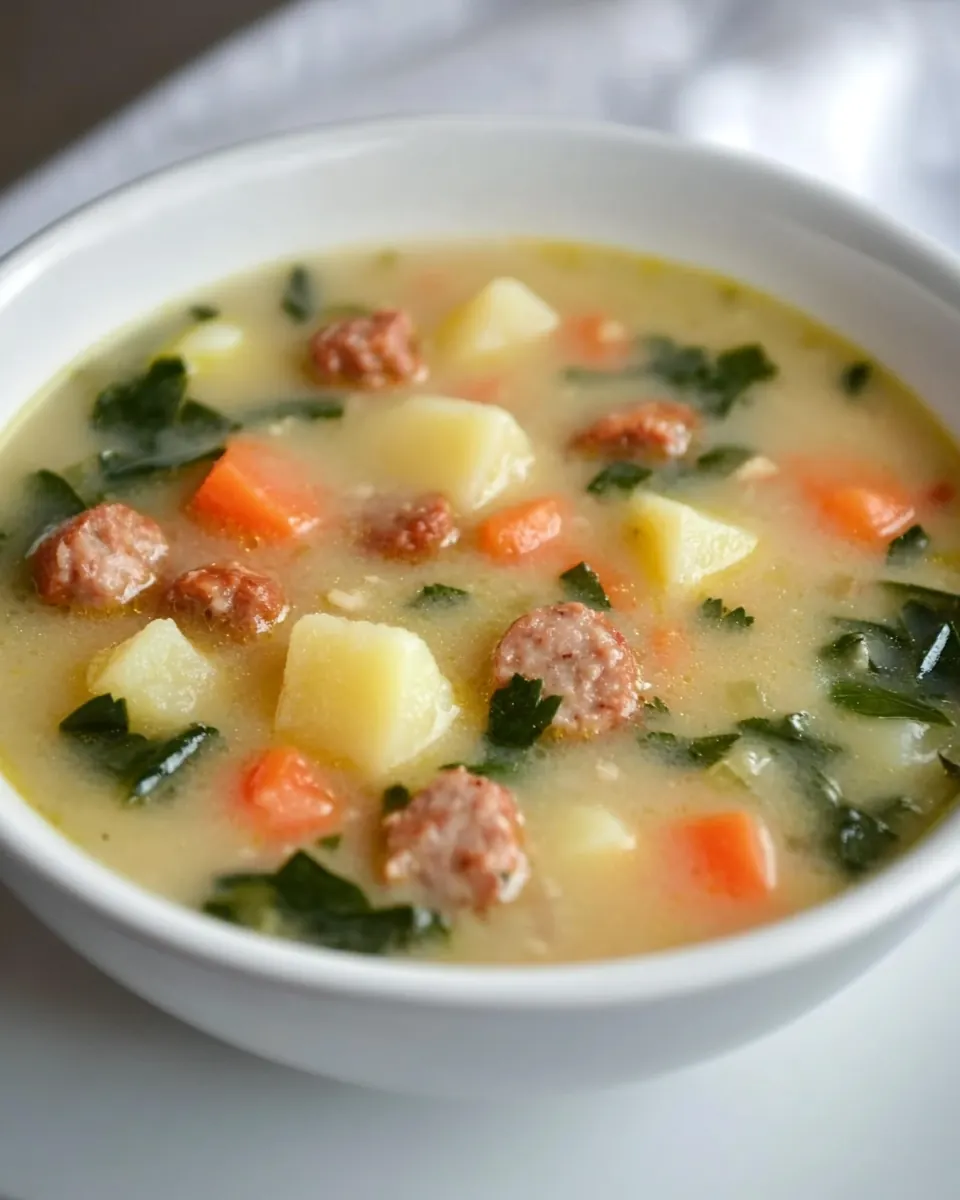
The ingredient list for Slow Cooker Sausage and Potato Soup is grounded in pantry friendly, seasonal produce and simple proteins. These components work together to build a soup that is hearty and balanced. The chicken sausage lends savory depth, the russet potato contributes body and silkiness, and the aromatics like yellow onion and celery create a flavorful base. The finishing milk and baby spinach add creaminess and freshness so each bowl feels complete.
- 2 links chicken sausage cut into bite-sized slices: Sliced into bite–sized pieces to provide protein and savory flavor; chicken sausage also contributes a smoky, seasoned backbone to the soup. Browning briefly before adding can deepen the flavor, while gentle slow-cooking keeps it tender and allows fats to enrich the broth.
- 1 yellow onion small, diced: Diced finely to build the aromatic base and add subtle sweetness; onion softens during slow cooking and melts into the broth to enhance overall depth. Cooking until translucent releases natural sugars that balance the savory sausage and vegetables.
- 1 carrot peeled and diced: Peeled and diced to add natural sweetness, texture, and body to the soup; carrots also contribute color and nutrients such as beta-carotene. Slow simmering makes them tender while releasing sugars that harmonize with the broth and other vegetables.
- 1 celery stalk diced: Chopped to provide a fragrant, savory note and mild crunch when not overcooked; celery adds a classic mirepoix component that complements onion and carrot. Gentle cooking mellows its flavor and infuses the soup with aromatic complexity.
- 1 russet potato medium, cut into 1 inch cubes: Cut into roughly 1-inch cubes to supply hearty starch, body, and a creamy texture as the potato breaks down slightly during cooking. Russet potatoes absorb flavors well and help thicken the soup while providing satisfying bite.
- 1 cup chicken broth low-sodium: Poured in as the primary liquid to create the soup base and carry flavors; low-sodium chicken broth allows control over overall saltiness while adding savory umami. Using broth rather than water builds depth and integrates the ingredients into a cohesive soup.
- 1/2 cup milk: Added for a touch of creaminess and to mellow the broth; milk enriches the soup without overpowering delicate flavors. Stirring in near the end of cooking helps prevent curdling and produces a smooth, comforting texture.
- 1 cup baby spinach rinsed and chopped: Rinsed and chopped to introduce a fresh, leafy green element that brightens the soup and adds nutrients like iron and vitamins. Stirring spinach in toward the end preserves color and tender texture while integrating subtle vegetal freshness.
Recipe Directions for Slow Cooker Sausage and Potato Soup
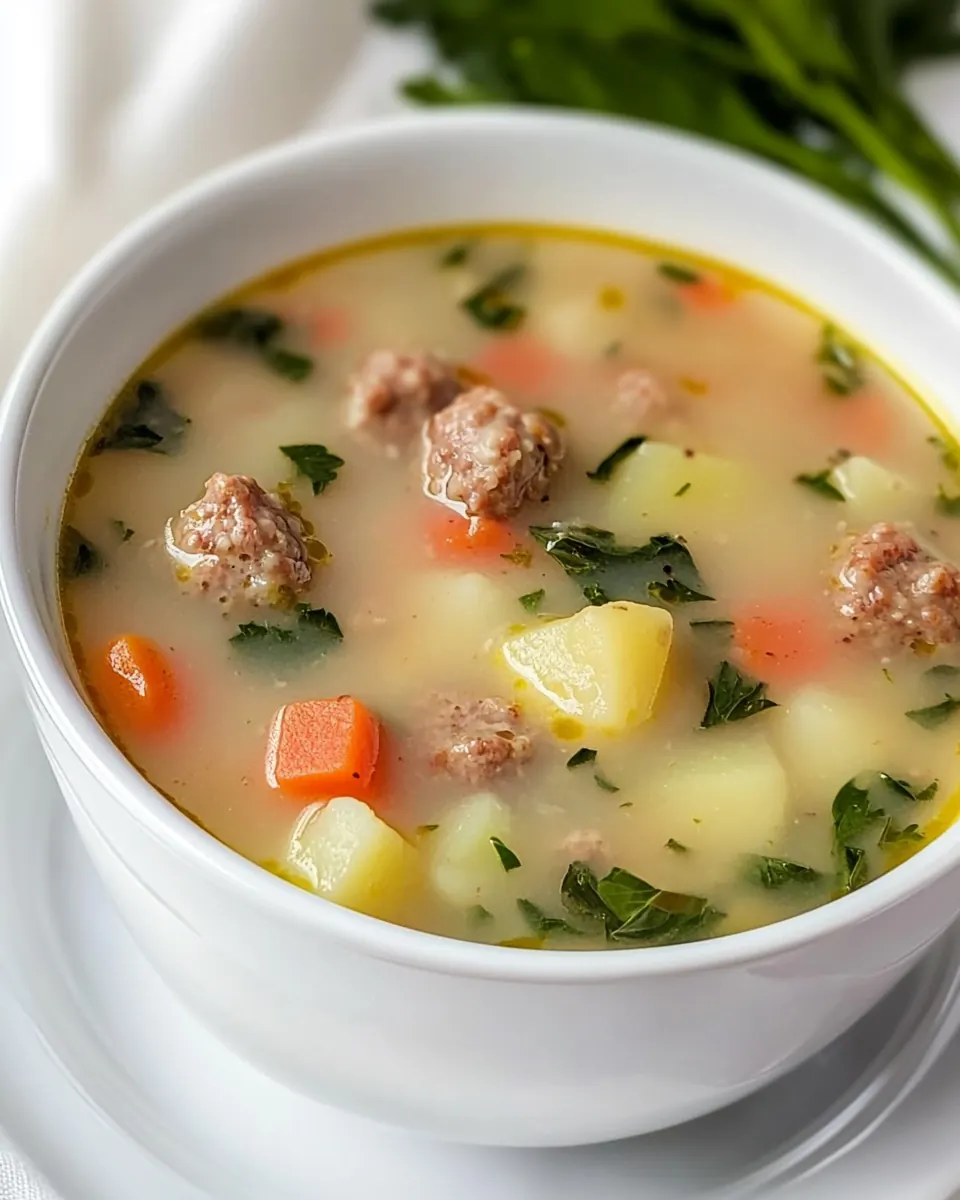
These directions walk you through a slow, forgiving cook that rewards patience. I like to set things up and let the slow cooker do the heavy lifting, then finish with a gentle tempering of the milk and a brief wilt of the baby spinach so the soup stays bright. Follow the sensory cues and timing to get perfectly tender vegetables and a creamy finish.
- NOTE: It's very important that the milk NOT be added until the very end of cooking as stated below. For best results, in a small mixing bowl combine 1/2 cup liquid from the slow cooker to the milk before adding it back to the slow cooker.: It's very important that the milk NOT be added until the very end of cooking as stated below. For best results, in a small mixing bowl combine 1/2 cup liquid from the slow cooker to the milk before adding it back to the slow cooker. : As you prepare, you will notice a warm, savory aroma from the cooker. The reason we temper the milk by mixing it with a bit of hot soup liquid first is to prevent curdling and to gently raise the milk temperature, preserving a smooth texture. When you combine the two, you should see the milk become slightly warmed and glossy, which is the signal it's ready to be added. A common misstep is pouring cold milk straight into the hot pot, which can seize or create a grainy texture, so take the extra minute to temper it properly. If the milk looks separated after adding, stir gently and warm on low a few minutes to coax it back together.
- In a 2- or 3-quart slow cooker, combine the first five ingredients. Cover and cook on low 6-8 hours or on high 3-4 hours, until the chicken sausage is cooked through and the potatoes are tender.: As everything simmers slowly, you will hear the quiet, steady bubble and smell onions and sausage melding; the sound is subtle but reassuring. The chicken sausage will release savory fats and the russet potato will soak up the broth, making the liquid slightly thicker and clouded with starch. This long, gentle cook allows flavors to marry and vegetables to become yielding without falling apart if you stick to the recommended size for the potato cubes. Avoid lifting the lid too often, a frequent check drops heat and lengthens cook time. If after the listed cook time potatoes are still firm, extend cooking in thirty minute increments rather than increasing heat dramatically.
- Just before turning off the slow cooker, add the milk and spinach and allow to cook just until spinach is wilted and soup heated through, about 5-10 minutes.: At this stage the soup will smell rich and the broth will shimmer with a light sheen from the sausage. When you add the tempered milk and scattered baby spinach , you should hear a soft hiss as the hot liquid meets cooler components. Within a few minutes the spinach will collapse into delicate folds and the milk will thicken the broth slightly, giving a velvety mouthfeel. The visual cue to stop heating is vibrant green spinach and a uniformly warmed soup; once you see that, remove the lid. A mistake to avoid is letting it sit on high for too long after adding the milk, which can break the milk down and dull the fresh spinach.
Expert Tips about Slow Cooker Sausage and Potato Soup
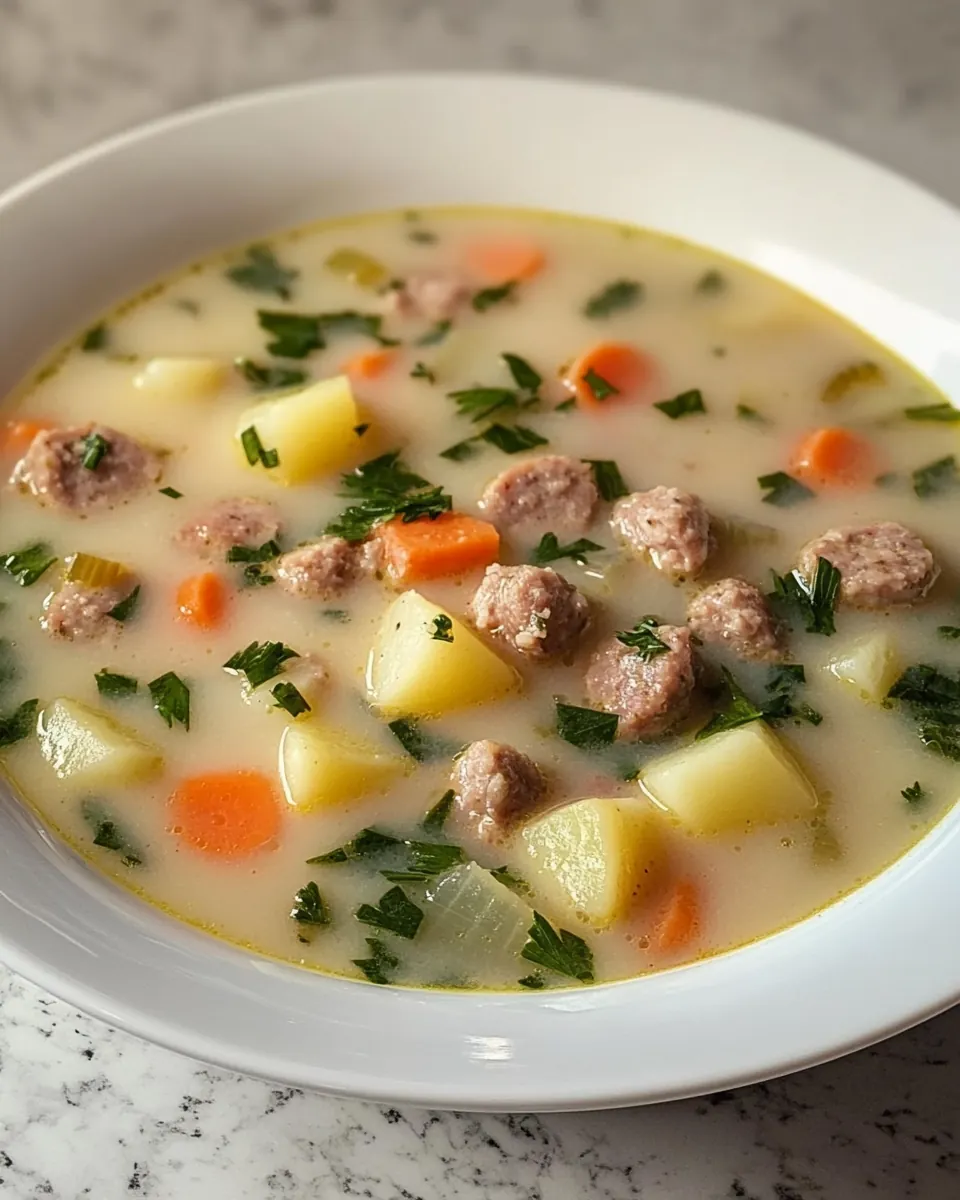
I like to collect a few reliable tips that make this soup consistently excellent. These focus on timing, texture, and flavor balance so you get a cozy bowl every time. Below are practical notes I return to when I make this for friends or a quiet weeknight.
- Slice the sausage evenly. Even slices allow the chicken sausage to heat uniformly, releasing its flavor into the broth. If slices are uneven some pieces may overcook or remain cold in the center.
- Keep the potato cubes consistent. Cutting the russet potato into 1 inch cubes ensures the pieces reach perfect tenderness at the same time, avoiding a mix of mushy and undercooked bites.
- Temper the milk. Mix a few spoonfuls of hot broth into the milk before adding it to the cooker to prevent curdling and preserve a smooth, creamy texture.
- Add the spinach at the end. The baby spinach only needs a short time to wilt, which keeps its bright color and fresh flavor from being lost in prolonged cooking.
- Choose low sodium broth. Starting with a low sodium chicken broth gives you control over final seasoning and prevents the soup from becoming too salty as it reduces.
Perfect Matches for Slow Cooker Sausage and Potato Soup
This soup pairs beautifully with simple sides and cozy occasions. I often serve it for relaxed dinners, small celebrations for two, or as a warming option during winter evenings. Below are ideas for complementary sides, serving styles, and storage tips to keep your bowls satisfying.
- Serve with crusty bread. A warm slice of crusty bread is ideal for soaking up the creamy broth and makes the meal feel more substantial without extra effort.
- Pair with a light salad. A small green salad provides a crisp contrast to the soft textures of the soup, balancing the meal when you want a fresher element.
- Ideal for winter dinners. This recipe is especially comforting in the colder months when hearty, warm bowls are most welcome.
- Store properly. Cool the soup to room temperature, then refrigerate in an airtight container for up to three days. Reheat gently on low to avoid breaking the milk.
- Reheat gently. When warming leftovers, stir occasionally and avoid high heat to keep the texture smooth and prevent the milk from separating.
FAQ
Conclusion
Slow Cooker Sausage and Potato Soup is special because it manages to be both hearty and effortless, delivering cozy, satisfying bowls with minimal hands on time. I encourage you to give it a try on an evening when you crave warmth and a straightforward, comforting meal. It’s forgiving, approachable, and consistently rewarding, perfect for quiet dinners or a simple date night at home.
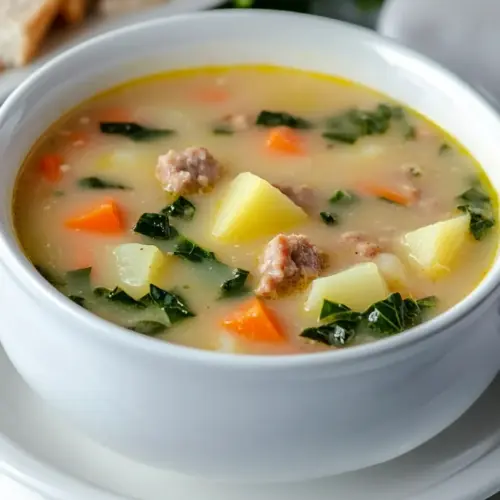
Slow Cooker Sausage and Potato Soup
Equipment
- Slow Cooker
- Mixing Bowl
Ingredients
- 2 links chicken sausage cut into bite-sized slices Sliced into bite-sized pieces to provide protein and savory flavor; chicken sausage also contributes a smoky, seasoned backbone to the soup. Browning briefly before adding can deepen the flavor, while gentle slow-cooking keeps it tender and allows fats to enrich the broth.
- 1 yellow onion small, diced Diced finely to build the aromatic base and add subtle sweetness; onion softens during slow cooking and melts into the broth to enhance overall depth. Cooking until translucent releases natural sugars that balance the savory sausage and vegetables.
- 1 carrot peeled and diced Peeled and diced to add natural sweetness, texture, and body to the soup; carrots also contribute color and nutrients such as beta-carotene. Slow simmering makes them tender while releasing sugars that harmonize with the broth and other vegetables.
- 1 celery stalk diced Chopped to provide a fragrant, savory note and mild crunch when not overcooked; celery adds a classic mirepoix component that complements onion and carrot. Gentle cooking mellows its flavor and infuses the soup with aromatic complexity.
- 1 russet potato medium, cut into 1 inch cubes Cut into roughly 1-inch cubes to supply hearty starch, body, and a creamy texture as the potato breaks down slightly during cooking. Russet potatoes absorb flavors well and help thicken the soup while providing satisfying bite.
- 1 cup chicken broth low-sodium Poured in as the primary liquid to create the soup base and carry flavors; low-sodium chicken broth allows control over overall saltiness while adding savory umami. Using broth rather than water builds depth and integrates the ingredients into a cohesive soup.
- 1/2 cup milk Added for a touch of creaminess and to mellow the broth; milk enriches the soup without overpowering delicate flavors. Stirring in near the end of cooking helps prevent curdling and produces a smooth, comforting texture.
- 1 cup baby spinach rinsed and chopped Rinsed and chopped to introduce a fresh, leafy green element that brightens the soup and adds nutrients like iron and vitamins. Stirring spinach in toward the end preserves color and tender texture while integrating subtle vegetal freshness.
Instructions
- NOTE: It's very important that the milk NOT be added until the very end of cooking as stated below. For best results, in a small mixing bowl combine 1/2 cup liquid from the slow cooker to the milk before adding it back to the slow cooker.: It's very important that the milk NOT be added until the very end of cooking as stated below. For best results, in a small mixing bowl combine 1/2 cup liquid from the slow cooker to the milk before adding it back to the slow cooker. : As you prepare, you will notice a warm, savory aroma from the cooker. The reason we temper the milk by mixing it with a bit of hot soup liquid first is to prevent curdling and to gently raise the milk temperature, preserving a smooth texture. When you combine the two, you should see the milk become slightly warmed and glossy, which is the signal it's ready to be added. A common misstep is pouring cold milk straight into the hot pot, which can seize or create a grainy texture, so take the extra minute to temper it properly. If the milk looks separated after adding, stir gently and warm on low a few minutes to coax it back together.
- In a 2- or 3-quart slow cooker, combine the first five ingredients. Cover and cook on low 6-8 hours or on high 3-4 hours, until the chicken sausage is cooked through and the potatoes are tender.: As everything simmers slowly, you will hear the quiet, steady bubble and smell onions and sausage melding; the sound is subtle but reassuring. The chicken sausage will release savory fats and the russet potato will soak up the broth, making the liquid slightly thicker and clouded with starch. This long, gentle cook allows flavors to marry and vegetables to become yielding without falling apart if you stick to the recommended size for the potato cubes. Avoid lifting the lid too often, a frequent check drops heat and lengthens cook time. If after the listed cook time potatoes are still firm, extend cooking in thirty minute increments rather than increasing heat dramatically.
- Just before turning off the slow cooker, add the milk and spinach and allow to cook just until spinach is wilted and soup heated through, about 5-10 minutes.: At this stage the soup will smell rich and the broth will shimmer with a light sheen from the sausage. When you add the tempered milk and scattered baby spinach , you should hear a soft hiss as the hot liquid meets cooler components. Within a few minutes the spinach will collapse into delicate folds and the milk will thicken the broth slightly, giving a velvety mouthfeel. The visual cue to stop heating is vibrant green spinach and a uniformly warmed soup; once you see that, remove the lid. A mistake to avoid is letting it sit on high for too long after adding the milk, which can break the milk down and dull the fresh spinach.
Notes
- Slice the sausage evenly. Even slices allow the chicken sausage to heat uniformly, releasing its flavor into the broth. If slices are uneven some pieces may overcook or remain cold in the center.
- Keep the potato cubes consistent. Cutting the russet potato into 1 inch cubes ensures the pieces reach perfect tenderness at the same time, avoiding a mix of mushy and undercooked bites.
- Temper the milk. Mix a few spoonfuls of hot broth into the milk before adding it to the cooker to prevent curdling and preserve a smooth, creamy texture.
- Add the spinach at the end. The baby spinach only needs a short time to wilt, which keeps its bright color and fresh flavor from being lost in prolonged cooking.
- Choose low sodium broth. Starting with a low sodium chicken broth gives you control over final seasoning and prevents the soup from becoming too salty as it reduces.