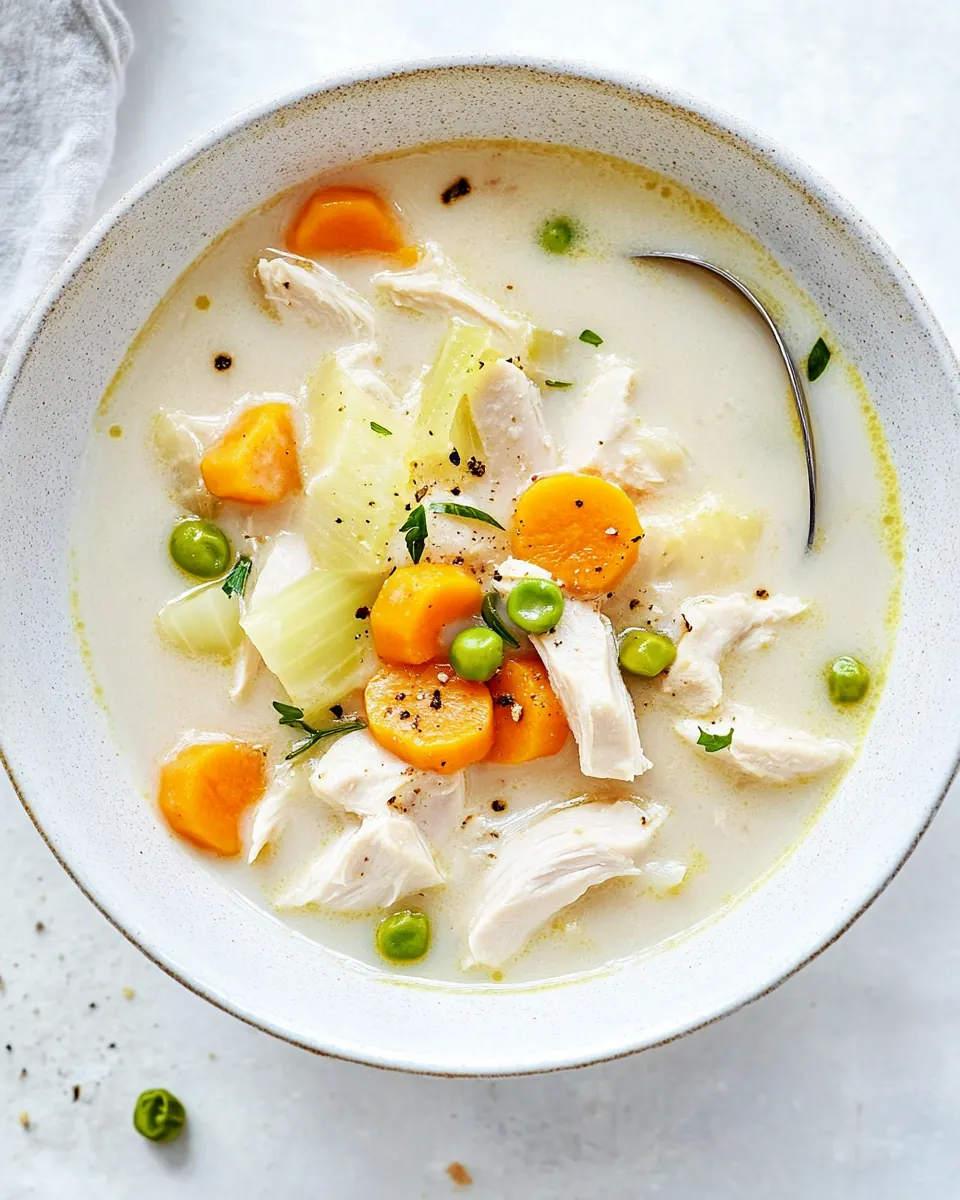
Creamy Chicken Soup
Creamy Chicken Soup is the kind of bowl I turn to when the weather presses in and I need comfort that tastes like a warm hug. The first time I made this version I remember the kitchen filling with the scent of sautéed onion and carrot, and the way the chicken browned slightly before it finished cooking made the whole house feel calm and cozy. I always keep a box of chicken broth on hand for nights like this, because good broth is the backbone of a great soup.
Over the years I have tweaked the balance of cream and broth so the texture stays luscious without feeling heavy. There is something incredibly satisfying about spooning a steaming bowl and noticing the silkiness of heavy cream contrasted with tender bites of chicken and the gentle sweetness of softened carrot. I like to tell guests this is the soup that makes the day slow down for a minute, the one that invites conversation and relaxed spoons. It has become my go to for cozy dinners, and I often double the recipe when friends drop by unexpectedly.
Recipe Snapshot
40 mins
15 mins
25 mins
Easy
350 kcal
American
Gluten-Free, Low FODMAP
Soups
Large pot, Wooden spoon, Knife, Cutting board
Why You Need This Creamy Chicken Soup
Comforting texture that feels homemade
I love how Creamy Chicken Soup hits the nostalgia button without relying on processed shortcuts. The mix of chicken broth and heavy cream creates a velvety mouthfeel that feels indulgent yet familiar. Every spoonful warms you from the inside out, which is exactly what I want from a soup on a cold evening.
Simple, pantry friendly ingredients
This recipe leans on staples like all purpose flour, unsalted butter, and chicken, so you rarely need a special trip to the store. When I’m short on time, knowing these ingredients are probably sitting in my kitchen means dinner comes together with minimal fuss, and that reliability makes it a recipe I reach for again and again.
Flexible and forgiving
I appreciate recipes that let you adapt based on what’s on hand, and Creamy Chicken Soup does just that. If your carrot slices are thicker, they will still tenderize with a little extra simmering. If you want a thicker finish, a bit more flour or a longer simmer will do the trick. The method gives you control while remaining approachable.
Balanced flavors that please everyone
The combination of sautéed aromatics like onion and the gentle sweetness of carrot and celery creates a backbone that supports the richness of the cream without overpowering it. I find this balance works for picky eaters and enthusiastic food lovers alike, which is why I often bring this to casual dinners.
Quick enough for weeknights
Even with layered flavors, the recipe comes together quickly, which is why it’s a weekday favorite in my house. You get a handcrafted soup in under an hour, and that speed paired with comfort makes it a winner for busy evenings when you want something cozy but not complicated.
What’s In This Creamy Chicken Soup

These ingredients are chosen to create a comforting, balanced bowl. The chicken broth gives depth, while a touch of all purpose flour helps the soup develop body. Unsalted butter and aromatics build a savory base that lets the creamy finish shine. I treat each component as a player in the orchestra, where texture and flavor support each other.
- 2 tablespoons unsalted butter (divided (1/4 stick)): Melted and divided to control richness and browning, provides a silky mouthfeel and helps sauté aromatics without burning. Use half at the start to cook vegetables and the remainder to finish the soup for extra creaminess and sheen.
- 1 pound boneless, skinless chicken breasts (diced): Diced for even cooking and tender chunks that absorb flavor; supplies the primary protein and body to the soup. Brown briefly to build savory depth before simmering with the broth so it stays moist and flavorful.
- 1 large onion (diced): Diced to release sweet, savory aromatics that form the flavor base; softens and melds with carrots and celery during sweating. Cook until translucent to develop sweetness and deepen the overall soup profile.
- 2 large carrots (sliced): Sliced to add gentle sweetness, texture, and color; contributes natural sugars that balance savory notes. Simmer until tender so carrots release flavor and provide pleasant bite without being mushy.
- 2 ribs celery (sliced): Sliced for subtle vegetal flavor, aromatic depth, and slight crunch when not overcooked; enhances overall savory balance. Cook with onion and carrot to create a classic mirepoix base that supports the chicken and broth.
- 2 tablespoons all-purpose flour (*): Used as a thickening agent to create a smooth, slightly velvety broth when cooked briefly with fat; helps the soup attain a cohesive, creamy texture. Sprinkle in and cook out the raw flour taste before adding liquid to avoid graininess.
- 4 cups chicken broth: Added as the liquid backbone to provide savory, seasoned depth and to poach the chicken; determines overall soup volume and intensity. Choose a low-sodium or homemade variety to better control final saltiness.
- 1 cup heavy cream: Stirred in at the end to enrich and lend a luscious, creamy consistency while balancing flavors; brings a luxurious mouthfeel. Warm gently after adding to avoid curdling and to preserve smooth texture.
- salt and pepper (to taste): Seasoned to taste to enhance and balance all flavors; used sparingly at first and adjusted after simmering. Add incrementally and taste before serving to prevent over-salting or overly spicy soup.
Recipe Directions for Creamy Chicken Soup
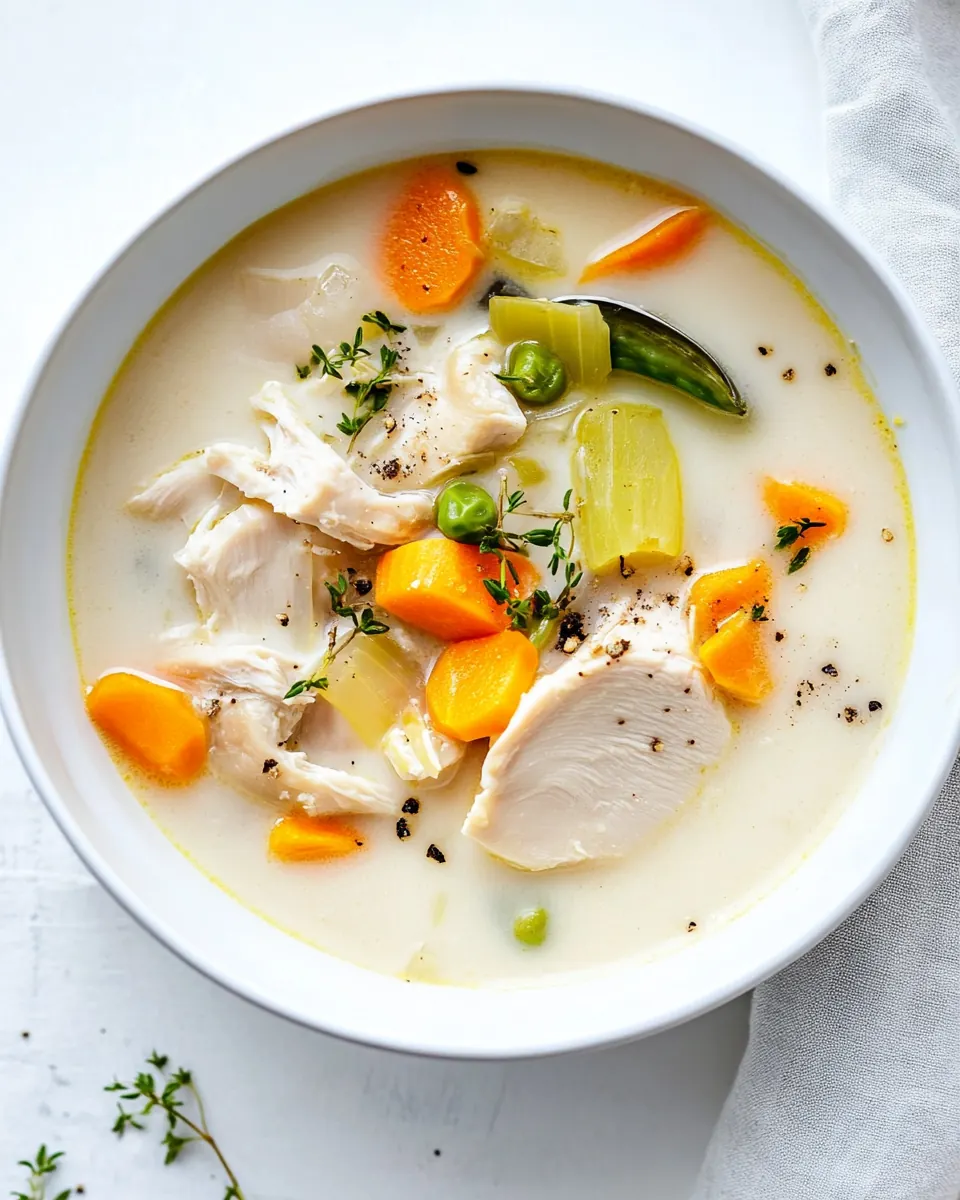
This recipe moves through clear stages so each element contributes to the final bowl. Work in order for the best texture, and take your time on the aromatics so the soup builds depth. Below I walk you through sensory cues and troubleshooting to make sure every spoonful turns out right.
- In a large pot, melt 1 tablespoon of butter over medium heat. Add diced chicken and cook until no longer pink in the center, about 5-7 minutes. Remove the chicken from the pot and set aside.: You will smell the butter soften and then take on a faintly nutty aroma as it warms, which signals the ideal moment to add the chicken . The surface of the pot should shimmer but not smoke, and the butter will coat the bottom in a thin, glossy layer. This gentle heat prevents burning, allowing the chicken to develop a light golden sear. A common mistake is overheating, which makes the butter brown too quickly and can create bitter notes, so keep the flame steady at medium.
- In the same pot, add the remaining tablespoon of butter. Add diced onion, carrots, and celery. Sauté until vegetables are tender, about 5 minutes.: As the chicken sizzles you will hear a light popping sound and see edges turn from translucent to opaque. When you cut into a piece it should be white through the center with a faint blush of juicy moisture. Removing the chicken preserves the fond on the pot surface, which contains concentrated flavor, and prevents overcooking the pieces when the soup simmers later. Avoid crowding the pot, because too many pieces will steam instead of sear, creating a pale texture rather than a lightly caramelized one.
- Sprinkle flour over the sautéed vegetables and stir well to coat. Cook the flour for 1-2 minutes, stirring constantly.: You will notice the vegetables soften and release sweet, aromatic steam that fills the kitchen, and the edges of the onion may begin to take on a translucent sheen. Stir frequently so nothing sticks to the bottom, scraping up the browned bits left by the chicken to incorporate that depth. The vegetables should be tender but still keep their shape, not falling apart into mush. A frequent error is rushing this step, which leaves raw flavors and prevents the natural sugars from developing.
- Gradually pour in chicken broth, stirring constantly to prevent lumps. Bring mixture to a boil, then reduce heat and let simmer for about 10 minutes until soup begins to thicken.: The moment you add the all purpose flour you will see it dust the vegetables and begin to create a pasty coating, which is exactly what creates a smooth roux. Keep stirring so the flour cooks evenly, losing its raw flour taste and turning a pale golden color. This also prevents lumps when the chicken broth is added. Overcooking here can darken the roux and change the flavor profile, while undercooking leaves a starchy texture, so aim for a brief gentle cook to eliminate rawness.
- Return cooked chicken to the pot. Pour in heavy cream and stir well to combine. Allow soup to simmer for an additional 5-10 minutes until heated through.: As you whisk in the chicken broth you will see the mixture loosen and transform into a glossy liquid. A steady stream and constant stirring keep the texture smooth, and once the pot reaches a boil the aroma will deepen into a rich, savory scent. Lowering the heat to a gentle simmer allows flavors to marry and the flour to fully thicken the base. If the soup remains thin, simmer a little longer; if it becomes too thick, a splash of additional broth will correct the consistency. Skipping the gradual addition often causes stubborn lumps that are hard to break down.
- Season with salt and pepper to taste. Serve hot.: When you add the warm heavy cream you will immediately notice the texture turn silkier and the aroma soften into something lush and inviting. Stir gently to fold the cream into the simmering broth, and watch small wisps of steam rise as the soup comes back to a gentle bubble. The chicken should be heated through and succulent, not overcooked or rubbery, and the vegetables should cradle each spoonful. Avoid boiling aggressively after adding cream, because high heat can cause separation; keep it at a low simmer instead.
- Season with salt and pepper to taste Serve hot: The final seasoning will make the flavors pop, so add small amounts and taste frequently. Salt will lift the savory notes from the chicken broth and aromatics while pepper adds a subtle bite. Serve the soup steaming hot so the aroma and texture are at their best. A common mistake is over-salting early on, particularly if your broth is already salty; always taste before adding a big pinch, and adjust gradually until it sings.
Recipe Tips about Creamy Chicken Soup

This recipe benefits from a few simple habits that make the final bowl shine. I like to prep everything before I start cooking so the sequence flows without pauses. Below are helpful, practical tips to improve texture and flavor, expanded into detailed items you can apply every time.
- Bring the heavy cream to room temperature before adding it to the hot soup, because a gentler temperature match reduces the chance of splitting and helps the cream integrate smoothly into the broth.
- Keep the heat moderate when simmering to avoid aggressive boiling after the cream is added, as high heat can change the texture and cause separation, instead maintain a gentle simmer for a silky finish.
- Reserve the browned bits by removing the chicken and then deglazing the pot with a bit of broth as you sauté the vegetables, since those fond bits add a concentrated savory flavor when scraped into the soup.
- Stir in the flour thoroughly and cook it briefly to remove any raw taste; constant stirring prevents lumps and ensures the eventual texture is smooth and velvety.
- Season incrementally with salt and pepper, tasting as you go, because the chicken broth might already contain sodium and you want control over the final balance.
What to Serve With Creamy Chicken Soup
I like pairing this soup with simple sides that add texture contrast and fresh notes. A warm bread or crisp salad complements the creamy bowl, and the servings can be tailored to casual weeknights or a relaxed dinner with friends. Below are thoughtful pairings, storage suggestions, and serving styles to make the meal complete.
- Crusty bread or rolls make for a satisfying dunking partner, the crunchy exterior and soft crumb contrast beautifully with the silky soup.
- Simple green salad with a light vinaigrette cuts through the creaminess and adds a bright, refreshing element to the meal.
- Steamed rice can be served on the side or spooned into bowls for added substance, absorbing the flavorful broth without overpowering it.
- Family style serving works well, ladling the soup into bowls while keeping a pot warm on the stove for seconds, ideal for casual gatherings.
- Storage tips include cooling the soup to room temperature before refrigerating in airtight containers for up to three days, and when reheating, warm gently over low heat to avoid breaking the cream.
- Occasion ideas range from cozy winter weeknights to a gentle Ramadan iftar starter, since the bowl is nourishing, warming, and easy to digest after a fast.
FAQ
Conclusion
Creamy Chicken Soup shines because it balances a silky, comforting texture with bright aromatics and tender chicken. The recipe is approachable enough for weeknights yet satisfying enough for a relaxed dinner, making it a reliable go to when you want nourishing comfort. Try it the next time you crave something warm and soothing, and enjoy the simple pleasure of a homemade bowl that feels like a hug.

Creamy Chicken Soup
Equipment
- Large Pot
- Wooden Spoon
- Knife
- Cutting Board
Ingredients
- 2 tablespoons unsalted butter (divided (1/4 stick)) Melted and divided to control richness and browning, provides a silky mouthfeel and helps sauté aromatics without burning. Use half at the start to cook vegetables and the remainder to finish the soup for extra creaminess and sheen.
- 1 pound boneless, skinless chicken breasts (diced) Diced for even cooking and tender chunks that absorb flavor; supplies the primary protein and body to the soup. Brown briefly to build savory depth before simmering with the broth so it stays moist and flavorful.
- 1 large onion (diced) Diced to release sweet, savory aromatics that form the flavor base; softens and melds with carrots and celery during sweating. Cook until translucent to develop sweetness and deepen the overall soup profile.
- 2 large carrots (sliced) Sliced to add gentle sweetness, texture, and color; contributes natural sugars that balance savory notes. Simmer until tender so carrots release flavor and provide pleasant bite without being mushy.
- 2 ribs celery (sliced) Sliced for subtle vegetal flavor, aromatic depth, and slight crunch when not overcooked; enhances overall savory balance. Cook with onion and carrot to create a classic mirepoix base that supports the chicken and broth.
- 2 tablespoons all-purpose flour (*) Used as a thickening agent to create a smooth, slightly velvety broth when cooked briefly with fat; helps the soup attain a cohesive, creamy texture. Sprinkle in and cook out the raw flour taste before adding liquid to avoid graininess.
- 4 cups chicken broth Added as the liquid backbone to provide savory, seasoned depth and to poach the chicken; determines overall soup volume and intensity. Choose a low-sodium or homemade variety to better control final saltiness.
- 1 cup heavy cream Stirred in at the end to enrich and lend a luscious, creamy consistency while balancing flavors; brings a luxurious mouthfeel. Warm gently after adding to avoid curdling and to preserve smooth texture.
- salt and pepper (to taste) Seasoned to taste to enhance and balance all flavors; used sparingly at first and adjusted after simmering. Add incrementally and taste before serving to prevent over-salting or overly spicy soup.
Instructions
- In a large pot, melt 1 tablespoon of butter over medium heat. Add diced chicken and cook until no longer pink in the center, about 5-7 minutes. Remove the chicken from the pot and set aside.: You will smell the butter soften and then take on a faintly nutty aroma as it warms, which signals the ideal moment to add the chicken . The surface of the pot should shimmer but not smoke, and the butter will coat the bottom in a thin, glossy layer. This gentle heat prevents burning, allowing the chicken to develop a light golden sear. A common mistake is overheating, which makes the butter brown too quickly and can create bitter notes, so keep the flame steady at medium.
- In the same pot, add the remaining tablespoon of butter. Add diced onion, carrots, and celery. Sauté until vegetables are tender, about 5 minutes.: As the chicken sizzles you will hear a light popping sound and see edges turn from translucent to opaque. When you cut into a piece it should be white through the center with a faint blush of juicy moisture. Removing the chicken preserves the fond on the pot surface, which contains concentrated flavor, and prevents overcooking the pieces when the soup simmers later. Avoid crowding the pot, because too many pieces will steam instead of sear, creating a pale texture rather than a lightly caramelized one.
- Sprinkle flour over the sautéed vegetables and stir well to coat. Cook the flour for 1-2 minutes, stirring constantly.: You will notice the vegetables soften and release sweet, aromatic steam that fills the kitchen, and the edges of the onion may begin to take on a translucent sheen. Stir frequently so nothing sticks to the bottom, scraping up the browned bits left by the chicken to incorporate that depth. The vegetables should be tender but still keep their shape, not falling apart into mush. A frequent error is rushing this step, which leaves raw flavors and prevents the natural sugars from developing.
- Gradually pour in chicken broth, stirring constantly to prevent lumps. Bring mixture to a boil, then reduce heat and let simmer for about 10 minutes until soup begins to thicken.: The moment you add the all purpose flour you will see it dust the vegetables and begin to create a pasty coating, which is exactly what creates a smooth roux. Keep stirring so the flour cooks evenly, losing its raw flour taste and turning a pale golden color. This also prevents lumps when the chicken broth is added. Overcooking here can darken the roux and change the flavor profile, while undercooking leaves a starchy texture, so aim for a brief gentle cook to eliminate rawness.
- Return cooked chicken to the pot. Pour in heavy cream and stir well to combine. Allow soup to simmer for an additional 5-10 minutes until heated through.: As you whisk in the chicken broth you will see the mixture loosen and transform into a glossy liquid. A steady stream and constant stirring keep the texture smooth, and once the pot reaches a boil the aroma will deepen into a rich, savory scent. Lowering the heat to a gentle simmer allows flavors to marry and the flour to fully thicken the base. If the soup remains thin, simmer a little longer; if it becomes too thick, a splash of additional broth will correct the consistency. Skipping the gradual addition often causes stubborn lumps that are hard to break down.
- Season with salt and pepper to taste. Serve hot.: When you add the warm heavy cream you will immediately notice the texture turn silkier and the aroma soften into something lush and inviting. Stir gently to fold the cream into the simmering broth, and watch small wisps of steam rise as the soup comes back to a gentle bubble. The chicken should be heated through and succulent, not overcooked or rubbery, and the vegetables should cradle each spoonful. Avoid boiling aggressively after adding cream, because high heat can cause separation; keep it at a low simmer instead.
- Season with salt and pepper to taste Serve hot: The final seasoning will make the flavors pop, so add small amounts and taste frequently. Salt will lift the savory notes from the chicken broth and aromatics while pepper adds a subtle bite. Serve the soup steaming hot so the aroma and texture are at their best. A common mistake is over-salting early on, particularly if your broth is already salty; always taste before adding a big pinch, and adjust gradually until it sings.
Notes
- Bring the heavy cream to room temperature before adding it to the hot soup, because a gentler temperature match reduces the chance of splitting and helps the cream integrate smoothly into the broth.
- Keep the heat moderate when simmering to avoid aggressive boiling after the cream is added, as high heat can change the texture and cause separation, instead maintain a gentle simmer for a silky finish.
- Reserve the browned bits by removing the chicken and then deglazing the pot with a bit of broth as you sauté the vegetables, since those fond bits add a concentrated savory flavor when scraped into the soup.
- Stir in the flour thoroughly and cook it briefly to remove any raw taste; constant stirring prevents lumps and ensures the eventual texture is smooth and velvety.
- Season incrementally with salt and pepper, tasting as you go, because the chicken broth might already contain sodium and you want control over the final balance.