Skillet Roasted Sweet Potatoes
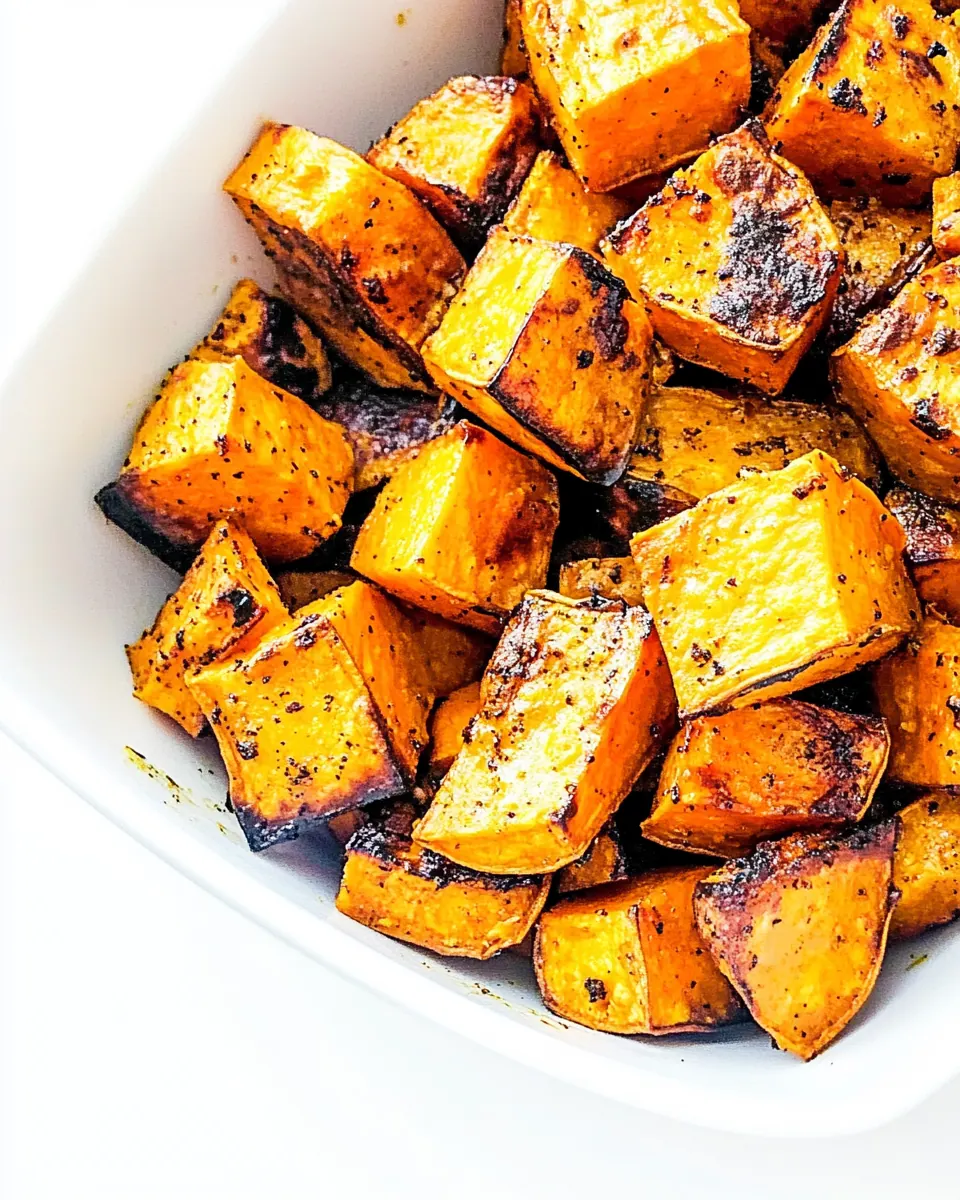
Skillet Roasted Sweet Potatoes came into my weeknight rotation the moment I realized how few ingredients I needed to coax out deep caramelized flavor from humble tubers. The first time I made these, I was short on time and patience, but long on hunger, so I tossed a few peeled sweet potatoes into a hot skillet and let the kitchen do the work. Within minutes the scent of roasted sweetness filled the room, and by the time they finished in the oven the edges were singed and tender, a texture I keep chasing ever since.
Over the seasons I have adapted this simple approach to fit lunch boxes, cozy dinners, and potlucks. I love how the combination of a quick skillet sear followed by oven roasting creates both crust and creaminess, it feels like two techniques in one. When friends ask for an easy side that travels well, I always mention Skillet Roasted Sweet Potatoes, because they reheat beautifully and pair with so many dishes. As someone who cooks by instinct, I appreciate a recipe that rewards small adjustments, so I tweak timing and heat until the pieces are uniformly golden and silky inside.
Recipe Snapshot
35 mins
5 mins
30 mins
Easy
180 kcal
American
Paleo, Vegan
Side Dishes
Medium skillet, Oven
The Best Thing About This Skillet Roasted Sweet Potatoes
1. Deep flavor from simple technique
I adore how Skillet Roasted Sweet Potatoes turn basic pantry staples into something memorable. By searing first, you build a caramelized surface that translates into nutty, almost toasted notes after the oven finish. I personally find that this step gives a complexity that roasting alone often misses.
2. Textural contrast
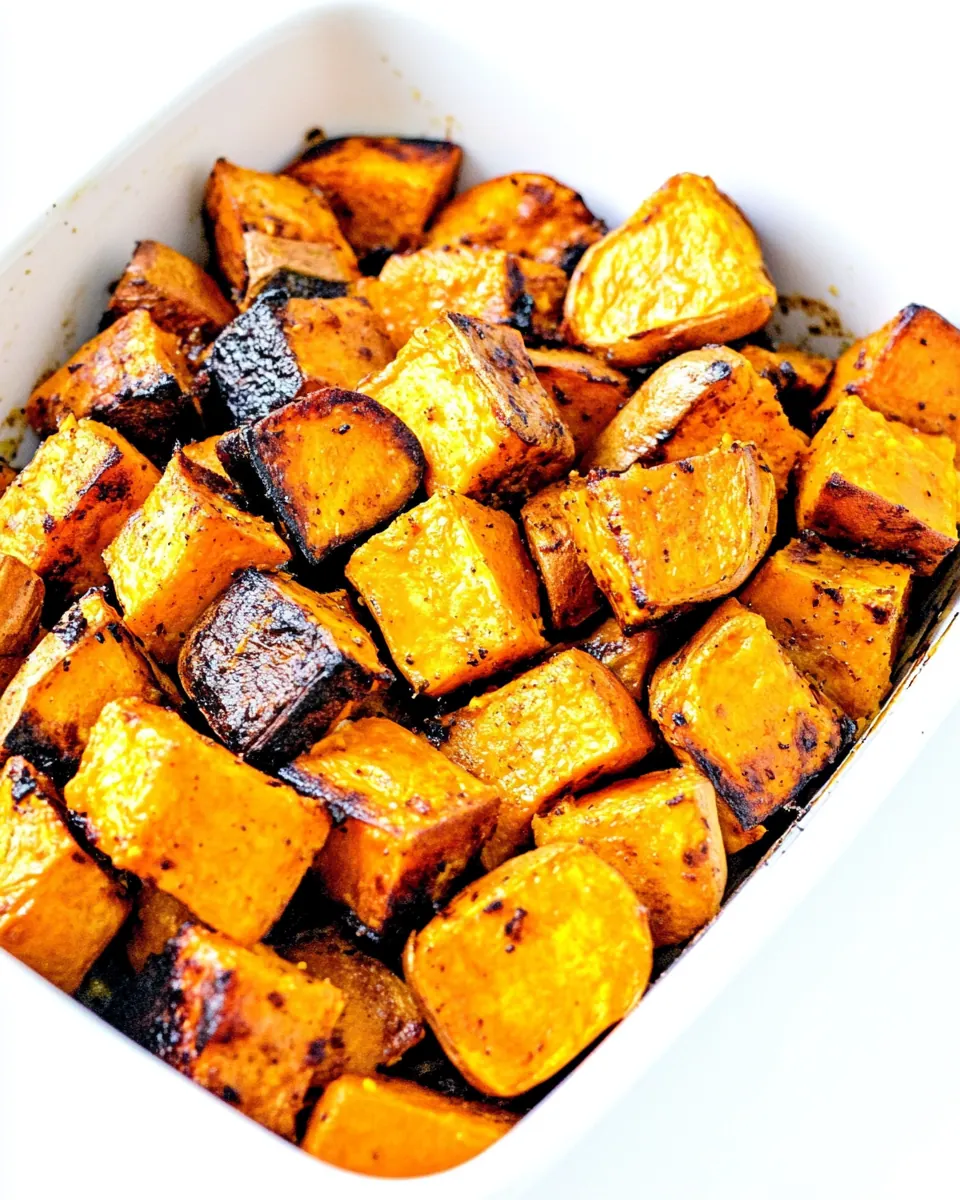
These potatoes are browned and crisp at the edges, and lusciously tender inside. I rely on that contrast when serving, because each bite offers a little crunch followed by a smooth center, making the dish feel special without fuss. You get an almost creamy interior while still enjoying crispy bits, which is why I keep coming back to this method.
3. Fast and forgiving
I appreciate recipes that are kind to busy cooks, and this one is forgiving if you are a minute or two off. The skillet step is quick, and the oven stage gives you time to finish other parts of the meal. If I get distracted, the oven keeps things moving while flavors deepen rather than fall apart.
4. Minimal ingredients, maximum impact
With only a few seasonings you can highlight the sweet potatoes themselves. I often remind friends that quality olive oil and proper seasoning are the real heroes here. Even with a pinch of cayenne, the dish brightens without stealing the spotlight from the sweet, roasted flesh.
5. Versatile side for many meals
I serve these at casual dinners and holiday tables alike, because they complement greens, grains, and roasted proteins. They travel well, warm up nicely, and are impressive without being complicated. For me, that makes them indispensable in a busy kitchen.
What to Gather for Skillet Roasted Sweet Potatoes
These ingredients are intentionally pared back to emphasize what matters most: texture and seasoning. The key players are the sweet potatoes, which provide natural sweetness and a creamy interior, the olive oil for browning and mouthfeel, and the salt and pepper to sharpen the flavors. A tiny pinch of cayenne pepper is optional but can add a lively lift that balances the sweetness without masking it.
- 1 tablespoon olive oil: Coat the skillet and potatoes lightly to prevent sticking and promote even browning; olive oil also helps carry flavors and crisp the exterior when roasted. Use a high-quality extra virgin variety for better flavor, and add it to a hot pan just before the potatoes to avoid burning. Adjust amount slightly for richer texture or lower calories.
- 3 4 sweet potatoes, peeled and cut into 2-inch pieces: Provide a sweet, starchy base and hearty texture when peeled and cut into 2-inch pieces; sweet potatoes become tender inside while caramelizing at the edges during skillet roasting. Choose firm, evenly sized potatoes to ensure uniform cooking, and space pieces in the pan to allow proper browning rather than steaming. Peeling is optional but creates a smoother bite and better contact with the hot surface.
- 1 teaspoon kosher salt: Season the potatoes with kosher salt to enhance natural sweetness and balance flavors; kosher salt dissolves quickly and distributes easily over the cut pieces. Sprinkle evenly and taste-adjust toward the end of cooking if needed, since salts can concentrate as moisture evaporates. Use measured amounts initially, then refine to personal preference.
- 1/2 teaspoon ground black pepper: Add ground black pepper to introduce mild heat and aromatic complexity, complementing the sweet potato's natural sugars. Grind fresh or use pre-ground pepper for convenience, and distribute it across the pieces for consistent seasoning. Combine with salt early so the flavors meld during cooking.
- pinch cayenne pepper (optional): Provide a touch of concentrated heat and a subtle smoky kick when added as a pinch; cayenne pepper is optional but can brighten the dish and contrast the sweetness. Use sparingly to avoid overpowering, and sprinkle at the end or during cooking for controlled spiciness. Omit entirely for a milder preparation or increase slightly for more warmth.
Recipe Directions for Skillet Roasted Sweet Potatoes
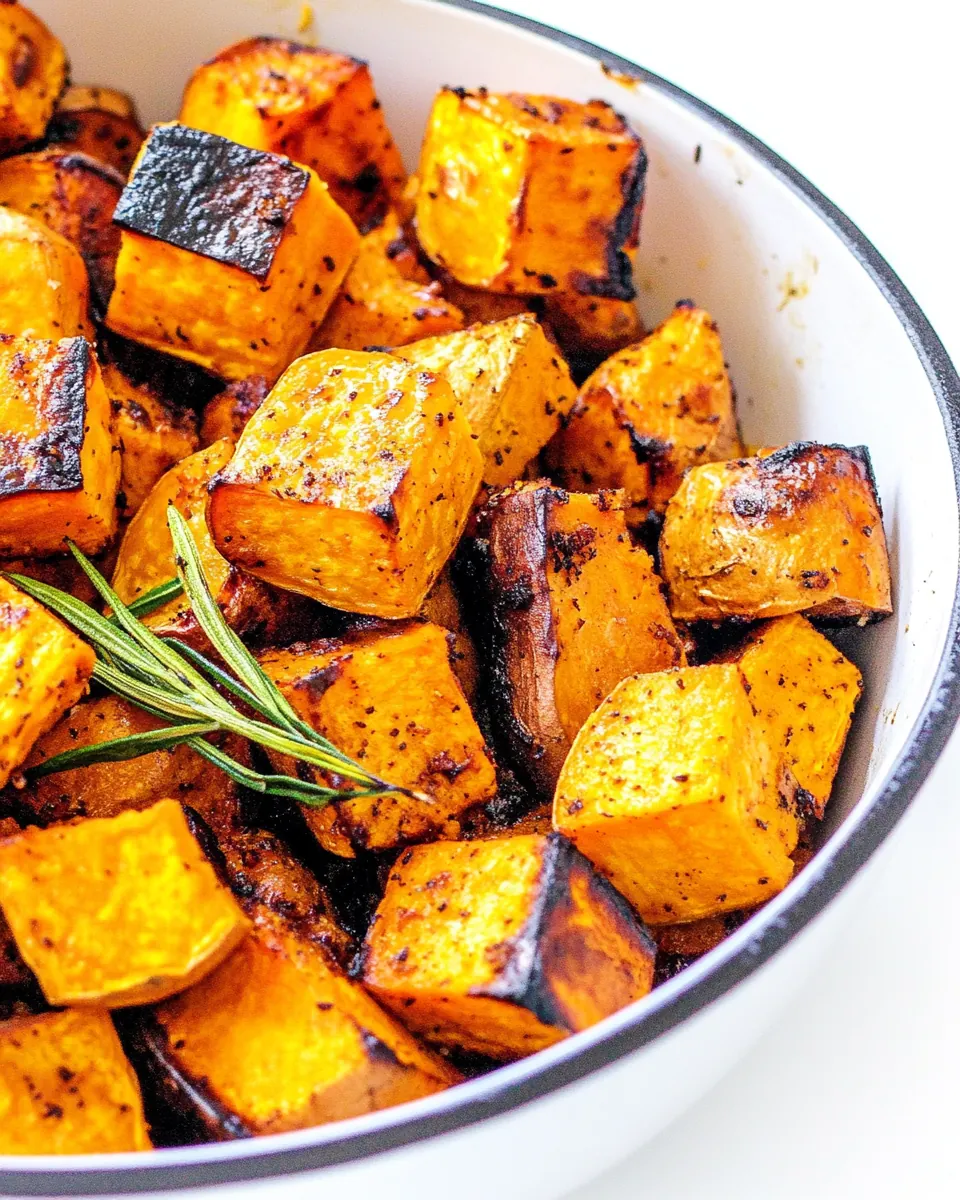
This method combines a quick stovetop sear with a finishing roast in the oven to achieve crisp edges and tender interiors. Read through each step before starting so you can time the skillet sear and oven roast without scrambling. Keep an eye on color and texture as visual cues are your best guide to doneness.
- Preheat oven to 425º F.: The moment you set the oven, you begin building consistent heat that will finish the interior while crisping the exterior. You should feel the warmth in the kitchen as the oven comes up to temperature, and when it is ready the air will smell faintly warm and dry, not humid. This high heat encourages Maillard reactions that deepen flavor, creating those golden edges we want. One mistake I see is putting the potatoes into an oven that is still heating, which leads to longer roast times and a less crisp finish. If your oven runs cool, allow extra time and watch for golden coloring rather than relying strictly on time.
- Drizzle olive oil into a medium skillet over medium heat until it shimmers. Then add in sweet potatoes and cook, stirring occasionally, until lightly browned about 5 minutes or so. Remove from cooktop and place into preheated oven and roast for 25 – 30 minutes.: Once the oil shimmers you will notice a slight ripple on the surface and a glossy sheen, that is the cue to add your sweet potatoes . The smell of warm oil is subtle but present, and the sound is a gentle sizzle when potatoes touch the pan. This initial contact caramelizes the exterior and begins the texture transformation. The why is simple, the hot oil forms a sealed surface that browns quickly, locking flavor in. A common misstep is using too much oil which leads to greasy potatoes, or too little which causes sticking and uneven browning; use just enough to coat the pan.
- Remove from oven and sprinkle with salt, pepper and cayenne pepper, if using.: As the potatoes hit the skillet you should hear a steady sizzle and see edges begin to brown within a couple of minutes. Stir occasionally so multiple faces of each piece get contact with the pan and develop color, but avoid constant stirring which prevents stable browning. Visually, look for golden patches and slightly crispy hems, and the aroma will shift toward nutty sweetness. This step builds flavor and texture that the oven will elevate. A frequent error is overcrowding the pan, which creates steam and prevents browning, so give pieces room to sear.
- Remove from cooktop and place into preheated oven and roast for 25 to 30 minutes.: Moving from stovetop to oven completes the cooking gently and evenly, transforming the interior into a silky, tender texture while intensifying the browned edges. In the oven you may hear a quiet roasting sound and the smell will sweeten, almost like toasted nuts. Turn or shake the pan once or twice during roasting to expose different sides to heat, ensuring even caramelization. The purpose here is steady dry heat to finish the potatoes without burning them, producing that ideal melt in the center. One troubleshooting tip is to check at the 20 minute mark if your pieces are smaller, because ovens vary and you do not want overly dried centers; if they feel fork tender earlier, remove them.
- Remove from oven and sprinkle with salt, pepper and cayenne pepper, if using.: As you pull the skillet from the oven the aroma will peak, and the residual heat helps the seasonings bloom on the surface. Sprinkling at the end ensures the salt sits on the crust where it can be tasted immediately, and the pepper and cayenne bring a fresh hit of aroma and brightness. The reason for finishing instead of seasoning only at the start is that high heat can mute some volatile flavors, so a final adjustment sharpens the profile. A common mistake is salting too early, which can draw out moisture and reduce browning; finish now for balanced seasoning.
Tips for Success
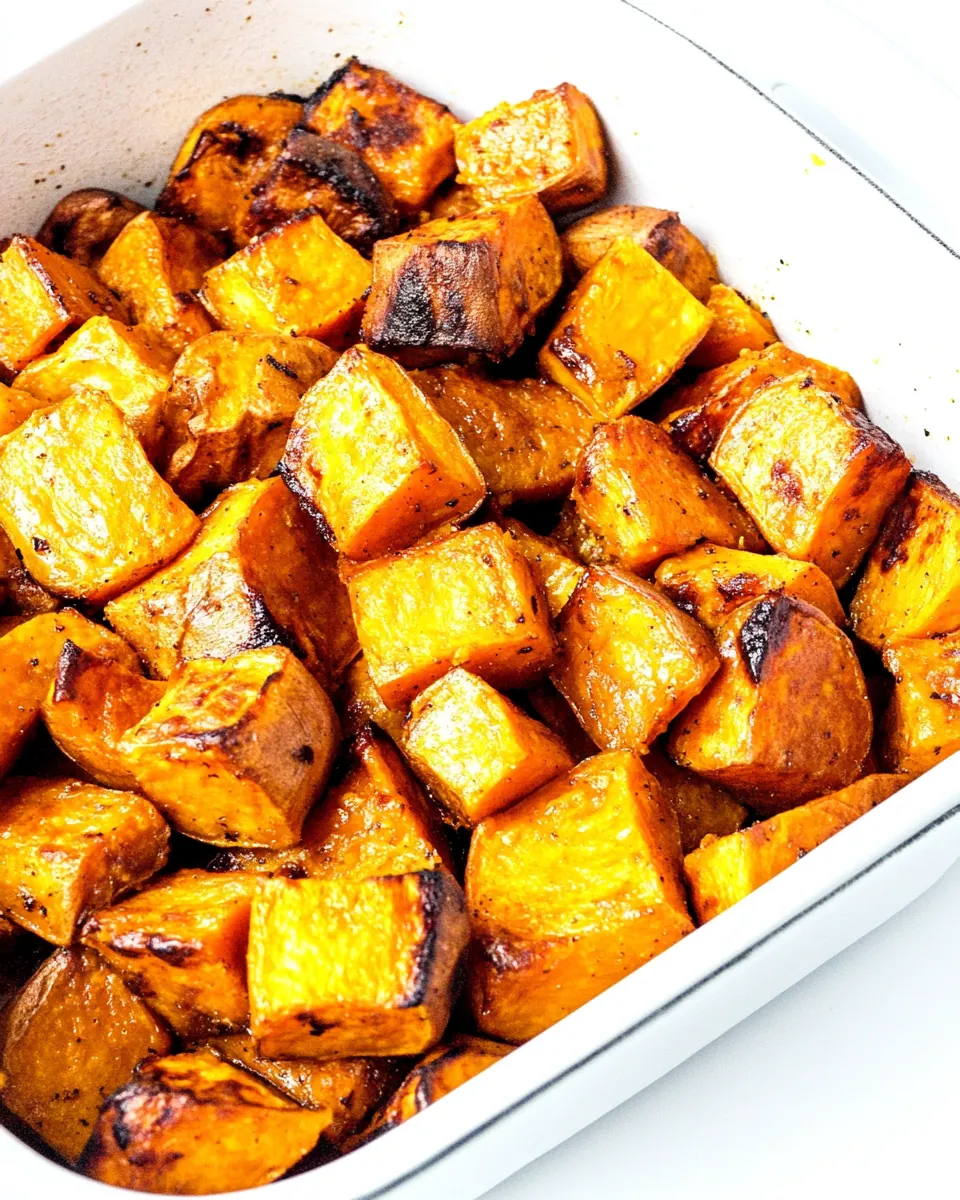
These tips will help you get consistently crisp edges and silky interiors every time you make Skillet Roasted Sweet Potatoes. Read them before you start, so you know what to watch for at each stage. Small adjustments in heat, pan size, and cutting technique make a big difference.
- Preheat fully: Make sure your oven is at 425º F before placing the skillet inside, that steady heat finish is what gives you even roasting and proper caramelization.
- Oil temperature matters: Wait until the olive oil shimmers in the skillet before adding potatoes, this prevents sticking and promotes a golden crust.
- Uniform pieces: Cut the sweet potatoes into consistent 2 inch pieces so they cook at the same rate and you avoid mixed textures on the plate.
- Avoid overcrowding: If the skillet is packed, the potatoes steam instead of sear; use a larger pan or cook in batches for best results.
- Finish with seasoning: Add the kosher salt, ground black pepper, and optional cayenne pepper right after roasting so the flavors stay bright and immediate.
Serving Options for Skillet Roasted Sweet Potatoes
I love serving these as a warm, comforting side that fits a range of meals. They pair well with roasted vegetables or a grain bowl for lunch, and they work equally well on a holiday buffet or casual weeknight table. Below are ideas for occasions, pairings, and storage to help you serve them confidently.
- Simple family dinner: Serve hot from the oven alongside roasted greens and a grain like rice or quinoa for a balanced plate that is satisfying and easy to assemble.
- Holiday table: Bring them to a spread as a cozy side, they complement roasted mains and blend in with seasonal flavors like warm spices and braised greens.
- Meal prep: Store cooled pieces in an airtight container in the fridge for up to four days, reheat in a hot skillet briefly to revive crisp edges before serving.
- Lunch bowl topper: Add chilled or warm pieces to a bowl with greens and a tangy dressing for contrast, they add body and natural sweetness without extra work.
- Party platter: Serve at room temperature on a platter with sturdy toothpicks for easy nibbling, they travel well and maintain texture for social occasions.
- Seasonal pairing: In fall, highlight them with roasting spices or a light sprinkle of herbs; their sweetness pairs well with crisp apples or tart condiments.
FAQ
Conclusion
Skillet Roasted Sweet Potatoes stand out because they combine a quick sear with a finishing roast to achieve crisp edges and a silky interior. I encourage you to try this approach next time you want a fuss free side that feels special, because a few simple steps amplify the natural sweetness into something memorable. Whether you serve them on a weeknight or bring them to a gathering, these potatoes are reliable, adaptable, and so satisfying when they come out perfectly caramelized.
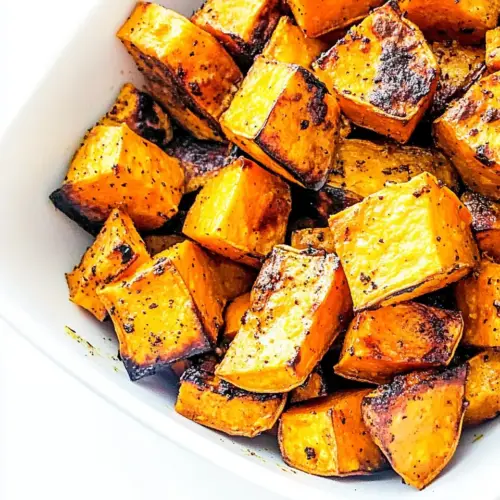
Skillet Roasted Sweet Potatoes
Equipment
- Medium skillet
- Oven
Ingredients
- 1 tablespoon olive oil Coat the skillet and potatoes lightly to prevent sticking and promote even browning; olive oil also helps carry flavors and crisp the exterior when roasted. Use a high-quality extra virgin variety for better flavor, and add it to a hot pan just before the potatoes to avoid burning. Adjust amount slightly for richer texture or lower calories.
- 3 -4 sweet potatoes, peeled and cut into 2-inch pieces Provide a sweet, starchy base and hearty texture when peeled and cut into 2-inch pieces; sweet potatoes become tender inside while caramelizing at the edges during skillet roasting. Choose firm, evenly sized potatoes to ensure uniform cooking, and space pieces in the pan to allow proper browning rather than steaming. Peeling is optional but creates a smoother bite and better contact with the hot surface.
- 1 teaspoon kosher salt Season the potatoes with kosher salt to enhance natural sweetness and balance flavors; kosher salt dissolves quickly and distributes easily over the cut pieces. Sprinkle evenly and taste-adjust toward the end of cooking if needed, since salts can concentrate as moisture evaporates. Use measured amounts initially, then refine to personal preference.
- 1/2 teaspoon ground black pepper Add ground black pepper to introduce mild heat and aromatic complexity, complementing the sweet potato's natural sugars. Grind fresh or use pre-ground pepper for convenience, and distribute it across the pieces for consistent seasoning. Combine with salt early so the flavors meld during cooking.
- pinch cayenne pepper, optional Provide a touch of concentrated heat and a subtle smoky kick when added as a pinch; cayenne pepper is optional but can brighten the dish and contrast the sweetness. Use sparingly to avoid overpowering, and sprinkle at the end or during cooking for controlled spiciness. Omit entirely for a milder preparation or increase slightly for more warmth.
Instructions
- Preheat oven to 425º F.: The moment you set the oven, you begin building consistent heat that will finish the interior while crisping the exterior. You should feel the warmth in the kitchen as the oven comes up to temperature, and when it is ready the air will smell faintly warm and dry, not humid. This high heat encourages Maillard reactions that deepen flavor, creating those golden edges we want. One mistake I see is putting the potatoes into an oven that is still heating, which leads to longer roast times and a less crisp finish. If your oven runs cool, allow extra time and watch for golden coloring rather than relying strictly on time.
- Drizzle olive oil into a medium skillet over medium heat until it shimmers. Then add in sweet potatoes and cook, stirring occasionally, until lightly browned about 5 minutes or so. Remove from cooktop and place into preheated oven and roast for 25 – 30 minutes.: Once the oil shimmers you will notice a slight ripple on the surface and a glossy sheen, that is the cue to add your sweet potatoes . The smell of warm oil is subtle but present, and the sound is a gentle sizzle when potatoes touch the pan. This initial contact caramelizes the exterior and begins the texture transformation. The why is simple, the hot oil forms a sealed surface that browns quickly, locking flavor in. A common misstep is using too much oil which leads to greasy potatoes, or too little which causes sticking and uneven browning; use just enough to coat the pan.
- Remove from oven and sprinkle with salt, pepper and cayenne pepper, if using.: As the potatoes hit the skillet you should hear a steady sizzle and see edges begin to brown within a couple of minutes. Stir occasionally so multiple faces of each piece get contact with the pan and develop color, but avoid constant stirring which prevents stable browning. Visually, look for golden patches and slightly crispy hems, and the aroma will shift toward nutty sweetness. This step builds flavor and texture that the oven will elevate. A frequent error is overcrowding the pan, which creates steam and prevents browning, so give pieces room to sear.
- Remove from cooktop and place into preheated oven and roast for 25 to 30 minutes.: Moving from stovetop to oven completes the cooking gently and evenly, transforming the interior into a silky, tender texture while intensifying the browned edges. In the oven you may hear a quiet roasting sound and the smell will sweeten, almost like toasted nuts. Turn or shake the pan once or twice during roasting to expose different sides to heat, ensuring even caramelization. The purpose here is steady dry heat to finish the potatoes without burning them, producing that ideal melt in the center. One troubleshooting tip is to check at the 20 minute mark if your pieces are smaller, because ovens vary and you do not want overly dried centers; if they feel fork tender earlier, remove them.
- Remove from oven and sprinkle with salt, pepper and cayenne pepper, if using.: As you pull the skillet from the oven the aroma will peak, and the residual heat helps the seasonings bloom on the surface. Sprinkling at the end ensures the salt sits on the crust where it can be tasted immediately, and the pepper and cayenne bring a fresh hit of aroma and brightness. The reason for finishing instead of seasoning only at the start is that high heat can mute some volatile flavors, so a final adjustment sharpens the profile. A common mistake is salting too early, which can draw out moisture and reduce browning; finish now for balanced seasoning.
Notes
- Preheat fully: Make sure your oven is at 425º F before placing the skillet inside, that steady heat finish is what gives you even roasting and proper caramelization.
- Oil temperature matters: Wait until the olive oil shimmers in the skillet before adding potatoes, this prevents sticking and promotes a golden crust.
- Uniform pieces: Cut the sweet potatoes into consistent 2 inch pieces so they cook at the same rate and you avoid mixed textures on the plate.
- Avoid overcrowding: If the skillet is packed, the potatoes steam instead of sear; use a larger pan or cook in batches for best results.
- Finish with seasoning: Add the kosher salt, ground black pepper, and optional cayenne pepper right after roasting so the flavors stay bright and immediate.