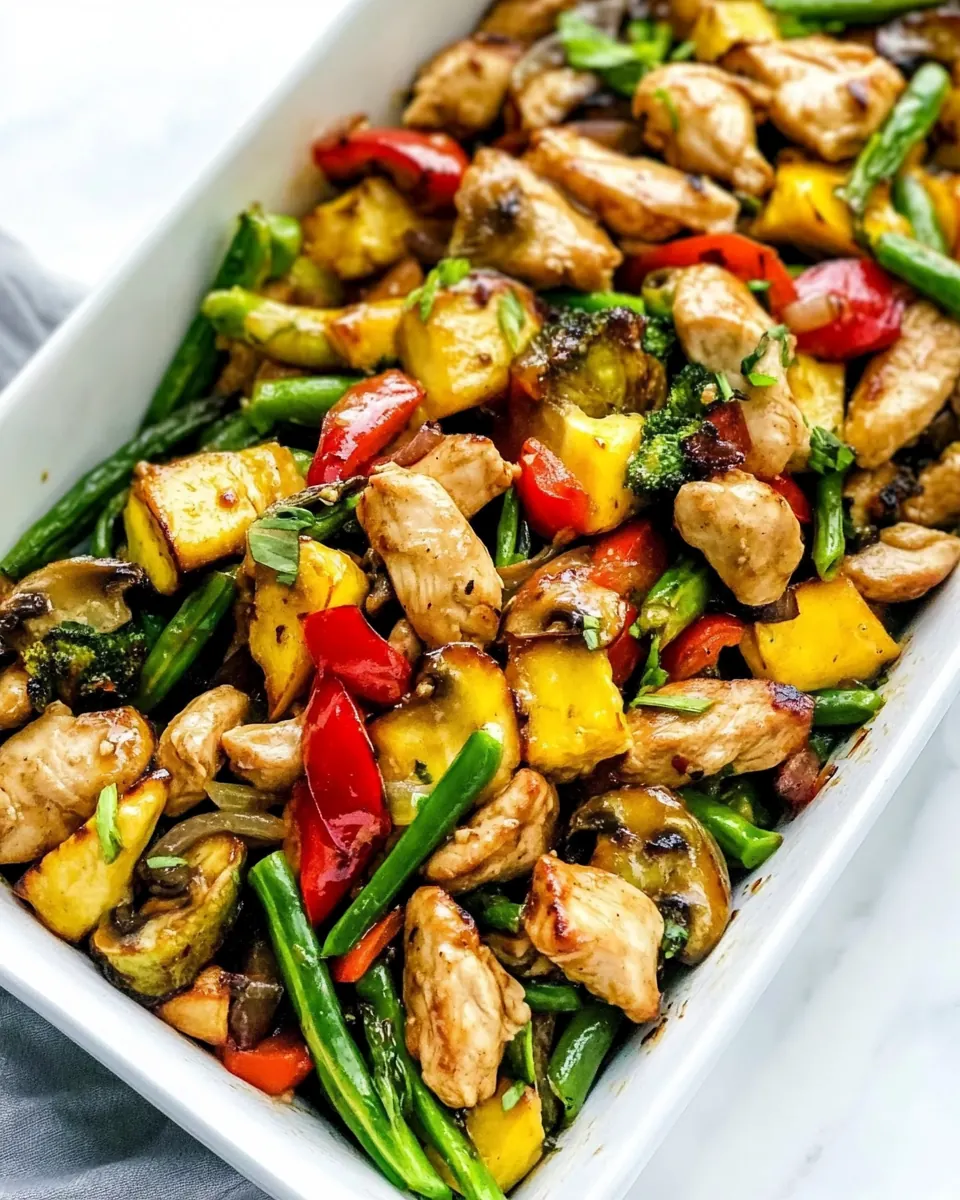
Honey Garlic Chicken Stir Fry
Honey Garlic Chicken Stir Fry is the kind of recipe I reach for when I want something quick, flavorful, and a little bit nostalgic. I remember the first time I made it on a weeknight after a long shift, juggling a skillet and a ringing phone, and how that sticky, garlicky sauce somehow made the whole evening feel calmer. It’s a simple dish that still feels special, and I love how the sweet honey balances bright garlic and savory soy sauce.
There is something comforting about the way chicken browns and the vegetables soften but keep a little snap, and that memory sticks with me. I often tweak the mix of vegetables depending on what is freshest at the market, yet the core of the dish stays the same. Over time I learned to time the vegetables and chicken so everything comes together in a glossy sauce, and that little trick made a huge difference to texture and flavor.
Recipe Snapshot
30 mins
15 mins
15 mins
Easy
400 kcal
American
Gluten-Free, Paleo
Dinner
Large skillet, Mixing bowl, Tongs or spatula, Measuring spoons and cups, Instant read thermometer
Why This Honey Garlic Chicken Stir Fry Works
Versatile and Fast
I adore how Honey Garlic Chicken Stir Fry moves from stove to table in about thirty minutes, which makes it a go to for hectic evenings. You get a complete plate with chicken for protein and a rainbow of vegetables for color and crunch. It works whether you need a solo meal or a family supper, and I’ve relied on it when I had just minutes to feed hungry friends.
Layered Sweet and Savory
The balance of honey and soy sauce creates that irresistible sweet and savory interplay. I find the honey gives a gentle caramelized sheen while the soy sauce brings depth, and together they cling to each bite. That contrast keeps each forkful interesting, and I always feel satisfied rather than weighed down.
Textural Delight
I love the way crisp tender vegetables meet tender, juicy chicken. The asparagus, zucchini, squash, and bell pepper each offer different textures, so every bite feels lively. Slicing the vegetables similarly ensures they cook evenly, which is a small step with a big payoff in mouthfeel.
Prep Friendly and Flexible
This recipe is forgiving. You can swap or omit an ingredient without losing the essence, and it reheats beautifully. When I meal prep, I cook a batch and portion it for lunches, and it still tastes fresh the next day because the sauce holds everything together.
Family Friendly Heat Control
I appreciate that Honey Garlic Chicken Stir Fry is easy to tune for heat. A pinch of red pepper flakes wakes it up without overpowering the honey glaze, and you can leave them out for kids or add more for folks who like it fiery. That makes it great for shared meals with different taste preferences.
What to Buy for Honey Garlic Chicken Stir Fry
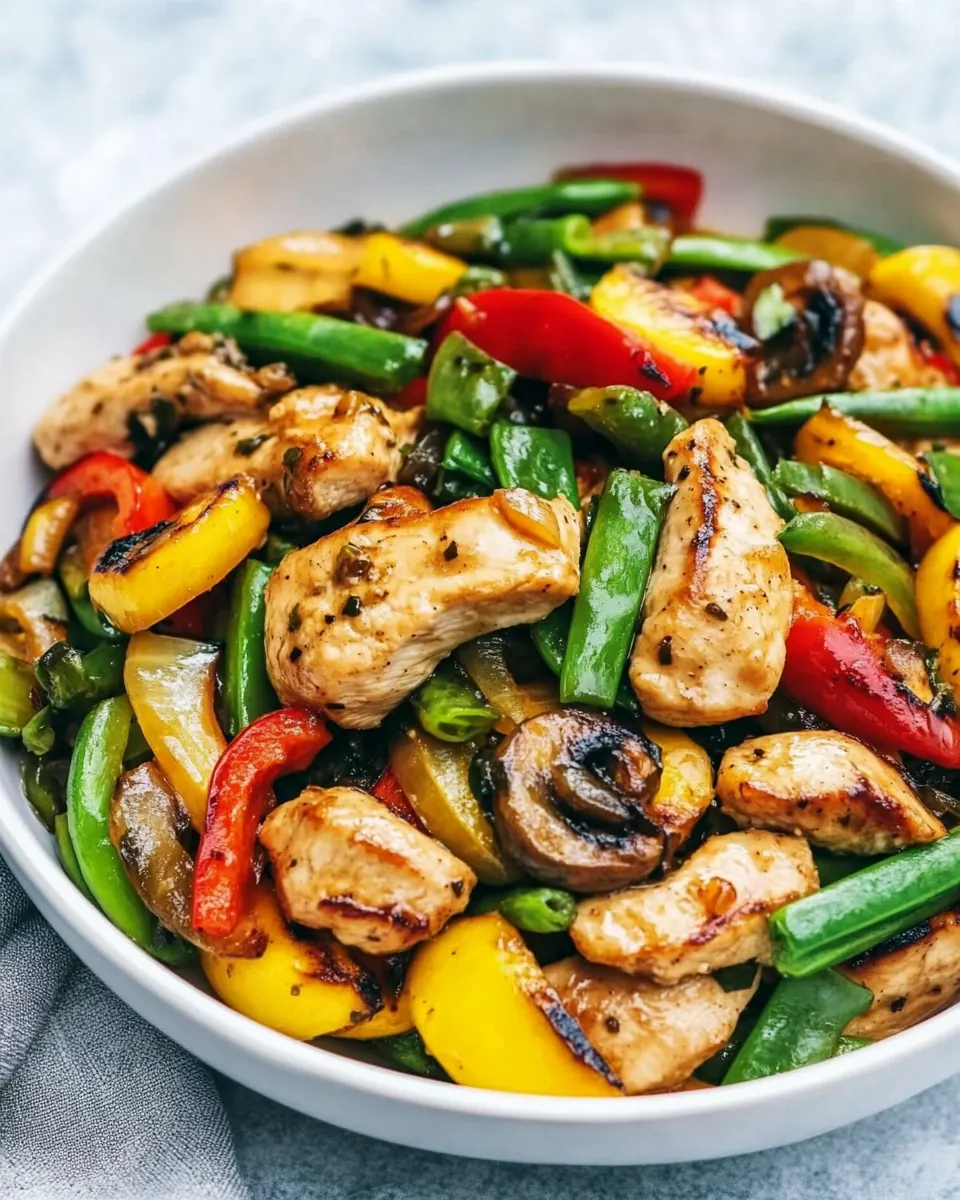
These ingredients are straightforward but purposeful. I think of them as three teams: the protein, the vegetables, and the sauce players. The vegetables contribute texture and freshness, the chicken brings substance, and the sauce ingredients glue everything together with savory, sweet, and aromatic notes. When bought fresh and prepped uniformly, they cook evenly and yield a glossy, well balanced stir fry.
- 2 tablespoons olive oil: Heat and sauté in a skillet to provide the primary cooking fat and a mild fruity flavor that helps brown the chicken and vegetables. Use sparingly to prevent greasiness while aiding in heat transfer and preventing sticking. Complements the sauce by carrying flavors evenly across ingredients.
- 1/2 bunch asparagus cut into 1-inch pieces: Trim and chop into 1-inch pieces to add a tender-crisp green vegetable element with a slightly grassy, sweet note. Stir-fry briefly to preserve color and texture, contributing visual contrast and nutritional value. Pairs well with the sauce by absorbing some savory-sweet flavors.
- 4 ounces sliced mushrooms: Sauté until golden to introduce an earthy, umami-rich component that deepens the overall flavor profile. Slice thinly so they cook quickly and release moisture that helps keep the stir-fry juicy. Provide a meaty texture alternative alongside the chicken.
- 1 sliced small yellow squash about 1 cup: Slice thinly to contribute a mild, slightly sweet squash flavor and tender texture when quickly stir-fried. Add early enough to cook through but retain slight bite, offering color contrast and bulk to the dish. Helps mellow sharper tastes and absorbs sauce.
- 1 sliced small zucchini about 1 cup: Slice into rounds to give a subtle sweetness and firm bite that cooks quickly in a high-heat stir-fry. Provide visual variety and bulk, balancing the softer mushrooms and squash. Offer a mild neutral base that carries savory sauce flavors.
- 1 diced red bell pepper 1-inch pieces, about 1 cup: Dice into 1-inch pieces to supply sweet, crunchy texture and vibrant color that brightens the dish. Cook sufficiently to soften while maintaining some snap, complementing the milder vegetables. Adds a pleasant aromatic quality when seared.
- salt to taste: Season to taste to enhance and balance the savory and sweet elements throughout the stir-fry. Sprinkle gradually and taste as the sauce concentrates to avoid oversalting. Helps heighten natural flavors of chicken and vegetables.
- ground black pepper to taste: Season to taste to introduce a warm, aromatic bite that brightens and rounds the overall profile. Grind fresh during cooking for best fragrance and adjust to complement other seasonings. Helps counterbalance sweetness from honey.
- 1 pound diced boneless skinless chicken breasts 1-inch pieces: Cut into 1-inch pieces to serve as the primary protein that browns nicely and absorbs the stir-fry sauce. Ensure even-sized pieces for uniform cooking and tender results, and sear over high heat for color. Provides substance and satiety to the dish.
- 1/4 cup soy sauce: Add to create a deep, salty, and savory backbone that anchors the sauce with umami and depth. Combine with other liquids to form a balanced stir-fry glaze that penetrates vegetables and chicken. Use low-sodium if reducing overall saltiness.
- 1/4 cup honey: Stir in for sweetness and sticky glaze formation that caramelizes slightly when heated, balancing the soy sauce and garlic. Dissolve into the sauce to coat ingredients and give the dish its distinctive sweet-savory character. Adjust amount to taste for desired sweetness.
- 1 teaspoon sesame oil: Drizzle to impart a toasty, aromatic finish that enhances overall depth and provides subtle sesame fragrance. Use sparingly as a finishing flavor rather than a cooking oil, since it is potent and can overpower. Complements the Asian-inspired sauce components.
- 1/3 cup chicken broth: Pour in to loosen the sauce, add savory chicken flavor, and provide steam for cooking; used to adjust consistency and prevent burning. Simmer briefly so the broth melds with honey and soy for a cohesive glaze. Choose low-sodium broth if managing salt.
- 3 teaspoons minced garlic about 3 cloves: Mince finely to release a pungent, aromatic heat that infuses the sauce with savory depth and bright, garlicky sharpness. Add during cooking to bloom the flavor and marry with soy and honey, enhancing overall complexity. Adjust amount to taste for desired garlic intensity.
- 2 teaspoons cornstarch: Mix with sauce to thicken and help the glaze cling to chicken and vegetables, creating a glossy finish when cooked. Dissolve in cold liquid before adding to prevent lumps and simmer gently to activate thickening properties. Use as needed to reach preferred sauce consistency.
- red pepper flakes to taste: Sprinkle to introduce optional heat and a subtle smoky bite that can be adjusted to personal spice tolerance. Add sparingly while tasting, since flakes can intensify as they cook into the sauce. Provide a contrasting kick to the sweet honey.
How to Cook Honey Garlic Chicken Stir Fry
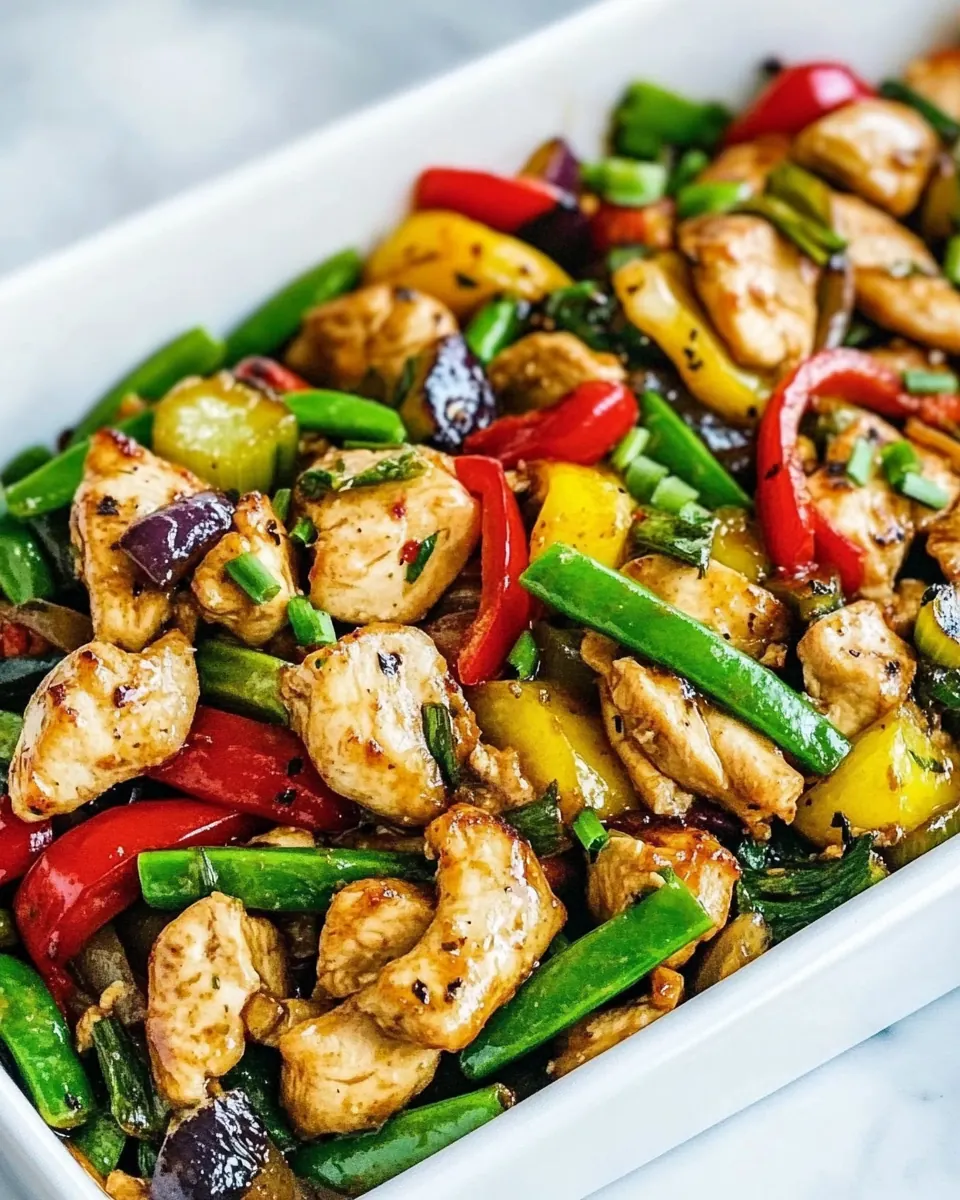
Cooking this stir fry feels satisfying because it moves quickly, and the panwork creates immediate rewards: sizzling, browning, and the sauce thickening into a glossy coat. Below I walk through each direction as a core step, expanding with sensory clues, reasons behind the technique, and troubleshooting notes to keep you confident at the stove.
- Heat a large skillet over medium-high heat, then add 2 tablespoons olive oil. Add 1/2 bunch asparagus, 4 ounces sliced mushrooms, 1 sliced small yellow squash, 1 sliced small zucchini, 1 diced red bell pepper, and season with salt and ground black pepper. Cook for 3-4 minutes, until the vegetables are crisp-tender. Remove from the pan and set aside on a plate or bowl.: Your skillet should be hot enough that a drop of water sizzles and evaporates quickly, which means the surface will sear proteins and give vegetables a lively sizzle. The aroma of warm oil is the first sign that the pan is ready. This step matters because searing builds flavor through browning, producing tiny caramelized bits that deepen the dish. If the oil smokes heavily, lower the heat to avoid burning and creating bitterness. A common mistake is adding food to a cold pan, which leads to steaming rather than searing, so be patient and let the skillet come to temp.
- Add 1 pound diced boneless skinless chicken breasts to the skillet and cook for 5-7 minutes until no longer pink and it reaches an internal temperature of 165 degrees Fahrenheit.: When the vegetables hit the hot oil you should hear a bright, high pitched sizzle, and their edges will begin to brown in spots. Toss or stir to coat each piece, and watch for the squash and zucchini to become just translucent while the asparagus holds a snap. Proper seasoning early helps layers of flavor develop, though be mindful because the sauce will add salt later. Avoid overcrowding the pan, which causes vegetables to steam and lose that desirable texture; if the pan seems crowded, cook in batches for the best results.
- Add 1/4 cup soy sauce, 1/4 cup honey, 1 teaspoon sesame oil, 1/3 cup chicken broth, 3 teaspoons minced garlic, and 2 teaspoons cornstarch to a small bowl and whisk to combine. Add the sauce to the skillet with the chicken and cook for 1-2 minutes, until the sauce begins to thicken.: You will notice a change in color and a tender but slightly firm bite when they are done. Removing them prevents overcooking while you finish the proteins, preserving their texture and bright colors. The sensory cue is that they should bend slightly but not collapse, and the mushrooms will have released some moisture and begun to brown. Mistake to avoid here is leaving them in the pan too long, which makes them mushy and dulls the visual contrast on the plate.
- Add the vegetables back to the skillet with the chicken and stir to combine. Simmer for 1-2 minutes, until the vegetables are heated through and the sauce has thickened. Add red pepper flakes for added heat, then serve immediately over white rice, if desired.: As the chicken sears you will hear steady sizzling and see small browned bits forming where the meat touched the pan, which adds savory complexity. The interior should be firm and juices run clear when pierced, and I rely on an instant read thermometer for consistent, safe results. This step is crucial because proper cooking ensures both food safety and the best texture; overcooked chicken becomes dry and tough. A frequent error is stirring too often, which prevents good browning, so let the pieces contact the pan long enough to color.
- Add 1/4 cup soy sauce 1/4 cup honey 1 teaspoon sesame oil 1/3 cup chicken broth 3 teaspoons minced garlic and 2 teaspoons cornstarch to a small bowl and whisk to combine Add the sauce to the skillet with the chicken and cook for 1 to 2 minutes until the sauce begins to thicken: The sauce should sizzle as it hits the hot pan and then turn from loose liquid into a glossy, syrupy coat as it thickens. The aroma of garlic will bloom, and the honey will begin to caramelize slightly creating a deeper color. Whisking the cornstarch into the broth first prevents lumps and gives you control over thickness. Watch closely because cornstarch thickens quickly, and if it cooks too long it can break down and thin out, so remove from heat when you have a clingy glaze. A common slip is adding cornstarch directly to a hot pan, which causes clumping, so always pre dissolve it.
- Add the vegetables back to the skillet with the chicken and stir to combine Simmer for 1 to 2 minutes until the vegetables are heated through and the sauce has thickened Add red pepper flakes for added heat then serve immediately over white rice if desired: As the vegetables rejoin the pan you will hear a lively mix of soft sizzles and see the sauce cling and glisten on the pieces. Stir gently to coat everything evenly, and let the mixture simmer briefly so flavors marry and textures finish at the right point. The final sensory sign is a glossy sheen on the chicken and vegetables and a fragrant whiff of garlic and toasted sesame. Be careful not to over simmer, which can soften the vegetables further than intended and reduce their brightness. If the sauce thickens too much, add a splash of broth to loosen it slightly before plating.
Ways to Adapt This Recipe
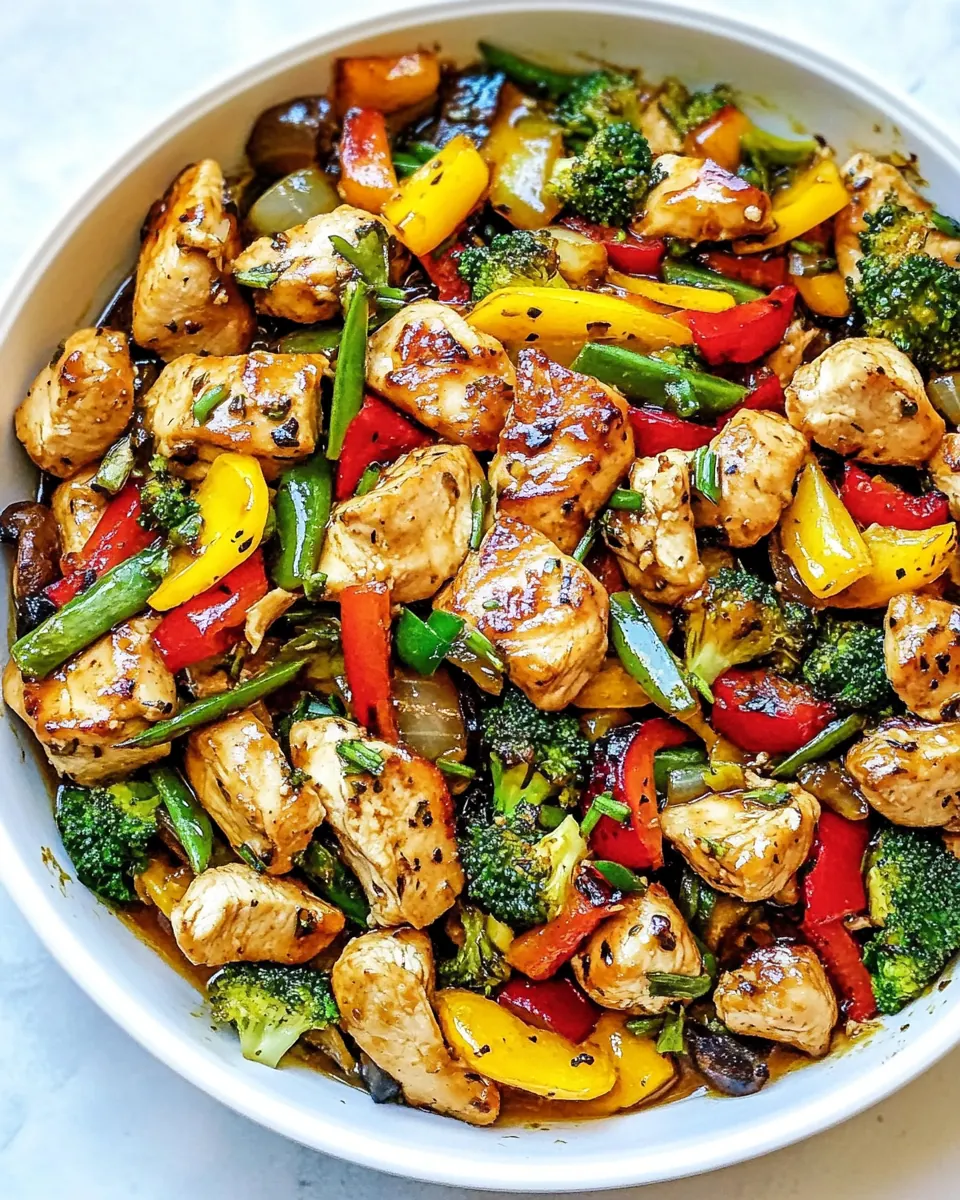
This section shows flexible ways I adapt Honey Garlic Chicken Stir Fry for different diets and occasions, while preserving the core flavor. Each tip below is practical, tested, and focused on keeping the balance of sweet garlic glaze and bright vegetables intact.
- Swap Vegetables: If you do not have the exact vegetables listed, substitute with similar textures like green beans or snap peas to maintain crisp tender contrast; keep pieces similar in size so they cook evenly.
- Make it Spicier: Increase the amount of red pepper flakes or finish with a drizzle of chili oil to boost heat while preserving the honey balance; add gradually and taste to avoid overshooting.
- Lower Sodium: Use a reduced sodium soy sauce and adjust salt at the end to keep control over saltiness without losing umami depth from the soy.
- Thicken Control: If the sauce becomes too thick, stir in extra chicken broth a tablespoon at a time to reach the desired gloss and coating; this rescues the dish without changing flavor.
- Meal Prep Friendly: Cook the components separately, store in airtight containers, and combine and warm gently in a skillet when ready; this preserves texture and keeps the sauce fresh.
Side Dish Ideas for Honey Garlic Chicken Stir Fry
This dish pairs beautifully with a range of sides depending on the occasion. Whether you want something simple for a weeknight or festive for guests, these ideas keep the meal balanced and complete. I include serving styles, storage notes, and seasonal pairings to help you plan the full plate.
- Steamed White Rice: A classic, neutral base that soaks up the sauce and highlights the glossy glaze; serve hot and fluff with a fork.
- Brown Rice or Quinoa: For more fiber and nuttiness, use brown rice or quinoa which complements the sweet and savory sauce while adding earthier notes.
- Cauliflower Rice: A low carb alternative that still soaks up flavor well; toss briefly with the stir fry on low heat to combine.
- Simple Green Salad: A crisp salad dressed lightly with lemon and olive oil refreshes the palate and adds a cool contrast to the warm stir fry.
- Steamed Noodles: Wide rice noodles or egg noodles can be tossed with the stir fry for a noodle bowl style meal; they pair well with the honey garlic glaze.
- Occasion Serving: For casual family dinners, plate family style so everyone can help themselves; for a special dinner, serve in shallow bowls with a garnish of sliced scallions and sesame seeds.
- Storage Tips: Store leftovers in an airtight container in the refrigerator for up to 5 days; reheat gently in a skillet to preserve texture rather than microwaving too long which can soften vegetables excessively.
- Seasonal Pairings: In spring, emphasize fresh asparagus and young squash; in late summer, use ripe bell peppers and extra zucchini for a colorful plate.
- Serving Style: Serve immediately for the best texture, and offer red pepper flakes on the side so guests can personalize heat levels.
FAQ
Conclusion
What makes this recipe special is its perfect marriage of sweet honey and savory garlic with tender chicken and crisp vegetables, producing a quick, comforting meal with excellent texture contrast. Try this version when you need a fast weeknight winner that still feels thoughtfully composed. I hope you enjoy the bright vegetables and glossy sauce as much as I do, and that it becomes one of your reliable recipes for busy evenings or casual dinners with friends.
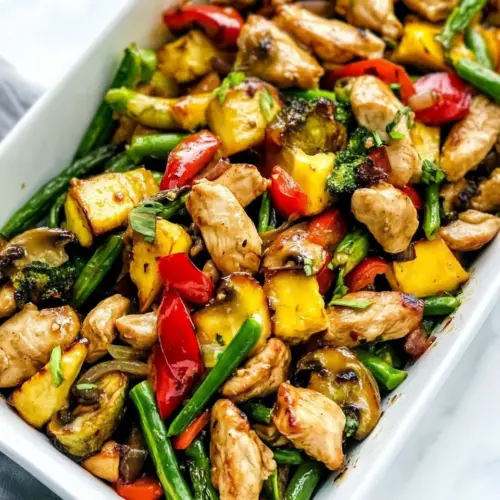
Honey Garlic Chicken Stir Fry
Equipment
- Large Skillet
- Mixing Bowl
- Tongs or spatula
- Measuring spoons and cups
- Instant read thermometer
Ingredients
- 2 tablespoons olive oil Heat and sauté in a skillet to provide the primary cooking fat and a mild fruity flavor that helps brown the chicken and vegetables. Use sparingly to prevent greasiness while aiding in heat transfer and preventing sticking. Complements the sauce by carrying flavors evenly across ingredients.
- 1/2 bunch asparagus cut into 1-inch pieces Trim and chop into 1-inch pieces to add a tender-crisp green vegetable element with a slightly grassy, sweet note. Stir-fry briefly to preserve color and texture, contributing visual contrast and nutritional value. Pairs well with the sauce by absorbing some savory-sweet flavors.
- 4 ounces sliced mushrooms Sauté until golden to introduce an earthy, umami-rich component that deepens the overall flavor profile. Slice thinly so they cook quickly and release moisture that helps keep the stir-fry juicy. Provide a meaty texture alternative alongside the chicken.
- 1 sliced small yellow squash about 1 cup Slice thinly to contribute a mild, slightly sweet squash flavor and tender texture when quickly stir-fried. Add early enough to cook through but retain slight bite, offering color contrast and bulk to the dish. Helps mellow sharper tastes and absorbs sauce.
- 1 sliced small zucchini about 1 cup Slice into rounds to give a subtle sweetness and firm bite that cooks quickly in a high-heat stir-fry. Provide visual variety and bulk, balancing the softer mushrooms and squash. Offer a mild neutral base that carries savory sauce flavors.
- 1 diced red bell pepper 1-inch pieces, about 1 cup Dice into 1-inch pieces to supply sweet, crunchy texture and vibrant color that brightens the dish. Cook sufficiently to soften while maintaining some snap, complementing the milder vegetables. Adds a pleasant aromatic quality when seared.
- salt to taste Season to taste to enhance and balance the savory and sweet elements throughout the stir-fry. Sprinkle gradually and taste as the sauce concentrates to avoid oversalting. Helps heighten natural flavors of chicken and vegetables.
- ground black pepper to taste Season to taste to introduce a warm, aromatic bite that brightens and rounds the overall profile. Grind fresh during cooking for best fragrance and adjust to complement other seasonings. Helps counterbalance sweetness from honey.
- 1 pound diced boneless skinless chicken breasts 1-inch pieces Cut into 1-inch pieces to serve as the primary protein that browns nicely and absorbs the stir-fry sauce. Ensure even-sized pieces for uniform cooking and tender results, and sear over high heat for color. Provides substance and satiety to the dish.
- 1/4 cup soy sauce Add to create a deep, salty, and savory backbone that anchors the sauce with umami and depth. Combine with other liquids to form a balanced stir-fry glaze that penetrates vegetables and chicken. Use low-sodium if reducing overall saltiness.
- 1/4 cup honey Stir in for sweetness and sticky glaze formation that caramelizes slightly when heated, balancing the soy sauce and garlic. Dissolve into the sauce to coat ingredients and give the dish its distinctive sweet-savory character. Adjust amount to taste for desired sweetness.
- 1 teaspoon sesame oil Drizzle to impart a toasty, aromatic finish that enhances overall depth and provides subtle sesame fragrance. Use sparingly as a finishing flavor rather than a cooking oil, since it is potent and can overpower. Complements the Asian-inspired sauce components.
- 1/3 cup chicken broth Pour in to loosen the sauce, add savory chicken flavor, and provide steam for cooking; used to adjust consistency and prevent burning. Simmer briefly so the broth melds with honey and soy for a cohesive glaze. Choose low-sodium broth if managing salt.
- 3 teaspoons minced garlic about 3 cloves Mince finely to release a pungent, aromatic heat that infuses the sauce with savory depth and bright, garlicky sharpness. Add during cooking to bloom the flavor and marry with soy and honey, enhancing overall complexity. Adjust amount to taste for desired garlic intensity.
- 2 teaspoons cornstarch Mix with sauce to thicken and help the glaze cling to chicken and vegetables, creating a glossy finish when cooked. Dissolve in cold liquid before adding to prevent lumps and simmer gently to activate thickening properties. Use as needed to reach preferred sauce consistency.
- red pepper flakes to taste Sprinkle to introduce optional heat and a subtle smoky bite that can be adjusted to personal spice tolerance. Add sparingly while tasting, since flakes can intensify as they cook into the sauce. Provide a contrasting kick to the sweet honey.
Instructions
- Heat a large skillet over medium-high heat, then add 2 tablespoons olive oil. Add 1/2 bunch asparagus, 4 ounces sliced mushrooms, 1 sliced small yellow squash, 1 sliced small zucchini, 1 diced red bell pepper, and season with salt and ground black pepper. Cook for 3-4 minutes, until the vegetables are crisp-tender. Remove from the pan and set aside on a plate or bowl.: Your skillet should be hot enough that a drop of water sizzles and evaporates quickly, which means the surface will sear proteins and give vegetables a lively sizzle. The aroma of warm oil is the first sign that the pan is ready. This step matters because searing builds flavor through browning, producing tiny caramelized bits that deepen the dish. If the oil smokes heavily, lower the heat to avoid burning and creating bitterness. A common mistake is adding food to a cold pan, which leads to steaming rather than searing, so be patient and let the skillet come to temp.
- Add 1 pound diced boneless skinless chicken breasts to the skillet and cook for 5-7 minutes until no longer pink and it reaches an internal temperature of 165 degrees Fahrenheit.: When the vegetables hit the hot oil you should hear a bright, high pitched sizzle, and their edges will begin to brown in spots. Toss or stir to coat each piece, and watch for the squash and zucchini to become just translucent while the asparagus holds a snap. Proper seasoning early helps layers of flavor develop, though be mindful because the sauce will add salt later. Avoid overcrowding the pan, which causes vegetables to steam and lose that desirable texture; if the pan seems crowded, cook in batches for the best results.
- Add 1/4 cup soy sauce, 1/4 cup honey, 1 teaspoon sesame oil, 1/3 cup chicken broth, 3 teaspoons minced garlic, and 2 teaspoons cornstarch to a small bowl and whisk to combine. Add the sauce to the skillet with the chicken and cook for 1-2 minutes, until the sauce begins to thicken.: You will notice a change in color and a tender but slightly firm bite when they are done. Removing them prevents overcooking while you finish the proteins, preserving their texture and bright colors. The sensory cue is that they should bend slightly but not collapse, and the mushrooms will have released some moisture and begun to brown. Mistake to avoid here is leaving them in the pan too long, which makes them mushy and dulls the visual contrast on the plate.
- Add the vegetables back to the skillet with the chicken and stir to combine. Simmer for 1-2 minutes, until the vegetables are heated through and the sauce has thickened. Add red pepper flakes for added heat, then serve immediately over white rice, if desired.: As the chicken sears you will hear steady sizzling and see small browned bits forming where the meat touched the pan, which adds savory complexity. The interior should be firm and juices run clear when pierced, and I rely on an instant read thermometer for consistent, safe results. This step is crucial because proper cooking ensures both food safety and the best texture; overcooked chicken becomes dry and tough. A frequent error is stirring too often, which prevents good browning, so let the pieces contact the pan long enough to color.
- Add 1/4 cup soy sauce 1/4 cup honey 1 teaspoon sesame oil 1/3 cup chicken broth 3 teaspoons minced garlic and 2 teaspoons cornstarch to a small bowl and whisk to combine Add the sauce to the skillet with the chicken and cook for 1 to 2 minutes until the sauce begins to thicken: The sauce should sizzle as it hits the hot pan and then turn from loose liquid into a glossy, syrupy coat as it thickens. The aroma of garlic will bloom, and the honey will begin to caramelize slightly creating a deeper color. Whisking the cornstarch into the broth first prevents lumps and gives you control over thickness. Watch closely because cornstarch thickens quickly, and if it cooks too long it can break down and thin out, so remove from heat when you have a clingy glaze. A common slip is adding cornstarch directly to a hot pan, which causes clumping, so always pre dissolve it.
- Add the vegetables back to the skillet with the chicken and stir to combine Simmer for 1 to 2 minutes until the vegetables are heated through and the sauce has thickened Add red pepper flakes for added heat then serve immediately over white rice if desired: As the vegetables rejoin the pan you will hear a lively mix of soft sizzles and see the sauce cling and glisten on the pieces. Stir gently to coat everything evenly, and let the mixture simmer briefly so flavors marry and textures finish at the right point. The final sensory sign is a glossy sheen on the chicken and vegetables and a fragrant whiff of garlic and toasted sesame. Be careful not to over simmer, which can soften the vegetables further than intended and reduce their brightness. If the sauce thickens too much, add a splash of broth to loosen it slightly before plating.
Notes
- Swap Vegetables: If you do not have the exact vegetables listed, substitute with similar textures like green beans or snap peas to maintain crisp tender contrast; keep pieces similar in size so they cook evenly.
- Make it Spicier: Increase the amount of red pepper flakes or finish with a drizzle of chili oil to boost heat while preserving the honey balance; add gradually and taste to avoid overshooting.
- Lower Sodium: Use a reduced sodium soy sauce and adjust salt at the end to keep control over saltiness without losing umami depth from the soy.
- Thicken Control: If the sauce becomes too thick, stir in extra chicken broth a tablespoon at a time to reach the desired gloss and coating; this rescues the dish without changing flavor.
- Meal Prep Friendly: Cook the components separately, store in airtight containers, and combine and warm gently in a skillet when ready; this preserves texture and keeps the sauce fresh.