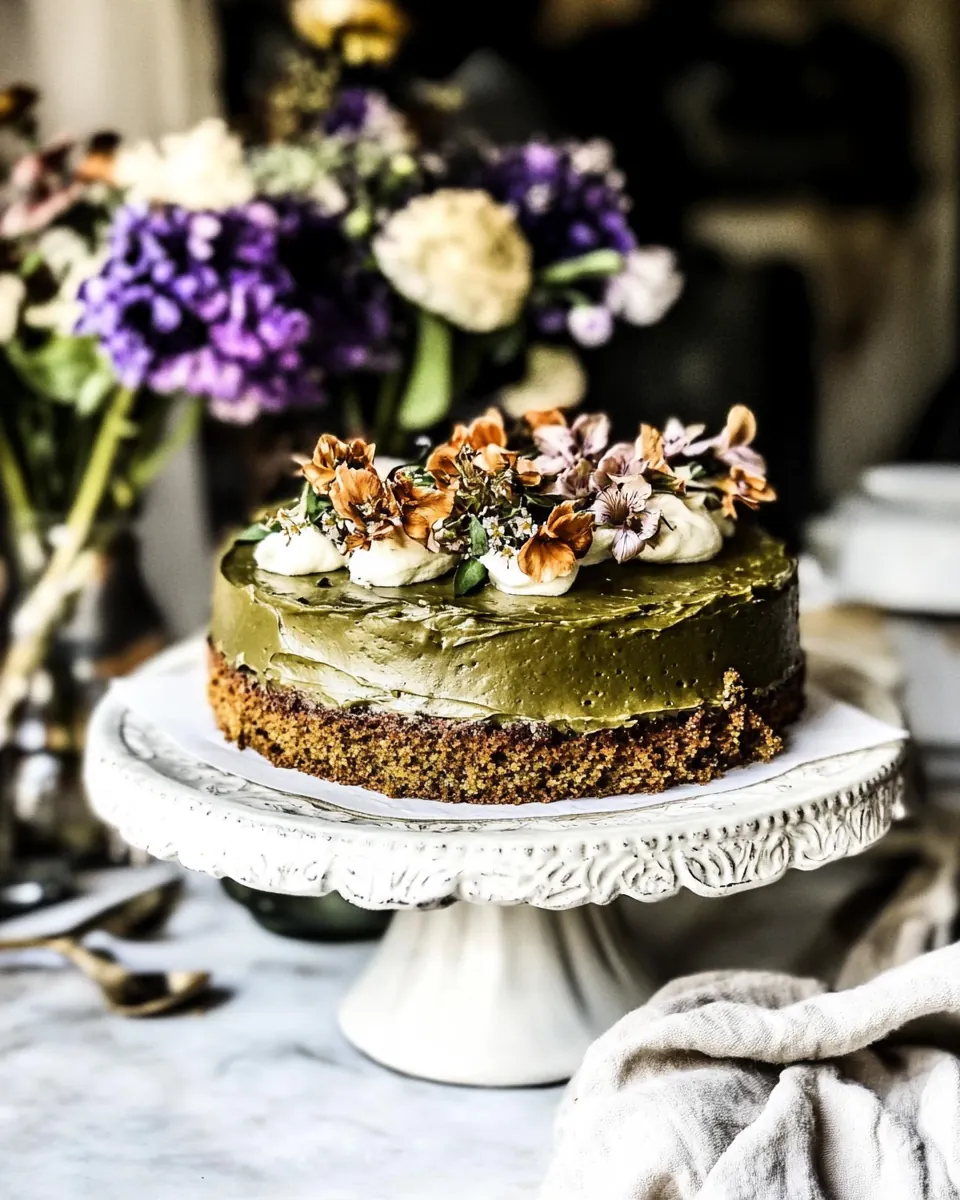
Matcha Green Tea Cake with Vanilla Honey Cream Cheese Frosting
Matcha Green Tea Cake with Vanilla Honey Cream Cheese Frosting came into my kitchen on an overcast spring afternoon when I was craving something bright, tender, and a touch unexpected. I remember pulling the bag of matcha from the pantry and thinking it would be the perfect way to celebrate a small family gathering, so I set to work coaxing a delicate crumb and a frosting that felt both indulgent and gently sweet. The moment the oven timer dinged, the kitchen filled with a warm, earthy aroma that balanced sweet notes, and I knew this cake was going to be a keeper.
As I mixed the batter by hand and then with my electric mixer, I loved watching the pale green deepen and the texture become silkier with each turn of the paddle. There was a calm satisfaction in folding in the hot water and seeing the batter take on a glossy sheen. When the layers came out of the pans, slightly domed and smelling faintly of green tea, I felt that quiet chefly pride that only comes from simple, well executed techniques.
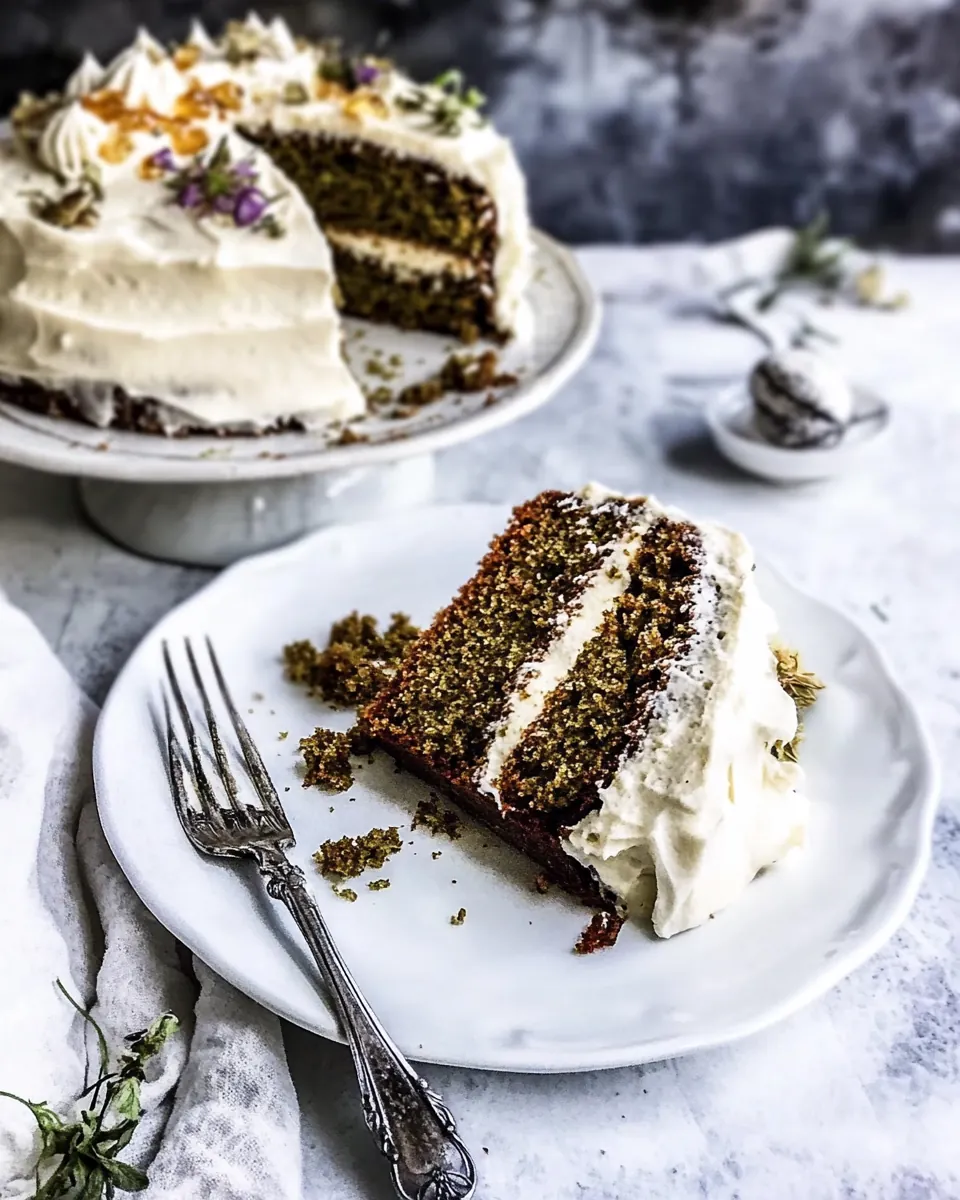
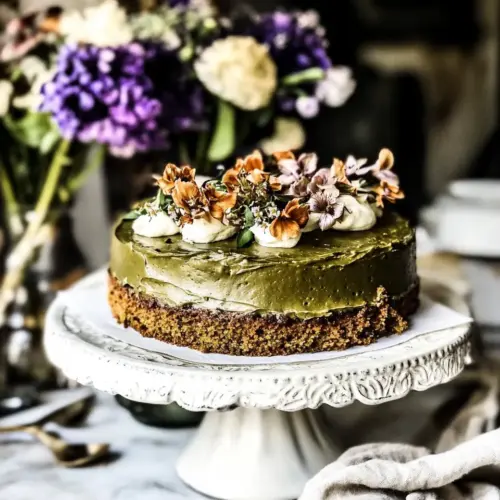
Assembling the cake felt like a small ceremony, spreading the cream cheese frosting and smoothing it until the color of the matcha peeked through. I chose to decorate with toasted coconut and little milk chocolate eggs for an Easter touch, but the cake stands on its own without adornment. Every bite gave me a delicate matcha lift and a creamy honeyed finish from the frosting, which made the whole thing sing at our table.
Recipe Snapshot
50 mins
15 mins
35 mins
Medium
350 kcal
American
Gluten-Free, Low FODMAP
Desserts
8 inch round cake pans, Parchment paper, Electric mixer, Mixing bowls, Offset spatula
Why This Matcha Green Tea Cake with Vanilla Honey Cream Cheese Frosting Works
Unique flavor balance
I adore how Matcha Green Tea Cake with Vanilla Honey Cream Cheese Frosting blends the vegetal, slightly bitter notes of matcha with the round sweetness of honey and creamy cream cheese. It keeps your palate intrigued, because each forkful shifts from grassy green tea to a comforting sweet finish. I find this contrast makes the cake memorable, not cloying.
Textural harmony
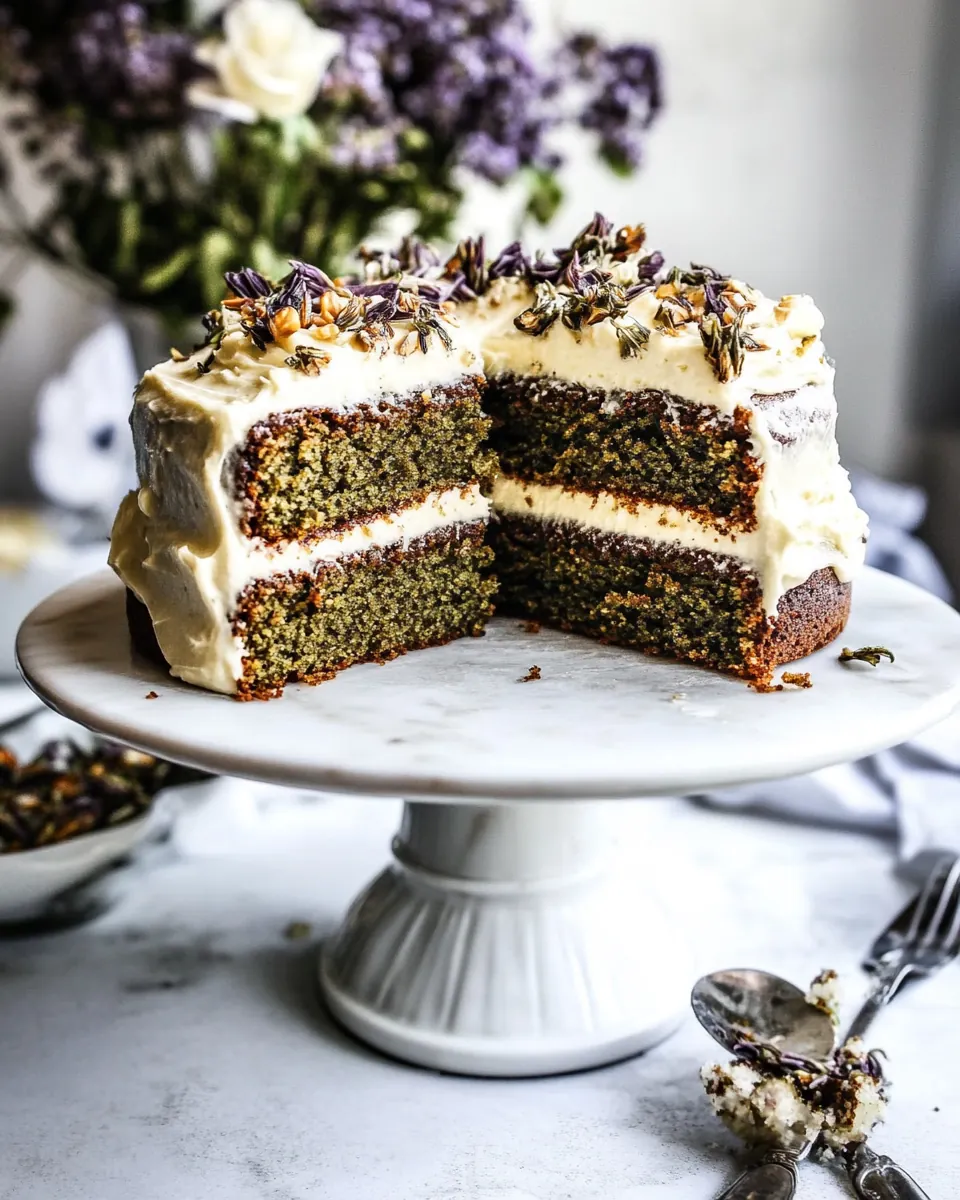
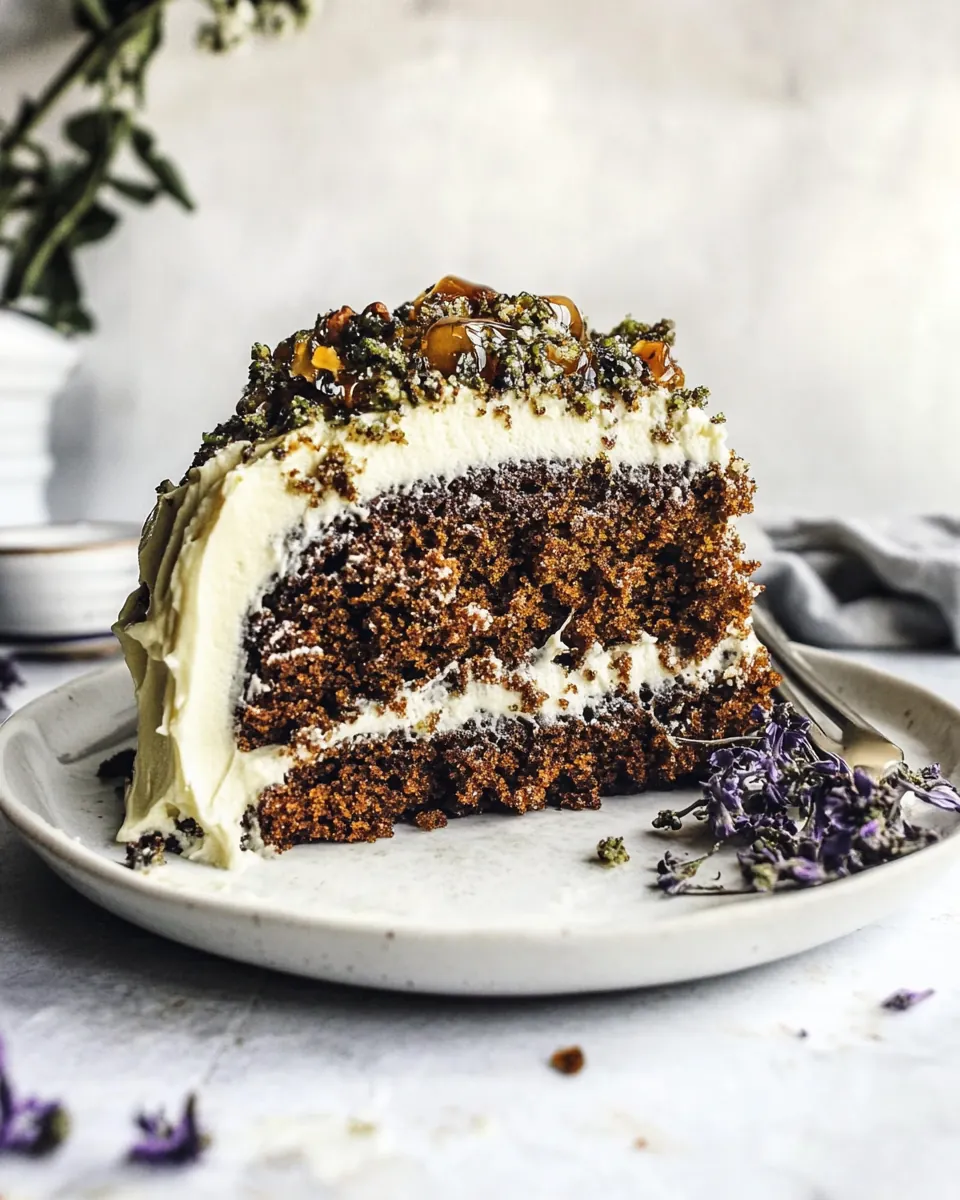
The cake crumb is tender but springy, which contrasts beautifully with the silky, spreadable frosting. I like that the recipe yields layers that slice cleanly without crumbling all over the plate. That structure means you can serve neat slices, or go rustic and leave the sides lightly frosted so the green shows through, which I personally love.
Versatile for celebrations
This cake feels festive enough for holidays like Easter, yet simple enough for a weekend tea. I’ve served it at brunches and casual dinners, and it always feels appropriate. The green hue gives it a seasonal lift in spring, and the vanilla and honey keep it approachable for guests who might be new to matcha.
Accessible technique
You do not need advanced skills to get great results. I often make this on a weekday afternoon because the steps are straightforward, and the most technical parts are simply mixing and baking at stable temperatures. For nervous bakers, this recipe builds confidence because the cues are visual and sensory, not just strict timing.
Customizable finish
I appreciate how small finishing choices change the cake without altering the base. Lightly toasting coconut or adding small chocolate eggs turns it into a holiday centerpiece, while keeping it minimal showcases the elegant matcha flavor. I often tinker with toppings depending on the occasion, which keeps the recipe fresh for repeat bakes.
What to Buy for Matcha Green Tea Cake with Vanilla Honey Cream Cheese Frosting
These ingredients form a simple, thoughtful lineup that delivers both flavor and structure. The dry staples give the cake body, the liquids and fats create the tender crumb, and the small additions like matcha and honey provide the personality. Together, they balance texture and aroma so each slice feels both delicate and satisfying.
- 2 1/2 cups all-purpose flour: Provide structure and bulk to the cake batter while creating a tender crumb; sift or whisk before measuring to avoid lumps and ensure even incorporation with leaveners and liquids.
- 1 1/4 cups brown sugar: Add moisture and deep caramel-like sweetness while enhancing browning; cream with wet ingredients to help aerate the batter for a richer texture.
- 1 1/2 teaspoons baking powder: Leaven the cake by releasing gases during baking to create rise and a light crumb; combine with baking soda for balanced lift and to react with acidic buttermilk.
- 1 1/2 teaspoons baking soda: Work with baking powder to contribute additional lift and fine texture; ensure even distribution by whisking into the dry ingredients to prevent uneven rising.
- 1 teaspoons salt: Enhance overall flavor balance by accentuating sweetness and controlling yeast-like metallic notes; dissolve into wet ingredients for uniform seasoning throughout the cake.
- 1 cup buttermilk: Provide acidity and moisture that react with baking soda to tenderize the crumb; bring to room temperature so it blends smoothly into the batter.
- 1/2 cup canola oil: Contribute fat for moistness and tenderness while aiding emulsification; whisk with sugar and eggs to create a cohesive batter and prevent greasiness.
- 2 tablespoons matcha green tea powder: Deliver concentrated green tea flavor and vibrant color; sift into dry ingredients to avoid clumps and distribute the earthy matcha uniformly in the cake.
- 1 tablespoon vanilla extract: Introduce warm vanilla aromatics that deepen flavor complexity; add to wet ingredients to integrate fragrance and round out sweetness.
- 1 teaspoon almond extract (optional): Offer a subtle nutty floral note when used and can elevate the cake’s aroma; add sparingly to avoid overpowering the matcha and vanilla flavors.
- 2 eggs: Provide structure, richness, and aeration when beaten into the batter; ensure eggs are at room temperature to incorporate more evenly and support rise.
- 3/4 cup hot water: Hydrate dry ingredients and help bloom matcha while loosening the batter for a delicate crumb; use hot water to intensify matcha flavor and dissolve powders.
- Toasted coconut and chocolate Easter eggs for decorating () (optional): Offer a decorative topping option that adds crisp texture and festive appearance; sprinkle or place as desired to enhance presentation without altering the cake’s flavor significantly.
- 8 ounces Philadelphia Cream Cheese softened: Create tangy, creamy richness in the frosting and contribute to smooth texture; soften to room temperature for easy blending with butter and sweeteners.
- 1/4 cups salted butter softened: Add buttery fat to the frosting for stability and mouthfeel; soften to ensure a smooth, emulsified cream cheese frosting when creamed together.
- 1/3 cup honey: Impart natural sweetness and floral depth to the frosting while reducing the need for excessive powdered sugar; mix thoroughly to dissolve and blend evenly with dairy components.
- 3 4 cups powdered sugar: Sweeten and thicken the frosting while providing a smooth, pipeable consistency; add gradually until desired sweetness and texture are achieved, adjusting between three to four cups.
- 2 teaspoons vanilla extract: Enhance and brighten the frosting flavor with pure vanilla aroma; stir in at the end of mixing to preserve the delicate vanilla notes and balance the honey.
Instructions for Matcha Green Tea Cake with Vanilla Honey Cream Cheese Frosting
I like to move through these steps with calm focus, listening to the mixer and watching for visual cues. The process becomes almost meditative, and small checkpoints keep the final cake consistent and beautiful.
- Preheat the oven to 350 degrees F. Grease two 8-inch round cake pans. Line with parchment paper, then butter/spray with cooking spray.: You will notice a faint warmth as the oven reaches temperature, and the dry heat helps set the batter's structure once it goes in. Preparing the pans prevents sticking and ensures the layers release cleanly. A common misstep is skipping parchment which can tear the cake when you invert it, so always line the pans for a smooth release.
- In a large bowl, mix together the flour, brown sugar, baking powder, baking soda and salt.: At this stage the dry mixture should smell subtly sweet and toasty from the brown sugar, and the leaveners will be evenly dispersed so the rise is uniform. Whisking removes lumps and aerates the mixture slightly, which aids oven spring. If you skip mixing thoroughly you may get uneven pockets of baking soda or powder, producing odd texture or flavor notes.
- Whisk together the milk and oil, and add to the dry ingredients. Beat for 2 minutes on medium speed. Add the matcha powder, vanilla extract, almond extract and eggs and beat again for 2 minutes on medium speed. Now slowly pour in the hot water and beat until smooth. Divide the batter evenly among the prepared pans.: You should feel the batter become silky, and the glossy sheen after adding hot water indicates proper hydration and dissolved sugar. The matcha will bloom and deepen the color, releasing its aroma. Avoid over mixing after adding the flour initially, or the crumb can become chewy instead of tender.
- Bake 30 to 35 minutes, until the tops are just set and no longer wiggly in the center. Remove and let cool in the pan for 15 minutes, then grab 2 large flat plates, line them with wax or parchment paper and invert the cakes onto the plates. Cover and let the cakes cool completely before frosting.: As the cakes bake the kitchen fills with a green tea scent balanced by caramel notes from brown sugar, and the tops will firm up without excessive browning. The 15 minute rest in the pans lets the crumb stabilize so the layers release cleanly. Cutting into hot cake will cause crumb tear and sinking, so be patient and cool fully before frosting.
- To make the frosting, add the cream cheese and butter to a large mixing bowl. Using an electric mixer beat until the mixture is light and fluffy, about 2 minutes. Add the honey, powdered sugar and vanilla. Beat another 2-4 minutes or until the frosting is light and fluffy.: The frosting should smell tangy and sweet, and whipping introduces air that creates a silky, spreadable texture. If the mixture looks curdled, continue beating at low speed and it will smooth; using cold ingredients will prevent proper aeration, so ensure the cream cheese and butter are softened. Overbeating can also make the frosting runny, so watch the texture carefully.
- To assemble, place 1 layer, flat side up, on a plate or cake stand. With a knife or offset spatula, spread the top with frosting. Place the second layer on top, rounded side up, and spread the frosting evenly on the top. If desired, you may also frost the sides. I prefer to either leave the sides unfrosted or lightly frosted so that pretty green color shines through! Decorate with toasted coconut and milk chocolate eggs if desired.: As you spread the frosting, you will notice its glossy, velvety feel and the honey aroma mingling with vanilla. A gentle hand ensures even coverage without compressing the crumb. A typical error is using too much pressure which can compress the layers and make the cake dense, so use light, confident strokes. Finish by adding toasted coconut or small chocolate eggs for a seasonal touch if you like.
Tips and Tricks about Matcha Green Tea Cake with Vanilla Honey Cream Cheese Frosting
This cake rewards small attentions, from measuring to cooling. The following tips expand on the technique, flavor pairings, and troubleshooting so you get consistent results that showcase the matcha and creamy frosting.
- Measure flour correctly by spooning into the cup and leveling off so the cake stays tender rather than dense.
- Sift matcha to eliminate lumps, which ensures a smooth batter and even green color throughout the layers.
- Room temperature ingredients make for smoother mixing and a stable frosting, especially the cream cheese and butter.
- Use hot water carefully and pour slowly to allow the batter to emulsify, giving the cake a glossy, even texture.
- Cool fully before frosting to prevent the icing from melting and sliding off the cake, which keeps the presentation neat.
Side Dish Ideas for Matcha Green Tea Cake with Vanilla Honey Cream Cheese Frosting
Serving this cake can be tailored to the occasion, whether a spring brunch or a holiday table. The right accompaniments and storage strategies make it feel complete and help the cake stay fresh for multiple sittings.
- Light tea pairing: Serve slices with a pot of jasmine or sencha tea to echo the green tea notes and cleanse the palate between bites.
- Brunch spread: Offer alongside fresh fruit like berries and a simple yogurt bowl so guests can balance sweetness with brightness.
- Holiday centerpiece: For occasions like Easter, top with toasted coconut and small chocolate eggs to make a festive presentation that doubles as dessert.
- Storage tips: Keep the cake refrigerated if frosted with cream cheese, and bring to room temperature 30 minutes before serving so the frosting softens for the best mouthfeel.
- Seasonal variation: In spring, highlight fresh herbs like mint as a garnish on the serving platter to amplify the green notes and add a visual pop.
- Serving sizes: Slice into modest portions for gatherings, because the cake is rich and a small wedge feels satisfying yet not overwhelming.
FAQ
Conclusion
This cake stands out for its elegant pairing of earthy matcha and honey kissed cream cheese frosting, delivering both visual charm and layered flavors. If you enjoy a dessert that balances subtle bitterness with sweet, creamy notes, this recipe is worth trying. Give it a go at your next gathering or special brunch, and enjoy how the green tea character brightens each slice while the frosting keeps every bite comforting and indulgent.
Matcha Green Tea Cake with Vanilla Honey Cream Cheese Frosting
Equipment
- 8 inch round cake pans
- Parchment Paper
- Electric Mixer
- Mixing Bowls
- Offset Spatula
Ingredients
- 2 1/2 cups all-purpose flour Provide structure and bulk to the cake batter while creating a tender crumb; sift or whisk before measuring to avoid lumps and ensure even incorporation with leaveners and liquids.
- 1 1/4 cups brown sugar Add moisture and deep caramel-like sweetness while enhancing browning; cream with wet ingredients to help aerate the batter for a richer texture.
- 1 1/2 teaspoons baking powder Leaven the cake by releasing gases during baking to create rise and a light crumb; combine with baking soda for balanced lift and to react with acidic buttermilk.
- 1 1/2 teaspoons baking soda Work with baking powder to contribute additional lift and fine texture; ensure even distribution by whisking into the dry ingredients to prevent uneven rising.
- 1 teaspoons salt Enhance overall flavor balance by accentuating sweetness and controlling yeast-like metallic notes; dissolve into wet ingredients for uniform seasoning throughout the cake.
- 1 cup buttermilk Provide acidity and moisture that react with baking soda to tenderize the crumb; bring to room temperature so it blends smoothly into the batter.
- 1/2 cup canola oil Contribute fat for moistness and tenderness while aiding emulsification; whisk with sugar and eggs to create a cohesive batter and prevent greasiness.
- 2 tablespoons matcha green tea powder Deliver concentrated green tea flavor and vibrant color; sift into dry ingredients to avoid clumps and distribute the earthy matcha uniformly in the cake.
- 1 tablespoon vanilla extract Introduce warm vanilla aromatics that deepen flavor complexity; add to wet ingredients to integrate fragrance and round out sweetness.
- 1 teaspoon almond extract optional Offer a subtle nutty floral note when used and can elevate the cake’s aroma; add sparingly to avoid overpowering the matcha and vanilla flavors.
- 2 eggs Provide structure, richness, and aeration when beaten into the batter; ensure eggs are at room temperature to incorporate more evenly and support rise.
- 3/4 cup hot water Hydrate dry ingredients and help bloom matcha while loosening the batter for a delicate crumb; use hot water to intensify matcha flavor and dissolve powders.
- Toasted coconut and chocolate Easter eggs for decorating (optional) Offer a decorative topping option that adds crisp texture and festive appearance; sprinkle or place as desired to enhance presentation without altering the cake’s flavor significantly.
- 8 ounces Philadelphia Cream Cheese softened Create tangy, creamy richness in the frosting and contribute to smooth texture; soften to room temperature for easy blending with butter and sweeteners.
- 1/4 cups salted butter softened Add buttery fat to the frosting for stability and mouthfeel; soften to ensure a smooth, emulsified cream cheese frosting when creamed together.
- 1/3 cup honey Impart natural sweetness and floral depth to the frosting while reducing the need for excessive powdered sugar; mix thoroughly to dissolve and blend evenly with dairy components.
- 3 -4 cups powdered sugar Sweeten and thicken the frosting while providing a smooth, pipeable consistency; add gradually until desired sweetness and texture are achieved, adjusting between three to four cups.
- 2 teaspoons vanilla extract Enhance and brighten the frosting flavor with pure vanilla aroma; stir in at the end of mixing to preserve the delicate vanilla notes and balance the honey.
Instructions
- Preheat the oven to 350 degrees F. Grease two 8-inch round cake pans. Line with parchment paper, then butter/spray with cooking spray.: You will notice a faint warmth as the oven reaches temperature, and the dry heat helps set the batter's structure once it goes in. Preparing the pans prevents sticking and ensures the layers release cleanly. A common misstep is skipping parchment which can tear the cake when you invert it, so always line the pans for a smooth release.
- In a large bowl, mix together the flour, brown sugar, baking powder, baking soda and salt.: At this stage the dry mixture should smell subtly sweet and toasty from the brown sugar, and the leaveners will be evenly dispersed so the rise is uniform. Whisking removes lumps and aerates the mixture slightly, which aids oven spring. If you skip mixing thoroughly you may get uneven pockets of baking soda or powder, producing odd texture or flavor notes.
- Whisk together the milk and oil, and add to the dry ingredients. Beat for 2 minutes on medium speed. Add the matcha powder, vanilla extract, almond extract and eggs and beat again for 2 minutes on medium speed. Now slowly pour in the hot water and beat until smooth. Divide the batter evenly among the prepared pans.: You should feel the batter become silky, and the glossy sheen after adding hot water indicates proper hydration and dissolved sugar. The matcha will bloom and deepen the color, releasing its aroma. Avoid over mixing after adding the flour initially, or the crumb can become chewy instead of tender.
- Bake 30 to 35 minutes, until the tops are just set and no longer wiggly in the center. Remove and let cool in the pan for 15 minutes, then grab 2 large flat plates, line them with wax or parchment paper and invert the cakes onto the plates. Cover and let the cakes cool completely before frosting.: As the cakes bake the kitchen fills with a green tea scent balanced by caramel notes from brown sugar, and the tops will firm up without excessive browning. The 15 minute rest in the pans lets the crumb stabilize so the layers release cleanly. Cutting into hot cake will cause crumb tear and sinking, so be patient and cool fully before frosting.
- To make the frosting, add the cream cheese and butter to a large mixing bowl. Using an electric mixer beat until the mixture is light and fluffy, about 2 minutes. Add the honey, powdered sugar and vanilla. Beat another 2-4 minutes or until the frosting is light and fluffy.: The frosting should smell tangy and sweet, and whipping introduces air that creates a silky, spreadable texture. If the mixture looks curdled, continue beating at low speed and it will smooth; using cold ingredients will prevent proper aeration, so ensure the cream cheese and butter are softened. Overbeating can also make the frosting runny, so watch the texture carefully.
- To assemble, place 1 layer, flat side up, on a plate or cake stand. With a knife or offset spatula, spread the top with frosting. Place the second layer on top, rounded side up, and spread the frosting evenly on the top. If desired, you may also frost the sides. I prefer to either leave the sides unfrosted or lightly frosted so that pretty green color shines through! Decorate with toasted coconut and milk chocolate eggs if desired.: As you spread the frosting, you will notice its glossy, velvety feel and the honey aroma mingling with vanilla. A gentle hand ensures even coverage without compressing the crumb. A typical error is using too much pressure which can compress the layers and make the cake dense, so use light, confident strokes. Finish by adding toasted coconut or small chocolate eggs for a seasonal touch if you like.
Notes
- Measure flour correctly by spooning into the cup and leveling off so the cake stays tender rather than dense.
- Sift matcha to eliminate lumps, which ensures a smooth batter and even green color throughout the layers.
- Room temperature ingredients make for smoother mixing and a stable frosting, especially the cream cheese and butter.
- Use hot water carefully and pour slowly to allow the batter to emulsify, giving the cake a glossy, even texture.
- Cool fully before frosting to prevent the icing from melting and sliding off the cake, which keeps the presentation neat.