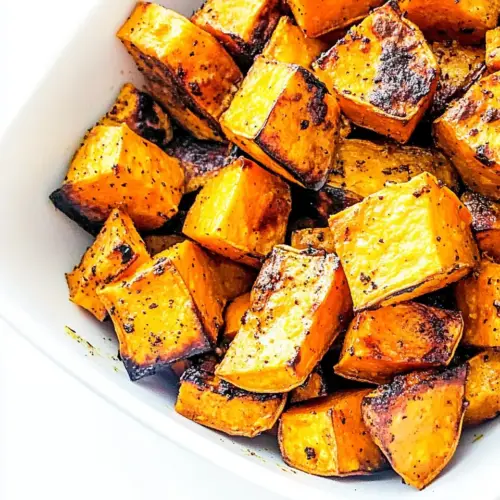
Skillet Roasted Sweet Potatoes
Skillet Roasted Sweet Potatoes are crispy on the edges and tender inside, delivering caramelized, savory sweet flavor with minimal fuss. This easy weeknight side uses a quick skillet sear followed by oven roasting to create rich texture and deep aroma. Perfect for family dinners, meal prep, or holiday tables, this simple method yields reliably delicious results that are worth making again and again.
Equipment
- Medium skillet
- Oven
Ingredients
- 1 tablespoon olive oil Coat the skillet and potatoes lightly to prevent sticking and promote even browning; olive oil also helps carry flavors and crisp the exterior when roasted. Use a high-quality extra virgin variety for better flavor, and add it to a hot pan just before the potatoes to avoid burning. Adjust amount slightly for richer texture or lower calories.
- 3 -4 sweet potatoes, peeled and cut into 2-inch pieces Provide a sweet, starchy base and hearty texture when peeled and cut into 2-inch pieces; sweet potatoes become tender inside while caramelizing at the edges during skillet roasting. Choose firm, evenly sized potatoes to ensure uniform cooking, and space pieces in the pan to allow proper browning rather than steaming. Peeling is optional but creates a smoother bite and better contact with the hot surface.
- 1 teaspoon kosher salt Season the potatoes with kosher salt to enhance natural sweetness and balance flavors; kosher salt dissolves quickly and distributes easily over the cut pieces. Sprinkle evenly and taste-adjust toward the end of cooking if needed, since salts can concentrate as moisture evaporates. Use measured amounts initially, then refine to personal preference.
- 1/2 teaspoon ground black pepper Add ground black pepper to introduce mild heat and aromatic complexity, complementing the sweet potato's natural sugars. Grind fresh or use pre-ground pepper for convenience, and distribute it across the pieces for consistent seasoning. Combine with salt early so the flavors meld during cooking.
- pinch cayenne pepper, optional Provide a touch of concentrated heat and a subtle smoky kick when added as a pinch; cayenne pepper is optional but can brighten the dish and contrast the sweetness. Use sparingly to avoid overpowering, and sprinkle at the end or during cooking for controlled spiciness. Omit entirely for a milder preparation or increase slightly for more warmth.
Instructions
- Preheat oven to 425º F.: The moment you set the oven, you begin building consistent heat that will finish the interior while crisping the exterior. You should feel the warmth in the kitchen as the oven comes up to temperature, and when it is ready the air will smell faintly warm and dry, not humid. This high heat encourages Maillard reactions that deepen flavor, creating those golden edges we want. One mistake I see is putting the potatoes into an oven that is still heating, which leads to longer roast times and a less crisp finish. If your oven runs cool, allow extra time and watch for golden coloring rather than relying strictly on time.
- Drizzle olive oil into a medium skillet over medium heat until it shimmers. Then add in sweet potatoes and cook, stirring occasionally, until lightly browned about 5 minutes or so. Remove from cooktop and place into preheated oven and roast for 25 – 30 minutes.: Once the oil shimmers you will notice a slight ripple on the surface and a glossy sheen, that is the cue to add your sweet potatoes . The smell of warm oil is subtle but present, and the sound is a gentle sizzle when potatoes touch the pan. This initial contact caramelizes the exterior and begins the texture transformation. The why is simple, the hot oil forms a sealed surface that browns quickly, locking flavor in. A common misstep is using too much oil which leads to greasy potatoes, or too little which causes sticking and uneven browning; use just enough to coat the pan.
- Remove from oven and sprinkle with salt, pepper and cayenne pepper, if using.: As the potatoes hit the skillet you should hear a steady sizzle and see edges begin to brown within a couple of minutes. Stir occasionally so multiple faces of each piece get contact with the pan and develop color, but avoid constant stirring which prevents stable browning. Visually, look for golden patches and slightly crispy hems, and the aroma will shift toward nutty sweetness. This step builds flavor and texture that the oven will elevate. A frequent error is overcrowding the pan, which creates steam and prevents browning, so give pieces room to sear.
- Remove from cooktop and place into preheated oven and roast for 25 to 30 minutes.: Moving from stovetop to oven completes the cooking gently and evenly, transforming the interior into a silky, tender texture while intensifying the browned edges. In the oven you may hear a quiet roasting sound and the smell will sweeten, almost like toasted nuts. Turn or shake the pan once or twice during roasting to expose different sides to heat, ensuring even caramelization. The purpose here is steady dry heat to finish the potatoes without burning them, producing that ideal melt in the center. One troubleshooting tip is to check at the 20 minute mark if your pieces are smaller, because ovens vary and you do not want overly dried centers; if they feel fork tender earlier, remove them.
- Remove from oven and sprinkle with salt, pepper and cayenne pepper, if using.: As you pull the skillet from the oven the aroma will peak, and the residual heat helps the seasonings bloom on the surface. Sprinkling at the end ensures the salt sits on the crust where it can be tasted immediately, and the pepper and cayenne bring a fresh hit of aroma and brightness. The reason for finishing instead of seasoning only at the start is that high heat can mute some volatile flavors, so a final adjustment sharpens the profile. A common mistake is salting too early, which can draw out moisture and reduce browning; finish now for balanced seasoning.
Notes
- Preheat fully: Make sure your oven is at 425º F before placing the skillet inside, that steady heat finish is what gives you even roasting and proper caramelization.
- Oil temperature matters: Wait until the olive oil shimmers in the skillet before adding potatoes, this prevents sticking and promotes a golden crust.
- Uniform pieces: Cut the sweet potatoes into consistent 2 inch pieces so they cook at the same rate and you avoid mixed textures on the plate.
- Avoid overcrowding: If the skillet is packed, the potatoes steam instead of sear; use a larger pan or cook in batches for best results.
- Finish with seasoning: Add the kosher salt, ground black pepper, and optional cayenne pepper right after roasting so the flavors stay bright and immediate.