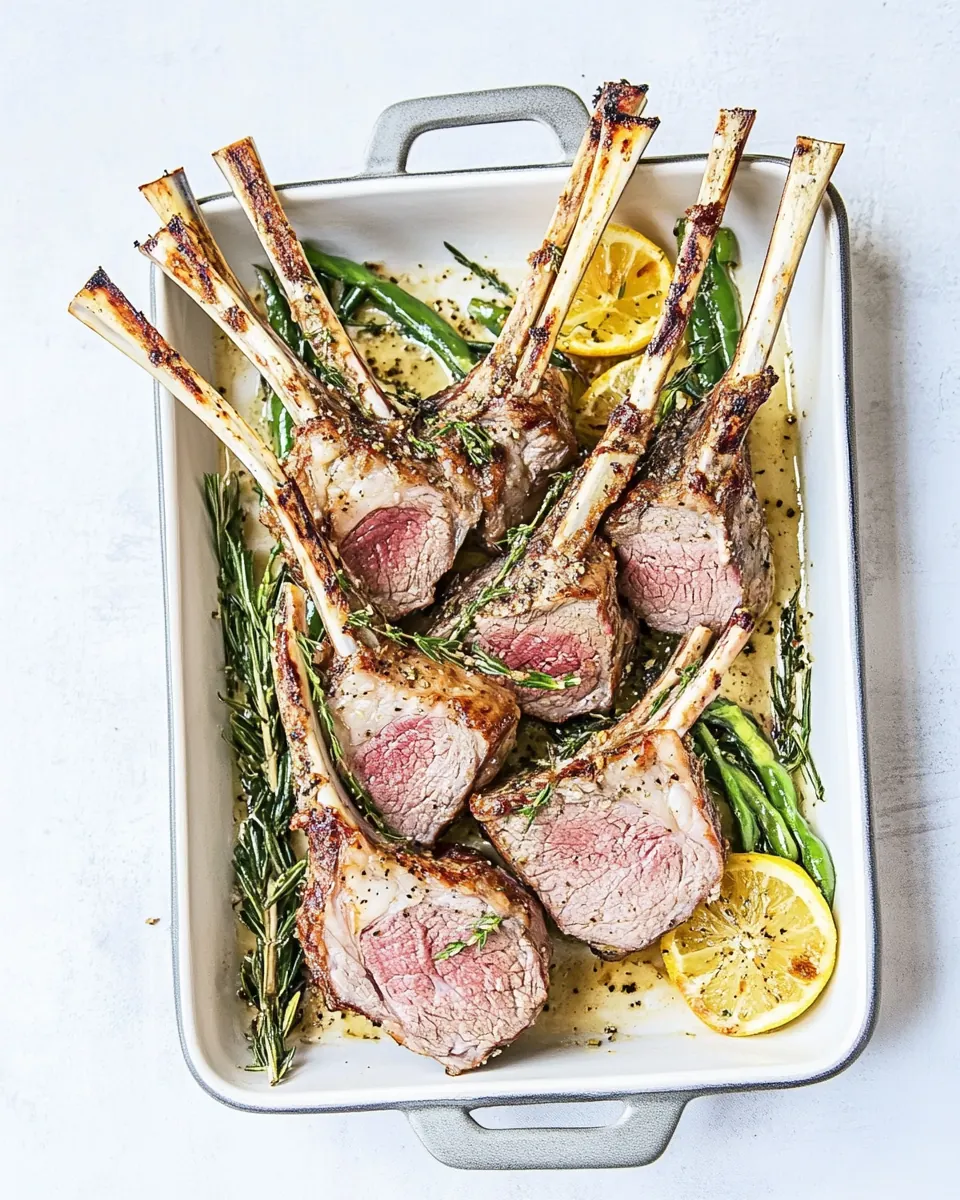
Frenched Rack Of Lamb
Frenched Rack Of Lamb has been my go to when I want to impress without fuss. The first time I roasted a rack, I was nervous about timing and temperature, yet the results were gloriously tender and fragrant, and that memory keeps bringing me back. I love how a few simple accents transform a cut of lamb into something celebratory and homey at once.
Over the years I learned small habits that make a big difference, like letting the meat come to room temperature and rubbing it with fresh aromatics. When friends arrive I often carve at the table, the sight of evenly spaced chops always drawing compliments. Each forkful shows off a crisp outer crust and a rosy, juicy center, which is the payoff for the handful of steps it takes to get there.
Recipe Snapshot
35 mins
10 mins
25 mins
Medium
350 kcal
American
Keto, Paleo
Dinner
Rimmed baking sheet, Aluminum foil, Meat thermometer, Carving board, Sharp knife
Why Try This Frenched Rack Of Lamb
Classic, elegant flavor in a few steps
I love this dish because Frenched Rack Of Lamb uses straightforward techniques to create a memorable centerpiece. The combination of bright lemon, pungent garlic, and savory rosemary sings with the natural richness of lamb, and the resulting crust versus tender interior always wows guests.
Great for special occasions and weeknight upgrades
We’ll often make it for holidays or a cozy dinner at home because it looks extravagant but is surprisingly approachable. You get a restaurant feel without complicated prep, which makes it perfect for celebrations when you want to soak up the moment rather than fuss in the kitchen.
Predictable, controllable results
I appreciate how temperature guides success. A good thermometer removes guesswork, so you can target medium rare or a bit more done without overcooking. That predictability builds confidence, and once you taste the difference, you’ll understand why I keep this technique in my rotation.
Simple pantry ingredients, big impact
The ingredient list is short and honest. With garlic, rosemary, a squeeze of lemon, and salt and pepper, the lamb’s flavor is highlighted rather than hidden. It’s the kind of recipe that celebrates quality ingredients and respectful cooking, which I find deeply satisfying.
Flexible and forgiving
I find it easy to adapt for different preferences. If you like more char, position racks higher in the oven briefly, or if you want a more even crust, sear quickly before roasting. Small adjustments are possible without breaking the recipe, which is why I keep coming back to Frenched Rack Of Lamb.
Recipe Ingredients for Frenched Rack Of Lamb
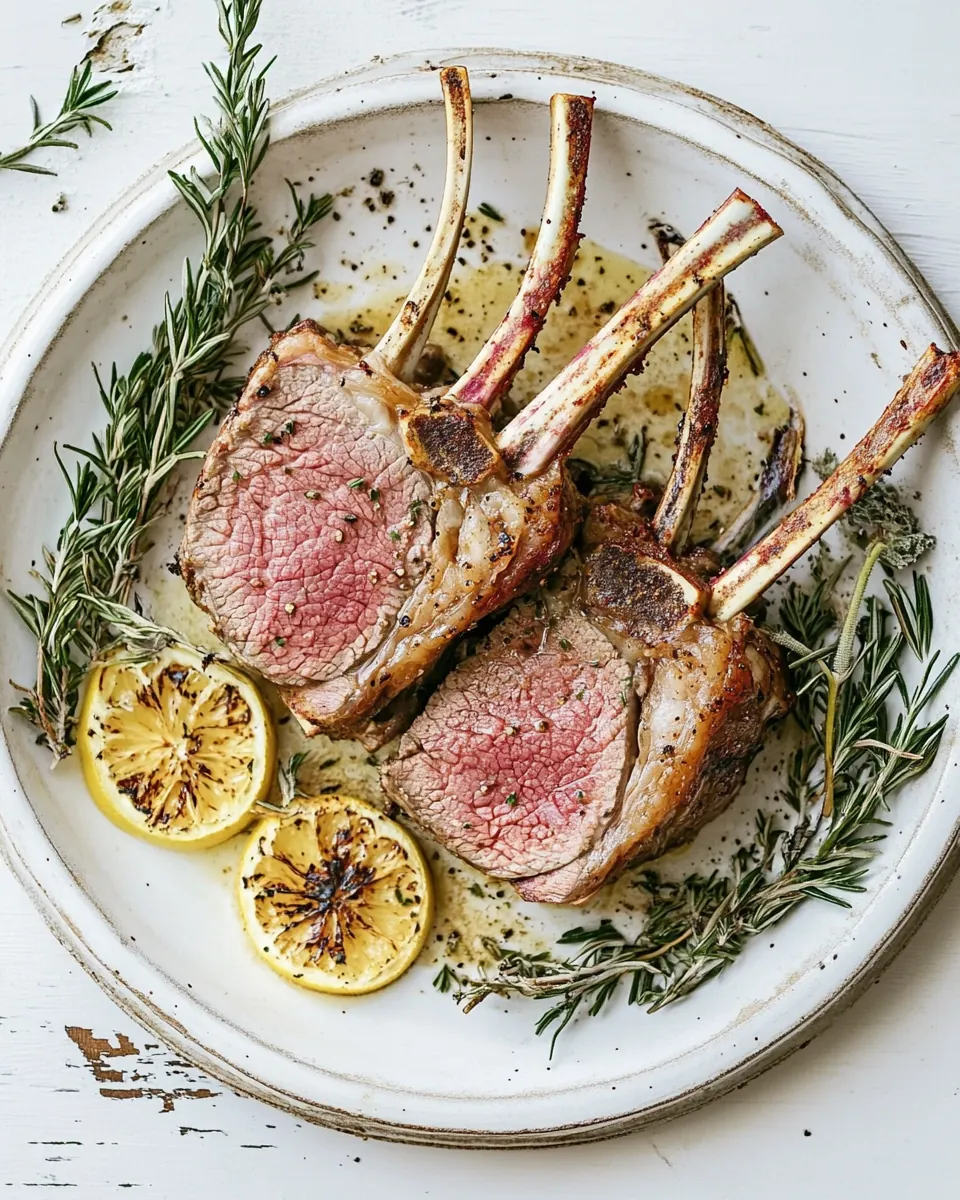
These ingredients are deliberately minimal, allowing the natural character of the meat to shine. The key players are the lamb, which provides the centerpiece, aromatic garlic and rosemary for fragrance, and bright lemon plus salt and pepper to balance and season. Together they create a well rounded flavor profile, where each component has a clear role without overcrowding the palate.
- 4 cloves garlic, crushed: Crush and release pungent flavor oils to build a savory base; use minced cloves to infuse the lamb during marinating or roasting. Provide aromatic depth and slight sweetness when caramelized, balancing rich meat flavors and aiding in forming a flavorful crust.
- 1 teaspoon chopped fresh rosemary leaves: Chop and scatter woody, piney rosemary leaves to add an herbaceous, aromatic note that complements lamb's richness. Use fresh leaves to brighten the dish with a citrusy, resinous character and to help fragrance the fat during roasting.
- 2 racks of lamb, frenched (2 pounds each, 8 ribs each): Trim and expose rib bones on frenched racks to create an elegant presentation and even cooking surface; use two racks to serve multiple guests or achieve generous portions. Allow fat cap and meat thickness to guide roasting time, ensuring succulent interior and well-browned exterior while the frenched bones make carving easier.
- 1/4 lemon: Zest or squeeze the lemon to introduce bright acidity that cuts through the lamb's richness and balances fat; use a quarter lemon for a subtle lift without overpowering other seasonings. Apply juice sparingly after cooking or into a marinade to enhance overall flavor clarity and freshness.
- 1 1/2 teaspoons kosher salt and freshly ground pepper, to taste: Season with kosher salt and freshly ground pepper to enhance natural meat flavors and to form a savory crust during roasting; use 1 1/2 teaspoons of kosher salt and pepper to taste as a baseline. Adjust seasoning before and after cooking to ensure proper seasoning throughout the meat and to draw out moisture for better browning.
Making Frenched Rack Of Lamb
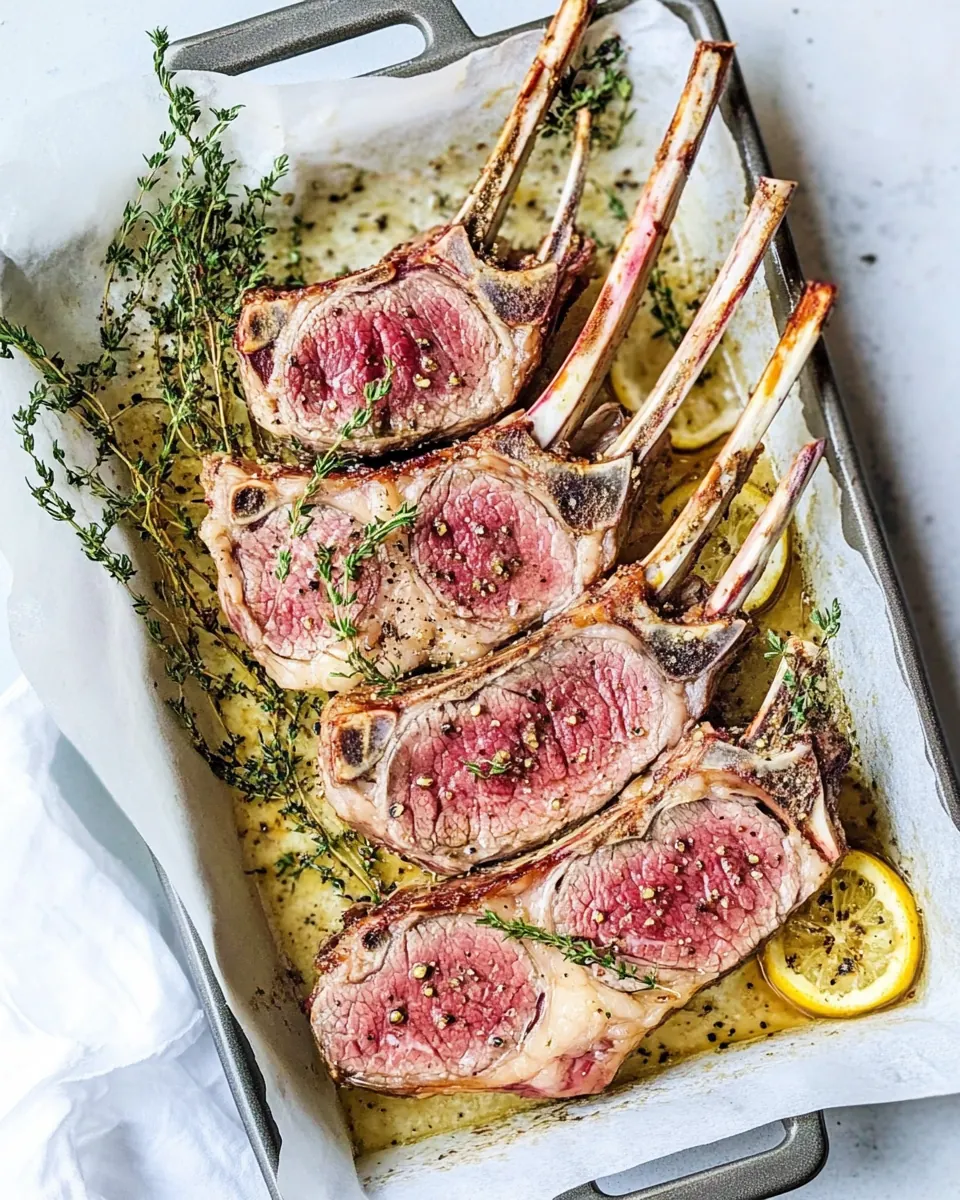
This method is straightforward and relies on timing and attention to sensory cues. Follow the sequence and use a thermometer for confidence. I’ll guide you through what you should hear, smell, and see so you know you’re on track.
- Season the lamb racks with lemon juice and season with salt and pepper on both sides.: The moment you squeeze fresh lemon over the meat you will notice a bright citrus scent that cuts through the richer aroma of raw lamb . This acidity helps the surface flavors bond to the meat, making every bite taste more lively. As you sprinkle the kosher salt it will begin to draw out surface moisture, which later helps the crust develop. A common mistake is over salting, which can make the exterior too briny, so measure carefully and remember you can add more after resting if needed. Visually, the meat will glisten slightly from the citrus, and the salt should look evenly distributed rather than clumped.
- Rub the garlic all over them and sprinkle with rosemary.: When you press crushed garlic into the surface, it releases a sharp, savory perfume that softens with heat. The act of rubbing ensures the aromatic oils cling to the meat and form part of the crust as it roasts. Scatter chopped rosemary so that each section of the rack receives herbaceous notes. One trap is using pre crushed garlic pastes that can burn too quickly, so use freshly crushed cloves for balanced roasting. You should be able to see tiny flecks of garlic and green rosemary binding to the meat; that visual cue means you applied enough to flavor the exterior.
- Set the racks fat side up on a large rimmed baking sheet lined with foil if desired and let stand for 1 hour.: Allowing the racks to rest uncovered for an hour lets them come nearer to room temperature and relaxes the muscle fibers, promoting even cooking. The fat side up placement means rendered fat will baste the meat as it roasts, adding flavor and moisture. A frequent oversight is starting with cold meat, which can lead to uneven doneness; be patient and let them sit. You may notice a faint sheen forming as the surface warms, and the aroma becomes more pronounced as the aromatics sit with the meat.
- Preheat the oven to 450°F.: A very hot oven jump starts crust formation and seals the outside so juices stay inside, producing a contrast between a crisp exterior and a tender interior. The scent of the preheating oven is neutral, but once the racks go in you will smell the aromatics intensify. Avoid placing racks in an oven that is not fully preheated, because that can cause the meat to cook unevenly and slow crusting. Use an oven thermometer if your oven runs hot or cool, and make sure it reads steady at the target temperature for reliable results.
- Roast the lamb in the upper third of the oven for about 25 minutes for medium-rare meat, or until a thermometer reaches 130 F (or longer if you like your cooked medium or medium-well). Simply insert the tip of the thermometer through the side of the chops and into the thickest part of the meat, careful not to touch the bone (which is hotter than the meat that surrounds it).: During roasting you will hear a faint sizzle as the fat renders and the aromatics toast. The surface will brown and develop a savory crust, with small caramelized spots where garlic and rosemary touch the meat. Using a probe thermometer inserted into the thickest part, avoiding bone, is critical for accuracy because the bone can read hotter and mislead you. A typical error is relying on time alone instead of temperature, which risks overcooking. Watch for a pleasing browned color and the internal temp climbing toward 130 F for medium rare.
- When that spot reaches 130°F, it’s finished. The temperature will continue to rise an additional 5 degrees as the lamb rests.: At this point the roasting aroma becomes rich and meaty, and you will notice a slight resistance when pressing the meat gently, indicating tenderness. The internal temperature will continue to rise as it rests, so stopping at 130 F accounts for residual heat. Many cooks overcook by waiting too long to remove the racks, so trust the thermometer and take them out promptly. The meat should still be rosy in the center after resting, which is the hallmark of proper timing.
- Transfer the lamb racks to a carving board and let them rest, tented with foil for 10 minutes.: Resting is essential, because the juices redistribute and the texture becomes silkier. Tent loosely with foil so the racks stay warm but do not steam, which would soften the crust. A common mistake is slicing immediately, which causes juices to run out and the meat to become dry. As you wait you will smell intensified lamb notes and see the surface settle into a glossy finish, signaling the meat is ready for carving.
- Carve the lamb in between the rib bones and transfer to plates.: Carving along the natural spaces between ribs yields elegant, evenly sized chops. The cut edges should reveal a warm pink center and a browned crust, and the sound of the knife should be clean rather than dragging. Avoid sawing motions that tear the meat, which makes the presentation messier and loses juices. Neat, confident slices show off the texture contrasts that make this dish special.
- Serve right away. Trim fat before eating.: Bringing the plated chops to the table while still warm highlights the aroma and texture contrast between crust and interior. A final sprinkle of finishing salt or a quick squeeze of lemon brightens the flavor just before serving. The danger here is letting the meat sit too long, which cools and stiffens the texture, so time your plating and sides to coincide with the end of resting. The combined sensory experience of warmth, aroma, and juicy tenderness is what makes each bite satisfying.
- Trim fat before eating: Trimming excess fat at the table helps each guest tailor their bite, because rendered fat can be rich and heavy. The visual of trimmed chops keeps the plate tidy and invites guests to enjoy the leaner portions first. A mistake is trimming too much before cooking, because some fat melts into flavor during roasting; waiting until after tasting lets you make the best call. The rendered fat will have browned slightly and smell savory, and removing what feels excessive preserves balance on the palate.
Tips for Success
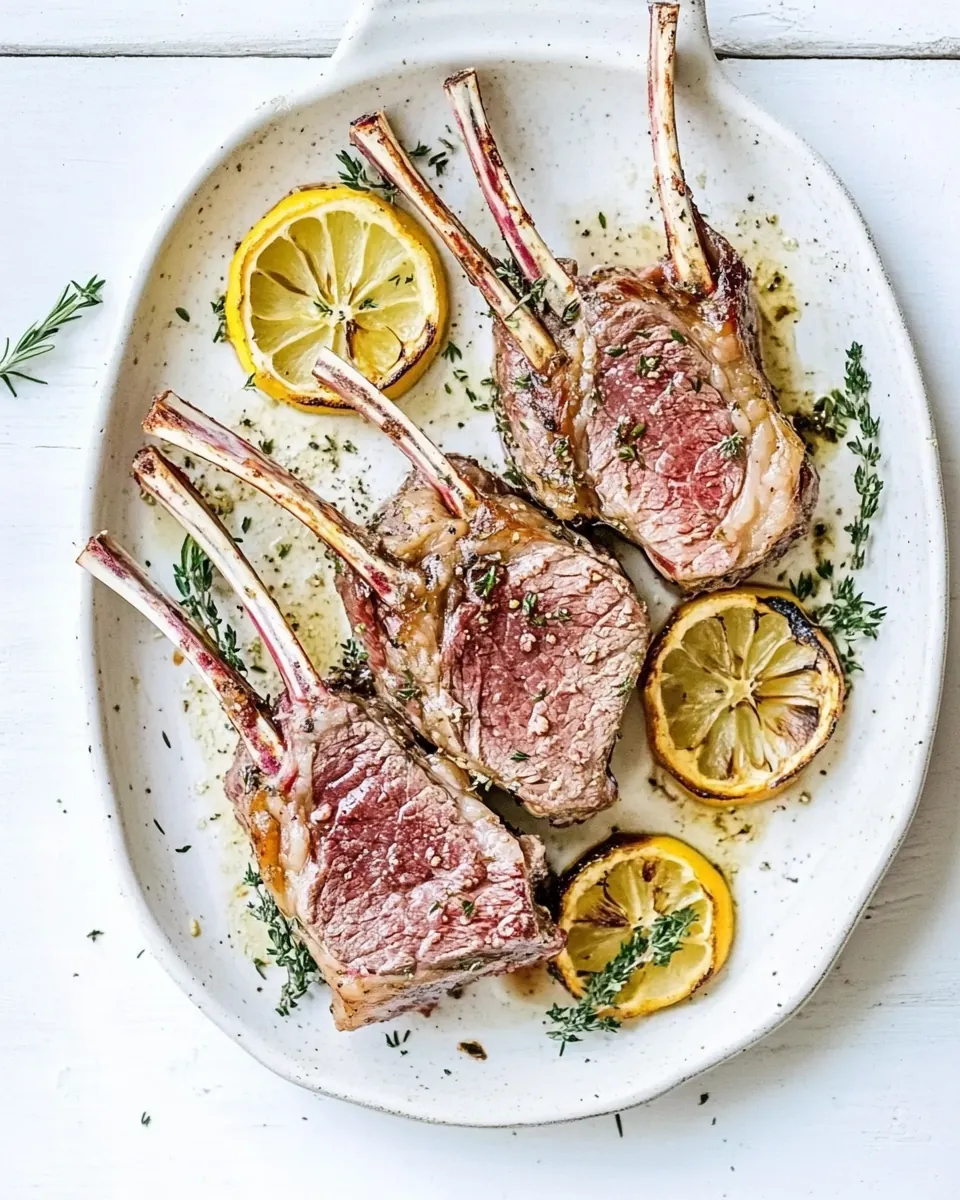
Small technique choices have an oversized impact on your final result. These tips address timing, seasoning, and presentation so that you can serve a beautiful, flavorful rack every time. Read them before you start and keep them nearby while you cook.
- Bring meat to room temperature: Allowing the racks to sit for about an hour reduces temperature shock in the oven and promotes even cooking, preventing a raw center and over browned exterior.
- Use fresh aromatics: Fresh garlic and rosemary deliver brighter, less bitter flavors than dried alternatives and create a more appealing roasted aroma.
- Rely on a thermometer: A probe or instant read thermometer removes guesswork and ensures you hit the desired doneness without overcooking, especially important for medium rare targets.
- Positioning matters: Roast in the upper third of the oven for a balance of high heat browning and gentle internal cooking, which encourages a crisp crust and juicy center.
- Rest before carving: Resting for about 10 minutes lets juices redistribute so slices are juicier and more tender; tent loosely to preserve the crust.
How to Serve Frenched Rack Of Lamb
Serving well is as important as cooking well. This section outlines pairing ideas, plating suggestions, and storage guidance so your meal stays memorable from first bite to leftovers. Use the suggestions to suit the occasion, whether a special celebration or a refined family dinner.
- Serve with roasted root vegetables: Classic pairings like roasted carrots or parsnips complement the rich lamb without overpowering it, adding sweetness and texture contrast.
- Add a bright green side: Lightly sautéed greens or a crisp salad bring acidity and freshness that balance the meat’s richness, creating a harmonious plate.
- Choose the right occasion: The elegant presentation of a frenched rack makes it ideal for holidays, dinner parties, or a romantic meal where presentation matters.
- Storage tips: Refrigerate leftovers within two hours, wrap tightly, and consume within three days; reheat gently to preserve tenderness and avoid drying out the meat.
- Seasonal pairings: In fall, serve with roasted squash and a pan jus to echo autumn flavors; the warm aromatics of the dish pair well with seasonal produce.
FAQ
Conclusion
What makes this recipe special is how a few fresh ingredients and straightforward technique transform a simple cut into a restaurant worthy centerpiece. The contrast between a savory, herb scented crust and a tender, rosy interior creates a memorable eating experience that is both elegant and approachable. I encourage you to give it a try, paying attention to temperature and resting time, because those small details are what deliver consistent, delicious results. With minimal fuss you can serve something that feels celebratory, and I promise the compliments will follow.
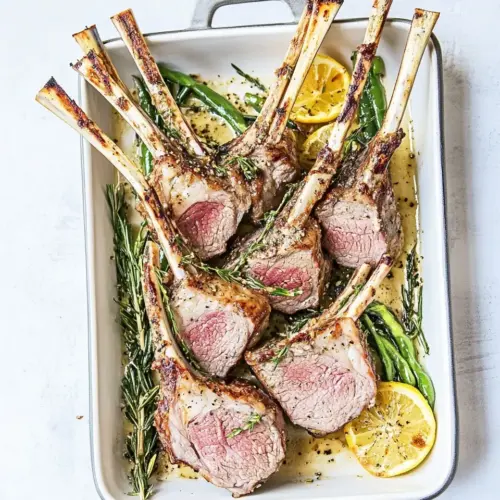
Frenched Rack Of Lamb
Equipment
- Rimmed Baking Sheet
- Aluminum Foil
- Meat Thermometer
- Carving board
- Sharp Knife
Ingredients
- 4 cloves garlic, crushed Crush and release pungent flavor oils to build a savory base; use minced cloves to infuse the lamb during marinating or roasting. Provide aromatic depth and slight sweetness when caramelized, balancing rich meat flavors and aiding in forming a flavorful crust.
- 1 teaspoon chopped fresh rosemary leaves Chop and scatter woody, piney rosemary leaves to add an herbaceous, aromatic note that complements lamb's richness. Use fresh leaves to brighten the dish with a citrusy, resinous character and to help fragrance the fat during roasting.
- 2 racks of lamb, frenched (2 pounds each, 8 ribs each) Trim and expose rib bones on frenched racks to create an elegant presentation and even cooking surface; use two racks to serve multiple guests or achieve generous portions. Allow fat cap and meat thickness to guide roasting time, ensuring succulent interior and well-browned exterior while the frenched bones make carving easier.
- 1/4 lemon Zest or squeeze the lemon to introduce bright acidity that cuts through the lamb's richness and balances fat; use a quarter lemon for a subtle lift without overpowering other seasonings. Apply juice sparingly after cooking or into a marinade to enhance overall flavor clarity and freshness.
- 1 1/2 teaspoons kosher salt and freshly ground pepper, to taste Season with kosher salt and freshly ground pepper to enhance natural meat flavors and to form a savory crust during roasting; use 1 1/2 teaspoons of kosher salt and pepper to taste as a baseline. Adjust seasoning before and after cooking to ensure proper seasoning throughout the meat and to draw out moisture for better browning.
Instructions
- Season the lamb racks with lemon juice and season with salt and pepper on both sides.: The moment you squeeze fresh lemon over the meat you will notice a bright citrus scent that cuts through the richer aroma of raw lamb . This acidity helps the surface flavors bond to the meat, making every bite taste more lively. As you sprinkle the kosher salt it will begin to draw out surface moisture, which later helps the crust develop. A common mistake is over salting, which can make the exterior too briny, so measure carefully and remember you can add more after resting if needed. Visually, the meat will glisten slightly from the citrus, and the salt should look evenly distributed rather than clumped.
- Rub the garlic all over them and sprinkle with rosemary.: When you press crushed garlic into the surface, it releases a sharp, savory perfume that softens with heat. The act of rubbing ensures the aromatic oils cling to the meat and form part of the crust as it roasts. Scatter chopped rosemary so that each section of the rack receives herbaceous notes. One trap is using pre crushed garlic pastes that can burn too quickly, so use freshly crushed cloves for balanced roasting. You should be able to see tiny flecks of garlic and green rosemary binding to the meat; that visual cue means you applied enough to flavor the exterior.
- Set the racks fat side up on a large rimmed baking sheet lined with foil if desired and let stand for 1 hour.: Allowing the racks to rest uncovered for an hour lets them come nearer to room temperature and relaxes the muscle fibers, promoting even cooking. The fat side up placement means rendered fat will baste the meat as it roasts, adding flavor and moisture. A frequent oversight is starting with cold meat, which can lead to uneven doneness; be patient and let them sit. You may notice a faint sheen forming as the surface warms, and the aroma becomes more pronounced as the aromatics sit with the meat.
- Preheat the oven to 450°F.: A very hot oven jump starts crust formation and seals the outside so juices stay inside, producing a contrast between a crisp exterior and a tender interior. The scent of the preheating oven is neutral, but once the racks go in you will smell the aromatics intensify. Avoid placing racks in an oven that is not fully preheated, because that can cause the meat to cook unevenly and slow crusting. Use an oven thermometer if your oven runs hot or cool, and make sure it reads steady at the target temperature for reliable results.
- Roast the lamb in the upper third of the oven for about 25 minutes for medium-rare meat, or until a thermometer reaches 130 F (or longer if you like your cooked medium or medium-well). Simply insert the tip of the thermometer through the side of the chops and into the thickest part of the meat, careful not to touch the bone (which is hotter than the meat that surrounds it).: During roasting you will hear a faint sizzle as the fat renders and the aromatics toast. The surface will brown and develop a savory crust, with small caramelized spots where garlic and rosemary touch the meat. Using a probe thermometer inserted into the thickest part, avoiding bone, is critical for accuracy because the bone can read hotter and mislead you. A typical error is relying on time alone instead of temperature, which risks overcooking. Watch for a pleasing browned color and the internal temp climbing toward 130 F for medium rare.
- When that spot reaches 130°F, it’s finished. The temperature will continue to rise an additional 5 degrees as the lamb rests.: At this point the roasting aroma becomes rich and meaty, and you will notice a slight resistance when pressing the meat gently, indicating tenderness. The internal temperature will continue to rise as it rests, so stopping at 130 F accounts for residual heat. Many cooks overcook by waiting too long to remove the racks, so trust the thermometer and take them out promptly. The meat should still be rosy in the center after resting, which is the hallmark of proper timing.
- Transfer the lamb racks to a carving board and let them rest, tented with foil for 10 minutes.: Resting is essential, because the juices redistribute and the texture becomes silkier. Tent loosely with foil so the racks stay warm but do not steam, which would soften the crust. A common mistake is slicing immediately, which causes juices to run out and the meat to become dry. As you wait you will smell intensified lamb notes and see the surface settle into a glossy finish, signaling the meat is ready for carving.
- Carve the lamb in between the rib bones and transfer to plates.: Carving along the natural spaces between ribs yields elegant, evenly sized chops. The cut edges should reveal a warm pink center and a browned crust, and the sound of the knife should be clean rather than dragging. Avoid sawing motions that tear the meat, which makes the presentation messier and loses juices. Neat, confident slices show off the texture contrasts that make this dish special.
- Serve right away. Trim fat before eating.: Bringing the plated chops to the table while still warm highlights the aroma and texture contrast between crust and interior. A final sprinkle of finishing salt or a quick squeeze of lemon brightens the flavor just before serving. The danger here is letting the meat sit too long, which cools and stiffens the texture, so time your plating and sides to coincide with the end of resting. The combined sensory experience of warmth, aroma, and juicy tenderness is what makes each bite satisfying.
- Trim fat before eating: Trimming excess fat at the table helps each guest tailor their bite, because rendered fat can be rich and heavy. The visual of trimmed chops keeps the plate tidy and invites guests to enjoy the leaner portions first. A mistake is trimming too much before cooking, because some fat melts into flavor during roasting; waiting until after tasting lets you make the best call. The rendered fat will have browned slightly and smell savory, and removing what feels excessive preserves balance on the palate.
Notes
- Bring meat to room temperature: Allowing the racks to sit for about an hour reduces temperature shock in the oven and promotes even cooking, preventing a raw center and over browned exterior.
- Use fresh aromatics: Fresh garlic and rosemary deliver brighter, less bitter flavors than dried alternatives and create a more appealing roasted aroma.
- Rely on a thermometer: A probe or instant read thermometer removes guesswork and ensures you hit the desired doneness without overcooking, especially important for medium rare targets.
- Positioning matters: Roast in the upper third of the oven for a balance of high heat browning and gentle internal cooking, which encourages a crisp crust and juicy center.
- Rest before carving: Resting for about 10 minutes lets juices redistribute so slices are juicier and more tender; tent loosely to preserve the crust.