Salsa Rice
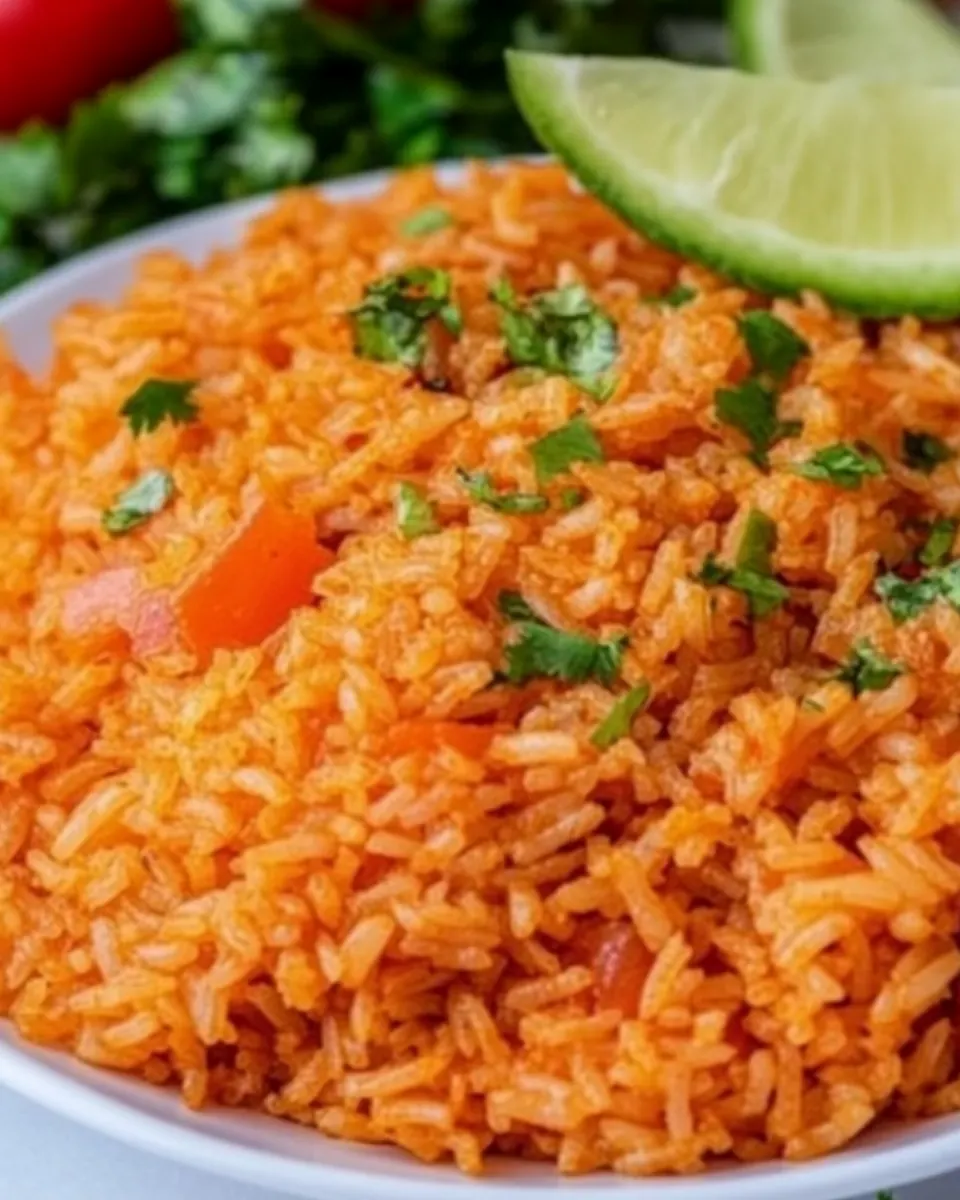
Salsa Rice is the kind of simple, flavorful dish I turn to when I want big personality from a handful of ingredients. The first time I made Salsa Rice, I was inventing a quick weeknight solution to feed friends who love bold spice without fuss. I remember opening the fridge, seeing a jar of salsa and a bag of rice, and thinking I could marry them with broth for something bright and comforting. That night we talked, laughed, and kept scooping warm bowls while the soundtrack of conversation filled the kitchen.
Over multiple seasons I kept refining the method, learning how different salsas shift the final color and aroma, and how the rice texture changes with the broth. I now reach for Basmati when I want fragrant, separate grains, and a chunkier, medium salsa when I want little pops of tomato and pepper in each bite. Making Salsa Rice feels like a small ritual, one that invites improvisation if you want to add a squeeze of lime at the table.
What I love most about Salsa Rice is its friendliness to busy nights and casual gatherings, because you can make it on the stovetop with very little hands on time. It keeps well for leftovers, and it’s loud enough in flavor to hold its own alongside simple protein or roasted vegetables. Every time I serve it, someone asks for the recipe, and I enjoy telling the story of that first impromptu dinner when it all came together.
Recipe Snapshot
30 mins
5 mins
25 mins
Easy
200 kcal
Mexican
Gluten-Free, Low FODMAP
Side Dishes
Large pot with lid, Spoon
Why You Need This Salsa Rice
1. Flavor with Zero Fuss
I love that Salsa Rice gives you a layered, savory profile with almost no prep. Using salsa and vegetable broth means the dish is seasoned from the start, so you skip a long list of spices and still get complexity. I often choose a medium heat salsa to balance brightness with a gentle kick, and that choice makes the rice flavorful from the first forkful.
2. Flexible and Weeknight Friendly
This dish is a true weeknight hero in my kitchen. I can throw rice, salsa, and vegetable broth into a pot, bring it to a boil, then let it simmer while I handle other things. The hands off time is forgiving, which means I rarely worry about the timing of the rest of the meal. I appreciate recipes that respect real life, and this one does exactly that.
3. Texture and Aroma That Impress Guests
When you use Basmati rice, the grains stay separate and carry a delicate fragrance that pairs beautifully with the tomato and chili notes in salsa. The rest period with butter tucked in lets steam finish the cooking, producing a pillowy texture that still shows distinct grains. Guests often comment on the balance of soft rice and lively salsa pieces.
4. Easy to Scale and Stash
I often double this recipe when friends come over because it scales reliably. Leftovers reheat well, and the rice keeps its character in the fridge. You can serve it from a pot at a casual gathering, or spoon it into bowls for a quick lunch during the week. That flexibility makes Salsa Rice an everyday favorite for me.
5. Minimal Equipment and Maximum Impact
I appreciate recipes that do not demand special tools. With Salsa Rice you need a sturdy pot and a lid, and the result feels like you spent a lot more time on it than you did. That’s the sort of cooking that builds confidence, and I love sharing that simplicity with others.
Salsa Rice Ingredients
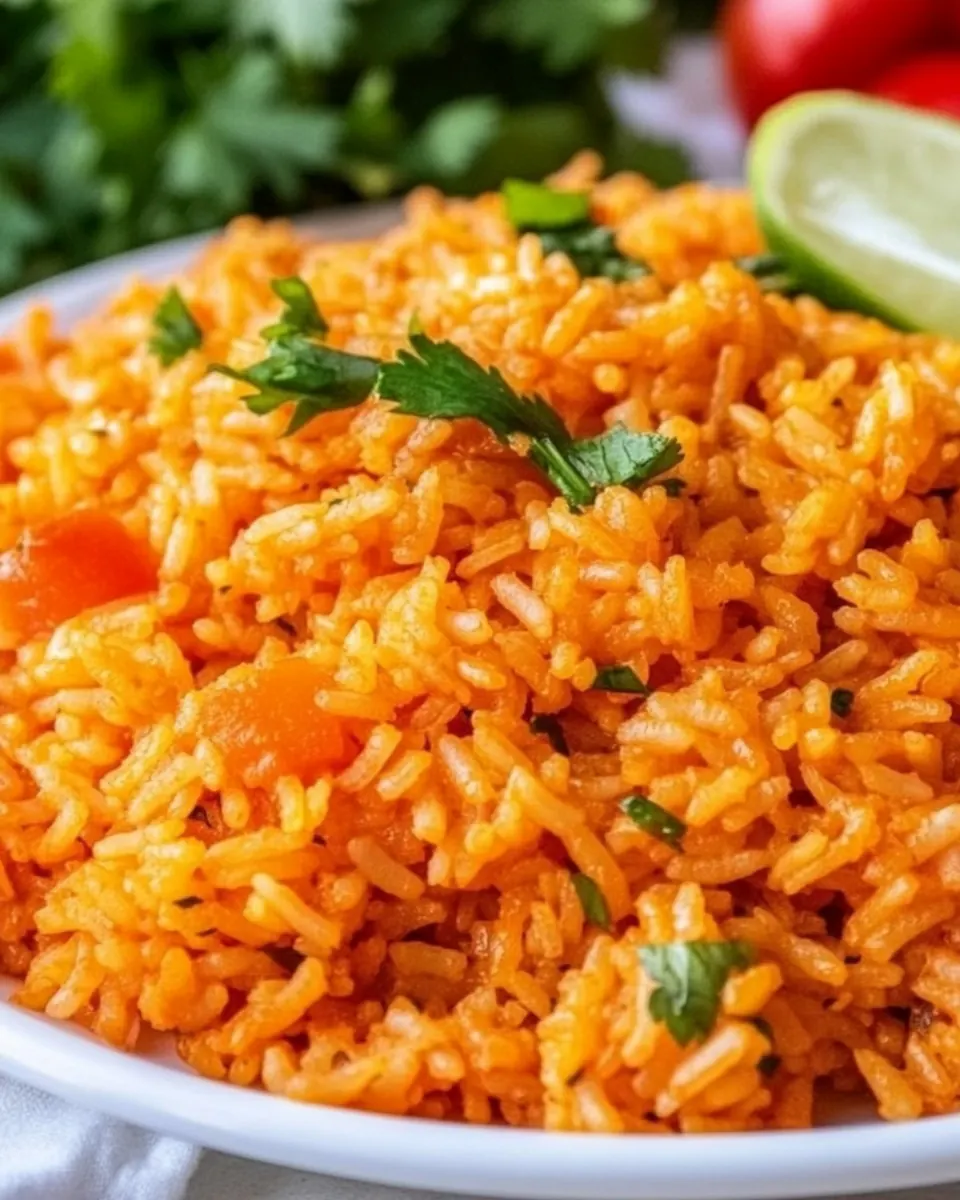
These ingredients are deliberately short and purposeful. They work together to build savory depth, bright acidity, and tender grains. The key players are the Basmati rice for its aroma and separate texture, the salsa for instant seasoning and brightness, and the vegetable broth for cooking liquid that layers savory notes through the grains. A pat of butter at the end adds silkiness and mouthfeel that rounds the whole dish.
- 1 1/2 cups Basmati rice: Rinse and soak briefly to remove excess starch, then cook until tender to provide a light, fluffy base that soaks up flavors; Basmati's fragrant aroma complements the salsa for a bright grain foundation.
- 2 cups salsa (I used medium heat): Add directly for concentrated tomato, pepper, and spice character that infuses the rice during cooking; choose heat level to control overall spice and balance acidity against the broth.
- 3 cups vegetable broth: Pour in to create the cooking liquid that hydrates the rice and balances the salsa's acidity, contributing savory depth; vegetable broth adds umami and keeps the dish vegetarian-friendly.
- 3 tbsp plant-based or regular butter: Melt into the cooking liquid to enrich texture and flavor, coating each grain for a silkier mouthfeel; butter helps carry fat-soluble flavors and adds a subtle richness.
How to Make Salsa Rice
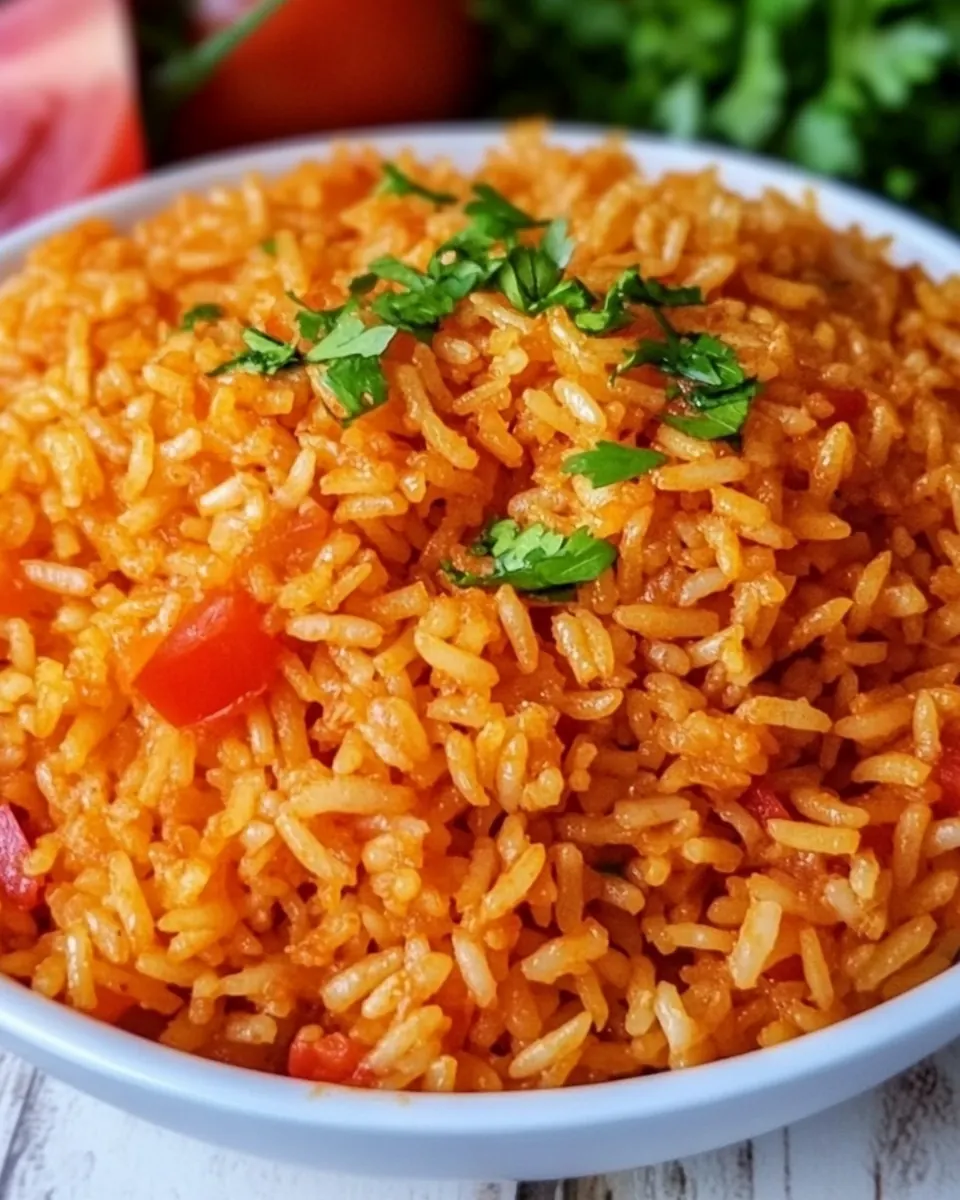
Making this dish is straightforward, and the steps allow you to focus on sensory cues rather than precise timings. Below I expand each direction into detailed, practical guidance so you can reproduce the perfect texture and flavor every time.
- In a large pot, add the basmati rice, followed by the salsa and veggie broth. Give it a stir to make sure everything is submerged and bring it to a boil. Reduce the heat, cover, and let the mixture simmer for 15 minutes, stirring occasionally.: As soon as the liquid meets the rice you will see steam rising and aroma building, a combination of tomato sweetness and toasted grain notes. The sound is gentle bubbling as the liquid warms, and visually you want the rice fully covered so each grain absorbs moisture evenly. This step matters because uneven submersion leads to pockets of undercooked rice, and stirring helps dislodge any grains that may float. A common pitfall here is adding too little liquid when using a different rice type, so verify that the rice is submerged. If the mixture looks too dry, pause to add a splash more broth so the rice can cook without drying at the edges.
- Turn off the heat and add the butter. Cover the pot again with a tight lid and let it rest for 10 minutes.: During the simmer you should hear a low, steady whisper of bubbles and smell the salsa deepen into the grains, turning savory and warm. The surface will show tiny breaking bubbles, and steam will fog the lid. The reason we simmer gently is to let the rice absorb liquid gradually, avoiding vigorous agitation that can break grains. Stirring occasionally prevents settling and ensures even cooking, but do so gently to keep the grains intact. A frequent mistake is lifting the lid too often, which releases steam and can extend cook time, so only peek when necessary to stir.
- Stir again, making sure that everything is well combined. Then serve the Salsa Rice with a lime slice for garnish.: The rest period is where texture is perfected, as trapped steam finishes the grains, making them tender without sogginess. When you add the butter , it will melt into glossy ribbons that coat the rice, bringing a round mouthfeel and mellowing the salsa acidity. You will notice a subtle change in aroma as fat carries scent compounds, making the dish smell richer. Avoid skipping this stage because immediate fluffing can leave the interior slightly undercooked. One misstep is lifting the lid too early, which vents steam and prevents final steaming, so resist the urge and time the rest carefully.
- Stir again, making sure that everything is well combined. Then serve the Salsa Rice with a lime slice for garnish: When you finally stir, the sound is a soft, satisfying separation of grains, and you should see even flecks of salsa throughout. The texture should be fluffy, with each grain distinct and coated in a glossy finish from the butter . The final taste should balance tomato brightness, gentle heat from the salsa, and savory depth from the vegetable broth . If some areas feel dense, gently fluff with a fork rather than mashing, and if the dish tastes flat, a squeeze of lime brightens it without changing the fundamental profile. A common oversight is over stirring into a paste, so be gentle to preserve that pleasing grain structure.
Making Adjustments
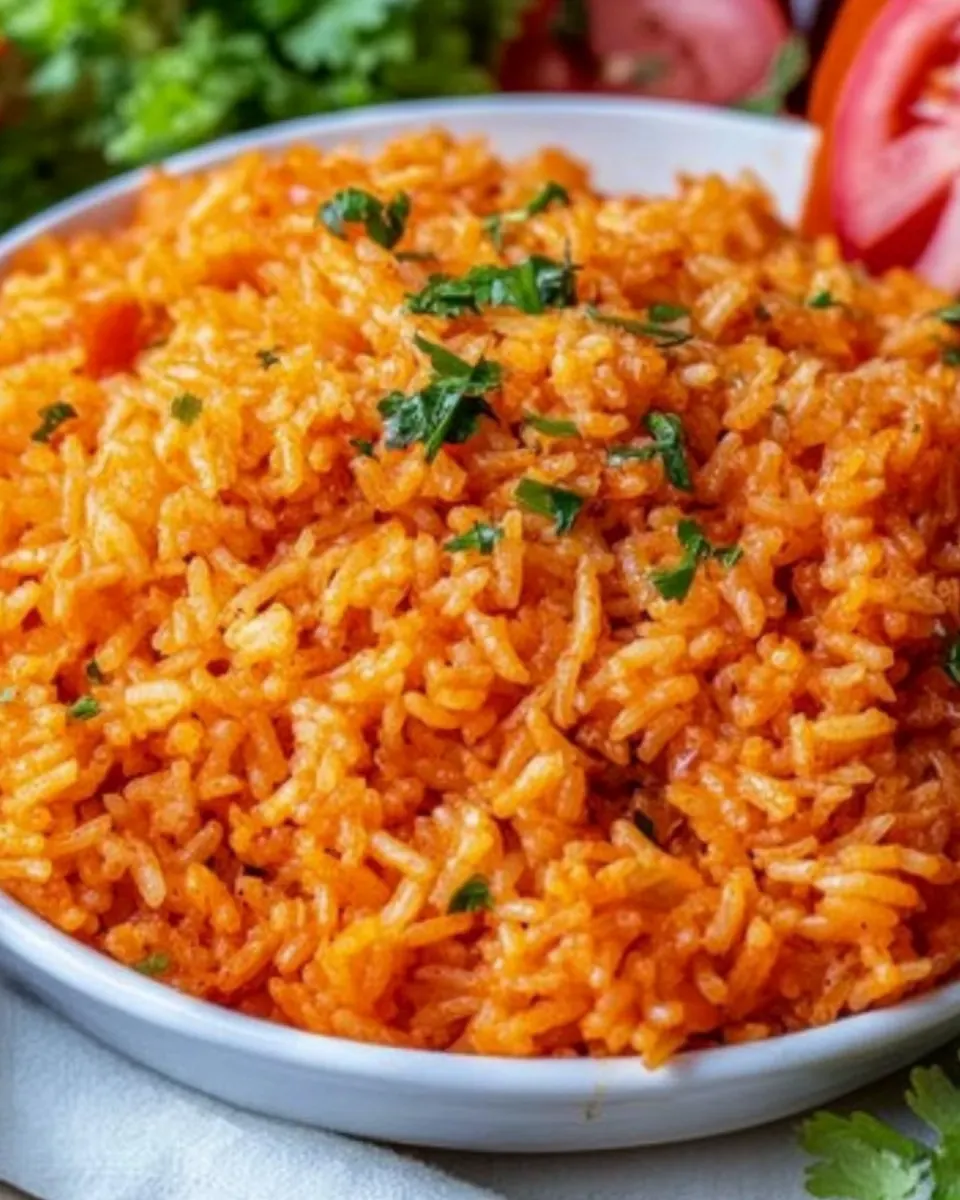
This section helps you customize Salsa Rice based on pantry items, dietary needs, or flavor preferences. Below are focused tips you can apply confidently, each starting with a bolded key phrase for quick scanning.
- Adjust salsa heat carefully, choose mild, medium, or hot salsa depending on your tolerance. Remember the heat concentrates slightly during cooking, so medium gives approachable warmth while hot will be notably spicier.
- Swap broth for water if needed, but be prepared to add a pinch of salt because water lacks the savory backbone that vegetable broth provides. Use broth when you can for best flavor.
- Rinse rice for fluffiness, rinsing removes surface starch and prevents clumping. If you skip this step, expect a stickier final texture.
- Watch lid time closely, the rest period completes the cook. Lifting the lid too early releases steam and may produce unevenly cooked rice.
- Measure liquids accurately, use the stated amounts for a consistent outcome. Variations in rice type can require small adjustments, so start with the recipe and tweak as you test newer rice varieties.
Serving Suggestions
Salsa Rice is versatile on the plate, moving easily between casual lunches and lively dinners. The serving ideas below cover pairings, occasions, and storage tips in detail so you can present it well every time.
- Casual weeknight bowl, serve a generous scoop of Salsa Rice in a shallow bowl, topped with a lime wedge. The brightness of the lime lifts the savory rice and makes a satisfying solo meal when you want something quick and comforting.
- Side dish for grilled mains, spoon Salsa Rice beside roasted vegetables or grilled proteins for a colorful accompaniment. Its bold flavor complements charred items and brings a lively contrast to simple mains.
- Meal prep for lunches, divide cooled Salsa Rice into containers for easy weekday lunches. It reheats well in a microwave or on the stovetop with a splash of water to refresh the grains.
- Ramadan and gathering friendly, this dish scales well and can feed a crowd, making it suitable for communal meals. Keep the pot warm and offer lime wedges so guests can brighten their bowls individually.
- Storage and reheating, store leftover Salsa Rice in an airtight container in the refrigerator for up to four days. Reheat gently with a little water to restore moisture and fluff with a fork before serving.
FAQ
Conclusion
Salsa Rice stands out for delivering bold, satisfying flavor with minimal effort, turning pantry staples into a memorable dish. I encourage you to try it on a busy weeknight, when you want something fast yet comforting, or when you need an easy side that pairs with many mains. This recipe is forgiving, adaptable, and consistently hits the sweet spot between convenience and deliciousness, so it’s one I return to again and again.
Salsa Rice
Equipment
- Large pot with lid
- Spoon
Ingredients
- 1 1/2 cups Basmati rice Rinse and soak briefly to remove excess starch, then cook until tender to provide a light, fluffy base that soaks up flavors; Basmati's fragrant aroma complements the salsa for a bright grain foundation.
- 2 cups salsa (I used medium heat) Add directly for concentrated tomato, pepper, and spice character that infuses the rice during cooking; choose heat level to control overall spice and balance acidity against the broth.
- 3 cups vegetable broth Pour in to create the cooking liquid that hydrates the rice and balances the salsa's acidity, contributing savory depth; vegetable broth adds umami and keeps the dish vegetarian-friendly.
- 3 tbsp plant-based or regular butter Melt into the cooking liquid to enrich texture and flavor, coating each grain for a silkier mouthfeel; butter helps carry fat-soluble flavors and adds a subtle richness.
Instructions
- In a large pot, add the basmati rice, followed by the salsa and veggie broth. Give it a stir to make sure everything is submerged and bring it to a boil. Reduce the heat, cover, and let the mixture simmer for 15 minutes, stirring occasionally.: As soon as the liquid meets the rice you will see steam rising and aroma building, a combination of tomato sweetness and toasted grain notes. The sound is gentle bubbling as the liquid warms, and visually you want the rice fully covered so each grain absorbs moisture evenly. This step matters because uneven submersion leads to pockets of undercooked rice, and stirring helps dislodge any grains that may float. A common pitfall here is adding too little liquid when using a different rice type, so verify that the rice is submerged. If the mixture looks too dry, pause to add a splash more broth so the rice can cook without drying at the edges.
- Turn off the heat and add the butter. Cover the pot again with a tight lid and let it rest for 10 minutes.: During the simmer you should hear a low, steady whisper of bubbles and smell the salsa deepen into the grains, turning savory and warm. The surface will show tiny breaking bubbles, and steam will fog the lid. The reason we simmer gently is to let the rice absorb liquid gradually, avoiding vigorous agitation that can break grains. Stirring occasionally prevents settling and ensures even cooking, but do so gently to keep the grains intact. A frequent mistake is lifting the lid too often, which releases steam and can extend cook time, so only peek when necessary to stir.
- Stir again, making sure that everything is well combined. Then serve the Salsa Rice with a lime slice for garnish.: The rest period is where texture is perfected, as trapped steam finishes the grains, making them tender without sogginess. When you add the butter , it will melt into glossy ribbons that coat the rice, bringing a round mouthfeel and mellowing the salsa acidity. You will notice a subtle change in aroma as fat carries scent compounds, making the dish smell richer. Avoid skipping this stage because immediate fluffing can leave the interior slightly undercooked. One misstep is lifting the lid too early, which vents steam and prevents final steaming, so resist the urge and time the rest carefully.
- Stir again, making sure that everything is well combined. Then serve the Salsa Rice with a lime slice for garnish: When you finally stir, the sound is a soft, satisfying separation of grains, and you should see even flecks of salsa throughout. The texture should be fluffy, with each grain distinct and coated in a glossy finish from the butter . The final taste should balance tomato brightness, gentle heat from the salsa, and savory depth from the vegetable broth . If some areas feel dense, gently fluff with a fork rather than mashing, and if the dish tastes flat, a squeeze of lime brightens it without changing the fundamental profile. A common oversight is over stirring into a paste, so be gentle to preserve that pleasing grain structure.
Notes
- Adjust salsa heat carefully, choose mild, medium, or hot salsa depending on your tolerance. Remember the heat concentrates slightly during cooking, so medium gives approachable warmth while hot will be notably spicier.
- Swap broth for water if needed, but be prepared to add a pinch of salt because water lacks the savory backbone that vegetable broth provides. Use broth when you can for best flavor.
- Rinse rice for fluffiness, rinsing removes surface starch and prevents clumping. If you skip this step, expect a stickier final texture.
- Watch lid time closely, the rest period completes the cook. Lifting the lid too early releases steam and may produce unevenly cooked rice.
- Measure liquids accurately, use the stated amounts for a consistent outcome. Variations in rice type can require small adjustments, so start with the recipe and tweak as you test newer rice varieties.