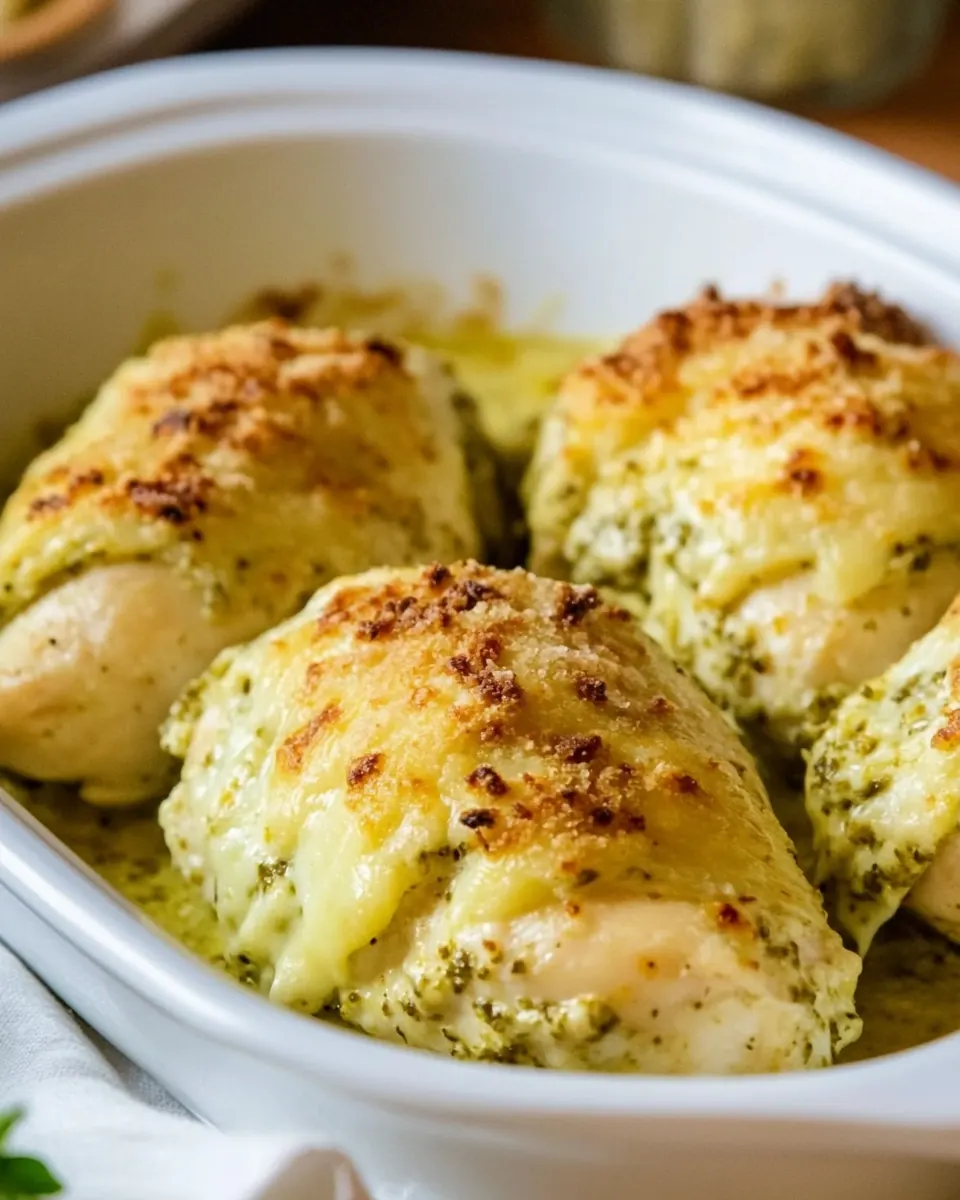
Baked Chicken Stuffed with Pesto and Cheese
Baked Chicken Stuffed with Pesto and Cheese came into my weeknight rotation the moment I realized a simple twist on a classic roll could feel like a restaurant dish without the fuss. I remember the first time I made it, juggling a tired Tuesday evening and a hungry family, and how the scent of pesto and baking cheese pulled everyone into the kitchen. That pull, that small moment when curiosity meets comfort, is exactly why this recipe lives on my menu.
Over time I learned tiny adjustments that make a big difference, from how thin to pound the chicken to how generously to spread the pesto mixture. I like serving it when I want something cozy, but still a little special, the kind of meal that invites conversation across the table. Every single time the filling bubbles through just a little and the crust turns light golden, I get that satisfied hush from the table that tells me I did something right.
Recipe Snapshot
45 mins
15 mins
30 mins
Medium
400 kcal
American
Keto, Gluten-Free
Dinner
Oven, Casserole dish, Meat mallet, Mixing bowls, Toothpicks
Why You Need This Baked Chicken Stuffed with Pesto and Cheese
Flavor balance that sings
I love how Baked Chicken Stuffed with Pesto and Cheese manages bright herbal pesto, creamy cheese, and tender chicken all at once. The basil pesto brings herbal lift, while the mozzarella and Parmesan add creaminess and savory depth. This contrast keeps each bite interesting, and I always notice how guests comment on the layered flavors.
Simple techniques for big payoff
We achieve an impressive result with basic skills. Pounding the chicken thin helps it roll neatly and cook through evenly, and the egg and Parmesan almond coating give a light, golden exterior that crisps without heavy frying. I often point out that a few thoughtful steps elevate the dish without adding stress.
Weeknight friendly and adaptable
I use this dish as a template for busy nights. It comes together quickly, and you can prepare the filling ahead, which makes evening assembly fast. I also find it forgiving if your timing slips, and the final bake is forgiving so long as you watch for a firm texture and gentle browning.
Great for company
When I host, this recipe feels special but not pretentious. The presentation of rolled, stuffed chicken looks thoughtful, and you can bake several in one dish. Guests enjoy the elegant cross section when you slice it, and I love the proud moment when I reveal the pesto ribbon inside.
Comfort without heaviness
This recipe hits comfort notes with creamy cheese and tender chicken, yet the coating and the basil pesto keep it from feeling heavy. That balance makes it a go to for families who want something satisfying and bright at the same time.
Ingredients You’ll Need for Baked Chicken Stuffed with Pesto and Cheese
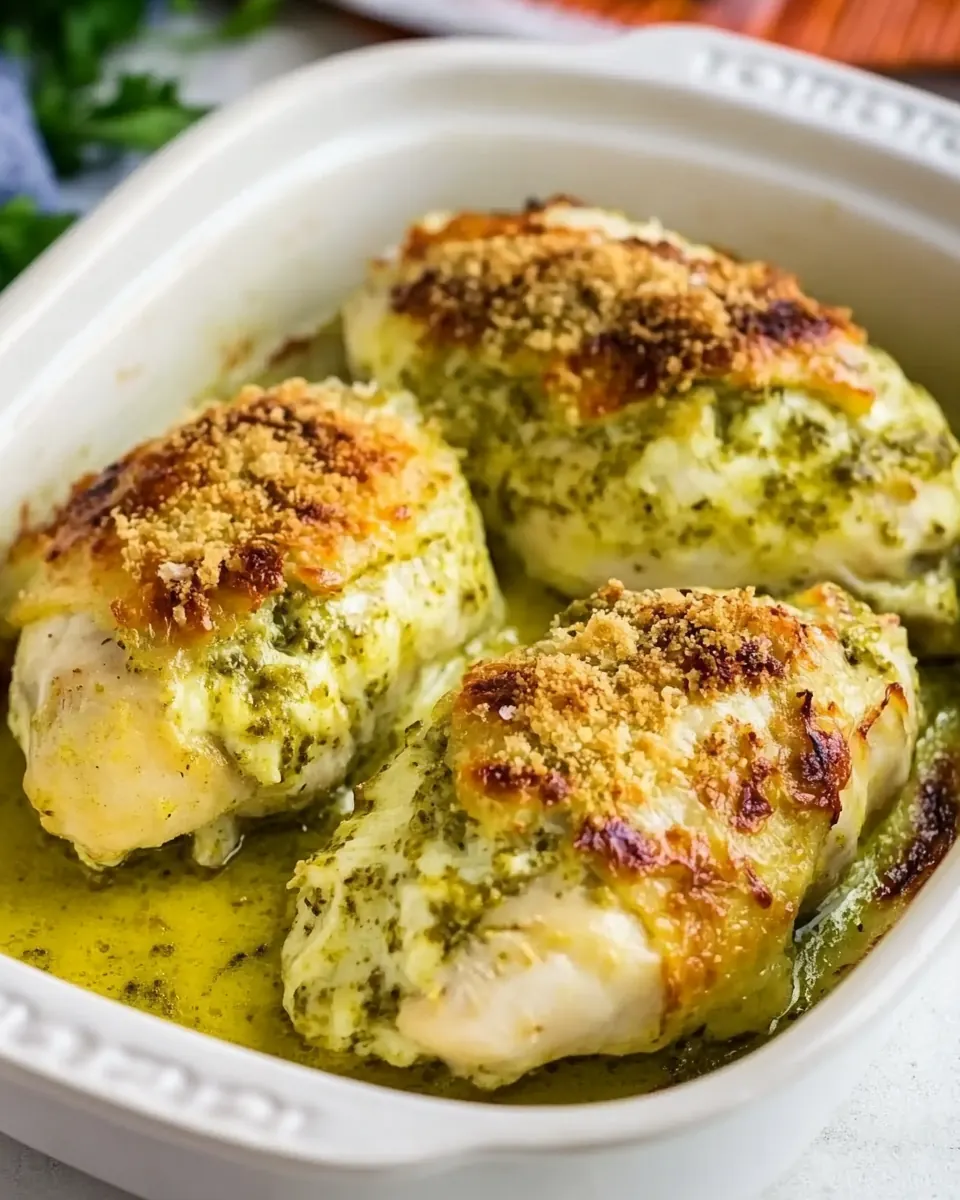
These ingredients are chosen to create contrast and structure. The chicken is the canvas, the basil pesto and cheeses provide flavor and creaminess, while the egg and Parmesan almond coating give light crisping and a savory crust. Each component plays a clear role, and together they produce a dish that is tender, flavorful, and visually appealing.
- 4 large boneless, skinless chicken breasts: Provide four thick, lean protein portions for stuffing and baking; using boneless, skinless breasts speeds cooking and simplifies slicing. Ensure even thickness by pounding gently to create pockets, which helps hold the filling and promotes uniform doneness.
- 4 T Basil Pesto (see notes): Add four tablespoons of basil pesto to impart herbaceous, garlicky flavor and olive oil richness that penetrates the filling. Use it to coat the interior pocket so the fats and aromatics keep the chicken moist during roasting.
- 4 T sour cream: Contribute four tablespoons of sour cream to lend creaminess and a mild tang that balances the pesto and cheeses. Fold into the filling to improve texture and help bind the ingredients while adding moisture to prevent dryness.
- 4 T finely grated Mozzarella: Provide four tablespoons of finely grated mozzarella to create a melty, stretchy component that binds and enriches the stuffed center. Sprinkle inside the pocket so the cheese melts and forms a cohesive, luscious filling.
- 2 eggs, beaten well: Bind and coat the fillings with two beaten eggs to help the almond flour and cheeses adhere and form a light crust. Use the eggs as a wash to secure the breadcrumb substitute and produce a golden exterior when baked.
- 4 T finely grated Parmesan cheese: Add four tablespoons of finely grated Parmesan to introduce salty, nutty, umami depth that enhances overall flavor complexity. Mix into the filling or coating to lend savory sharpness and help with browning during baking.
- 4 T almond flour: Provide four tablespoons of almond flour as a gluten-free coating and textural element that crisps when baked. Combine with the beaten eggs to form a delicate crust that adds a subtle nutty flavor and helps seal the filling.
- fresh-ground black pepper to taste: Season to taste with freshly ground black pepper to add pungent, warm heat and aromatic lift that complements the herbs and cheeses. Grind over the assembled breasts before baking to ensure bright, balanced seasoning throughout.
Preparation Steps for Baked Chicken Stuffed with Pesto and Cheese
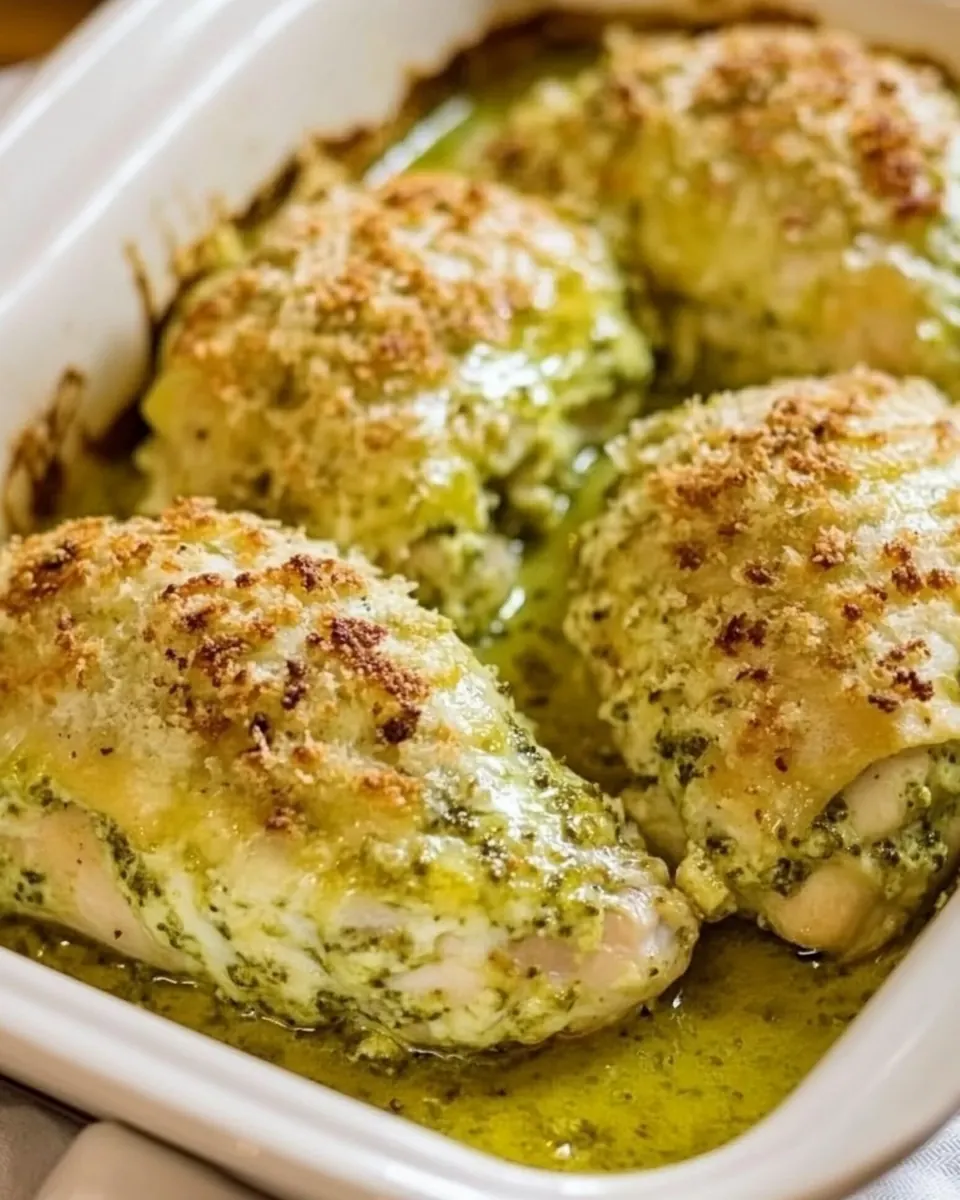
These directions will guide you from prepping the chicken to a golden, stuffed finish. Take your time during the assembly, and pay attention to the sensory cues, like the way the coating browns and the filling softens. Keep toothpicks handy and watch for liquid pooling in the dish.
- Preheat oven to 375 F/190 C. Spray a small casserole dish with non-stick spray or oil.: The kitchen will fill with a warm, anticipatory scent as the oven approaches temperature, and setting the right heat ensures the chicken cooks through while the coating browns. A properly preheated oven yields even baking and prevents soggy coating. A common mistake is placing the dish in a cold oven, which lengthens cook time and leads to overcooked filling or underbaked coating.
- Trim any visible fat from chicken breasts, then put them one at a time inside a heavy plastic bag and pound with meat mallet, or something heavy, until the chicken is as thin as you can get it. Don't worry too much about the shape or whether there are some loose pieces, you can tuck them in when you roll up the chicken.: The slight sizzle when the oiled dish meets the hot oven helps the bottom of the rolls develop a light crust. Proper greasing prevents sticking while allowing air to circulate under the rolls for even browning. Using too much oil can pool and steam the underside, so use a thin, even layer.
- In a small bowl mix together the basil pesto, sour cream, and grated mozzarella.: You will hear a rhythmic thud as the mallet flattens the chicken and see the fibers loosen, which helps tenderize and makes rolling simple. Achieving an even thinness guarantees even baking and prevents undercooked centers. A typical slip is pounding too aggressively in one spot, tearing the meat; work from center out and check thickness frequently.
- Prepare two bowls, one with the two beaten eggs and one with a mixture of the finely grated Parmesan and the Almond Flour.: The aroma of basil will lift immediately as you fold the components, and the mozzarella will begin to soften into the creamy mixture. This combination provides the melty ribbon of flavor inside each roll. Overmixing can make the filling too loose, so blend just until combined.
- Use a rubber scraper to spread a thin layer of the pesto mixture over each chicken breast, stopping about 1/2 inch from the edge of the chicken.: The egg bowl should have a glossy sheen while the dry bowl should be powdery and homogenous. This setup creates a reliable assembly line for even coating. Putting too little in either bowl forces double dipping and inconsistent coverage.
- Roll up the chicken breasts lengthwise and secure them with a couple of toothpicks.: As you spread, you will feel the chicken flex and the pesto create a visible green ribbon across the surface, leaving a clean edge so the filling does not ooze. That thin margin makes rolling tidy and keeps the filling inside. If you spread to the edge the mixture will escape during rolling and baking.
- Dip each chicken breast roll first into the egg mixture and then into the Parmesan-almond flour mixture, patting it on so each chicken breast roll is well-coated with the mixture.: Rolling will compress the filling into a neat spiral, and the toothpicks act like gentle clamps keeping the roll intact while baking. The inside should feel snug not loose. If the roll is too tight it can split, and too loose will unroll in the oven; aim for a firm but comfortable tuck.
- Put chicken breasts into the casserole dish, season with fresh ground black pepper, and bake until the chicken is firm and lightly browned.: You will notice the coating change from glossy to textured as the egg acts like glue and the dry mixture adheres. This layered coating crisps and browns in the oven for contrast against the soft filling. A common error is letting the roll sit too long before baking, causing the coating to detach; work briskly from dip to dish.
- Some chicken breasts sold in U. S. stores have added water. If there is some water in the bottom of the baking dish after the chicken has baked for a while, just spoon it out and discard.: As the dish bakes you will hear a gentle bubbling and smell nutty Parmesan as the coating browns. Check for a firm, springy texture and a faint golden color on the crust to know they are done. Overbaking dries the interior, while underbaking leaves the center soft; aim for a firm feel and light color rather than relying only on time.
- Serve hot.: During baking you may see liquid collect, and removing it prevents the rolls from stewing in excess moisture, allowing the coating to stay crisp. Skimming this off improves texture and concentrates flavor in the remaining juices. Leaving the liquid can result in soggy undersides and diluted flavor.
- Serve hot: The final moment is a warm presentation when steam lifts and the filling peeks through slightly, inviting immediate tasting. Cutting into a roll reveals the green pesto ribbon and melted cheese, and the first bite should be warm, moist, and fragrant. Waiting too long cools the cheese and changes texture, so plan to serve promptly for the best experience.
Pro Tips and Tweaks
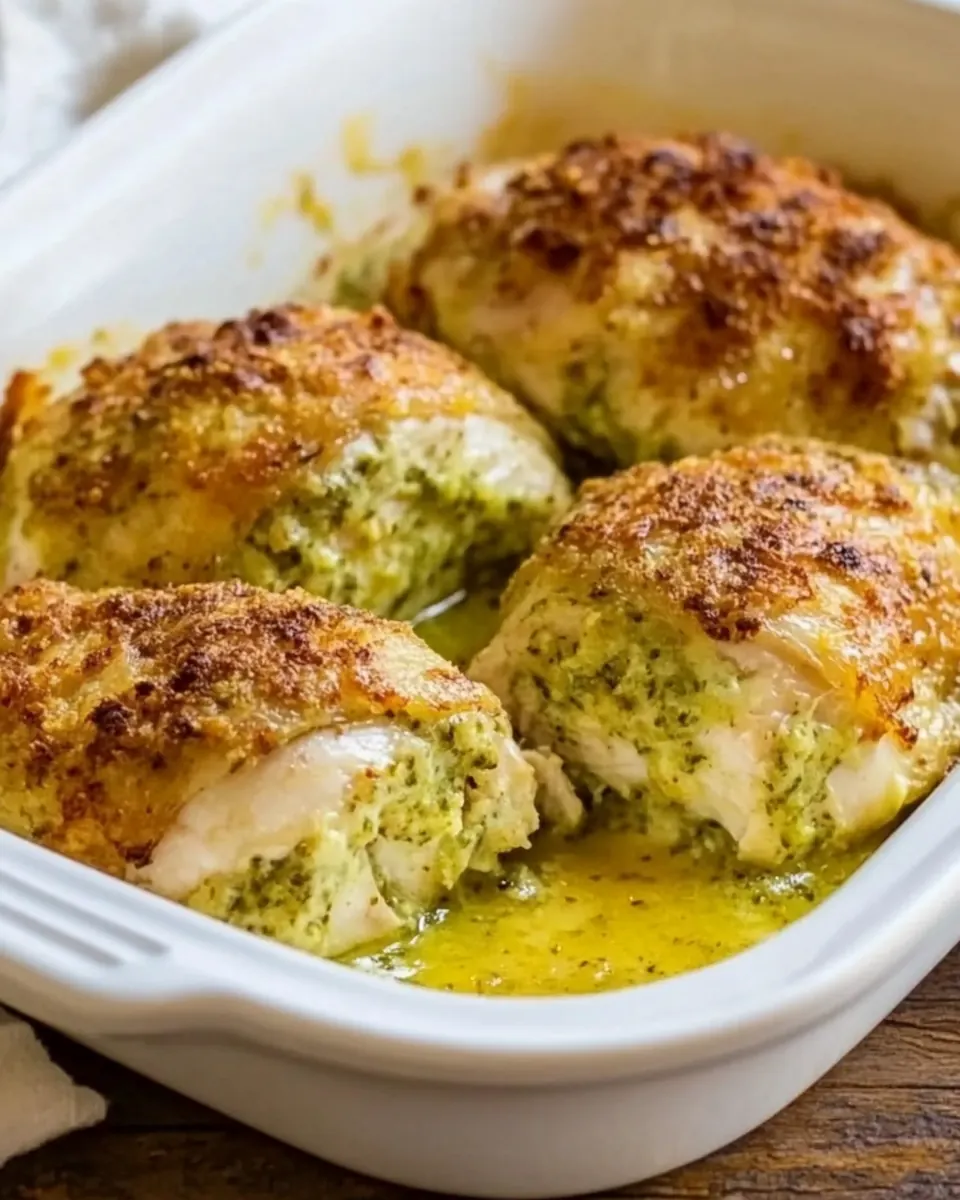
I like to share practical tweaks that boost flavor and ease. These tips expand on the recipe foundations and help you avoid common pitfalls in assembly and baking. Read them, then pick the ones that fit your rhythm.
- Prep ahead Prepare the pesto cheese mixture up to a day in advance and keep it chilled, this shortens your evening assembly dramatically and keeps flavors melded.
- Even pounding Use a consistent, gentle pounding motion with a mallet or heavy skillet to avoid tearing the chicken, aim for uniform thinness rather than absolute paper thinness.
- Coating adhesion Pat the Parmesan almond mixture on firmly, and if needed, re-dip in the egg for areas that look patchy to ensure an even golden crust.
- Watch for liquid If you notice pooling as the chicken bakes, carefully spoon it out once or twice, this keeps the crust crisp and prevents stewing.
- Serve promptly Slice and serve while warm, the cheese and pesto shine best hot, and the texture is at its peak directly from the oven.
Serving Options for Baked Chicken Stuffed with Pesto and Cheese
This dish suits casual dinners and small gatherings alike. Its elegant presentation makes it suitable for a family dinner, a cozy date night, or festive occasions where you want comfort with a bit of polish. Serve it with simple sides to let the stuffed chicken be the star.
- Light salad Pair with a crisp green salad tossed in lemon vinaigrette to cut through the richness and add bright contrast.
- Roasted vegetables Serve alongside roasted seasonal vegetables for an easy, colorful plate that complements the herbaceous filling.
- Grains A bed of plain couscous or herbed rice provides a neutral base that soaks up any juices without overpowering the flavors.
- Occasions Works well for weeknight family dinners, weekend entertaining, and celebratory meals where you want something polished yet homey.
- Storage Store leftovers in an airtight container in the refrigerator for up to three days, reheat gently in a low oven to preserve the texture.
- Seasonal pairing The basil pesto makes this feel summery, but the dish is sturdy enough for cooler months when you crave comforting, baked mains.
FAQ
Conclusion
This recipe shines because it layers fresh basil pesto, melty cheeses, and tender chicken into a satisfying, elegant main that is simple to execute. Try it when you want a comforting weeknight meal that feels a little elevated, or bring it to a dinner where you want a warm, satisfying centerpiece. With modest prep and clear sensory signals to guide you, it delivers reliably delicious results that make both regular meals and small celebrations feel special.
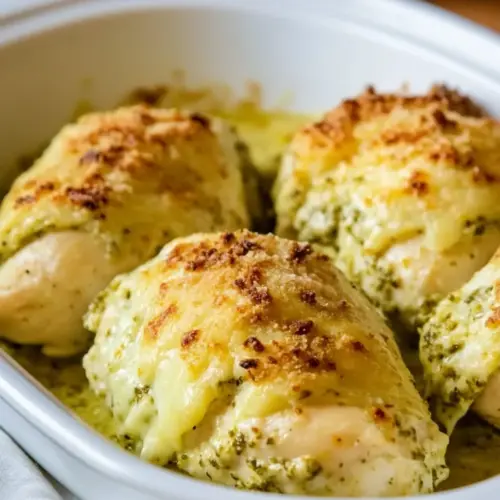
Baked Chicken Stuffed with Pesto and Cheese
Equipment
- Oven
- Casserole Dish
- Meat Mallet
- Mixing Bowls
- Toothpicks
Ingredients
- 4 large boneless, skinless chicken breasts Provide four thick, lean protein portions for stuffing and baking; using boneless, skinless breasts speeds cooking and simplifies slicing. Ensure even thickness by pounding gently to create pockets, which helps hold the filling and promotes uniform doneness.
- 4 T Basil Pesto (see notes) Add four tablespoons of basil pesto to impart herbaceous, garlicky flavor and olive oil richness that penetrates the filling. Use it to coat the interior pocket so the fats and aromatics keep the chicken moist during roasting.
- 4 T sour cream Contribute four tablespoons of sour cream to lend creaminess and a mild tang that balances the pesto and cheeses. Fold into the filling to improve texture and help bind the ingredients while adding moisture to prevent dryness.
- 4 T finely grated Mozzarella Provide four tablespoons of finely grated mozzarella to create a melty, stretchy component that binds and enriches the stuffed center. Sprinkle inside the pocket so the cheese melts and forms a cohesive, luscious filling.
- 2 eggs, beaten well Bind and coat the fillings with two beaten eggs to help the almond flour and cheeses adhere and form a light crust. Use the eggs as a wash to secure the breadcrumb substitute and produce a golden exterior when baked.
- 4 T finely grated Parmesan cheese Add four tablespoons of finely grated Parmesan to introduce salty, nutty, umami depth that enhances overall flavor complexity. Mix into the filling or coating to lend savory sharpness and help with browning during baking.
- 4 T almond flour Provide four tablespoons of almond flour as a gluten-free coating and textural element that crisps when baked. Combine with the beaten eggs to form a delicate crust that adds a subtle nutty flavor and helps seal the filling.
- fresh-ground black pepper to taste Season to taste with freshly ground black pepper to add pungent, warm heat and aromatic lift that complements the herbs and cheeses. Grind over the assembled breasts before baking to ensure bright, balanced seasoning throughout.
Instructions
- Preheat oven to 375 F/190 C. Spray a small casserole dish with non-stick spray or oil.: The kitchen will fill with a warm, anticipatory scent as the oven approaches temperature, and setting the right heat ensures the chicken cooks through while the coating browns. A properly preheated oven yields even baking and prevents soggy coating. A common mistake is placing the dish in a cold oven, which lengthens cook time and leads to overcooked filling or underbaked coating.
- Trim any visible fat from chicken breasts, then put them one at a time inside a heavy plastic bag and pound with meat mallet, or something heavy, until the chicken is as thin as you can get it. Don't worry too much about the shape or whether there are some loose pieces, you can tuck them in when you roll up the chicken.: The slight sizzle when the oiled dish meets the hot oven helps the bottom of the rolls develop a light crust. Proper greasing prevents sticking while allowing air to circulate under the rolls for even browning. Using too much oil can pool and steam the underside, so use a thin, even layer.
- In a small bowl mix together the basil pesto, sour cream, and grated mozzarella.: You will hear a rhythmic thud as the mallet flattens the chicken and see the fibers loosen, which helps tenderize and makes rolling simple. Achieving an even thinness guarantees even baking and prevents undercooked centers. A typical slip is pounding too aggressively in one spot, tearing the meat; work from center out and check thickness frequently.
- Prepare two bowls, one with the two beaten eggs and one with a mixture of the finely grated Parmesan and the Almond Flour.: The aroma of basil will lift immediately as you fold the components, and the mozzarella will begin to soften into the creamy mixture. This combination provides the melty ribbon of flavor inside each roll. Overmixing can make the filling too loose, so blend just until combined.
- Use a rubber scraper to spread a thin layer of the pesto mixture over each chicken breast, stopping about 1/2 inch from the edge of the chicken.: The egg bowl should have a glossy sheen while the dry bowl should be powdery and homogenous. This setup creates a reliable assembly line for even coating. Putting too little in either bowl forces double dipping and inconsistent coverage.
- Roll up the chicken breasts lengthwise and secure them with a couple of toothpicks.: As you spread, you will feel the chicken flex and the pesto create a visible green ribbon across the surface, leaving a clean edge so the filling does not ooze. That thin margin makes rolling tidy and keeps the filling inside. If you spread to the edge the mixture will escape during rolling and baking.
- Dip each chicken breast roll first into the egg mixture and then into the Parmesan-almond flour mixture, patting it on so each chicken breast roll is well-coated with the mixture.: Rolling will compress the filling into a neat spiral, and the toothpicks act like gentle clamps keeping the roll intact while baking. The inside should feel snug not loose. If the roll is too tight it can split, and too loose will unroll in the oven; aim for a firm but comfortable tuck.
- Put chicken breasts into the casserole dish, season with fresh ground black pepper, and bake until the chicken is firm and lightly browned.: You will notice the coating change from glossy to textured as the egg acts like glue and the dry mixture adheres. This layered coating crisps and browns in the oven for contrast against the soft filling. A common error is letting the roll sit too long before baking, causing the coating to detach; work briskly from dip to dish.
- Some chicken breasts sold in U. S. stores have added water. If there is some water in the bottom of the baking dish after the chicken has baked for a while, just spoon it out and discard.: As the dish bakes you will hear a gentle bubbling and smell nutty Parmesan as the coating browns. Check for a firm, springy texture and a faint golden color on the crust to know they are done. Overbaking dries the interior, while underbaking leaves the center soft; aim for a firm feel and light color rather than relying only on time.
- Serve hot.: During baking you may see liquid collect, and removing it prevents the rolls from stewing in excess moisture, allowing the coating to stay crisp. Skimming this off improves texture and concentrates flavor in the remaining juices. Leaving the liquid can result in soggy undersides and diluted flavor.
- Serve hot: The final moment is a warm presentation when steam lifts and the filling peeks through slightly, inviting immediate tasting. Cutting into a roll reveals the green pesto ribbon and melted cheese, and the first bite should be warm, moist, and fragrant. Waiting too long cools the cheese and changes texture, so plan to serve promptly for the best experience.
Notes
- Prep ahead Prepare the pesto cheese mixture up to a day in advance and keep it chilled, this shortens your evening assembly dramatically and keeps flavors melded.
- Even pounding Use a consistent, gentle pounding motion with a mallet or heavy skillet to avoid tearing the chicken, aim for uniform thinness rather than absolute paper thinness.
- Coating adhesion Pat the Parmesan almond mixture on firmly, and if needed, re-dip in the egg for areas that look patchy to ensure an even golden crust.
- Watch for liquid If you notice pooling as the chicken bakes, carefully spoon it out once or twice, this keeps the crust crisp and prevents stewing.
- Serve promptly Slice and serve while warm, the cheese and pesto shine best hot, and the texture is at its peak directly from the oven.