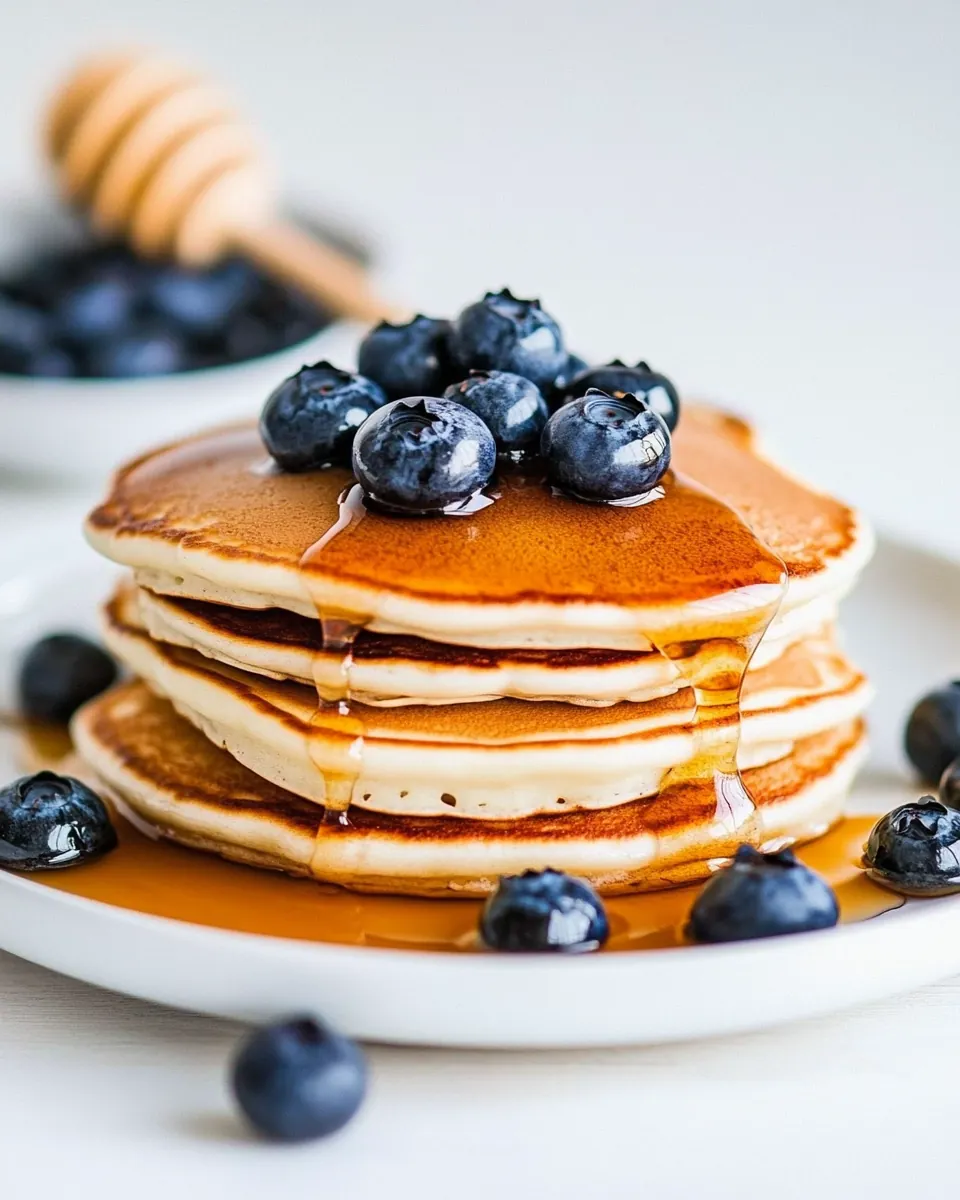
Greek Yogurt Pancakes with Blueberries Honey
Greek Yogurt Pancakes with Blueberries Honey began as a sleepy weekend experiment that turned into my new favorite morning ritual. I remember one Saturday when the sky was soft and gray, and I wanted something comforting yet bright. I had a tub of Greek yogurt and a handful of blueberries that looked like tiny jewels, so I mixed them with a few pantry staples and ended up with pancakes that feel both indulgent and wholesome.
I like how the batter holds together without being heavy, and how the outside cooks to a tender golden surface while the interior stays creamy and tangy. Making Greek Yogurt Pancakes with Blueberries Honey always draws me into small rituals, like warming a skillet until it whispers readiness, and listening for that soft popping of bubbles before flipping. Those tiny moments matter to me, and they turn a simple breakfast into something to savor.
Over time I’ve tuned the balance of sweetness and tang, so the pancakes sing without needing too much syrup. These mornings are the ones I share with friends and family, when everyone lingers at the table and conversation moves slowly. I hope when you try Greek Yogurt Pancakes with Blueberries Honey you find the same cozy rhythm, and that a small stack becomes the thing you reach for on relaxed mornings.
Recipe Snapshot
20 mins
5 mins
15 mins
Easy
300 kcal
Mediterranean
Gluten-Free, Vegan
Breakfast
Mixing bowl, Whisk, Nonstick skillet, Spatula, Measuring cups
Why This Greek Yogurt Pancakes with Blueberries Honey Hits Different
They taste rich without heaviness
I love that these pancakes have a creamy, tangy lift from Greek yogurt, which keeps them light yet satisfying. The texture is soft and almost custardy inside, while the exterior browns gently, giving you contrast on every bite. For me, that balance is the most convincing reason to make them on repeat.
Blueberries add bright, seasonal pops
I always fold in part of the blueberries so they burst and perfume the batter, leaving a few to sprinkle on top for freshness. That burst of sweetness with every forkful makes breakfast feel celebratory, even on ordinary days. I find it hard to resist the little purple fingerprints they leave on the pancake surface.
Flexible and forgiving
These pancakes are a great canvas. I usually use the suggested milk, but I do not worry if I only have a different variety on hand. The batter is forgiving if you whisk a little longer or leave a few lumps. That ease makes them perfect for ambiguous mornings when you want great results without fuss.
Fast to pull together
From scoop to skillet, this recipe moves quickly. I appreciate anything that gives impressive flavor with minimal time investment. Because the list of ingredients is straightforward, you can have breakfast on the table before the coffee finishes brewing.
Healthy feel without austerity
Using Greek yogurt and wholegrain flour options makes these pancakes feel cleaner and more filling, yet they still taste like a treat. I like that I can serve them confidently for weekend brunch, knowing they are balanced and satisfying.
What’s In This Greek Yogurt Pancakes with Blueberries Honey
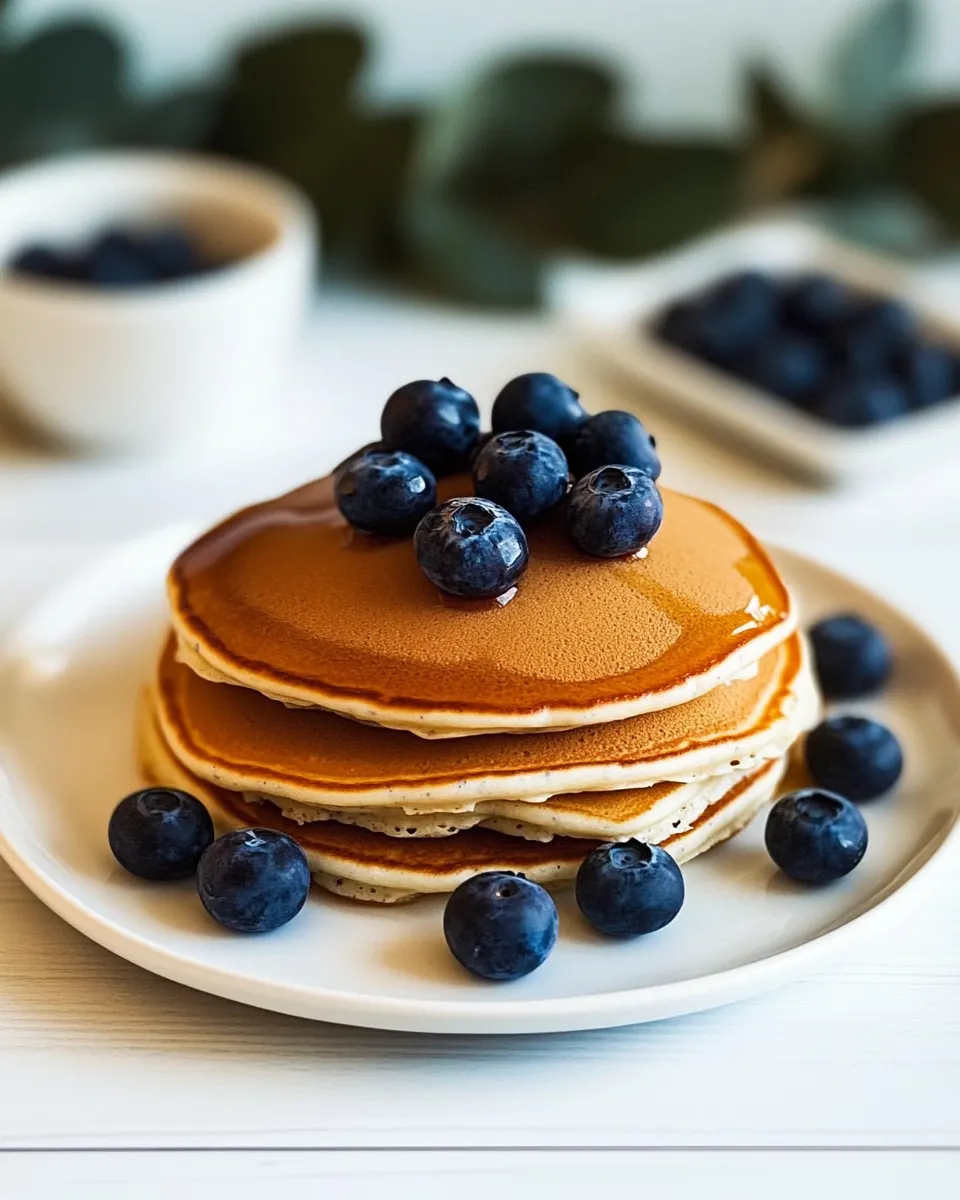
These ingredients are chosen to create a tender, flavorful pancake that browns nicely while staying soft inside. The key players are the flour for structure, Greek yogurt for tang and moisture, eggs for lift and binding, and blueberries for bright pops of sweetness. A touch of fat and sugar helps with browning and flavor, and the milk thins the batter to a pourable consistency.
- 1 1/2 cups flour we used white whole-wheat: Provide structure and bulk to the batter, creating the pancake body; sift or whisk to remove lumps and ensure even texture. Choose white whole–wheat for a nuttier flavor and slightly denser crumb while still allowing good rise. Measure precisely to maintain the flour-to-liquid ratio that affects tenderness and browning.
- 2 teaspoons baking powder: Leaven the pancakes by producing carbon dioxide when heated, which helps them become light and fluffy. Combine evenly with the dry ingredients to ensure consistent lift across the batter. Use fresh baking powder for reliable rising power and avoid clumping.
- 2 tablespoons coconut sugar: Sweeten the batter gently while contributing a subtle caramel note and slight moisture retention to the pancakes. Coconut sugar offers lower sweetness intensity than white sugar and adds a depth of flavor that complements whole–wheat flour. Stir into the dry mix so it dissolves evenly during mixing.
- 1/2 teaspoons ea salt: Season the batter to enhance overall flavor balance and highlight the sweetness and tanginess of other components. Add evenly with the dry ingredients to avoid concentrated salty pockets. A half-teaspoon of salt is enough to bring out flavors without making the pancakes savory.
- 2 tablespoons coconut oil melted: Provide fat for tenderness, moisture, and richer flavor while helping pancakes brown evenly on the griddle; melted coconut oil blends smoothly into the batter. Use melted form to incorporate quickly into wet ingredients and to coat the pan if needed. The mild coconut aroma can subtly influence the finished pancake profile.
- 2 eggs large, lightly whipped: Bind the ingredients, add richness, and contribute to lift and structure through coagulated proteins during cooking; lightly whip large eggs to incorporate a bit of air. Beat just enough to combine yolks and whites without overworking, which keeps pancakes tender. Two eggs help create a cohesive batter and help with golden color.
- 1 cup Greek yogurt plain: Add moisture, creaminess, and a tangy richness that tenderizes the crumb due to its higher protein content; plain Greek yogurt also aids in lift when combined with baking powder. Fold gently to avoid overmixing while ensuring an even distribution for consistent texture. Yogurt contributes a pleasant tart contrast to the sweet elements.
- 3/4 cup coconut milk almond or regular milk (optional): Adjust batter consistency and add richness with creamy, dairy or dairy-alternative liquid; coconut milk can impart subtle tropical notes and extra creaminess. Use to thin the batter to the desired pourable consistency while maintaining tenderness from the fat content. Substitute almond or regular milk as needed for flavor or dietary preferences.
- 1 teaspoon pure vanilla: Enhance the aroma and add rounded sweetness that complements the yogurt and coconut notes; pure vanilla amplifies other flavors without adding moisture. Add with wet ingredients so its flavor disperses evenly through the batter. Measure carefully to avoid overpowering the delicate pancake profile.
- 1 cup blueberries divided: Introduce fresh fruity bursts and mild acidity within the batter and as a topping; divide to fold some into the batter and reserve some for garnish. Fold gently to avoid crushing berries and discoloring the batter, preserving visual appeal and texture. One cup provides a balance between fruitiness and pancake structure.
- 1/4 cup honey or pure maple syrup, for serving: Finish pancakes with natural sweetness and sticky gloss that complements the blueberries; use as a pourable topping or serve alongside for dipping. Honey or pure maple syrup adds flavor complexity and moisture on the plate without altering batter composition. Offer warmed for easier drizzling and enhanced aroma.
How to Assemble Greek Yogurt Pancakes with Blueberries Honey
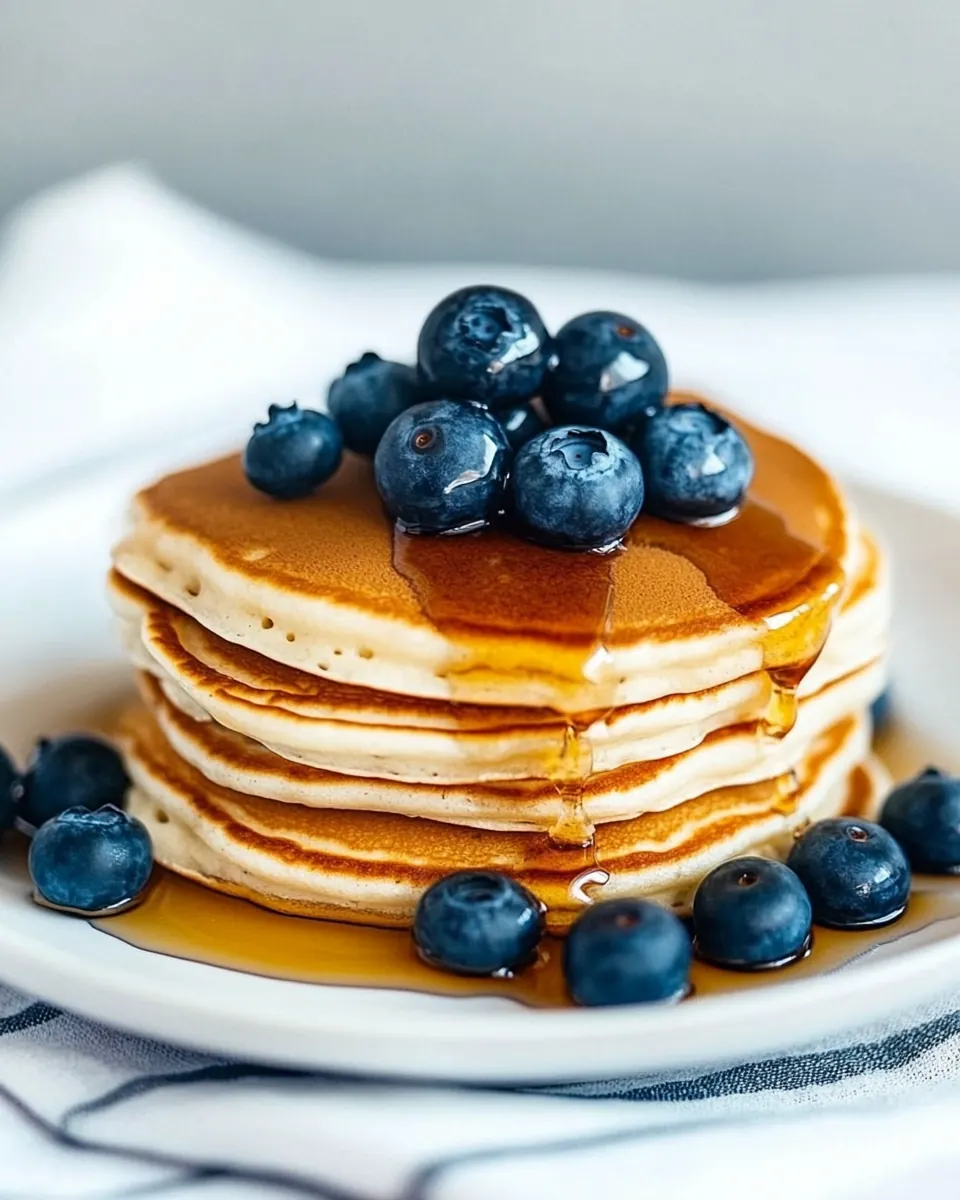
Assembling these pancakes is straightforward, and I like to move deliberately so each stage develops the right texture. Below you will find detailed steps that guide you through mixing, cooking, and finishing, with sensory cues and troubleshooting advice so the results are reliable every time.
- In a small mixing bowl, whisk together flour, baking powder, coconut sugar, and salt.: You will notice the dry mixture smelling faintly sweet and toasty as you whisk the flour with the baking powder and coconut sugar . This step evens out the leavening and sugar so every bite rises and browns uniformly. The texture should be uniform, with no clumps of baking powder . If the mixture looks lumpy, break it up with your whisk; lumps can create uneven rise spots. A common mistake is skipping this dry mix, which can result in pockets of baking powder tasting chalky.
- In a separate bowl, whisk together coconut oil, eggs, Greek yogurt, milk, and vanilla. Gradually add the flour mixture into the yogurt mix. Gently stir until just combined, a few lumps will be remaining. Fold in 1/2 cup blueberries.: As you whisk, the coconut oil will add a glossy sheen while the eggs and Greek yogurt combine into a creamy, slightly thick liquid. The aroma of vanilla will float up, indicating balance in the batter. This wet mixture should feel silky and cohesive rather than curdled. If the oil is too hot and the eggs cook, allow the mixture to cool slightly before proceeding. A frequent misstep is adding cold oil that solidifies, so ensure it is warm, not piping hot.
- Lightly spray griddle or nonstick skillet with nonstick spray and turn to medium heat. Once hot, pour approximately 1/4 cup batter onto skillet or griddle. When edges of pancakes begin to look dry and bubbles in the center, flip over. Cook until the second side is golden, about 1-2 minutes. Repeat with the remaining batter.: As you add the dry mix in batches, the batter will shift from loose to a thicker, ribboning consistency. This gradual method prevents lumps and overmixing, which keeps the pancakes tender. You should stop stirring when a few small lumps remain; overworking will develop the gluten in the flour and yield tougher pancakes. Watch for a cohesive batter that is pourable yet holds shape; if it is too thick, a splash more milk will help.
- Serve sprinkled with remaining blueberries and drizzle with honey or maple syrup.: At this stage you will see streaks of flour disappear and the batter will appear homogenous with small, intentional lumps. Those lumps mean the batter has not been overmixed and will translate to a tender interior. A correct batter should fall slowly from a spoon; if it is gluey, you likely overmixed. To fix a dense batter, let it rest for a few minutes so the flour hydrates and relaxes.
- If desired, top with sliced almonds.: When you fold the blueberries in, you will see lovely blue purplish marbling where berries touch the batter. Gently folding preserves the berries so they burst gently while cooking rather than bleeding excessively. If you stir aggressively, the juices will color the batter and make pancakes muddy. A tip is to reserve some blueberries for topping so you still get fresh, unbroken fruit on the plate.
- Lightly spray griddle or nonstick skillet with nonstick spray and turn to medium heat.: Heat is key here; when the pan is at medium, it will produce a steady sizzle and even browning. The skillet should be hot enough that a drop of batter bubbles slowly and spreads, but not so hot that the exterior chars before the center cooks. If the pan smokes, lower the heat and wipe it out. A common oversight is cooking at too high a temperature, which yields raw centers and overly browned exteriors.
- Once hot, pour approximately 1/4 cup batter onto skillet or griddle.: The batter will spread slightly and begin to set at the edges, making a soft rim that signals it is cooking through. You should hear a gentle, steady hiss, and the surface will change from glossy to matte as it sets. Pouring uniform amounts helps ensure even cooking across the batch. If pancakes vary greatly in size, they will finish at different times and require juggling on the skillet.
- When edges of pancakes begin to look dry and bubbles in the center, flip over.: Look for bubbles forming and popping on the surface and for the edges to lose their wet sheen; those are the best visual cues. After flipping, the underside should be a warm golden color, and you will notice the kitchen fills with a toasty sweetness. Avoid flipping too early or too often, as that can prevent good browning. If the interior still seems raw after the flip, reduce the heat and give them more time.
- Cook until the second side is golden, about 1 to 2 minutes.: The second side cooks faster because much of the internal heat has developed; you will notice a nutty aroma and an even golden hue. This brief finish seals the pancake and caramelizes its surface. If the center feels squishy when touched, it needs a bit more time. The mistake to avoid is walking away from the pan, which can lead to overcooked outsides.
- Repeat with the remaining batter.: As you cook consecutive batches, the pan temperature may shift slightly; adjust the heat to keep an even golden color. Resting finished pancakes on a warm plate or low oven keeps them tender while you finish the stack. Stacking immediately traps steam and softens the surface, which is desirable for these pancakes, but if you need crisp edges, space them on a rack instead.
- Serve sprinkled with remaining blueberries and drizzle with honey or maple syrup.: The final touch of fresh blueberries and a glossy stream of honey or maple syrup elevates the plate visually and tastewise. The warmth of the pancakes slightly warms the syrup, making it flow and cling. If the syrup pools too quickly, tilt the plate to control coverage. Avoid drowning the pancakes; a delicate drizzle lets the flavors remain balanced.
- If desired, top with sliced almonds.: Adding sliced almonds gives a crunchy contrast to the tender pancakes and a toasty note that complements the fruit and yogurt. Scatter them just before serving so they remain crisp. If you leave them on the hot pancakes too long, they will soften from steam. A common misstep is overloading the stack with toppings, which can mask the pancakes themselves.
Pro Tips and Tweaks
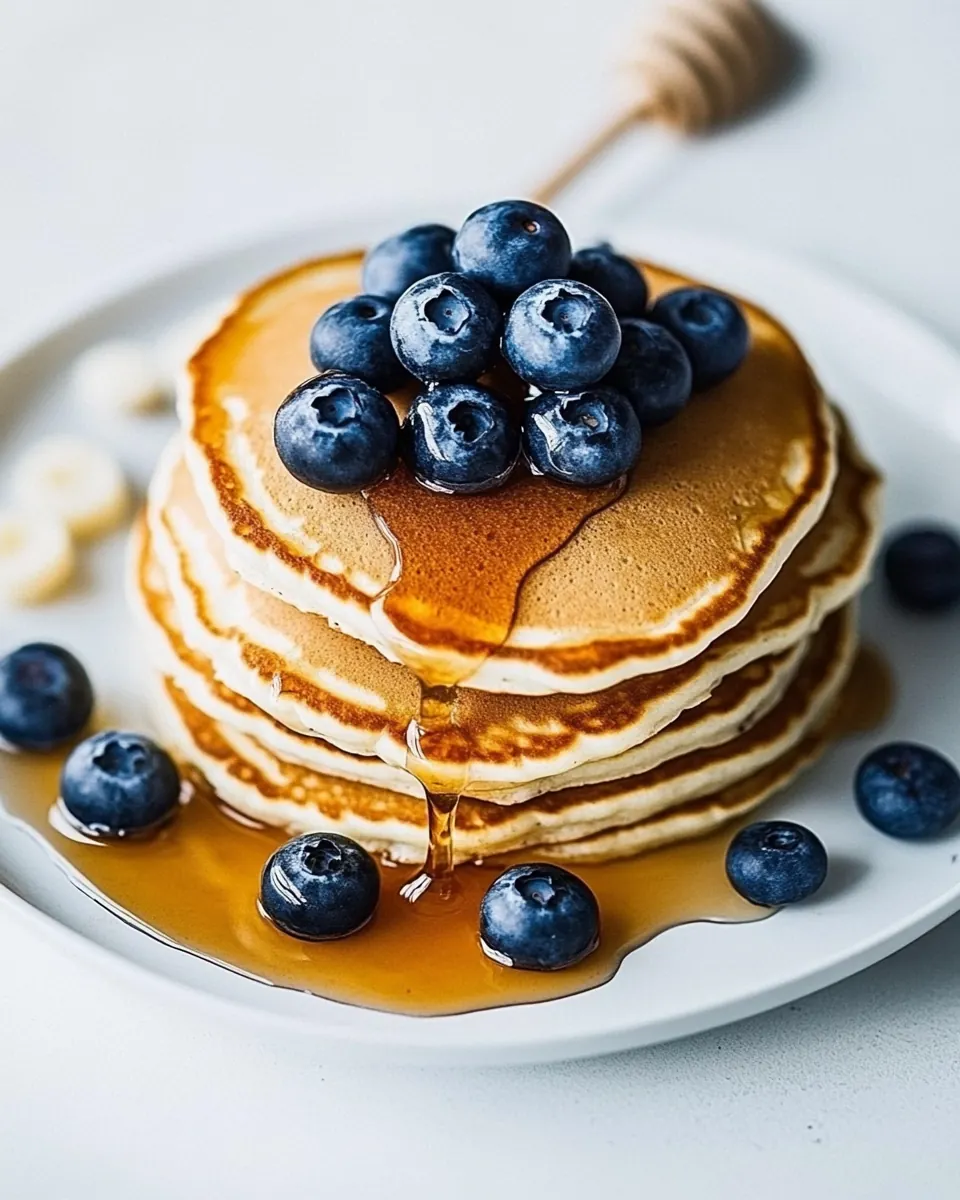
These pro tips will help you refine texture and flavor, and prevent common mistakes. Below are practical tweaks I use to get consistently tender pancakes that brown beautifully and showcase the blueberries and Greek yogurt.
- Use room temperature ingredients to help the batter come together smoothly and to encourage even cooking.
- Do not overmix because a few lumps keep the pancakes tender; overworking develops gluten and makes them chewy.
- Adjust skillet heat as you go, since pan temperature can drop with each pour, causing inconsistent browning.
- Swap milk types if needed, using the listed options; different milks change richness slightly but the recipe still works.
- Warm the syrup briefly so it pours easily and glosses the pancakes without pooling too fast.
- Keep pancakes warm in a low oven if serving a crowd to maintain texture and temperature.
Serving Ideas for Greek Yogurt Pancakes with Blueberries Honey
These pancakes are versatile enough for casual breakfasts, weekend brunches, or special mornings. Below are detailed serving suggestions, pairings, and storage ideas to help you plan how and when to present them.
- Simple morning stack, serve a small tower with a drizzle of honey and a scattering of reserved blueberries, for a quietly elegant start to the day.
- Brunch spread, pair the pancakes with fresh fruit, a pot of coffee, and small plates of savory items if you like a varied table; the pancakes hold up well in a buffet format.
- Light dessert, finish a casual dinner by offering a petite stack with warmed maple syrup and a few toasted nuts for crunch.
- Seasonal variation, in warmer months emphasize fresh blueberries, while in cooler months offer warm syrup and toasted nuts for comfort.
- Storage, cool completely, layer with parchment, and refrigerate for up to two days or freeze for up to one month; rewarm gently in a toaster oven to revive texture.
- Occasions, these pancakes are great for weekend mornings, casual brunches, or holiday breakfasts where you want something homey and impressive.
FAQ
Conclusion
These pancakes shine because they balance creamy Greek yogurt with bright blueberries and a finishing touch of honey. Try them when you want a breakfast that feels both homey and a little elevated, and I think you will find they become a go to. Make a small stack, take your time, and enjoy how simple ingredients can deliver a memorable morning.
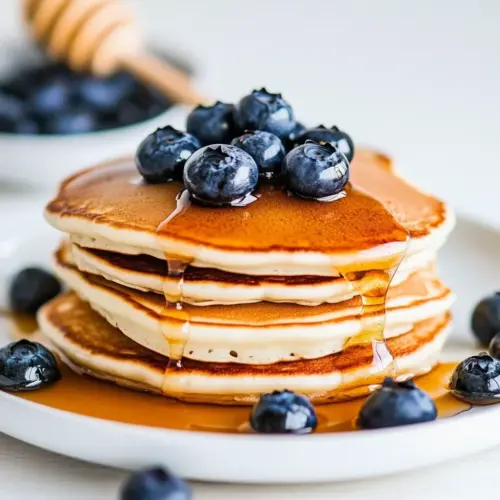
Greek Yogurt Pancakes with Blueberries Honey
Equipment
- Mixing Bowl
- Whisk
- nonstick skillet
- Spatula
- Measuring Cups
Ingredients
- 1 1/2 cups flour we used white whole-wheat Provide structure and bulk to the batter, creating the pancake body; sift or whisk to remove lumps and ensure even texture. Choose white whole-wheat for a nuttier flavor and slightly denser crumb while still allowing good rise. Measure precisely to maintain the flour-to-liquid ratio that affects tenderness and browning.
- 2 teaspoons baking powder Leaven the pancakes by producing carbon dioxide when heated, which helps them become light and fluffy. Combine evenly with the dry ingredients to ensure consistent lift across the batter. Use fresh baking powder for reliable rising power and avoid clumping.
- 2 tablespoons coconut sugar Sweeten the batter gently while contributing a subtle caramel note and slight moisture retention to the pancakes. Coconut sugar offers lower sweetness intensity than white sugar and adds a depth of flavor that complements whole-wheat flour. Stir into the dry mix so it dissolves evenly during mixing.
- 1/2 teaspoons ea salt Season the batter to enhance overall flavor balance and highlight the sweetness and tanginess of other components. Add evenly with the dry ingredients to avoid concentrated salty pockets. A half-teaspoon of salt is enough to bring out flavors without making the pancakes savory.
- 2 tablespoons coconut oil melted Provide fat for tenderness, moisture, and richer flavor while helping pancakes brown evenly on the griddle; melted coconut oil blends smoothly into the batter. Use melted form to incorporate quickly into wet ingredients and to coat the pan if needed. The mild coconut aroma can subtly influence the finished pancake profile.
- 2 eggs large, lightly whipped Bind the ingredients, add richness, and contribute to lift and structure through coagulated proteins during cooking; lightly whip large eggs to incorporate a bit of air. Beat just enough to combine yolks and whites without overworking, which keeps pancakes tender. Two eggs help create a cohesive batter and help with golden color.
- 1 cup Greek yogurt plain Add moisture, creaminess, and a tangy richness that tenderizes the crumb due to its higher protein content; plain Greek yogurt also aids in lift when combined with baking powder. Fold gently to avoid overmixing while ensuring an even distribution for consistent texture. Yogurt contributes a pleasant tart contrast to the sweet elements.
- 3/4 cup coconut milk optional almond or regular milk Adjust batter consistency and add richness with creamy, dairy or dairy-alternative liquid; coconut milk can impart subtle tropical notes and extra creaminess. Use to thin the batter to the desired pourable consistency while maintaining tenderness from the fat content. Substitute almond or regular milk as needed for flavor or dietary preferences.
- 1 teaspoon pure vanilla Enhance the aroma and add rounded sweetness that complements the yogurt and coconut notes; pure vanilla amplifies other flavors without adding moisture. Add with wet ingredients so its flavor disperses evenly through the batter. Measure carefully to avoid overpowering the delicate pancake profile.
- 1 cup blueberries divided Introduce fresh fruity bursts and mild acidity within the batter and as a topping; divide to fold some into the batter and reserve some for garnish. Fold gently to avoid crushing berries and discoloring the batter, preserving visual appeal and texture. One cup provides a balance between fruitiness and pancake structure.
- 1/4 cup honey or pure maple syrup, for serving Finish pancakes with natural sweetness and sticky gloss that complements the blueberries; use as a pourable topping or serve alongside for dipping. Honey or pure maple syrup adds flavor complexity and moisture on the plate without altering batter composition. Offer warmed for easier drizzling and enhanced aroma.
Instructions
- In a small mixing bowl, whisk together flour, baking powder, coconut sugar, and salt.: You will notice the dry mixture smelling faintly sweet and toasty as you whisk the flour with the baking powder and coconut sugar . This step evens out the leavening and sugar so every bite rises and browns uniformly. The texture should be uniform, with no clumps of baking powder . If the mixture looks lumpy, break it up with your whisk; lumps can create uneven rise spots. A common mistake is skipping this dry mix, which can result in pockets of baking powder tasting chalky.
- In a separate bowl, whisk together coconut oil, eggs, Greek yogurt, milk, and vanilla. Gradually add the flour mixture into the yogurt mix. Gently stir until just combined, a few lumps will be remaining. Fold in 1/2 cup blueberries.: As you whisk, the coconut oil will add a glossy sheen while the eggs and Greek yogurt combine into a creamy, slightly thick liquid. The aroma of vanilla will float up, indicating balance in the batter. This wet mixture should feel silky and cohesive rather than curdled. If the oil is too hot and the eggs cook, allow the mixture to cool slightly before proceeding. A frequent misstep is adding cold oil that solidifies, so ensure it is warm, not piping hot.
- Lightly spray griddle or nonstick skillet with nonstick spray and turn to medium heat. Once hot, pour approximately 1/4 cup batter onto skillet or griddle. When edges of pancakes begin to look dry and bubbles in the center, flip over. Cook until the second side is golden, about 1-2 minutes. Repeat with the remaining batter.: As you add the dry mix in batches, the batter will shift from loose to a thicker, ribboning consistency. This gradual method prevents lumps and overmixing, which keeps the pancakes tender. You should stop stirring when a few small lumps remain; overworking will develop the gluten in the flour and yield tougher pancakes. Watch for a cohesive batter that is pourable yet holds shape; if it is too thick, a splash more milk will help.
- Serve sprinkled with remaining blueberries and drizzle with honey or maple syrup.: At this stage you will see streaks of flour disappear and the batter will appear homogenous with small, intentional lumps. Those lumps mean the batter has not been overmixed and will translate to a tender interior. A correct batter should fall slowly from a spoon; if it is gluey, you likely overmixed. To fix a dense batter, let it rest for a few minutes so the flour hydrates and relaxes.
- If desired, top with sliced almonds.: When you fold the blueberries in, you will see lovely blue purplish marbling where berries touch the batter. Gently folding preserves the berries so they burst gently while cooking rather than bleeding excessively. If you stir aggressively, the juices will color the batter and make pancakes muddy. A tip is to reserve some blueberries for topping so you still get fresh, unbroken fruit on the plate.
- Lightly spray griddle or nonstick skillet with nonstick spray and turn to medium heat.: Heat is key here; when the pan is at medium, it will produce a steady sizzle and even browning. The skillet should be hot enough that a drop of batter bubbles slowly and spreads, but not so hot that the exterior chars before the center cooks. If the pan smokes, lower the heat and wipe it out. A common oversight is cooking at too high a temperature, which yields raw centers and overly browned exteriors.
- Once hot, pour approximately 1/4 cup batter onto skillet or griddle.: The batter will spread slightly and begin to set at the edges, making a soft rim that signals it is cooking through. You should hear a gentle, steady hiss, and the surface will change from glossy to matte as it sets. Pouring uniform amounts helps ensure even cooking across the batch. If pancakes vary greatly in size, they will finish at different times and require juggling on the skillet.
- When edges of pancakes begin to look dry and bubbles in the center, flip over.: Look for bubbles forming and popping on the surface and for the edges to lose their wet sheen; those are the best visual cues. After flipping, the underside should be a warm golden color, and you will notice the kitchen fills with a toasty sweetness. Avoid flipping too early or too often, as that can prevent good browning. If the interior still seems raw after the flip, reduce the heat and give them more time.
- Cook until the second side is golden, about 1 to 2 minutes.: The second side cooks faster because much of the internal heat has developed; you will notice a nutty aroma and an even golden hue. This brief finish seals the pancake and caramelizes its surface. If the center feels squishy when touched, it needs a bit more time. The mistake to avoid is walking away from the pan, which can lead to overcooked outsides.
- Repeat with the remaining batter.: As you cook consecutive batches, the pan temperature may shift slightly; adjust the heat to keep an even golden color. Resting finished pancakes on a warm plate or low oven keeps them tender while you finish the stack. Stacking immediately traps steam and softens the surface, which is desirable for these pancakes, but if you need crisp edges, space them on a rack instead.
- Serve sprinkled with remaining blueberries and drizzle with honey or maple syrup.: The final touch of fresh blueberries and a glossy stream of honey or maple syrup elevates the plate visually and tastewise. The warmth of the pancakes slightly warms the syrup, making it flow and cling. If the syrup pools too quickly, tilt the plate to control coverage. Avoid drowning the pancakes; a delicate drizzle lets the flavors remain balanced.
- If desired, top with sliced almonds.: Adding sliced almonds gives a crunchy contrast to the tender pancakes and a toasty note that complements the fruit and yogurt. Scatter them just before serving so they remain crisp. If you leave them on the hot pancakes too long, they will soften from steam. A common misstep is overloading the stack with toppings, which can mask the pancakes themselves.
Notes
- Use room temperature ingredients to help the batter come together smoothly and to encourage even cooking.
- Do not overmix because a few lumps keep the pancakes tender; overworking develops gluten and makes them chewy.
- Adjust skillet heat as you go, since pan temperature can drop with each pour, causing inconsistent browning.
- Swap milk types if needed, using the listed options; different milks change richness slightly but the recipe still works.
- Warm the syrup briefly so it pours easily and glosses the pancakes without pooling too fast.
- Keep pancakes warm in a low oven if serving a crowd to maintain texture and temperature.