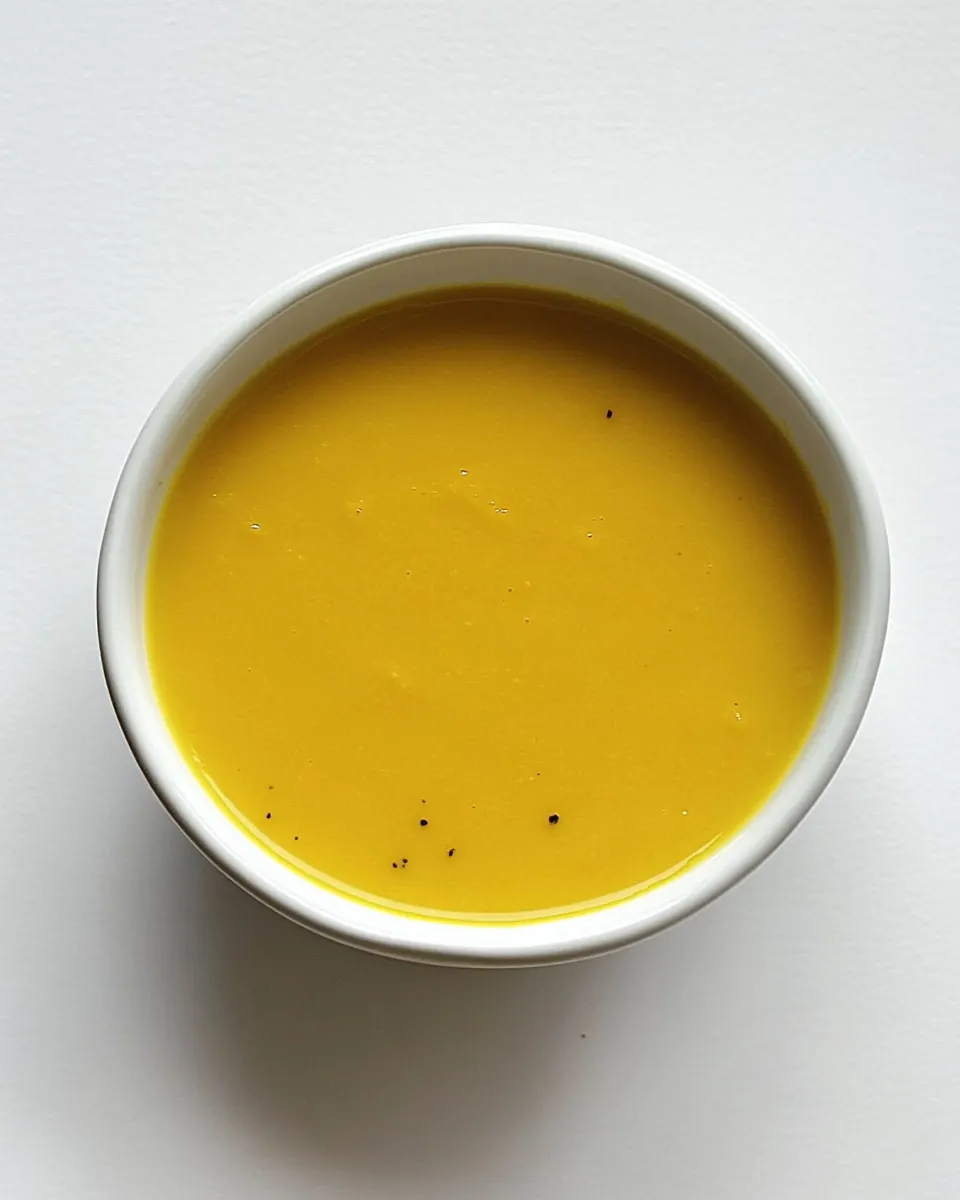
Coconut Curry Butternut Squash Soup
Coconut Curry Butternut Squash Soup is one of those bowls I turn to when I want something comforting that still feels a little adventurous.
The first time I made Coconut Curry Butternut Squash Soup I was coming back from a damp autumn farmers market trip with a very firm, beautifully orange squash under my arm. I wanted to celebrate the season, but I also wanted dinner to be mostly hands off so I could get cozy with a book. I warmed a Dutch oven, let the savory vegetables sweat gently, and by the time the house smelled like toasted curry and sweet squash I was already convinced this would become a regular. The texture after blending was so silky that I remember pausing to savor the steam, which tasted faintly of ginger and coconut.
I’ve adapted the steps to make them forgiving for busy weeknights, and I often double the recipe when friends stop by. The balance of creamy coconut, warming yellow curry powder, and the natural sweetness of roasted butternut squash keeps this soup feeling rich without being heavy. It’s the kind of recipe that ages well in the fridge, so leftovers turn into a quick lunch the next day.
Recipe Snapshot
30 mins
10 mins
20 mins
Easy
250 kcal
American
Keto, Gluten-Free
Soups
Dutch oven or stockpot, Immersion blender or blender
What We Adore About This Coconut Curry Butternut Squash Soup
Comfort That Still Surprises
I love how Coconut Curry Butternut Squash Soup provides that cozy, familiar feeling while offering layers of flavor. The coconut cream brings a luscious mouthfeel, and the curry powder adds depth without overpowering the squash. Every spoonful feels like a gentle hug with a little kick.
Speed Without Sacrificing Flavor
One big reason I come back to this soup is how quickly it comes together. With simple sautéing and a short simmer, you get restaurant level richness in about half an hour. That makes it a go to for easy weeknight dinners when you still want something special.
Minimal, Powerful Ingredients
What excites me is how a handful of thoughtful ingredients do all the work. Butternut squash carries sweetness and body, ginger gives a bright lift, and coconut cream smooths everything into a velvety finish. These items harmonize rather than compete.
Flexible and Friendly
I appreciate that this soup is forgiving. Whether your squash is oven roasted or boiled, you can adapt the texture after blending. It is straightforward to scale up for a small gathering, and it stores beautifully, making it a practical choice for meal prep.
Balanced Nutrition and Comfort
Lastly, this soup strikes a nice nutritional balance. It is satisfying without feeling indulgent, and the ginger and curry bring subtle anti inflammatory notes. I recommend it when you want something that tastes indulgent but feels wholesome.
Coconut Curry Butternut Squash Soup Shopping List
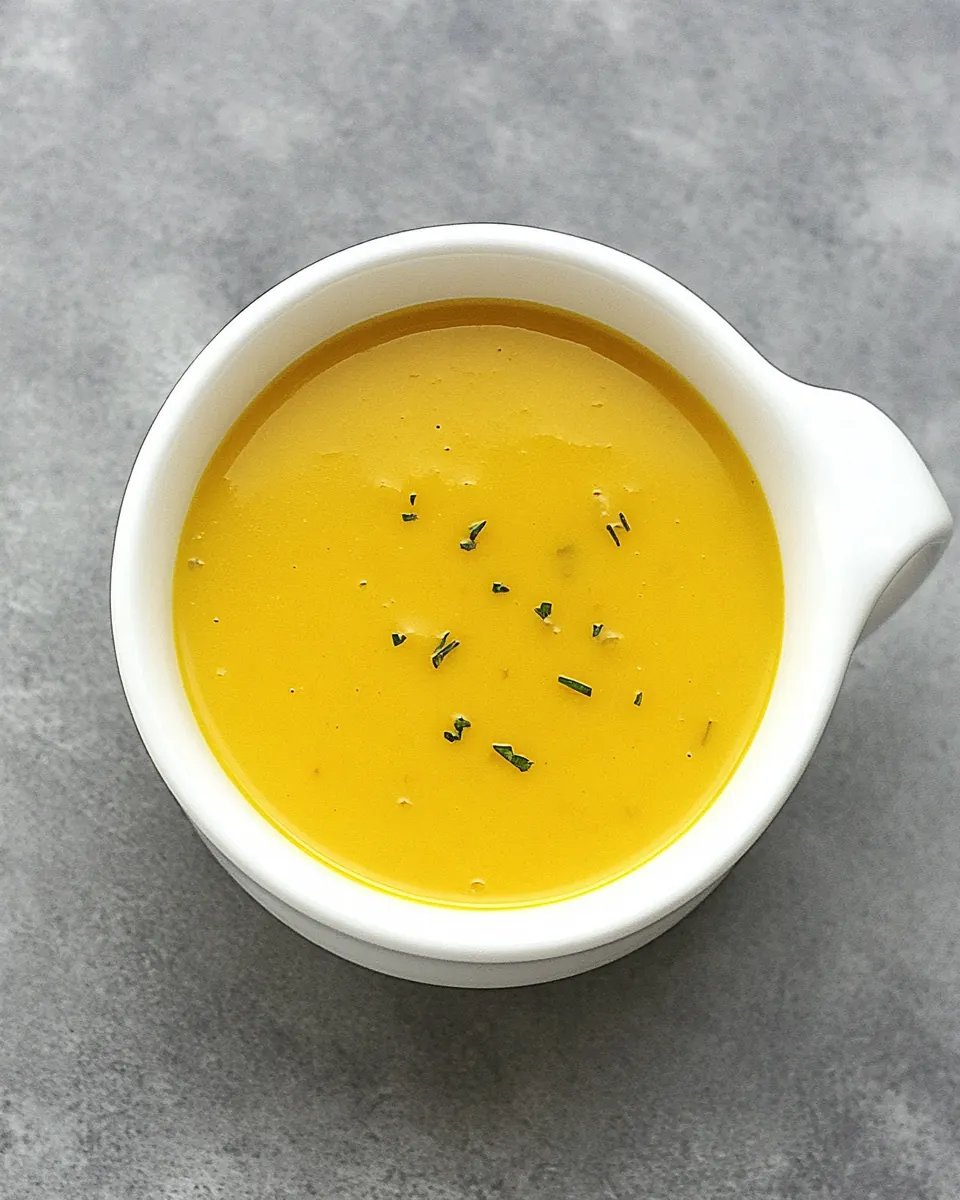
These ingredients are chosen to create a creamy, aromatic soup with bright undertones. I focus on components that carry flavor and texture: the squash provides body and natural sweetness, the aromatics build a savory backbone, and the coconut cream adds silkiness. Together they deliver a bowl that is both nourishing and comforting.
- 2 tablespoons olive oil: Heat olive oil to create a cooking medium that softens aromatics and prevents sticking; it also adds a subtle fruity richness to the soup. Use it at the beginning to sauté vegetables and bloom spices for deeper flavor.
- 2 ribs celery, sliced: Slice celery to contribute a crunchy aromatic base that adds savory, slightly bitter undertones and texture. Sauté with onions to build the classic mirepoix foundation and enhance overall soup complexity.
- 1 onion, diced: Dice onion to provide sweet, savory depth and natural sugars that caramelize when cooked, enriching the soup's flavor. Cook until translucent or lightly browned to release layers of savory aroma.
- 2 cloves garlic, minced: Mince garlic to add pungent, aromatic heat that brightens and complements the curry and ginger; it becomes mellow and savory when sautéed. Add near the end of sweating other aromatics to prevent burning and maintain flavor.
- 1 medium butternut squash, cooked, peeled, seeded, and cut into chunks: Prepare butternut squash by cooking, peeling, seeding, and chunking to supply the soup's creamy, naturally sweet base and hearty body. Puree or mash cooked chunks to achieve a smooth, velvety texture and balance the spices.
- 4 cups vegetable broth: Pour vegetable broth to provide the liquid foundation that thins the purée to soup consistency while contributing savory, umami notes. Adjust volume for desired thickness and use low-sodium broth to control overall saltiness.
- 1 tablespoon yellow curry powder: Add yellow curry powder to introduce warm, earthy, and slightly pungent spice notes that define the soup's flavor profile. Bloom the curry in oil to unlock its aromatics and distribute flavor evenly through the squash base.
- 2 teaspoons grated fresh ginger, or 1/2 teaspoon ginger powder: Grate fresh ginger or use ginger powder to contribute bright, zesty warmth and a peppery bite that complements the curry and cuts through the squash's sweetness. Add early to infuse the broth or adjust to taste for desired spiciness.
- 1 (5.4-ounce) can coconut cream: Stir in coconut cream to lend rich, silky coconut flavor and luxurious creaminess that balances spices and sweetness. Use the cream late in cooking to preserve its velvety texture and meld the flavors harmoniously.
Step by Step Instructions for Coconut Curry Butternut Squash Soup
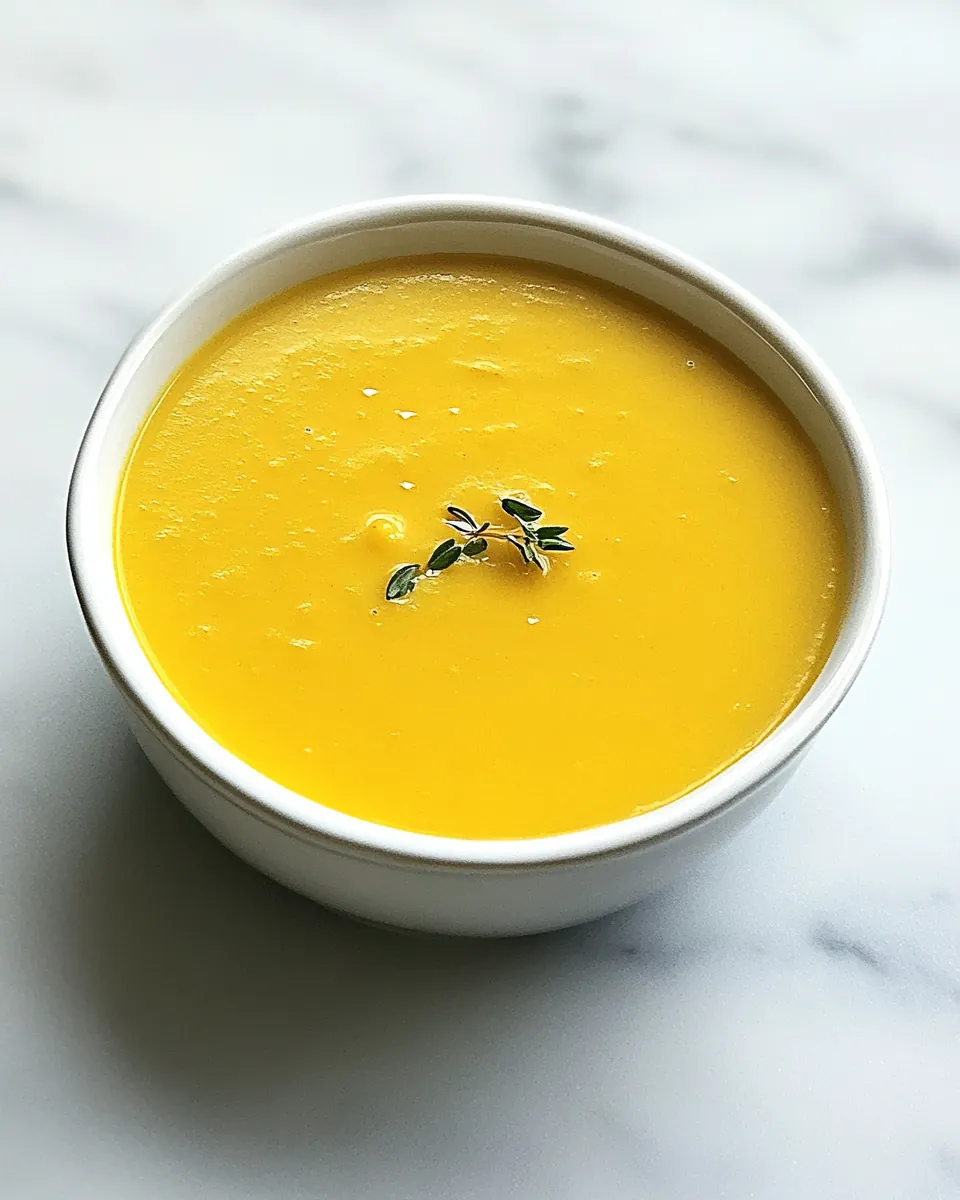
These steps guide you through turning simple ingredients into a harmonious, silky soup. I like to move steadily, paying attention to aromas and texture cues so the final blend is smooth and deeply flavored.
- Drizzle olive oil into Dutch oven or stockpot set over medium heat. Add celery, onion and garlic and cook until the onion is fragrant, about 3 minutes. Add butternut squash, vegetable stock, curry powder, ginger, and coconut cream. Stir to combine and then simmer until heated throughout, about 10 minutes.: The moment the oil warms and becomes slightly glossy you should hear a faint whisper of movement as it shimmers across the pan, which tells you it is ready for the vegetables. The gentle sizzle that follows when you add the celery , onion , and garlic releases fragrant steam that smells of sweetness and savory warmth. This slow sweat is important because it softens the onion without browning, developing a mellow base that lets the curry sing later. A common mistake is turning the heat too high, which leads to rapid browning and bitter notes, so keep the flame steady and patient.
- Blend soup until smooth using an immersion blender, blender, or food processor.: As the vegetables soften you will notice the texture change from crisp to tender, and the pan will start to fill with a sweet onion perfume. The sound transitions from a sharp sizzle to a softer whisper, indicating moisture has released. Cooking until the onion is fragrant ensures the natural sugars have begun to caramelize, giving the soup depth. If you skip this step or rush it, the final soup may taste raw or one dimensional, so allow the aromatics their moment.
- Remove from heat and serve.: Once you add the butternut squash and vegetable broth , the pot will take on a richer aroma as the curry powder and ginger bloom into the liquid. The broth should look glossy and begin to steam steadily, and you may see small bubbles rise at the edges as everything warms. Stirring helps distribute the spices so they infuse evenly; this melding step is crucial because it allows the squash to absorb the curry flavors. A frequent error is adding the cream too early and simmering off its delicate texture, so introduce it now to heat gently without breaking it down.
- Stir to combine and then simmer until heated throughout, about 10 minutes: During the simmer the soup will deepen in color and the fragrance will shift from sharp spices to a cohesive, rounded bouquet. You should see a gentle, steady steam and occasional small bubbles across the surface, which shows the flavors are marrying. Simmering for the suggested time softens the squash fully and lets the curry and ginger integrate. Avoid a rolling boil, which can separate the coconut and create a grainy texture; maintain a calm, even simmer for best results.
- Blend soup until smooth using an immersion blender, blender, or food processor: As you blend, the soup transforms from chunky to luxuriously smooth, with a pale, creamy orange color. The sound will go from a gentle whirl to a quieter hum as the pieces break down, and the aroma becomes enveloping. Blending is essential for that velvety mouthfeel; if chunks remain, the texture will be uneven. Be careful when blending very hot liquids, vent slowly to release steam, and avoid overfilling the blender to prevent a sudden burst. A common slip here is blending too forcefully without venting, which can be dangerous and messy.
- Remove from heat and serve: After blending, allowing the soup to rest off the heat for a minute helps the flavors settle and makes it perfect for ladling into bowls. The surface will look glossy and the steam rising will carry the final perfume of coconut and ginger . Serve warm, and take a moment to taste and adjust any seasoning. One pitfall to avoid is serving it too hot, which can mute subtle flavors and be uncomfortable to eat immediately, so let it cool slightly for the best experience.
Tips for Success

This soup benefits from small attentions that elevate texture and flavor. Below are practical tips I use to make the process smoother and the result more consistent.
- Choose evenly sized squash pieces to ensure uniform cooking and a silky blend.
- Warm the oil first so the aromatics release their flavors immediately when added.
- Use fresh grated ginger for brightness; powdered ginger is a valid shortcut if needed.
- Control the simmer to avoid separating the coconut cream and maintain a smooth texture.
- Blend in batches if using a blender to prevent splatter and ensure safety when pureeing hot liquid.
- Taste before serving and adjust seasoning gently, since the coconut and squash naturally add richness.
Serving Ideas for Coconut Curry Butternut Squash Soup
This soup is versatile and works for cozy weeknights, festive fall gatherings, or as a starter for a special dinner. Here are ways I like to serve it that highlight its warmth and texture.
- Serve with crusty bread for dipping, which adds a satisfying chew against the smooth soup.
- Garnish with fresh herbs such as chopped cilantro to introduce a bright contrast and color.
- Pair with a light salad for lunch or a simple dinner when you want balance between warm and crisp textures.
- Offer as a starter for holiday meals like fall dinners, where it sets a comforting tone without overshadowing mains.
- Store leftovers in airtight containers and refrigerate for up to four days, reheating gently to preserve creaminess.
- Freeze in portions for quick meals later; thaw overnight in the fridge and rewarm slowly on the stove.
- Serve in warmed bowls to keep the soup at an ideal temperature longer and enhance the dining experience.
FAQ
Conclusion
This recipe shines because it balances creamy texture, warming spice, and natural squash sweetness into a comforting bowl. Try making it when you want a quick but impressive meal that feels both nourishing and a little elevated. I hope you enjoy the way the coconut and curry lift the roasted squash into something extra special, and that it becomes a reliable favorite for cool evenings and simple entertaining.

Coconut Curry Butternut Squash Soup
Equipment
- Dutch oven or stockpot
- Immersion blender or blender
Ingredients
- 2 tablespoons olive oil Heat olive oil to create a cooking medium that softens aromatics and prevents sticking; it also adds a subtle fruity richness to the soup. Use it at the beginning to sauté vegetables and bloom spices for deeper flavor.
- 2 ribs celery, sliced Slice celery to contribute a crunchy aromatic base that adds savory, slightly bitter undertones and texture. Sauté with onions to build the classic mirepoix foundation and enhance overall soup complexity.
- 1 onion, diced Dice onion to provide sweet, savory depth and natural sugars that caramelize when cooked, enriching the soup's flavor. Cook until translucent or lightly browned to release layers of savory aroma.
- 2 cloves garlic, minced Mince garlic to add pungent, aromatic heat that brightens and complements the curry and ginger; it becomes mellow and savory when sautéed. Add near the end of sweating other aromatics to prevent burning and maintain flavor.
- 1 medium butternut squash, cooked, peeled, seeded, and cut into chunks Prepare butternut squash by cooking, peeling, seeding, and chunking to supply the soup's creamy, naturally sweet base and hearty body. Puree or mash cooked chunks to achieve a smooth, velvety texture and balance the spices.
- 4 cups vegetable broth Pour vegetable broth to provide the liquid foundation that thins the purée to soup consistency while contributing savory, umami notes. Adjust volume for desired thickness and use low-sodium broth to control overall saltiness.
- 1 tablespoon yellow curry powder Add yellow curry powder to introduce warm, earthy, and slightly pungent spice notes that define the soup's flavor profile. Bloom the curry in oil to unlock its aromatics and distribute flavor evenly through the squash base.
- 2 teaspoons grated fresh ginger, or 1/2 teaspoon ginger powder Grate fresh ginger or use ginger powder to contribute bright, zesty warmth and a peppery bite that complements the curry and cuts through the squash's sweetness. Add early to infuse the broth or adjust to taste for desired spiciness.
- 1 (5.4-ounce) can coconut cream Stir in coconut cream to lend rich, silky coconut flavor and luxurious creaminess that balances spices and sweetness. Use the cream late in cooking to preserve its velvety texture and meld the flavors harmoniously.
Instructions
- Drizzle olive oil into Dutch oven or stockpot set over medium heat. Add celery, onion and garlic and cook until the onion is fragrant, about 3 minutes. Add butternut squash, vegetable stock, curry powder, ginger, and coconut cream. Stir to combine and then simmer until heated throughout, about 10 minutes.: The moment the oil warms and becomes slightly glossy you should hear a faint whisper of movement as it shimmers across the pan, which tells you it is ready for the vegetables. The gentle sizzle that follows when you add the celery , onion , and garlic releases fragrant steam that smells of sweetness and savory warmth. This slow sweat is important because it softens the onion without browning, developing a mellow base that lets the curry sing later. A common mistake is turning the heat too high, which leads to rapid browning and bitter notes, so keep the flame steady and patient.
- Blend soup until smooth using an immersion blender, blender, or food processor.: As the vegetables soften you will notice the texture change from crisp to tender, and the pan will start to fill with a sweet onion perfume. The sound transitions from a sharp sizzle to a softer whisper, indicating moisture has released. Cooking until the onion is fragrant ensures the natural sugars have begun to caramelize, giving the soup depth. If you skip this step or rush it, the final soup may taste raw or one dimensional, so allow the aromatics their moment.
- Remove from heat and serve.: Once you add the butternut squash and vegetable broth , the pot will take on a richer aroma as the curry powder and ginger bloom into the liquid. The broth should look glossy and begin to steam steadily, and you may see small bubbles rise at the edges as everything warms. Stirring helps distribute the spices so they infuse evenly; this melding step is crucial because it allows the squash to absorb the curry flavors. A frequent error is adding the cream too early and simmering off its delicate texture, so introduce it now to heat gently without breaking it down.
- Stir to combine and then simmer until heated throughout, about 10 minutes: During the simmer the soup will deepen in color and the fragrance will shift from sharp spices to a cohesive, rounded bouquet. You should see a gentle, steady steam and occasional small bubbles across the surface, which shows the flavors are marrying. Simmering for the suggested time softens the squash fully and lets the curry and ginger integrate. Avoid a rolling boil, which can separate the coconut and create a grainy texture; maintain a calm, even simmer for best results.
- Blend soup until smooth using an immersion blender, blender, or food processor: As you blend, the soup transforms from chunky to luxuriously smooth, with a pale, creamy orange color. The sound will go from a gentle whirl to a quieter hum as the pieces break down, and the aroma becomes enveloping. Blending is essential for that velvety mouthfeel; if chunks remain, the texture will be uneven. Be careful when blending very hot liquids, vent slowly to release steam, and avoid overfilling the blender to prevent a sudden burst. A common slip here is blending too forcefully without venting, which can be dangerous and messy.
- Remove from heat and serve: After blending, allowing the soup to rest off the heat for a minute helps the flavors settle and makes it perfect for ladling into bowls. The surface will look glossy and the steam rising will carry the final perfume of coconut and ginger . Serve warm, and take a moment to taste and adjust any seasoning. One pitfall to avoid is serving it too hot, which can mute subtle flavors and be uncomfortable to eat immediately, so let it cool slightly for the best experience.
Notes
- Choose evenly sized squash pieces to ensure uniform cooking and a silky blend.
- Warm the oil first so the aromatics release their flavors immediately when added.
- Use fresh grated ginger for brightness; powdered ginger is a valid shortcut if needed.
- Control the simmer to avoid separating the coconut cream and maintain a smooth texture.
- Blend in batches if using a blender to prevent splatter and ensure safety when pureeing hot liquid.
- Taste before serving and adjust seasoning gently, since the coconut and squash naturally add richness.