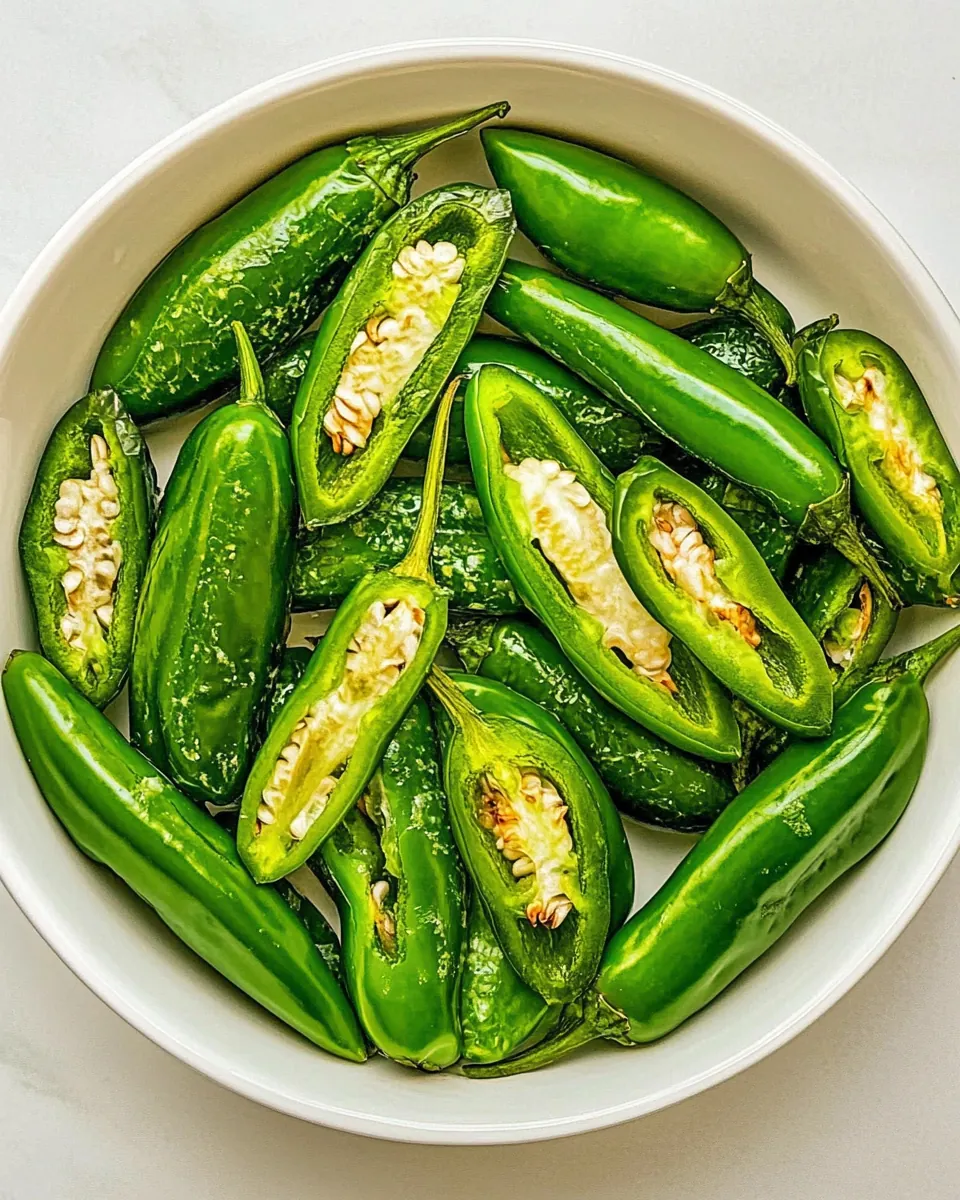
Roast Jalapenos
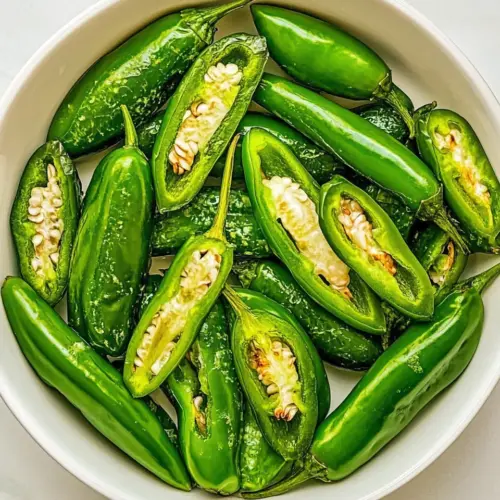
Roast Jalapenos are one of those small wins I turn to when I want big flavor with almost no fuss.
I remember the first time I roasted Jalapeños peppers in a tiny apartment oven, the whole place filled with an earthy, slightly sweet heat that made everything feel cozier. I was making a simple topping for tacos and wanted something with smoky depth, so I turned on the oven, tossed a few Jalapeños peppers on a sheet, and waited as the skins blistered and darkened. While they roasted, I chatted with a friend on the phone, listening for that satisfying sizzle and peeks of aroma that told me I was onto something special.
Since then, roasting Jalapeños peppers has become my fast route to transforming fresh peppers into a smoky, mellowed ingredient that plays well in so many dishes. I tend to make a double batch and keep some in a jar in the fridge, because I love how they lift simple bowls, sandwiches, and dips. This method is forgiving, and it highlights the pepper’s natural flavor without drowning it in oil or spices. When I teach friends, I always stress two things: patience while they sweat after roasting, and gentle peeling so you keep that smoky flesh intact. Those tiny choices change the texture and flavor in delightful ways.
Recipe Snapshot
40 mins
10 mins
30 mins
Medium
50 kcal
Mexican
Keto, Vegan
Appetizers
Oven, Baking sheet, Bowl, Plastic wrap, Knife, Spoon
Why We Love This Roast Jalapenos
Smoky depth with minimal effort
I love how Roast Jalapenos deliver a smoky, almost roasted sweetness using nothing more than heat and time. Roasting softens the pepper’s bite, turning sharp capsicum notes into a rounded, complex flavor. I often reach for this technique when I want to add dimension without many ingredients.
Versatile building block
We can use roasted Jalapeños peppers in many places, from sandwiches to sauces. They bring acidity and warmth, and the texture after peeling is silky, which makes them ideal as a topping or blended into a spread. I keep a jar of roasted peppers so I can brighten a weeknight meal in seconds.
Simple, pantry friendly
I appreciate recipes that do a lot with very little. This one needs only Jalapeños peppers and a little Oil or cooking spray. You do not need fancy gear, and that makes it accessible whenever you want to add a smoky note to a dish.
Textural payoff
When roasted correctly, the skins blister and the flesh slackens, making peeling easy and leaving a tender interior. That contrast between a slightly charred exterior and soft inside is what keeps me coming back to roast these peppers for toppings and salsas.
Control over heat
Roasting lets you moderate the heat naturally. I often remove seeds to tame the spice, and the sweating step cools and concentrates flavor. It is a small trick that yields a balanced final result, letting you tailor the kick to your taste.
What’s In This Roast Jalapenos
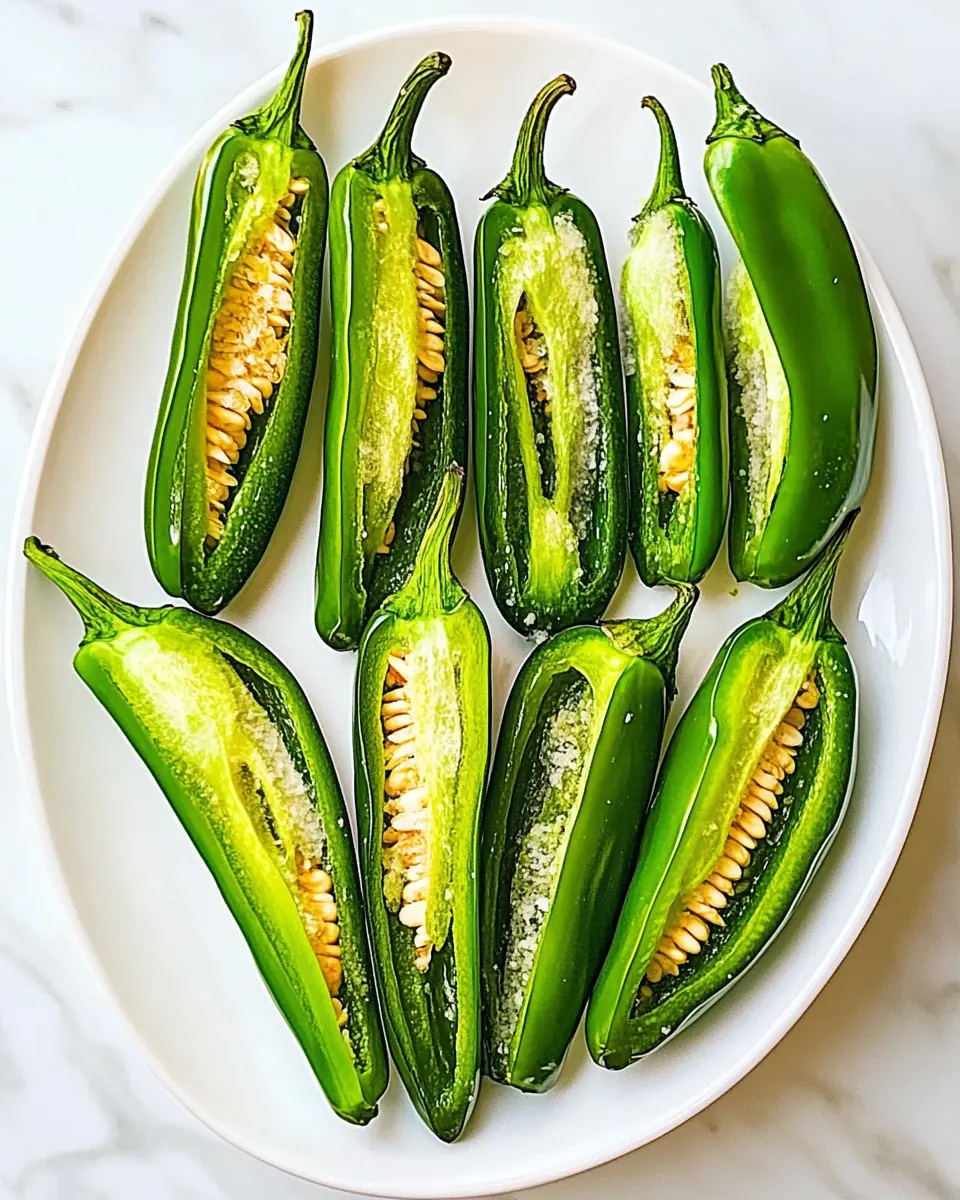
These ingredients are deliberately spare, because the technique is the real hero. The philosophy here is to enhance the pepper’s natural profile, not mask it. The Jalapeños peppers provide the vegetal heat and structure, while a touch of Oil or cooking spray helps promote even blistering and prevent sticking. Together they let heat do the work, drawing out smoky sweetness and mellowing raw heat into a pleasant warmth.
- Jalapeños peppers: Roast over high heat to blister and char the skins, enhancing smoky flavor while softening the flesh; handle carefully and consider wearing gloves to avoid skin irritation from capsaicin. Use whole or halved peppers depending on desired heat intensity, and remove seeds and membranes after roasting to mellow spice if preferred.
- Oil or cooking spray: Lightly coat surfaces to promote even charring and prevent sticking when roasting; choose a neutral oil with a high smoke point or a cooking spray for a lower-calorie option. Apply sparingly to avoid excess oiliness while still allowing skins to blister and develop roasted flavor.
Roast Jalapenos Instructions
These steps are straightforward, but I like to walk you through the sensory cues so you can roast like a pro. Pay attention to color, scent, and texture changes as you go. Each phase plays a part in developing the final smoky, tender result.
- Preheat the oven to 400 degrees.: When you open the oven, you should feel an immediate wave of warmth, and the air may smell faintly of dry heat. Preheating ensures the moment the peppers hit the sheet they begin blistering instead of slowly drying out, which helps develop those desirable charred patches. A common pitfall is placing peppers in a cold oven, which leads to uneven roasting and limp texture. If your oven runs hot, consider lowering the temperature slightly, but aim for a strong, consistent heat so the skins darken rather than simply dehydrating.
- Wash and dry your jalapenos.: The sound of water rinsing over the peppers is the first small step toward clean flavor, and drying them thoroughly prevents excess steam that can slow browning. Lightly pat them with a towel until no surface moisture remains. If you skip drying, the peppers may steam in the oven, leading to pale skins and less pronounced charring. I often inspect each pepper for blemishes and remove any soft spots before roasting.
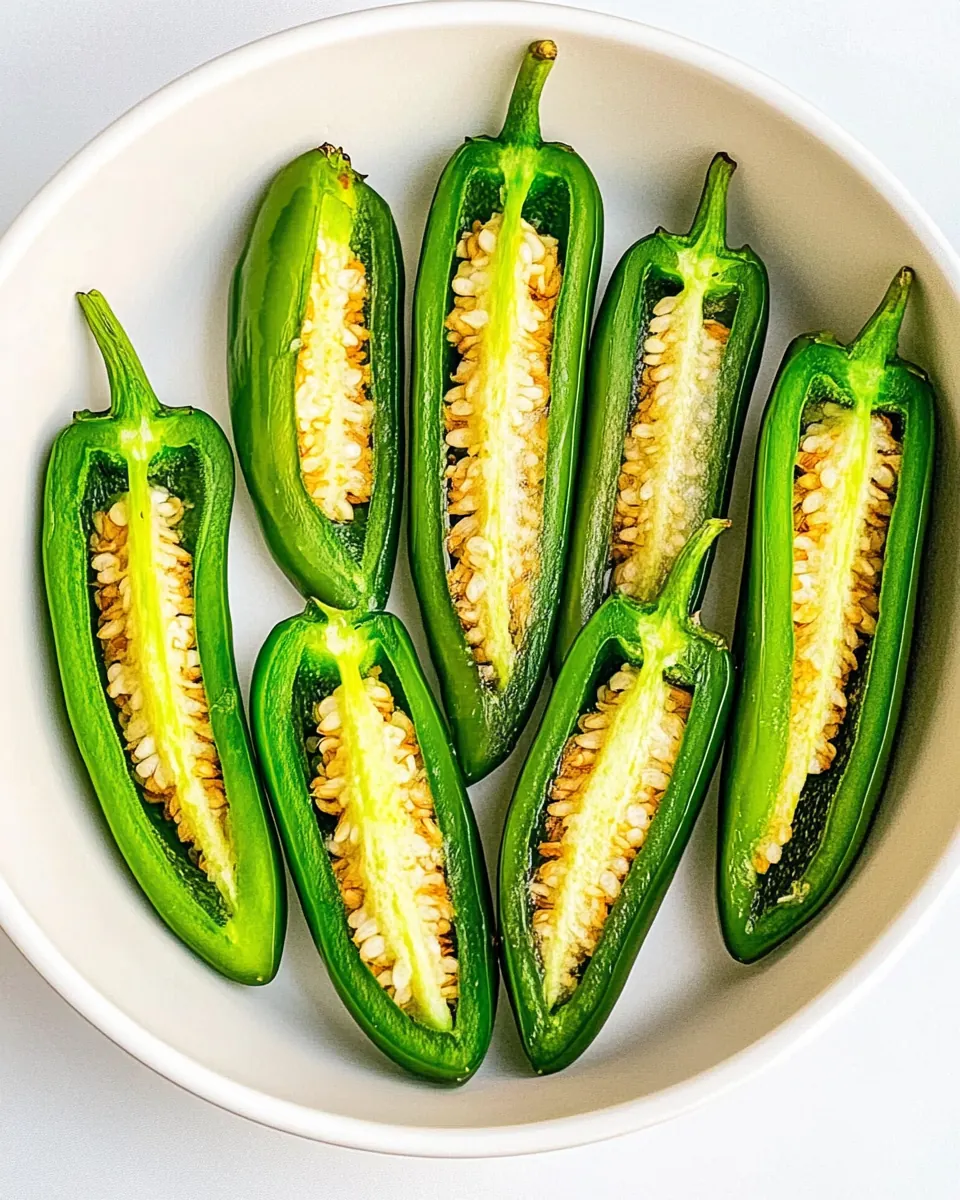
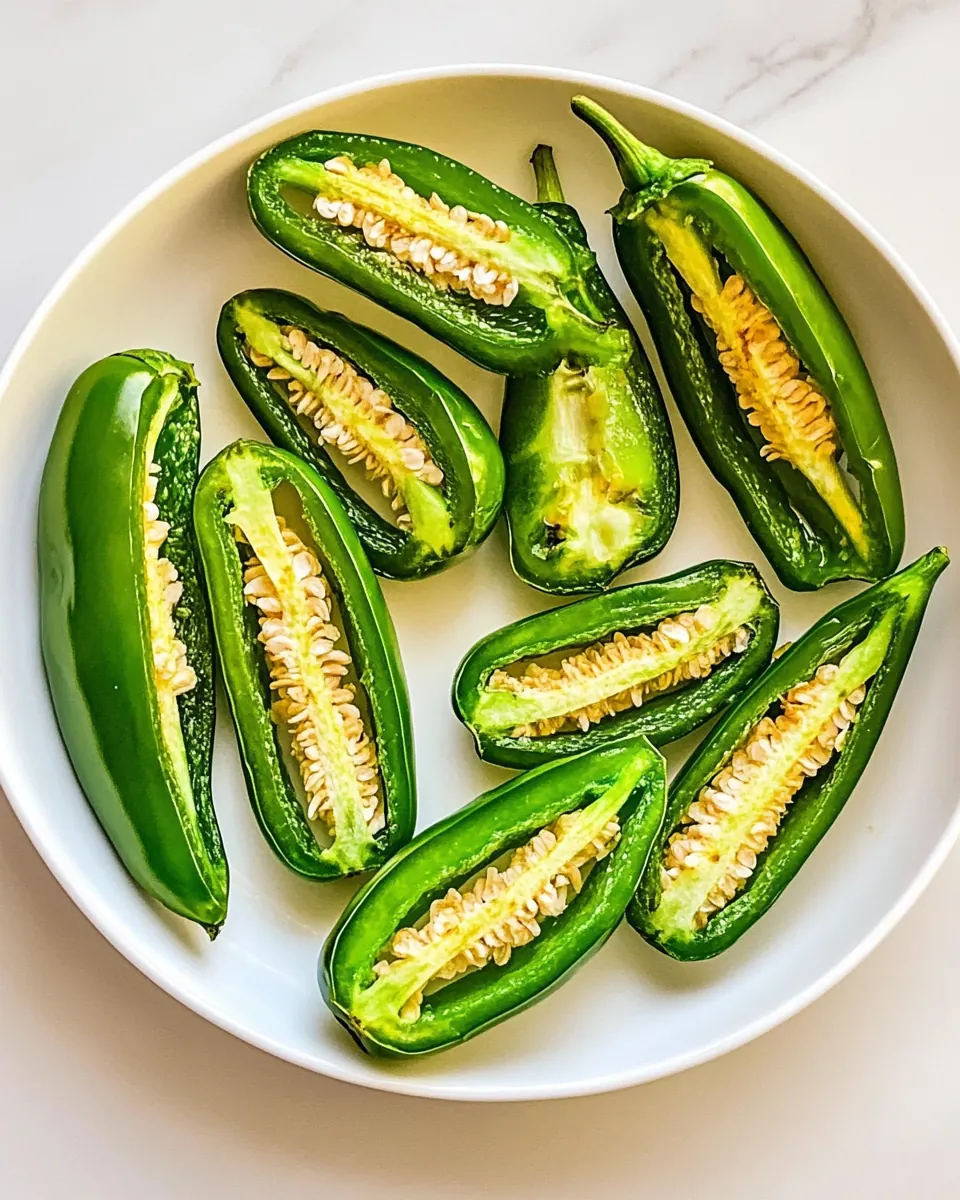
- Slice them lengthwise down one side and leave the other side intact.: Cutting them this way creates a pocket for heat to penetrate and makes it easier to remove seeds later. You will notice the cut edges begin to darken first as natural sugars caramelize. This slice structure helps the flesh cook evenly while allowing the skins to blister. A common error is slicing them too thin, which can cause the flesh to collapse during roasting, so aim for a confident but moderate incision.
- Remove seeds with a spoon or knife.: Removing seeds reduces intense heat and gives a cleaner, more controlled spice level. As you scrape, the seeds will fall away and the inner membrane becomes visible, which is where much of the heat resides. Leaving some seeds in will preserve extra kick, but be mindful when handling your hands or touching your face. Many people forget to wear gloves, which can cause skin irritation, so wash your hands thoroughly if you do not use gloves.
- Place sliced jalapenos on a baking sheet and roast them 25-30 minutes or until skins appear wrinkled and browned.: During roasting you will hear tiny pops and see bubbling oil at the blistered spots, and the aroma will shift from grassy to toasty and slightly sweet. The visual cue to watch for is a uniformly wrinkled skin with patches of dark brown or black char. Underroasting leaves them too crisp and bright, while overroasting can make them bitter, so check around 20 minutes and then every few minutes until you achieve even blistering. If your baking sheet is overcrowded, they will steam rather than roast, so space them with a little breathing room.
- Remove jalapenos from the oven and place in a bowl.: As you lift the tray, the fragrance intensifies, a warm roasted scent that signals the sugars have caramelized. Placing them into a bowl traps the heat and steam, which leads into the sweating step and loosens the skins further. A trap I see is leaving them on the hot sheet where they continue to char excessively. Transferring to a bowl helps control residual cooking while you prepare to sweat them.
- Cover with plastic wrap and let the peppers sweat for 15 minutes.: The bowl will fill with gentle steam, and you may see condensation form on the plastic wrap. This trapped steam helps the skins separate from the flesh without additional direct heat, making peeling simple. Skipping this rest can make peeling fiddly and more time consuming, so be patient. If you are worried about plastic, a tight lid or a reversed bowl works just as well to hold the steam in.
- After sweating, remove skins from peppers.: The skins should peel away easily, leaving tender, smoky flesh. Use a small knife or your fingers to coax away the blackened pieces while preserving as much flesh as possible. The texture now is silky and slightly glossy, and the aroma is concentrated. A mistake here is being too aggressive, which can tear the flesh; take your time and peel gently to preserve texture and flavor.
Recipe Notes about Roast Jalapenos
These notes collect the little practices I rely on to get consistent results. They are based on repeated batches and small adjustments that add up to a reliable roast each time.
- Bring peppers to room temperature: Letting Jalapeños peppers sit at room temperature for 10 to 15 minutes before roasting helps them cook evenly and reduces the oven time slightly.
- Light oil coating is enough: Use just a thin layer of Oil or cooking spray to encourage blistering, too much will cause smoking and greasy patches on the sheet.
- Use tongs for turning: When you check the peppers midway, use tongs to turn them, so you avoid tearing and keep the skins intact for easier peeling.
- Peel gently: After sweating, peel away skins with a small knife or your fingers, taking care to preserve the pepper flesh for a better texture in dishes.
- Adjust roast time by size: Larger Jalapeños peppers may need the full 30 minutes, while smaller ones often finish closer to 20 to 25 minutes.
Best Served With
Roasted peppers are flexible and can elevate simple meals to memorable ones. Think about texture and contrast when pairing, and use them where a smoky, slightly tangy note will shine.
- As a topping for tacos: Scatter sliced roasted Jalapeños peppers over tacos for warmth and a smoky edge; they are especially nice with beans or grilled vegetables.
- In sandwiches and burgers: Layer roasted peppers for a bright, smoky counterpoint to creamy spreads, adding both flavor and gentle heat.
- Blended into sauces: Purée roasted Jalapeños peppers with a touch of oil to make a smoky sauce for bowls, noodles, or grilled items.
- As a simple side: Serve whole or halved roasted peppers drizzled with a little oil alongside grilled mains for a colorful, smoky plate.
- Storage and make ahead: Keep roasted peppers in a sealed container in the fridge for up to a week, or freeze them on a tray then transfer to a bag for longer storage.
- Occasions: These work well for casual lunches, weekend grilling, potlucks, or anytime you want a fast way to add smoky heat to a spread.
FAQ
Conclusion
Roast Jalapenos stand out because they turn simple Jalapeños peppers into a smoky, tender ingredient with minimal effort. I encourage you to give this method a try, because a small batch can transform many meals and is a reliable way to add depth to weeknight plates. Once you taste the roasted flesh and feel the warmth it brings, you will find yourself reaching for this technique again and again, whether you use the peppers as a topping, a blended sauce, or a flavorful side.
Roast Jalapenos
Equipment
- Oven
- Baking Sheet
- Bowl
- Plastic Wrap
- Knife
- Spoon
Ingredients
- Jalapeños peppers Roast over high heat to blister and char the skins, enhancing smoky flavor while softening the flesh; handle carefully and consider wearing gloves to avoid skin irritation from capsaicin. Use whole or halved peppers depending on desired heat intensity, and remove seeds and membranes after roasting to mellow spice if preferred.
- Oil or cooking spray Lightly coat surfaces to promote even charring and prevent sticking when roasting; choose a neutral oil with a high smoke point or a cooking spray for a lower-calorie option. Apply sparingly to avoid excess oiliness while still allowing skins to blister and develop roasted flavor.
Instructions
- Preheat the oven to 400 degrees.: When you open the oven, you should feel an immediate wave of warmth, and the air may smell faintly of dry heat. Preheating ensures the moment the peppers hit the sheet they begin blistering instead of slowly drying out, which helps develop those desirable charred patches. A common pitfall is placing peppers in a cold oven, which leads to uneven roasting and limp texture. If your oven runs hot, consider lowering the temperature slightly, but aim for a strong, consistent heat so the skins darken rather than simply dehydrating.
- Wash and dry your jalapenos.: The sound of water rinsing over the peppers is the first small step toward clean flavor, and drying them thoroughly prevents excess steam that can slow browning. Lightly pat them with a towel until no surface moisture remains. If you skip drying, the peppers may steam in the oven, leading to pale skins and less pronounced charring. I often inspect each pepper for blemishes and remove any soft spots before roasting.
- Slice them lengthwise down one side and leave the other side intact.: Cutting them this way creates a pocket for heat to penetrate and makes it easier to remove seeds later. You will notice the cut edges begin to darken first as natural sugars caramelize. This slice structure helps the flesh cook evenly while allowing the skins to blister. A common error is slicing them too thin, which can cause the flesh to collapse during roasting, so aim for a confident but moderate incision.
- Remove seeds with a spoon or knife.: Removing seeds reduces intense heat and gives a cleaner, more controlled spice level. As you scrape, the seeds will fall away and the inner membrane becomes visible, which is where much of the heat resides. Leaving some seeds in will preserve extra kick, but be mindful when handling your hands or touching your face. Many people forget to wear gloves, which can cause skin irritation, so wash your hands thoroughly if you do not use gloves.
- Place sliced jalapenos on a baking sheet and roast them 25-30 minutes or until skins appear wrinkled and browned.: During roasting you will hear tiny pops and see bubbling oil at the blistered spots, and the aroma will shift from grassy to toasty and slightly sweet. The visual cue to watch for is a uniformly wrinkled skin with patches of dark brown or black char. Underroasting leaves them too crisp and bright, while overroasting can make them bitter, so check around 20 minutes and then every few minutes until you achieve even blistering. If your baking sheet is overcrowded, they will steam rather than roast, so space them with a little breathing room.
- Remove jalapenos from the oven and place in a bowl.: As you lift the tray, the fragrance intensifies, a warm roasted scent that signals the sugars have caramelized. Placing them into a bowl traps the heat and steam, which leads into the sweating step and loosens the skins further. A trap I see is leaving them on the hot sheet where they continue to char excessively. Transferring to a bowl helps control residual cooking while you prepare to sweat them.
- Cover with plastic wrap and let the peppers sweat for 15 minutes.: The bowl will fill with gentle steam, and you may see condensation form on the plastic wrap. This trapped steam helps the skins separate from the flesh without additional direct heat, making peeling simple. Skipping this rest can make peeling fiddly and more time consuming, so be patient. If you are worried about plastic, a tight lid or a reversed bowl works just as well to hold the steam in.
- After sweating, remove skins from peppers.: The skins should peel away easily, leaving tender, smoky flesh. Use a small knife or your fingers to coax away the blackened pieces while preserving as much flesh as possible. The texture now is silky and slightly glossy, and the aroma is concentrated. A mistake here is being too aggressive, which can tear the flesh; take your time and peel gently to preserve texture and flavor.
Notes
- Bring peppers to room temperature: Letting Jalapeños peppers sit at room temperature for 10 to 15 minutes before roasting helps them cook evenly and reduces the oven time slightly.
- Light oil coating is enough: Use just a thin layer of Oil or cooking spray to encourage blistering, too much will cause smoking and greasy patches on the sheet.
- Use tongs for turning: When you check the peppers midway, use tongs to turn them, so you avoid tearing and keep the skins intact for easier peeling.
- Peel gently: After sweating, peel away skins with a small knife or your fingers, taking care to preserve the pepper flesh for a better texture in dishes.
- Adjust roast time by size: Larger Jalapeños peppers may need the full 30 minutes, while smaller ones often finish closer to 20 to 25 minutes.