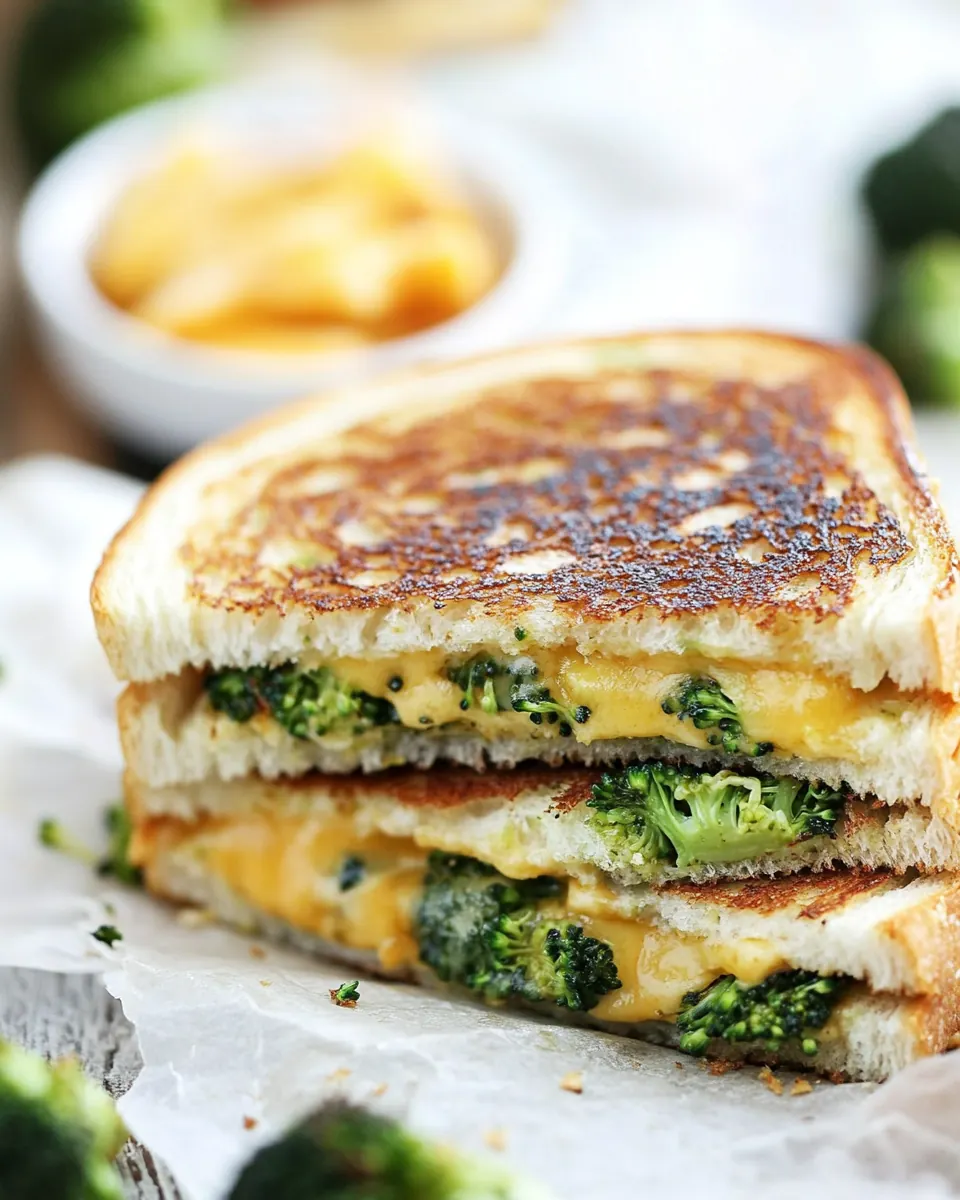
Roasted Broccoli Grilled Cheese
Roasted Broccoli Grilled Cheese came into my weeknight rotation after a chaotic evening when I opened the fridge and found a head of broccoli and a lonely block of cheddar, and I refused to let either go to waste.
That night I chopped the broccoli small, roasted it until the edges carried a faint char, and folded it into molten cheddar between two buttered slices of bread. The first bite was the kind that makes you pause mid chew, a warm, gooey center punctuated by crisp, caramelized florets, and I knew I had a new comfort staple.
Over time I learned little tricks, like shredding the cheddar thin for faster melting, and keeping the skillet on medium low so the bread toasts evenly while the cheese becomes decadently stretchy. Friends now ask for this sandwich when they pop by unannounced, and I love how the humble broccoli shows up with personality, not just filler.
Whether you want a fast solo dinner or a cozy sandwich for company, this sandwich rewards simple attention. It feels homey without being heavy, and the roasted broccoli adds a smoky sweetness that contrasts beautifully with the creamy cheddar. Try it on a lazy afternoon, and you might find yourself making it again the next day.
Recipe Snapshot
20 mins
5 mins
15 mins
Easy
350 kcal
American
Gluten-Free, Low FODMAP
Dinner
Oven, Sheet pan, Skillet, Spatula
Why This Roasted Broccoli Grilled Cheese Shines
Comfort with a Veggie Twist
I adore how Roasted Broccoli Grilled Cheese transforms a classic comfort food into something a little wiser. The roasted broccoli brings structure and a slight earthiness that keeps the sandwich from feeling one dimensional. I love serving it when I want comfort but also a touch of something green.
Simple Techniques, Big Flavor
Roasting the broccoli concentrates its flavor and develops those lightly charred notes I crave. I value techniques that take minutes but add real depth, and this one fits the bill. When I roast the florets until they are tender with golden tips, the sandwich sings.
Fast and Reliable
From chopping to the first melt on the skillet, this sandwich comes together quickly. I appreciate recipes that work for hectic evenings when you want satisfying food without fuss. You can tweak the amount of cheddar to dial the richness up or down, and it still delivers.
Textural Harmony
The combination of crunchy toasted bread, gooey cheddar, and slightly crisp roasted broccoli makes each bite interesting. I always aim for contrast in texture, because it keeps sandwiches from being boring, and this one nails that balance.
Kid Friendly and Grown Up Approved
I regularly make this for a picky eater in my life, and they usually come around because the cheese is familiar. At the same time, adults love the subtle roast flavor and the tidy presentation. It’s a sandwich that travels well across tastes, which is why I keep it in my regular rotation.
Recipe Ingredients for Roasted Broccoli Grilled Cheese
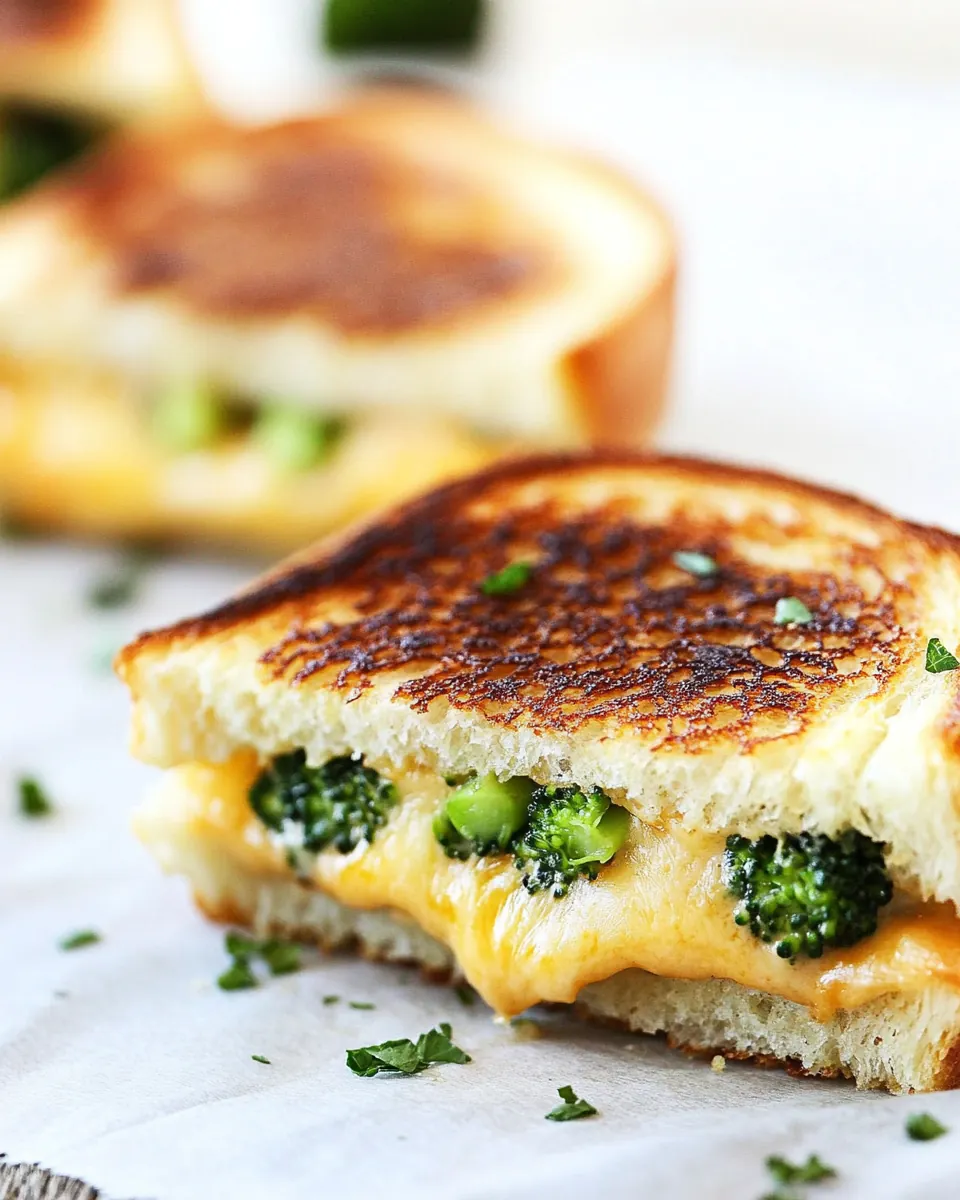
I think about ingredients as a small team where each player has a clear job. In this sandwich, the bread forms the crunchy frame, the cheddar provides the melty glue and savory backbone, the roasted broccoli adds brightness and texture, and the olive oil, salt, and black pepper quietly lift each flavor to feel complete.
- Florets from 1 medium head broccoli about 1/2 pound, chopped small: Chopped small to an even size so florets cook quickly and fit inside the sandwich; provides a tender, roasted vegetable texture and fresh, slightly nutty flavor after roasting. Helps add volume, nutrition, and a mild earthiness that balances the richness of cheese and butter. Retains some bite when roasted, contributing pleasant contrast to melted cheddar.
- 2 tablespoons olive oil: Used to coat broccoli florets so they roast evenly and develop caramelized edges; brings a fruity, smooth fat that aids browning and flavor dispersion. Also helps prevent bread from sticking to pans when grilling and enhances mouthfeel in each bite. Adds a subtle savory backbone without overpowering other flavors.
- 1/2 teaspoons salt: Measured to season the broccoli and overall sandwich for balanced savoriness; helps bring out natural flavors and enhance the cheddar’s depth. Sprinkled during roasting to improve caramelization and used sparingly so the sandwich doesn’t become overly salty. Works with butter and oil to elevate taste complexity.
- 1/4 teaspoon freshly cracked black pepper: Added in small amount to provide a bright, slightly sharp heat that complements the richness of cheese and butter. Cracked for fresher, more aromatic pepper than pre-ground, it livens the roasted broccoli and grilled bread. Used sparingly to avoid overwhelming the sandwich’s milder flavors.
- Unsalted butter softened: Softened for easy spreading on bread to ensure even browning and a crisp, golden exterior when grilling; imparts a rich, creamy flavor that complements cheddar and roasted broccoli. Applied to the outside of slices for frying or grilling and can also be used inside for extra richness. Allows the sandwich to develop a satisfying crunch while keeping the interior moist.
- 6 to 8 slices bread: Sliced to assemble sandwiches and provide the sturdy structure needed to hold cheese and broccoli; chosen types affect texture and toasting performance. Used in the specified quantity to make multiple sandwiches for serving, with slices placed around fillings to create even grilling contact. Absorbs butter and crisps to a golden finish while encasing the melted cheese.
- 1 cup cheddar cheese shredded or thinly sliced: Shredded or thinly sliced to melt evenly and bind the broccoli filling together; contributes sharp, creamy, and tangy flavor that defines the grilled cheese character. Distributed across bread slices so it melts uniformly and creates gooey, cohesive layers with roasted florets. Provides the primary cheesy richness and savory profile of the sandwich.
Preparation Steps for Roasted Broccoli Grilled Cheese
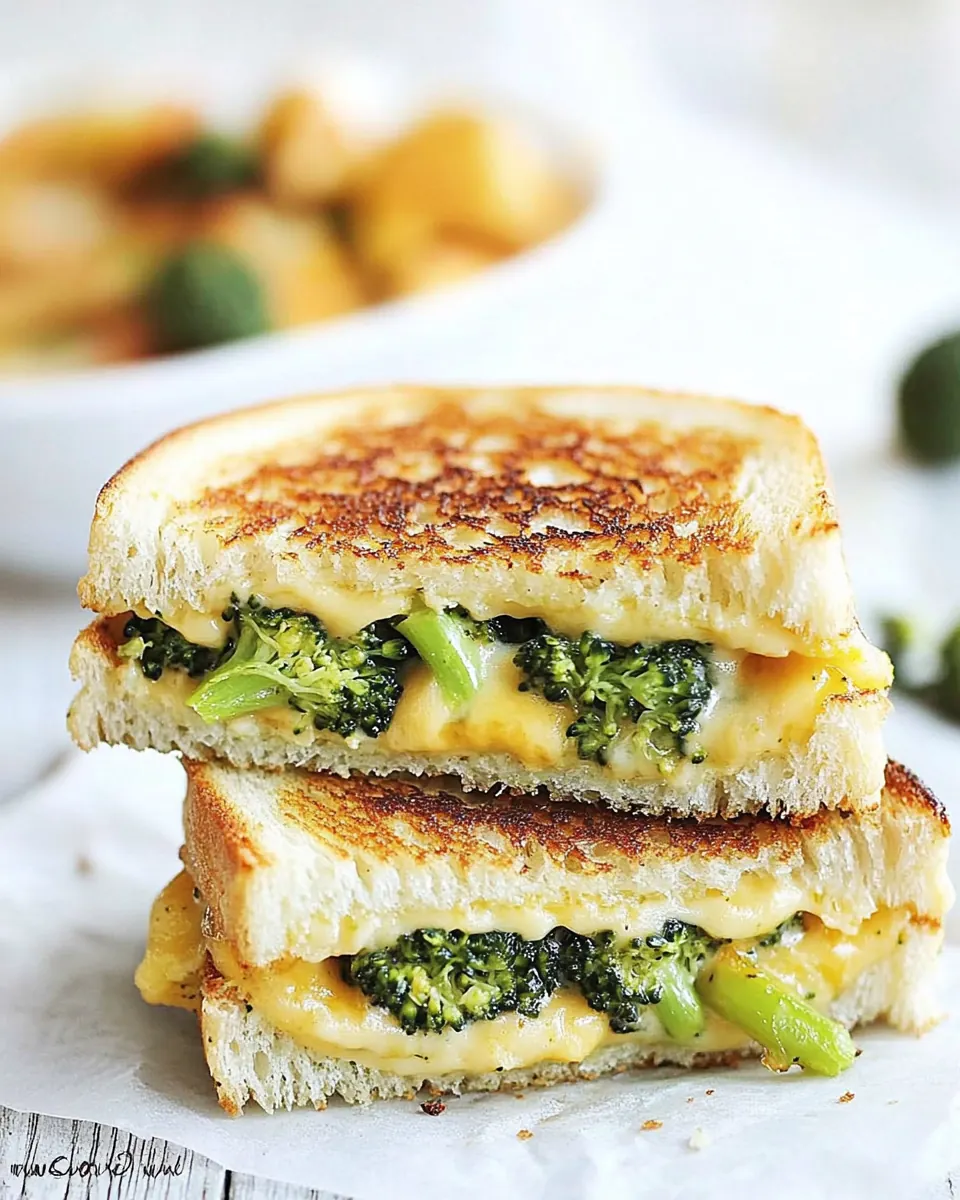
I like to keep my heads clear and my skillet ready when making this sandwich. The process rewards attention to timing, and small sensory clues guide you to a perfect result. Below you will find detailed, experience based expansions of each direction so you know exactly how the sandwich should look, smell, and feel at every stage.
- Preheat the oven to 400 degrees F.: As you warm your oven to 400 degrees F , you should notice the faint hum of heat beginning to circulate. Preheating ensures the broccoli starts roasting immediately, producing even caramelization rather than steaming, which preserves texture. A common mistake is not preheating, which can lead to soggy florets, so always wait until the oven reaches temperature before putting the pan in. The hot air transforms the edges to golden brown, and you will smell the first hints of sweetness as sugars begin to react.
- On a sheet pan, mix the broccoli, oil, salt, and pepper. Roast for 8 to 10 minutes, or until the broccoli is evenly roasted but not burnt. Remove from the oven and allow to cool.: Right after tossing the broccoli with olive oil , salt , and black pepper , spread it in a single layer on a sheet pan so each floret sees direct heat. During the first few minutes the kitchen will start to smell green and slightly sweet; by the eighth to tenth minute, the tips should show golden spots and the stems should be tender when pierced. Cooling is crucial because hot roasted florets can release steam that makes the sandwich soggy, so let them rest briefly. Avoid crowding the pan, which causes steaming instead of roasting, and check early if your oven runs hot to prevent bitter burnt bits.
- Heat a skillet over medium-low heat.: Bringing your skillet to a steady medium low temperature gives you control as the butter browns and the bread crisps. You want a gentle sizzle when the sandwich hits the pan, not an aggressive roar, because moderate heat lets the cheddar melt thoroughly while the exterior achieves an even golden color. A frequent error is using too high heat, which burns the bread before the cheese melts. Listen for a soft crackle and watch for the butter foaming but not smoking, that indicates the right range.
- Spread butter evenly on one side of each slice of bread. Dividing the ingredients evenly, layer cheese on the unbuttered side of half of the bread slices, then add chopped broccoli in the middle and more cheese on top so that the broccoli lies between two layers of cheese. This keeps the small pieces of broccoli from falling out as the cheese melts. Top each with another slice of bread, butter side out.: When you spread softened unsalted butter on the outer faces of the bread , aim for a thin, even coating so the crust browns uniformly. As you assemble, start with a layer of cheddar on the unbuttered side, then mound the cooled roasted broccoli , and finish with more cheddar . The double layer of cheese acts like glue, anchoring the florets as it liquefies. If the broccoli is too hot or steaming, your cheddar can separate and produce a watery pocket, so using cooled florets helps. Keep the sandwich snug but not overstuffed to maintain even contact with the skillet.
- Grill in the skillet, turning sandwiches over once, until the cheese melts and the bread is evenly toasted.: As soon as the sandwich meets the warm skillet, you will hear a gentle sizzle and smell butter toasting; that is your cue. Press lightly with a spatula to ensure even contact and patience pays off here because a slow melt yields silky cheddar that binds the broccoli . After several minutes, lift an edge to check for deep golden color, then flip carefully and repeat. The ideal interior will be bubbling and molten, while the exterior is crisp and evenly browned. Avoid flipping too often; that prevents consistent browning and can tear the bread. If your heat is slightly high and the bread is darkening too fast, lower the flame and continue slowly until the center is fully melted.
- Note-for gluten-free use gluten-free bread.: If you choose gluten free bread , treat it the same way but be aware many gluten free loaves brown faster, and their crumb can be more delicate. Toast over slightly lower heat to avoid over darkening, and you may prefer pressing lightly rather than heavy flipping to keep the sandwich intact. One common pitfall is not accounting for the different moisture absorption of gluten free slices, which can affect crispness, so adjust timing accordingly and check often to reach that balance of crisp crust and creamy interior.
Recipe Tips about Roasted Broccoli Grilled Cheese
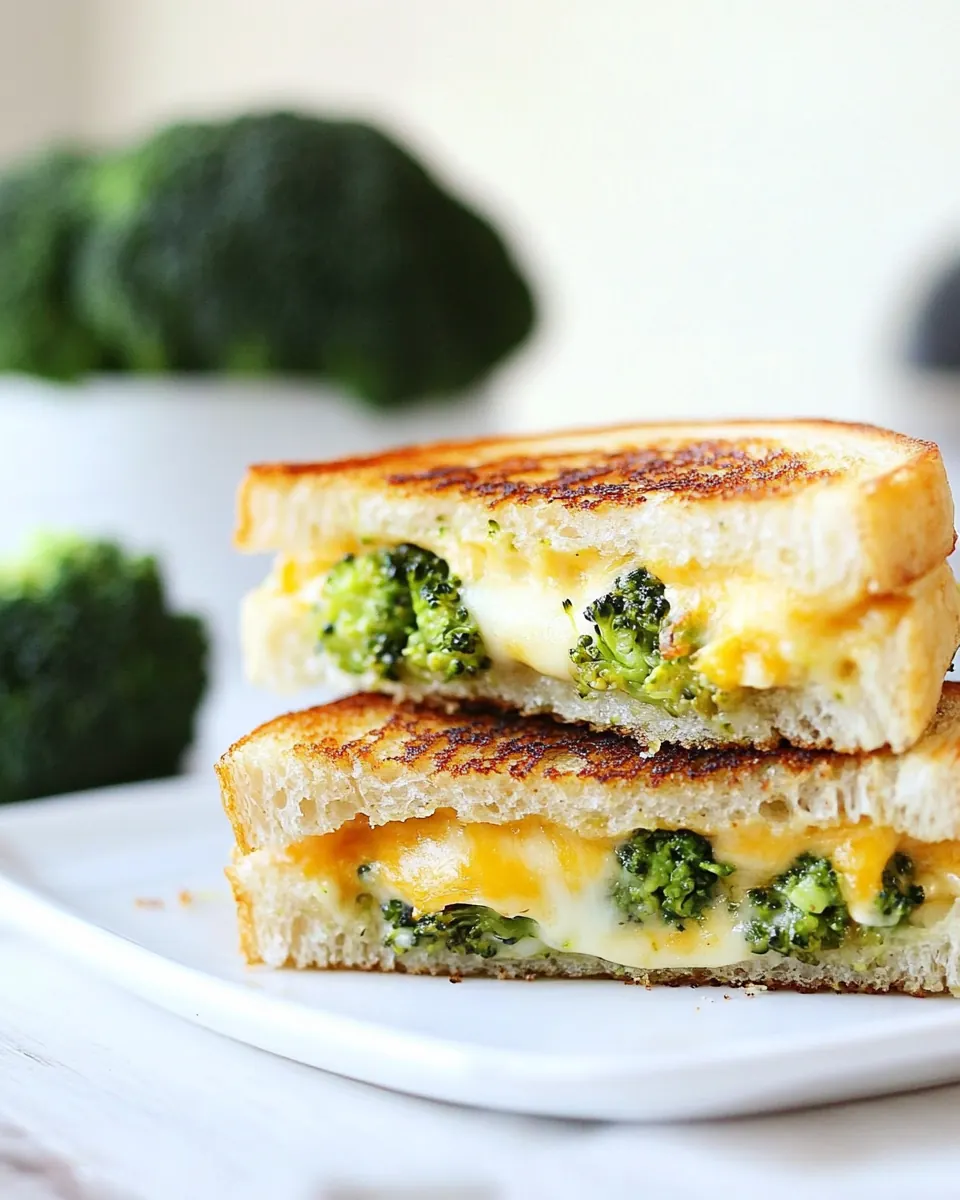
I like to keep a few reliable tips in mind whenever I make this sandwich, because small adjustments change the final texture dramatically. These pointers are practical and grounded in what actually happens at the skillet.
- Trim and size matters, cut the broccoli into consistent, small florets so they roast evenly and sit neatly inside the sandwich.
- Cool before assembling, allow the roasted broccoli to cool briefly to avoid releasing steam that makes the sandwich soggy.
- Even buttering, spread softened unsalted butter thinly and evenly on the outer slices of bread for uniform browning without greasy spots.
- Medium low heat, cook on moderate heat so the cheddar melts into a silky layer while the bread turns golden but not burnt.
- Double up the cheese, placing cheddar both under and over the broccoli helps keep bits from escaping and improves melt coverage.
How to Enjoy Roasted Broccoli Grilled Cheese
This sandwich works for quick lunches, cozy dinners, and casual gatherings. I like to pair it with light sides and present it in ways that highlight its comfort without overpowering the roasted broccoli. Below are serving ideas and practical notes.
- Classic lunch plate, serve the sandwich warm with a small side salad of greens dressed lightly to contrast the richness of the cheddar.
- Soup companion, this sandwich plays nicely with a mild tomato soup, the creamy cheddar and roasted broccoli pairing well against a gentle acidity.
- Casual dinner, make two sandwiches per person for a simple dinner with raw carrot sticks or a crisp slaw to add crunch.
- Make ahead, roast the broccoli earlier in the day and store it refrigerated; assemble and grill when you are ready to eat so the bread stays crisp.
- Seasonal twist, in cooler months I appreciate the roasted notes even more, serving the sandwich with a bowl of warm broth or a simple stew.
FAQ
Conclusion
This recipe shines because it turns simple ingredients into a sandwich with real personality, thanks to roasted broccoli and melty cheddar. Give it a try on a busy evening when you want something comforting yet thoughtful. Once you taste the balance of crisp bread, creamy cheese, and caramelized florets, it may become your new go to for quick dinners and casual lunches.

Roasted Broccoli Grilled Cheese
Equipment
- Oven
- Sheet Pan
- Skillet
- Spatula
Ingredients
- Florets from 1 medium head broccoli about 1/2 pound, chopped small Chopped small to an even size so florets cook quickly and fit inside the sandwich; provides a tender, roasted vegetable texture and fresh, slightly nutty flavor after roasting. Helps add volume, nutrition, and a mild earthiness that balances the richness of cheese and butter. Retains some bite when roasted, contributing pleasant contrast to melted cheddar.
- 2 tablespoons olive oil Used to coat broccoli florets so they roast evenly and develop caramelized edges; brings a fruity, smooth fat that aids browning and flavor dispersion. Also helps prevent bread from sticking to pans when grilling and enhances mouthfeel in each bite. Adds a subtle savory backbone without overpowering other flavors.
- 1/2 teaspoons salt Measured to season the broccoli and overall sandwich for balanced savoriness; helps bring out natural flavors and enhance the cheddar’s depth. Sprinkled during roasting to improve caramelization and used sparingly so the sandwich doesn’t become overly salty. Works with butter and oil to elevate taste complexity.
- 1/4 teaspoon freshly cracked black pepper Added in small amount to provide a bright, slightly sharp heat that complements the richness of cheese and butter. Cracked for fresher, more aromatic pepper than pre-ground, it livens the roasted broccoli and grilled bread. Used sparingly to avoid overwhelming the sandwich’s milder flavors.
- Unsalted butter softened Softened for easy spreading on bread to ensure even browning and a crisp, golden exterior when grilling; imparts a rich, creamy flavor that complements cheddar and roasted broccoli. Applied to the outside of slices for frying or grilling and can also be used inside for extra richness. Allows the sandwich to develop a satisfying crunch while keeping the interior moist.
- 6 to 8 slices bread Sliced to assemble sandwiches and provide the sturdy structure needed to hold cheese and broccoli; chosen types affect texture and toasting performance. Used in the specified quantity to make multiple sandwiches for serving, with slices placed around fillings to create even grilling contact. Absorbs butter and crisps to a golden finish while encasing the melted cheese.
- 1 cup cheddar cheese shredded or thinly sliced Shredded or thinly sliced to melt evenly and bind the broccoli filling together; contributes sharp, creamy, and tangy flavor that defines the grilled cheese character. Distributed across bread slices so it melts uniformly and creates gooey, cohesive layers with roasted florets. Provides the primary cheesy richness and savory profile of the sandwich.
Instructions
- Preheat the oven to 400 degrees F.: As you warm your oven to 400 degrees F , you should notice the faint hum of heat beginning to circulate. Preheating ensures the broccoli starts roasting immediately, producing even caramelization rather than steaming, which preserves texture. A common mistake is not preheating, which can lead to soggy florets, so always wait until the oven reaches temperature before putting the pan in. The hot air transforms the edges to golden brown, and you will smell the first hints of sweetness as sugars begin to react.
- On a sheet pan, mix the broccoli, oil, salt, and pepper. Roast for 8 to 10 minutes, or until the broccoli is evenly roasted but not burnt. Remove from the oven and allow to cool.: Right after tossing the broccoli with olive oil , salt , and black pepper , spread it in a single layer on a sheet pan so each floret sees direct heat. During the first few minutes the kitchen will start to smell green and slightly sweet; by the eighth to tenth minute, the tips should show golden spots and the stems should be tender when pierced. Cooling is crucial because hot roasted florets can release steam that makes the sandwich soggy, so let them rest briefly. Avoid crowding the pan, which causes steaming instead of roasting, and check early if your oven runs hot to prevent bitter burnt bits.
- Heat a skillet over medium-low heat.: Bringing your skillet to a steady medium low temperature gives you control as the butter browns and the bread crisps. You want a gentle sizzle when the sandwich hits the pan, not an aggressive roar, because moderate heat lets the cheddar melt thoroughly while the exterior achieves an even golden color. A frequent error is using too high heat, which burns the bread before the cheese melts. Listen for a soft crackle and watch for the butter foaming but not smoking, that indicates the right range.
- Spread butter evenly on one side of each slice of bread. Dividing the ingredients evenly, layer cheese on the unbuttered side of half of the bread slices, then add chopped broccoli in the middle and more cheese on top so that the broccoli lies between two layers of cheese. This keeps the small pieces of broccoli from falling out as the cheese melts. Top each with another slice of bread, butter side out.: When you spread softened unsalted butter on the outer faces of the bread , aim for a thin, even coating so the crust browns uniformly. As you assemble, start with a layer of cheddar on the unbuttered side, then mound the cooled roasted broccoli , and finish with more cheddar . The double layer of cheese acts like glue, anchoring the florets as it liquefies. If the broccoli is too hot or steaming, your cheddar can separate and produce a watery pocket, so using cooled florets helps. Keep the sandwich snug but not overstuffed to maintain even contact with the skillet.
- Grill in the skillet, turning sandwiches over once, until the cheese melts and the bread is evenly toasted.: As soon as the sandwich meets the warm skillet, you will hear a gentle sizzle and smell butter toasting; that is your cue. Press lightly with a spatula to ensure even contact and patience pays off here because a slow melt yields silky cheddar that binds the broccoli . After several minutes, lift an edge to check for deep golden color, then flip carefully and repeat. The ideal interior will be bubbling and molten, while the exterior is crisp and evenly browned. Avoid flipping too often; that prevents consistent browning and can tear the bread. If your heat is slightly high and the bread is darkening too fast, lower the flame and continue slowly until the center is fully melted.
- Note-for gluten-free use gluten-free bread.: If you choose gluten free bread , treat it the same way but be aware many gluten free loaves brown faster, and their crumb can be more delicate. Toast over slightly lower heat to avoid over darkening, and you may prefer pressing lightly rather than heavy flipping to keep the sandwich intact. One common pitfall is not accounting for the different moisture absorption of gluten free slices, which can affect crispness, so adjust timing accordingly and check often to reach that balance of crisp crust and creamy interior.
Notes
- Trim and size matters, cut the broccoli into consistent, small florets so they roast evenly and sit neatly inside the sandwich.
- Cool before assembling, allow the roasted broccoli to cool briefly to avoid releasing steam that makes the sandwich soggy.
- Even buttering, spread softened unsalted butter thinly and evenly on the outer slices of bread for uniform browning without greasy spots.
- Medium low heat, cook on moderate heat so the cheddar melts into a silky layer while the bread turns golden but not burnt.
- Double up the cheese, placing cheddar both under and over the broccoli helps keep bits from escaping and improves melt coverage.
