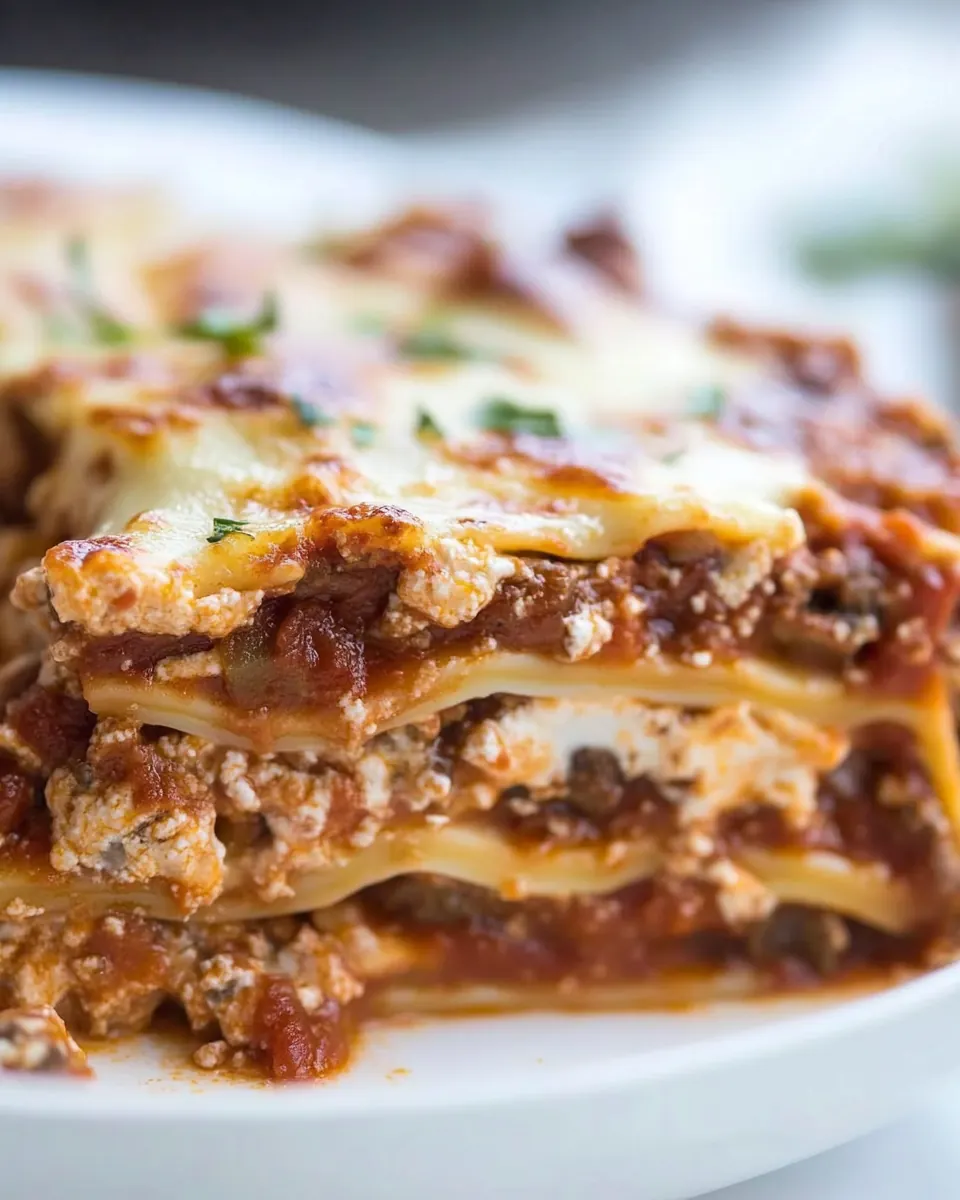
The Best Ever Lasagna
The Best Ever Lasagna is the kind of dish that always brings people together at my table. I remember the first time I made it for a potluck, how the house filled with the warm, savory scent of tomatoes, garlic, and browned ground beef, and how neighbors asked for seconds before I could even set the pan down. That instant, cozy approval taught me that this recipe is less about perfection and more about generosity, the kind you spoon out in thick portions and share with a smile.
Over the years I’ve adjusted little things, like adding a touch more parmesan cheese or using fresh basil when it’s available, and each tweak has deepened the flavor in ways I didn’t expect. There have been chaotic evenings when I assembled the layers hurriedly between work calls, and slow Sundays when I let the meat sauce simmer until the aroma painted the whole kitchen. Both approaches worked, because the heart of this dish is patience with the sauce and confidence with the layers. I still get a thrill when the foil comes off and the top bubbles and browns, that moment when all the flavors promise comfort.
Recipe Snapshot
1 hr 25 mins
40 mins
45 mins
Medium
500 kcal
Italian
Keto, Gluten-Free
Dinner
Large pot, Dutch oven, 13 x 9 inch baking pan, Aluminum foil
Why This The Best Ever Lasagna Hits Different
Rich, layered flavor from a simmered sauce
I love how the long simmer makes the tomatoes and ground beef sing together. Letting the sauce cook concentrates the sweetness of the canned tomatoes and lets the dried oregano and parsley flakes bloom. I find this is the single most important step for depth, and it separates good lasagna from unforgettable lasagna.
Textural contrast in every bite
There is something deeply satisfying about the soft, creamy pockets of ricotta cheese set against the stretchy, browned top of mozzarella cheese and the tender bite of noodles. I aim for that balance by using both parmesan cheese and mozzarella cheese, which delivers savory umami on top of a silky filling. You get creaminess, chew, and a little crisp at the edges, all in one mouthful.
Flexible to feed a crowd
This recipe scales beautifully. I often double the sauce when friends come over and refrigerate half for another night. The structure of the dish, with layers you can build ahead, means you can assemble it the night before and bake it when you are ready. That convenience makes it my go to for gatherings where I want to be present with guests instead of stuck at the stove.
Comfort food that feels homey and honest
For me, The Best Ever Lasagna is the kind of meal that evokes home. It isn’t fussy. It uses pantry staples like canned tomatoes and tomato paste, enhanced with fresh basil when possible. I rely on this straightforward approach to deliver a reliable, comforting plate that people of all ages enjoy.
Little details make a big difference
Simple choices like using a mix of ricotta cheese and an egg for stability, or resting the lasagna for at least 20 minutes before slicing, are the finishing moves that matter. Those small steps keep the lasagna intact, make serving cleaner, and help the flavors settle and marry into something cohesive and deeply satisfying.
Ingredients for The Best Ever Lasagna
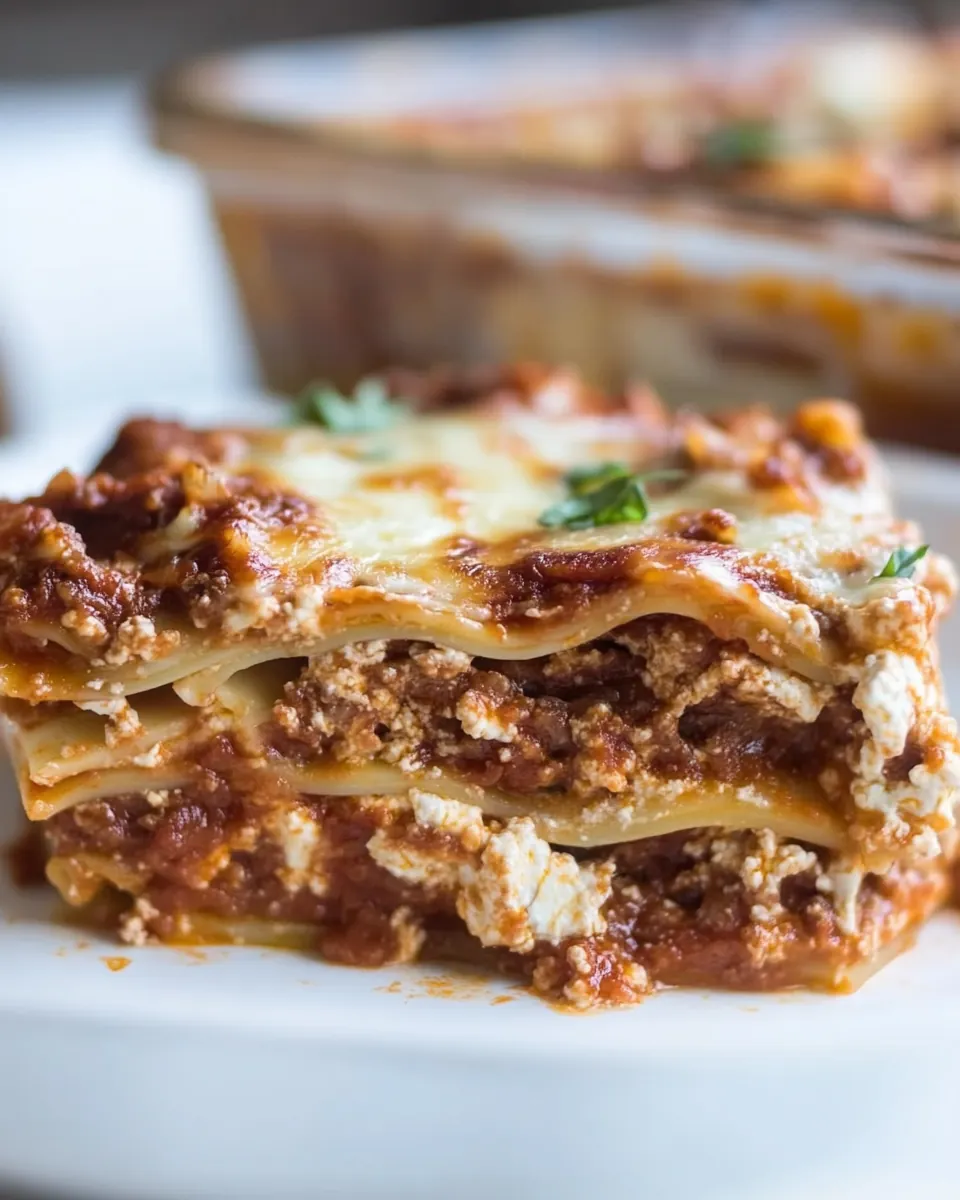
These ingredients are built around a classic, hearty framework. The key players are the savory meat base, the bright tomato elements, and the trio of cheeses that lend creaminess, salt, and melt. Together they create a layered texture and balanced flavor profile, where the sauce carries the aromatics and herbs, and the cheeses add richness and binding power.
- 1 1/2 lbs lean ground beef: Brown and crumble to develop savory depth and provide the primary meaty foundation for the sauce, adding richness and texture. Season as it cooks to enhance flavor and drain excess fat if desired to control sauce consistency. Combine with onions and garlic for a balanced aromatic base that carries the tomato and herb flavors. Use lean ground beef to keep the lasagna hearty without overly greasy layers.
- 1/2 lb Italian sausage: Cook and crumble to contribute robust, spiced flavor and additional fat that enriches the meat sauce. Choose Italian sausage for its fennel and herb notes which complement the tomato base and meld with the beef. Remove casings if necessary and brown thoroughly to render fat and deepen complexity. Balance sausage with other aromatics to avoid overpowering the dish.
- 1 large onion, chopped: Sauté chopped to release natural sweetness and create an aromatic foundation that softens the sauce texture. Add early in cooking to meld with browned meats and help build layered savory flavors. Finely chop for even distribution throughout the sauce and to provide subtle body in each bite. Adjust cook time to achieve translucent tenderness without browning too dark.
- 4 garlic cloves, minced: Mince and sauté briefly to release pungent, aromatic oils that brighten and deepen the sauce profile. Add toward the beginning of cooking to infuse the meat and tomato base with a savory, garlicky note. Use minced garlic sparingly to avoid bitterness from overcooking, stirring until fragrant. Complement garlic with herbs for cohesive Italian-inspired flavor.
- 1/4 teaspoons salt, or to taste: Measure precisely to season and balance the sauce, enhancing overall flavor without overwhelming other ingredients. Add gradually and taste as the sauce simmers to achieve the desired saltiness. Consider dietary sodium and adjust if using salted cheese or canned tomatoes. Dissolve into the sauce to ensure even seasoning throughout the layers.
- 1 tablespoon dried parsley flakes: Sprinkle dried parsley flakes to add a mild, herbaceous green note and visual specks to the sauce or cheese mixture. Use during simmering to allow flavors to rehydrate and integrate with tomatoes and meats. Combine with other dried herbs to create a balanced Italian herb profile. Optionally reserve a small amount for garnish to provide fresh appearance.
- 1 tablespoon dried oregano: Stir in dried oregano to impart warm, slightly bitter Mediterranean herb notes that complement tomatoes and meats. Add early in the cooking process so heat releases its aromatic oils and infuses the sauce. Balance with fresh basil and parsley to prevent oregano from dominating the flavor. Use measured amounts to maintain harmony across layers.
- 1/2 cup FRESH chopped basil: Chop FRESH basil and fold into the sauce or cheese layers to provide a bright, sweet, and peppery herbaceous lift. Add near the end of cooking or between layers to preserve its aromatic freshness and vibrant color. Use generous amounts to contrast richer, heavier components like cheeses and meats. Tear or chiffonade for better distribution and release of essential oils.
- 2 (14 1/2 ounce) cans whole tomatoes, undrained and chopped: Drain and chop whole tomatoes to create the chunky tomato base that contributes acidity, sweetness, and body to the sauce. Combine with tomato paste and herbs, allowing simmering to break down the pieces and concentrate flavors. Use undrained cans when additional liquid is desired, adjusting simmer time to reach preferred consistency. Crush by hand or with a spoon for texture control.
- 2 (26 ounce) cans tomato paste: Add tomato paste to thicken and intensify the tomato flavor, providing a concentrated, rich backbone to the sauce. Stir in early and cook briefly to remove raw tomato taste and allow caramelization for deeper umami. Balance paste with canned tomatoes and simmer sufficiently to meld flavors and reach the desired thickness. Use measured amounts to avoid overly dense texture.
- 24 ounces ricotta cheese or 24 ounces cottage cheese: Mix ricotta cheese or cottage cheese into the cheese filling for creamy, slightly tangy layers that add moisture and smoothness. Stir with egg and seasonings to create a spreadable mixture that binds between noodle layers and prevents dryness. Choose ricotta for a traditional silky texture or cottage cheese for a lighter, slightly lumpy alternative. Adjust salt and herbs to complement the cheeses' mild profiles.
- 1 egg, beaten: Beat and combine to act as a binder for the ricotta or cottage cheese mixture, helping it set and hold shape during baking. Fold into the cheese filling evenly to ensure consistent texture and prevent separation when sliced. Use a single egg to provide structure without making the filling overly firm. Ensure thorough mixing so the egg is fully incorporated into the cheeses.
- 1/2 teaspoon pepper: Measure and add to season the cheese mixture and sauce, contributing a mild heat and background contrast to richer ingredients. Incorporate during mixing so pepper disperses evenly throughout layers. Adjust quantity based on personal preference to avoid masking delicate flavors. Use freshly ground pepper for a brighter, more aromatic result.
- 2 tablespoons parsley: Stir chopped or minced parsley into the cheese mixture and sauce to introduce subtle freshness and a clean herbal note. Use as part of the filling and as a garnish between layers to brighten the overall flavor profile. Combine with dried herbs to round out the seasoning and add visual appeal. Chop finely for even distribution and better integration.
- 1/2 cup grated parmesan cheese: Grate and mix into the cheese filling and sprinkle over layers for a salty, nutty umami boost that enhances overall savory quality. Use Parmesan to add complexity and help bind moisture without making the filling watery. Incorporate both inside the layers and on top before baking for a golden, flavorful crust. Opt for freshly grated Parmesan for superior aroma and melt characteristics.
- 1 lb mozzarella cheese, sliced or shredded: Slice or shred mozzarella to create the melty, stretchy cheese layer that provides creamy texture and browning on the lasagna top. Distribute evenly between layers to ensure cohesive slices that hold together when served. Use whole-milk mozzarella for richer meltiness, and pre-shred or slice to personal preference. Allow cheese to brown under heat for appealing color and additional flavor.
- 12 16 lasagna noodles: Boil according to package instructions to form tender pasta layers that separate the sauce and cheese, providing structure to the assembled lasagna. Use the specified number of noodles to achieve desired thickness and layer count, overlapping slightly as needed. Rinse or handle per recipe preference to prevent sticking and ensure pliability. Arrange evenly to allow even cooking and slicing after baking.
Directions for The Best Ever Lasagna
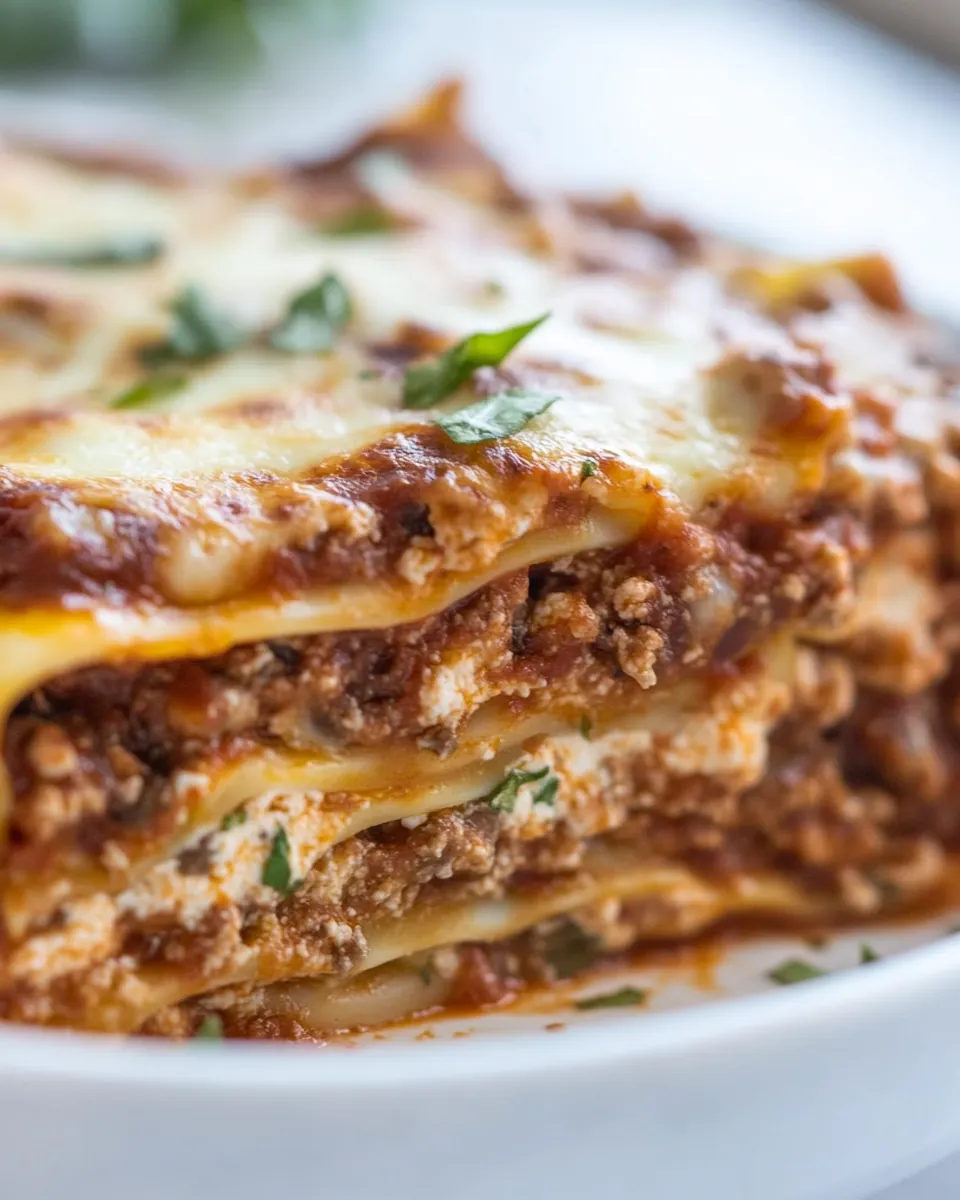
I like to think of the directions as a rhythm: brown the meat, coax flavors in the sauce, assemble with care, and let the oven do the finishing work. Below I expand each step so you can sense exactly what to watch, smell, and expect as you cook.
- To make the meat sauce: In a large pot or dutch oven, cook the ground beef, Italian sausage, onion, garlic and salt on medium/high heat until browned. Add the parsley flakes, dried oregano, 2 cans tomatoes, tomato paste, and fresh basil. Simmer 1 hour.: In a large pot or dutch oven, cook the ground beef, Italian sausage, onion, garlic and salt on medium/high heat until browned : The pan will start to sizzle as the ground beef and Italian sausage hit the hot surface, releasing savory aromas that fill the kitchen. Listen for steady sizzling with occasional pops, and watch the meat shift from pink to deep brown as Maillard reactions create those caramelized, nutty notes. The onion should soften and turn translucent to slightly golden, bringing out its natural sweetness, while the garlic should become fragrant without burning. Browning properly matters because it builds complexity in the sauce, giving depth that plain tomatoes alone cannot provide. A common mistake here is overcrowding the pan, which leads to steaming rather than browning; if that happens, remove some meat or use a wider pot so juices evaporate and browning occurs. If excess fat accumulates, carefully drain it to prevent a greasy sauce. Stir occasionally to avoid hot spots and check for even color on the meat pieces.
- To prepare noodles: While the sauce is simmering go ahead and prepare the noodles. If you are making this lasagna ahead of time soak the noodles in hot water for about 30 minutes or until soft. If you are making the lasagna instantly, cook lasagna noodles according to package directions; drain and set aside. Preheat oven to 375 degrees F (190 degrees C).: As you add the canned tomatoes and tomato paste , you will see the sauce thicken and the color deepen to a rich red. The dried parsley flakes and oregano will rehydrate and release herbal notes, while the chopped fresh basil will lift the aroma. Stir to combine until the tomato paste dissolves and integrates, scraping up any browned bits from the bottom of the pot to fold that flavor back into the sauce. This blending step matters because it ensures even flavor distribution and prevents pockets of concentrated paste. Simmering allows the acidity to mellow and the flavors to harmonize. A typical pitfall is not stirring enough early on, which can leave the paste clumped; use a wooden spoon to break it up and achieve a smooth consistency.
- To assemble: Spray a 13 x 9" baking pan with cooking spray. Combine ricotta cheese, eggs, pepper, 2 tablespoons parsley, and Parmesan cheese. In a lasagna pan, place a tablespoon of sauce on the bottom of the pan then layer noodles, meat sauce, cheese mixture, and mozzarella slices (or shredded mozzarella); repeat. Top off with layer of noodles; sprinkle evenly with remaining mozzarella cheese. Cover with aluminum.: When the sauce reaches a gentle simmer, you will notice small, steady bubbles and a deeper, more concentrated tomato scent. Maintain a low simmer so the sauce reduces slowly, intensifying flavors without evaporating all moisture. During this time the texture will evolve from watery to thick and glossy, and any sharp tomato bite will round into a pleasant sweetness. Stir every 10 to 15 minutes to prevent sticking, and adjust heat so it does not boil hard, which can break down herbs and flatten flavor. One mistake people make is rushing this step by turning the heat too high; that can lead to uneven reduction and a flatter taste. If the sauce looks too acid or flat near the end, a pinch of salt can balance it, added cautiously and tasted as you go.
- Bake in preheated oven for 25 minutes covered with foil. After 25 minutes remove foil, and bake an additional 20 minutes or until cheese mixture is thoroughly melted. Cool for at least 20 minutes before serving.: While the sauce is simmering go ahead and prepare the noodles : The kitchen will fill with the warm starch scent as you bring a large pot of salted water to a boil. If you plan to assemble right away, cook the lasagna noodles according to package directions until they are tender but still slightly firm to the bite, what Italians call al dente. Drain and lay them flat on a sheet to prevent sticking. If you are making this ahead, soaking the noodles in hot water for about 30 minutes until soft avoids the boiling step and can save time later, but be mindful that over soaking will make them fragile. The goal is pliable noodles that hold their shape during layering. A common error is stacking hot noodles while wet which causes them to stick together; separate with a light drizzle of oil or a dusting of semolina if needed.
- Preheat oven to 375 degrees F (190 degrees C): Preheating ensures consistent oven temperature so the lasagna bakes evenly. You want the oven fully up to temperature when you place the assembled dish inside, because a cold oven can extend baking time and affect texture. Set the rack to the center position for even heat distribution. Avoid opening the door frequently during baking, as temperature fluctuations can prevent the cheese from melting properly. If your oven runs hot or cool, an oven thermometer helps you calibrate.
- To assemble: Spray a 13 x 9" baking pan with cooking spray : Lightly greasing the pan keeps the finished lasagna from sticking and makes serving cleaner. Spread a tablespoon of sauce evenly on the bottom to prevent noodles from bonding to the pan and to start with a flavorful base. Then layer the components logically: noodles, a generous ladle of the meat sauce, a portion of the ricotta mixture, and a scattering of mozzarella cheese . Repeat these layers so you achieve multiple strata of sauce and cheese. Finish with a final noodle layer topped with the remaining mozzarella cheese , making sure the cheese covers the surface for an even golden crust. Assembly matters because it determines how each slice holds together and how the flavors balance from edge to center. A common mistake is overloading with sauce in one area, which results in uneven baking and a soggy center. Take a moment to distribute layers evenly and gently press down to compact the layers without squeezing out fillings.
- Combine ricotta cheese, eggs, pepper, 2 tablespoons parsley, and Parmesan cheese: Mix these in a bowl until creamy and uniform, tasting to adjust seasoning. The egg acts as a binder to help the ricotta set during baking, while the parmesan cheese adds savory saltiness and umami. Freshly chopped parsley brightens the mixture both visually and flavor wise. Ensure the mixture is not overly runny; if it seems too loose, a few extra minutes in the refrigerator can help it firm slightly for neater layers. Avoid under seasoning, which can leave this layer tasting bland once baked.
- Top off with layer of noodles; sprinkle evenly with remaining mozzarella cheese: When the lasagna is fully layered, the top mozzarella cheese will melt into a golden, bubbling cap. A uniform cheese layer promotes even browning and that lovely pull when you serve. If you like a crustier top, uncover for the final portion of baking to allow the cheese to brown. Be careful not to let it burn; browned is great, charred is not. Keep an eye through the oven window and rotate the pan if your oven has hot spots.
- Cover with aluminum: Tent the lasagna with foil to trap moisture and let the center heat through gently. This prevents the top from overbrowning while the interior reaches temperature. If the foil touches the cheese surface it can stick when melted, so tent slightly or use a layer of parchment between the cheese and foil to protect the top. A frequent oversight is sealing the foil too tightly, which can create excess steam and prevent proper browning later.
- Bake in preheated oven for 25 minutes covered with foil: As it bakes covered, the lasagna will heat through and the cheeses will begin to meld into the sauce. You may hear a gentle bubbling at the edges and smell the aroma deepen. Baking covered first ensures the middle becomes hot without burning the top. Check for vigorous bubbling at the edges as an indicator that the center is nearing readiness; if after the covered period it still feels cool in the middle, give it a few extra minutes covered before uncovering.
- After 25 minutes remove foil, and bake an additional 20 minutes or until cheese mixture is thoroughly melted: Removing the foil lets the top color and the mozzarella cheese brown attractively. You should see the cheese bubble and develop golden brown spots, and the edges of the noodles crisp slightly. The internal temperature should be hot throughout; if in doubt, insert a knife into the center to check temperature and texture. One pitfall is pulling the lasagna out too soon; let it bake until the cheeses are melted and the top shows golden color for the best texture and appearance.
- Cool for at least 20 minutes before serving: Resting is essential, because it allows the layers to set and the juices to redistribute, resulting in cleaner slices that hold their shape. The aroma will mellow slightly and the texture will firm, making serving neater and more satisfying. If you slice too early, the lasagna can fall apart and the filling will run. Use this time to prepare sides or garnishes, and plan for slightly longer resting if the pan is deeper.
Change It Up
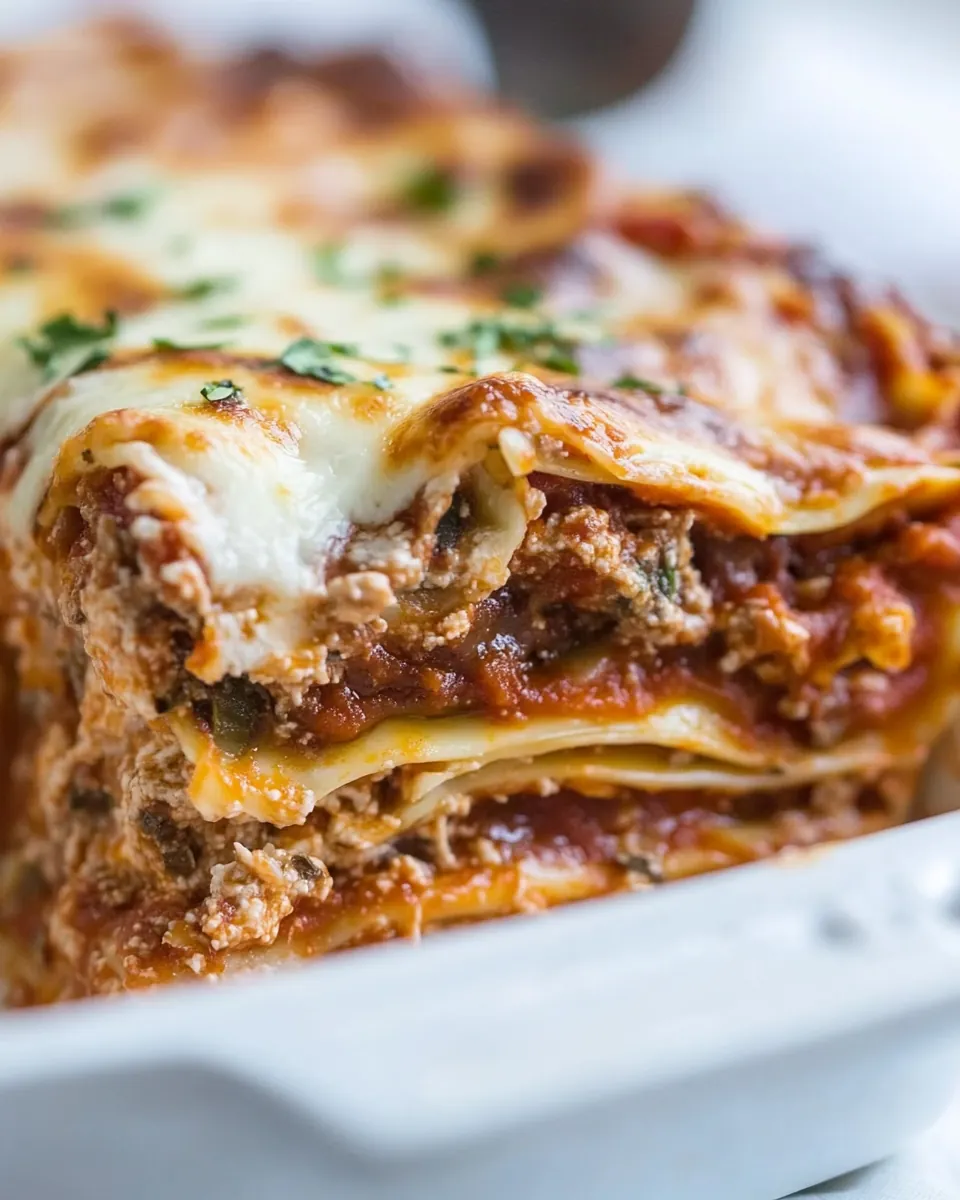
Small adjustments can transform this lasagna to suit different tastes or schedules. Here are actionable ideas and variations that keep the core intact while offering flexibility for busy nights or special meals.
- Swap cheeses sparingly: Substitute part of the mozzarella cheese with provolone for a smokier melt, but keep the ricotta cheese base for texture.
- Make ahead assembly: Assemble the lasagna up to 24 hours ahead, cover, and refrigerate; bake directly from the fridge, adding 10 to 15 extra minutes covered to ensure thorough heating.
- Freeze for later: After assembling, wrap tightly and freeze; bake from frozen at 375 degrees F, adding extra time and keeping it covered until the center heats through.
- Adjust herb intensity: If you prefer a brighter herb profile, increase the fresh basil slightly when assembling; add it just before baking for peak aroma.
- Control moisture: If your sauce seems thin, simmer uncovered for a bit longer before assembling to avoid a watery lasagna.
- Layer for presentation: Use slightly fewer noodles and more sauce layers if you want a saucier slice, or more noodles for a firmer, structured piece.
- Cheese on top: For a crisper top, broil for 1 to 2 minutes at the end, watching closely to prevent burning.
What to Serve Alongside The Best Ever Lasagna
A thoughtfully chosen accompaniment rounds out the meal and sets the occasion, whether a casual weeknight or a holiday gathering. Here are ideas for side dishes, serving styles, and storage considerations to make the experience complete.
- Simple green salad: A crisp salad with a light vinaigrette cuts through the richness, offering a refreshing contrast and palate cleanser between bites.
- Garlic bread or crusty loaf: Warm bread is perfect for mopping up any leftover sauce and provides a satisfying textural contrast to the soft lasagna layers.
- Roasted vegetables: Serve seasonal roasted vegetables for color, nutrition, and a caramelized flavor profile that complements the tomato sauce.
- Occasion suggestions: This dish works beautifully for dinner parties, family Sunday meals, or winter gatherings when hearty, warming food is appreciated.
- Storage tips: Refrigerate leftovers within two hours, storing in an airtight container for up to four days; reheat gently in the oven to preserve texture.
- Make ahead for events: Assemble the lasagna the day before to save time on the day of serving; bake just before guests arrive for the best presentation.
- Seasonal pairings: In winter enjoy with roasted root vegetables and red leaf salads; in warmer months, pair with a simple tomato and cucumber salad for a lighter feel.
FAQ
Conclusion
What makes The Best Ever Lasagna special is the marriage of a slowly simmered meat sauce with layers of creamy ricotta cheese and bubbling mozzarella cheese, delivering comfort on every plate. Give it a try when you want a dependable, crowd pleasing meal that improves with a bit of patience and a gentle hand during assembly. You will enjoy the rewarding aroma as it bakes and the satisfying, shareable slices that follow. Invite friends or family, set the table, and let this hearty lasagna be the centerpiece of a warm, memorable meal.
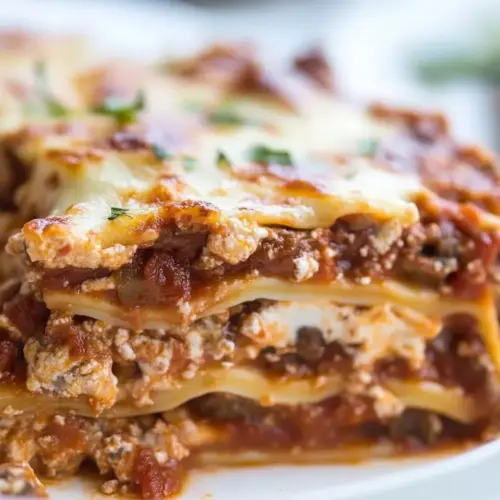
The Best Ever Lasagna
Equipment
- Large Pot
- Dutch Oven
- 13 x 9-inch baking pan
- Aluminum Foil
Ingredients
- 1 1/2 lbs lean ground beef Brown and crumble to develop savory depth and provide the primary meaty foundation for the sauce, adding richness and texture. Season as it cooks to enhance flavor and drain excess fat if desired to control sauce consistency. Combine with onions and garlic for a balanced aromatic base that carries the tomato and herb flavors. Use lean ground beef to keep the lasagna hearty without overly greasy layers.
- 1/2 lb Italian sausage Cook and crumble to contribute robust, spiced flavor and additional fat that enriches the meat sauce. Choose Italian sausage for its fennel and herb notes which complement the tomato base and meld with the beef. Remove casings if necessary and brown thoroughly to render fat and deepen complexity. Balance sausage with other aromatics to avoid overpowering the dish.
- 1 large onion, chopped Sauté chopped to release natural sweetness and create an aromatic foundation that softens the sauce texture. Add early in cooking to meld with browned meats and help build layered savory flavors. Finely chop for even distribution throughout the sauce and to provide subtle body in each bite. Adjust cook time to achieve translucent tenderness without browning too dark.
- 4 garlic cloves, minced Mince and sauté briefly to release pungent, aromatic oils that brighten and deepen the sauce profile. Add toward the beginning of cooking to infuse the meat and tomato base with a savory, garlicky note. Use minced garlic sparingly to avoid bitterness from overcooking, stirring until fragrant. Complement garlic with herbs for cohesive Italian-inspired flavor.
- 1/4 teaspoons salt, or to taste Measure precisely to season and balance the sauce, enhancing overall flavor without overwhelming other ingredients. Add gradually and taste as the sauce simmers to achieve the desired saltiness. Consider dietary sodium and adjust if using salted cheese or canned tomatoes. Dissolve into the sauce to ensure even seasoning throughout the layers.
- 1 tablespoon dried parsley flakes Sprinkle dried parsley flakes to add a mild, herbaceous green note and visual specks to the sauce or cheese mixture. Use during simmering to allow flavors to rehydrate and integrate with tomatoes and meats. Combine with other dried herbs to create a balanced Italian herb profile. Optionally reserve a small amount for garnish to provide fresh appearance.
- 1 tablespoon dried oregano Stir in dried oregano to impart warm, slightly bitter Mediterranean herb notes that complement tomatoes and meats. Add early in the cooking process so heat releases its aromatic oils and infuses the sauce. Balance with fresh basil and parsley to prevent oregano from dominating the flavor. Use measured amounts to maintain harmony across layers.
- 1/2 cup FRESH chopped basil Chop FRESH basil and fold into the sauce or cheese layers to provide a bright, sweet, and peppery herbaceous lift. Add near the end of cooking or between layers to preserve its aromatic freshness and vibrant color. Use generous amounts to contrast richer, heavier components like cheeses and meats. Tear or chiffonade for better distribution and release of essential oils.
- 2 (14 1/2 ounce) cans whole tomatoes, undrained and chopped Drain and chop whole tomatoes to create the chunky tomato base that contributes acidity, sweetness, and body to the sauce. Combine with tomato paste and herbs, allowing simmering to break down the pieces and concentrate flavors. Use undrained cans when additional liquid is desired, adjusting simmer time to reach preferred consistency. Crush by hand or with a spoon for texture control.
- 2 (26 ounce) cans tomato paste Add tomato paste to thicken and intensify the tomato flavor, providing a concentrated, rich backbone to the sauce. Stir in early and cook briefly to remove raw tomato taste and allow caramelization for deeper umami. Balance paste with canned tomatoes and simmer sufficiently to meld flavors and reach the desired thickness. Use measured amounts to avoid overly dense texture.
- 24 ounces ricotta cheese or 24 ounces cottage cheese Mix ricotta cheese or cottage cheese into the cheese filling for creamy, slightly tangy layers that add moisture and smoothness. Stir with egg and seasonings to create a spreadable mixture that binds between noodle layers and prevents dryness. Choose ricotta for a traditional silky texture or cottage cheese for a lighter, slightly lumpy alternative. Adjust salt and herbs to complement the cheeses' mild profiles.
- 1 egg, beaten Beat and combine to act as a binder for the ricotta or cottage cheese mixture, helping it set and hold shape during baking. Fold into the cheese filling evenly to ensure consistent texture and prevent separation when sliced. Use a single egg to provide structure without making the filling overly firm. Ensure thorough mixing so the egg is fully incorporated into the cheeses.
- 1/2 teaspoon pepper Measure and add to season the cheese mixture and sauce, contributing a mild heat and background contrast to richer ingredients. Incorporate during mixing so pepper disperses evenly throughout layers. Adjust quantity based on personal preference to avoid masking delicate flavors. Use freshly ground pepper for a brighter, more aromatic result.
- 2 tablespoons parsley Stir chopped or minced parsley into the cheese mixture and sauce to introduce subtle freshness and a clean herbal note. Use as part of the filling and as a garnish between layers to brighten the overall flavor profile. Combine with dried herbs to round out the seasoning and add visual appeal. Chop finely for even distribution and better integration.
- 1/2 cup grated parmesan cheese Grate and mix into the cheese filling and sprinkle over layers for a salty, nutty umami boost that enhances overall savory quality. Use Parmesan to add complexity and help bind moisture without making the filling watery. Incorporate both inside the layers and on top before baking for a golden, flavorful crust. Opt for freshly grated Parmesan for superior aroma and melt characteristics.
- 1 lb mozzarella cheese, sliced or shredded Slice or shred mozzarella to create the melty, stretchy cheese layer that provides creamy texture and browning on the lasagna top. Distribute evenly between layers to ensure cohesive slices that hold together when served. Use whole-milk mozzarella for richer meltiness, and pre-shred or slice to personal preference. Allow cheese to brown under heat for appealing color and additional flavor.
- 12 -16 lasagna noodles Boil according to package instructions to form tender pasta layers that separate the sauce and cheese, providing structure to the assembled lasagna. Use the specified number of noodles to achieve desired thickness and layer count, overlapping slightly as needed. Rinse or handle per recipe preference to prevent sticking and ensure pliability. Arrange evenly to allow even cooking and slicing after baking.
Instructions
- To make the meat sauce: In a large pot or dutch oven, cook the ground beef, Italian sausage, onion, garlic and salt on medium/high heat until browned. Add the parsley flakes, dried oregano, 2 cans tomatoes, tomato paste, and fresh basil. Simmer 1 hour.: In a large pot or dutch oven, cook the ground beef, Italian sausage, onion, garlic and salt on medium/high heat until browned : The pan will start to sizzle as the ground beef and Italian sausage hit the hot surface, releasing savory aromas that fill the kitchen. Listen for steady sizzling with occasional pops, and watch the meat shift from pink to deep brown as Maillard reactions create those caramelized, nutty notes. The onion should soften and turn translucent to slightly golden, bringing out its natural sweetness, while the garlic should become fragrant without burning. Browning properly matters because it builds complexity in the sauce, giving depth that plain tomatoes alone cannot provide. A common mistake here is overcrowding the pan, which leads to steaming rather than browning; if that happens, remove some meat or use a wider pot so juices evaporate and browning occurs. If excess fat accumulates, carefully drain it to prevent a greasy sauce. Stir occasionally to avoid hot spots and check for even color on the meat pieces.
- To prepare noodles: While the sauce is simmering go ahead and prepare the noodles. If you are making this lasagna ahead of time soak the noodles in hot water for about 30 minutes or until soft. If you are making the lasagna instantly, cook lasagna noodles according to package directions; drain and set aside. Preheat oven to 375 degrees F (190 degrees C).: As you add the canned tomatoes and tomato paste , you will see the sauce thicken and the color deepen to a rich red. The dried parsley flakes and oregano will rehydrate and release herbal notes, while the chopped fresh basil will lift the aroma. Stir to combine until the tomato paste dissolves and integrates, scraping up any browned bits from the bottom of the pot to fold that flavor back into the sauce. This blending step matters because it ensures even flavor distribution and prevents pockets of concentrated paste. Simmering allows the acidity to mellow and the flavors to harmonize. A typical pitfall is not stirring enough early on, which can leave the paste clumped; use a wooden spoon to break it up and achieve a smooth consistency.
- To assemble: Spray a 13 x 9" baking pan with cooking spray. Combine ricotta cheese, eggs, pepper, 2 tablespoons parsley, and Parmesan cheese. In a lasagna pan, place a tablespoon of sauce on the bottom of the pan then layer noodles, meat sauce, cheese mixture, and mozzarella slices (or shredded mozzarella); repeat. Top off with layer of noodles; sprinkle evenly with remaining mozzarella cheese. Cover with aluminum.: When the sauce reaches a gentle simmer, you will notice small, steady bubbles and a deeper, more concentrated tomato scent. Maintain a low simmer so the sauce reduces slowly, intensifying flavors without evaporating all moisture. During this time the texture will evolve from watery to thick and glossy, and any sharp tomato bite will round into a pleasant sweetness. Stir every 10 to 15 minutes to prevent sticking, and adjust heat so it does not boil hard, which can break down herbs and flatten flavor. One mistake people make is rushing this step by turning the heat too high; that can lead to uneven reduction and a flatter taste. If the sauce looks too acid or flat near the end, a pinch of salt can balance it, added cautiously and tasted as you go.
- Bake in preheated oven for 25 minutes covered with foil. After 25 minutes remove foil, and bake an additional 20 minutes or until cheese mixture is thoroughly melted. Cool for at least 20 minutes before serving.: While the sauce is simmering go ahead and prepare the noodles : The kitchen will fill with the warm starch scent as you bring a large pot of salted water to a boil. If you plan to assemble right away, cook the lasagna noodles according to package directions until they are tender but still slightly firm to the bite, what Italians call al dente. Drain and lay them flat on a sheet to prevent sticking. If you are making this ahead, soaking the noodles in hot water for about 30 minutes until soft avoids the boiling step and can save time later, but be mindful that over soaking will make them fragile. The goal is pliable noodles that hold their shape during layering. A common error is stacking hot noodles while wet which causes them to stick together; separate with a light drizzle of oil or a dusting of semolina if needed.
- Preheat oven to 375 degrees F (190 degrees C): Preheating ensures consistent oven temperature so the lasagna bakes evenly. You want the oven fully up to temperature when you place the assembled dish inside, because a cold oven can extend baking time and affect texture. Set the rack to the center position for even heat distribution. Avoid opening the door frequently during baking, as temperature fluctuations can prevent the cheese from melting properly. If your oven runs hot or cool, an oven thermometer helps you calibrate.
- To assemble: Spray a 13 x 9" baking pan with cooking spray : Lightly greasing the pan keeps the finished lasagna from sticking and makes serving cleaner. Spread a tablespoon of sauce evenly on the bottom to prevent noodles from bonding to the pan and to start with a flavorful base. Then layer the components logically: noodles, a generous ladle of the meat sauce, a portion of the ricotta mixture, and a scattering of mozzarella cheese . Repeat these layers so you achieve multiple strata of sauce and cheese. Finish with a final noodle layer topped with the remaining mozzarella cheese , making sure the cheese covers the surface for an even golden crust. Assembly matters because it determines how each slice holds together and how the flavors balance from edge to center. A common mistake is overloading with sauce in one area, which results in uneven baking and a soggy center. Take a moment to distribute layers evenly and gently press down to compact the layers without squeezing out fillings.
- Combine ricotta cheese, eggs, pepper, 2 tablespoons parsley, and Parmesan cheese: Mix these in a bowl until creamy and uniform, tasting to adjust seasoning. The egg acts as a binder to help the ricotta set during baking, while the parmesan cheese adds savory saltiness and umami. Freshly chopped parsley brightens the mixture both visually and flavor wise. Ensure the mixture is not overly runny; if it seems too loose, a few extra minutes in the refrigerator can help it firm slightly for neater layers. Avoid under seasoning, which can leave this layer tasting bland once baked.
- Top off with layer of noodles; sprinkle evenly with remaining mozzarella cheese: When the lasagna is fully layered, the top mozzarella cheese will melt into a golden, bubbling cap. A uniform cheese layer promotes even browning and that lovely pull when you serve. If you like a crustier top, uncover for the final portion of baking to allow the cheese to brown. Be careful not to let it burn; browned is great, charred is not. Keep an eye through the oven window and rotate the pan if your oven has hot spots.
- Cover with aluminum: Tent the lasagna with foil to trap moisture and let the center heat through gently. This prevents the top from overbrowning while the interior reaches temperature. If the foil touches the cheese surface it can stick when melted, so tent slightly or use a layer of parchment between the cheese and foil to protect the top. A frequent oversight is sealing the foil too tightly, which can create excess steam and prevent proper browning later.
- Bake in preheated oven for 25 minutes covered with foil: As it bakes covered, the lasagna will heat through and the cheeses will begin to meld into the sauce. You may hear a gentle bubbling at the edges and smell the aroma deepen. Baking covered first ensures the middle becomes hot without burning the top. Check for vigorous bubbling at the edges as an indicator that the center is nearing readiness; if after the covered period it still feels cool in the middle, give it a few extra minutes covered before uncovering.
- After 25 minutes remove foil, and bake an additional 20 minutes or until cheese mixture is thoroughly melted: Removing the foil lets the top color and the mozzarella cheese brown attractively. You should see the cheese bubble and develop golden brown spots, and the edges of the noodles crisp slightly. The internal temperature should be hot throughout; if in doubt, insert a knife into the center to check temperature and texture. One pitfall is pulling the lasagna out too soon; let it bake until the cheeses are melted and the top shows golden color for the best texture and appearance.
- Cool for at least 20 minutes before serving: Resting is essential, because it allows the layers to set and the juices to redistribute, resulting in cleaner slices that hold their shape. The aroma will mellow slightly and the texture will firm, making serving neater and more satisfying. If you slice too early, the lasagna can fall apart and the filling will run. Use this time to prepare sides or garnishes, and plan for slightly longer resting if the pan is deeper.
Notes
- Swap cheeses sparingly: Substitute part of the mozzarella cheese with provolone for a smokier melt, but keep the ricotta cheese base for texture.
- Make ahead assembly: Assemble the lasagna up to 24 hours ahead, cover, and refrigerate; bake directly from the fridge, adding 10 to 15 extra minutes covered to ensure thorough heating.
- Freeze for later: After assembling, wrap tightly and freeze; bake from frozen at 375 degrees F, adding extra time and keeping it covered until the center heats through.
- Adjust herb intensity: If you prefer a brighter herb profile, increase the fresh basil slightly when assembling; add it just before baking for peak aroma.
- Control moisture: If your sauce seems thin, simmer uncovered for a bit longer before assembling to avoid a watery lasagna.
- Layer for presentation: Use slightly fewer noodles and more sauce layers if you want a saucier slice, or more noodles for a firmer, structured piece.
- Cheese on top: For a crisper top, broil for 1 to 2 minutes at the end, watching closely to prevent burning.