Roast Chicken
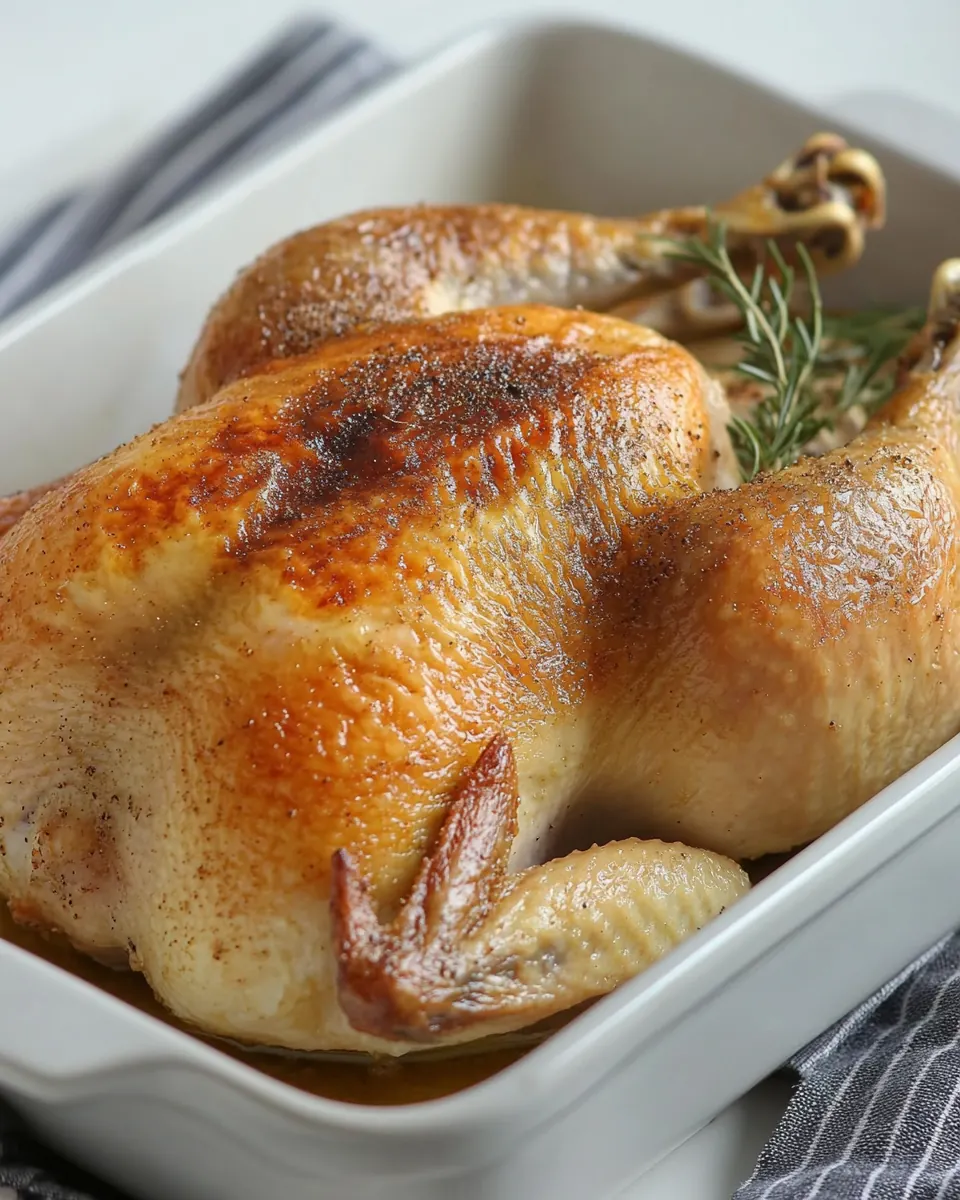
Roast Chicken has always been the dish I turn to when I want a meal that feels both comforting and impressive without a lot of fuss.
There are nights when I come home tired and need something that fills the house with that warm, savory aroma that feels like a hug. I remember learning to roast my first whole chicken in a tiny kitchen, juggling a single pan and a stubborn oven. Over time I discovered small rituals that change everything, like patting the skin dry so it crisps perfectly, and tucking a halved bulb of garlic into the cavity so the steam perfumes the meat as it cooks. Those little habits make this Roast Chicken the sort of meal friends ask for again and again.
On weekends I like to invite company and let the oven do most of the work while I focus on simple sides. The moment the bird comes out and rests under foil, the kitchen fills with a golden, roasted scent that gets everyone talking. I love serving slices with the roasted carrots and onion right from the pan, spooning pan juices over top for extra depth. The story of this Roast Chicken is really about trusting basic technique, respecting quality ingredients, and savoring the quiet confidence that comes from nailing a classic.
Recipe Snapshot
1 hr 45 mins
15 mins
90 mins
Medium
400 kcal
American
Paleo, Gluten-Free
Dinner
Roasting pan or baking dish, Instant read thermometer, Kitchen twine
Why Try This Roast Chicken
Effortless centerpiece
I adore how Roast Chicken commands the table with very little hands on time. Once you prep and slide it into the oven, most of the work is done, so you can relax, set the table, or finish a simple side.
Deep roasted flavors
Roasting the whole bird with a halved bulb of garlic and vegetables creates a savory backbone that cannot be matched by quick methods. The steam from the garlic mellows and sweetens, and the vegetables take on concentrated caramelized notes.
Versatility for any occasion
This recipe scales well, it suits weeknight dinners and casual entertaining. I’ve used the same approach for a cozy family Sunday supper and for a relaxed dinner with friends, and it always fits the mood.
Simple pantry friendly
With just a few pantry staples like olive oil, salt, and pepper, this dish transforms into something memorable. You do not need special ingredients to get excellent results, which is why I come back to it so often.
Leftover potential
The leftovers reheat beautifully and become the base for sandwiches, salads, or quick pasta. That practicality makes this meal economical and reliable in my kitchen.
Recipe Ingredients for Roast Chicken
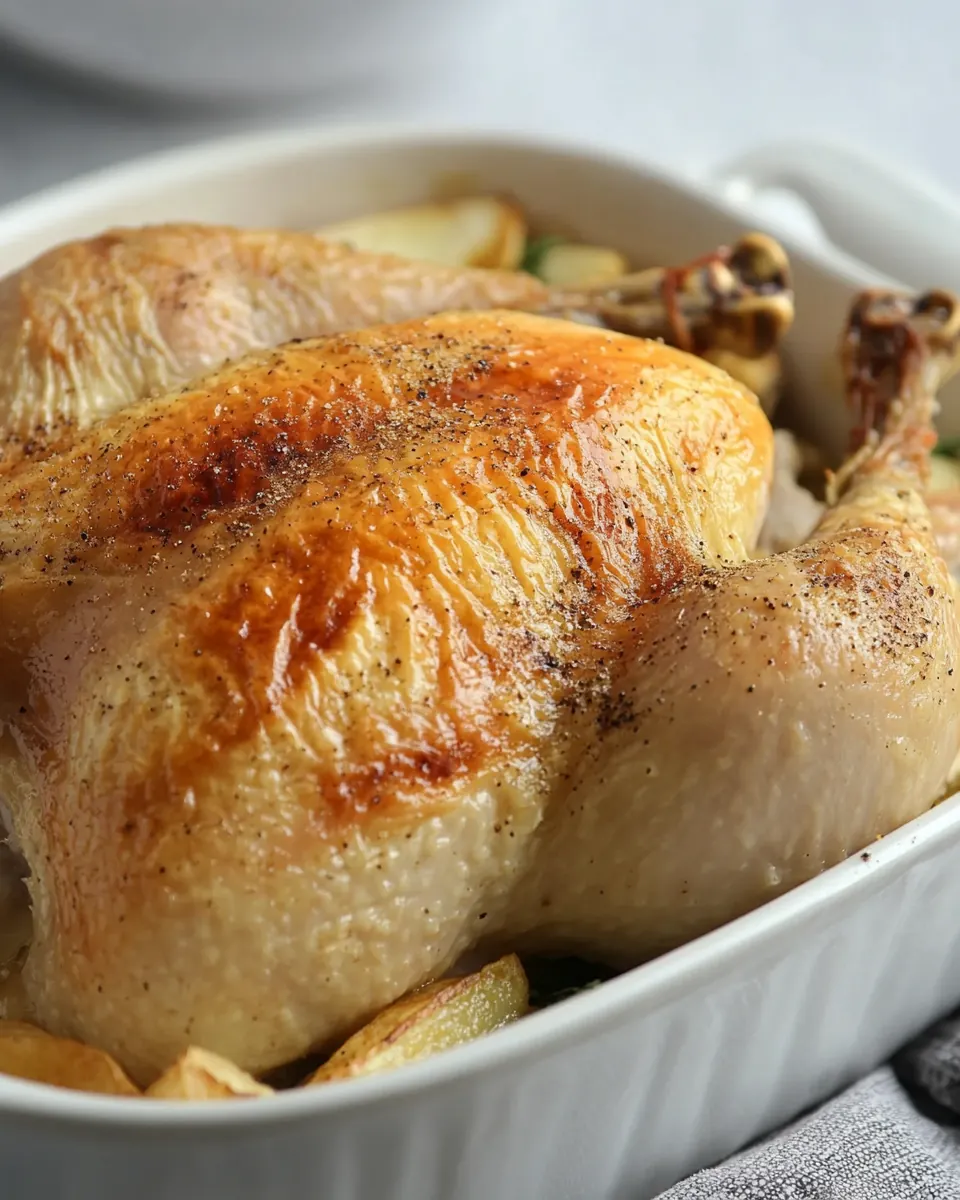
These ingredients are intentionally simple and cooperative. The focus is on building layers of flavor through roasting rather than complex seasoning. The key players include the whole chicken for the main protein, root vegetables that caramelize and add sweetness, and olive oil which helps the skin crisp and gives a pleasant fruity note. Salt and pepper act as foundational seasoning so the natural flavors can shine.
- 4 tablespoons olive oil divided: Coat the chicken and vegetables evenly to promote browning and crisp skin; use about half initially and reserve the rest for basting during roasting. Add to the cavity and under the skin where possible to infuse fat and flavor as it renders.
- 3 large carrots washed and cut into large pieces: Provide a sweet, earthy base and roast well alongside the bird; cut into large pieces to avoid burning and to release natural sugars slowly. Scatter in the roasting pan to create a flavorful bed that lifts the chicken and collects pan juices for gravy.
- 3 ribs celery washed and cut into large pieces: Add aromatic depth and savory backbone; chopped into large pieces so they hold up during the long roast and release moisture without turning mushy. Place with other root vegetables to contribute umami and support even cooking of the chicken.
- 1 onion cut into chunks: Contribute savory, aromatic sweetness and caramelization when roasted; chunked pieces will soften and mingle with pan juices to enrich the final sauce. Tuck some pieces in the cavity to perfume the chicken from the inside while roasting.
- salt & pepper to taste: Season the chicken and vegetables evenly to enhance natural flavors and balance richness; apply liberally to both the exterior and the cavity while adjusting to personal preference. Re-season during roasting if necessary to maintain a well-flavored crust and juices.
- 1 whole chicken 3-4 lb bird, neck and giblets removed: Provide the main protein and centerpiece of the dish; choose a 3–4 lb bird for even roasting and consistent timing. Remove neck and giblets to prevent off-flavors, pat dry before seasoning, and truss if desired for uniform cooking.
- 1 whole bulb garlic cut in half lengthwise: Introduce mellow, roasted garlic flavor and aromatic steam when halved and placed in the cavity or pan; cut bulb exposes cloves that soften and sweeten as they roast. Squeeze softened cloves into pan juices or rub under the skin for concentrated garlic essence.
Instructions for Roast Chicken
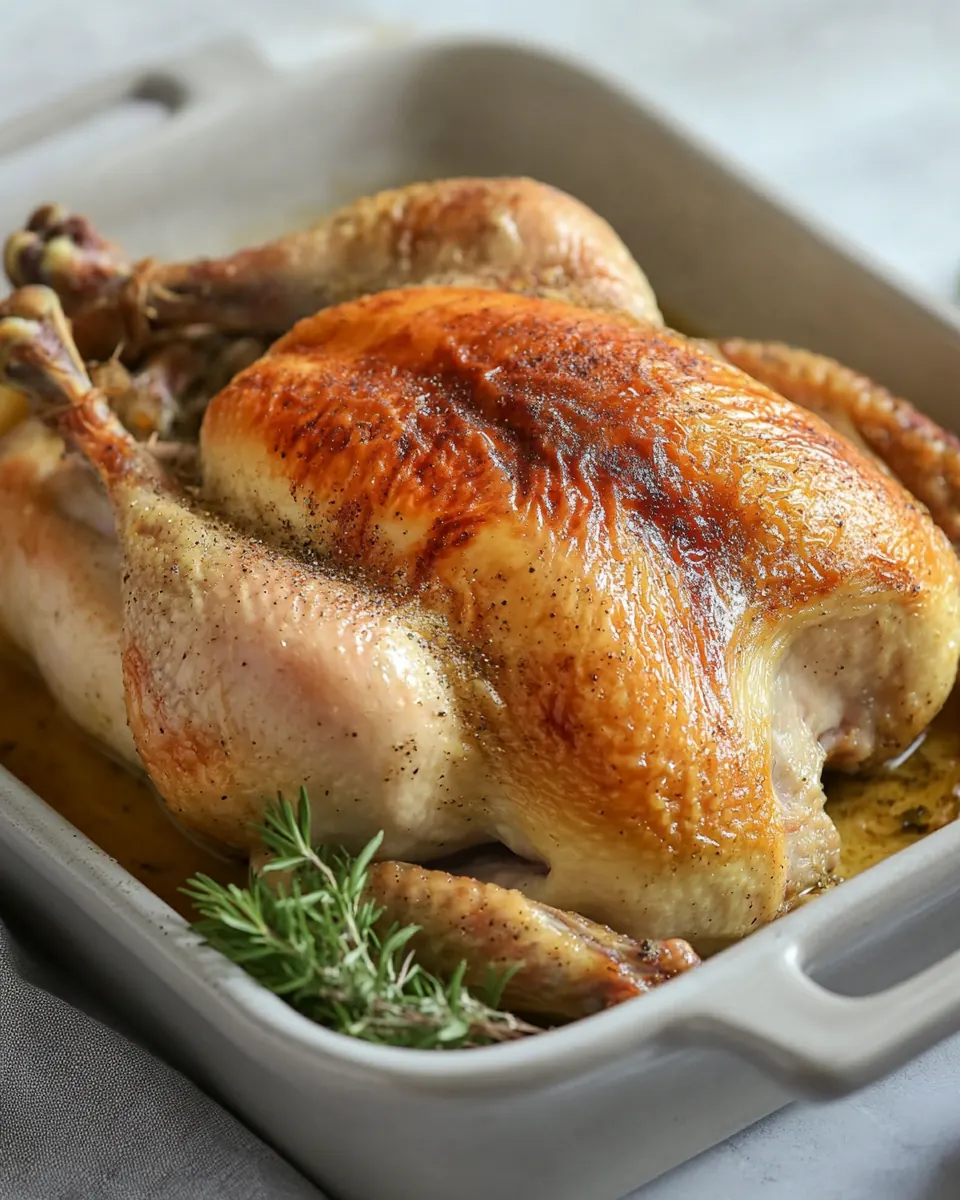
These directions are straightforward, but I like to walk you through how each moment feels in the kitchen. Follow the sequence and pay attention to sensory signals so the roast comes out golden, juicy, and aromatic.
- Preheat oven to 425 degrees.: The oven will hum to life and gradually fill with warm air. When it hits 425 degrees , you want a steady, even heat that encourages immediate browning, creating the Maillard reaction on the skin that yields those savory, complex aromas. A common mistake is not allowing the oven to fully reach temperature, which can result in limp skin and longer cook time. If your oven has hot spots, rotate the pan once during cooking to ensure even coloring.
- In a small roasting pan or baking dish, toss carrots, celery, and onion with 2 tablespoons olive oil, salt and pepper and place into the bottom of the pan.: Right after tossing, you should see the vegetables glisten and hear a faint rustle as oil coats them. This initial coating helps them brown and release sweetness as they roast, contributing rich pan juices. Avoid overcrowding the pan, which can cause steaming instead of roasting and lead to soggy vegetables. If the veggies look too dry, add a touch more olive oil so they don’t stick or burn.
- Pat entire chicken dry with paper towels, add garlic bulb into the cavity of the bird and tie legs together with kitchen twine (or use a small rubber band). Brush with remaining 2 tablespoons olive oil and sprinkle generously with salt and pepper. Place overtop veggies and roast 60-90 minutes or until golden brown and registers at 165 degrees in the thigh.: Drying the surface creates the conditions for crisp skin, you should feel the skin slightly tacky after patting. Sliding the halved garlic into the cavity infuses delicate aroma as it steams inside. Tying the legs helps the bird roast evenly and maintain a pleasing shape. A frequent oversight is skipping the drying step, which traps moisture and prevents browning; be thorough with the paper towels.
- Remove from oven, cover with foil and rest chicken 20 minutes. Carve the entire bird and serve.: As you brush, the skin will take on a satin sheen and the seasoning will cling to the surface. The generous salt helps to extract surface moisture and creates crispness, while pepper layers in warm aromatics. Be careful not to overdo the salt if you are using a coarse sea salt, taste the dish later to adjust. Brushing evenly is key so one side does not burn while another remains pale.
- Place overtop veggies and roast 60 to 90 minutes or until golden brown and registers at 165 degrees in the thigh.: During roasting, you will notice the skin transform to a deep golden color and the kitchen will fill with a rich roasted scent. The vegetables beneath will bubble slightly and caramelize at the edges, soaking up drips from the bird. Use an instant read thermometer in the thickest part of the thigh, avoiding the bone, and look for 165 degrees to ensure safety and juiciness. A common mistake is relying only on color; the thermometer prevents overcooking which would dry the meat.
- Remove from oven, cover with foil and rest chicken 20 minutes.: When you take the bird out, the sizzle will quiet and the aroma will intensify. Covering with foil and letting it rest allows juices to redistribute so the meat stays moist when carved. You might be tempted to carve immediately, but cutting too soon will release the juices and leave the meat dryer. Use this resting time to let the residual heat finish gentle cooking and for flavors to settle.
- Carve the entire bird and serve.: Carving reveals tender white and dark meat, and the juices in the pan will glisten. Arrange slices on a platter over the roasted vegetables, and spoon any pan juices over the top for an extra layer of flavor. If the meat seems slightly uneven in doneness, give thicker pieces a moment to rest on the warm platter. Avoid hacking at the bird; take steady, even strokes with a sharp knife for clean slices.
Expert Tips about Roast Chicken
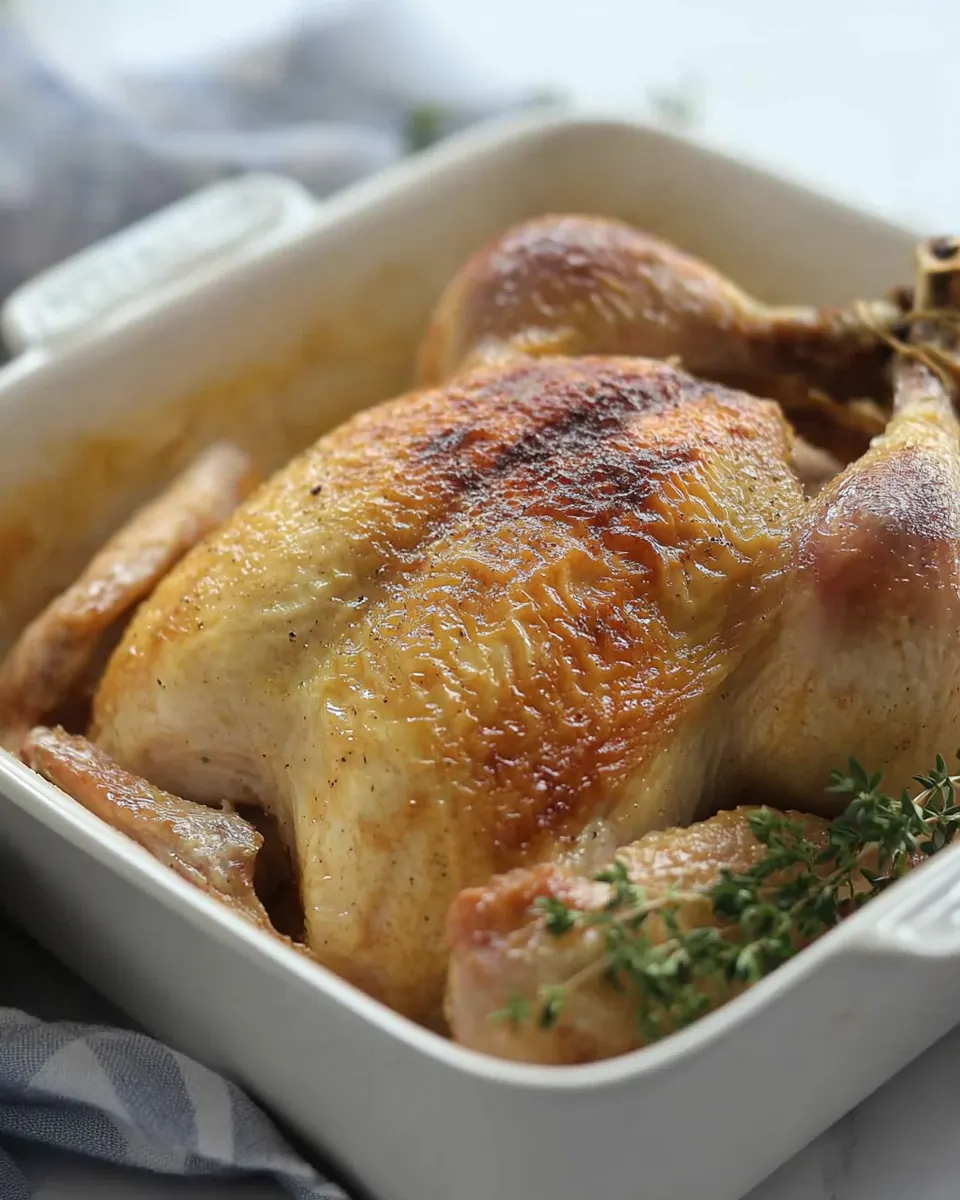
This short guide gives you practical ways to get a crisp skin and juicy meat every time you roast. These tips expand on technique and small adjustments I use in my kitchen to lift the finished dish.
- Preheat fully: Make sure the oven reaches the full temperature of 425 degrees before you put the bird in, a fully hot oven jumpstarts browning and improves texture.
- Dry the skin thoroughly: Using paper towels to remove surface moisture is a small step that yields a big payoff in crispness and depth of color.
- Reserve oil: Apply olive oil in two stages, a little on the vegetables and the rest on the skin, to control browning and prevent soggy veg.
- Use aromatics: Tucking a halved garlic bulb into the cavity gently flavors the meat without overpowering it, giving a mellow roasted garlic note.
- Thermometer over timing: Trust the internal temperature, not just the clock, as ovens vary and size affects cook time; aim for 165 degrees in the thigh.
What Goes Well With This Roast Chicken
This section explores serving styles, complementary side dishes, and occasions where the dish shines. It also covers storage and pairing ideas so you can plan the whole meal around the roast.
- Family dinners: Serve the Roast Chicken with the roasted carrots, celery, and onions from the pan for an effortless family meal that feels complete and homey.
- Casual entertaining: Carve the bird on a platter, surround with pan vegetables, and offer simple sides like a green salad or crusty bread to keep the spread relaxed and communal.
- Meal prep: Shred leftover meat for salads, sandwiches, or quick pasta the next day, storing in an airtight container in the fridge for up to three days.
- Seasonal pairings: In cooler months highlight root vegetables and hearty sides, while in warmer weather pair with a light grain salad or crisp greens to balance the richness.
- Storage tips: Cool leftovers quickly, store meat separately from vegetables if you want to reheat without overcooking the veg, and use pan juices as a quick sauce to revive moisture when reheating.
FAQ
Conclusion
This Roast Chicken stands out because it pairs effortless technique with richly roasted flavors and crisp skin. Give it a try when you want a reliable centerpiece that still feels special, whether for a quiet weeknight or relaxed gathering. You will find the aroma warming your kitchen and the leftovers turning into quick meals the following days, making this recipe both comforting and practical. Enjoy the simple satisfaction of a well roasted bird and the small rituals that make it shine.
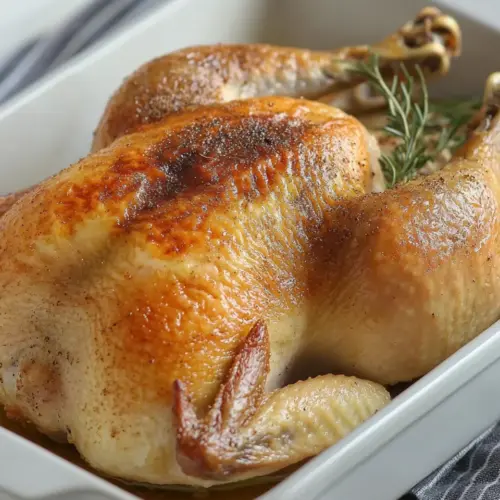
Roast Chicken
Equipment
- Roasting pan or baking dish
- Instant read thermometer
- Kitchen twine
Ingredients
- 4 tablespoons olive oil divided Coat the chicken and vegetables evenly to promote browning and crisp skin; use about half initially and reserve the rest for basting during roasting. Add to the cavity and under the skin where possible to infuse fat and flavor as it renders.
- 3 large carrots washed and cut into large pieces Provide a sweet, earthy base and roast well alongside the bird; cut into large pieces to avoid burning and to release natural sugars slowly. Scatter in the roasting pan to create a flavorful bed that lifts the chicken and collects pan juices for gravy.
- 3 ribs celery washed and cut into large pieces Add aromatic depth and savory backbone; chopped into large pieces so they hold up during the long roast and release moisture without turning mushy. Place with other root vegetables to contribute umami and support even cooking of the chicken.
- 1 onion cut into chunks Contribute savory, aromatic sweetness and caramelization when roasted; chunked pieces will soften and mingle with pan juices to enrich the final sauce. Tuck some pieces in the cavity to perfume the chicken from the inside while roasting.
- salt & pepper to taste Season the chicken and vegetables evenly to enhance natural flavors and balance richness; apply liberally to both the exterior and the cavity while adjusting to personal preference. Re-season during roasting if necessary to maintain a well-flavored crust and juices.
- 1 whole chicken 3-4 lb bird, neck and giblets removed Provide the main protein and centerpiece of the dish; choose a 3–4 lb bird for even roasting and consistent timing. Remove neck and giblets to prevent off-flavors, pat dry before seasoning, and truss if desired for uniform cooking.
- 1 whole bulb garlic cut in half lengthwise Introduce mellow, roasted garlic flavor and aromatic steam when halved and placed in the cavity or pan; cut bulb exposes cloves that soften and sweeten as they roast. Squeeze softened cloves into pan juices or rub under the skin for concentrated garlic essence.
Instructions
- Preheat oven to 425 degrees.: The oven will hum to life and gradually fill with warm air. When it hits 425 degrees , you want a steady, even heat that encourages immediate browning, creating the Maillard reaction on the skin that yields those savory, complex aromas. A common mistake is not allowing the oven to fully reach temperature, which can result in limp skin and longer cook time. If your oven has hot spots, rotate the pan once during cooking to ensure even coloring.
- In a small roasting pan or baking dish, toss carrots, celery, and onion with 2 tablespoons olive oil, salt and pepper and place into the bottom of the pan.: Right after tossing, you should see the vegetables glisten and hear a faint rustle as oil coats them. This initial coating helps them brown and release sweetness as they roast, contributing rich pan juices. Avoid overcrowding the pan, which can cause steaming instead of roasting and lead to soggy vegetables. If the veggies look too dry, add a touch more olive oil so they don’t stick or burn.
- Pat entire chicken dry with paper towels, add garlic bulb into the cavity of the bird and tie legs together with kitchen twine (or use a small rubber band). Brush with remaining 2 tablespoons olive oil and sprinkle generously with salt and pepper. Place overtop veggies and roast 60-90 minutes or until golden brown and registers at 165 degrees in the thigh.: Drying the surface creates the conditions for crisp skin, you should feel the skin slightly tacky after patting. Sliding the halved garlic into the cavity infuses delicate aroma as it steams inside. Tying the legs helps the bird roast evenly and maintain a pleasing shape. A frequent oversight is skipping the drying step, which traps moisture and prevents browning; be thorough with the paper towels.
- Remove from oven, cover with foil and rest chicken 20 minutes. Carve the entire bird and serve.: As you brush, the skin will take on a satin sheen and the seasoning will cling to the surface. The generous salt helps to extract surface moisture and creates crispness, while pepper layers in warm aromatics. Be careful not to overdo the salt if you are using a coarse sea salt, taste the dish later to adjust. Brushing evenly is key so one side does not burn while another remains pale.
- Place overtop veggies and roast 60 to 90 minutes or until golden brown and registers at 165 degrees in the thigh.: During roasting, you will notice the skin transform to a deep golden color and the kitchen will fill with a rich roasted scent. The vegetables beneath will bubble slightly and caramelize at the edges, soaking up drips from the bird. Use an instant read thermometer in the thickest part of the thigh, avoiding the bone, and look for 165 degrees to ensure safety and juiciness. A common mistake is relying only on color; the thermometer prevents overcooking which would dry the meat.
- Remove from oven, cover with foil and rest chicken 20 minutes.: When you take the bird out, the sizzle will quiet and the aroma will intensify. Covering with foil and letting it rest allows juices to redistribute so the meat stays moist when carved. You might be tempted to carve immediately, but cutting too soon will release the juices and leave the meat dryer. Use this resting time to let the residual heat finish gentle cooking and for flavors to settle.
- Carve the entire bird and serve.: Carving reveals tender white and dark meat, and the juices in the pan will glisten. Arrange slices on a platter over the roasted vegetables, and spoon any pan juices over the top for an extra layer of flavor. If the meat seems slightly uneven in doneness, give thicker pieces a moment to rest on the warm platter. Avoid hacking at the bird; take steady, even strokes with a sharp knife for clean slices.
Notes
- Preheat fully: Make sure the oven reaches the full temperature of 425 degrees before you put the bird in, a fully hot oven jumpstarts browning and improves texture.
- Dry the skin thoroughly: Using paper towels to remove surface moisture is a small step that yields a big payoff in crispness and depth of color.
- Reserve oil: Apply olive oil in two stages, a little on the vegetables and the rest on the skin, to control browning and prevent soggy veg.
- Use aromatics: Tucking a halved garlic bulb into the cavity gently flavors the meat without overpowering it, giving a mellow roasted garlic note.
- Thermometer over timing: Trust the internal temperature, not just the clock, as ovens vary and size affects cook time; aim for 165 degrees in the thigh.