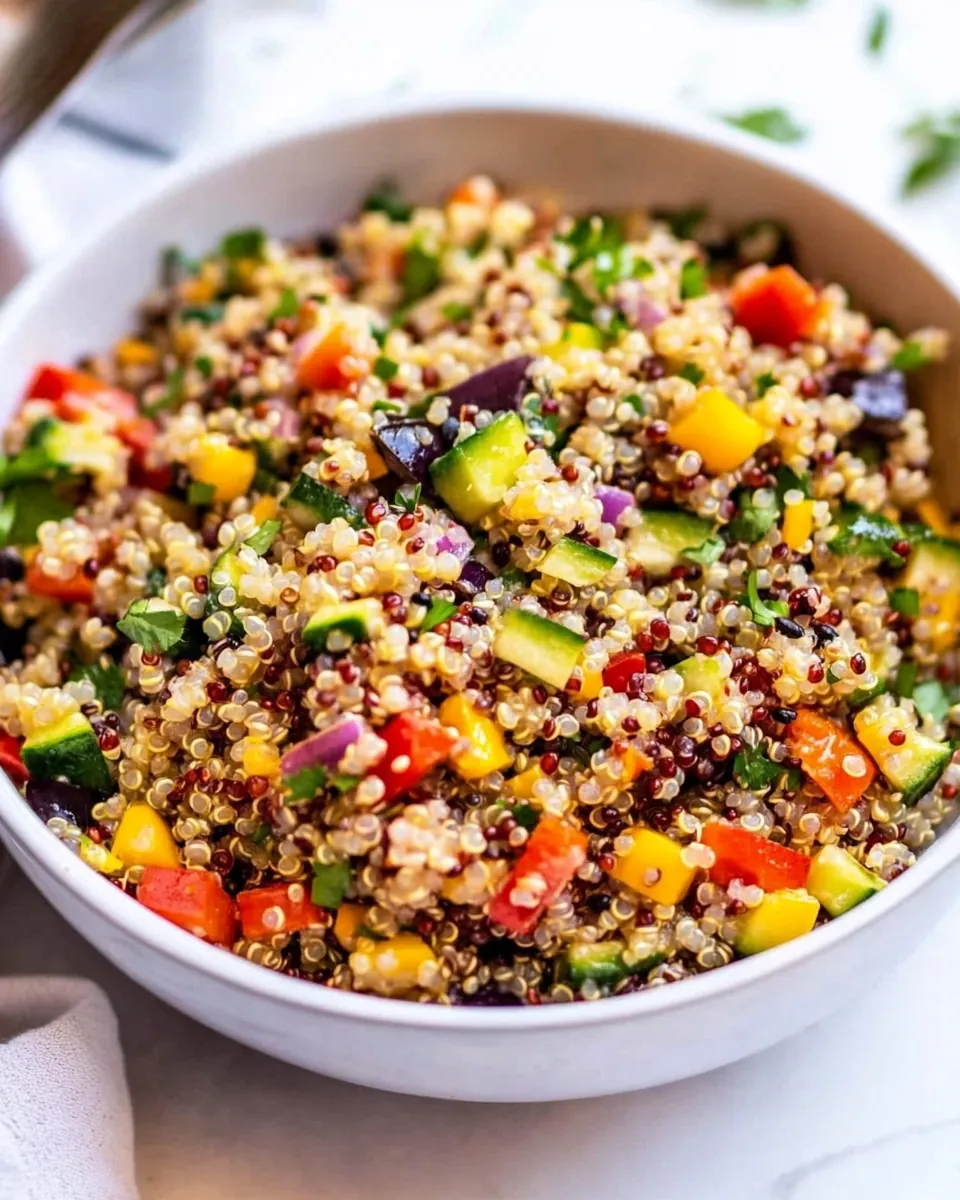
Summer Quinoa Salad
Summer Quinoa Salad came into my life on a humid July afternoon when I brought a potluck dish and watched neighbors come back for seconds, curious about the bright, fresh flavors. I remember standing by the picnic table, stirring the dressing as kids chased each other around the yard, feeling proud that something so simple could be so satisfying. The first sentence of many conversations that day was about the combination of textures, and I still smile thinking about how a basic grain like quinoa can soak up sunshine and make everyone at the table feel a little lighter.
That recipe evolved during many kitchen experiments, some at dawn with a cup of coffee, others late at night as I tweaked seasonings until everything sang. I learned to fry the vegetables quickly so they keep a little snap, and to let the quinoa cool enough so the dressing clings just right. Each time I make Summer Quinoa Salad it tells a slightly different story, depending on the basil I use or the ripeness of the peppers that week.
Recipe Snapshot
25 mins
10 mins
15 mins
Easy
250 kcal
American
Vegan, Gluten-Free
Salads
Small saucepan, Large skillet, Mixing bowl, Fork
What Sets This Summer Quinoa Salad Apart
Bright seasonal flavor
I love how Summer Quinoa Salad celebrates summer produce. The combination of broccoli, corn, and sweet peppers gives every bite a sunny, crunchy contrast that keeps the salad lively. I often find myself reaching for a fork between tasks because the textures are so inviting.
Balanced nutrition that does not skimp on taste
What drew me to this dish originally was how nourishing it feels without being heavy. The star, quinoa, brings a satisfying grainy bite and plant protein, while the black beans add bulk and a creamy counterpoint. I like that it holds up well as leftovers, which means you get nourishing meals throughout the week.
Flexible and forgiving
I’ve swapped small amounts here and there, and this salad forgives you. Whether your corn is frozen or freshly shucked, the recipe still turns out bright. I appreciate recipes that forgive an overzealous chop or an imprecise dressing measurement, and this one always welcomes experimentation.
Make ahead friendly
I often make Summer Quinoa Salad the day before gatherings, because the flavors meld beautifully overnight. That gives me more time with guests and less time over the stove. It also makes this dish perfect for packed lunches when I want something that tastes home made but travels well.
Great for crowd pleasing
This salad scales up easily, which is why it’s become my go to for potlucks. The mix of lemon and balsamic vinegar keeps it bright when made in larger batches, and the dressing clings to the grains and vegetables so each serving feels complete. I like sharing it because it almost always disappears fast.
Recipe Ingredients for Summer Quinoa Salad
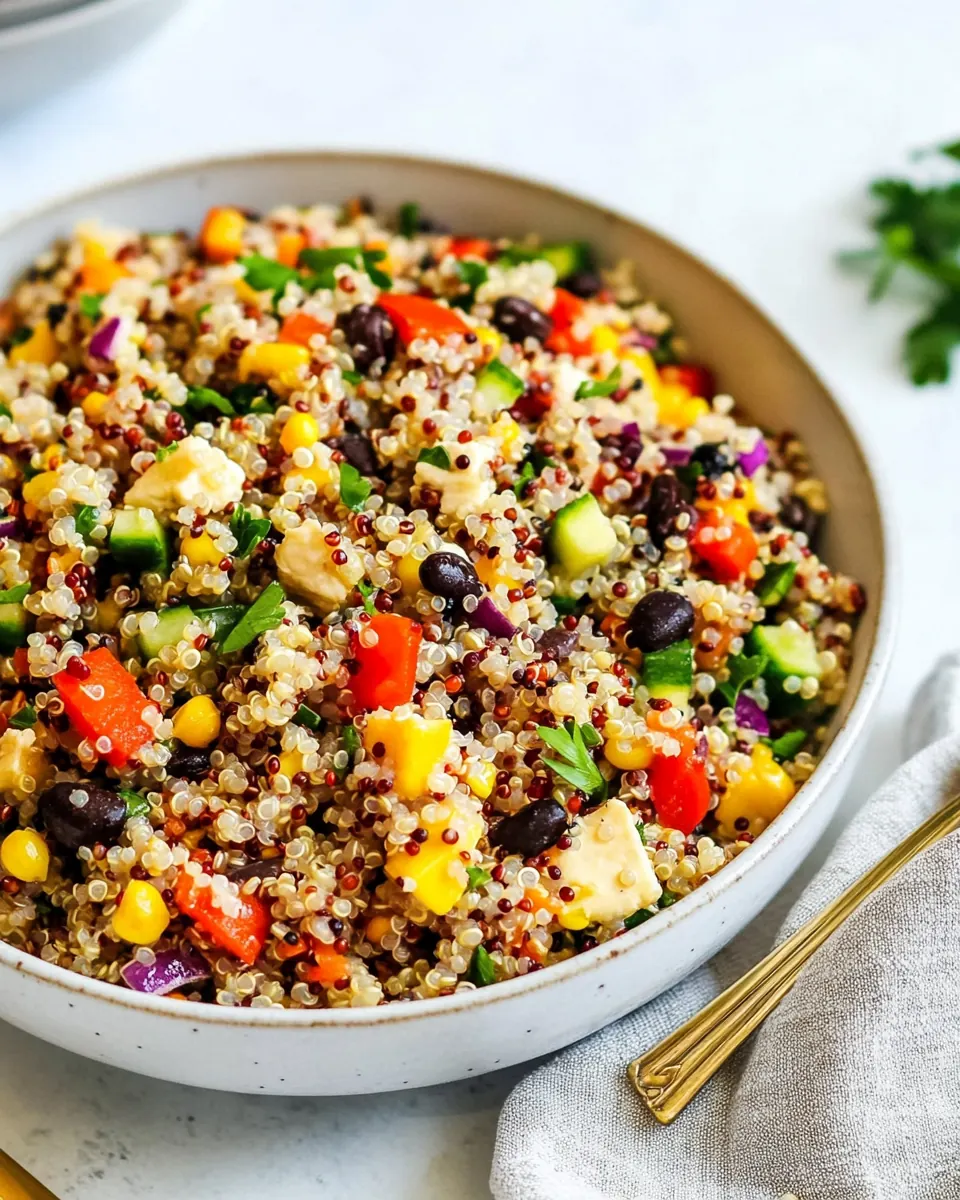
These ingredients are chosen to create harmony between texture and brightness. The quinoa is the foundation that soaks up the tangy dressing, while the cooked vegetables provide snap and sweetness. The dressing components pull everything together, giving you balance and lift. I focus on ingredients that contrast in texture and flavor so every forkful feels complete.
- 1 cup uncooked quinoa: Rinse and cook to provide a light, fluffy base that absorbs flavors; quinoa adds protein and a slightly nutty texture to the salad. Combine with broth and simmer until grains open and tender, then fluff to prevent clumping. Chilled quinoa helps the salad hold its shape and blends well with crunchy vegetables and bright dressing.
- 1 1/2 cups vegetable broth, or chicken broth: Simmer with quinoa to infuse savory depth and cook the grains evenly; vegetable or chicken broth boosts overall umami. Use low-sodium broth if monitoring salt and adjust seasoning after cooking. Warm broth helps hydrate quinoa quickly and enhances the finished salad’s savory backbone.
- 1 red onion, chopped: Dice finely to add sharp, pungent bite and a crunchy contrast to softer ingredients; red onion brings subtle sweetness when raw. Soak briefly in cold water if you prefer a milder flavor and crisp texture. Evenly dispersed chopped onion brightens each forkful and complements citrusy dressing.
- 7 8 mini sweet peppers, seeded and chopped: Seed and chop to contribute sweet, colorful crunch and a mild peppery flavor that complements other vegetables. Use a mix of red, yellow, and orange mini peppers for visual appeal and varied sweetness. Chopped mini sweet peppers maintain a pleasant crispness when chilled in the salad.
- 1 cup broccoli florets, trimmed: Trim into small florets to add a firm, slightly bitter green crunch and nutritional density; broccoli provides texture contrast and vitamins. Blanch briefly to soften slightly while preserving color, or use raw for maximum crunch. Small florets distribute evenly and hold dressing without becoming soggy.
- 1 cup corn, fresh or frozen: Cook or thaw and add sweet, juicy kernels that offer pop and summer flavor; corn adds natural sweetness and color. Grill or pan-roast fresh corn for charred complexity, or use frozen kernels gently warmed. Corn’s texture pairs well with quinoa and fresh herbs in chilled salads.
- 1 (15 oz) can black beans, rinse: Rinse thoroughly to remove canning liquid and reduce sodium while delivering hearty protein and creamy texture; black beans add fiber and substance. Drain well to prevent excess moisture in the salad and gently fold in to avoid mashing. Beans create a satisfying mouthfeel and help make the dish more filling.
- Handful fresh basil, chopped: Chop coarsely to supply bright, aromatic herbaceous notes and fresh green color; basil offers sweet, peppery freshness. Add near the end to preserve fragrance and avoid browning from acid in the dressing. Chopped basil ties together lemon and balsamic flavors with vibrant herbal lift.
- Juice of 2 lemons: Squeeze fresh to provide bright acidity and lift the entire salad with citrusy brightness; lemon juice balances richness and sweet components. Adjust amount to taste and combine with oil and honey to create a lively dressing. Fresh juice also helps preserve color and enhances other vegetable flavors.
- 1 tbsp balsamic vinegar: Drizzle to deepen flavor with a touch of tangy sweetness and mellow acidity; balsamic vinegar brings complexity to the dressing. Whisk with olive oil and lemon juice for a well-rounded vinaigrette. A small amount enriches the dressing without overpowering delicate ingredients.
- 1 tbsp olive oil: Whisk in to provide healthy fat and a smooth mouthfeel that helps dressing cling to ingredients; olive oil adds richness and a fruity undertone. Use extra-virgin for more pronounced flavor or a lighter oil for neutrality. Proper emulsification ensures even coating of quinoa and vegetables.
- 1 tbsp honey, or maple syrup: Whisk together for subtle sweetness and to balance acidity in the vinaigrette; honey or maple syrup smooths sharp flavors. Choose maple syrup for a vegan option with deeper caramel notes. A touch of sweetener rounds the dressing and enhances overall harmony.
- 1/2 tsp black pepper: Season to impart mild heat and depth without overwhelming other flavors; freshly ground black pepper sharpens the palate. Add gradually and taste, as pepper intensity can vary. Even distribution of black pepper enhances savory and sweet contrasts throughout the salad.
- 1/2 tsp kosher salt: Season gently to enhance natural flavors and control overall salinity; kosher salt dissolves easily and seasons evenly. Sprinkle and then adjust after tasting, especially if using broth or canned beans. Proper salting elevates sweetness in vegetables and rounds the dressing.
- Pinch of red pepper flakes: Add sparingly to introduce background heat and a hint of spice that contrasts sweet and tangy elements; a pinch of red pepper flakes enlivens the salad. Incorporate cautiously and taste to reach desired warmth. Red pepper flakes provide subtle complexity without dominating fresh ingredients.
How to Assemble Summer Quinoa Salad
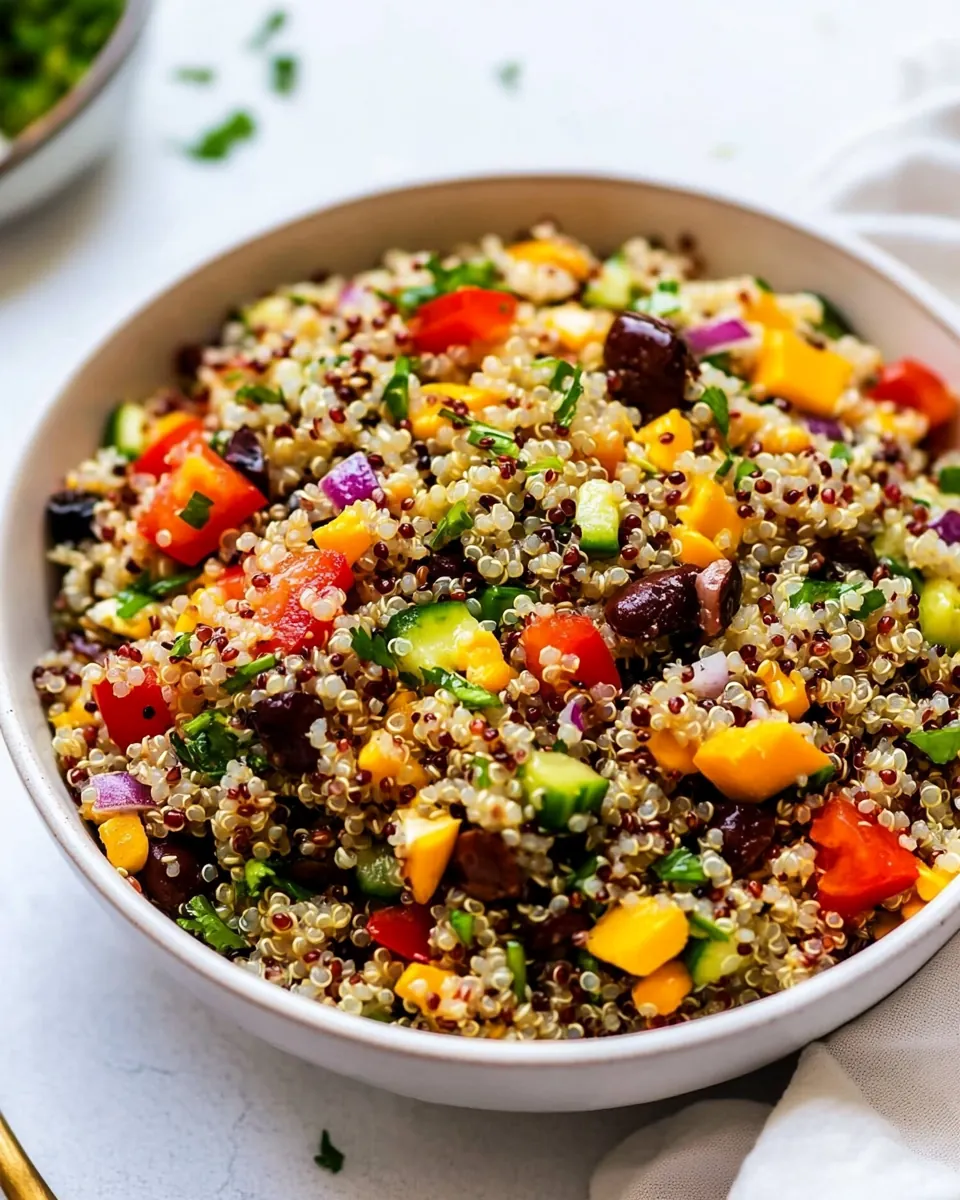
Assembling this salad is about timing and layering flavors. Follow the steps to build texture, coax out aroma, and let the dressing marry the components. Work deliberately, and taste as you go so the salad arrives at the table confident and balanced.
- To make quinoa, rinse and soak for about 10 minutes in warm water. Bring 1 1/2 cups of vegetable broth to a boil in a small saucepan, drain quinoa and add to boiling broth. Cover and reduce heat to a simmer, cooking for about 15 minutes. Turn heat off (still covered) and allow quinoa to sit for 5 minutes, then fluff with a fork. Allow quinoa to cool before adding in the rest of the salad (you can also make this a day ahead).: The rinsing and short soak help remove any surface bitterness from the quinoa , and you will notice the grains become plumper and more even when cooked. You should hear a faint simmer as the water begins to bubble, and once drained the rinsed quinoa will look cleaner and less cloudy. This step matters because un rinsed quinoa can taste soapy, and soaking reduces that risk. A common mistake is rushing this step; do not skip rinsing because it affects final flavor and mouthfeel.
- Meanwhile in a large skillet, drizzle olive oil and sauté onion, sweet peppers and broccoli until onion is translucent and peppers are soft, about 5 minutes. Add mixture to cooled quinoa then add corn and black beans, mixing well.: As the broth heats you will smell savory steam that signals the base flavor you are infusing into the quinoa . A rolling simmer gives steady heat so the grains cook evenly, and the sound of tiny consistent bubbles indicates a good boil. Heating the liquid first shortens overall cook time and helps the quinoa absorb flavor quickly. Avoid boiling too vigorously, which can make the grains split and become mushy.
- In a separate bowl, whisk together lemon juice, balsamic vinegar, honey, olive oil, red pepper flakes and salt/pepper. Drizzle over salad and toss well. Once salad is coated, mix in the fresh basil and serve immediately while warm or cover and let chill in the fridge for at least an hour to let the flavors marinate. Enjoy!: When you add the rinsed quinoa into the bubbling broth it will briefly sputter and create a popping noise, then settle into a gentle simmer. You will see individual grains swell and the mixture lighten in color; that visual cue means starches are releasing. This approach ensures the quinoa cooks through without sticking, and it absorbs the savory notes from the broth. Stir once to distribute, but do not stir constantly, or the texture may become gluey.
- Cover and reduce heat to a simmer, cooking for about 15 minutes: Lowering the heat so the pot simmers quietly produces tender, separate grains. During this time you might smell a toasted aroma as water evaporates and flavors concentrate. The gentle bubbling prevents violent splatter and uneven cooking, and keeping the lid on traps steam for even doneness. A common error is lifting the lid too often to check, which releases steam and affects cooking time.
- Turn heat off (still covered) and allow quinoa to sit for 5 minutes, then fluff with a fork: Letting the pot rest finishes the cooking through residual steam, and fluffing with a fork separates grains so the salad never gets gummy. You will see individual pearls slightly puffier and hear a soft steam hiss when you lift the lid, and the fork will glide through the cooked quinoa leaving it light. This waiting step is crucial for texture; skipping it often results in clumpy, dense grains.
- Allow quinoa to cool before adding in the rest of the salad: Cooling prevents the warm quinoa from wilting fresh herbs and from softening sautéed vegetables. The temperature change also helps the dressing cling rather than be absorbed immediately, so flavors stay vibrant. If you add warm grains to the rest of the ingredients too soon, the salad can become watery and limp. To speed cooling, spread the quinoa on a tray, but avoid forced chilling which can dry the grains.
- Meanwhile in a large skillet, drizzle olive oil and sauté onion, sweet peppers and broccoli until onion is translucent and peppers are soft, about 5 minutes: As you sauté the vegetables, you will hear a gentle sizzle and smell the sugars caramelize, creating a sweeter, rounded flavor. The visual cue is softened red onion that turns glossy and mini sweet peppers that loosen their skins. Sautéing briefly preserves snap while concentrating taste. Overcooking here makes the vegetables too soft and less visually appealing, so watch for color change rather than timing alone.
- Add mixture to cooled quinoa then add corn and black beans, mixing well: Combining the warm vegetable mixture with cooled quinoa creates a nice temperature contrast and layers texture. The corn kernels provide pops of sweetness and the black beans add creamy heft, and you should notice a colorful mosaic in the bowl as you fold everything together. Gentle folding avoids crushing the quinoa and keeps ingredients distinct. A common slip is stirring too vigorously, which bruises beans and flattens the vegetables.
- In a separate bowl, whisk together lemon juice, balsamic vinegar, honey, olive oil, red pepper flakes and salt/pepper: Whisking emulsifies the olive oil with the acidic lemon and balsamic vinegar , creating a glossy dressing that clings to grains and vegetables. You will see the mixture thicken slightly and smell bright citrus with a hint of tang, and the tiny flecks of red pepper flakes lift the aroma. This technique matters because a well emulsified dressing coats rather than pools, distributing flavor evenly. Avoid adding oil in one large splash without whisking, which can separate the dressing.
- Drizzle over salad and toss well: When you dress the salad, the first toss will release aroma as the dressing meets the warm and cool elements, and you can hear a soft clinking as ingredients settle. The visual cue is a light sheen over the quinoa and vegetables, indicating even coverage. Tossing gently ensures every bite is flavored without crushing tender bits. Beware of over dressing the salad, which can make it soggy; start with most of the dressing and add more if needed.
- Once salad is coated, mix in the fresh basil and serve immediately while warm or cover and let chill in the fridge for at least an hour to let the flavors marinate: Adding the basil at the end preserves its bright perfume and keeps leaves from darkening. If serving warm you will taste the vegetable sweetness most pronounced, whereas chilling for an hour deepens and melds flavors for a more cohesive profile. A good sign the salad is ready is a balanced aroma of citrus, herbs, and toasted grains. The usual mistake is stirring in herbs too early, which mutes their fragrance and changes the salad character.
Helpful Hints
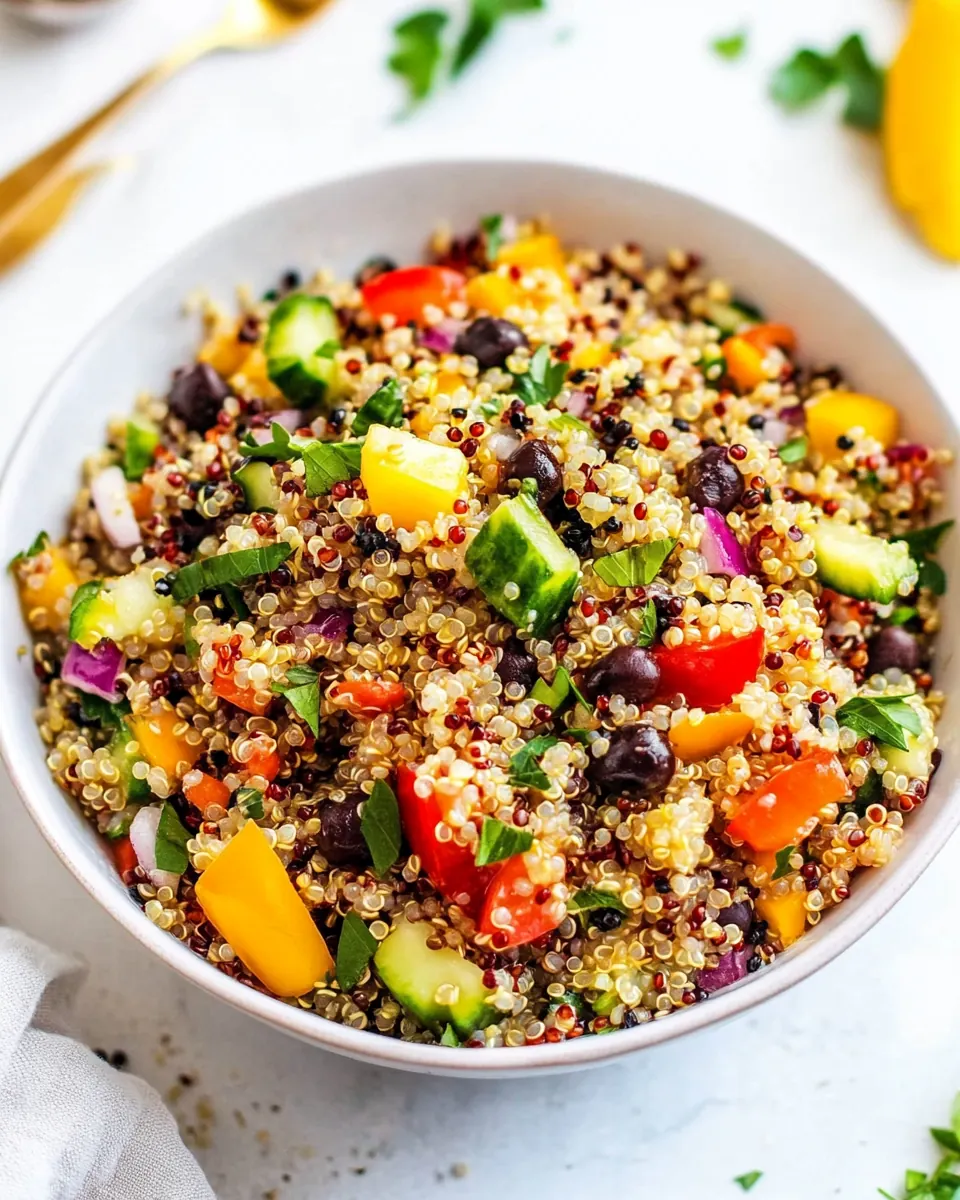
I like to keep a few practical tricks in mind when making this salad, from timing the cooling to balancing the dressing. These tips come from repeated batches and help ensure consistent results whether you are serving a crowd or a quick lunch.
- Start by rinsing the quinoa: Proper rinsing removes bitterness and gives fluffier grains, which makes the salad more pleasant to eat.
- Use warm broth for cooking: Bringing the vegetable broth to a boil before adding quinoa shortens cooking time and infuses more flavor into the grains.
- Sauté for texture: Quickly sautéing the onion, peppers, and broccoli keeps them crisp tender, preserving bright color and contrast in every bite.
- Emulsify the dressing: Whisking lemon juice, balsamic vinegar, and olive oil creates a cohesive dressing that clings to ingredients instead of pooling at the bottom.
- Adjust sweetness to taste: Add more honey or maple syrup if your lemon is particularly tart, keeping the dressing balanced and approachable.
Perfect Pairings for Summer Quinoa Salad
This salad pairs well with lighter mains and is versatile across occasions. Whether you are packing lunches or hosting an outdoor gathering, consider complementary sides and serving styles that enhance the freshness. Below I outline ideas for occasions, storage, and seasonal matching.
- Casual lunches: Serve the salad in a bowl with a crisp green side for a balanced midday meal, packable for work or school because it keeps well in an airtight container.
- Potlucks and picnics: Bring the salad chilled and finish with fresh basil just before serving; its color and temperature stand up well on buffet tables.
- Light dinners: Pair with grilled vegetables or a simple roasted legume side to create a filling but not heavy evening meal, especially in warm months.
- Storage tips: Store in a sealed airtight container in the fridge for up to 4 to 5 days, keeping the dressing well incorporated to maintain moisture and flavor, and always taste before serving to adjust seasoning after refrigeration.
- Seasonal pairings: This shines in summer when fresh corn and peppers are at peak sweetness, though it also travels into early fall with hearty greens or roasted root vegetables added alongside.
FAQ
Conclusion
This salad shines because it balances fluffy grains, vibrant vegetables, and a bright dressing in every forkful. Give it a try the next time you want a make ahead dish that travels well and keeps for several days. It’s an easy, satisfying way to celebrate summer produce and makes lunches and gatherings feel thoughtfully prepared.
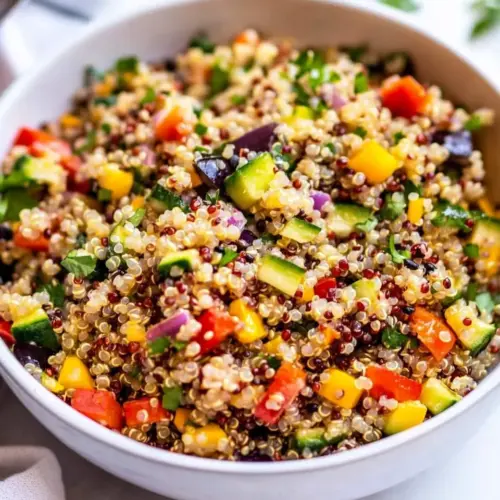
Summer Quinoa Salad
Equipment
- Small Saucepan
- Large Skillet
- Mixing Bowl
- Fork
Ingredients
- 1 cup uncooked quinoa Rinse and cook to provide a light, fluffy base that absorbs flavors; quinoa adds protein and a slightly nutty texture to the salad. Combine with broth and simmer until grains open and tender, then fluff to prevent clumping. Chilled quinoa helps the salad hold its shape and blends well with crunchy vegetables and bright dressing.
- 1 1/2 cups vegetable broth, or chicken broth Simmer with quinoa to infuse savory depth and cook the grains evenly; vegetable or chicken broth boosts overall umami. Use low-sodium broth if monitoring salt and adjust seasoning after cooking. Warm broth helps hydrate quinoa quickly and enhances the finished salad’s savory backbone.
- 1 red onion, chopped Dice finely to add sharp, pungent bite and a crunchy contrast to softer ingredients; red onion brings subtle sweetness when raw. Soak briefly in cold water if you prefer a milder flavor and crisp texture. Evenly dispersed chopped onion brightens each forkful and complements citrusy dressing.
- 7 -8 mini sweet peppers, seeded and chopped Seed and chop to contribute sweet, colorful crunch and a mild peppery flavor that complements other vegetables. Use a mix of red, yellow, and orange mini peppers for visual appeal and varied sweetness. Chopped mini sweet peppers maintain a pleasant crispness when chilled in the salad.
- 1 cup broccoli florets, trimmed Trim into small florets to add a firm, slightly bitter green crunch and nutritional density; broccoli provides texture contrast and vitamins. Blanch briefly to soften slightly while preserving color, or use raw for maximum crunch. Small florets distribute evenly and hold dressing without becoming soggy.
- 1 cup corn, fresh or frozen Cook or thaw and add sweet, juicy kernels that offer pop and summer flavor; corn adds natural sweetness and color. Grill or pan-roast fresh corn for charred complexity, or use frozen kernels gently warmed. Corn’s texture pairs well with quinoa and fresh herbs in chilled salads.
- 1 (15 oz) can black beans, rinse Rinse thoroughly to remove canning liquid and reduce sodium while delivering hearty protein and creamy texture; black beans add fiber and substance. Drain well to prevent excess moisture in the salad and gently fold in to avoid mashing. Beans create a satisfying mouthfeel and help make the dish more filling.
- Handful fresh basil, chopped Chop coarsely to supply bright, aromatic herbaceous notes and fresh green color; basil offers sweet, peppery freshness. Add near the end to preserve fragrance and avoid browning from acid in the dressing. Chopped basil ties together lemon and balsamic flavors with vibrant herbal lift.
- Juice of 2 lemons Squeeze fresh to provide bright acidity and lift the entire salad with citrusy brightness; lemon juice balances richness and sweet components. Adjust amount to taste and combine with oil and honey to create a lively dressing. Fresh juice also helps preserve color and enhances other vegetable flavors.
- 1 tbsp balsamic vinegar Drizzle to deepen flavor with a touch of tangy sweetness and mellow acidity; balsamic vinegar brings complexity to the dressing. Whisk with olive oil and lemon juice for a well-rounded vinaigrette. A small amount enriches the dressing without overpowering delicate ingredients.
- 1 tbsp olive oil Whisk in to provide healthy fat and a smooth mouthfeel that helps dressing cling to ingredients; olive oil adds richness and a fruity undertone. Use extra-virgin for more pronounced flavor or a lighter oil for neutrality. Proper emulsification ensures even coating of quinoa and vegetables.
- 1 tbsp honey, or maple syrup Whisk together for subtle sweetness and to balance acidity in the vinaigrette; honey or maple syrup smooths sharp flavors. Choose maple syrup for a vegan option with deeper caramel notes. A touch of sweetener rounds the dressing and enhances overall harmony.
- 1/2 tsp black pepper Season to impart mild heat and depth without overwhelming other flavors; freshly ground black pepper sharpens the palate. Add gradually and taste, as pepper intensity can vary. Even distribution of black pepper enhances savory and sweet contrasts throughout the salad.
- 1/2 tsp kosher salt Season gently to enhance natural flavors and control overall salinity; kosher salt dissolves easily and seasons evenly. Sprinkle and then adjust after tasting, especially if using broth or canned beans. Proper salting elevates sweetness in vegetables and rounds the dressing.
- Pinch of red pepper flakes Add sparingly to introduce background heat and a hint of spice that contrasts sweet and tangy elements; a pinch of red pepper flakes enlivens the salad. Incorporate cautiously and taste to reach desired warmth. Red pepper flakes provide subtle complexity without dominating fresh ingredients.
Instructions
- To make quinoa, rinse and soak for about 10 minutes in warm water. Bring 1 1/2 cups of vegetable broth to a boil in a small saucepan, drain quinoa and add to boiling broth. Cover and reduce heat to a simmer, cooking for about 15 minutes. Turn heat off (still covered) and allow quinoa to sit for 5 minutes, then fluff with a fork. Allow quinoa to cool before adding in the rest of the salad (you can also make this a day ahead).: The rinsing and short soak help remove any surface bitterness from the quinoa , and you will notice the grains become plumper and more even when cooked. You should hear a faint simmer as the water begins to bubble, and once drained the rinsed quinoa will look cleaner and less cloudy. This step matters because un rinsed quinoa can taste soapy, and soaking reduces that risk. A common mistake is rushing this step; do not skip rinsing because it affects final flavor and mouthfeel.
- Meanwhile in a large skillet, drizzle olive oil and sauté onion, sweet peppers and broccoli until onion is translucent and peppers are soft, about 5 minutes. Add mixture to cooled quinoa then add corn and black beans, mixing well.: As the broth heats you will smell savory steam that signals the base flavor you are infusing into the quinoa . A rolling simmer gives steady heat so the grains cook evenly, and the sound of tiny consistent bubbles indicates a good boil. Heating the liquid first shortens overall cook time and helps the quinoa absorb flavor quickly. Avoid boiling too vigorously, which can make the grains split and become mushy.
- In a separate bowl, whisk together lemon juice, balsamic vinegar, honey, olive oil, red pepper flakes and salt/pepper. Drizzle over salad and toss well. Once salad is coated, mix in the fresh basil and serve immediately while warm or cover and let chill in the fridge for at least an hour to let the flavors marinate. Enjoy!: When you add the rinsed quinoa into the bubbling broth it will briefly sputter and create a popping noise, then settle into a gentle simmer. You will see individual grains swell and the mixture lighten in color; that visual cue means starches are releasing. This approach ensures the quinoa cooks through without sticking, and it absorbs the savory notes from the broth. Stir once to distribute, but do not stir constantly, or the texture may become gluey.
- Cover and reduce heat to a simmer, cooking for about 15 minutes: Lowering the heat so the pot simmers quietly produces tender, separate grains. During this time you might smell a toasted aroma as water evaporates and flavors concentrate. The gentle bubbling prevents violent splatter and uneven cooking, and keeping the lid on traps steam for even doneness. A common error is lifting the lid too often to check, which releases steam and affects cooking time.
- Turn heat off (still covered) and allow quinoa to sit for 5 minutes, then fluff with a fork: Letting the pot rest finishes the cooking through residual steam, and fluffing with a fork separates grains so the salad never gets gummy. You will see individual pearls slightly puffier and hear a soft steam hiss when you lift the lid, and the fork will glide through the cooked quinoa leaving it light. This waiting step is crucial for texture; skipping it often results in clumpy, dense grains.
- Allow quinoa to cool before adding in the rest of the salad: Cooling prevents the warm quinoa from wilting fresh herbs and from softening sautéed vegetables. The temperature change also helps the dressing cling rather than be absorbed immediately, so flavors stay vibrant. If you add warm grains to the rest of the ingredients too soon, the salad can become watery and limp. To speed cooling, spread the quinoa on a tray, but avoid forced chilling which can dry the grains.
- Meanwhile in a large skillet, drizzle olive oil and sauté onion, sweet peppers and broccoli until onion is translucent and peppers are soft, about 5 minutes: As you sauté the vegetables, you will hear a gentle sizzle and smell the sugars caramelize, creating a sweeter, rounded flavor. The visual cue is softened red onion that turns glossy and mini sweet peppers that loosen their skins. Sautéing briefly preserves snap while concentrating taste. Overcooking here makes the vegetables too soft and less visually appealing, so watch for color change rather than timing alone.
- Add mixture to cooled quinoa then add corn and black beans, mixing well: Combining the warm vegetable mixture with cooled quinoa creates a nice temperature contrast and layers texture. The corn kernels provide pops of sweetness and the black beans add creamy heft, and you should notice a colorful mosaic in the bowl as you fold everything together. Gentle folding avoids crushing the quinoa and keeps ingredients distinct. A common slip is stirring too vigorously, which bruises beans and flattens the vegetables.
- In a separate bowl, whisk together lemon juice, balsamic vinegar, honey, olive oil, red pepper flakes and salt/pepper: Whisking emulsifies the olive oil with the acidic lemon and balsamic vinegar , creating a glossy dressing that clings to grains and vegetables. You will see the mixture thicken slightly and smell bright citrus with a hint of tang, and the tiny flecks of red pepper flakes lift the aroma. This technique matters because a well emulsified dressing coats rather than pools, distributing flavor evenly. Avoid adding oil in one large splash without whisking, which can separate the dressing.
- Drizzle over salad and toss well: When you dress the salad, the first toss will release aroma as the dressing meets the warm and cool elements, and you can hear a soft clinking as ingredients settle. The visual cue is a light sheen over the quinoa and vegetables, indicating even coverage. Tossing gently ensures every bite is flavored without crushing tender bits. Beware of over dressing the salad, which can make it soggy; start with most of the dressing and add more if needed.
- Once salad is coated, mix in the fresh basil and serve immediately while warm or cover and let chill in the fridge for at least an hour to let the flavors marinate: Adding the basil at the end preserves its bright perfume and keeps leaves from darkening. If serving warm you will taste the vegetable sweetness most pronounced, whereas chilling for an hour deepens and melds flavors for a more cohesive profile. A good sign the salad is ready is a balanced aroma of citrus, herbs, and toasted grains. The usual mistake is stirring in herbs too early, which mutes their fragrance and changes the salad character.
Notes
- Start by rinsing the quinoa: Proper rinsing removes bitterness and gives fluffier grains, which makes the salad more pleasant to eat.
- Use warm broth for cooking: Bringing the vegetable broth to a boil before adding quinoa shortens cooking time and infuses more flavor into the grains.
- Sauté for texture: Quickly sautéing the onion, peppers, and broccoli keeps them crisp tender, preserving bright color and contrast in every bite.
- Emulsify the dressing: Whisking lemon juice, balsamic vinegar, and olive oil creates a cohesive dressing that clings to ingredients instead of pooling at the bottom.
- Adjust sweetness to taste: Add more honey or maple syrup if your lemon is particularly tart, keeping the dressing balanced and approachable.