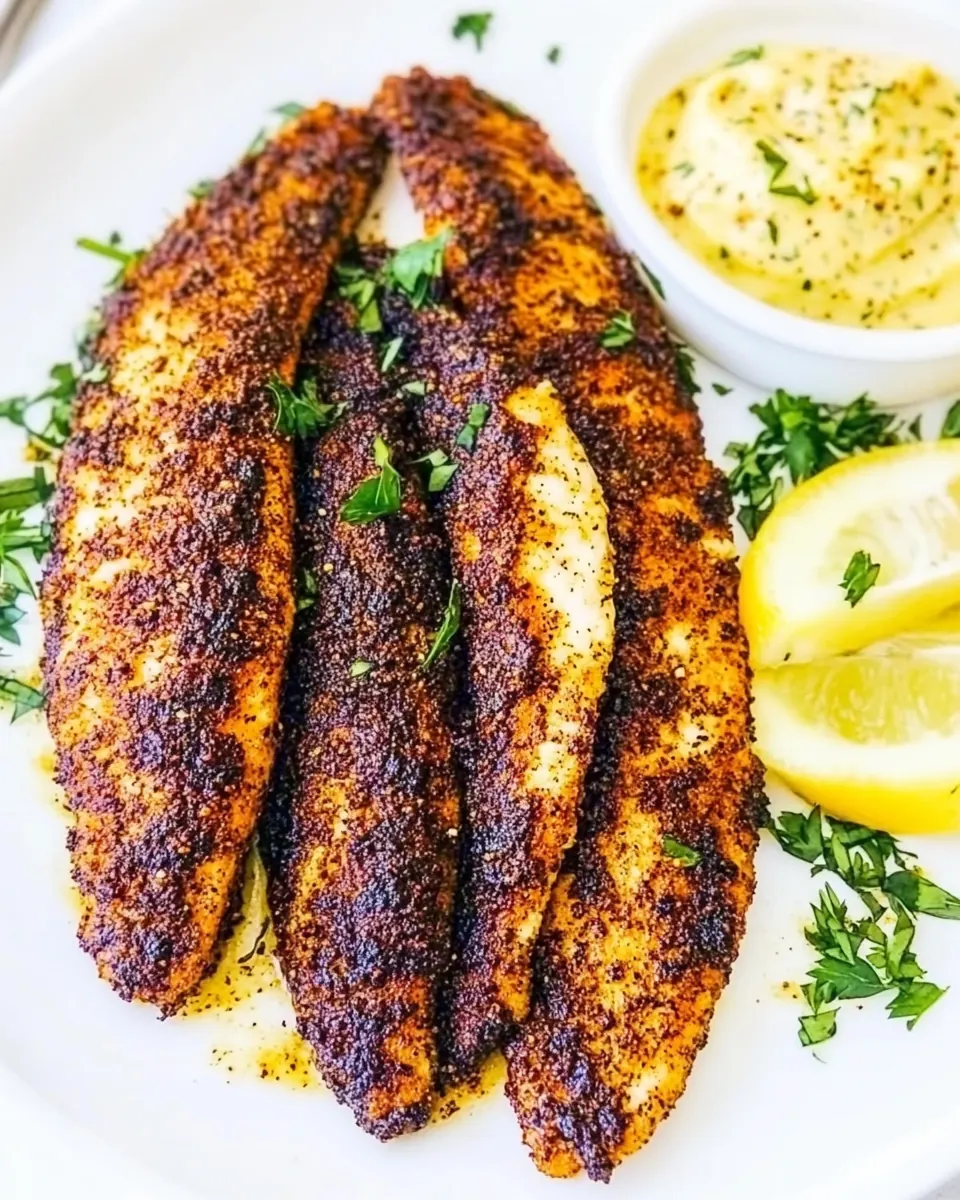
Blackened Catfish Comeback Sauce
Blackened Catfish Comeback Sauce is the kind of dish I reach for when I want bold Southern flavors with minimal fuss. The first time I made it, I was experimenting with spice blends late on a summer evening, chasing smoky paprika and peppery heat, and I ended up with one of my all time weeknight winners. The combination of a crisp, peppery crust on warm, flaky catfish and a cool, tangy comeback sauce struck me as utterly satisfying, and that night I served it to friends who asked for the recipe before dessert.
I love that this recipe feels both rustic and confident. The blackening rub sings of smoked paprika, garlic and thyme, while the sauce brings in creamy mayonnaise with a sweet and spicy lift. I remember flipping fillets in a piping hot cast iron pan, hearing that immediate sizzle, and knowing the crust was forming. There is a simple joy in watching a fillet go from translucent to opaque, then separating into flakes with a gentle fork touch.
Over the years I have tweaked the balance of the sauce to my taste, nudging the heat and sweetness until it matched what I wanted to serve at a casual dinner or a backyard gathering. I also learned small techniques that make a big difference, like patting the catfish perfectly dry and using melted butter to help the seasonings bloom. If you want a seafood dinner that feels special without a lot of prep, this is it, and I promise the leftovers, if there are any, make excellent sandwiches the next day.
Recipe Snapshot
25 mins
10 mins
15 mins
Medium
450 kcal
American
Gluten-Free, Low FODMAP
Dinner
cast iron pan
Why This Blackened Catfish Comeback Sauce Hits Different
Bold, Southern Flavor
I adore how Blackened Catfish Comeback Sauce captures classic Southern spice. The blackening rub layers smoked paprika, cayenne, thyme, and oregano for a deep, savory crust. When I toast those spices in a hot pan, their aroma fills the kitchen, and that scent alone entices everyone to the table. It is the kind of flavor profile that feels rooted in tradition, yet easy to make at home.
Contrast of Temperatures and Textures
The interplay between the hot, crisp exterior of the catfish and the cool, creamy comeback sauce is a major reason I keep returning to this recipe. Every bite has a crunchy seasoned crust, tender flakey fish, and a smooth, tangy sauce to calm the heat. That balance makes the dish feel complete and thoughtfully layered, and I find guests really notice it.
Speed and Simplicity
I value recipes that come together quickly, and this one delivers. From mixing the sauce to searing the fillets, the whole process is surprisingly fast. I often make the sauce in advance and let it rest in the fridge, which tightens the flavors while leaving me free to focus on cooking the fish. It is an ideal choice when you want an impressive meal without spending all day in the kitchen.
Versatility at the Table
This dish adapts neatly to different occasions. I have served it as a casual family dinner, a summer gathering, and a low key weekend lunch. The simple presentation lets the flavors shine, and it pairs well with a variety of sides if you want to expand the meal. I also appreciate that you can scale the recipe up easily for more guests.
Ingredient Integrity
Each ingredient plays a clear role, and that is something I respect. From the tang of the mayonnaise in the sauce to the warmth of the paprika in the rub, nothing is superfluous. When I plate this, I can explain every flavor component to friends, and they generally appreciate the straightforwardness that leads to such a satisfying result.
Everything You Need for Blackened Catfish Comeback Sauce
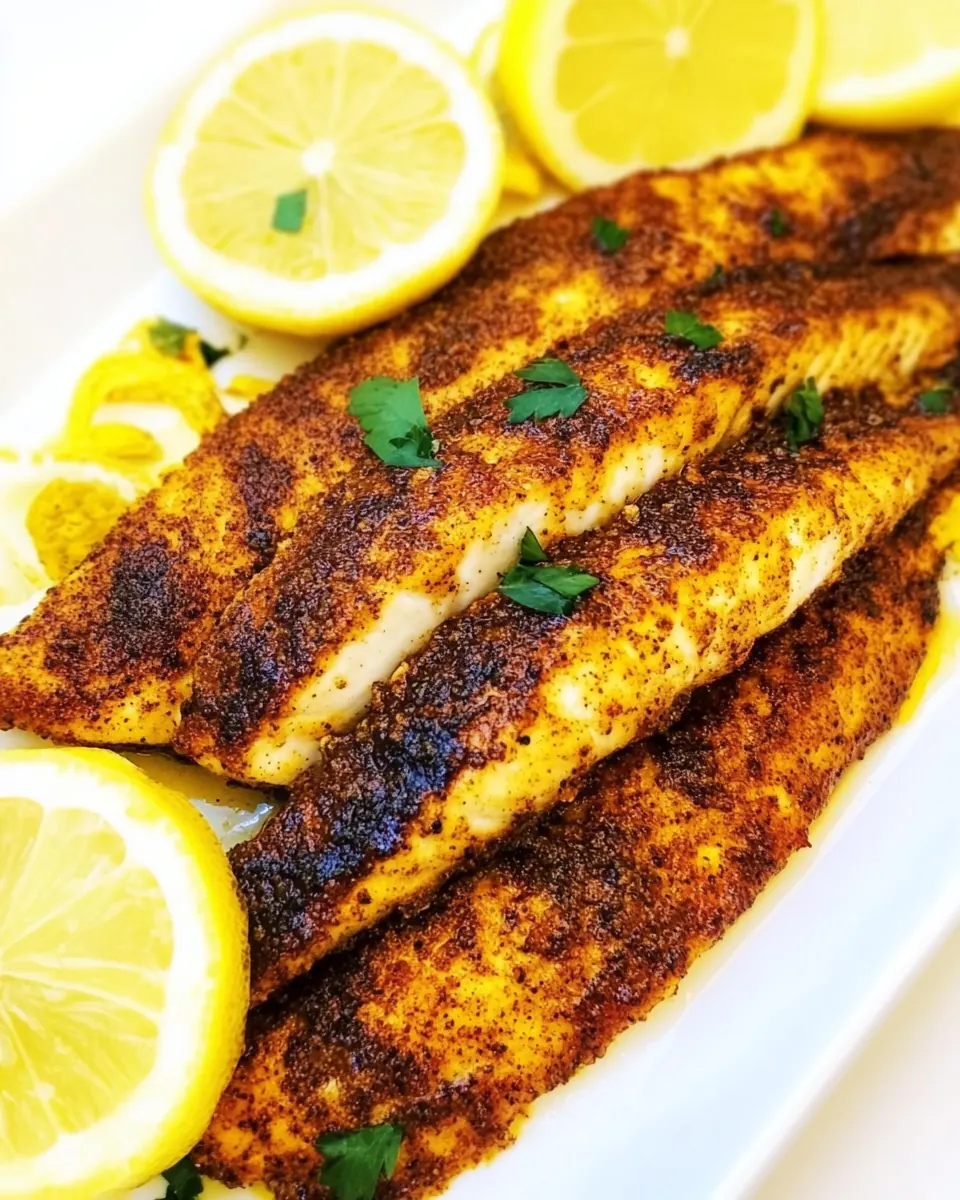
These ingredients were chosen to create a bold rub and a creamy, balanced sauce. The key players are the spice blend, which builds the blackened crust, and the creamy base for the comeback sauce that cools and complements the heat. I like to keep things simple so each ingredient can do its job, whether providing heat, smoke, or tang.
- 1/2 cup mayonnaise: Provide creaminess and body to the sauce while binding other ingredients together; contributes a tangy, rich base that mellows spicy and acidic components and creates a smooth mouthfeel.
- 2 tablespoons ketchup: Add a touch of sweetness and tomato flavor that balances heat and richness; helps deepen color and lends subtle acidity to brighten the overall sauce profile.
- 2 teaspoons Texas Pete: Introduce a vinegary, moderately spicy kick that enhances heat complexity; brings a tangy pepper flavor that laces through the sauce without overpowering the richness.
- 1 teaspoon honey: Contribute a gentle, natural sweetness that tames intense spice and rounds flavors; helps balance salty and acidic elements while adding a subtle floral note.
- 1 teaspoon Worcestershire sauce: Impart savory umami depth and a subtle anchovy-like richness that deepens flavor; enhances overall complexity and ties sweet, salty, and acidic components together.
- 1/4 teaspoon garlic powder: Provide a concentrated garlicky note in powdered form for consistent distribution; adds savory warmth without introducing moisture and helps lift the sauce’s overall profile.
- 1/4 teaspoon onion powder: Supply a mild, slightly sweet onion flavor in dry form for even seasoning; complements fresh flavors and harmonizes with garlic and savory seasonings.
- 2 tablespoons paprika: Deliver a smoky, sweet paprika backbone when used in larger quantity for the rub and sauce; contributes color, mild sweetness, and a warm, peppery accent.
- 1 teaspoon kosher salt: Add coarse saline seasoning that heightens all flavors and balances sweetness; enhances texture perception and supports seasoning for both sauce and fish rub.
- 2 teaspoons onion powder: Contribute additional layered onion flavor for the rub or sauce, amplifying savory depth; powdered form ensures even coverage and consistent seasoning.
- 1 1/2 teaspoons garlic powder: Increase the garlicky intensity and aromatic warmth in combination with other spices; powdered garlic integrates smoothly and reinforces savory notes in the blend.
- 1 teaspoon black pepper: Provide sharp, aromatic heat and a peppery finish that brightens the spice mix; grounds the seasoning with a clean, piquant bite that complements smoky elements.
- 1 teaspoon celery salt: Introduce a mild salty, vegetal note reminiscent of celery that complements seafood; adds a classic savory accent often found in Southern-style seasonings.
- 1 teaspoon dried thyme: Deliver earthy, slightly minty herbaceousness that pairs well with seafood and paprika; supports the savory profile and adds aromatic complexity to the seasoning blend.
- 1 teaspoon dried oregano: Offer a warm, slightly bitter herbal note with oregano’s aromatic camphor-like quality; complements thyme and enhances Mediterranean-influenced seasoning nuances.
- 1 teaspoon cayenne pepper: Supply concentrated chili heat and bright spice that defines the ‘blackened’ punch; adds bold warmth and a lively finish to the seasoning without masking other flavors.
- 2 to 3 catfish fillets: Serve as the main protein element to be seasoned and blackened; provides a firm, mild-flavored fish that stands up to bold spices and absorbs the sauce and rub well.
- 6 tablespoons melted butter: Provide rich, buttery flavor and help achieve a crisp, golden-blackened exterior when pan-searing; melted form ensures even coating and aids in heat transfer.
- 1 tablespoon vegetable oil: Allow for a high-heat cooking surface and help prevent sticking while promoting even browning; neutral oil that carries flavors and tolerates the searing temperatures.
- lemon wedges: Offer a bright, acidic finishing touch to cut through richness and uplift flavors; squeezed over the finished fish enhances freshness and balances the sauce’s creaminess.
Blackened Catfish Comeback Sauce Instructions
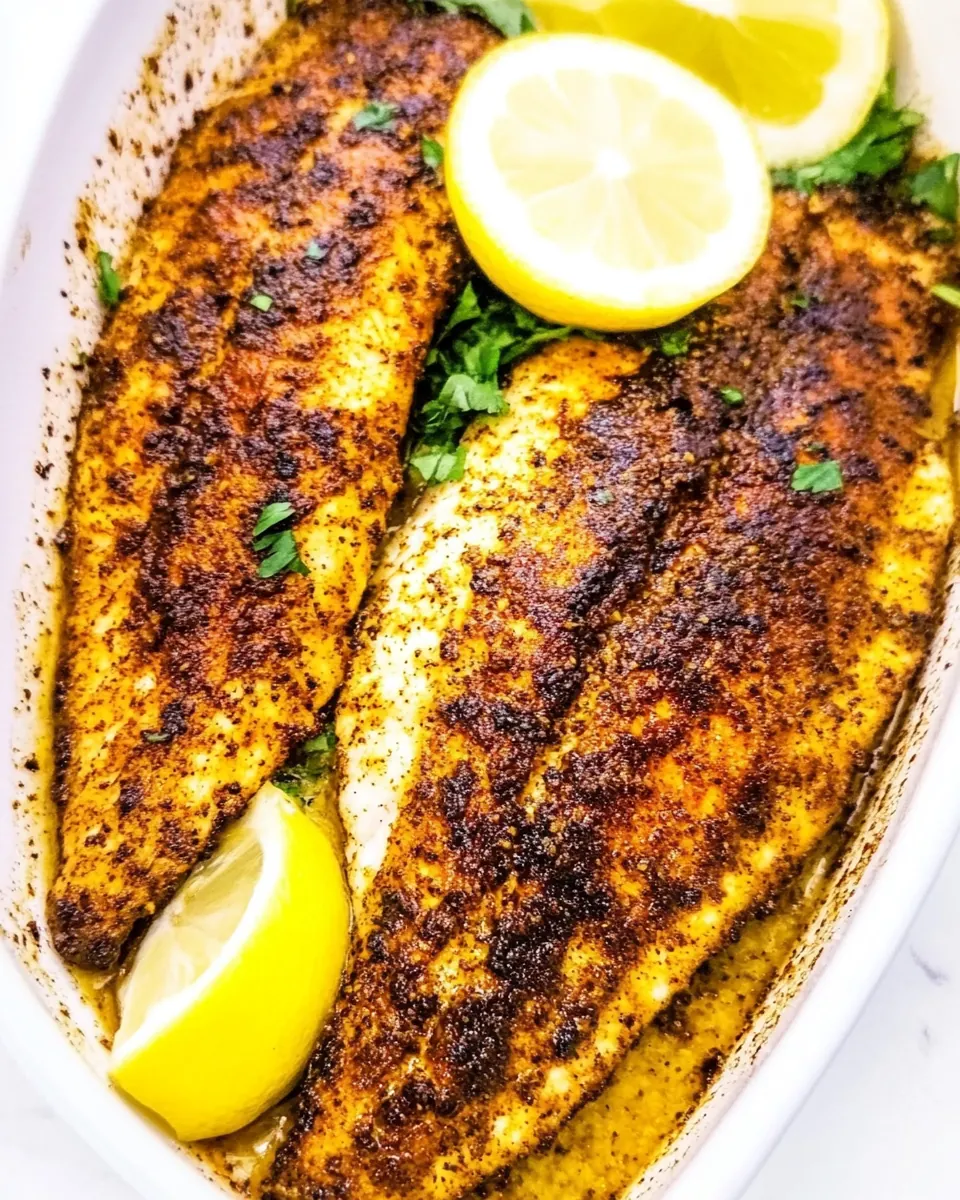
This method moves from sauce assembly to building the blackened crust, and finally to a quick sear that yields flaky, seasoned fillets. I will guide you through sensory cues and troubleshooting so you can cook with confidence.
- Make Comeback Sauce. Stir together all ingredients in a small bowl. Cover and refrigerate until needed.: As you whisk the mayonnaise , ketchup , Texas Pete , honey , and Worcestershire sauce together, notice the sauce become glossy and smooth, the aroma shifting from vinegary heat to a balanced tang. The texture should be thick enough to coat a spoon, which ensures it will cling to the warm catfish without sliding off. Refrigerating helps the flavors meld and the sauce firm slightly, creating a cohesive mouthfeel when served. If the sauce tastes too sharp after chilling, a tiny extra splash of honey can round it out. A common mistake is under mixing, which leaves streaks of ketchup or hot sauce, so stir until fully homogenous.
- In a small bowl, stir together all spice rub ingredients.: When you combine the paprika , kosher salt , onion powder , garlic powder , black pepper , celery salt , dried thyme , dried oregano , and cayenne pepper , inhale the warm, smoky scent that develops. The rub should look evenly colored, with no clumps, which ensures consistent seasoning on every bite. I like to rub a small pinch between my fingers to confirm heat level before applying to the fillets. If you skip this check, you might find the rub hotter than expected on the final dish, so adjust cayenne as needed.
- Pat catfish dry with paper towels. Drizzle 2 tablespoons of the melted butter on the catfish.: The surface of the catfish must be dry to allow the rub to adhere and the crust to form. As you press a paper towel over the fillets, you will see moisture lift away and the flesh look matte rather than glossy. Drizzling melted butter next imparts fat that helps flavor and promotes browning. If the fillets remain wet, the rub will steam rather than sear, so always dry thoroughly to avoid a soggy crust.
- Sprinkle top of fillets with blackening seasoning. (Note: you will not use all of the blackening seasoning.) Drizzle 2 tablespoons of the melted butter on the catfish.: you will not use all of the blackening seasoning.) Drizzle 2 tablespoons of the melted butter on the catfish. : Apply the rub in an even layer so the surface is well coated but not caked. As the spices meet the butter, they will begin to cling and form a thin paste that sears nicely. The additional butter helps the spices brown and prevents the fillets from sticking to the pan. Avoid piling on too much seasoning, which can create a bitter crust, and keep some leftover seasoning for another use if desired.
- Heat a cast iron pan over medium-high heat until very hot. Add about 1 tablespoon of vegetable oil to the skillet.: The pan must be hot enough that the oil shimmers and a drop of water sizzles on contact. A screaming hot cast iron pan gives you that immediate sear which locks in juices and forms a crisp crust. When the oil becomes fragrant and moves fluidly, it is ready. If the pan is not hot enough, the crust will fail to form and the fish may stick, so preheat sufficiently.
- Place catfish, seasoned side down in pan. Cook for about 3 minutes and then flip over. Continue to cook until fish is cooked through (it will be opaque all the way through and it will flake easily.): As the fillet hits the pan you should hear a lively sizzle and see the edges begin to brown, which signals the crust setting. After about three minutes, the underside should be a deep golden red from the paprika and spices. When you flip, the second side will cook faster, and you will notice the flesh turn pearly and become opaque; a gentle fork should separate flakes easily. Resist the urge to press down or move the fillet around, which can tear the crust. Overcooking is the usual error here, so pull the fish off the heat when it just flakes.
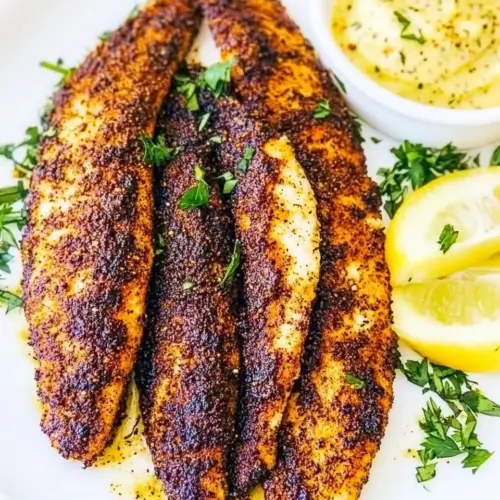
- Serve catfish with Comeback Sauce and lemon wedges.: Plate the warm fillets and spoon the chilled sauce alongside, adding a wedge of lemon for brightness. The contrast between the hot, smoky crust and the cool, tangy sauce should be immediate, with citrus enhancing the flavors when squeezed. Serve promptly to enjoy the crisp texture, as the crust softens over time. A common oversight is letting the fish sit too long, which diminishes the crunchy exterior, so serve right away for best results.
Ways to Adapt This Recipe
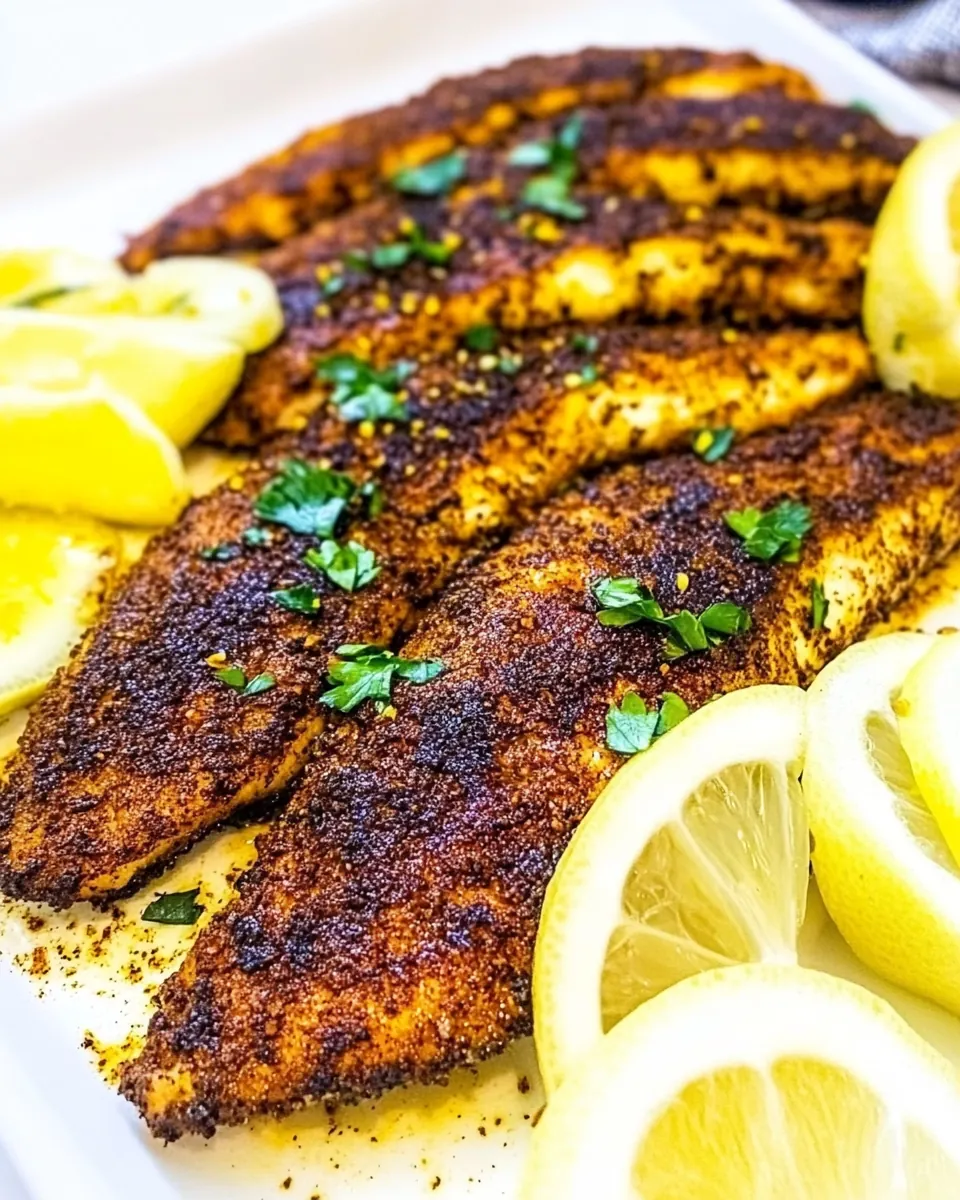
This recipe is flexible, and small swaps can tailor the heat, fat, or brightness to your preferences. Below are practical adaptations and techniques I use when I want to change the profile for guests or dietary needs.
- Swap Hot Sauce: If you do not have Texas Pete, substitute another similar hot sauce to preserve the vinegary heat; different brands vary in intensity so start with less and adjust to taste.
- Adjust Heat Level: Reduce the cayenne in the rub if you prefer milder spice, or add more for a fiery crust; always taste your dry blend before applying so you control the final punch.
- Butter Options: Use clarified butter for a higher smoke point if you worry about burning, it still provides richness while reducing the risk of smoke in the kitchen.
- Make-Ahead Sauce: Prepare the comeback sauce a day ahead and refrigerate to let flavors meld, it often tastes better after resting overnight.
- Oil Choice: Swap vegetable oil for a neutral oil with a high smoke point like canola if you prefer, it performs the same role in helping the crust form without imparting flavor.
Great Combinations for Blackened Catfish Comeback Sauce
Serve this dish with sides and accompaniments that complement its bold flavors and summer-ready character. Below are ideas for occasions, pairings, and storage to make the most of the meal.
- Classic Sides: Pair with steamed rice or a light pilaf to soak up juices and provide a neutral backdrop that highlights the seasoned crust.
- Fresh Salads: A crisp green salad with a bright vinaigrette adds a refreshing contrast to the richness of the fish and sauce.
- Grilled Vegetables: Seasonal grilled zucchini or corn bring smoky notes that harmonize with the blackened spices.
- Sandwich Option: Leftover fillets work wonderfully in a sandwich with the comeback sauce, crisp lettuce, and a squeeze of lemon for a casual lunch.
- Occasions: This recipe fits summer dinners, casual gatherings, or a quick weeknight meal when you want something flavorful yet achievable.
- Storage Tips: Store sauce and cooked fish separately in airtight containers in the refrigerator for up to two days; reheat fish gently to preserve texture.
- Seasonal Pairings: Serve with summer produce like tomatoes and corn for a bright, seasonal plate that complements the spicy, buttery fish.
FAQ
Conclusion
This recipe stands out because it pairs a smoky, peppery blackened crust with a cool, tangy comeback sauce that balances heat and richness. You can make it quickly, scale it for guests, and enjoy the satisfying contrast of textures in every bite. Give it a try for your next weeknight dinner or summer gathering, and I think you will appreciate how such straightforward ingredients deliver memorable flavor.
Blackened Catfish Comeback Sauce
Equipment
- cast iron pan
Ingredients
- 1/2 cup mayonnaise Provide creaminess and body to the sauce while binding other ingredients together; contributes a tangy, rich base that mellows spicy and acidic components and creates a smooth mouthfeel.
- 2 tablespoons ketchup Add a touch of sweetness and tomato flavor that balances heat and richness; helps deepen color and lends subtle acidity to brighten the overall sauce profile.
- 2 teaspoons Texas Pete Introduce a vinegary, moderately spicy kick that enhances heat complexity; brings a tangy pepper flavor that laces through the sauce without overpowering the richness.
- 1 teaspoon honey Contribute a gentle, natural sweetness that tames intense spice and rounds flavors; helps balance salty and acidic elements while adding a subtle floral note.
- 1 teaspoon Worcestershire sauce Impart savory umami depth and a subtle anchovy-like richness that deepens flavor; enhances overall complexity and ties sweet, salty, and acidic components together.
- 1/4 teaspoon garlic powder Provide a concentrated garlicky note in powdered form for consistent distribution; adds savory warmth without introducing moisture and helps lift the sauce’s overall profile.
- 1/4 teaspoon onion powder Supply a mild, slightly sweet onion flavor in dry form for even seasoning; complements fresh flavors and harmonizes with garlic and savory seasonings.
- 2 tablespoons paprika Deliver a smoky, sweet paprika backbone when used in larger quantity for the rub and sauce; contributes color, mild sweetness, and a warm, peppery accent.
- 1 teaspoon kosher salt Add coarse saline seasoning that heightens all flavors and balances sweetness; enhances texture perception and supports seasoning for both sauce and fish rub.
- 2 teaspoons onion powder Contribute additional layered onion flavor for the rub or sauce, amplifying savory depth; powdered form ensures even coverage and consistent seasoning.
- 1 1/2 teaspoons garlic powder Increase the garlicky intensity and aromatic warmth in combination with other spices; powdered garlic integrates smoothly and reinforces savory notes in the blend.
- 1 teaspoon black pepper Provide sharp, aromatic heat and a peppery finish that brightens the spice mix; grounds the seasoning with a clean, piquant bite that complements smoky elements.
- 1 teaspoon celery salt Introduce a mild salty, vegetal note reminiscent of celery that complements seafood; adds a classic savory accent often found in Southern-style seasonings.
- 1 teaspoon dried thyme Deliver earthy, slightly minty herbaceousness that pairs well with seafood and paprika; supports the savory profile and adds aromatic complexity to the seasoning blend.
- 1 teaspoon dried oregano Offer a warm, slightly bitter herbal note with oregano’s aromatic camphor-like quality; complements thyme and enhances Mediterranean-influenced seasoning nuances.
- 1 teaspoon cayenne pepper Supply concentrated chili heat and bright spice that defines the ‘blackened’ punch; adds bold warmth and a lively finish to the seasoning without masking other flavors.
- 2 to 3 catfish fillets Serve as the main protein element to be seasoned and blackened; provides a firm, mild-flavored fish that stands up to bold spices and absorbs the sauce and rub well.
- 6 tablespoons melted butter Provide rich, buttery flavor and help achieve a crisp, golden-blackened exterior when pan-searing; melted form ensures even coating and aids in heat transfer.
- 1 tablespoon vegetable oil Allow for a high-heat cooking surface and help prevent sticking while promoting even browning; neutral oil that carries flavors and tolerates the searing temperatures.
- lemon wedges Offer a bright, acidic finishing touch to cut through richness and uplift flavors; squeezed over the finished fish enhances freshness and balances the sauce’s creaminess.
Instructions
- Make Comeback Sauce. Stir together all ingredients in a small bowl. Cover and refrigerate until needed.: As you whisk the mayonnaise , ketchup , Texas Pete , honey , and Worcestershire sauce together, notice the sauce become glossy and smooth, the aroma shifting from vinegary heat to a balanced tang. The texture should be thick enough to coat a spoon, which ensures it will cling to the warm catfish without sliding off. Refrigerating helps the flavors meld and the sauce firm slightly, creating a cohesive mouthfeel when served. If the sauce tastes too sharp after chilling, a tiny extra splash of honey can round it out. A common mistake is under mixing, which leaves streaks of ketchup or hot sauce, so stir until fully homogenous.
- In a small bowl, stir together all spice rub ingredients.: When you combine the paprika , kosher salt , onion powder , garlic powder , black pepper , celery salt , dried thyme , dried oregano , and cayenne pepper , inhale the warm, smoky scent that develops. The rub should look evenly colored, with no clumps, which ensures consistent seasoning on every bite. I like to rub a small pinch between my fingers to confirm heat level before applying to the fillets. If you skip this check, you might find the rub hotter than expected on the final dish, so adjust cayenne as needed.
- Pat catfish dry with paper towels. Drizzle 2 tablespoons of the melted butter on the catfish.: The surface of the catfish must be dry to allow the rub to adhere and the crust to form. As you press a paper towel over the fillets, you will see moisture lift away and the flesh look matte rather than glossy. Drizzling melted butter next imparts fat that helps flavor and promotes browning. If the fillets remain wet, the rub will steam rather than sear, so always dry thoroughly to avoid a soggy crust.
- Sprinkle top of fillets with blackening seasoning. (Note: you will not use all of the blackening seasoning.) Drizzle 2 tablespoons of the melted butter on the catfish.: you will not use all of the blackening seasoning.) Drizzle 2 tablespoons of the melted butter on the catfish. : Apply the rub in an even layer so the surface is well coated but not caked. As the spices meet the butter, they will begin to cling and form a thin paste that sears nicely. The additional butter helps the spices brown and prevents the fillets from sticking to the pan. Avoid piling on too much seasoning, which can create a bitter crust, and keep some leftover seasoning for another use if desired.
- Heat a cast iron pan over medium-high heat until very hot. Add about 1 tablespoon of vegetable oil to the skillet.: The pan must be hot enough that the oil shimmers and a drop of water sizzles on contact. A screaming hot cast iron pan gives you that immediate sear which locks in juices and forms a crisp crust. When the oil becomes fragrant and moves fluidly, it is ready. If the pan is not hot enough, the crust will fail to form and the fish may stick, so preheat sufficiently.
- Place catfish, seasoned side down in pan. Cook for about 3 minutes and then flip over. Continue to cook until fish is cooked through (it will be opaque all the way through and it will flake easily.): As the fillet hits the pan you should hear a lively sizzle and see the edges begin to brown, which signals the crust setting. After about three minutes, the underside should be a deep golden red from the paprika and spices. When you flip, the second side will cook faster, and you will notice the flesh turn pearly and become opaque; a gentle fork should separate flakes easily. Resist the urge to press down or move the fillet around, which can tear the crust. Overcooking is the usual error here, so pull the fish off the heat when it just flakes.
- Serve catfish with Comeback Sauce and lemon wedges.: Plate the warm fillets and spoon the chilled sauce alongside, adding a wedge of lemon for brightness. The contrast between the hot, smoky crust and the cool, tangy sauce should be immediate, with citrus enhancing the flavors when squeezed. Serve promptly to enjoy the crisp texture, as the crust softens over time. A common oversight is letting the fish sit too long, which diminishes the crunchy exterior, so serve right away for best results.
Notes
- Swap Hot Sauce: If you do not have Texas Pete, substitute another similar hot sauce to preserve the vinegary heat; different brands vary in intensity so start with less and adjust to taste.
- Adjust Heat Level: Reduce the cayenne in the rub if you prefer milder spice, or add more for a fiery crust; always taste your dry blend before applying so you control the final punch.
- Butter Options: Use clarified butter for a higher smoke point if you worry about burning, it still provides richness while reducing the risk of smoke in the kitchen.
- Make-Ahead Sauce: Prepare the comeback sauce a day ahead and refrigerate to let flavors meld, it often tastes better after resting overnight.
- Oil Choice: Swap vegetable oil for a neutral oil with a high smoke point like canola if you prefer, it performs the same role in helping the crust form without imparting flavor.
