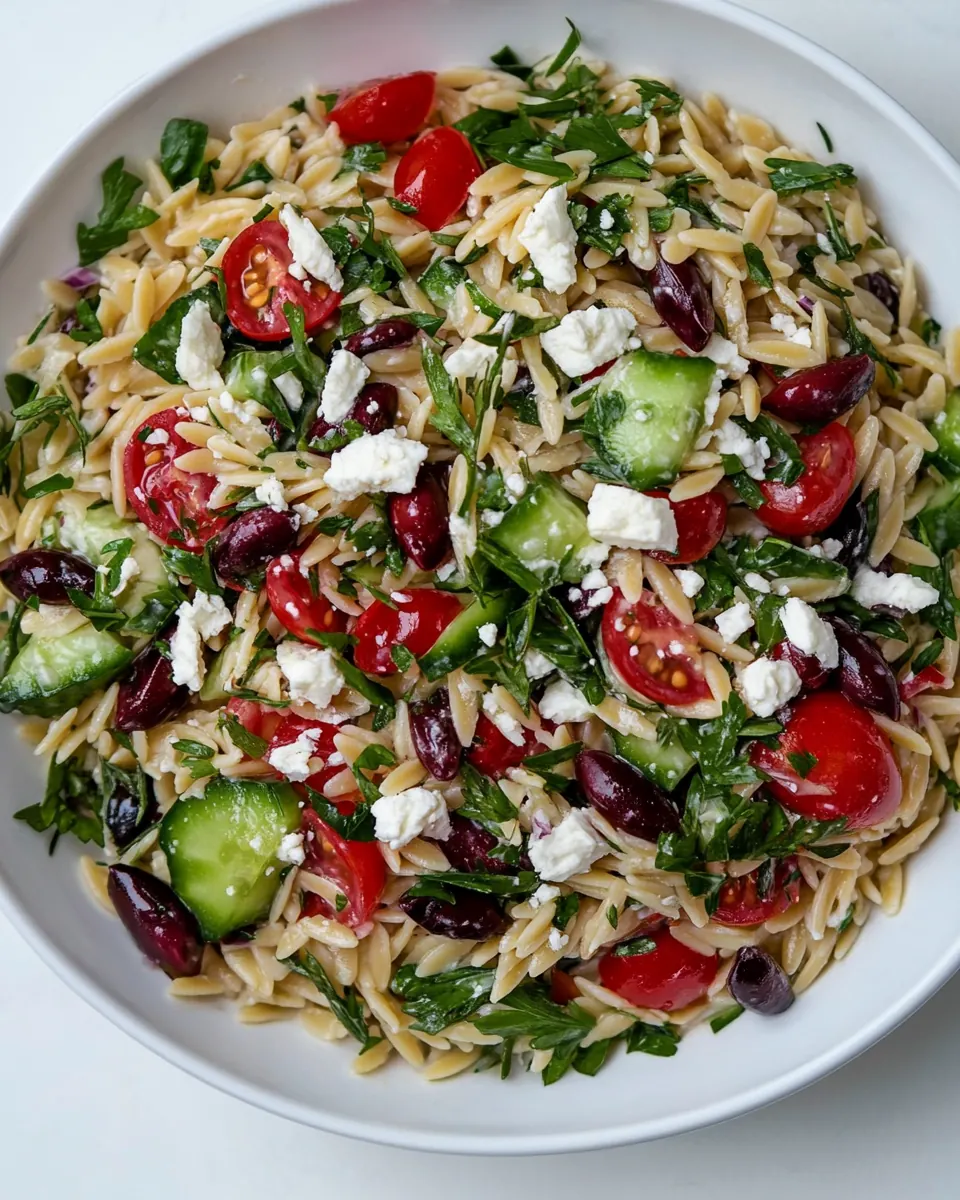
Greek Orzo Salad
Greek Orzo Salad is one of those recipes I reach for when I want something bright, satisfying, and effortless. The first time I tossed together orzo with cherry tomatoes and briny olives, I remember the rush of fresh lemon on my tongue and the way the feta cheese softened into little creamy pockets among tiny pasta pearls. That evening turned into a habit, because this salad travels well, pairs beautifully with simple proteins, and always disappears fast at gatherings.
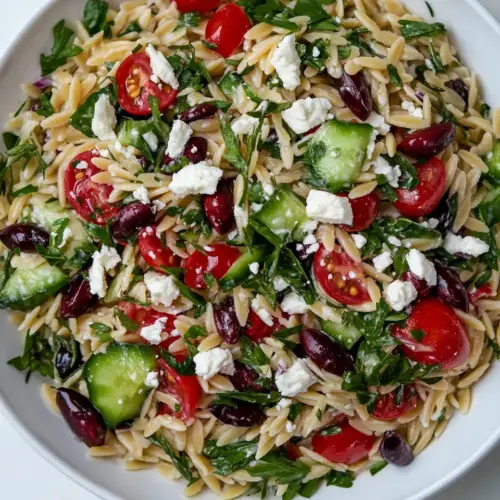
I like to make a big bowl when friends drop by or when I want a quick, colorful lunch that feels a little special. The texture of the orzo pasta—al dente and just chewy—contrasts with crisp English cucumber and juicy cherry tomatoes, while the Kalamata olives add a savory zip. Herbs like fresh dill and fresh parsley give it an herbaceous lift that keeps every bite interesting. Over time I’ve tweaked proportions, but the core idea stays the same: fresh ingredients, simple vinaigrette, minimal fuss.
Recipe Snapshot
16 mins
15 mins
1 mins
Easy
250 kcal
Mediterranean
Gluten-Free, Paleo
Salads
Large Bowl, Spoon
Why You’ll Love This Greek Orzo Salad
Bright, Fresh Flavor That Packs a Punch
When I taste this Greek Orzo Salad, I notice how the lemon vinaigrette wakes up every component. The acidity cuts through the feta cheese and balances the oiliness of the Kalamata olives. I love that a few simple ingredients can deliver a layered flavor profile without long prep.
Fast and Weeknight Friendly
I make this salad on busy evenings because the orzo pasta cooks quickly and everything else needs only chopping. It’s an ideal easy weeknight dinner when you want something fresh without a lot of babysitting.
Versatile for Meals and Gatherings
I bring this to potlucks because it travels well and suits many palates. The mixture of baby arugula and herbs keeps it feeling light, so it pairs with grilled vegetables or roasted proteins if you want to bulk it up.
Textural Contrast That Makes Every Bite Interesting
I appreciate how the orzo provides a tender base, while the cucumber and cherry tomatoes contribute crunch and burst. That combination keeps the salad from feeling one note, and the crumbled feta cheese gives creamy little surprises.
Make-Ahead Friendly
I often assemble parts ahead, keeping the vinaigrette separate. This approach ensures the baby arugula stays crisp until serving, which is a tiny trick that makes a big difference when you want to serve something fresh and attractive later.
Shopping List for Greek Orzo Salad
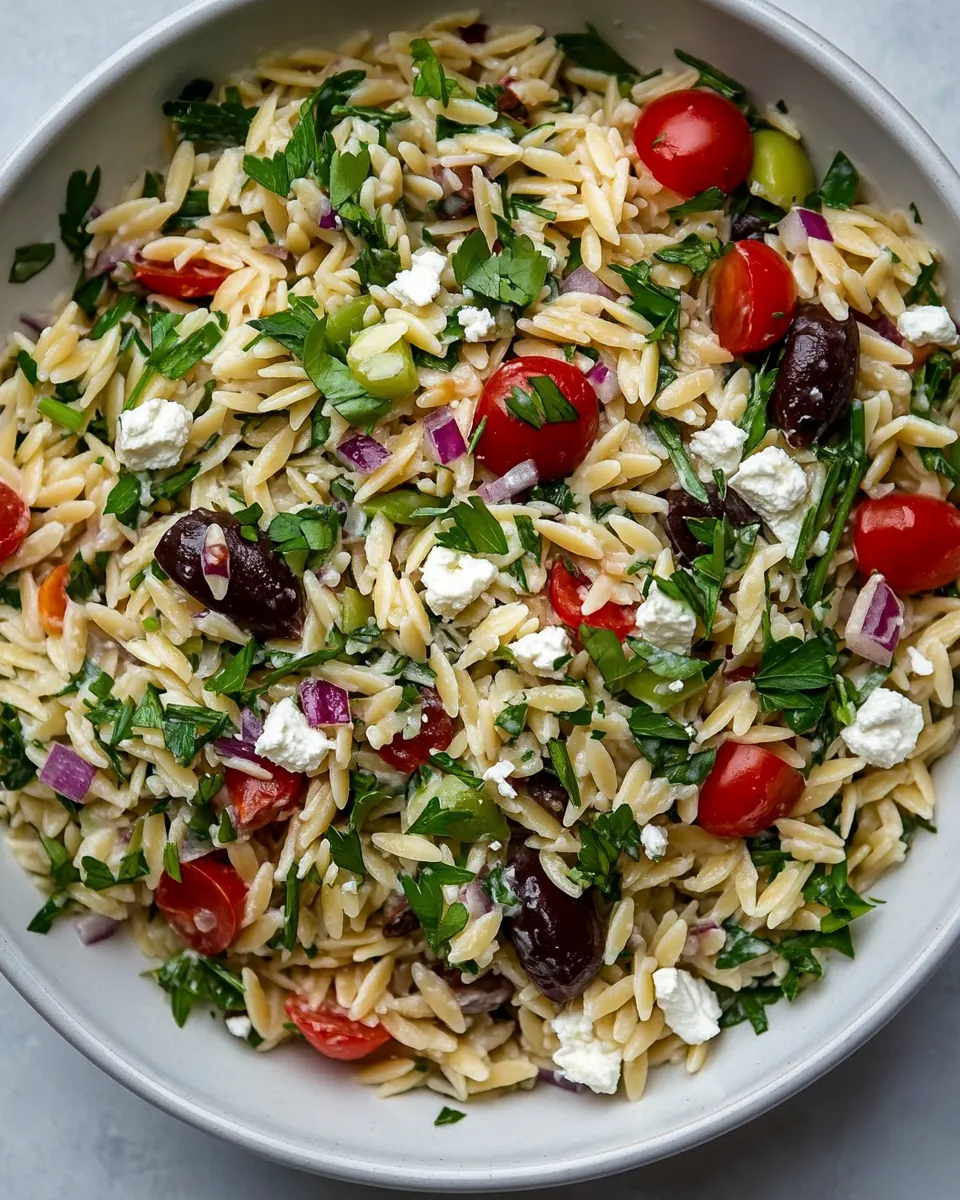
I approach these ingredients like a small orchestra where each musician matters. The orzo pasta is the rhythm section, providing structure. The vegetables and olives supply melody and contrast, while the feta cheese and herbs add harmony. Together they create a balanced, bright salad that sings with minimal effort.
- 10 ounces Orzo Pasta, (about 3 cups cooked): Adds a comforting, starchy base to bind the salad and soak up dressing flavors; cook until al dente and cool before tossing to prevent sogginess. Offers a neutral, slightly nutty backdrop that complements Mediterranean ingredients without overpowering them.
- 1/2 cup Cherry Tomatoes, sliced in half: Provides bursts of bright, juicy sweetness and acidity that balance savory and creamy elements; halve for easy distribution and pleasing texture contrast. Enhances visual appeal with vibrant color and yields small pockets of fresh flavor in every bite.
- 1 cup English Cucumber, diced: Contributes a crisp, hydrating crunch and mild, cool flavor that lightens the salad; dice uniformly for consistent texture throughout. Helps temper stronger flavors like feta and olives while adding a refreshing mouthfeel.
- 1/2 cup Kalamata Olives, sliced in half: Brings a briny, tangy punch and savory depth that anchors the salad in classic Greek flavors; halve to expose flesh and distribute intensity. Offers a pleasing contrast to milder ingredients and complements the feta's creaminess.
- 3 tablespoons Red Onion, diced: Imparts a sharp, slightly pungent bite and subtle sweetness when diced finely; use sparingly to avoid overpowering delicate greens. Adds aromatic depth and layers of flavor that meld with herbs and vinaigrette.
- 1/3 cup Feta Cheese, crumbled: Contributes a salty, creamy, and tangy element that ties Mediterranean flavors together; crumble over the salad for uneven, melty pockets of richness. Balances acidity from lemon vinaigrette and saltiness from olives while enhancing overall umami.
- 2 cups Baby Arugula: Adds a peppery, fresh green component that introduces volume and a light, lively bite; use as a base to keep the salad airy. Provides a bitter contrast to sweeter tomatoes and balances the dish’s richness.
- 2 tbsp Fresh Dill, chopped: Offers a bright, anise-like, slightly citrusy herbaceousness that lifts the salad’s overall flavor; chop finely so it distributes evenly. Pairs well with lemon vinaigrette and other fresh herbs to create a layered herbal profile.
- 2 tablespoons Fresh Parsley, chopped: Provides fresh, slightly peppery, and earthy notes that enhance savory and citrus elements; chop and scatter for consistent flavor throughout. Works in tandem with dill to build a complex herbaceous backbone.
- Lemon Vinaigrette: Dresses and unifies the salad with acidity, oil, and seasoning to meld flavors and moisten ingredients; use enough to coat without drowning delicate greens. Brightens the dish and balances salty, creamy, and bitter components for a harmonious finish.
Making This Greek Orzo Salad
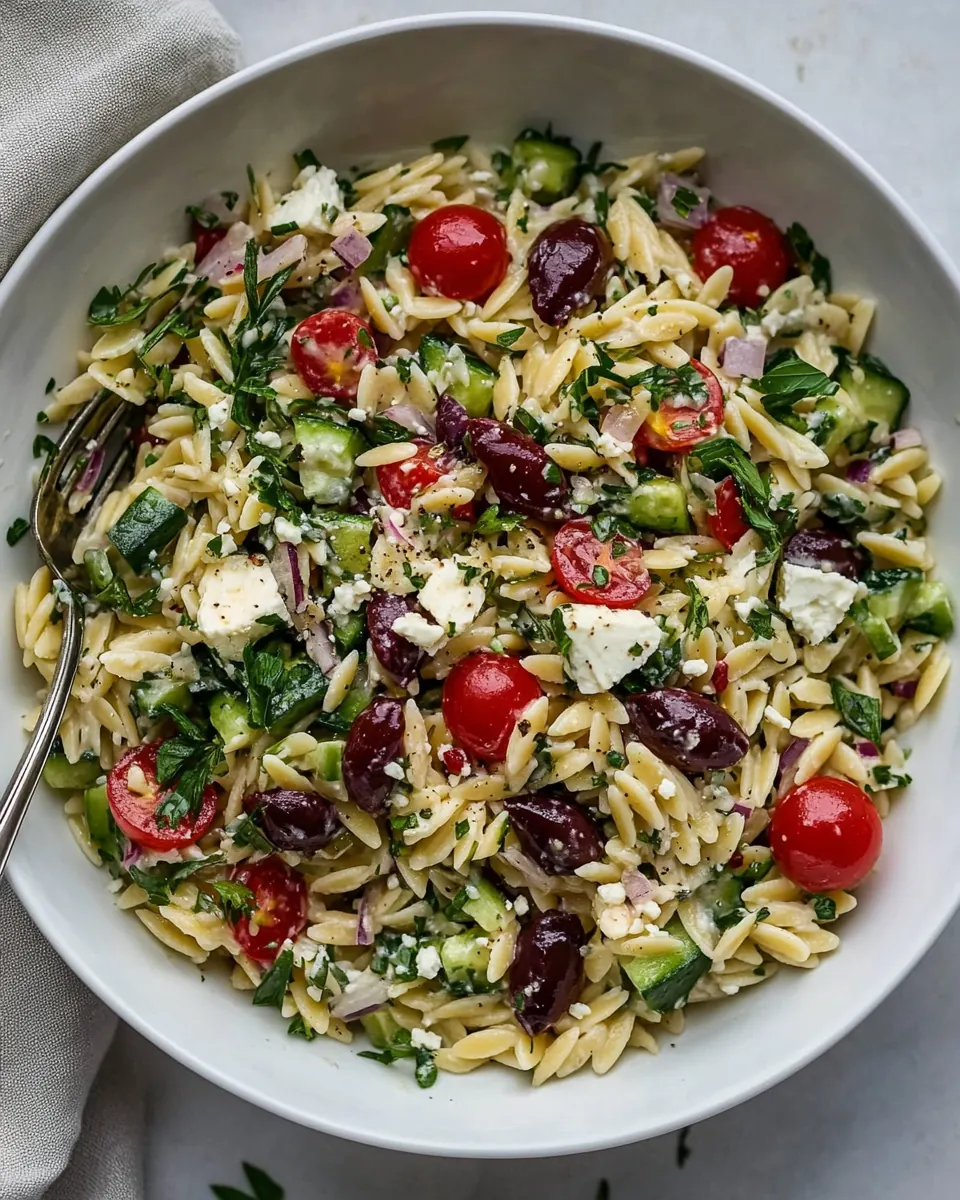
This salad assembly is straightforward, and the directions are compact. Below I expand each original step into a sensory rich, helpful walkthrough so you know what to expect at every turn and how to avoid common pitfalls.
- In a large bowl, add the cooked pasta, tomatoes, cucumbers, olives, red onion, crumbled feta, arugula, dill, and parsley.: The moment you combine the warm or cooled orzo pasta with the crisp English cucumber , juicy cherry tomatoes , and salty Kalamata olives , you should notice a lively blend of colors and aromas. The sound is subtle, a gentle shuffling as pieces settle, and the varied textures become apparent when you stir, from the tender orzo to the snap of cucumber. This step matters because mixing the components evenly ensures each bite has balance. If the pasta is still hot, it will soften the baby arugula and herbs quickly, which can be desirable or not depending on your preference. A common mistake is adding piping hot orzo , which wilts greens and makes the salad limp; cool it to lukewarm for best texture. Also, be sure the olives and tomatoes are well drained so they do not water down the bowl.
- Pour all of the prepared lemon vinaigrette over the salad and lightly toss to coat the ingredients.: As the vinaigrette hits the salad, you should smell the brightness of citrus and the gentle herbaceous notes from the fresh dill . Light tossing, rather than vigorous mixing, keeps the feta cheese in place and prevents the orzo from becoming mushy. The vinaigrette clings to surfaces, making each component glisten and encouraging flavor marriage. Why this matters: evenly distributed dressing ensures no one part tastes dry or overly oily. One troubleshooting tip is to add the vinaigrette in stages, tasting as you go to avoid over dressing, which can make the salad soggy. If you accidentally overdress, toss in a little extra orzo pasta or more greens to rebalance.
- Serve and enjoy!: At serving time, lift the salad gently with a large spoon to present the colorful medley, noticing the contrast between creamy feta cheese and bright cherry tomatoes . The first forkful should combine tender orzo , peppery baby arugula , and tangy cheese. The sensory payoff is a mix of cool, crunchy, and creamy textures with lemony lift. Serve immediately for the freshest leaf texture, or let it rest briefly for the flavors to settle; both are valid depending on your preference. A typical mistake is letting the salad sit too long after dressing, which softens the arugula and can make the orzo gummy. If planning ahead, keep the dressing separate until you are ready to serve to maintain optimal texture.
Substitutions and Tips
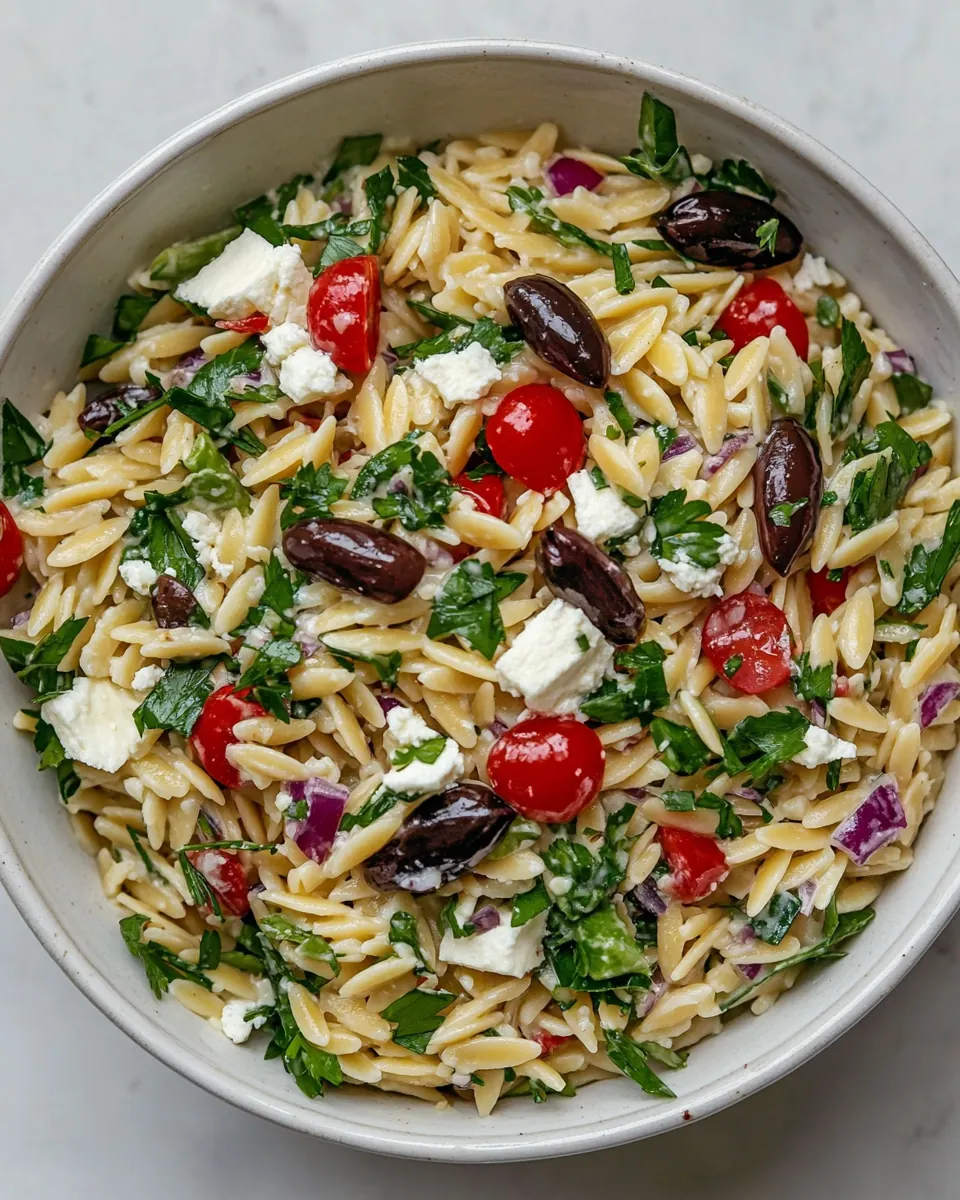
I like sharing practical swaps and small tricks that keep the salad flexible and reliable. Below are targeted tips expanded into helpful items to use while you cook and serve.
- Make it ahead: Keep the lemon vinaigrette separate and toss just before serving to maintain crisp baby arugula.
- Adjust salt carefully: Because feta cheese and Kalamata olives add saltiness, add additional salt to the vinaigrette sparingly and taste as you go.
- Texture control: For firmer salad, cool the orzo pasta completely and add it chilled to the bowl, which reduces wilting of greens.
- Herb boost: Increase fresh dill or fresh parsley for a brighter, more aromatic profile if your herbs are particularly fragrant.
- Olive management: If you prefer less brine, rinse the Kalamata olives briefly and pat dry to lower salt impact without losing flavor.
- Serving warm vs cold: Serve slightly warm for a comforting contrast with chilled veggies, or fully chilled for a refreshing summer dish; both approaches work well.
How to Serve Greek Orzo Salad
This salad adapts to many occasions and plating styles. Serve it as a light main for lunch, or as a side to grilled fish or roasted vegetables for dinner. Below are practical serving ideas, storage notes, and pairing suggestions formatted for easy use.
- As a light lunch: Serve a generous bowl of Greek Orzo Salad with extra feta cheese on top and a wedge of lemon for squeezing at the table.
- At dinner: Offer the salad alongside simply seasoned proteins, letting its bright flavors cut through richer mains and add freshness to the plate.
- For gatherings: Place the salad in a wide shallow bowl so guests can see the colorful ingredients, and provide serving utensils that allow portion control.
- Storage tips: Keep leftover salad in an airtight container in the refrigerator for up to two days, storing the lemon vinaigrette separately if possible to preserve leaf texture.
- Seasonal pairing: This salad shines in summer when tomatoes and cucumbers are at their peak; use the ripest produce available for best results.
- Presentation idea: Garnish with a few whole Kalamata olives and a light drizzle of extra vinaigrette just before serving to refresh the flavors.
FAQ
Conclusion
What makes this recipe special is its effortless balance of textures and bright Mediterranean flavors that come together with minimal fuss. I encourage you to try it the next time you want something that feels both fresh and satisfying, whether for lunch, a picnic, or a light dinner. It’s an approachable recipe that rewards simple, quality ingredients and tiny adjustments like chilling the orzo or finishing with a sprinkle of herbs, so don’t be afraid to make it your own.
Greek Orzo Salad
Equipment
- Large Bowl
- Spoon
Ingredients
- 10 ounces Orzo Pasta, (about 3 cups cooked) Adds a comforting, starchy base to bind the salad and soak up dressing flavors; cook until al dente and cool before tossing to prevent sogginess. Offers a neutral, slightly nutty backdrop that complements Mediterranean ingredients without overpowering them.
- 1/2 cup Cherry Tomatoes, sliced in half Provides bursts of bright, juicy sweetness and acidity that balance savory and creamy elements; halve for easy distribution and pleasing texture contrast. Enhances visual appeal with vibrant color and yields small pockets of fresh flavor in every bite.
- 1 cup English Cucumber, diced Contributes a crisp, hydrating crunch and mild, cool flavor that lightens the salad; dice uniformly for consistent texture throughout. Helps temper stronger flavors like feta and olives while adding a refreshing mouthfeel.
- 1/2 cup Kalamata Olives, sliced in half Brings a briny, tangy punch and savory depth that anchors the salad in classic Greek flavors; halve to expose flesh and distribute intensity. Offers a pleasing contrast to milder ingredients and complements the feta's creaminess.
- 3 tablespoons Red Onion, diced Imparts a sharp, slightly pungent bite and subtle sweetness when diced finely; use sparingly to avoid overpowering delicate greens. Adds aromatic depth and layers of flavor that meld with herbs and vinaigrette.
- 1/3 cup Feta Cheese, crumbled Contributes a salty, creamy, and tangy element that ties Mediterranean flavors together; crumble over the salad for uneven, melty pockets of richness. Balances acidity from lemon vinaigrette and saltiness from olives while enhancing overall umami.
- 2 cups Baby Arugula Adds a peppery, fresh green component that introduces volume and a light, lively bite; use as a base to keep the salad airy. Provides a bitter contrast to sweeter tomatoes and balances the dish’s richness.
- 2 tbsp Fresh Dill, chopped Offers a bright, anise-like, slightly citrusy herbaceousness that lifts the salad’s overall flavor; chop finely so it distributes evenly. Pairs well with lemon vinaigrette and other fresh herbs to create a layered herbal profile.
- 2 tablespoons Fresh Parsley, chopped Provides fresh, slightly peppery, and earthy notes that enhance savory and citrus elements; chop and scatter for consistent flavor throughout. Works in tandem with dill to build a complex herbaceous backbone.
- Lemon Vinaigrette Dresses and unifies the salad with acidity, oil, and seasoning to meld flavors and moisten ingredients; use enough to coat without drowning delicate greens. Brightens the dish and balances salty, creamy, and bitter components for a harmonious finish.
Instructions
- In a large bowl, add the cooked pasta, tomatoes, cucumbers, olives, red onion, crumbled feta, arugula, dill, and parsley.: The moment you combine the warm or cooled orzo pasta with the crisp English cucumber , juicy cherry tomatoes , and salty Kalamata olives , you should notice a lively blend of colors and aromas. The sound is subtle, a gentle shuffling as pieces settle, and the varied textures become apparent when you stir, from the tender orzo to the snap of cucumber. This step matters because mixing the components evenly ensures each bite has balance. If the pasta is still hot, it will soften the baby arugula and herbs quickly, which can be desirable or not depending on your preference. A common mistake is adding piping hot orzo , which wilts greens and makes the salad limp; cool it to lukewarm for best texture. Also, be sure the olives and tomatoes are well drained so they do not water down the bowl.
- Pour all of the prepared lemon vinaigrette over the salad and lightly toss to coat the ingredients.: As the vinaigrette hits the salad, you should smell the brightness of citrus and the gentle herbaceous notes from the fresh dill . Light tossing, rather than vigorous mixing, keeps the feta cheese in place and prevents the orzo from becoming mushy. The vinaigrette clings to surfaces, making each component glisten and encouraging flavor marriage. Why this matters: evenly distributed dressing ensures no one part tastes dry or overly oily. One troubleshooting tip is to add the vinaigrette in stages, tasting as you go to avoid over dressing, which can make the salad soggy. If you accidentally overdress, toss in a little extra orzo pasta or more greens to rebalance.
- Serve and enjoy!: At serving time, lift the salad gently with a large spoon to present the colorful medley, noticing the contrast between creamy feta cheese and bright cherry tomatoes . The first forkful should combine tender orzo , peppery baby arugula , and tangy cheese. The sensory payoff is a mix of cool, crunchy, and creamy textures with lemony lift. Serve immediately for the freshest leaf texture, or let it rest briefly for the flavors to settle; both are valid depending on your preference. A typical mistake is letting the salad sit too long after dressing, which softens the arugula and can make the orzo gummy. If planning ahead, keep the dressing separate until you are ready to serve to maintain optimal texture.
Notes
- Make it ahead: Keep the lemon vinaigrette separate and toss just before serving to maintain crisp baby arugula.
- Adjust salt carefully: Because feta cheese and Kalamata olives add saltiness, add additional salt to the vinaigrette sparingly and taste as you go.
- Texture control: For firmer salad, cool the orzo pasta completely and add it chilled to the bowl, which reduces wilting of greens.
- Herb boost: Increase fresh dill or fresh parsley for a brighter, more aromatic profile if your herbs are particularly fragrant.
- Olive management: If you prefer less brine, rinse the Kalamata olives briefly and pat dry to lower salt impact without losing flavor.
- Serving warm vs cold: Serve slightly warm for a comforting contrast with chilled veggies, or fully chilled for a refreshing summer dish; both approaches work well.
