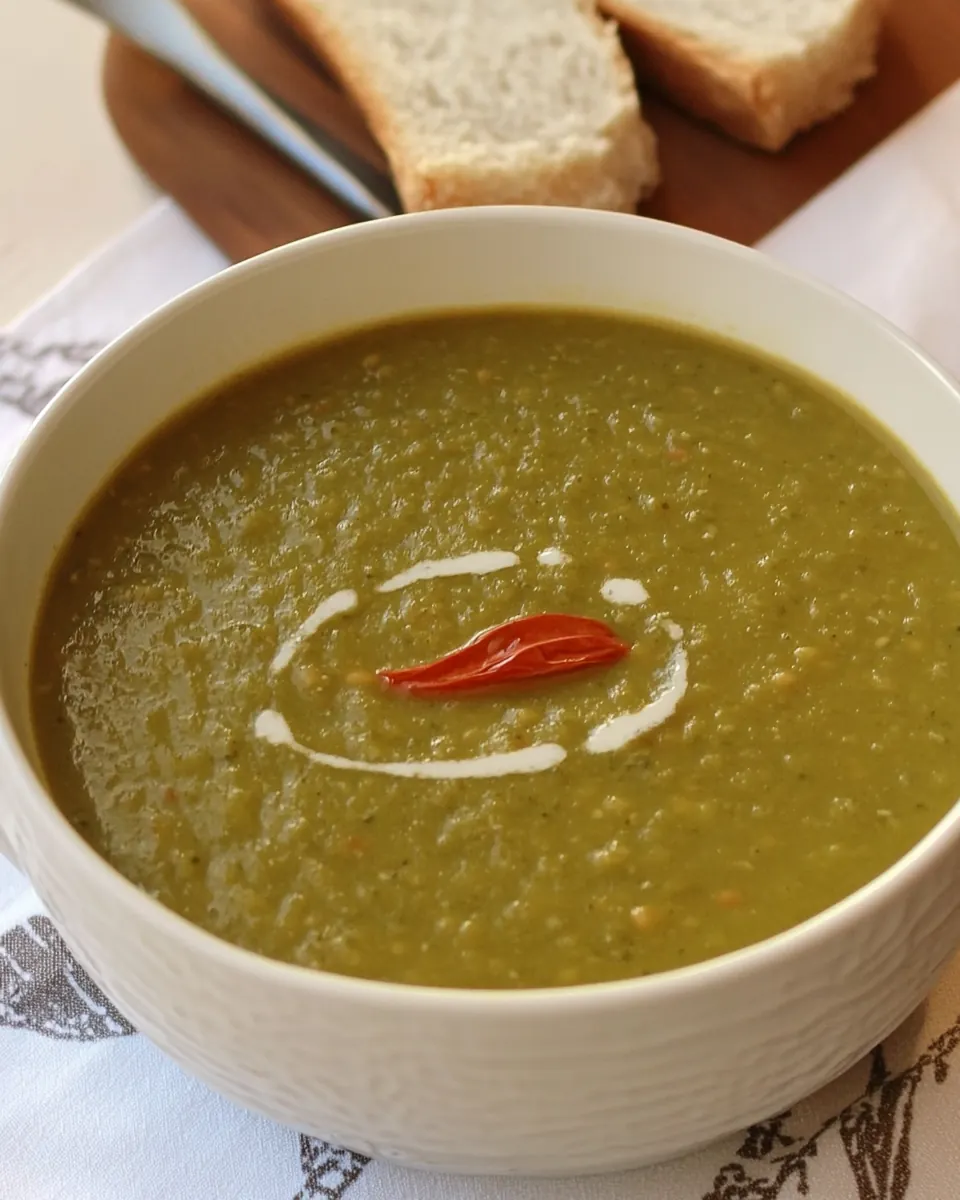
Roasted Eggplant Split Pea Soup
Roasted Eggplant Split Pea Soup has been one of those recipes I reach for when the air turns crisp and I want something that feels like a warm hug in a bowl. The first time I made it I was juggling a weeknight schedule and a pantry of humble staples, and I was surprised by how luxurious the texture became without any cream. I remember setting the oven timer and stepping outside to let the scent of roasting eggplant and sage drift through the kitchen window, and that memory anchors this recipe every time I make it.
There is a quiet satisfaction in building flavor slowly, from toasty browned onion to the soft, lush body of pureed split peas. I often think of this soup as the way I convince myself and my friends that simple ingredients can be utterly comforting. I like to serve it when I want to show care without fuss, and it has become my fallback when someone needs dinner and a little TLC.
Recipe Snapshot
1 hr 40 mins
15 mins
85 mins
Medium
250 kcal
Mediterranean
Vegan, Gluten-Free
Soups
Large pot, Baking sheet, Blender, Skillet
The Appeal of This Roasted Eggplant Split Pea Soup
Comforting texture that feels indulgent
I love how Roasted Eggplant Split Pea Soup turns economical pantry staples into something that feels creamy and special. The combination of pureed split peas with the roasted eggplant creates a velvety mouthfeel that reminds me of richer soups, without needing dairy or heavy creams. Every spoonful has a layered texture, and that makes serving it for company feel gratifying.
Smoky roasted notes from simple roasting
Roasting the eggplant adds a deep, almost smoky sweetness that lifts the mild earthiness of the split peas. I find this single technique changes the soup from plain to memorable, giving it a charred, savory backbone that pairs wonderfully with the warm aromatics of browned onion.
Frugal yet impressive
I often recommend this recipe to cooks who want to impress on a budget. The ingredient list reads like pantry staples: split peas, eggplant, onion, and a few seasonings. When you put them together with thoughtful techniques, the result feels elevated, which is why I keep this recipe in my regular rotation.
Flexible and accommodating
There is room to adjust texture and salt levels easily, which I appreciate when cooking for different tastes. I usually blend to a very smooth consistency, but if I want more body I leave a bit of the peas unblended. That adaptability makes it great for weeknights, when timing and preferences can shift.
Great make ahead properties
I love making a big pot because the flavors deepen overnight. Reheating is simple, and the soup often tastes better the next day as the savory notes meld. It is one of those dishes that rewards a little patience, and that is why it often shows up on my meal prep list.
Key Ingredients for Roasted Eggplant Split Pea Soup
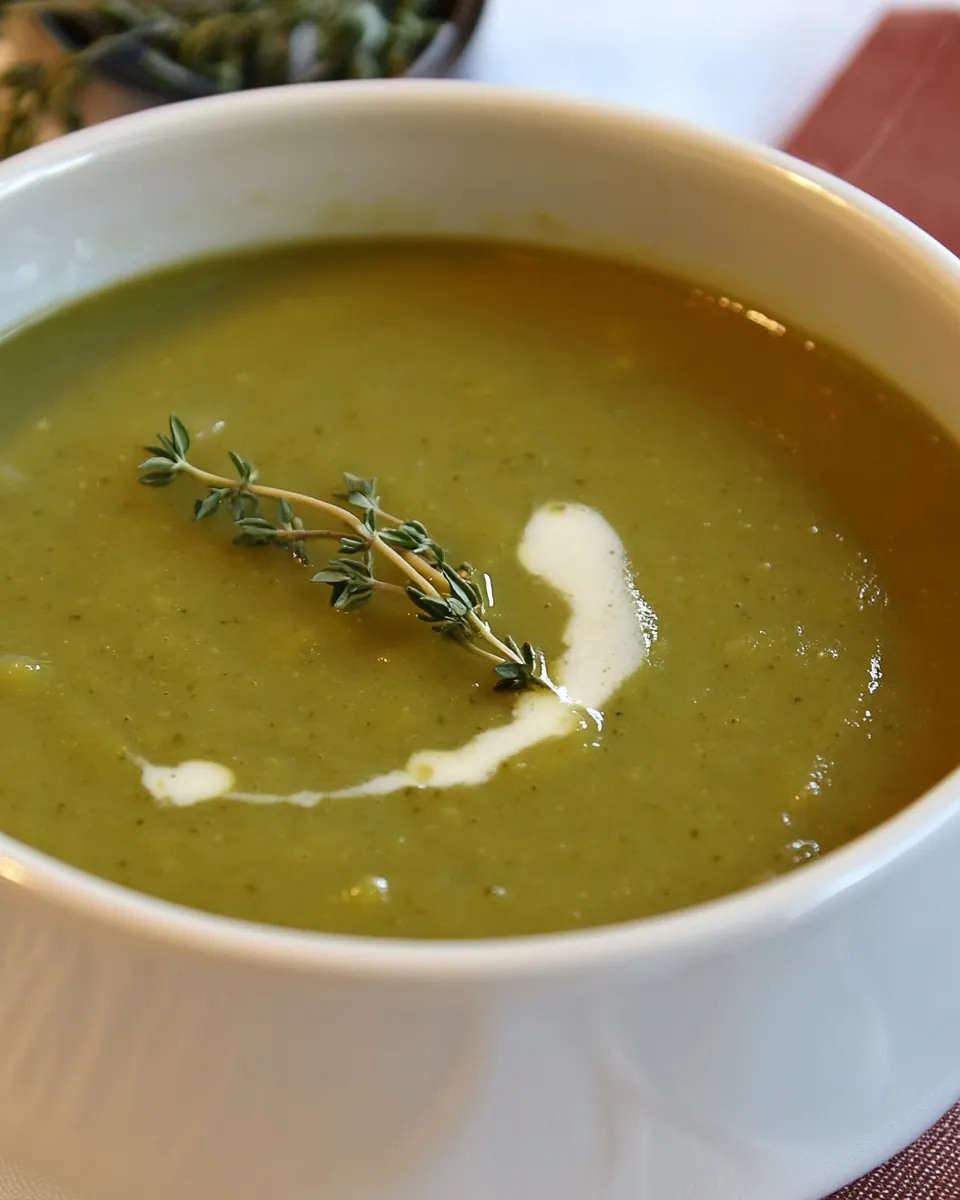
The philosophy here is straightforward: sturdy, humble ingredients that each play a clear role. The split peas are the base, providing body and protein. The eggplant brings a roasted depth and silky texture. The onion gives savory sweetness, while the vegetable broth ties everything together and controls the final consistency. A touch of olive oil amplifies aroma and mouthfeel, and sage and salt round out the flavor profile.
- 2 cups dry split peas: Provide hearty texture and plant-based protein; soak and simmer until tender to form the soup's creamy base. Absorb flavors from aromatics and seasonings, helping to thicken and add body without dairy.
- 6 cups water: Supply liquid to cook and hydrate split peas; bring to a simmer and adjust as needed to achieve desired consistency. Act as a neutral medium that allows the peas and roasted eggplant to meld.
- 2 large eggplants: Add smoky, savory depth when roasted and puréed; split, score, and roast until charred to develop rich umami notes. Contribute a silky mouthfeel and distinctive eggplant flavor that complements earthy peas.
- 3 tablespoons olive oil separated: Coat vegetables for roasting and sautéing; reserve part for finishing to add gloss and richness. Provide a smooth mouthfeel and help release fat-soluble flavors from herbs and aromatics.
- 1 teaspoon salt or to taste: Enhance overall flavor balance and make savory notes pop; sprinkle gradually and taste to avoid over-salting. Help meld the flavors of peas, eggplant, and herbs while controlling the soup's seasoning.
- 2 teaspoons rubbed sage: Introduce warm, aromatic, slightly piney notes; crumble into the soup during simmering and adjust to taste. Complement the earthy split peas and roasted eggplant with a subtle herbal character.
- 1 red onion: Provide sweet, savory aromatics and depth when sautéed until translucent or caramelized; slice or chop and cook gently. Build the flavor base and add complexity that supports both the peas and roasted eggplant.
- 3 cups vegetable broth: Increase savory richness and concentrate flavor; use along with water to adjust soup thickness and boost umami. Serve as a seasoned liquid backbone that enhances the overall savory profile.
Step by Step Guide for Roasted Eggplant Split Pea Soup
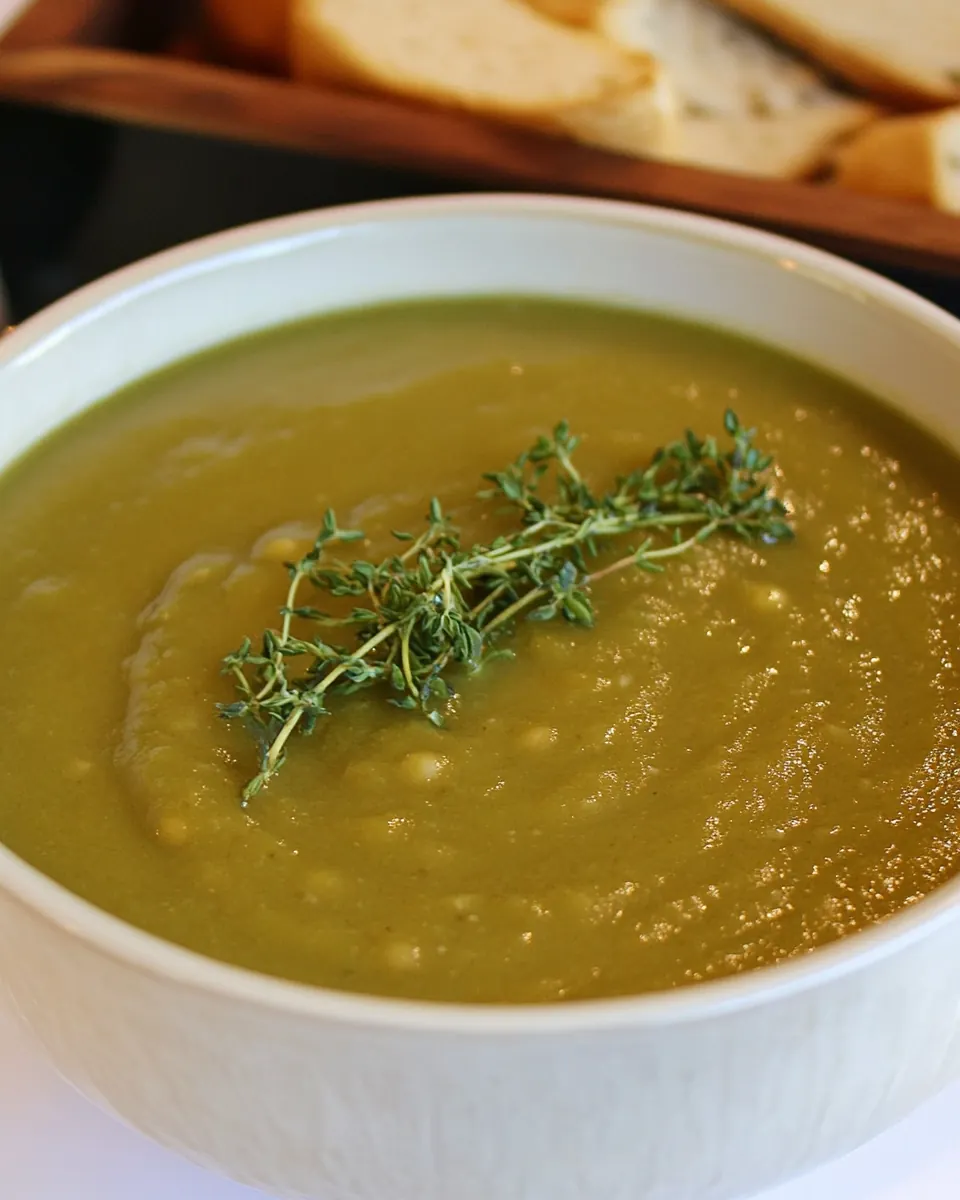
I like to think of this as a gentle layering process rather than a race. Work in parallel where you can, beginning the peas, then roasting the eggplant, and finishing with the sautéed onion and blending. The directions below expand each action into sensory cues and troubleshooting tips so you can cook confidently.
- In a large pot, bring 2 cups of dry split peas and 6 cups of water to a full boil. Add the sage and salt. Reduce the heat to a simmer and cook covered for 40-50 minutes, until peas are soft, soup is thickened and creamy.: You will notice a gentle roaring boil at first, with steam rising and an almost nutty aroma as the water hits the peas. Once you reduce to a simmer, listen for a soft bubbling and watch the peas slowly swell and break down, the liquid transforming from translucent to opaque and velvety. This breakdown is what gives the soup its body, so patience is key. Stir occasionally to prevent sticking to the pot base, and skim any foam that rises, which can carry bitter compounds. A common mistake is letting the simmer become too aggressive, which can cause the peas to stick and scorch. If the mixture looks dry before tenderness is reached, add a little hot water to maintain coverage, and always test for doneness by mashing a pea between your fingers or tasting for a buttery, fully softened texture.
- Preheat the oven to 400 degrees. Cut the eggplants in half lengthwise, drizzle 2 tablespoons of olive oil and some salt on the flesh. Place the eggplants skin-side up on a baking sheet. Bake for 30 minutes or until the flesh is very soft.: As the oven comes to temperature, the kitchen will fill with a floral, faintly smokey sweetness from the roasting eggplant . You want to see the flesh collapse and become satin soft, not shriveled. The flesh should pull away slightly from the skin and be easy to scoop. Keep an eye on them around the 25 minute mark because ovens vary; if the top is puffing and caramelizing nicely, you are on track. One pitfall is underroasting, which leaves the flesh grainy and less flavorful. If the surface is browning too fast, tent loosely with foil to allow the interior to soften without burning.
- While the eggplant is roasting and split peas are cooking, sauté the onion in 1 tablespoon of olive oil until soft and browned, about 15 minutes.: In the pan you will hear a gentle sizzle as the onion hits the warm oil, followed by a gradual transformation to translucent and then golden. As sugars caramelize, inhale the sweet, savory perfume that develops; this is a backbone flavor for the soup. Keep the heat moderate to avoid quick blackening. Stir frequently and, if the onions seem to dry out, add a splash of broth to deglaze the fond and capture those browned bits. A frequent error is turning up the heat to hurry the process, which produces bitter char rather than the deep, sweet notes you want.
- Add the cooked split peas to a blender and blend until creamy. Transfer the split peas back into the large pot.: When you transfer the simmered peas to your blender, they should already be very soft and easily mashed. As the blades whirl you will see a transformation from coarse bits to a silky, homogeneous puree with a faintly sweet, earthy scent. Blend in pulses if needed to avoid splashing, and if the puree is too thick, add a little warm water or broth to help the motor along. Beware of overfilling the blender with steaming liquid; vent the lid slightly and start at low speed to avoid pressure build up. A common issue is a grainy texture from undercooked peas, so only blend when they are fully tender.
- Scoop the eggplant flesh into the blender and discard the skin. Add the sautéed onion and a cup of the vegetable broth in with the eggplant and blend until smooth.: The roasted eggplant should be silky and fragrant; when combined with the browned onion and a cup of broth, the blender will produce a glossy, aromatic puree. Take note of the color, which will be a mellow beige with flecks from the sage, and the aroma, which should be warm and slightly smoky. If the mixture feels grainy, add another splash of broth and blend again. Removing the skins carefully avoids adding any bitter charred bits. A slip to watch for is blending hot mixtures too aggressively; use short pulses and a ladle to manage temperature and pressure.
- Transfer the eggplant mixture into the large pot with the split peas. Add the remaining vegetable stock, bring to a gentle boil and remove from heat. Serve with shredded cheese on top.: As you fold the glossy eggplant puree into the creamy split peas , the soup will thicken and the aroma will brighten, melding roasted and earthy notes. Add the remaining vegetable broth to reach desired consistency, then bring the pot to a gentle boil so everything harmonizes; you will hear soft, steady bubbling and see a few slow ripples across the surface. Remove from heat promptly to preserve the bright sage perfume. If serving with shredded cheese, sprinkle it on hot bowls so it melts into ribbons. A mistake to avoid is boiling too vigorously after adding the puree, which can separate textures or reduce the delicate aromatics. Taste and adjust salt, and if the soup is too thick, loosen with hot broth until it coats a spoon smoothly.
Customization Ideas
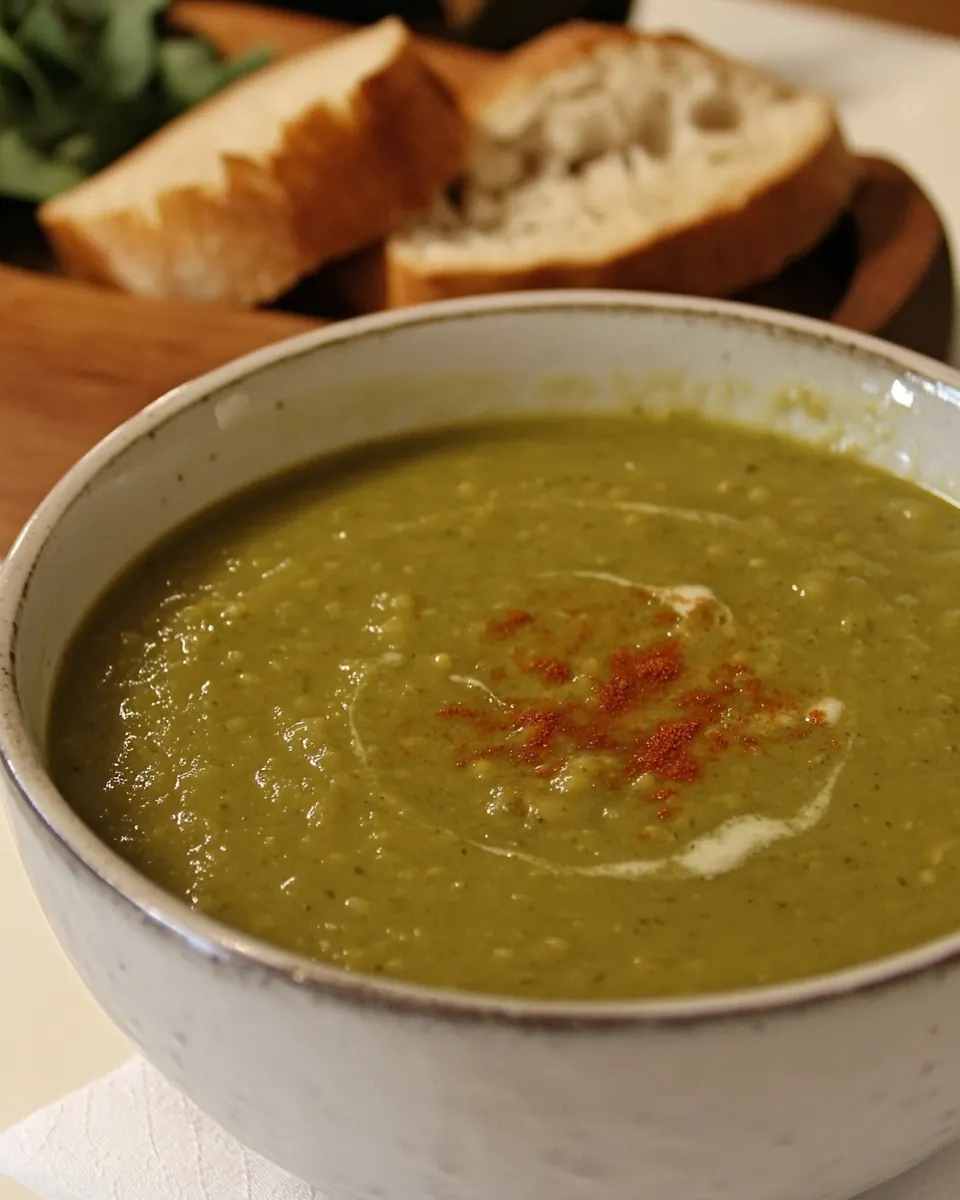
This section highlights simple ways to adapt the soup for texture, intensity, and presentation while staying true to the original flavor profile. Each tip focuses on a single idea so you can pick what fits your mood and pantry.
- Smokier profile Roast the eggplant until the edges show a touch more char and include the extra caramelized bits in the puree for added depth.
- Thicker stew like Keep more of the cooked split peas unblended then fold the smooth puree back in for a chunkier, heartier texture.
- Extra aromatics Increase the rubbed sage slightly and finish with a small pinch of freshly ground black pepper to lift the flavors without adding new ingredients.
- Silky finish Use an immersion blender in the pot for a very hands on approach that preserves more warming texture while still producing a smooth result.
- Make ahead advantage Prepare the soup a day early and refrigerate, then reheat gently on the stove to let the flavors deepen; thin with hot broth as needed when serving.
What Goes Well With This Roasted Eggplant Split Pea Soup
This soup pairs beautifully with simple sides that complement its creamy, savory nature. Think about texture contrasts and occasions when a warm bowl feels appropriate, and use the list below for pairing ideas and serving strategies.
- Crusty bread A warm, crunchy loaf is ideal for dipping and adds a textural counterpoint to the velvety soup, perfect for casual lunches or cozy dinners.
- Light green salad A crisp salad dressed simply balances the richness of the soup, offering a refreshing contrast for midday meals or a light evening spread.
- Toasted seeds Sprinkle toasted pumpkin or sunflower seeds on top for a nutty crunch and visual interest when serving the soup at a small gathering.
- Meal occasions This soup works well for weeknight dinners, weekend lunches, and seasonal fall menus when roasted vegetables are in demand; it also scales easily for a comforting Ramadan iftar.
- Storage tips Refrigerate in an airtight container for up to four days, and reheat gently on the stove, thinning with warm vegetable broth as needed to restore the ideal consistency.
- Seasonal pairing Serve throughout the fall when eggplant and rooty flavors feel right, and pair with roasted autumn vegetables for a full seasonal menu.
FAQ
Conclusion
What makes this soup special is how ordinary ingredients transform into a velvety, deeply flavored bowl through simple techniques and time. I encourage you to try it on a cool evening when you want something both soothing and impressive without fuss. It rewards patience and little touches like well caramelized onion and properly roasted eggplant, and it’s the kind of recipe that becomes a reliable comfort in your repertoire. Enjoy the slow layering of flavors and the warmth it brings to your table.
Roasted Eggplant Split Pea Soup
Equipment
- Large Pot
- Baking Sheet
- Blender
- Skillet
Ingredients
- 2 cups dry split peas Provide hearty texture and plant-based protein; soak and simmer until tender to form the soup's creamy base. Absorb flavors from aromatics and seasonings, helping to thicken and add body without dairy.
- 6 cups water Supply liquid to cook and hydrate split peas; bring to a simmer and adjust as needed to achieve desired consistency. Act as a neutral medium that allows the peas and roasted eggplant to meld.
- 2 large eggplants Add smoky, savory depth when roasted and puréed; split, score, and roast until charred to develop rich umami notes. Contribute a silky mouthfeel and distinctive eggplant flavor that complements earthy peas.
- 3 tablespoons olive oil separated Coat vegetables for roasting and sautéing; reserve part for finishing to add gloss and richness. Provide a smooth mouthfeel and help release fat-soluble flavors from herbs and aromatics.
- 1 teaspoon salt or to taste Enhance overall flavor balance and make savory notes pop; sprinkle gradually and taste to avoid over-salting. Help meld the flavors of peas, eggplant, and herbs while controlling the soup's seasoning.
- 2 teaspoons rubbed sage Introduce warm, aromatic, slightly piney notes; crumble into the soup during simmering and adjust to taste. Complement the earthy split peas and roasted eggplant with a subtle herbal character.
- 1 red onion Provide sweet, savory aromatics and depth when sautéed until translucent or caramelized; slice or chop and cook gently. Build the flavor base and add complexity that supports both the peas and roasted eggplant.
- 3 cups vegetable broth Increase savory richness and concentrate flavor; use along with water to adjust soup thickness and boost umami. Serve as a seasoned liquid backbone that enhances the overall savory profile.
Instructions
- In a large pot, bring 2 cups of dry split peas and 6 cups of water to a full boil. Add the sage and salt. Reduce the heat to a simmer and cook covered for 40-50 minutes, until peas are soft, soup is thickened and creamy.: You will notice a gentle roaring boil at first, with steam rising and an almost nutty aroma as the water hits the peas. Once you reduce to a simmer, listen for a soft bubbling and watch the peas slowly swell and break down, the liquid transforming from translucent to opaque and velvety. This breakdown is what gives the soup its body, so patience is key. Stir occasionally to prevent sticking to the pot base, and skim any foam that rises, which can carry bitter compounds. A common mistake is letting the simmer become too aggressive, which can cause the peas to stick and scorch. If the mixture looks dry before tenderness is reached, add a little hot water to maintain coverage, and always test for doneness by mashing a pea between your fingers or tasting for a buttery, fully softened texture.
- Preheat the oven to 400 degrees. Cut the eggplants in half lengthwise, drizzle 2 tablespoons of olive oil and some salt on the flesh. Place the eggplants skin-side up on a baking sheet. Bake for 30 minutes or until the flesh is very soft.: As the oven comes to temperature, the kitchen will fill with a floral, faintly smokey sweetness from the roasting eggplant . You want to see the flesh collapse and become satin soft, not shriveled. The flesh should pull away slightly from the skin and be easy to scoop. Keep an eye on them around the 25 minute mark because ovens vary; if the top is puffing and caramelizing nicely, you are on track. One pitfall is underroasting, which leaves the flesh grainy and less flavorful. If the surface is browning too fast, tent loosely with foil to allow the interior to soften without burning.
- While the eggplant is roasting and split peas are cooking, sauté the onion in 1 tablespoon of olive oil until soft and browned, about 15 minutes.: In the pan you will hear a gentle sizzle as the onion hits the warm oil, followed by a gradual transformation to translucent and then golden. As sugars caramelize, inhale the sweet, savory perfume that develops; this is a backbone flavor for the soup. Keep the heat moderate to avoid quick blackening. Stir frequently and, if the onions seem to dry out, add a splash of broth to deglaze the fond and capture those browned bits. A frequent error is turning up the heat to hurry the process, which produces bitter char rather than the deep, sweet notes you want.
- Add the cooked split peas to a blender and blend until creamy. Transfer the split peas back into the large pot.: When you transfer the simmered peas to your blender, they should already be very soft and easily mashed. As the blades whirl you will see a transformation from coarse bits to a silky, homogeneous puree with a faintly sweet, earthy scent. Blend in pulses if needed to avoid splashing, and if the puree is too thick, add a little warm water or broth to help the motor along. Beware of overfilling the blender with steaming liquid; vent the lid slightly and start at low speed to avoid pressure build up. A common issue is a grainy texture from undercooked peas, so only blend when they are fully tender.
- Scoop the eggplant flesh into the blender and discard the skin. Add the sautéed onion and a cup of the vegetable broth in with the eggplant and blend until smooth.: The roasted eggplant should be silky and fragrant; when combined with the browned onion and a cup of broth, the blender will produce a glossy, aromatic puree. Take note of the color, which will be a mellow beige with flecks from the sage, and the aroma, which should be warm and slightly smoky. If the mixture feels grainy, add another splash of broth and blend again. Removing the skins carefully avoids adding any bitter charred bits. A slip to watch for is blending hot mixtures too aggressively; use short pulses and a ladle to manage temperature and pressure.
- Transfer the eggplant mixture into the large pot with the split peas. Add the remaining vegetable stock, bring to a gentle boil and remove from heat. Serve with shredded cheese on top.: As you fold the glossy eggplant puree into the creamy split peas , the soup will thicken and the aroma will brighten, melding roasted and earthy notes. Add the remaining vegetable broth to reach desired consistency, then bring the pot to a gentle boil so everything harmonizes; you will hear soft, steady bubbling and see a few slow ripples across the surface. Remove from heat promptly to preserve the bright sage perfume. If serving with shredded cheese, sprinkle it on hot bowls so it melts into ribbons. A mistake to avoid is boiling too vigorously after adding the puree, which can separate textures or reduce the delicate aromatics. Taste and adjust salt, and if the soup is too thick, loosen with hot broth until it coats a spoon smoothly.
Notes
- Smokier profile Roast the eggplant until the edges show a touch more char and include the extra caramelized bits in the puree for added depth.
- Thicker stew like Keep more of the cooked split peas unblended then fold the smooth puree back in for a chunkier, heartier texture.
- Extra aromatics Increase the rubbed sage slightly and finish with a small pinch of freshly ground black pepper to lift the flavors without adding new ingredients.
- Silky finish Use an immersion blender in the pot for a very hands on approach that preserves more warming texture while still producing a smooth result.
- Make ahead advantage Prepare the soup a day early and refrigerate, then reheat gently on the stove to let the flavors deepen; thin with hot broth as needed when serving.