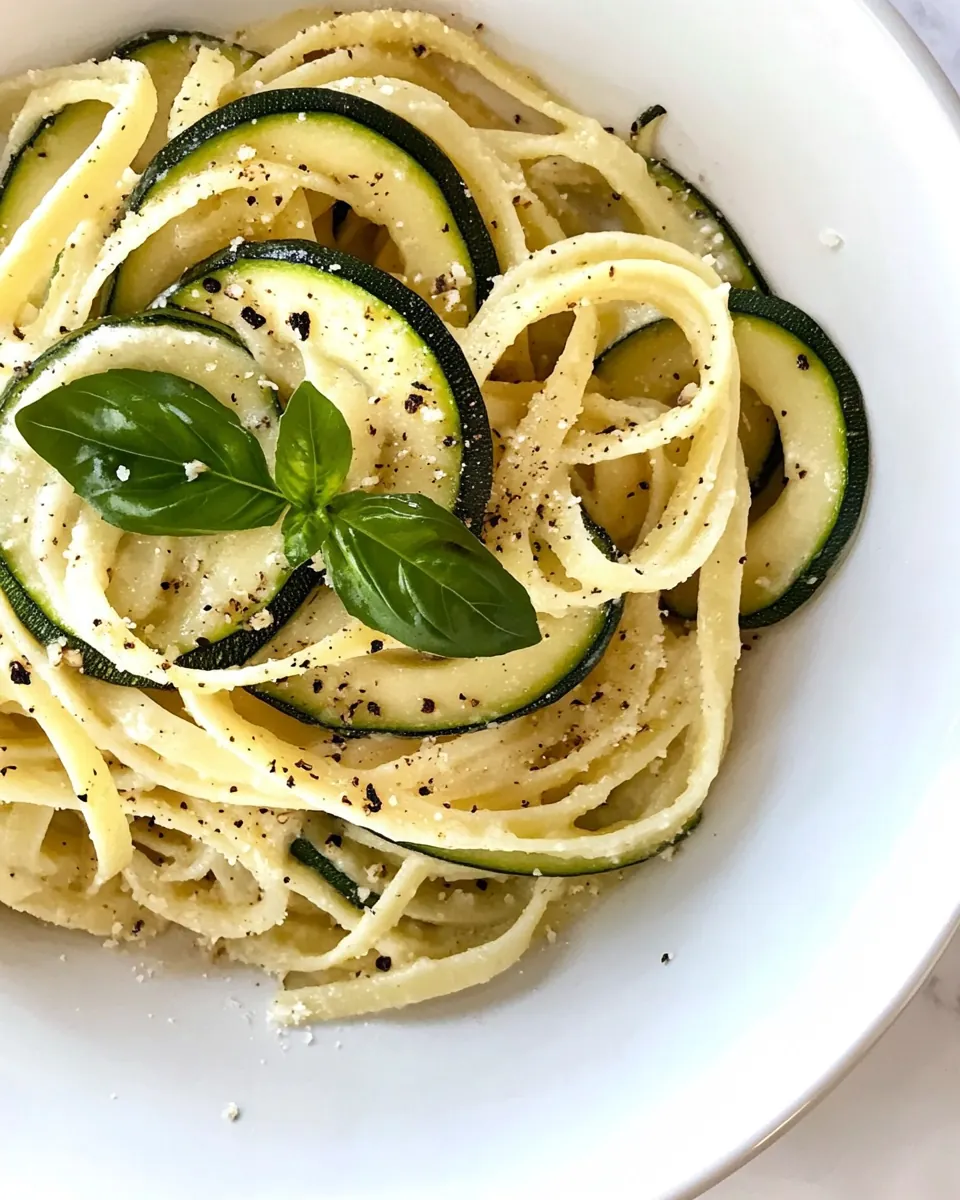
Stanley Tucci’s Zucchini Pasta Recipe
Stanley Tucci’s Zucchini Pasta Recipe was the first dish that made me fall for the quiet power of simple ingredients.
I remember the afternoon I tried this: the kitchen windows were open, the light was warm, and a pile of glossy zucchini sat on the counter waiting for something to become of them. I was chasing a memory from a travel show, trying to capture the way a few good techniques can coax extraordinary flavor from humble produce. As I worked, the air filled with the sweet, toasty scent of fried zucchini, and I kept stealing tastes until I had to remind myself to save some for the pasta.
What stuck with me was how easily this recipe folds into an ordinary weekday, yet feels like a special meal. The contrast of crisp, blistered zucchini and glossy strands of spaghetti tossed with warm, melty Parmesan cheese is pure comfort, but not heavy. Every forkful has herb perfume from fresh basil leaves, bright peppery notes from freshly ground black pepper, and a satisfying savory fat from a bit of butter and olive oil. I learned to trust those small finishing touches, because they are the difference between okay and unforgettable.
Recipe Snapshot
50 mins
10 mins
40 mins
Medium
500 kcal
Italian
Gluten-Free, Low FODMAP
Dinner
Heavy bottom pot, Candy thermometer, Spider or slotted spoon, Large frying pan, Large pot for pasta
Why This Stanley Tucci’s Zucchini Pasta Recipe Stands Out
1. Texture Contrast That Steals the Show
I love how the crisp, blistered edges of the fried zucchini play against the silky spaghetti. That contrast gives every bite interest, so it never feels monotonous. The frying step might seem indulgent, but it creates caramelized notes and a slightly chewy interior that holds up when mixed with the pasta. If you skip this, the dish becomes flatter, and you lose those toasty flavors.
2. Minimal Ingredients, Maximum Flavor
This is a lesson in restraint. A handful of pantry basics like olive oil, butter, and Parmesan cheese lift the vegetables without masking them. I find that when you treat each component properly, you do not need complicated sauces or many seasonings. Let the zucchini shine, and use salt and freshly ground black pepper to tease out the best parts.
3. Make-Ahead Flexibility
I appreciate recipes that give you breathing room. Frying the zucchini ahead and chilling it means you can prepare much of the work in advance. I often fry in the morning for an evening meal, and the flavors relax in the refrigerator, which adds depth. This is ideal for busy nights when you still want a dish that tastes like you spent hours on it.
4. Simple Techniques That Teach You Cooking Fundamentals
Working through the steps sharpens timing and temperature awareness. You learn to judge pasta doneness for al dente texture, and how to coax starch into a silky sauce with reserved pasta water. These techniques are transferable to many dishes, so mastering this is like getting a small culinary education in a single recipe.
5. Fresh Herbs as the Finishing Whisper
I always add fresh basil leaves at the end. The herb’s brightness lifts the entire plate and balances the fried richness. It is a subtle finishing move that transforms the meal from rustic to refined without fuss.
Ingredients Overview for Stanley Tucci’s Zucchini Pasta Recipe
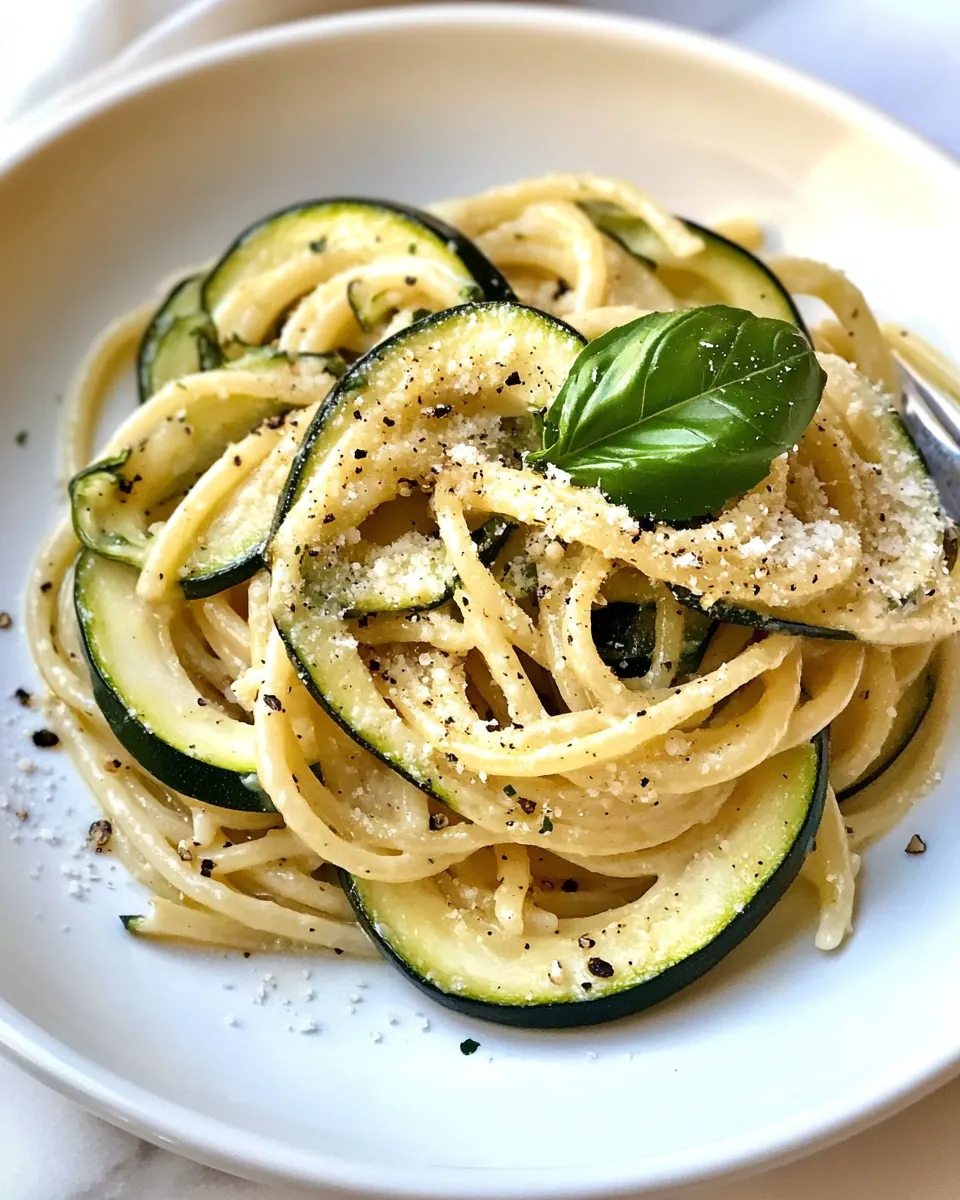
These ingredients are a lesson in synergy. A short list of bright produce, a few flavorful fats, and a handful of cheese combine to create a dish that feels elegant yet effortless. The key players are the zucchini for texture and vegetal sweetness, the spaghetti which carries the sauce, and Parmesan cheese plus butter which add mouthfeel and savory depth.
- sunflower oil for frying: Used for frying to achieve a crisp, golden exterior when cooking zucchini slices; adds a neutral, high-heat-friendly fat that won’t overpower delicate flavors. Keeps oil absorption minimal so the zucchini attains a light, slightly caramelized texture perfect for pasta toppings.
- 6 medium zucchini: Sliced or ribbons provide the primary vegetable component, offering tender, subtly sweet flesh and a mild earthy flavor. Cooked until just softened, they contribute body and freshness to the pasta while absorbing surrounding seasonings.
- kosher salt: Added to season and enhance natural flavors, imparting a clean saline balance that brings out sweetness in zucchini and brightness in the sauce. Used sparingly and tasted as you go to avoid over-salting the delicate components of the dish.
- 2 tablespoons olive oil: Drizzled to finish or used in cooking for a fruity, peppery undertone that rounds out the dish; helps carry flavors and enrich mouthfeel. Complements the sunflower oil and butter, providing a classic Mediterranean note to the pasta.
- 16 ounces spaghetti (or linguine): Provides the starchy base and structure of the dish; yields a familiar, comforting texture that pairs well with delicate zucchini ribbons. Cooked al dente, it captures sauces and shreds of cheese, integrating all components into a cohesive plate.
- freshly ground black pepper: Ground over the finished dish to add sharp, aromatic spice and subtle heat, enhancing savory depth and balancing richness. Used freshly ground to maximize aroma and lift the overall flavor profile of the pasta.
- 1 cup grated Parmesan cheese: Sprinkled into the pasta to contribute umami, salty-sweet complexity and a creamy mouthfeel when melted slightly into hot noodles. Works as a primary finishing element that binds the sauce and zucchini with savory richness.
- 2 tablespoons butter: Melted to introduce a silky, buttery richness that helps form a light sauce and gloss on the pasta; contributes comforting, rounded flavor. Used in combination with oils and cheese to create a cohesive, silky coating for the noodles.
- 1 bunch fresh basil leaves: Torn and scattered over the finished pasta to add bright, aromatic herbaceousness and a fresh contrast to the rich cheese and butter. Provides a burst of color and a fragrant finish that lifts the entire dish.
Making Stanley Tucci’s Zucchini Pasta Recipe
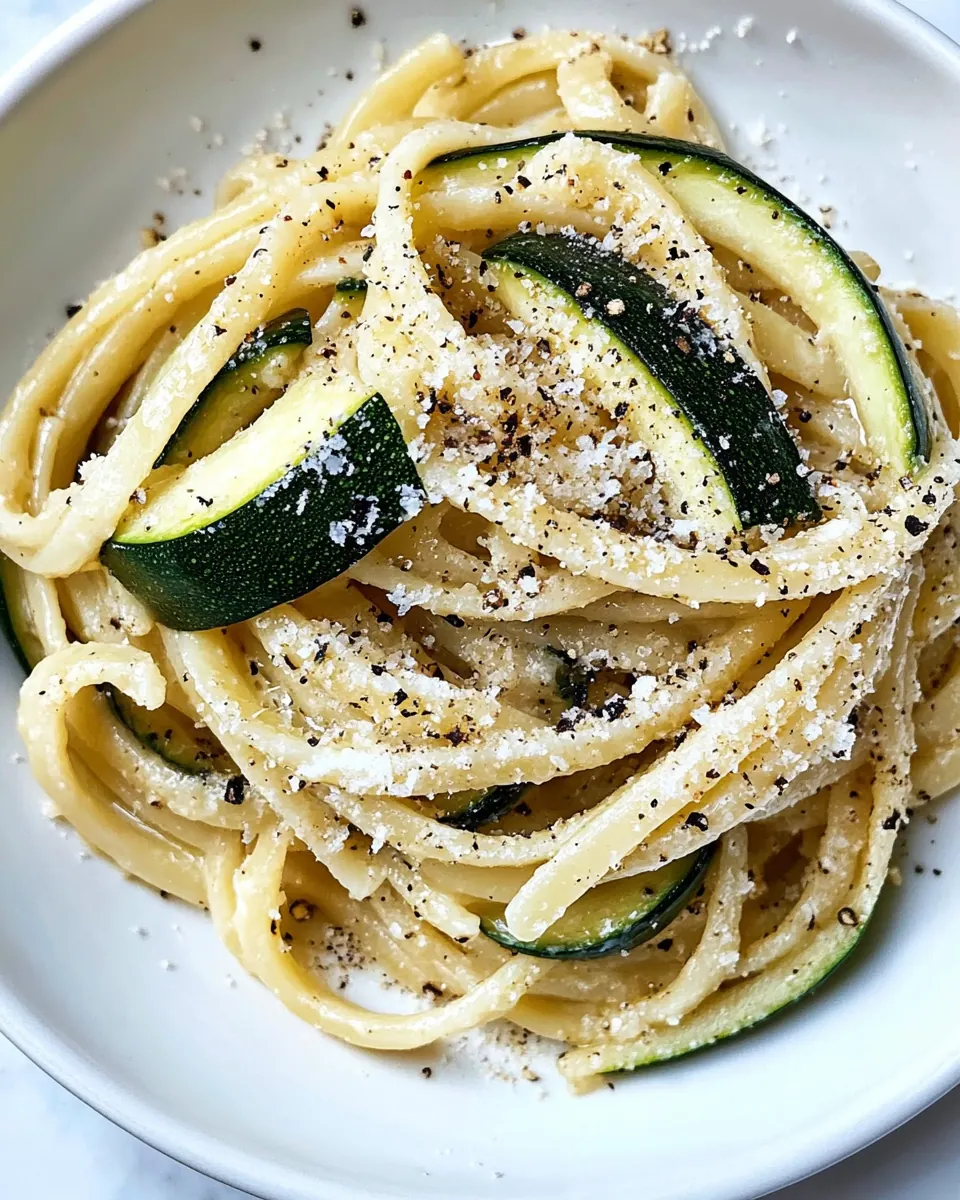
This recipe rewards patience and attention to sensory cues. As you go, focus on the sounds, colors, and aromas that indicate each step is working. The directions below expand the original method into detailed, sensory-rich guidance to help you replicate the textures and flavors reliably.
- In a heavy bottom pot, bring 1/2 to 1 quart of sunflower oil to 350°F.: The moment the oil reaches the correct temperature, you will notice a slight shimmer across the surface and small wisps of vapor, but it should not be smoking. This precise heat is essential so the zucchini blisters and browns quickly without becoming greasy. If the oil is too cool, the rounds will absorb oil and feel soggy, while too hot will blacken the edges before the centers are tender. Keep a candy thermometer handy, and adjust the heat gradually to maintain the 350°F target. When adding the first round, you should hear a steady, lively sizzle that indicates the Maillard reactions are underway.
- Slice the zucchini into thin rounds. In batches, fry the zucchini in the hot oil until they turn blistered and golden, about 5-7 minutes per batch. Use a spider or slotted spoon to transfer the zucchini to a bowl or plate lined with paper towels. Repeat until all of the zucchini is fried. Refrigerate the zucchini for at least 30 minutes up to overnight.: Uniform thin slices ensure even frying and quick cooking so the centers soften while the edges caramelize. You should feel a slight resistance when slicing, and the rounds will glisten with fresh moisture. If slices are uneven, the thinner pieces will turn brittle and the thicker ones may remain underdone. A mandoline or a sharp knife will help keep thickness consistent. After slicing, pat the rounds lightly to remove excess surface moisture, which reduces violent splattering when they hit the hot oil.
- When ready to prepare the dish, bring a large pot of salted water to a boil and cook the spaghetti according to package instructions until al dente. Reserve 1 cup of the pasta cooking water to make the sauce.: As each batch cooks, watch for bubbles to rise rapidly around the slices and the color to shift from pale to honeyed gold, with small blistered pockets forming on the surface. The aroma becomes nutty and slightly sweet, and you will hear a steady crackle. Frying in batches prevents overcrowding, which would drop the oil temperature and yield limp, greasy pieces. Use a slotted spoon to gently stir so edges brown evenly. A common pitfall is rushing and overcrowding the pot, so give each piece space to sizzle properly.
- In a large frying pan over medium-high, add the olive oil and heat the rested zucchini with 2 ladles of the warm spaghetti cooking water, stirring well until saucy. Season with a few pinches of kosher salt and freshly ground black pepper.: After removing the zucchini , the surface will gleam with hot oil and steam will rise in soft plumes. Laying them on paper towels helps absorb excess oil and preserves crispness. Let them rest undisturbed so steam does not condensate back onto the slices, which would make them soggy. If you pile them too high while hot, the trapped steam will soften the bottoms, so spread them in a single layer when possible.
- Drain the spaghetti and add to the pan with the zucchini, tossing well to combine. Remove the pan from the heat and add a couple of handfuls of grated Parmesan cheese then toss everything together well. Stir in the butter and more water as needed to enrich the sauce.: Each subsequent batch should sound and look similar to the first, producing consistent browning and texture. Between batches, watch the oil temperature and bring it back to 350°F as needed, because adding cooler rounds lowers the heat temporarily. Maintaining steady temperature means every slice will have the same caramelized flavor. If you notice later batches turning darker much faster, lower the heat slightly to keep the color even across all batches.
- Add more Parmesan and top with fresh basil leaves before serving.: Chilling allows the fried slices to firm up and the flavors to meld, and you will notice the surface take on a slightly chewier texture that holds up when mixed with the pasta. Cold resting also reduces oiliness, as the fat settles. If you plan to refrigerate overnight, spread the slices on a tray in a single layer to avoid sticking. A mistake is storing while still hot in a sealed container, which will trap steam and soften them; cool first on a rack.
- When ready to prepare the dish, bring a large pot of salted water to a boil and cook the spaghetti according to package instructions until al dente: The water should be vigorously boiling with rolling bubbles that move freely across the surface. Salting the water seasons the pasta internally, and you will sense a fuller flavor in the finished dish. Taste a strand at the lower end of the recommended time to check for a slight chew, not mushiness. Reserve 1 cup of the pasta cooking water before draining, and you will notice it has a slightly cloudy texture from released starch, which is crucial for forming a cohesive sauce. Overcooking the pasta will leave it limp and unable to hold the glossy sauce.
- Reserve 1 cup of the pasta cooking water to make the sauce: This starchy liquid is the secret binder that transforms separate ingredients into a silky emulsion. When mixed with Parmesan cheese and butter , it helps the sauce cling to each strand of spaghetti . The water will feel slightly viscous between your fingers, and that is exactly what you want. Skip this and the sauce risks being dry or clumpy; if your reserved water seems thin, you can reduce a little of it over low heat to concentrate the starch.
- In a large frying pan over medium-high, add the olive oil and heat the rested zucchini with 2 ladles of the warm spaghetti cooking water, stirring well until saucy: As the zucchini warms, it releases gentle steam and the oil and pasta water begin to form a glossy coating, softening the edges without losing their blistered character. Stirring helps the starch suspend in the oil, creating a light, silky sauce that clings to the vegetables. The aroma will be a nuanced blend of toasted zucchini and warm starch. If the pan seems dry, add a bit more reserved water slowly to reach the right saucy consistency; too much water will dilute flavor, so add cautiously.
- Season with a few pinches of kosher salt and freshly ground black pepper: Taste as you go, because the amount of salt needed depends on how much salty Parmesan cheese you plan to add. The freshly ground black pepper should contribute a sharp, aromatic edge that brightens the richness. Season lightly, then adjust after you combine the pasta and cheese. Over-salting is hard to fix, so err on the conservative side and refine at the end.
- Drain the spaghetti and add to the pan with the zucchini, tossing well to combine: As the hot spaghetti hits the pan, you will see the strands pick up glossy sauce and cling to the blistered zucchini . The motion of tossing warms the cheese evenly and integrates the reserved water into the emulsion. Work quickly so the heat from the pasta helps the cheese melt without congealing. If the mixture seems dry, add a tablespoon of the reserved water at a time until it looks silky.
- Remove the pan from the heat and add a couple of handfuls of grated Parmesan cheese then toss everything together well: Off the heat, the residual warmth is perfect for melting the Parmesan cheese into a creamy coating without separating. The texture will become glossy and slightly thickened, clinging to both pasta and zucchini . Let this rest for a moment so the cheese integrates. A common issue is adding cheese on too high heat which causes it to become stringy or clump, so removing from direct heat is important.
- Stir in the butter and more water as needed to enrich the sauce: The butter brings a rounded richness and sheen, smoothing the mouthfeel. As you stir, the sauce should feel velvety and coat the back of a spoon. If it tightens or looks grainy, add a small splash of reserved water and whisk gently to bring it together. Avoid adding too much liquid at once which will thin the sauce excessively, instead add gradually until you reach a luxurious consistency.
- Add more Parmesan and top with fresh basil leaves before serving: Finishing with extra Parmesan cheese heightens the savory notes, and scattering fresh basil leaves gives aromatic lift and color contrast. The basil will perfume the dish and the last grating of cheese provides a final creamy hit. Serve immediately so the basil remains vibrant and the textures hold; letting it sit too long will soften the fried edges and wilt the herb.
Make It Your Own
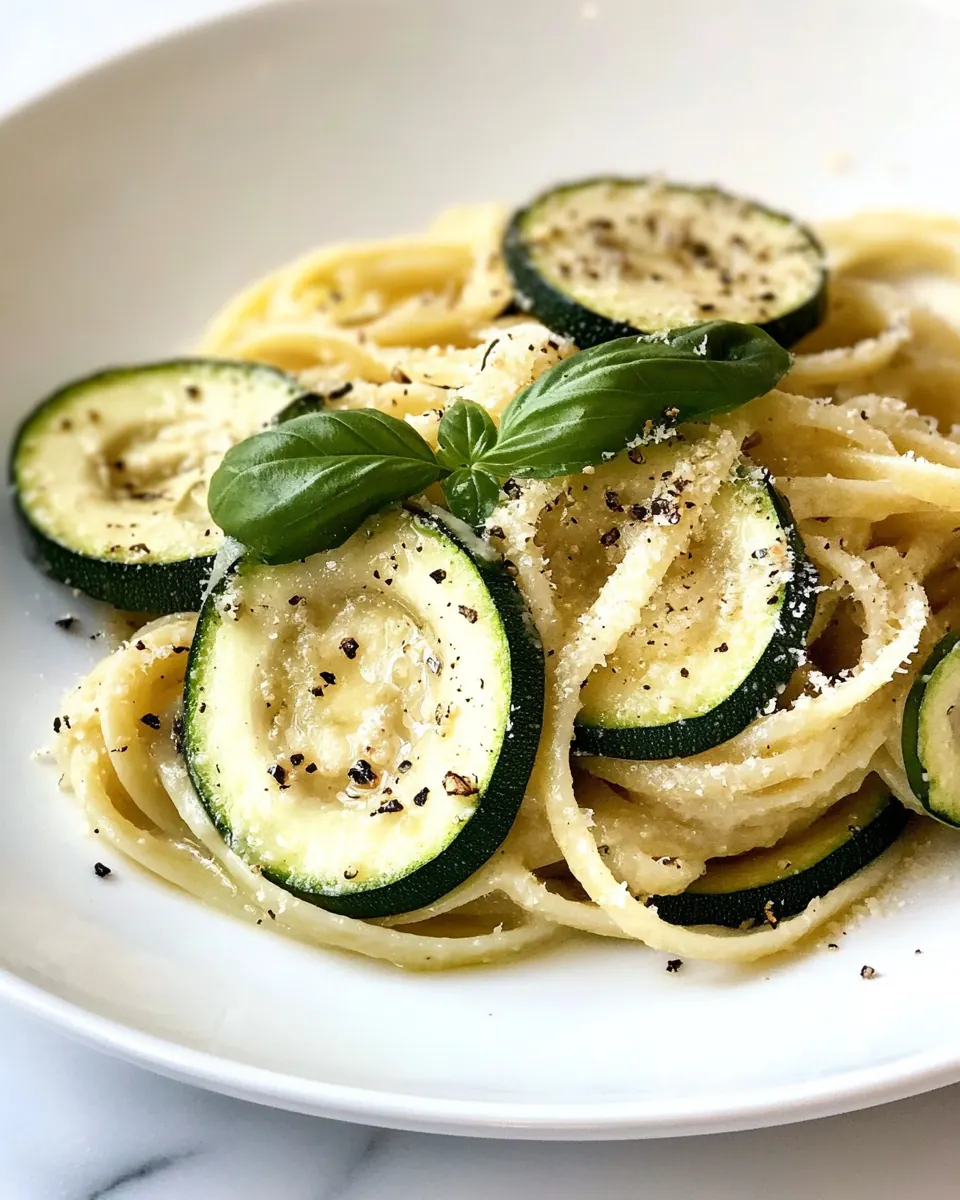
Small adjustments let you personalize this recipe without losing its soul. Below are ideas and expansions drawn from the original notes to help you make the dish your own while staying true to the technique and flavors.
- Toast the Parmesan: Try grating freshly and warming it slightly before adding, it will melt more smoothly and add a toasted aroma that deepens the savory profile.
- Adjust frying time: For crisper rounds, fry a little longer until edges snap; for softer centers, shorten the frying by a minute or two.
- Control oil absorption: Pat the zucchini dry before frying and do not overcrowd the pot; this minimizes oil uptake and keeps pieces light.
- Reserve extra pasta water: Keep an additional half cup on hand if you prefer a looser sauce; add gradually to avoid thinning too much.
- Finish with butter: Swirl in at the end off heat for silkiness, and taste before salting since Parmesan cheese adds salt.
- Keep basil fresh: Add the leaves right before serving to preserve aroma and visual brightness.
Great Combinations for Stanley Tucci’s Zucchini Pasta Recipe
This pasta pairs well with simple sides and fits many occasions. Below are serving ideas, storage suggestions, and pairing notes to help you present the dish thoughtfully.
- Light green salad: A crisp mixed leaf salad with a bright vinaigrette complements the rich pasta, offering textural contrast and acidity to balance the dish.
- Grilled vegetables: Serve alongside seasonal vegetables simply dressed with olive oil and lemon for a vegetable forward meal that stays harmonious.
- Weeknight dinner: This recipe works beautifully as an easy weeknight dinner because much of the work can be done ahead and it finishes quickly.
- Casual dinner party: Plate the pasta family style with extra Parmesan cheese on the table and a bowl of fresh basil leaves for guests to add as they like.
- Storage tips: Refrigerate leftovers in an airtight container for up to two days. Reheat gently over low heat with a splash of reserved pasta water to restore silkiness.
- Seasonal pairing: Best in summer when zucchini and basil are at peak flavor, the dish celebrates their freshness.
FAQ
Conclusion
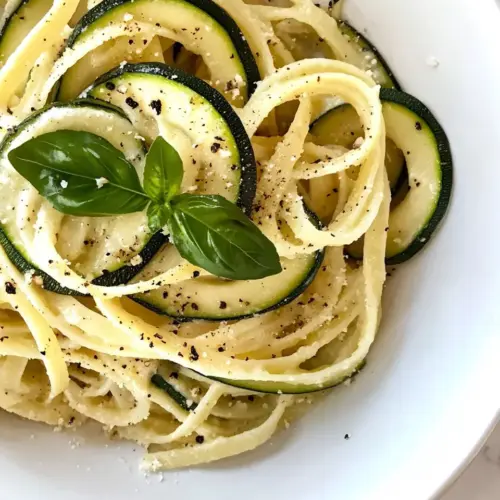
This recipe shines because it turns humble zucchini into something elegant through simple, deliberate technique. The marriage of blistered vegetable, al dente pasta, and a silky Parmesan finish makes each bite memorable. Try it when you want a satisfying, vegetable forward meal that is both easy and impressive. I hope it becomes one of those dishes you return to whenever summer produce is at its best.
Stanley Tucci’s Zucchini Pasta Recipe
Equipment
- Heavy bottom pot
- Candy thermometer
- Spider or slotted spoon
- Large Frying Pan
- Large pot for pasta
Ingredients
- sunflower oil for frying Used for frying to achieve a crisp, golden exterior when cooking zucchini slices; adds a neutral, high-heat-friendly fat that won’t overpower delicate flavors. Keeps oil absorption minimal so the zucchini attains a light, slightly caramelized texture perfect for pasta toppings.
- 6 medium zucchini Sliced or ribbons provide the primary vegetable component, offering tender, subtly sweet flesh and a mild earthy flavor. Cooked until just softened, they contribute body and freshness to the pasta while absorbing surrounding seasonings.
- kosher salt Added to season and enhance natural flavors, imparting a clean saline balance that brings out sweetness in zucchini and brightness in the sauce. Used sparingly and tasted as you go to avoid over-salting the delicate components of the dish.
- 2 tablespoons olive oil Drizzled to finish or used in cooking for a fruity, peppery undertone that rounds out the dish; helps carry flavors and enrich mouthfeel. Complements the sunflower oil and butter, providing a classic Mediterranean note to the pasta.
- 16 ounces spaghetti (or linguine) Provides the starchy base and structure of the dish; yields a familiar, comforting texture that pairs well with delicate zucchini ribbons. Cooked al dente, it captures sauces and shreds of cheese, integrating all components into a cohesive plate.
- freshly ground black pepper Ground over the finished dish to add sharp, aromatic spice and subtle heat, enhancing savory depth and balancing richness. Used freshly ground to maximize aroma and lift the overall flavor profile of the pasta.
- 1 cup grated Parmesan cheese Sprinkled into the pasta to contribute umami, salty-sweet complexity and a creamy mouthfeel when melted slightly into hot noodles. Works as a primary finishing element that binds the sauce and zucchini with savory richness.
- 2 tablespoons butter Melted to introduce a silky, buttery richness that helps form a light sauce and gloss on the pasta; contributes comforting, rounded flavor. Used in combination with oils and cheese to create a cohesive, silky coating for the noodles.
- 1 bunch fresh basil leaves Torn and scattered over the finished pasta to add bright, aromatic herbaceousness and a fresh contrast to the rich cheese and butter. Provides a burst of color and a fragrant finish that lifts the entire dish.
Instructions
- In a heavy bottom pot, bring 1/2 to 1 quart of sunflower oil to 350°F.: The moment the oil reaches the correct temperature, you will notice a slight shimmer across the surface and small wisps of vapor, but it should not be smoking. This precise heat is essential so the zucchini blisters and browns quickly without becoming greasy. If the oil is too cool, the rounds will absorb oil and feel soggy, while too hot will blacken the edges before the centers are tender. Keep a candy thermometer handy, and adjust the heat gradually to maintain the 350°F target. When adding the first round, you should hear a steady, lively sizzle that indicates the Maillard reactions are underway.
- Slice the zucchini into thin rounds. In batches, fry the zucchini in the hot oil until they turn blistered and golden, about 5-7 minutes per batch. Use a spider or slotted spoon to transfer the zucchini to a bowl or plate lined with paper towels. Repeat until all of the zucchini is fried. Refrigerate the zucchini for at least 30 minutes up to overnight.: Uniform thin slices ensure even frying and quick cooking so the centers soften while the edges caramelize. You should feel a slight resistance when slicing, and the rounds will glisten with fresh moisture. If slices are uneven, the thinner pieces will turn brittle and the thicker ones may remain underdone. A mandoline or a sharp knife will help keep thickness consistent. After slicing, pat the rounds lightly to remove excess surface moisture, which reduces violent splattering when they hit the hot oil.
- When ready to prepare the dish, bring a large pot of salted water to a boil and cook the spaghetti according to package instructions until al dente. Reserve 1 cup of the pasta cooking water to make the sauce.: As each batch cooks, watch for bubbles to rise rapidly around the slices and the color to shift from pale to honeyed gold, with small blistered pockets forming on the surface. The aroma becomes nutty and slightly sweet, and you will hear a steady crackle. Frying in batches prevents overcrowding, which would drop the oil temperature and yield limp, greasy pieces. Use a slotted spoon to gently stir so edges brown evenly. A common pitfall is rushing and overcrowding the pot, so give each piece space to sizzle properly.
- In a large frying pan over medium-high, add the olive oil and heat the rested zucchini with 2 ladles of the warm spaghetti cooking water, stirring well until saucy. Season with a few pinches of kosher salt and freshly ground black pepper.: After removing the zucchini , the surface will gleam with hot oil and steam will rise in soft plumes. Laying them on paper towels helps absorb excess oil and preserves crispness. Let them rest undisturbed so steam does not condensate back onto the slices, which would make them soggy. If you pile them too high while hot, the trapped steam will soften the bottoms, so spread them in a single layer when possible.
- Drain the spaghetti and add to the pan with the zucchini, tossing well to combine. Remove the pan from the heat and add a couple of handfuls of grated Parmesan cheese then toss everything together well. Stir in the butter and more water as needed to enrich the sauce.: Each subsequent batch should sound and look similar to the first, producing consistent browning and texture. Between batches, watch the oil temperature and bring it back to 350°F as needed, because adding cooler rounds lowers the heat temporarily. Maintaining steady temperature means every slice will have the same caramelized flavor. If you notice later batches turning darker much faster, lower the heat slightly to keep the color even across all batches.
- Add more Parmesan and top with fresh basil leaves before serving.: Chilling allows the fried slices to firm up and the flavors to meld, and you will notice the surface take on a slightly chewier texture that holds up when mixed with the pasta. Cold resting also reduces oiliness, as the fat settles. If you plan to refrigerate overnight, spread the slices on a tray in a single layer to avoid sticking. A mistake is storing while still hot in a sealed container, which will trap steam and soften them; cool first on a rack.
- When ready to prepare the dish, bring a large pot of salted water to a boil and cook the spaghetti according to package instructions until al dente: The water should be vigorously boiling with rolling bubbles that move freely across the surface. Salting the water seasons the pasta internally, and you will sense a fuller flavor in the finished dish. Taste a strand at the lower end of the recommended time to check for a slight chew, not mushiness. Reserve 1 cup of the pasta cooking water before draining, and you will notice it has a slightly cloudy texture from released starch, which is crucial for forming a cohesive sauce. Overcooking the pasta will leave it limp and unable to hold the glossy sauce.
- Reserve 1 cup of the pasta cooking water to make the sauce: This starchy liquid is the secret binder that transforms separate ingredients into a silky emulsion. When mixed with Parmesan cheese and butter , it helps the sauce cling to each strand of spaghetti . The water will feel slightly viscous between your fingers, and that is exactly what you want. Skip this and the sauce risks being dry or clumpy; if your reserved water seems thin, you can reduce a little of it over low heat to concentrate the starch.
- In a large frying pan over medium-high, add the olive oil and heat the rested zucchini with 2 ladles of the warm spaghetti cooking water, stirring well until saucy: As the zucchini warms, it releases gentle steam and the oil and pasta water begin to form a glossy coating, softening the edges without losing their blistered character. Stirring helps the starch suspend in the oil, creating a light, silky sauce that clings to the vegetables. The aroma will be a nuanced blend of toasted zucchini and warm starch. If the pan seems dry, add a bit more reserved water slowly to reach the right saucy consistency; too much water will dilute flavor, so add cautiously.
- Season with a few pinches of kosher salt and freshly ground black pepper: Taste as you go, because the amount of salt needed depends on how much salty Parmesan cheese you plan to add. The freshly ground black pepper should contribute a sharp, aromatic edge that brightens the richness. Season lightly, then adjust after you combine the pasta and cheese. Over-salting is hard to fix, so err on the conservative side and refine at the end.
- Drain the spaghetti and add to the pan with the zucchini, tossing well to combine: As the hot spaghetti hits the pan, you will see the strands pick up glossy sauce and cling to the blistered zucchini . The motion of tossing warms the cheese evenly and integrates the reserved water into the emulsion. Work quickly so the heat from the pasta helps the cheese melt without congealing. If the mixture seems dry, add a tablespoon of the reserved water at a time until it looks silky.
- Remove the pan from the heat and add a couple of handfuls of grated Parmesan cheese then toss everything together well: Off the heat, the residual warmth is perfect for melting the Parmesan cheese into a creamy coating without separating. The texture will become glossy and slightly thickened, clinging to both pasta and zucchini . Let this rest for a moment so the cheese integrates. A common issue is adding cheese on too high heat which causes it to become stringy or clump, so removing from direct heat is important.
- Stir in the butter and more water as needed to enrich the sauce: The butter brings a rounded richness and sheen, smoothing the mouthfeel. As you stir, the sauce should feel velvety and coat the back of a spoon. If it tightens or looks grainy, add a small splash of reserved water and whisk gently to bring it together. Avoid adding too much liquid at once which will thin the sauce excessively, instead add gradually until you reach a luxurious consistency.
- Add more Parmesan and top with fresh basil leaves before serving: Finishing with extra Parmesan cheese heightens the savory notes, and scattering fresh basil leaves gives aromatic lift and color contrast. The basil will perfume the dish and the last grating of cheese provides a final creamy hit. Serve immediately so the basil remains vibrant and the textures hold; letting it sit too long will soften the fried edges and wilt the herb.
Notes
- Toast the Parmesan: Try grating freshly and warming it slightly before adding, it will melt more smoothly and add a toasted aroma that deepens the savory profile.
- Adjust frying time: For crisper rounds, fry a little longer until edges snap; for softer centers, shorten the frying by a minute or two.
- Control oil absorption: Pat the zucchini dry before frying and do not overcrowd the pot; this minimizes oil uptake and keeps pieces light.
- Reserve extra pasta water: Keep an additional half cup on hand if you prefer a looser sauce; add gradually to avoid thinning too much.
- Finish with butter: Swirl in at the end off heat for silkiness, and taste before salting since Parmesan cheese adds salt.
- Keep basil fresh: Add the leaves right before serving to preserve aroma and visual brightness.