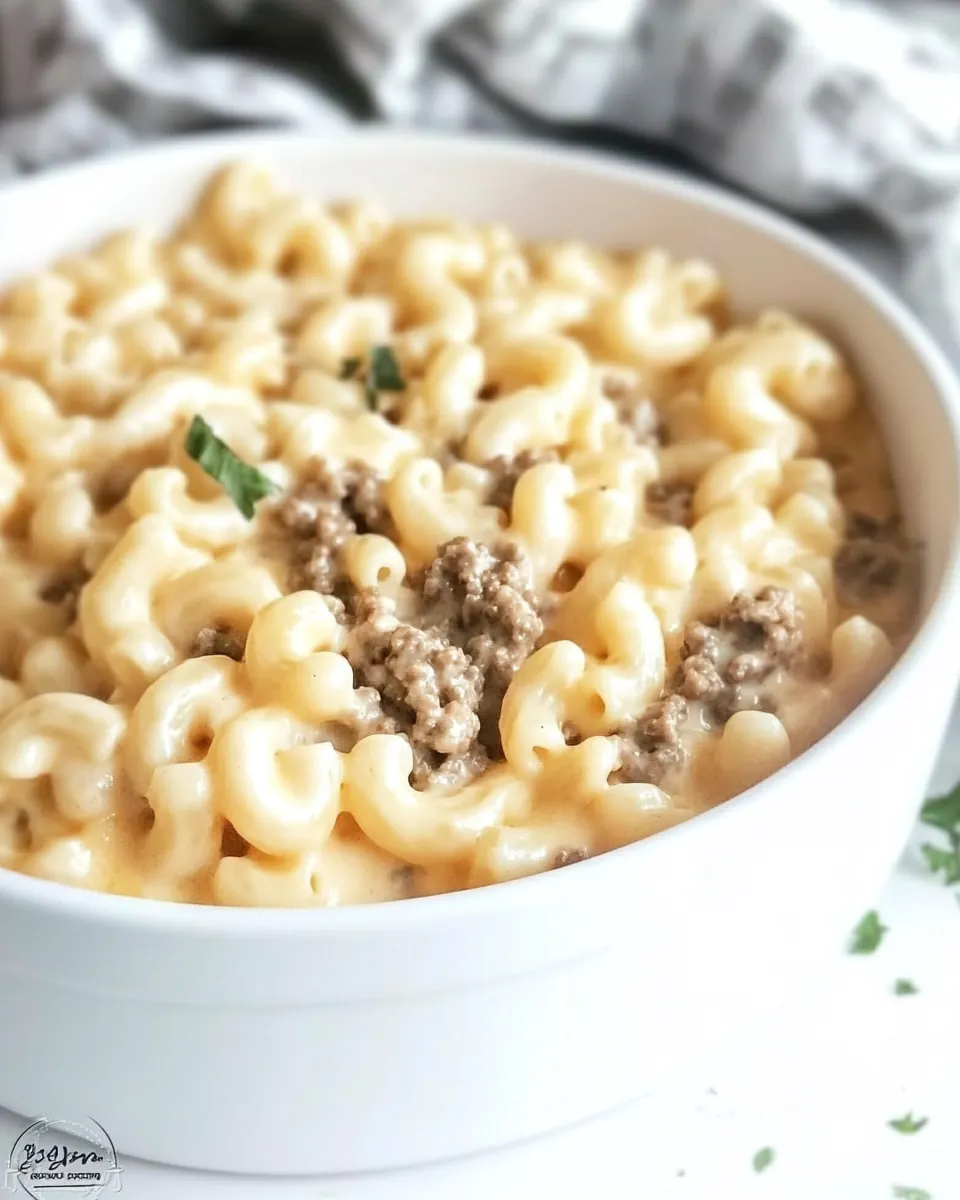
Loaded Mac and Cheese with Ground Beef
Loaded Mac and Cheese with Ground Beef is the kind of kitchen victory I turn to when I want something comforting, honest, and a little bit indulgent. The first time I made this I remember the aroma of sizzling ground beef and onion filling the house, with the promise of a rich, cheesy finish that felt like a warm hug after a long day.
I grew up around big family meals where dishes needed to be hearty and crowd friendly. Over the years I learned how small tweaks, like the balance of cheddar cheese and a touch of parmesan cheese, can lift a simple dish from ordinary to memorable. This recipe strikes that balance, offering creamy sauce, tender elbow macaroni, and savory ground beef all in one pan, so it hits all the right notes for weeknight dinners and casual gatherings alike.
What I love most is how adaptable it feels. You can stir it up straight from the stove to the table, and it still looks homey and composed. When I serve it, folks always ask for seconds, and that satisfied silence as they tuck into a cheesy spoonful is worth every minute of stirring and tasting. If you like food that feels like a little celebration without the fuss, Loaded Mac and Cheese with Ground Beef will become a dependable favorite in your rotation.
Recipe Snapshot
30 mins
10 mins
20 mins
Easy
500 kcal
American
Gluten-Free, Low FODMAP
Dinner
Large pot, Large skillet, Colander, Whisk
Why This Loaded Mac and Cheese with Ground Beef Is a Winner
Comfort in a Bowl
I love that Loaded Mac and Cheese with Ground Beef gives you instant comfort without complicated steps. The combination of creamy cheese, tender pasta, and savory ground beef is timeless, and it hits the appetite in a way lighter dishes do not. I often make this when I want something that feels like home-cooked kindness on a plate.
Weeknight Friendly
This recipe is built for busy nights. From start to finish it moves quickly, and the techniques are straightforward. I can have dinner ready and still chat with family while the sauce comes together, which is a big win when evenings are full.
Layered Flavor
There is more going on here than just cheese and pasta. The sautéed onion and the spices like chili powder and garlic powder add depth, while the mix of sharp cheddar cheese and parmesan cheese brings both tang and nuttiness. I always appreciate how those layers make the dish feel homemade and thoughtful.
Simple Techniques, Big Results
The method is forgiving, which I like when cooking for family. Making a classic roux with butter and flour teaches you control over texture, and folding in the milk until the sauce is glossy gives you a restaurant quality finish at home. I find that a little patience when melting the cheese pays off in a silkier sauce.
Family Pleaser
Finally, this recipe is versatile for different appetites. It satisfies kids and adults alike, and reheats well for leftovers. I often make a batch knowing lunches the next day will be just as good, if not better. That reliability is why I return to this dish again and again.
Everything You Need for Loaded Mac and Cheese with Ground Beef
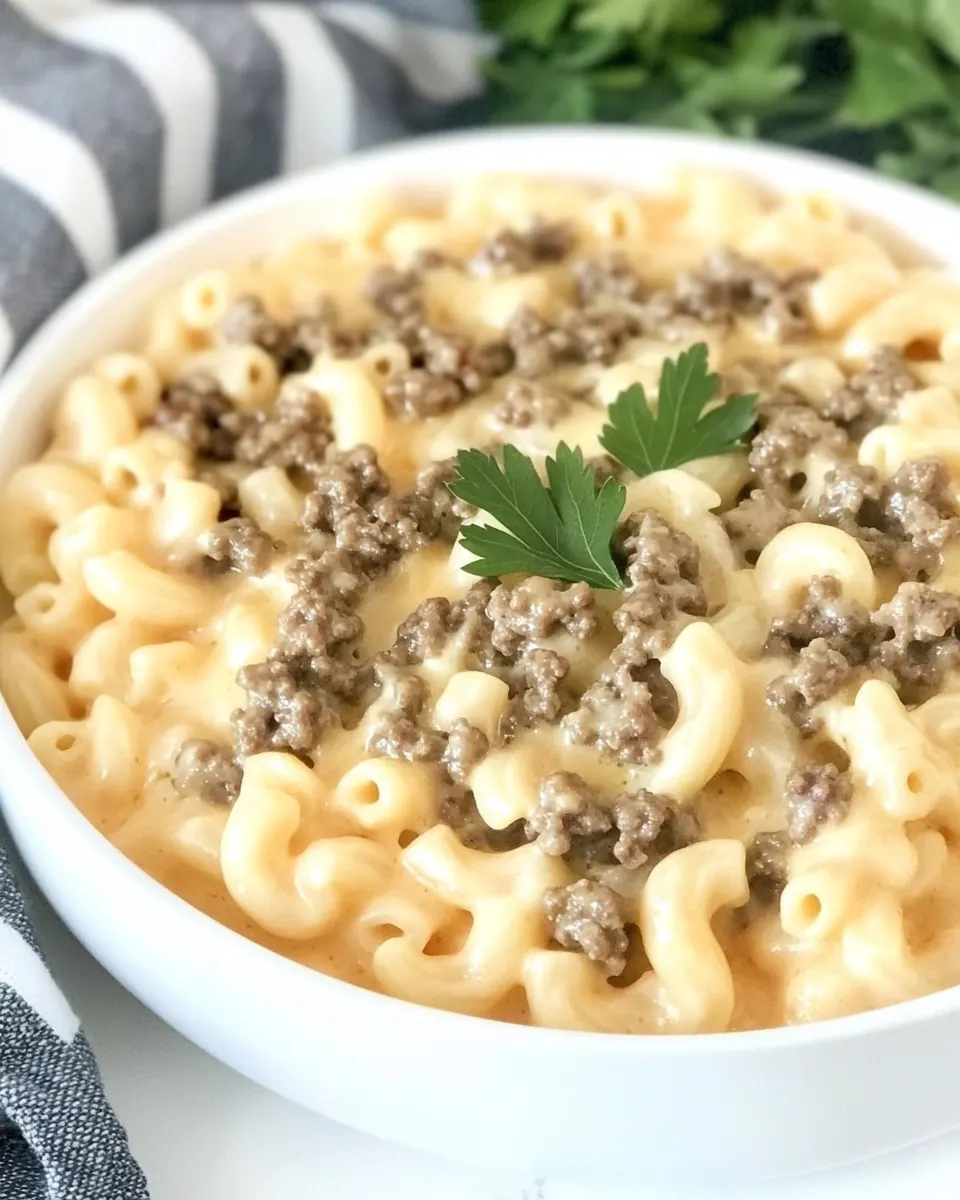
These ingredients are simple pantry staples that come together to create a dish with balanced textures and flavors. The key players are the elbow macaroni which holds the sauce, the ground beef and onion which provide savory backbone, and the cheeses which melt into a creamy finish. Each component has a job, and together they create a satisfying, cohesive casserole style meal.
- 1 onion, diced: Sautéed until translucent and fragrant to build a savory base for the dish; diced texture helps distribute flavor evenly through the mac and cheese. Adds a mild sweetness and aromatic depth that complements the beef and cheese components. Provides moisture during browning and helps deglaze the pan for flavorful bits.
- 1 pound lean ground beef: Browned and crumbled to provide rich, hearty protein and a meaty texture that anchors the casserole-style dish. Releases savory juices that blend with spices and onions to deepen overall flavor. Supplies bulk and contrasts with creamy pasta for a satisfying mouthfeel.
- 1 teaspoon chili powder: Sprinkled and toasted briefly with the meat to introduce warm, smoky, and slightly earthy notes that complement beef and cheese. Enhances overall seasoning profile without overpowering other flavors. Helps bridge the savory and cheesy elements of the recipe.
- 1 teaspoon garlic powder: Added while cooking the beef for a warm, umami-enhancing aroma that deepens savory complexity. Provides concentrated garlic flavor without the texture of fresh garlic, allowing consistent seasoning throughout. Blends seamlessly into the sauce for balanced taste.
- 1/2 teaspoons salt: Measured carefully and incorporated into the seasoning to control overall saltiness and preserve balance between cheese and other flavors. Ensures palatability by enhancing and amplifying natural tastes when combined with other spices. Used conservatively to prevent over-salting of the dairy components.
- 1/2 teaspoon onion powder: Sprinkled with other spices to layer a subtle onion-savory note that reinforces the diced onion's flavor without adding texture. Helps round out the seasoning mix and maintain consistent onion flavor throughout the sauce. Complements garlic and chili powder for a cohesive profile.
- 1/2 pound elbow macaroni: Boiled until tender to serve as the starchy base that carries cheese and beef; small tubular shape captures sauce for each bite. Provides comforting mouthfeel and structure to the dish while absorbing flavors. Requires careful cooking to avoid becoming mushy when mixed with the sauce.
- 1/4 cups salted butter: Melted to form the fat base of the roux, contributing richness and a silky mouthfeel to the cheese sauce. Adds a buttery flavor that enhances overall creaminess and helps bind the flour to milk for thickening. Controls sauce texture and helps prevent clumping of dry ingredients.
- 3 tablespoons all purpose flour: Whisked into melted butter to create a roux that thickens the milk into a smooth, velvety béchamel-style sauce. Provides necessary starch to stabilize the cheese sauce and prevent separation. Needs to be cooked briefly to remove raw flour taste before adding milk.
- 2 1/2 cups whole milk: Heated gradually into the roux to form a creamy, cohesive sauce that envelops the pasta and beef. Supplies body, moisture, and a dairy base that melts the cheeses uniformly. Temperature control preserves texture and prevents scorching or curdling.
- 2 cups sharp cheddar cheese: Shredded and stirred into the warm sauce to deliver sharp, tangy, and melty cheesiness that defines the dish. Contributes primary cheesy flavor and creamy texture while also providing color and richness. Melts smoothly when added off-heat to avoid graininess.
- 1/3 cup finely grated parmesan cheese: Sprinkled and folded into the sauce to add a nutty, salty finish and sharp umami that complements cheddar. Enhances depth of flavor and contributes a slightly granular texture for interest. Used sparingly to prevent overpowering delicate dairy balance.
- Salt and pepper to taste: Adjusted at the end to refine overall seasoning and balance flavors to personal preference. Enhances and brightens savory notes while controlling salt intensity from cheeses and added salt. Ensures the final dish is well-seasoned and pleasing to taste.
Cooking Method for Loaded Mac and Cheese with Ground Beef
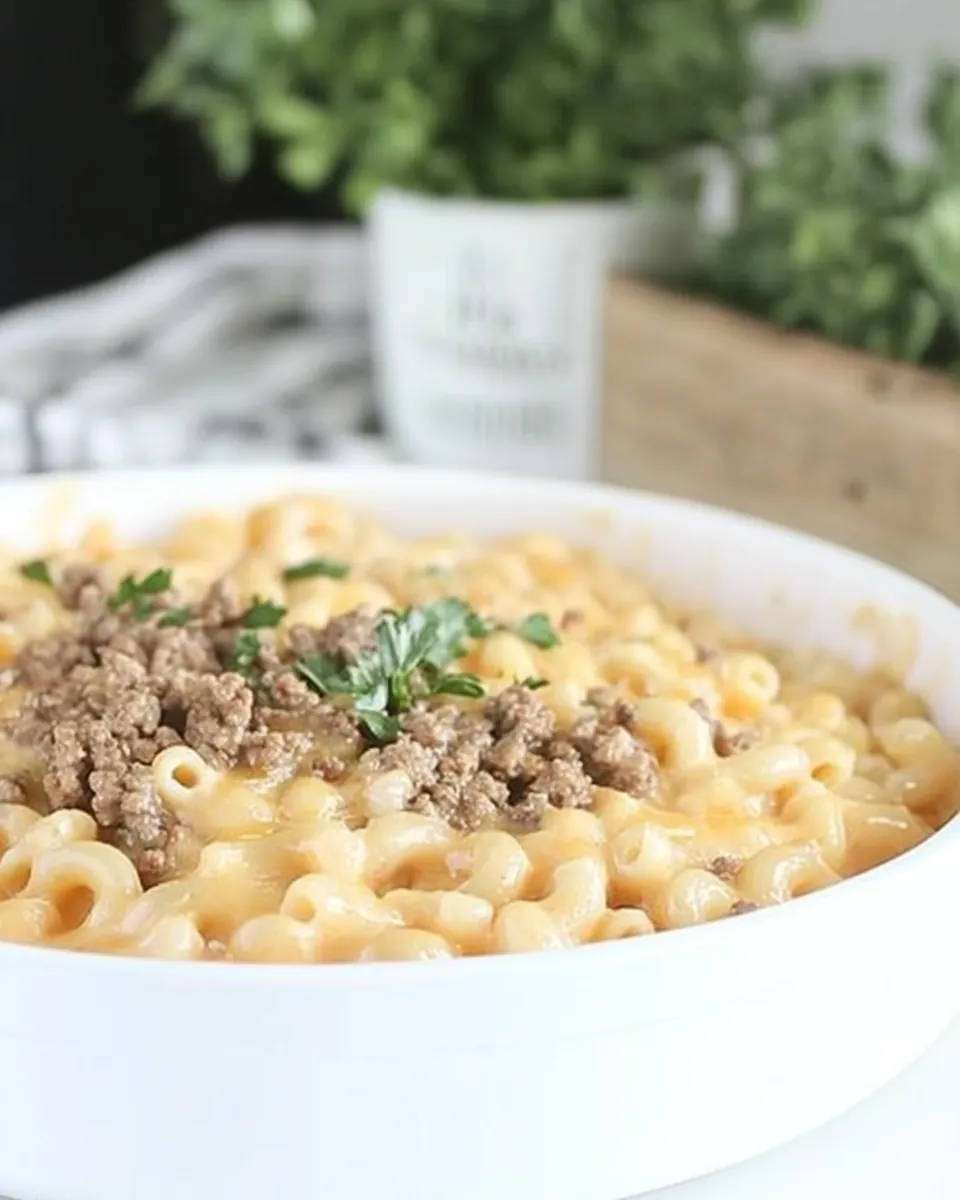
This method walks you through building each element with attention to texture and timing. I like to work in stages so each component is on point before combining, which makes the final assembly feel effortless and cohesive.
- Cook the macaroni per package directions. Drain and set aside.: As the pot of elbow macaroni reaches a lively boil, you will hear a steady, rolling sound and see the pasta moving freely, which indicates it is cooking evenly. The goal is to achieve al dente texture where the pasta has a slight bite that will finish softening in the sauce, helping it avoid becoming mushy after mixing. When you drain, the pasta should be warm but not falling apart, and the surface should hold a thin film of starchy water that helps the sauce cling. A common mistake is overcooking; keep testing a minute or two before the package time so you catch the ideal texture.
- While the macaroni cooks, prepare the ground beef. In a large skillet over medium high heat, add the ground beef and onion. Cook the ground beef for 5-7 minutes, breaking up as you cook, until it is done, no longer pink.: As the ground beef hits the hot pan you will hear a satisfying sizzle and see small beads of fat forming; that sizzling is flavor developing into browning. Stir regularly to break the meat into even crumbles and allow the onion to soften and sweat, releasing sweet aromatics. Browning creates caramelized bits that deepen the overall taste of the dish, so resist the urge to rush. A frequent error is cooking at too high heat which can char the outside while leaving bits undercooked; aim for a steady medium high to get even color and thorough cooking.
- Once done, drain, then return to burner and stir in the chili powder, garlic powder, salt, and onion powder. Set aside.: After you drain the cooked ground beef , returning it to the pan lets residual heat bloom the spices, releasing their perfume and melding them into the meat. You will notice a fragrant lift as the chili powder warms and the powdered seasonings dissolve into the meat juices. This step layers savory notes into the base, ensuring every bite has consistency. Avoid adding spices too late or too sparingly, because underseasoned meat will make the whole dish flat; taste and adjust cautiously.
- To make the cheese sauce: melt the butter in a large pot over medium heat. Once melted, sprinkle in the flour and stir until combined. Let cook about 1 minute.: melt the butter in a large pot over medium heat. Once melted, sprinkle in the flour and stir until combined. Let cook about 1 minute. : When the butter gently liquefies you will smell a creamy, toasty aroma as the flour is incorporated; this is the start of a roux that thickens the sauce and gives it body. Stir continuously so the mixture becomes smooth and pale, not browned, which keeps the sauce clean tasting. Cooking the roux briefly removes raw flouriness and helps the finished sauce be silky rather than grainy. A common slip is overheating and browning the roux, which changes the flavor and can lead to a thinner sauce when liquids are added.
- Slowly stir in the milk, and mix until combined. Then add the parmesan and cheddar cheese and mix until cheese is melted and combined into sauce.: As you stream in the warm milk , you will hear a soft hiss as it hits the roux, and the sauce will thicken into a smooth, velvety texture when properly whisked. Once it is cohesive, adding the grated parmesan cheese and shredded cheddar cheese will transform the liquid into a glossy, clingy sauce; watch for a uniform sheen which signals the cheeses have melted evenly. Stir gently and keep heat moderate so the cheese melts without separating into oils. A frequent mistake is turning up the heat to rush melting, which can make the sauce grainy or oily.
- Add macaroni noodles and beef into the cheese sauce and mix to combine.: When you fold the warm elbow macaroni and savory ground beef into the glossy sauce, you should feel a gentle resistance as the spoon moves through the mixture, and see the sauce cling and coat each piece. This is when the textures converge into harmony, the starch from the pasta helping the sauce adhere and the meat distributing savory pockets throughout. Combine until everything looks uniformly coated, then let it rest briefly so the sauce settles into the pasta . A common misstep is overmixing which can break down the pasta and make the dish gluey; fold with care until just combined.
How to Switch It Up
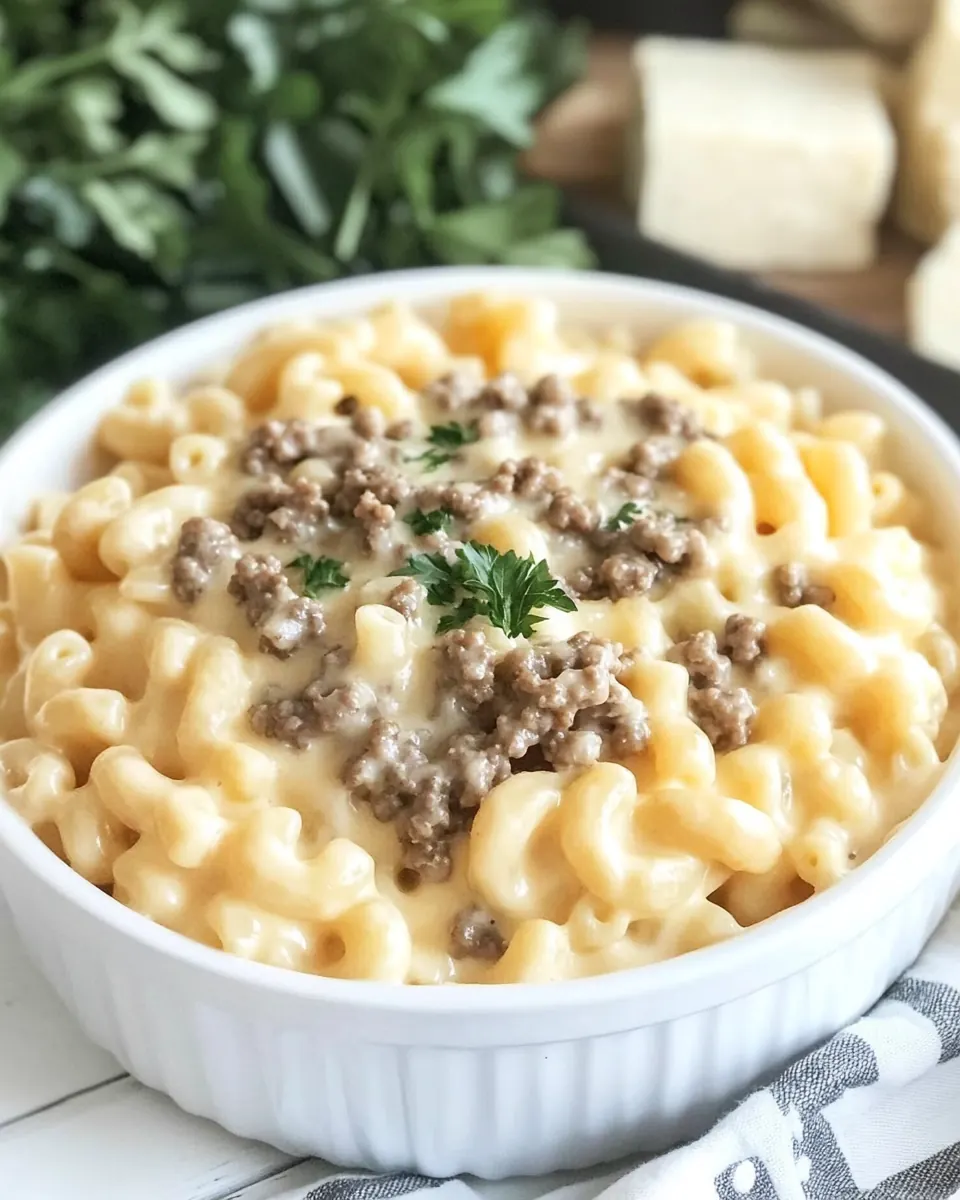
I like offering options so this recipe can adapt to what you have on hand and who you are feeding. Below are practical adjustments and serving ideas that keep the core experience intact while adding variety. Each tip begins with a bolded phrase for quick scanning.
- Swap the pasta shape — While elbow macaroni is classic, small shells or penne will hold sauce differently and can change the mouthfeel without altering technique.
- Adjust the spice level — Increase or decrease the amount of chili powder for a milder or warmer profile that suits your family.
- Make it creamier — Stir in an extra splash of warm milk just before serving if you prefer a looser, silkier sauce.
- Boost the umami — Adding more finely grated parmesan cheese at the end gives a savory lift and bright finish.
- Control the salt — Because both cheddar cheese and parmesan cheese can be salty, taste before adding extra salt and adjust carefully.
- Scale confidently — This recipe doubles easily for a crowd, just use a larger pot and a wider pan to brown the ground beef evenly.
How to Serve Loaded Mac and Cheese with Ground Beef
This dish presents well for casual dinners, family nights, and cozy winter meals. Below I outline serving approaches, pairings, and storage ideas that keep the experience practical and delicious across occasions.
- Family dinner — Serve the dish straight from the pot into bowls for a relaxed, comforting meal that encourages seconds and leftovers.
- Casual gatherings — Offer it on a buffet with small toppings bowls on the side so guests can customize their portions.
- Weeknight pairing — A crisp green salad balances the richness with freshness, and makes the meal feel rounded without extra fuss.
- Meal prep and storage — Place leftovers in an airtight container and store in the fridge for three to four days, reheating gently to preserve sauce texture.
- Freezing — This recipe freezes well after cooking; cool completely and freeze in portions for quick reheats later, keeping textures stable when thawed slowly overnight.
- Serving temperature — Serve warm so the cheese sauce is smooth and glossy, reheating in short bursts preserves the creaminess best.
FAQ
Conclusion
Loaded Mac and Cheese with Ground Beef stands out because it combines creamy, cheesy sauce with well browned beef to create a nourishing, crowd pleasing meal. I encourage you to try it the next time you want a satisfying dinner that comes together quickly and stores well for leftovers. It delivers comforting flavors without fuss, and I find it becomes a trusted favorite for weeknights and casual gatherings alike. Enjoy the warmth and simplicity of this homey dish and make it your own with small personal touches.
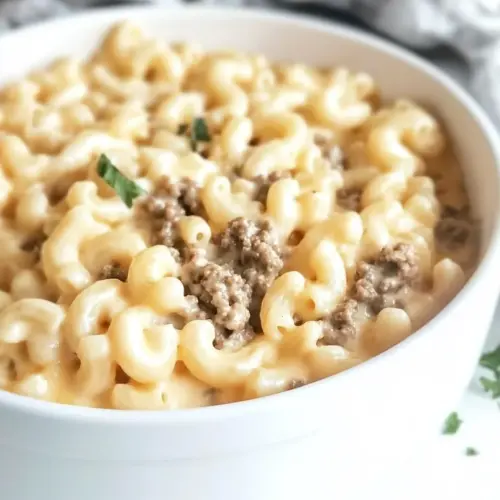
Loaded Mac and Cheese with Ground Beef
Equipment
- Large Pot
- Large Skillet
- Colander
- Whisk
Ingredients
- 1 onion, diced Sautéed until translucent and fragrant to build a savory base for the dish; diced texture helps distribute flavor evenly through the mac and cheese. Adds a mild sweetness and aromatic depth that complements the beef and cheese components. Provides moisture during browning and helps deglaze the pan for flavorful bits.
- 1 pound lean ground beef Browned and crumbled to provide rich, hearty protein and a meaty texture that anchors the casserole-style dish. Releases savory juices that blend with spices and onions to deepen overall flavor. Supplies bulk and contrasts with creamy pasta for a satisfying mouthfeel.
- 1 teaspoon chili powder Sprinkled and toasted briefly with the meat to introduce warm, smoky, and slightly earthy notes that complement beef and cheese. Enhances overall seasoning profile without overpowering other flavors. Helps bridge the savory and cheesy elements of the recipe.
- 1 teaspoon garlic powder Added while cooking the beef for a warm, umami-enhancing aroma that deepens savory complexity. Provides concentrated garlic flavor without the texture of fresh garlic, allowing consistent seasoning throughout. Blends seamlessly into the sauce for balanced taste.
- 1/2 teaspoons salt Measured carefully and incorporated into the seasoning to control overall saltiness and preserve balance between cheese and other flavors. Ensures palatability by enhancing and amplifying natural tastes when combined with other spices. Used conservatively to prevent over-salting of the dairy components.
- 1/2 teaspoon onion powder Sprinkled with other spices to layer a subtle onion-savory note that reinforces the diced onion's flavor without adding texture. Helps round out the seasoning mix and maintain consistent onion flavor throughout the sauce. Complements garlic and chili powder for a cohesive profile.
- 1/2 pound elbow macaroni Boiled until tender to serve as the starchy base that carries cheese and beef; small tubular shape captures sauce for each bite. Provides comforting mouthfeel and structure to the dish while absorbing flavors. Requires careful cooking to avoid becoming mushy when mixed with the sauce.
- 1/4 cups salted butter Melted to form the fat base of the roux, contributing richness and a silky mouthfeel to the cheese sauce. Adds a buttery flavor that enhances overall creaminess and helps bind the flour to milk for thickening. Controls sauce texture and helps prevent clumping of dry ingredients.
- 3 tablespoons all purpose flour Whisked into melted butter to create a roux that thickens the milk into a smooth, velvety béchamel-style sauce. Provides necessary starch to stabilize the cheese sauce and prevent separation. Needs to be cooked briefly to remove raw flour taste before adding milk.
- 2 1/2 cups whole milk Heated gradually into the roux to form a creamy, cohesive sauce that envelops the pasta and beef. Supplies body, moisture, and a dairy base that melts the cheeses uniformly. Temperature control preserves texture and prevents scorching or curdling.
- 2 cups sharp cheddar cheese Shredded and stirred into the warm sauce to deliver sharp, tangy, and melty cheesiness that defines the dish. Contributes primary cheesy flavor and creamy texture while also providing color and richness. Melts smoothly when added off-heat to avoid graininess.
- 1/3 cup finely grated parmesan cheese Sprinkled and folded into the sauce to add a nutty, salty finish and sharp umami that complements cheddar. Enhances depth of flavor and contributes a slightly granular texture for interest. Used sparingly to prevent overpowering delicate dairy balance.
- Salt and pepper to taste Adjusted at the end to refine overall seasoning and balance flavors to personal preference. Enhances and brightens savory notes while controlling salt intensity from cheeses and added salt. Ensures the final dish is well-seasoned and pleasing to taste.
Instructions
- Cook the macaroni per package directions. Drain and set aside.: As the pot of elbow macaroni reaches a lively boil, you will hear a steady, rolling sound and see the pasta moving freely, which indicates it is cooking evenly. The goal is to achieve al dente texture where the pasta has a slight bite that will finish softening in the sauce, helping it avoid becoming mushy after mixing. When you drain, the pasta should be warm but not falling apart, and the surface should hold a thin film of starchy water that helps the sauce cling. A common mistake is overcooking; keep testing a minute or two before the package time so you catch the ideal texture.
- While the macaroni cooks, prepare the ground beef. In a large skillet over medium high heat, add the ground beef and onion. Cook the ground beef for 5-7 minutes, breaking up as you cook, until it is done, no longer pink.: As the ground beef hits the hot pan you will hear a satisfying sizzle and see small beads of fat forming; that sizzling is flavor developing into browning. Stir regularly to break the meat into even crumbles and allow the onion to soften and sweat, releasing sweet aromatics. Browning creates caramelized bits that deepen the overall taste of the dish, so resist the urge to rush. A frequent error is cooking at too high heat which can char the outside while leaving bits undercooked; aim for a steady medium high to get even color and thorough cooking.
- Once done, drain, then return to burner and stir in the chili powder, garlic powder, salt, and onion powder. Set aside.: After you drain the cooked ground beef , returning it to the pan lets residual heat bloom the spices, releasing their perfume and melding them into the meat. You will notice a fragrant lift as the chili powder warms and the powdered seasonings dissolve into the meat juices. This step layers savory notes into the base, ensuring every bite has consistency. Avoid adding spices too late or too sparingly, because underseasoned meat will make the whole dish flat; taste and adjust cautiously.
- To make the cheese sauce: melt the butter in a large pot over medium heat. Once melted, sprinkle in the flour and stir until combined. Let cook about 1 minute.: melt the butter in a large pot over medium heat. Once melted, sprinkle in the flour and stir until combined. Let cook about 1 minute. : When the butter gently liquefies you will smell a creamy, toasty aroma as the flour is incorporated; this is the start of a roux that thickens the sauce and gives it body. Stir continuously so the mixture becomes smooth and pale, not browned, which keeps the sauce clean tasting. Cooking the roux briefly removes raw flouriness and helps the finished sauce be silky rather than grainy. A common slip is overheating and browning the roux, which changes the flavor and can lead to a thinner sauce when liquids are added.
- Slowly stir in the milk, and mix until combined. Then add the parmesan and cheddar cheese and mix until cheese is melted and combined into sauce.: As you stream in the warm milk , you will hear a soft hiss as it hits the roux, and the sauce will thicken into a smooth, velvety texture when properly whisked. Once it is cohesive, adding the grated parmesan cheese and shredded cheddar cheese will transform the liquid into a glossy, clingy sauce; watch for a uniform sheen which signals the cheeses have melted evenly. Stir gently and keep heat moderate so the cheese melts without separating into oils. A frequent mistake is turning up the heat to rush melting, which can make the sauce grainy or oily.
- Add macaroni noodles and beef into the cheese sauce and mix to combine.: When you fold the warm elbow macaroni and savory ground beef into the glossy sauce, you should feel a gentle resistance as the spoon moves through the mixture, and see the sauce cling and coat each piece. This is when the textures converge into harmony, the starch from the pasta helping the sauce adhere and the meat distributing savory pockets throughout. Combine until everything looks uniformly coated, then let it rest briefly so the sauce settles into the pasta . A common misstep is overmixing which can break down the pasta and make the dish gluey; fold with care until just combined.
Notes
- Swap the pasta shape — While elbow macaroni is classic, small shells or penne will hold sauce differently and can change the mouthfeel without altering technique.
- Adjust the spice level — Increase or decrease the amount of chili powder for a milder or warmer profile that suits your family.
- Make it creamier — Stir in an extra splash of warm milk just before serving if you prefer a looser, silkier sauce.
- Boost the umami — Adding more finely grated parmesan cheese at the end gives a savory lift and bright finish.
- Control the salt — Because both cheddar cheese and parmesan cheese can be salty, taste before adding extra salt and adjust carefully.
- Scale confidently — This recipe doubles easily for a crowd, just use a larger pot and a wider pan to brown the ground beef evenly.