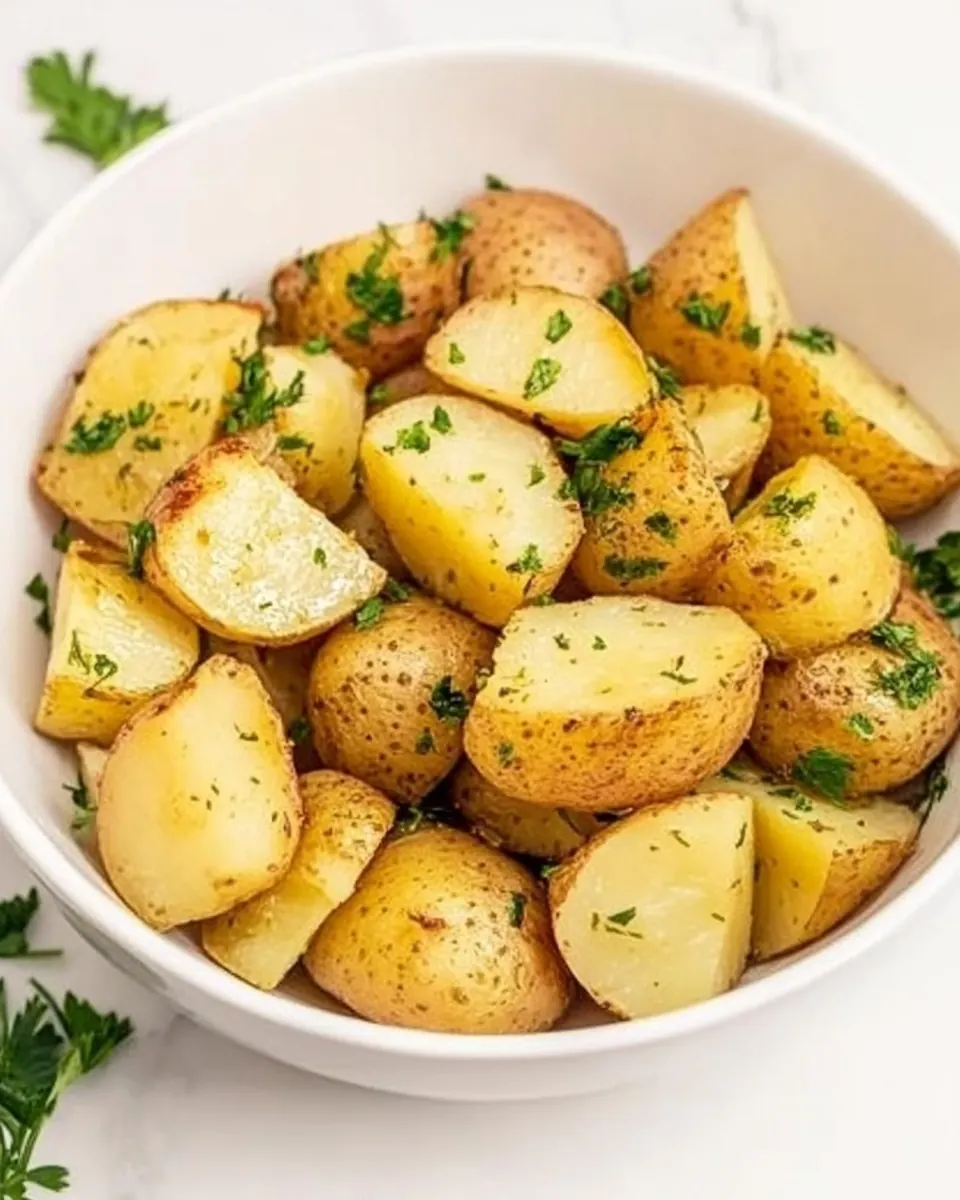
Parsley Potatoes
Parsley Potatoes have a way of showing up at my table whenever I want something comforting, simple, and honest.
I still remember the first time I made Parsley Potatoes for a family Sunday dinner, when the kitchen smelled of warm starch and butter and my kid declared them the best part of the meal. Over the years I learned small habits that turned those humble spuds into something I actually look forward to eating, like drying the potatoes in the hot pan so they soak up flavor, and always finishing with a flurry of fresh parsley to brighten the plate. These moments taught me how a few thoughtful touches make a humble side feel special.
When guests come by, I rarely announce that the star is actually the side dish, but invariably people ask for the recipe for my Parsley Potatoes. It is one of those recipes that scales easily, travels well to potlucks, and sits beside roasted proteins or a simple salad without stealing the show. I love how the buttery finish and the herbaceous hit of parsley keep the dish lively instead of cloying.
Recipe Snapshot
30 mins
5 mins
25 mins
Easy
200 kcal
American
Gluten-Free, Low FODMAP
Side Dishes
Large saucepan, Colander
Why We Love This Parsley Potatoes
Simple ingredients, big payoff
I adore how Parsley Potatoes rely on only a handful of pantry items yet deliver a satisfying result. The potatoes provide a creamy, earthy base while the butter adds richness and parsley cuts through with freshness, making every bite balanced.
Versatility on the table
I often reach for this recipe because it pairs with so many mains. Whether we are serving roasted meat or a simple weeknight protein, the texture and mild seasoning of these Parsley Potatoes complement rather than compete, which is why I keep it in my back pocket.
Comfort without complexity
What wins me over is how comforting the dish feels while remaining fuss free. The method is straightforward, and even when I am rushed I know these Parsley Potatoes will come together without drama, providing a hearty side that comforts and satisfies.
Reliable crowd pleaser
When entertaining, I appreciate recipes that are forgiving. These Parsley Potatoes tolerate slight timing changes and still turn out well, which reduces my stress and helps the meal flow smoothly.
Bright, fresh finish
I always add the parsley at the end to preserve its color and aromatic lift. That final touch transforms the dish from plain boiled potatoes into something that feels freshly made and thoughtfully plated.
Ingredients You’ll Need for Parsley Potatoes
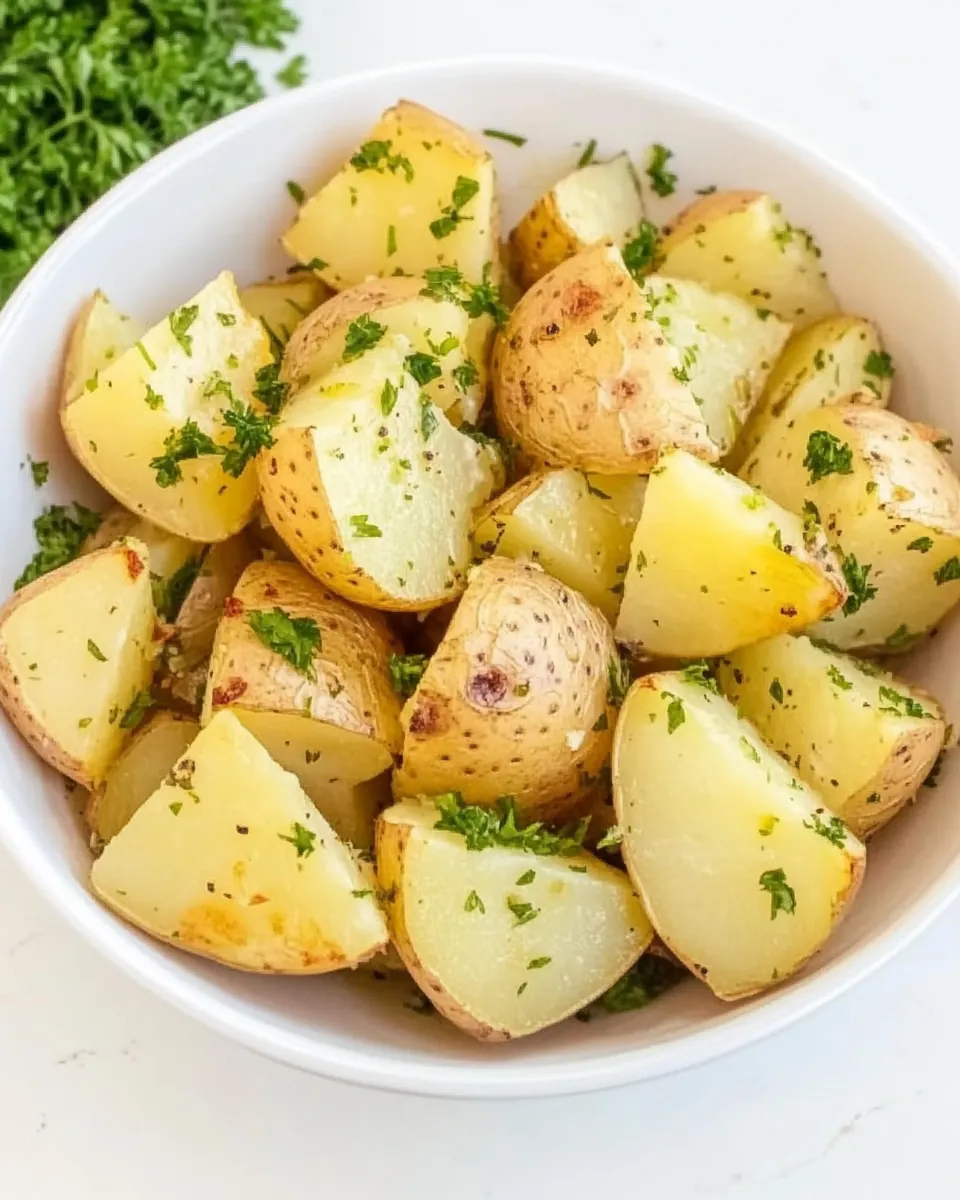
These ingredients are intentionally minimal, designed to highlight texture and freshness. The potatoes form the hearty foundation, the kosher salt seasons through, butter brings silkiness, and fresh parsley adds brightness. Together they create a classic balance of starch, fat, and herb that makes the dish both comforting and lively.
- 3 pounds red potatoes, scrubbed clean: Provide bulk and hearty texture to the dish, contributing a creamy interior when boiled and a thin skin that holds seasoning well. Act as the primary starch and base for absorbing butter and parsley flavors while offering comforting substance.
- 1 tablespoon kosher salt, + more for seasoning potatoes: Enhance overall seasoning and help bring out the natural flavors of the potatoes; used both in the cooking water to properly season the flesh and sprinkled later for finish. Provide a controlled salty backbone that balances richness from the butter.
- 3 tablespoons unsalted butter: Add richness and a silky mouthfeel as it melts into the hot potatoes, coating pieces and carrying flavor. Contribute buttery aroma and a smooth finish that complements the herbs and salt.
- 2 tablespoons fresh parsley, minced: Offer fresh herbal brightness and a hint of green color when minced and folded into hot potatoes, cutting through richness and adding a subtle peppery, grassy note. Provide aromatic lift and a clean finish to each bite.
How to Assemble Parsley Potatoes
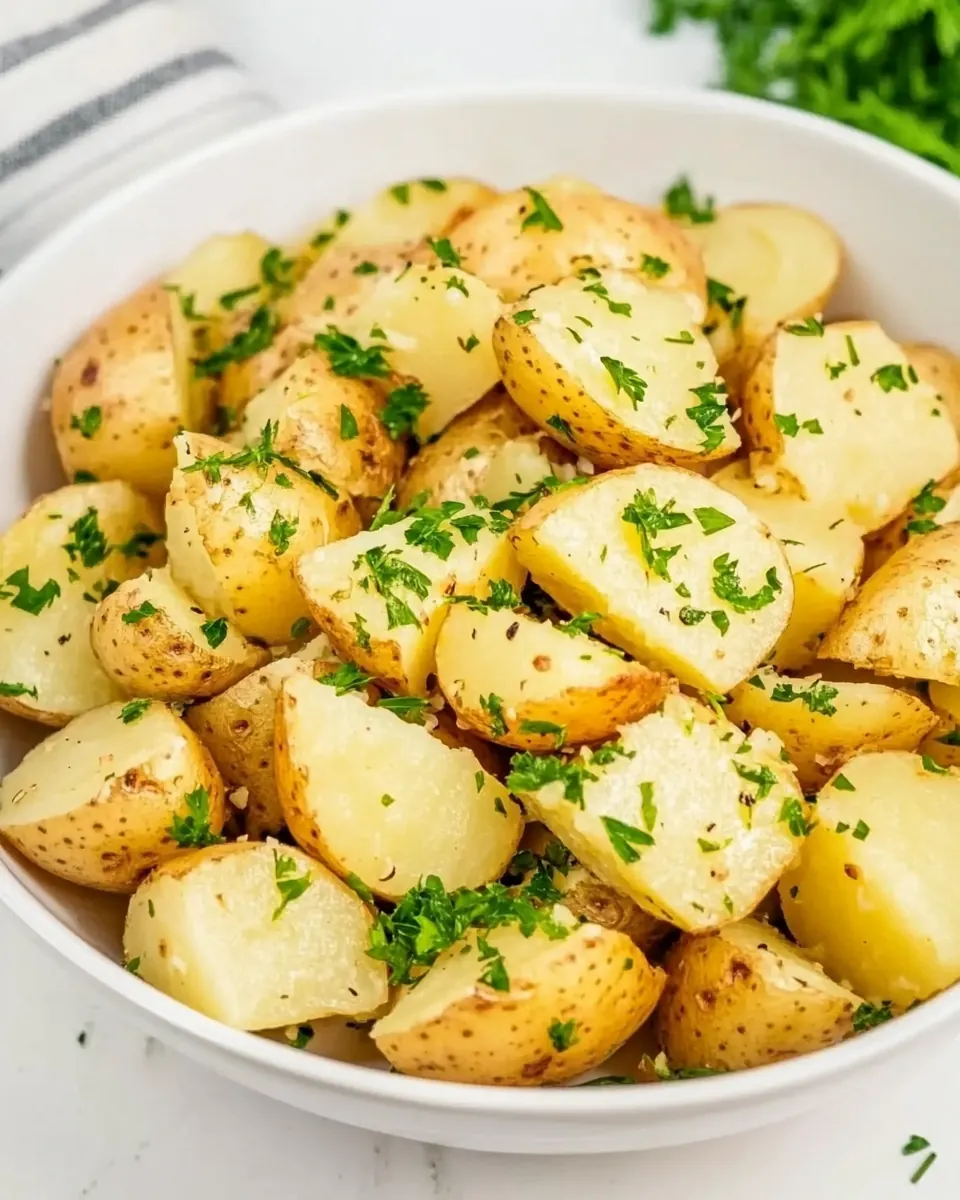
This recipe is all about gentle technique and attention to sensory cues. Follow the sequence and trust your senses: listen for the simmer, watch for fork tender texture, and notice the steam when you return the potatoes to the pan so they dry and absorb flavor.
- Scrub the potatoes well and then cube them into 2-inch chunks. Place the potatoes in a large saucepan, and cover by 1-inch with COLD water. Season the water with 1 tablespoon kosher salt.: As you scrub and slice, you will feel the potatoes firm under your hands and see their skins gleam. Cutting into uniform 2 inch chunks ensures even cooking so some pieces do not overcook while others remain hard. Why it matters is simple, even sized pieces give consistent doneness and texture when boiling. A common mistake is leaving pieces too large which causes uneven results, so take a minute to make them similar in size. The sound of the knife hitting the board will be steady when chunks are uniform, and visually they should look like matching bite size pieces ready to become tender.
- Bring the water to a boil over high heat. Once boiling, reduce the heat to medium and simmer for 15-18 minutes, or until the potatoes are fork-tender.: Using cold water helps the potatoes cook through more evenly, as the interior and exterior warm together. You will notice that starting in cold water prevents the outside from overcooking while the center remains underdone. A typical error is adding boiling water which can cause the exterior to break down too fast. Watch the water level and make sure it sits about one inch above the potatoes so they simmer rather than steam, producing a consistent creamy interior.
- Once the potatoes are tender, drain them in a colander and then immediately return the potatoes to the hot saucepan. Place over low heat for 1-2 minutes, to absorb any water remaining on the potatoes.: Salting the cooking water is an efficient way to infuse the potatoes with seasoning from the inside out. As the water warms, the salt dissolves and seasons every piece uniformly, giving a base layer of flavor you cannot achieve by salting only at the end. Avoid the trap of under-salting the water, which leads to bland potatoes no matter how much you add later. You should be able to detect a faint salted aroma from the pot as it heats.
- Turn off the heat, add butter, chopped fresh parsley, and 1/2 teaspoon kosher salt and toss to combine. Taste and add additional salt if necessary. Serve warm.: When the pot reaches a rolling boil you will hear vigorous bubbling and see steam shoot from the surface, signaling it is time to reduce the heat. Rapid boiling rushes the cooking process, so once boiling reduces to medium to maintain a gentle simmer. A common problem is keeping the heat too high which can break up the potatoes and make them waterlogged, so listen for a quieter simmer and lower the flame accordingly.
- Once boiling, reduce the heat to medium and simmer for 15 to 18 minutes, or until the potatoes are fork-tender: During simmering, the pot gives off a steady soft bubbling sound and a comforting starchy scent fills the kitchen. Fork tenderness is your cue, the fork should slide into the potato with little resistance. The reason we simmer rather than rapidly boil is to keep the pieces intact and achieve a creamy interior. If you overcook, the potatoes will become mealy and fall apart, so check at 15 minutes and test multiple pieces for consistent doneness.
- Once the potatoes are tender, drain them in a colander and then immediately return the potatoes to the hot saucepan: Draining quickly removes excess water and returning them to the hot saucepan allows residual heat to evaporate surface moisture. You will hear a faint sizzle as the steam lifts off, and the potatoes will look dry and glossy rather than wet. This drying step helps the butter cling to the potatoes instead of sliding off. A common oversight is leaving the potatoes to sit wet, which dilutes flavor and prevents the desired coating.
- Place over low heat for 1 to 2 minutes, to absorb any water remaining on the potatoes: With the pot over low heat you will feel a gentle warmth and see wisps of steam; this removes lingering moisture and concentrates flavor. The low heat helps the potatoes develop a slightly firmer exterior while keeping the inside tender. Skip this step and the potatoes can end up watery when you add butter. If you get impatient and crank the heat, you risk scorching, so keep it low and watch the steam subside.
- Turn off the heat, add butter, chopped fresh parsley, and 1/2 teaspoon kosher salt and toss to combine: As soon as the heat is off, add the butter and minced parsley , and the warm potatoes will release a buttery aroma and the herbs will perfume the dish. Tossing coats each piece evenly so every bite has a balance of fat and herb. The why here is texture and flavor distribution, butter adds silk while parsley brightens. A frequent mistake is adding too much salt now, so add the half teaspoon, toss, then taste before adding more.
- Taste and add additional salt if necessary: After tossing, pause and sample a small piece. You will be able to detect if the dish needs a touch more salt or if the butter is sufficient. Tasting at the end ensures you do not over season early in the process, and it gives you control over the final balance. Avoid the habit of heavy salting before tasting, because different batches of potatoes absorb salt differently. The final flavor should be buttery, slightly savory, and herb bright.
- Serve warm: Warm potatoes feel comforting on the plate, with the butter gently melting and releasing aroma. Serve immediately to preserve the texture and temperature, and you will notice each bite is soft yet structured, with parsley flecks throughout. A common mistake is letting them cool too long, which dulls the butter and mutes the herb notes, so aim to bring them to the table promptly.
Recipe Variations about Parsley Potatoes
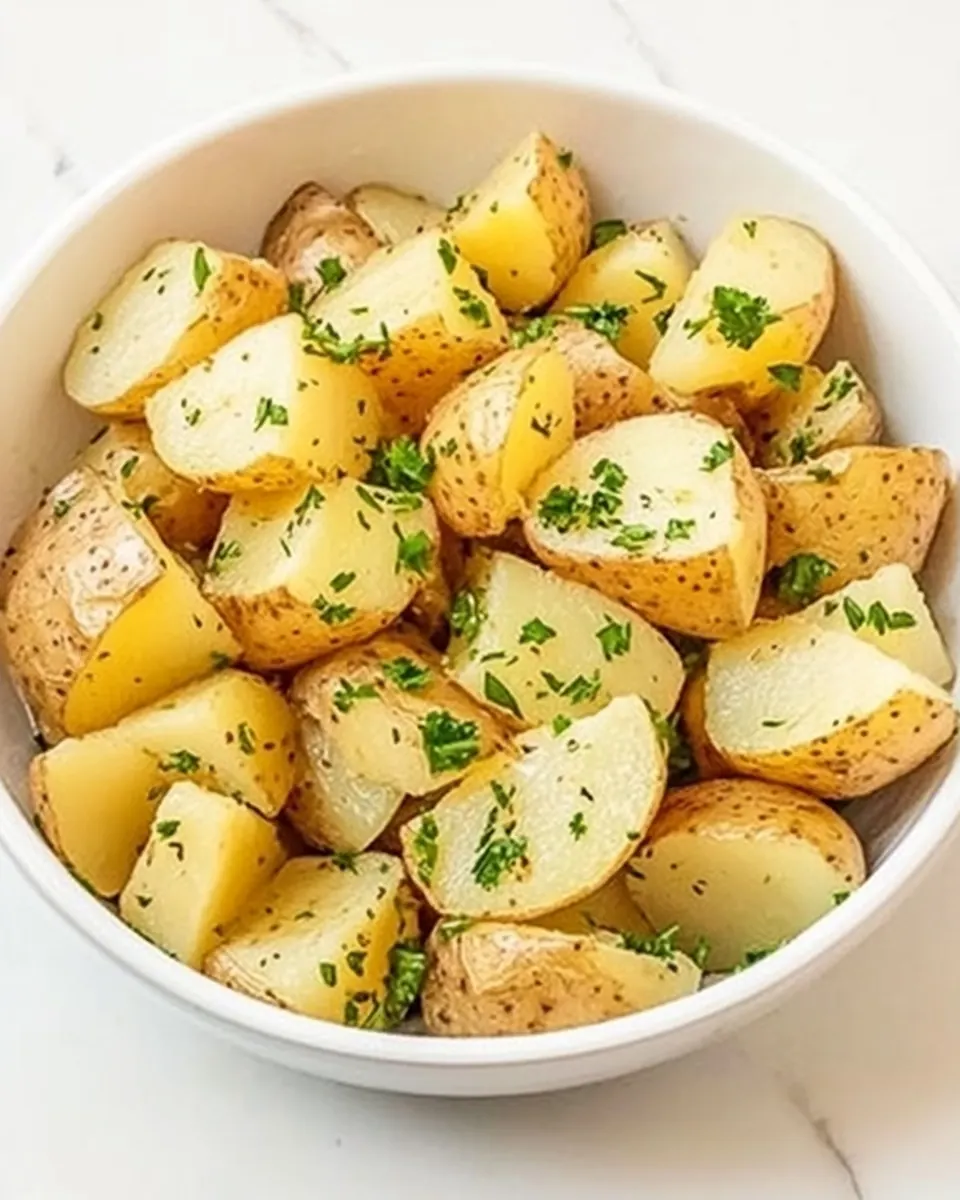
These variations let you nudge the recipe toward richer or brighter directions while keeping the core method intact. Each tip is designed to be easy to try and helpful for tailoring the finished dish to your preferences.
- Extra buttery finish Add up to 2 additional tablespoons of unsalted butter at the end for a silkier mouthfeel, tossing gently so it melts into the warm potatoes without making them greasy.
- Dairy free swap Replace the butter with your favorite non dairy spread to keep the same creamy coating while making the dish suitable for dairy free diets, ensuring you stir until fully melted and distributed.
- Herb boost Increase the minced parsley slightly or mix with another fresh herb you enjoy, adding it right at the end so the herbs stay bright and aromatic rather than wilting.
- Salt control Use unsalted butter and add seasoning gradually, tasting after each small addition to avoid oversalting and to match your personal preference.
- Texture variation For a slightly firmer exterior, drain and then let the potatoes sit in the hot pan a minute longer over low heat before adding butter and parsley, which helps evaporate surface moisture and concentrate flavor.
Side Dish Ideas for Parsley Potatoes
These serving ideas are meant to help you plan a full meal around the dish, whether for weeknight dinner, a holiday table, or a relaxed lunch. I include storage and reheating tips so your leftovers stay as enjoyable as the first serving.
- Weeknight dinners Serve the Parsley Potatoes alongside roasted chicken or grilled fish for an easy, comforting plate. The potatoes provide a mild, buttery counterpoint that pairs well with simply seasoned proteins and steamed vegetables.
- Holiday tables These potatoes work well for holidays when you need a reliable side that appeals to many guests. Their mild flavor complements richer mains and gives a familiar element that everyone recognizes and appreciates.
- Vegetarian menus Place the potatoes with roasted vegetables and a leafy salad for a hearty vegetarian spread, the butter and parsley lend richness and freshness without overpowering the other components.
- Potluck friendly Bring the dish warm in an insulated carrier, or serve at room temperature; it holds up nicely and travels well. Labeling it clearly helps guests with dietary preferences understand the components.
- Storage tips Store leftovers in an airtight container in the refrigerator for three to four days. Reheat in a microwave safe dish in short bursts, stirring between intervals, to preserve texture and flavor.
- Seasonal pairings In spring and summer I lean into brighter plates with fresh salads, while in cooler months I pair the potatoes with braised or roasted mains for a heartier feel. The flexibility makes them a year round companion on the table.
FAQ
Conclusion
Parsley Potatoes stand out for their straightforward technique and harmonious flavors, combining tender potatoes with buttery richness and a fresh parsley finish. Give them a try the next time you want a no fuss side that still feels thoughtful and satisfying at the table. They are easy to prepare, forgiving to cook, and versatile enough to pair with many mains, making them a dependable addition to your weekly rotation.
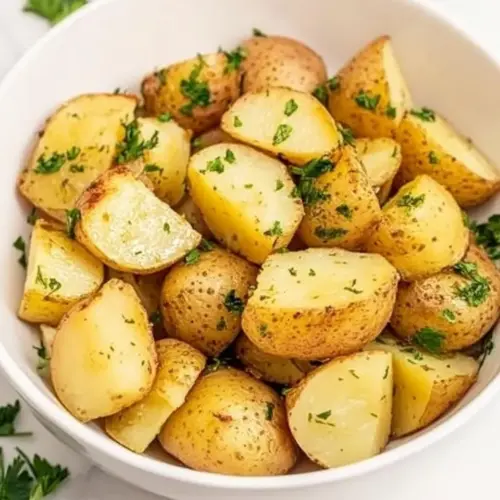
Parsley Potatoes
Equipment
- Large saucepan
- Colander
Ingredients
- 3 pounds red potatoes, scrubbed clean Provide bulk and hearty texture to the dish, contributing a creamy interior when boiled and a thin skin that holds seasoning well. Act as the primary starch and base for absorbing butter and parsley flavors while offering comforting substance.
- 1 tablespoon kosher salt, + more for seasoning potatoes Enhance overall seasoning and help bring out the natural flavors of the potatoes; used both in the cooking water to properly season the flesh and sprinkled later for finish. Provide a controlled salty backbone that balances richness from the butter.
- 3 tablespoons unsalted butter Add richness and a silky mouthfeel as it melts into the hot potatoes, coating pieces and carrying flavor. Contribute buttery aroma and a smooth finish that complements the herbs and salt.
- 2 tablespoons fresh parsley, minced Offer fresh herbal brightness and a hint of green color when minced and folded into hot potatoes, cutting through richness and adding a subtle peppery, grassy note. Provide aromatic lift and a clean finish to each bite.
Instructions
- Scrub the potatoes well and then cube them into 2-inch chunks. Place the potatoes in a large saucepan, and cover by 1-inch with COLD water. Season the water with 1 tablespoon kosher salt.: As you scrub and slice, you will feel the potatoes firm under your hands and see their skins gleam. Cutting into uniform 2 inch chunks ensures even cooking so some pieces do not overcook while others remain hard. Why it matters is simple, even sized pieces give consistent doneness and texture when boiling. A common mistake is leaving pieces too large which causes uneven results, so take a minute to make them similar in size. The sound of the knife hitting the board will be steady when chunks are uniform, and visually they should look like matching bite size pieces ready to become tender.
- Bring the water to a boil over high heat. Once boiling, reduce the heat to medium and simmer for 15-18 minutes, or until the potatoes are fork-tender.: Using cold water helps the potatoes cook through more evenly, as the interior and exterior warm together. You will notice that starting in cold water prevents the outside from overcooking while the center remains underdone. A typical error is adding boiling water which can cause the exterior to break down too fast. Watch the water level and make sure it sits about one inch above the potatoes so they simmer rather than steam, producing a consistent creamy interior.
- Once the potatoes are tender, drain them in a colander and then immediately return the potatoes to the hot saucepan. Place over low heat for 1-2 minutes, to absorb any water remaining on the potatoes.: Salting the cooking water is an efficient way to infuse the potatoes with seasoning from the inside out. As the water warms, the salt dissolves and seasons every piece uniformly, giving a base layer of flavor you cannot achieve by salting only at the end. Avoid the trap of under-salting the water, which leads to bland potatoes no matter how much you add later. You should be able to detect a faint salted aroma from the pot as it heats.
- Turn off the heat, add butter, chopped fresh parsley, and 1/2 teaspoon kosher salt and toss to combine. Taste and add additional salt if necessary. Serve warm.: When the pot reaches a rolling boil you will hear vigorous bubbling and see steam shoot from the surface, signaling it is time to reduce the heat. Rapid boiling rushes the cooking process, so once boiling reduces to medium to maintain a gentle simmer. A common problem is keeping the heat too high which can break up the potatoes and make them waterlogged, so listen for a quieter simmer and lower the flame accordingly.
- Once boiling, reduce the heat to medium and simmer for 15 to 18 minutes, or until the potatoes are fork-tender: During simmering, the pot gives off a steady soft bubbling sound and a comforting starchy scent fills the kitchen. Fork tenderness is your cue, the fork should slide into the potato with little resistance. The reason we simmer rather than rapidly boil is to keep the pieces intact and achieve a creamy interior. If you overcook, the potatoes will become mealy and fall apart, so check at 15 minutes and test multiple pieces for consistent doneness.
- Once the potatoes are tender, drain them in a colander and then immediately return the potatoes to the hot saucepan: Draining quickly removes excess water and returning them to the hot saucepan allows residual heat to evaporate surface moisture. You will hear a faint sizzle as the steam lifts off, and the potatoes will look dry and glossy rather than wet. This drying step helps the butter cling to the potatoes instead of sliding off. A common oversight is leaving the potatoes to sit wet, which dilutes flavor and prevents the desired coating.
- Place over low heat for 1 to 2 minutes, to absorb any water remaining on the potatoes: With the pot over low heat you will feel a gentle warmth and see wisps of steam; this removes lingering moisture and concentrates flavor. The low heat helps the potatoes develop a slightly firmer exterior while keeping the inside tender. Skip this step and the potatoes can end up watery when you add butter. If you get impatient and crank the heat, you risk scorching, so keep it low and watch the steam subside.
- Turn off the heat, add butter, chopped fresh parsley, and 1/2 teaspoon kosher salt and toss to combine: As soon as the heat is off, add the butter and minced parsley , and the warm potatoes will release a buttery aroma and the herbs will perfume the dish. Tossing coats each piece evenly so every bite has a balance of fat and herb. The why here is texture and flavor distribution, butter adds silk while parsley brightens. A frequent mistake is adding too much salt now, so add the half teaspoon, toss, then taste before adding more.
- Taste and add additional salt if necessary: After tossing, pause and sample a small piece. You will be able to detect if the dish needs a touch more salt or if the butter is sufficient. Tasting at the end ensures you do not over season early in the process, and it gives you control over the final balance. Avoid the habit of heavy salting before tasting, because different batches of potatoes absorb salt differently. The final flavor should be buttery, slightly savory, and herb bright.
- Serve warm: Warm potatoes feel comforting on the plate, with the butter gently melting and releasing aroma. Serve immediately to preserve the texture and temperature, and you will notice each bite is soft yet structured, with parsley flecks throughout. A common mistake is letting them cool too long, which dulls the butter and mutes the herb notes, so aim to bring them to the table promptly.
Notes
- Extra buttery finish Add up to 2 additional tablespoons of unsalted butter at the end for a silkier mouthfeel, tossing gently so it melts into the warm potatoes without making them greasy.
- Dairy free swap Replace the butter with your favorite non dairy spread to keep the same creamy coating while making the dish suitable for dairy free diets, ensuring you stir until fully melted and distributed.
- Herb boost Increase the minced parsley slightly or mix with another fresh herb you enjoy, adding it right at the end so the herbs stay bright and aromatic rather than wilting.
- Salt control Use unsalted butter and add seasoning gradually, tasting after each small addition to avoid oversalting and to match your personal preference.
- Texture variation For a slightly firmer exterior, drain and then let the potatoes sit in the hot pan a minute longer over low heat before adding butter and parsley, which helps evaporate surface moisture and concentrate flavor.