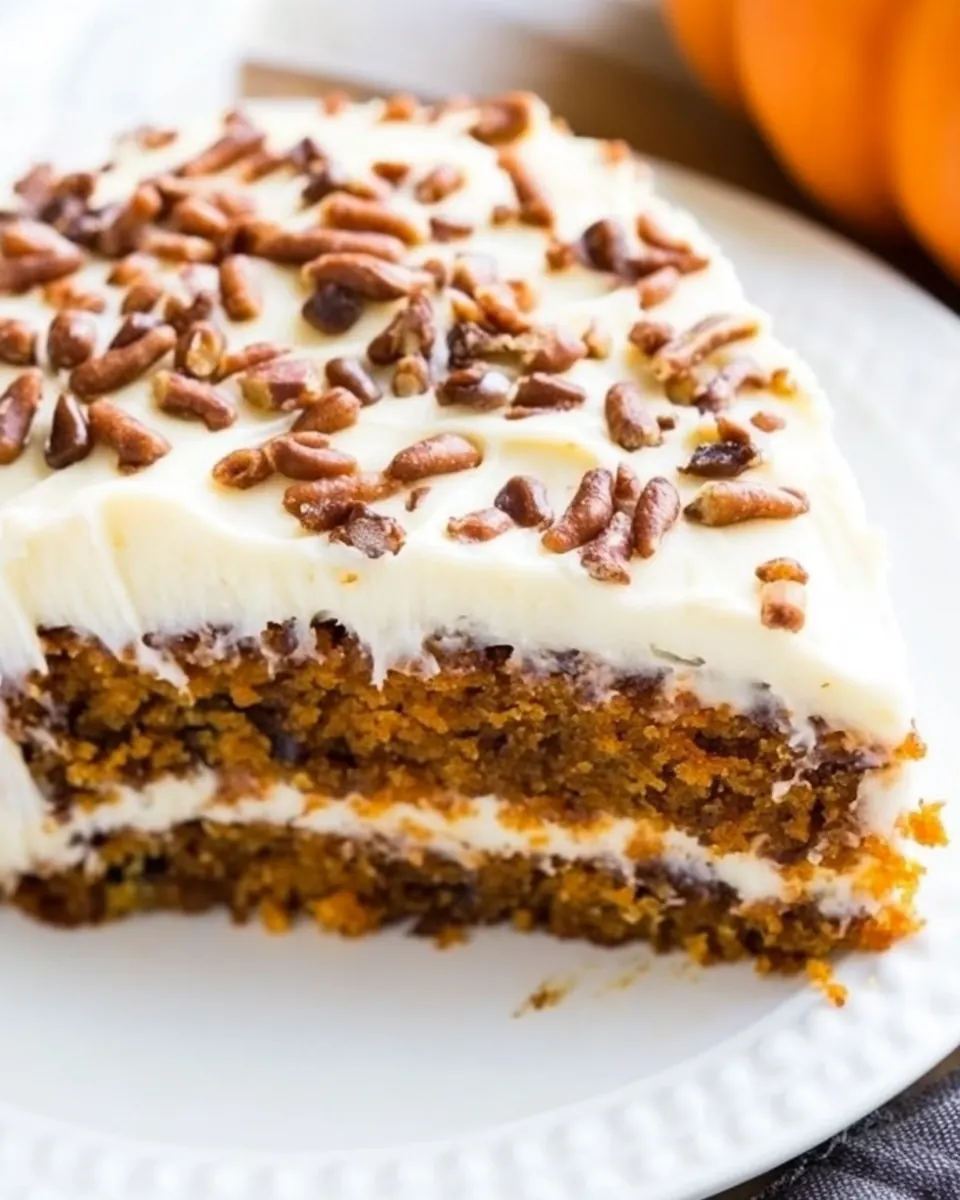
Pumpkin Carrot Cake with Cream Cheese Frosting
Pumpkin Carrot Cake with Cream Cheese Frosting is one of those recipes I reach for when the air turns crisp and my kitchen smells like spice and comfort.
I remember the first time I combined canned pumpkin puree with freshly grated carrots, thinking it might be too much of a mash up, but the texture surprised me, and the crumbs were tender and warmly spiced. I was making this for a small family gathering, and watching people go back for a second slice felt like a quiet victory. Over the years I nudged the sugar balance a touch, swapped oils depending on what I had on hand, and learned that a springform pan makes slicing so much easier.
There is a ritual to this cake that I love, from grating the carrots on the coarsest blade to whisking the batter until it just comes together. The cream cheese frosting is simple, but its tang and silky texture lift the whole cake into something special. When I bring this to potlucks, friends ask what the secret is, and I always say it is patience, proper cooling, and not overworking the batter. Baking it has become my cozy weekend treat, and I hope you find as much pleasure in the process and the forkfuls as I do.
Recipe Snapshot
55 mins
10 mins
45 mins
Medium
350 kcal
American
Gluten-Free, Low FODMAP
Desserts
9-inch springform pan, Whisk, Large bowl, Spatula, Electric mixer, Box grater, Rimmed baking sheet
Why You Need This Pumpkin Carrot Cake with Cream Cheese Frosting
It balances two seasonal stars
I love how Pumpkin Carrot Cake with Cream Cheese Frosting brings together the earthy sweetness of pumpkin puree and the fresh, slightly crunchy bite of grated carrots. The combination adds depth and keeps the crumb moist, so you get a cake that is not one note but layered.
Frosting that complements rather than overwhelms
The cream cheese frosting is tangy and smooth, cutting through the spice without masking it. I often see frosting used to hide a dry cake, but here it enhances the flavors, giving a balance of sweet and tang.
Flexible texture and mix ins
This recipe is forgiving. You can fold in raisins or chopped nuts to add chew or crunch, and the batter holds up nicely. I appreciate recipes that let me adapt without breaking the structure, and this one does exactly that.
Comfort food with an elegant finish
Whether it’s for a holiday table or a quiet afternoon coffee, Pumpkin Carrot Cake with Cream Cheese Frosting reads as both homey and a little sophisticated. The spices and the frosting elevate it beyond a simple loaf cake.
Easy to assemble, rewarding to serve
From my experience, the steps are straightforward and the payoff is high. You do not need fancy equipment to get great results, and I find that people are genuinely surprised at how flavorful such a simple batter can be.
Pumpkin Carrot Cake with Cream Cheese Frosting Shopping List
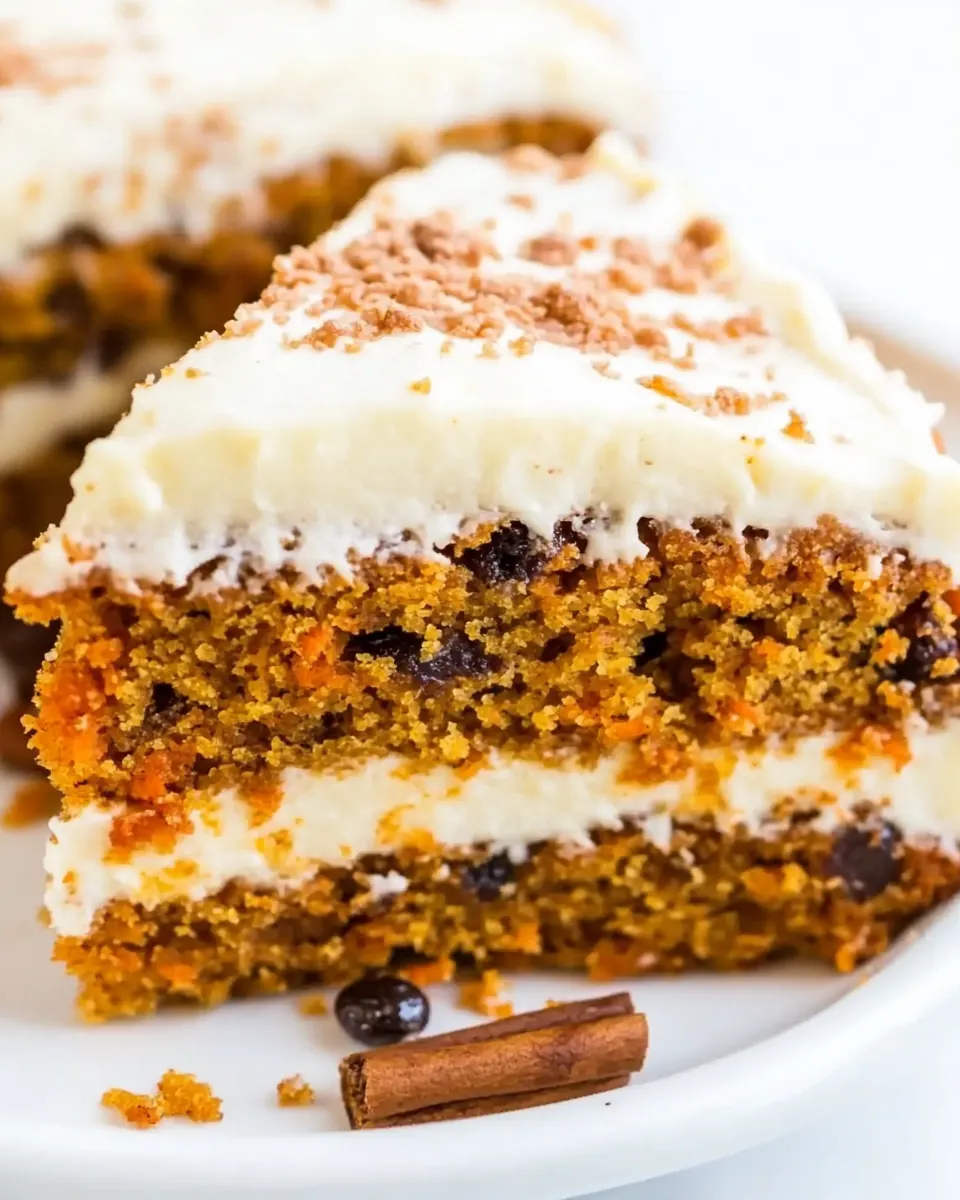
I treat the ingredient list as a small orchestra where each player has a role. The pumpkin puree and carrots bring moisture and body, the sugars and oils provide tenderness and lift, while the spices add warmth and character. The key players are those that contribute texture and flavor in equal measure, so I always prioritize freshness for the carrots and proper softening for the cream cheese and butter.
- 2 large eggs: Whisked together to bind the batter and provide structure, eggs also add moisture and richness to the cake while helping leavening agents create lift during baking.
- 1 cup pumpkin puree (use the remainder in these recipes: Pureed to contribute moistness, dense texture, and autumnal flavor; pumpkin puree also adds natural sweetness and helps keep the cake tender while providing color.
- 3/4 cup granulated sugar: Granulated sugar used to sweeten the batter, promote browning, and tenderize the crumb by interfering with gluten formation for a softer cake.
- 1/4 cup light brown sugar, packed: Packed to add deeper, caramel-like sweetness and moisture; light brown sugar contributes flavor complexity and helps keep the cake soft and tender.
- 1/2 cup canola or vegetable oil: Poured in to supply fat for tenderness, moistness, and mouthfeel; neutral vegetable oil creates a moist, tender crumb and extends shelf life.
- 1 tablespoon pumpkin pie spice: Added as a warm spice blend to provide classic fall flavor; pumpkin pie spice layers cinnamon, nutmeg, ginger, and other aromatics to complement pumpkin and carrots.
- 2 teaspoons vanilla extract: Measured to add aromatic sweetness and enhance other flavors; vanilla extract amplifies the overall flavor profile and rounds out the spices.
- 1 teaspoon cinnamon: Sprinkled to impart warm, sweet-earthy aroma and flavor; cinnamon reinforces the autumnal spice character and balances pumpkin and sugar.
- 1/4 teaspoon ground cloves: Ground lightly used to add a sharp, spicy warmth; cloves contribute depth and a touch of pungency that complements the spice mix.
- 1 cup grated carrots, loosely packed (grate yourself using the coarsest blade of a box grater; don’t use pre-packaged convenience bags of carrots): Grated fresh to contribute natural sweetness, moisture, and a slight textural bite; freshly grated carrots add color, fiber, and a pleasant chew to the cake.
- 1 cup all-purpose flour: Sifted into the dry mix to provide the cake’s structure; all-purpose flour offers gluten that traps gases for rise while forming the crumb.
- 1 teaspoon baking powder: Measured to provide gentle lift and help the cake rise; baking powder releases gas when heated to give a lighter, airier texture.
- 1/2 teaspoon baking soda: Added sparingly to react with acid and create additional lift; baking soda neutralizes acidity and improves browning and tenderness.
- 1/2 teaspoons salt, or to taste: Sprinkled to season and balance sweetness; salt enhances other flavors and controls the perception of sweetness in the cake.
- 1 cup raisins, (or 1 cup chopped nuts, or 1/2 cup raisins and 1/2 cup chopped nuts) (optional): Included optionally to add chew, sweetness, or crunch; raisins or chopped nuts provide contrast in texture and complementary flavor bursts.
- 6 ounces cream cheese, softened (lite okay): Softened and beaten to create a tangy, creamy base for the frosting; cream cheese adds richness, slight acidity, and smoothness to balance sweetness.
- 1/4 cup unsalted butter, softened: Softened and creamed to contribute buttery flavor, richness, and spreadable texture in the frosting while helping it set smoothly.
- 1 1/2 cups confectioners’ sugar, sifted: Sifted into the frosting to sweeten and thicken; confectioners’ sugar creates a silky, spreadable consistency and prevents graininess.
- 1/2 teaspoon vanilla extract: Measured to enhance and round the frosting’s flavor; vanilla extract brings warmth and depth to the cream cheese topping.
- 1/2 teaspoons salt, or to taste: Sprinkled to season the frosting and balance sweetness; salt sharpens flavors and ensures the frosting isn’t cloyingly sweet.
Step by Step Guide for Pumpkin Carrot Cake with Cream Cheese Frosting
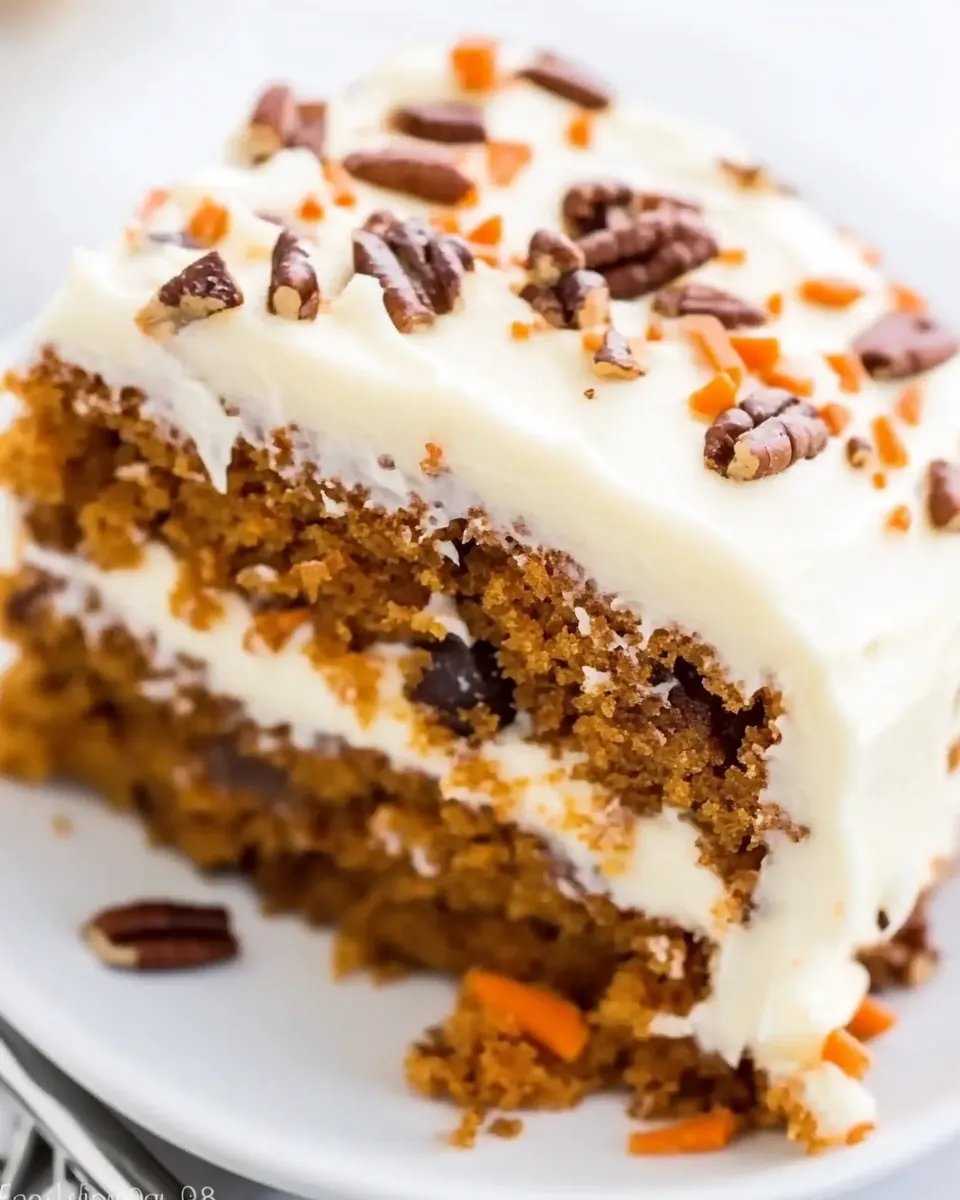
These instructions are conversational and detailed to help you bake with confidence. Take your time at each stage, and pay attention to the sensory cues so you know you are on the right track.
- Preheat oven to 350 F. Spray a 9-inch springform pan with floured cooking spray or grease and flour the pan; set aside. Don’t use a regular 9-inch round cake pan because it’s not deep enough and the cake will overflow.: You should feel the warmth of the oven filling the space and notice a steady, even heat when you open the door, which is crucial for even rising. The springform pan creates higher walls so the batter has room; you may hear slight creaks as metal warms in the oven. I place the pan on a baking sheet as insurance against leaks, a tip learned after one messy bake. If the pan is not properly greased and floured, the cake can stick and tear when unmolding, so take the extra minute to do this step carefully.
- To a large bowl, add the eggs, pumpkin, sugars, oil, pumpkin pie spice, vanilla, cinnamon, cloves, and whisk to combine.: You will notice the batter darken and the aromas of spice blooming as you whisk, with the glossy sheen from the oil binding the mixture. This step begins flavor marriage; whisking ensures the eggs are evenly distributed which gives a consistent crumb. A common pitfall is under-whisking, leaving streaks of dry sugar or inconsistent texture. Use a whisk or a mixer on low for uniformity, but avoid overbeating which would incorporate too much air and change the cake's density.
- Add the carrots and stir to combine.: As you fold in the grated carrots , you will see orange flecks throughout the batter and feel a slight resistance from the vegetable fibers. The carrots contribute moisture and tiny bursts of texture, and they help keep the cake tender. Over-stirring at this stage can break down the carrots too much and create a pasty texture, so use a gentle folding motion until just dispersed.
- Add the flour, baking powder, baking soda, salt, and stir until just combined, don’t overmix.: The dry ingredients will take the batter from glossy to slightly thicker, and you should mix until you no longer see streaks of flour. This is where you watch the texture change under your spatula, and a few small lumps are fine. The why is simple, gluten forms as you mix, so overmixing will make the cake tough. If you overwork the batter, the crumb becomes dense rather than tender, so stop as soon as cohesion is achieved.
- Optionally add the raisins and/or nuts and stir to combine. Turn batter out into prepared pan, smoothing the top lightly with a spatula. Bake for about 45 minutes or until center is set and a toothpick inserted in the center comes out clean or with a few moist crumbs, no batter. In the last 10 minutes, loosely drape a sheet of foil over the top of the springform pan to prevent the top from becoming overly browned.: When you fold in raisins or nuts they will distribute pockets of texture that punctuate each bite. Spread the batter evenly so the cake rises uniformly, and gently smooth the top for an attractive finish. During baking you will smell the spices deepen and see the edges pull away slightly from the pan, a sign of doneness. If you skip the foil in the final minutes, the top may brown too quickly; conversely, too much foil early can slow browning entirely. A toothpick with a few moist crumbs is the ideal result, indicating a moist but fully baked interior.
- To a large bowl (or to the bowl of a stand mixer using the paddle attachment) add the cream cheese, butter, and beat with an electric mixer on high-speed until fluffy, about 2 minutes.: The mixture should become pale and airy, with a light, billowy texture and a faint, sweet dairy scent. Beating on high introduces air that makes the frosting spreadable and smooth. If the cream cheese or butter are too cold you will feel resistance and see lumps, so ensure they are softened to room temperature. Overheating while trying to speed things up can make the mixture runny, so keep pulses controlled.
- Add the confectioners’ sugar, vanilla, salt, and beat until smooth and incorporated, about 2 minutes.: The frosting will transition from a soft mound to a silky ribbon that holds its shape when lifted with a spatula, and it should feel creamy and not grainy. The confectioners’ sugar dissolves into the dairy creating that signature smooth mouthfeel. If you add the sugar too quickly you might get a cloud of sugar dust, and if you overbeat, the frosting can be too airy and unstable for spreading. Taste and adjust salt to balance the sweetness.
- Turn frosting out onto cake and spread into a smooth, even, flat layer using a spatula or knife. Unlatch springform pan, slice, and serve.: Spreading the frosting should feel like a final flourish, leaving a satiny surface that gleams faintly under light. As you spread, small peaks will relax into a smooth finish if your spatula is warm; dip it briefly in hot water and dry for an ultra-sleek top. If the cake is still warm the frosting will sag and melt, so the key is patience and a completely cooled cake. When slicing, a sharp knife with clean wipes between cuts keeps slices neat and presentable.
Make It Your Own
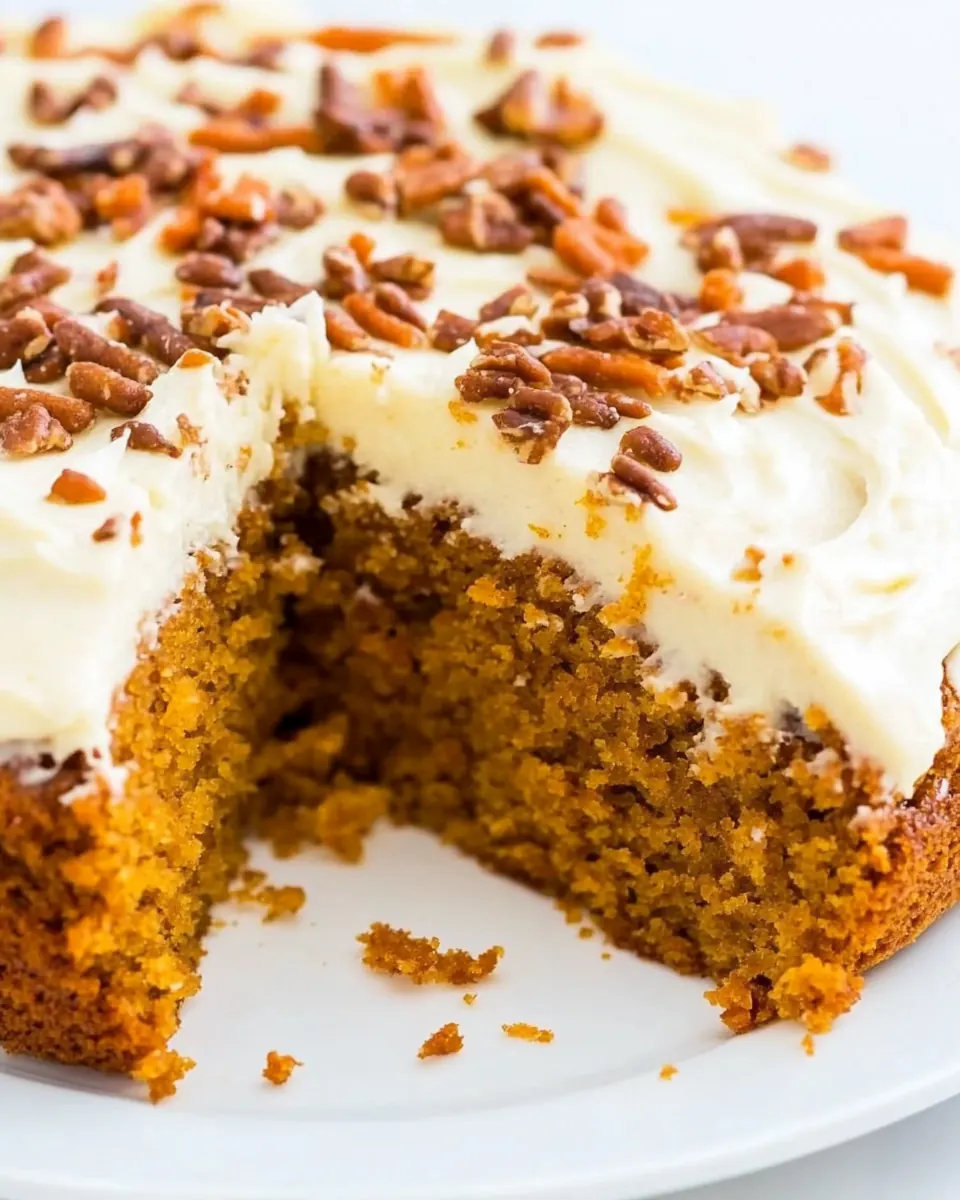
I like to offer tweaks that respect the original balance while letting you personalize the cake. These tips help you tailor texture, sweetness, and presentation without changing the core recipe.
- Use toasted nuts for crunch to add a deeper, nutty flavor, toast them in a dry skillet until fragrant and cool before folding in.
- Swap mix ins carefully by choosing either raisins or nuts or a combination, but toss them in a little flour first to prevent sinking.
- Check spice freshness because fresh ground spices make a noticeable difference; replace old spice jars to keep the cake bright.
- Control frosting sweetness by adding confectioners’ sugar gradually and tasting, so you can stop when it suits your preference.
- Cool completely before frosting to avoid a runny top, allow at least one to two hours so the cake firms up and crumbs settle.
- Use a warm spatula for a smooth finish dip a metal spatula in hot water, dry it, then glide it over the frosting for a sleek look.
Serving Options for Pumpkin Carrot Cake with Cream Cheese Frosting
This cake makes a lovely centerpiece for gatherings and also works as a cozy treat at home. Below are serving ideas that highlight the cake’s seasonal appeal and practical storage guidance.
- Serve with hot coffee or tea to balance the cake’s sweetness and highlight the spice notes, ideal for a relaxed brunch or afternoon treat.
- Plate for holidays by slicing into neat wedges and arranging on a large platter for Thanksgiving or fall celebrations where the cake’s spices feel seasonal.
- Room temperature serving brings out the full flavor of the cream cheese frosting and keeps the crumb tender, so remove from the fridge 30 minutes before serving if stored cold.
- Storage at room temp in an airtight container will keep the cake moist for up to four days, which is handy when you want quick slices without reheating.
- Refrigeration guidance for longer keeping is up to one week in the fridge; be aware refrigeration can slightly dry the crumb, so allow it to come to room temperature before serving.
- Occasion pairing works from casual coffee dates to holiday dinners, the cake’s spice profile and tangy frosting make it versatile for many settings.
FAQ
Conclusion
This Pumpkin Carrot Cake with Cream Cheese Frosting is special because it marries moist, tender cake with a tangy, silky frosting for a balanced and comforting dessert. It’s a recipe that performs well for gatherings and quiet afternoons alike, offering flavors that feel seasonal and familiar. Give it a try, allow yourself the small pleasures of grating carrots and warming spices, and enjoy the warm reward of a slice shared with friends or family.
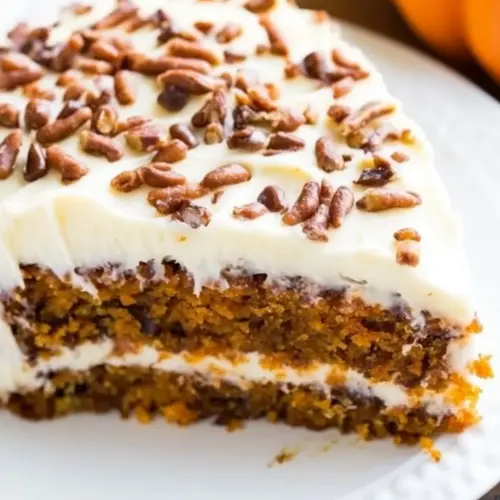
Pumpkin Carrot Cake with Cream Cheese Frosting
Equipment
- 9-inch Springform Pan
- Whisk
- Large Bowl
- Spatula
- Electric Mixer
- Box grater
- Rimmed Baking Sheet
Ingredients
- 2 large eggs Whisked together to bind the batter and provide structure, eggs also add moisture and richness to the cake while helping leavening agents create lift during baking.
- 1 cup pumpkin puree (use the remainder in these recipes Pureed to contribute moistness, dense texture, and autumnal flavor; pumpkin puree also adds natural sweetness and helps keep the cake tender while providing color.
- 3/4 cup granulated sugar Granulated sugar used to sweeten the batter, promote browning, and tenderize the crumb by interfering with gluten formation for a softer cake.
- 1/4 cup light brown sugar, packed Packed to add deeper, caramel-like sweetness and moisture; light brown sugar contributes flavor complexity and helps keep the cake soft and tender.
- 1/2 cup canola or vegetable oil Poured in to supply fat for tenderness, moistness, and mouthfeel; neutral vegetable oil creates a moist, tender crumb and extends shelf life.
- 1 tablespoon pumpkin pie spice Added as a warm spice blend to provide classic fall flavor; pumpkin pie spice layers cinnamon, nutmeg, ginger, and other aromatics to complement pumpkin and carrots.
- 2 teaspoons vanilla extract Measured to add aromatic sweetness and enhance other flavors; vanilla extract amplifies the overall flavor profile and rounds out the spices.
- 1 teaspoon cinnamon Sprinkled to impart warm, sweet-earthy aroma and flavor; cinnamon reinforces the autumnal spice character and balances pumpkin and sugar.
- 1/4 teaspoon ground cloves Ground lightly used to add a sharp, spicy warmth; cloves contribute depth and a touch of pungency that complements the spice mix.
- 1 cup grated carrots, loosely packed (grate yourself using the coarsest blade of a box grater; don’t use pre-packaged convenience bags of carrots) Grated fresh to contribute natural sweetness, moisture, and a slight textural bite; freshly grated carrots add color, fiber, and a pleasant chew to the cake.
- 1 cup all-purpose flour Sifted into the dry mix to provide the cake’s structure; all-purpose flour offers gluten that traps gases for rise while forming the crumb.
- 1 teaspoon baking powder Measured to provide gentle lift and help the cake rise; baking powder releases gas when heated to give a lighter, airier texture.
- 1/2 teaspoon baking soda Added sparingly to react with acid and create additional lift; baking soda neutralizes acidity and improves browning and tenderness.
- 1/2 teaspoons salt, or to taste Sprinkled to season and balance sweetness; salt enhances other flavors and controls the perception of sweetness in the cake.
- 1 cup raisins, optional (or 1 cup chopped nuts, or 1/2 cup raisins and 1/2 cup chopped nuts) Included optionally to add chew, sweetness, or crunch; raisins or chopped nuts provide contrast in texture and complementary flavor bursts.
- 6 ounces cream cheese, softened (lite okay) Softened and beaten to create a tangy, creamy base for the frosting; cream cheese adds richness, slight acidity, and smoothness to balance sweetness.
- 1/4 cup unsalted butter, softened Softened and creamed to contribute buttery flavor, richness, and spreadable texture in the frosting while helping it set smoothly.
- 1 1/2 cups confectioners’ sugar, sifted Sifted into the frosting to sweeten and thicken; confectioners’ sugar creates a silky, spreadable consistency and prevents graininess.
- 1/2 teaspoon vanilla extract Measured to enhance and round the frosting’s flavor; vanilla extract brings warmth and depth to the cream cheese topping.
- 1/2 teaspoons salt, or to taste Sprinkled to season the frosting and balance sweetness; salt sharpens flavors and ensures the frosting isn’t cloyingly sweet.
Instructions
- Preheat oven to 350 F. Spray a 9-inch springform pan with floured cooking spray or grease and flour the pan; set aside. Don’t use a regular 9-inch round cake pan because it’s not deep enough and the cake will overflow.: You should feel the warmth of the oven filling the space and notice a steady, even heat when you open the door, which is crucial for even rising. The springform pan creates higher walls so the batter has room; you may hear slight creaks as metal warms in the oven. I place the pan on a baking sheet as insurance against leaks, a tip learned after one messy bake. If the pan is not properly greased and floured, the cake can stick and tear when unmolding, so take the extra minute to do this step carefully.
- To a large bowl, add the eggs, pumpkin, sugars, oil, pumpkin pie spice, vanilla, cinnamon, cloves, and whisk to combine.: You will notice the batter darken and the aromas of spice blooming as you whisk, with the glossy sheen from the oil binding the mixture. This step begins flavor marriage; whisking ensures the eggs are evenly distributed which gives a consistent crumb. A common pitfall is under-whisking, leaving streaks of dry sugar or inconsistent texture. Use a whisk or a mixer on low for uniformity, but avoid overbeating which would incorporate too much air and change the cake's density.
- Add the carrots and stir to combine.: As you fold in the grated carrots , you will see orange flecks throughout the batter and feel a slight resistance from the vegetable fibers. The carrots contribute moisture and tiny bursts of texture, and they help keep the cake tender. Over-stirring at this stage can break down the carrots too much and create a pasty texture, so use a gentle folding motion until just dispersed.
- Add the flour, baking powder, baking soda, salt, and stir until just combined, don’t overmix.: The dry ingredients will take the batter from glossy to slightly thicker, and you should mix until you no longer see streaks of flour. This is where you watch the texture change under your spatula, and a few small lumps are fine. The why is simple, gluten forms as you mix, so overmixing will make the cake tough. If you overwork the batter, the crumb becomes dense rather than tender, so stop as soon as cohesion is achieved.
- Optionally add the raisins and/or nuts and stir to combine. Turn batter out into prepared pan, smoothing the top lightly with a spatula. Bake for about 45 minutes or until center is set and a toothpick inserted in the center comes out clean or with a few moist crumbs, no batter. In the last 10 minutes, loosely drape a sheet of foil over the top of the springform pan to prevent the top from becoming overly browned.: When you fold in raisins or nuts they will distribute pockets of texture that punctuate each bite. Spread the batter evenly so the cake rises uniformly, and gently smooth the top for an attractive finish. During baking you will smell the spices deepen and see the edges pull away slightly from the pan, a sign of doneness. If you skip the foil in the final minutes, the top may brown too quickly; conversely, too much foil early can slow browning entirely. A toothpick with a few moist crumbs is the ideal result, indicating a moist but fully baked interior.
- To a large bowl (or to the bowl of a stand mixer using the paddle attachment) add the cream cheese, butter, and beat with an electric mixer on high-speed until fluffy, about 2 minutes.: The mixture should become pale and airy, with a light, billowy texture and a faint, sweet dairy scent. Beating on high introduces air that makes the frosting spreadable and smooth. If the cream cheese or butter are too cold you will feel resistance and see lumps, so ensure they are softened to room temperature. Overheating while trying to speed things up can make the mixture runny, so keep pulses controlled.
- Add the confectioners’ sugar, vanilla, salt, and beat until smooth and incorporated, about 2 minutes.: The frosting will transition from a soft mound to a silky ribbon that holds its shape when lifted with a spatula, and it should feel creamy and not grainy. The confectioners’ sugar dissolves into the dairy creating that signature smooth mouthfeel. If you add the sugar too quickly you might get a cloud of sugar dust, and if you overbeat, the frosting can be too airy and unstable for spreading. Taste and adjust salt to balance the sweetness.
- Turn frosting out onto cake and spread into a smooth, even, flat layer using a spatula or knife. Unlatch springform pan, slice, and serve.: Spreading the frosting should feel like a final flourish, leaving a satiny surface that gleams faintly under light. As you spread, small peaks will relax into a smooth finish if your spatula is warm; dip it briefly in hot water and dry for an ultra-sleek top. If the cake is still warm the frosting will sag and melt, so the key is patience and a completely cooled cake. When slicing, a sharp knife with clean wipes between cuts keeps slices neat and presentable.
Notes
- Use toasted nuts for crunch to add a deeper, nutty flavor, toast them in a dry skillet until fragrant and cool before folding in.
- Swap mix ins carefully by choosing either raisins or nuts or a combination, but toss them in a little flour first to prevent sinking.
- Check spice freshness because fresh ground spices make a noticeable difference; replace old spice jars to keep the cake bright.
- Control frosting sweetness by adding confectioners’ sugar gradually and tasting, so you can stop when it suits your preference.
- Cool completely before frosting to avoid a runny top, allow at least one to two hours so the cake firms up and crumbs settle.
- Use a warm spatula for a smooth finish dip a metal spatula in hot water, dry it, then glide it over the frosting for a sleek look.