Classic Zucchini Bread
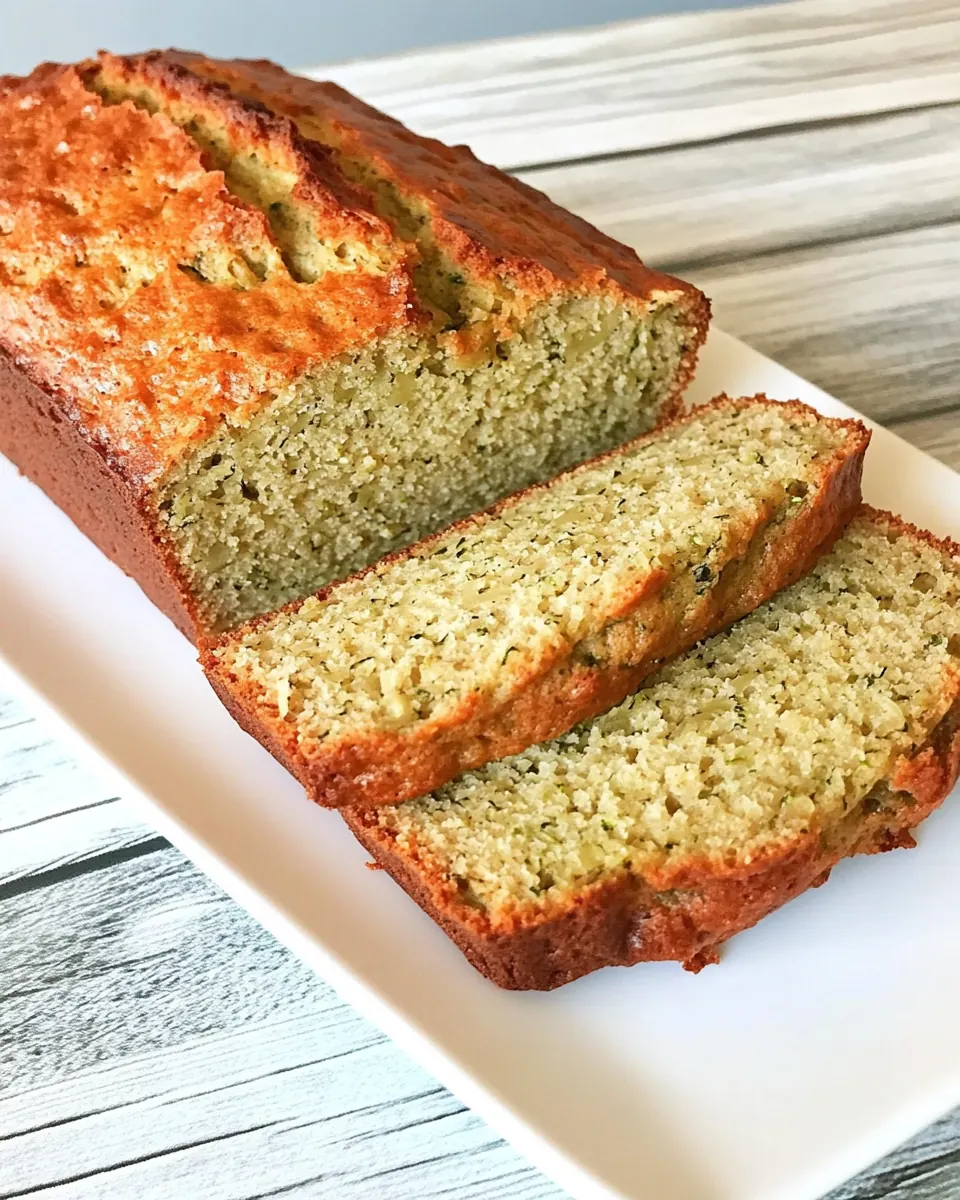
Classic Zucchini Bread has been my go to when neighbors drop off extra garden vegetables, and it always makes the house smell like cozy afternoons.
I remember the first time I baked Classic Zucchini Bread for a casual weekend brunch, I was juggling a wobbly box of zucchini and an enthusiastic toddler who wanted to help. The batter was thin and forgiving, and the aroma that filled the kitchen as the loaves browned felt like an instant warm hug. Over time I learned small rituals that nudge this simple loaf from good to memorable, like grating the zucchini finely so it melts into the crumb, and using a gentle hand when folding the wet and dry mixes together. Baking two loaves felt indulgent then, but they disappeared faster than I expected, sliced warm and spread with a touch of butter.
When guests ask for the recipe, I talk about how forgiving Classic Zucchini Bread is, and how it fits into so many moments, from potlucks to lazy weekend breakfasts. I also love that it lets you play a little with texture and spice while staying true to an old fashioned comfort. Each loaf carries a story of slightly different spices, occasionally swapped oil types, and those small choices make every batch feel personal. My favorite memory is bringing a pair of warm loaves to a friend after a long hospital stay, and watching her face relax with the first bite, which reminded me why I keep this recipe dog eared in my mental cookbook.
Recipe Snapshot
1 hr 5 mins
20 mins
45 mins
Medium
200 kcal
American
Gluten-Free, Low FODMAP
Breakfast
5 x 8-inch loaf pans, Mixing bowls, Grater, Measuring cups and spoons, Spatula, Oven
Why This Classic Zucchini Bread Is a Winner
Reliable, comforting flavor
I always come back to the fact that Classic Zucchini Bread tastes familiar and homey, yet it never feels dull. The combination of granulated white sugar and warming spices creates a balanced sweetness that highlights the zucchini rather than hiding it. When I slice into a loaf, the smell of cinnamon and nutmeg fills the air, and that first bite brings a soft, tender crumb that keeps people reaching for more.
Versatile and forgiving
One reason I love this recipe is how forgiving it is if life gets messy while baking. The batter is thin, so even if you overmix a little, the loaf still comes out tender. I appreciate that you can easily tweak the oil or sugar levels to suit dietary preferences without derailing the loaf. That kind of flexibility means I can adapt it to what I have on hand and still get reliable results when I need a quick gift or a last minute brunch centerpiece.
Great for sharing and gifting
I often bake two loaves at once and give one away. The texture holds up well when wrapped, and the aroma travels, which always starts conversations. It’s an approachable gift because most people have fond memories of quick breads, so presenting a warm loaf instantly feels thoughtful. I like that it travels well, and it makes a simple but meaningful present for new neighbors or a friend recovering from illness.
Perfect balance of spice and moisture
The subtle use of ground cinnamon, ground nutmeg, and allspice gives this loaf character without overwhelming the zucchini. The loaf stays moist thanks to the vegetable or canola oil, and the beaten eggs help provide structure so slices hold together gracefully. I love the way the crumb stays tender even after a day, which makes it convenient for busy mornings when you want a slice with coffee or tea.
Quick to pull together
What sells this recipe to me is speed. From grating the zucchini to sliding pans into the oven, it moves efficiently. That practicality makes it a recipe I return to when time is short but I still want something handmade. The straightforward process means you can involve helpers, and the end result always feels earned and satisfying.
Ingredients Overview for Classic Zucchini Bread
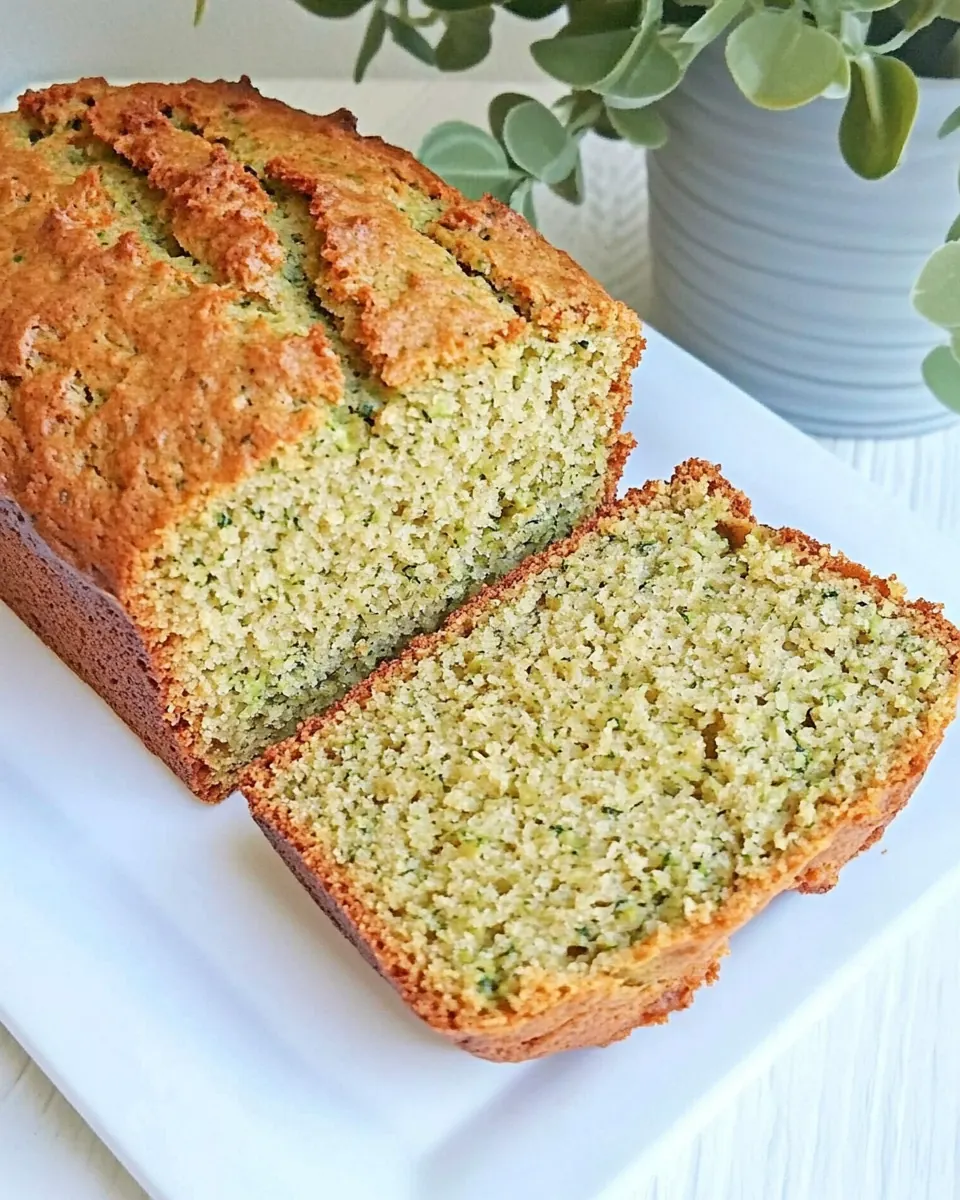
The ingredient list for Classic Zucchini Bread is built on a few key players that work together to create moist texture and warm flavor. The dry staples provide structure, the spices add aromatic depth, the grated zucchini brings moisture and a subtle vegetable sweetness, and the oil and eggs bind it all into a tender crumb. These elements are intentionally simple, which is why this loaf is both dependable and adaptable.
- 3 1/2 cups all purpose flour: Provide structure and bulk to the loaf, forming the gluten framework that holds the bread together while yielding a tender crumb when mixed properly and not overworked.
- 2 cups granulated white sugar: Sweeten the batter and promote moistness by dissolving into the wet ingredients, helping to tenderize the crumb and enhance overall flavor balance in the bread.
- 1 1/2 teaspoons baking soda: Act as a leavening agent that reacts with acidic components and moisture to produce carbon dioxide, contributing to rise and a light, airy texture throughout the loaf.
- 1 teaspoon salt: Enhance and balance flavors while strengthening gluten slightly; also helps control yeast activity in recipes and prevents overly sweet or flat taste profiles.
- 1 teaspoon ground cinnamon: Introduce warm, aromatic spice notes that complement zucchini and sugar, adding depth and a comforting fragrance that permeates the bread as it bakes.
- 3/4 teaspoon baking powder: Provide additional leavening power alongside baking soda to create lift and a finer crumb, particularly useful when relying on chemical leaveners for rise.
- 1/2 teaspoon ground nutmeg: Add a warm, nutty aroma and subtle sweetness that deepens the spice profile, pairing well with cinnamon and enhancing overall complexity of the loaf.
- 1/2 teaspoon allspice: Contribute a warm, slightly peppery and clove-like nuance, intensifying the spice blend and rounding out the aromatic character of the bread.
- 2 cups grated zucchini: Supply moisture, texture, and a fresh vegetable sweetness that keeps the loaf tender; grated form distributes evenly to maintain moist pockets and natural flavor.
- 1 cup vegetable or canola oil: Offer fat that enriches the batter, moisturizes the crumb, and aids in tenderness and mouthfeel while contributing to even baking and shelf stability.
- 4 large eggs, beaten: Bind ingredients together, incorporate air when beaten, and contribute to structure and richness; eggs also help set the crumb and improve texture.
- 1 1/2 teaspoons vanilla extract: Provide a sweet, floral aroma and subtle flavor lift that enhances other ingredients, rounding out the overall taste and giving a familiar bakery note.
Recipe Steps for Classic Zucchini Bread
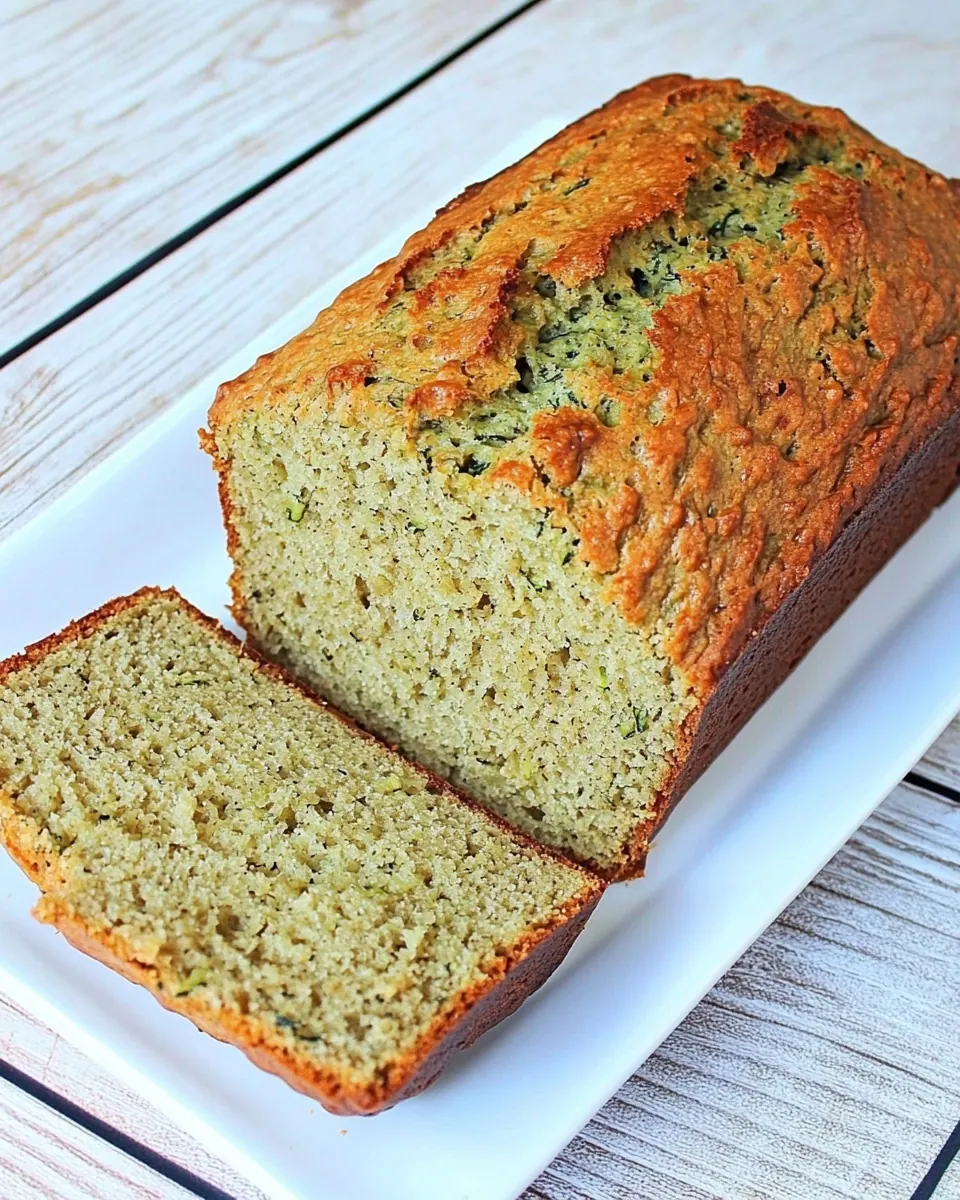
This recipe is effortless and comforting. I like to keep a rhythm as I move from measuring dry ingredients to combining the wet ones, because the thin batter benefits from confident, relaxed handling. Below I expand each directions line into detailed, sensory rich steps so you can bake with confidence.
- Preheat the oven to 350 degrees F. Spray two 5 x 8-inch loaf pans with nonstick spray.: You should notice a gentle warmth build in the oven, and when the pans are oiled the batter will slide out easily after baking. Preheating is crucial so the loaf begins rising immediately, producing an even crumb and a nicely domed top. A common mistake is putting batter into an oven that is not fully heated, which can cause a sluggish rise and dense centers. If your oven runs hot, use an oven thermometer to verify accuracy.
- Sift all of the dry ingredients (flour through allspice) into a large bowl.: As you sift, the airiness of the flour and the mingling of spices become obvious, and the dry mixture will smell warmly spiced. Sifting breaks up any lumps and ensures even distribution so pockets of baking soda or spice do not create uneven flavor or rise. Home bakers sometimes skip sifting and end up with unevenly mixed leaveners, so take the extra minute to incorporate everything thoroughly with a whisk if you do not have a sifter.
- In separate bowl, combine the zucchini with the remaining (liquid) ingredients. Stir in the dry ingredients and combine until wet. The mixture will be thin. Divide the batter between the loaf pans.: When you mix the grated zucchini with the vegetable or canola oil , beaten eggs , and vanilla extract , you will see the shiny, slightly viscous texture of the oil coat the shreds and the mixture smell fresh and faintly sweet. This wet blend hydrates the flour when combined and helps distribute moisture consistently. A slip to watch for is adding very watery zucchini without accounting for it, which can make the batter too loose; if yours is extremely wet, pat it lightly in a clean towel.
- Bake for 45 minutes, or until a toothpick inserted into the center comes out clean.: After the dry and wet components meet, you will feel the batter turn silky and noticeably thinner than cake batter. This thin consistency is normal because the zucchini releases moisture during mixing. Use a flexible spatula to fold until no visible streaks of flour remain, taking care not to overmix which can tighten the crumb. Pour the batter evenly into both prepared pans, tapping gently to remove air bubbles. A common oversight is over mixing at this stage, leading to tougher bread, so stop once mixed.
- Bake for 45 minutes, or until a toothpick inserted into the center comes out clean: As the loaves bake, your kitchen will fill with the scent of toasted sugar and warm spices, and you will see the crust turn a golden brown. The surface should feel springy when lightly touched and begin to pull slightly from the pan edges. The toothpick test confirms doneness, because an underbaked center will produce a gummy texture. If the top browns too quickly, tent with foil for the final 10 minutes to avoid overbrowning while the center finishes cooking.
Recipe Notes about Classic Zucchini Bread
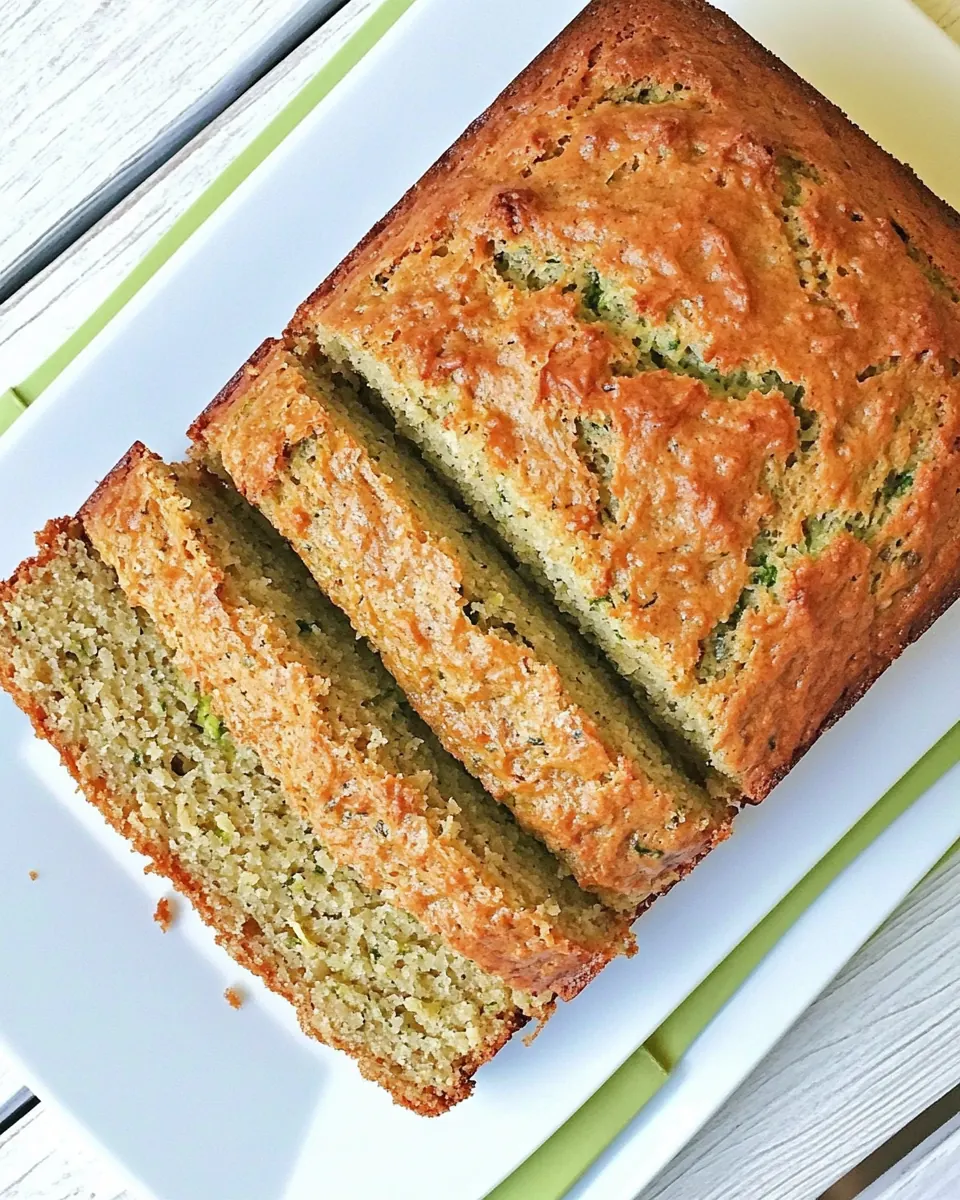
I often jot down notes when I tweak this recipe, and over time I developed a handful of practical tips that consistently improve the loaf. Below are extended notes that I rely on when I want predictable results or need to adapt the recipe for different occasions.
- Flour measurement matters, spoon the all purpose flour into your measuring cup and level it. Scooping directly can pack too much flour, yielding a denser loaf. If you like, weigh your flour for absolute precision.
- Grate the zucchini finely, not coarsely, so it melds into the crumb and distributes moisture evenly. Coarse shreds can create uneven pockets of moisture and affect slice presentation.
- Keep the batter slightly thin, this is expected because of the moisture in the zucchini. Resist the urge to thicken it with extra flour, as that will change the tender texture you want.
- Oil keeps the loaf moist, so choose a neutral oil like vegetable or canola oil. Butter will change texture and may produce a firmer crumb, which some prefer, but the oil yields the classic result.
- Use an oven thermometer if your oven is inconsistent. Accurate temperature ensures the exterior browns correctly while the interior cooks through without drying.
What to Pair With Classic Zucchini Bread
This loaf pairs beautifully with simple accompaniments and fits a variety of occasions. Serve it warm for breakfast, pack slices for a picnic, or bring it to a casual gathering. Below I outline pairing ideas, serving styles, and storage tips to help you present it with confidence.
- Breakfast spread, serve slices warm with a sliver of softened butter and a steaming cup of coffee or tea. The bread’s soft crumb and warm spices pair perfectly with morning beverages for a comforting start to the day.
- Brunch table, arrange several slices alongside fresh fruit and yogurt for a relaxed brunch. The loaf adds substance without being heavy, making it a friendly companion to lighter sides and savory quiches.
- Snack or dessert, offer thin slices as a sweet snack in the afternoon. It works well with a dollop of plain yogurt or a smear of nut butter, creating a satisfying mini treat for kids and adults alike.
- Gifting and potlucks, wrap a warm loaf in parchment and ribbon for a thoughtful homemade gift. It travels well and will be appreciated at potlucks where guests can slice as they like.
- Storage tips, store cooled loaves wrapped in plastic wrap at room temperature for up to three days, or freeze slices for up to three months. Thaw at room temperature or warm briefly in a low oven to refresh texture.
- Seasonal pairings, in summer when zucchini is abundant, this loaf highlights garden produce. It also fits autumn tables where warm spices feel right at home, making it versatile across seasons.
FAQ
Conclusion
Classic Zucchini Bread shines because it combines simple pantry ingredients into a moist, warmly spiced loaf that feels like comfort in every slice. I encourage you to give it a try, whether you are using backyard zucchini or a store bought batch, because this recipe is forgiving and rewarding. Share a loaf with neighbors, serve it warm for brunch, or tuck slices into lunchboxes, and enjoy how this humble quick bread can brighten ordinary moments with its familiar flavors and tender texture.
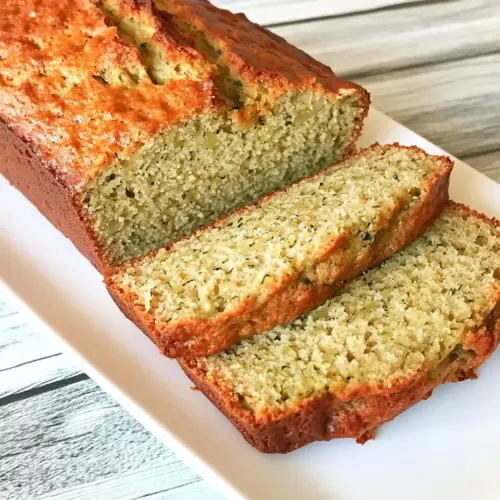
Classic Zucchini Bread
Equipment
- 5 x 8-inch loaf pans
- Mixing Bowls
- Grater
- Measuring Cups and Spoons
- Spatula
- Oven
Ingredients
- 3 1/2 cups all purpose flour Provide structure and bulk to the loaf, forming the gluten framework that holds the bread together while yielding a tender crumb when mixed properly and not overworked.
- 2 cups granulated white sugar Sweeten the batter and promote moistness by dissolving into the wet ingredients, helping to tenderize the crumb and enhance overall flavor balance in the bread.
- 1 1/2 teaspoons baking soda Act as a leavening agent that reacts with acidic components and moisture to produce carbon dioxide, contributing to rise and a light, airy texture throughout the loaf.
- 1 teaspoon salt Enhance and balance flavors while strengthening gluten slightly; also helps control yeast activity in recipes and prevents overly sweet or flat taste profiles.
- 1 teaspoon ground cinnamon Introduce warm, aromatic spice notes that complement zucchini and sugar, adding depth and a comforting fragrance that permeates the bread as it bakes.
- 3/4 teaspoon baking powder Provide additional leavening power alongside baking soda to create lift and a finer crumb, particularly useful when relying on chemical leaveners for rise.
- 1/2 teaspoon ground nutmeg Add a warm, nutty aroma and subtle sweetness that deepens the spice profile, pairing well with cinnamon and enhancing overall complexity of the loaf.
- 1/2 teaspoon allspice Contribute a warm, slightly peppery and clove-like nuance, intensifying the spice blend and rounding out the aromatic character of the bread.
- 2 cups grated zucchini Supply moisture, texture, and a fresh vegetable sweetness that keeps the loaf tender; grated form distributes evenly to maintain moist pockets and natural flavor.
- 1 cup vegetable or canola oil Offer fat that enriches the batter, moisturizes the crumb, and aids in tenderness and mouthfeel while contributing to even baking and shelf stability.
- 4 large eggs, beaten Bind ingredients together, incorporate air when beaten, and contribute to structure and richness; eggs also help set the crumb and improve texture.
- 1 1/2 teaspoons vanilla extract Provide a sweet, floral aroma and subtle flavor lift that enhances other ingredients, rounding out the overall taste and giving a familiar bakery note.
Instructions
- Preheat the oven to 350 degrees F. Spray two 5 x 8-inch loaf pans with nonstick spray.: You should notice a gentle warmth build in the oven, and when the pans are oiled the batter will slide out easily after baking. Preheating is crucial so the loaf begins rising immediately, producing an even crumb and a nicely domed top. A common mistake is putting batter into an oven that is not fully heated, which can cause a sluggish rise and dense centers. If your oven runs hot, use an oven thermometer to verify accuracy.
- Sift all of the dry ingredients (flour through allspice) into a large bowl.: As you sift, the airiness of the flour and the mingling of spices become obvious, and the dry mixture will smell warmly spiced. Sifting breaks up any lumps and ensures even distribution so pockets of baking soda or spice do not create uneven flavor or rise. Home bakers sometimes skip sifting and end up with unevenly mixed leaveners, so take the extra minute to incorporate everything thoroughly with a whisk if you do not have a sifter.
- In separate bowl, combine the zucchini with the remaining (liquid) ingredients. Stir in the dry ingredients and combine until wet. The mixture will be thin. Divide the batter between the loaf pans.: When you mix the grated zucchini with the vegetable or canola oil , beaten eggs , and vanilla extract , you will see the shiny, slightly viscous texture of the oil coat the shreds and the mixture smell fresh and faintly sweet. This wet blend hydrates the flour when combined and helps distribute moisture consistently. A slip to watch for is adding very watery zucchini without accounting for it, which can make the batter too loose; if yours is extremely wet, pat it lightly in a clean towel.
- Bake for 45 minutes, or until a toothpick inserted into the center comes out clean.: After the dry and wet components meet, you will feel the batter turn silky and noticeably thinner than cake batter. This thin consistency is normal because the zucchini releases moisture during mixing. Use a flexible spatula to fold until no visible streaks of flour remain, taking care not to overmix which can tighten the crumb. Pour the batter evenly into both prepared pans, tapping gently to remove air bubbles. A common oversight is over mixing at this stage, leading to tougher bread, so stop once mixed.
- Bake for 45 minutes, or until a toothpick inserted into the center comes out clean: As the loaves bake, your kitchen will fill with the scent of toasted sugar and warm spices, and you will see the crust turn a golden brown. The surface should feel springy when lightly touched and begin to pull slightly from the pan edges. The toothpick test confirms doneness, because an underbaked center will produce a gummy texture. If the top browns too quickly, tent with foil for the final 10 minutes to avoid overbrowning while the center finishes cooking.
Notes
- Flour measurement matters, spoon the all purpose flour into your measuring cup and level it. Scooping directly can pack too much flour, yielding a denser loaf. If you like, weigh your flour for absolute precision.
- Grate the zucchini finely, not coarsely, so it melds into the crumb and distributes moisture evenly. Coarse shreds can create uneven pockets of moisture and affect slice presentation.
- Keep the batter slightly thin, this is expected because of the moisture in the zucchini. Resist the urge to thicken it with extra flour, as that will change the tender texture you want.
- Oil keeps the loaf moist, so choose a neutral oil like vegetable or canola oil. Butter will change texture and may produce a firmer crumb, which some prefer, but the oil yields the classic result.
- Use an oven thermometer if your oven is inconsistent. Accurate temperature ensures the exterior browns correctly while the interior cooks through without drying.