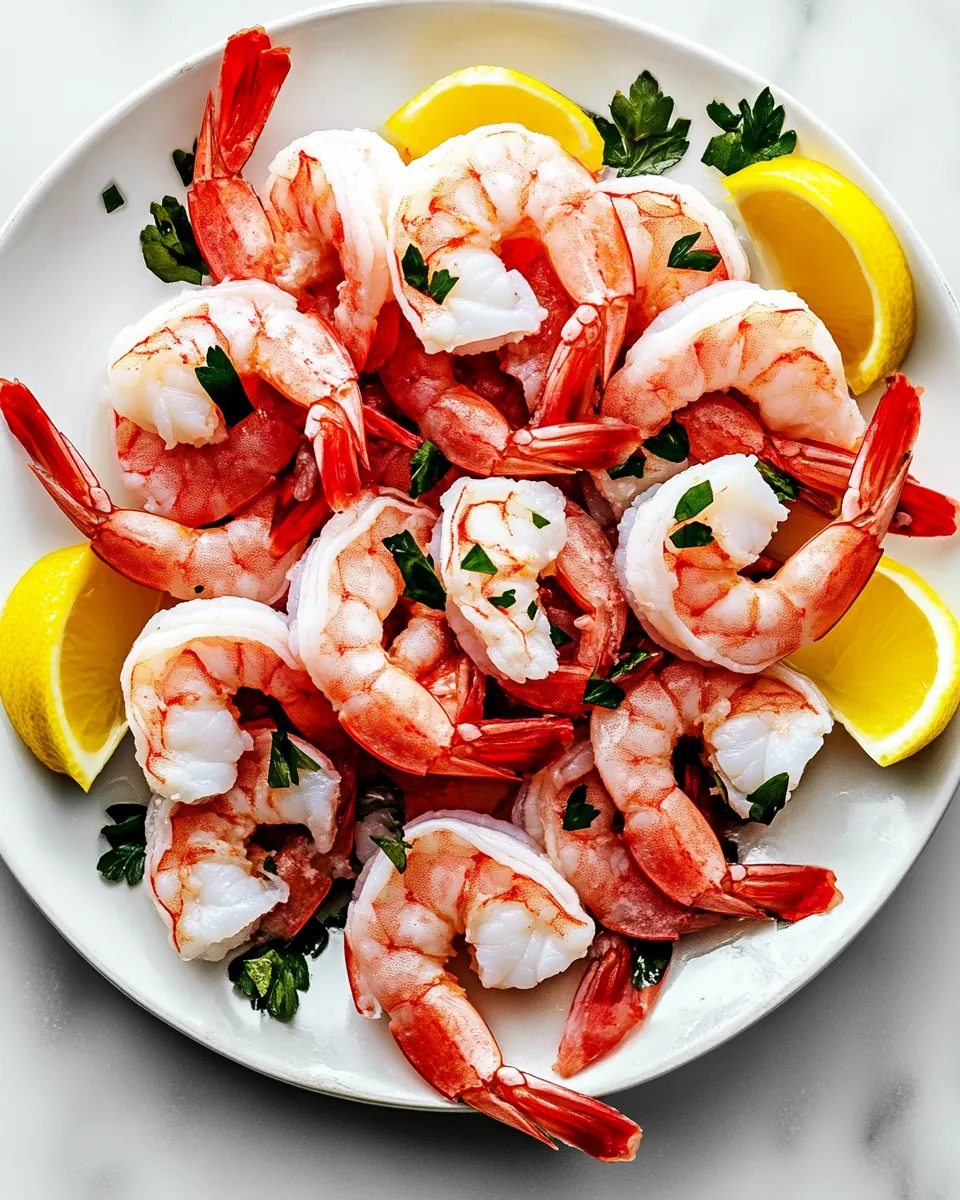
Poached Shrimp
Poached Shrimp has a way of bringing spring and summer to the table even on an ordinary weeknight. The first time I made this, I was rushing between errands and needed something quick, elegant, and forgiving. I pulled together a simple broth, dropped in the shrimp, and within minutes we had a light, satisfying plate that felt restaurant worthy without the fuss. From that moment on, this became my go to when I wanted seafood that tasted fresh and stayed tender.
What I love about Poached Shrimp is how the technique elevates the shrimp rather than masking it. I remember the steam rising as the lemon scent filled the kitchen, and how every bite was slightly springy and bright. It’s a recipe that teaches patience for a moment, because the real trick is knowing when to stop cooking, so the texture stays perfect. Over the years I’ve tweaked the little details, and every time it lands well at the table, whether we’re snacking or building a salad around it.
Recipe Snapshot
9 mins
5 mins
4 mins
Easy
150 kcal
American
Gluten-Free, Low FODMAP
Dinner
Large stockpot, Ice bowl, Slotted spoon
Why This Poached Shrimp Stands Out
Simplicity that sings
I love Poached Shrimp because the method highlights the natural sweetness of the shrimp. A few aromatics in the poaching liquid are all you need to coax flavor without overpowering the seafood. When I want dinner to feel effortless but thoughtful, this is my go to.
Fast and forgiving
This recipe is wonderfully forgiving, which matters when life gets hectic. The short cook window means you can walk away for a moment and still come back to a tasty result. I often rely on it for quick weeknight meals or last minute guests.
Versatile for many dishes
I use poached shrimp for everything from shrimp cocktail to tossed salads or tucked into tacos. The neutral, bright flavor pairs with many sauces and sides, so I rarely cook shrimp any other way when I want adaptability.
Consistent texture
The gentle poach keeps the shrimp tender rather than rubbery. I value texture as much as taste, and this method consistently delivers the slightly firm, plump bite I aim for. That reliability makes it a recipe I return to again and again.
Minimal ingredients, maximum impact
With just water, lemon, a bay leaf, peppercorns, and salt, you get a clear, bright flavor profile. I appreciate recipes that ask for so little yet reward you richly, and that is exactly what this dish does.
Main Ingredients for Poached Shrimp
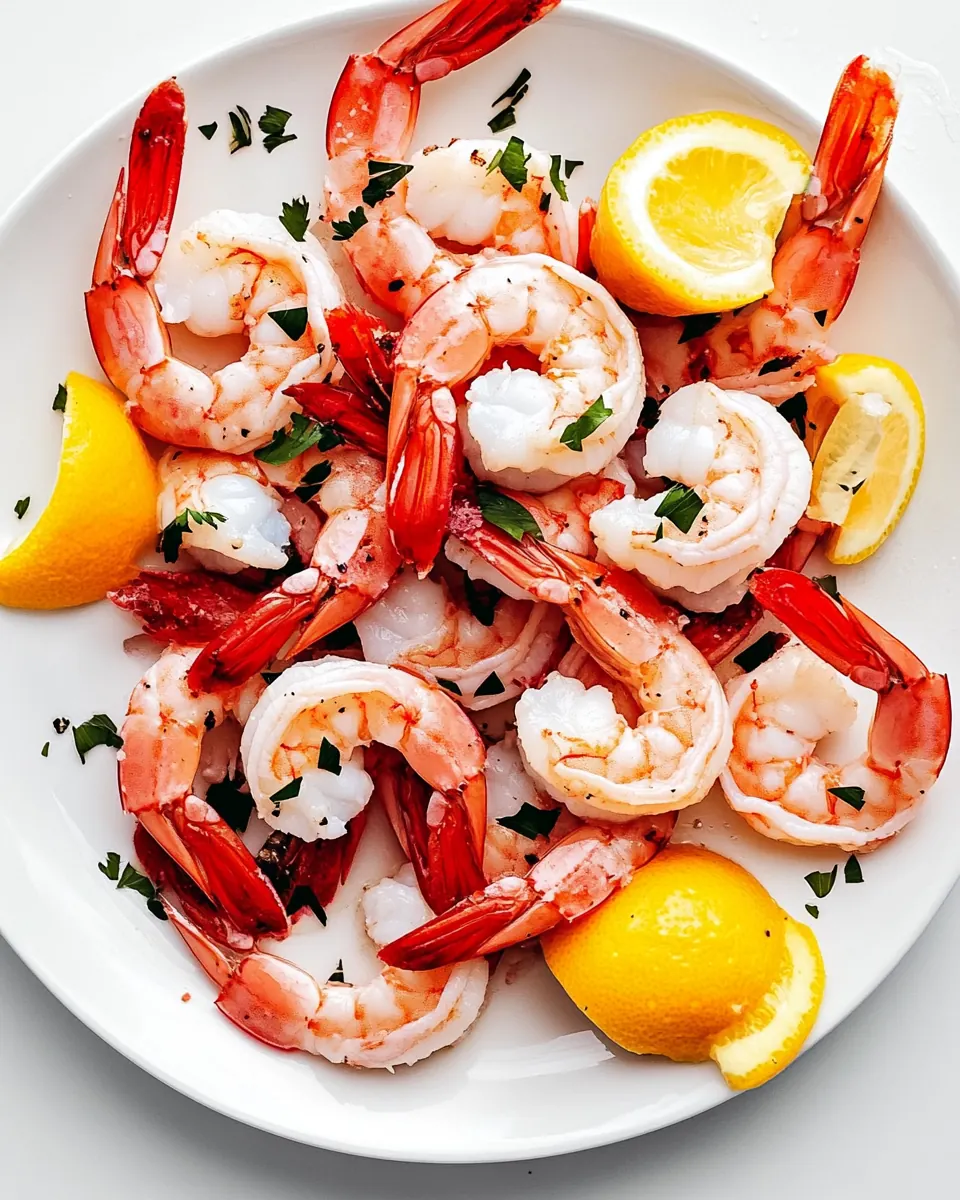
The philosophy behind these ingredients is all about clarity and balance. Each item plays a clear role, from tenderizing and seasoning the shrimp to brightening the final plate. Together they create a poaching liquid that seasons gently and lets the natural seafood flavors shine.
- 1 pound uncooked fresh or frozen large shrimp, 21-25 per pound, peeled, deveined, and tails removed: Provide tender, protein-rich seafood that is the centerpiece of the dish; poaches quickly in simmering liquid to retain sweet, delicate texture. Use peeled, deveined, and tail-removed shrimp for even cooking and easy eating, adjusting timing for size to avoid toughness. Fresh or properly thawed frozen shrimp yield best flavor and consistent results when added to the poaching liquid.
- 8 cups water: Create the gentle simmering medium that transfers heat evenly and poaches the shrimp without boiling; dilutes and balances aromatics for a subtle flavored broth. Use enough water to fully submerge the shrimp so they cook uniformly, and maintain a low simmer to prevent aggressive agitation that can toughen the seafood. Optionally reserve some poaching liquid for thinning sauces or for serving as a light broth.
- 1 lemon, halved: Add bright, citrusy acidity and aromatics by squeezing or adding the halves to the poaching liquid; helps lift and complement the natural sweetness of the shrimp. Rubbing the cut surfaces releases juice and essential oils into the water, enhancing overall flavor without overpowering. Discard or reserve the used halves as desired after poaching to control intensity.
- 1 bay leaf: Impart a subtle, savory herbal note to the poaching liquid that complements seafood without dominating it; bay leaf slowly releases aromatic compounds during gentle simmering. Use a whole leaf so it can be removed easily after cooking, contributing depth and background flavor to the broth. Pair with other mild aromatics to create a balanced poaching base.
- 4 peppercorns: Provide mild, warm spice and a hint of peppery complexity when added whole to the poaching liquid; releases volatile oils slowly during simmering. Use a few peppercorns to avoid overwhelming the delicate shrimp flavor while adding a subtle aromatic lift. Crush lightly if a stronger, more immediate peppery character is desired.
- 1 tablespoon kosher salt: Season the poaching liquid to enhance and bring out the natural flavors of the shrimp; helps to firm the texture slightly and prevents blandness. Dissolve kosher salt in the water before adding shrimp for even distribution, and adjust quantity to taste or dietary needs. Use measured salt to ensure consistent, balanced seasoning across batches.
Step by Step Instructions for Poached Shrimp
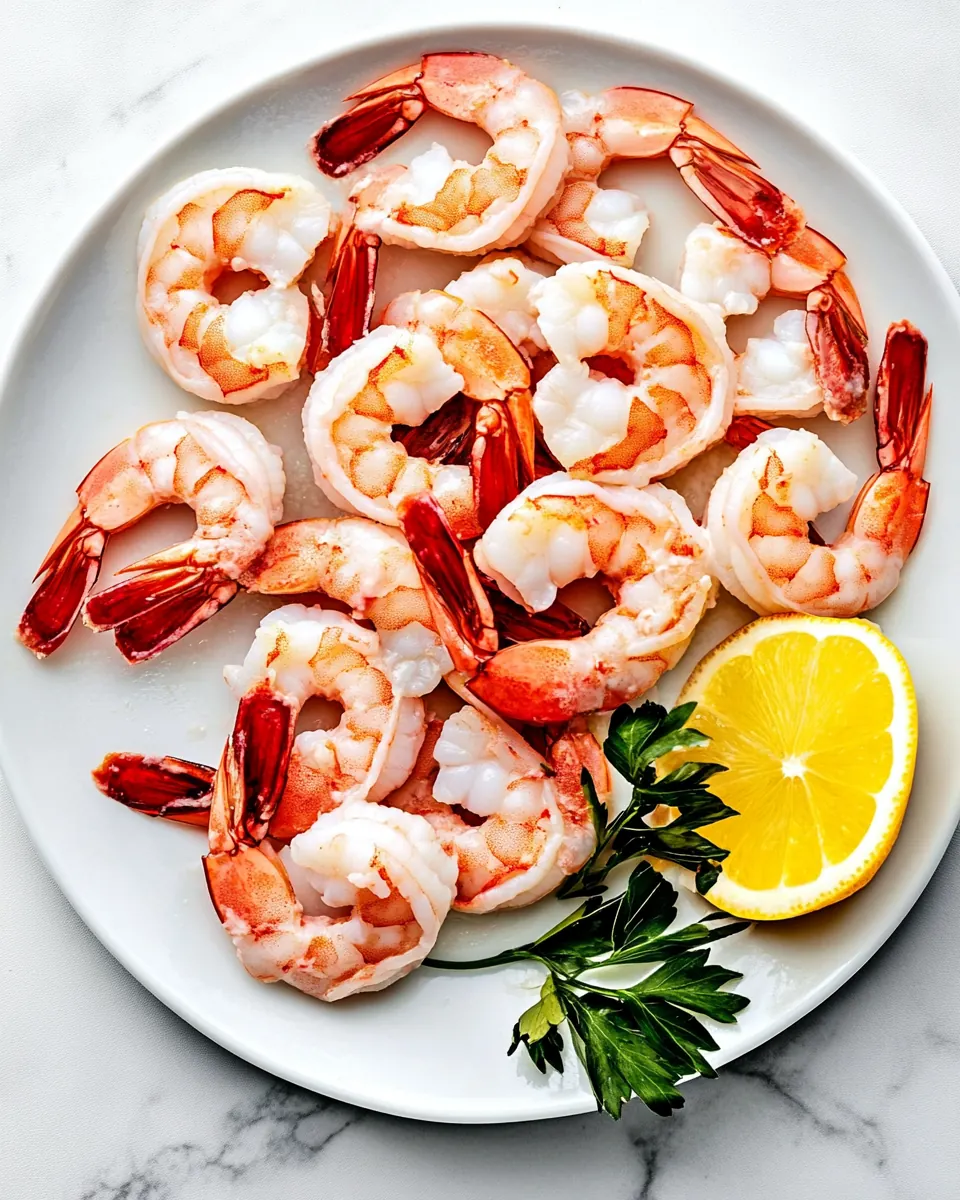
These steps are straightforward, but pay attention to timing and sensory cues. Poaching is about gentle heat and careful observation to hit that perfect, slightly firm texture. I’ll walk you through what to listen for and how things should look and smell as you go.
- Prep the poaching broth. In a large stockpot, add 8 cups water, the juice of 1 lemon and lemon halves, 1 bay leaf, 4 peppercorns, and 1 tablespoon kosher salt.: You'll notice bright citrus notes as the lemon joins the warm water, with the bay leaf offering a subtle herb background. Stir briefly so the salt dissolves, and let the ingredients mingle to build a fragrant base. This step matters because a well flavored broth seasons the shrimp from the inside out, rather than forcing you to salt them only on the surface. A common mistake is rushing this step and adding shrimp to water that is not properly infused, which can lead to bland results. If your kitchen smells lightly of lemon and faint herbs, you’re on the right track.
- Poach the shrimp. Bring to a boil then turn off the heat. Add 1 pound shrimp to the hot water and poach for 3-4 minutes or until the shrimp turn opaque and are just firm to the touch.: As the pot comes to a boil you’ll hear a soft rolling sound, and the steam will carry a fresh citrus scent. Turning off the heat and letting the residual heat do the cooking ensures gentle, even doneness. The visual cue to watch for is the shrimp turning opaque and pink, with the flesh looking slightly curled but not tightly coiled. The why here is critical, gentle heat prevents the proteins from tightening too aggressively, which keeps the texture tender. One frequent error is leaving the shrimp in the water too long, which makes them rubbery, so set a timer and check early.
- Immediately drain and transfer the shrimp to an ice-water bath until cool. Drain the shrimp and transfer them to a plate lined with paper towels to cool.: The moment you remove the shrimp from the warm liquid, plunge them into ice water to halt the cooking process. You should hear a faint clink as the shrimp hit the ice water and see tiny bubbles stop rising from the surface. This shock locks in the tender texture and prevents carryover cooking that would otherwise overcook the seafood. A common pitfall is skipping the ice bath, which often results in slightly overcooked shrimp . If your shrimp remain slightly firm and springy after chilling, you’ve done this correctly.
- Drain the shrimp and transfer them to a plate lined with paper towels to cool.: After chilling, draining on paper towels helps remove excess water so the shrimp are ready for serving or incorporation into other dishes. Visually, the surface should look dry and satin like, not wet. This helps sauces adhere and prevents dilution of dressings. Avoid stacking shrimp while they drain as trapped moisture can make the texture soggy. If you notice a watery puddle, blot gently to keep the bite clean and concentrated.
Tips and Tricks about Poached Shrimp
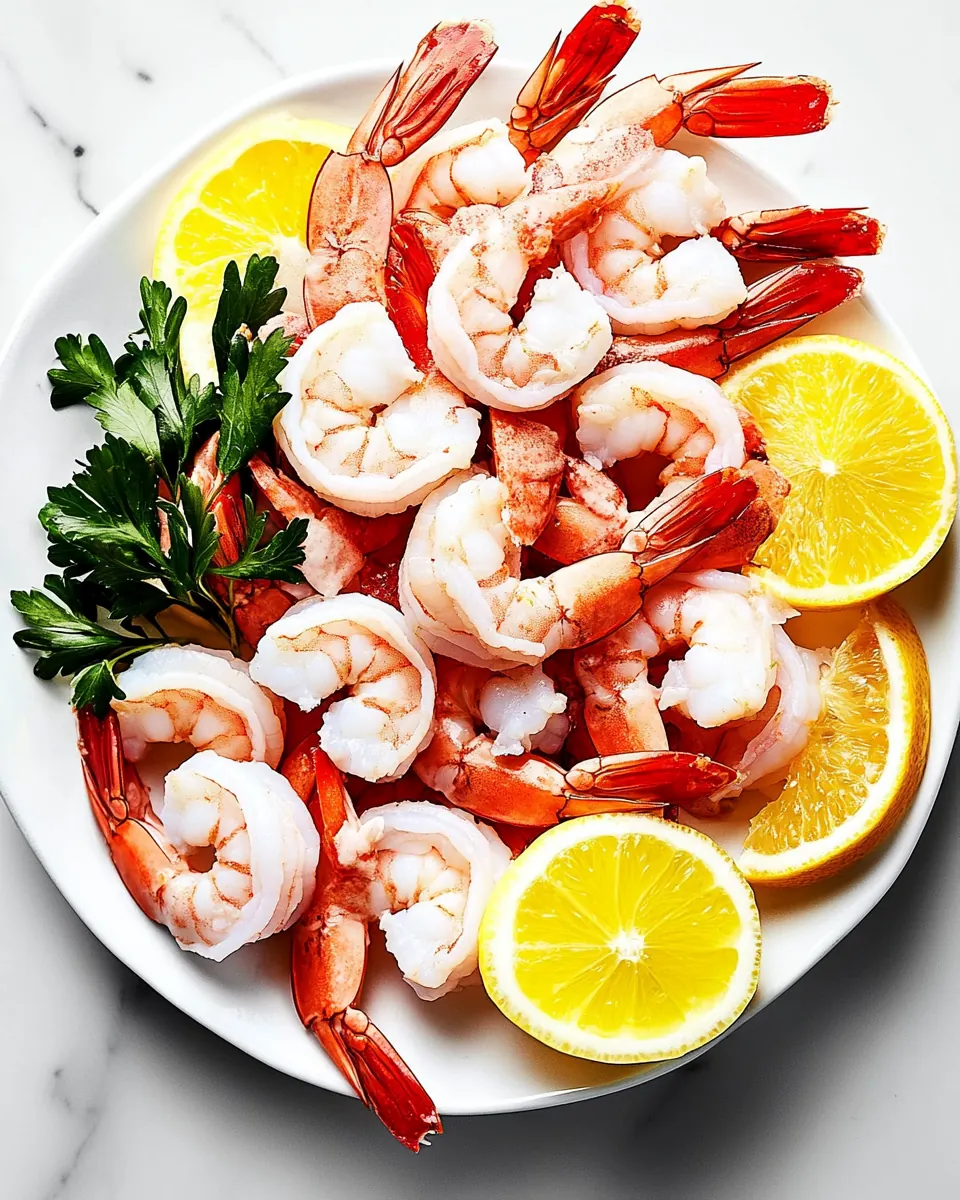
These tips expand on small decisions that make a big difference in the final dish. I share what I’ve learned the hard way so you don’t have to repeat my mistakes. Read each carefully and adapt to your kitchen rhythm.
- Choose the right shrimp size. Larger shrimp give a meatier bite and hold up well to poaching without becoming fragile. If you grab frozen shrimp, thaw them in the refrigerator overnight for the best texture.
- Respect the timing. A brief poach followed by an immediate ice bath is key to tender results, so set a timer and be ready with the ice water before you add the shrimp.
- Infuse the water. Squeezing the lemon and adding the halves adds both juice and essential oils, which brightens the shrimp without masking its flavor.
- Season the water, not just the shrimp. Salting the poaching liquid seasons the shrimp internally, producing a more balanced final bite than only salting at the end.
- Use a wide pot. A broader surface area lets the water heat evenly and gives the shrimp room, which helps with consistent cook time across the batch.
Serving Suggestions
Poached shrimp is flexible, and how you present it can change the meal’s tone from casual to elegant. Below are serving ideas, storage notes, and occasion suggestions to help you plan.
- Shrimp cocktail plate with chilled sauce: Arrange the cooled shrimp on a platter with a small bowl of sauce for a classic appetizer presentation that works well for parties and gatherings.
- Tossed salads: Add room temperature or chilled shrimp to leafy greens, grain bowls, or pasta salads to build a quick dinner or lunch with contrasting textures.
- Light sandwiches or rolls: Combine the shrimp with a zesty dressing and crisp vegetables for handhelds perfect for picnics and casual meals.
- Special occasions and holidays: Use the shrimp as an elegant starter for holiday dinners or celebratory meals, the clean flavors pair well with lemon centric sides and bright salads.
- Storage tips: Store cooled shrimp in an airtight container in the refrigerator for up to two days. For longer storage, freeze in a shallow layer on a sheet tray, then transfer to a sealed bag for up to one month.
- Seasonal pairings: In warmer months, pair the shrimp with crisp tomatoes and cucumbers. In cooler months, fold them into warm grain bowls or soups to add a fresh, briny note.
FAQ
Conclusion
Poached Shrimp stands out for its simplicity and reliable, tender results. It’s a quick technique that yields elegant seafood suitable for appetizers, salads, and casual dinners alike. I encourage you to give it a try the next time you want a fast, impressive dish that doesn’t demand much hands on time. Enjoy the bright lemon notes and the clean texture, and feel free to make it your own with small tweaks to the poaching liquid.
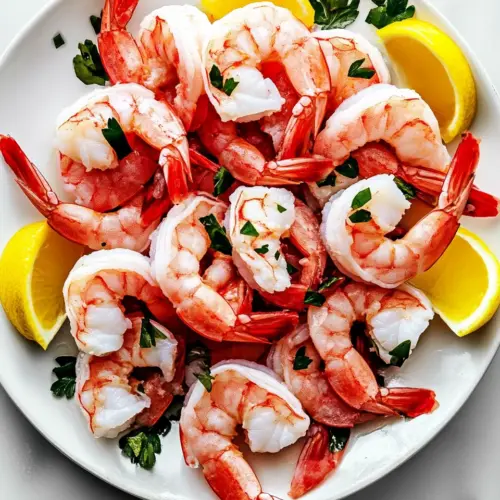
Poached Shrimp
Equipment
- Large Stockpot
- Ice bowl
- Slotted Spoon
Ingredients
- 1 pound uncooked fresh or frozen large shrimp, 21-25 per pound, peeled, deveined, and tails removed Provide tender, protein-rich seafood that is the centerpiece of the dish; poaches quickly in simmering liquid to retain sweet, delicate texture. Use peeled, deveined, and tail-removed shrimp for even cooking and easy eating, adjusting timing for size to avoid toughness. Fresh or properly thawed frozen shrimp yield best flavor and consistent results when added to the poaching liquid.
- 8 cups water Create the gentle simmering medium that transfers heat evenly and poaches the shrimp without boiling; dilutes and balances aromatics for a subtle flavored broth. Use enough water to fully submerge the shrimp so they cook uniformly, and maintain a low simmer to prevent aggressive agitation that can toughen the seafood. Optionally reserve some poaching liquid for thinning sauces or for serving as a light broth.
- 1 lemon, halved Add bright, citrusy acidity and aromatics by squeezing or adding the halves to the poaching liquid; helps lift and complement the natural sweetness of the shrimp. Rubbing the cut surfaces releases juice and essential oils into the water, enhancing overall flavor without overpowering. Discard or reserve the used halves as desired after poaching to control intensity.
- 1 bay leaf Impart a subtle, savory herbal note to the poaching liquid that complements seafood without dominating it; bay leaf slowly releases aromatic compounds during gentle simmering. Use a whole leaf so it can be removed easily after cooking, contributing depth and background flavor to the broth. Pair with other mild aromatics to create a balanced poaching base.
- 4 peppercorns Provide mild, warm spice and a hint of peppery complexity when added whole to the poaching liquid; releases volatile oils slowly during simmering. Use a few peppercorns to avoid overwhelming the delicate shrimp flavor while adding a subtle aromatic lift. Crush lightly if a stronger, more immediate peppery character is desired.
- 1 tablespoon kosher salt Season the poaching liquid to enhance and bring out the natural flavors of the shrimp; helps to firm the texture slightly and prevents blandness. Dissolve kosher salt in the water before adding shrimp for even distribution, and adjust quantity to taste or dietary needs. Use measured salt to ensure consistent, balanced seasoning across batches.
Instructions
- Prep the poaching broth. In a large stockpot, add 8 cups water, the juice of 1 lemon and lemon halves, 1 bay leaf, 4 peppercorns, and 1 tablespoon kosher salt.: You'll notice bright citrus notes as the lemon joins the warm water, with the bay leaf offering a subtle herb background. Stir briefly so the salt dissolves, and let the ingredients mingle to build a fragrant base. This step matters because a well flavored broth seasons the shrimp from the inside out, rather than forcing you to salt them only on the surface. A common mistake is rushing this step and adding shrimp to water that is not properly infused, which can lead to bland results. If your kitchen smells lightly of lemon and faint herbs, you’re on the right track.
- Poach the shrimp. Bring to a boil then turn off the heat. Add 1 pound shrimp to the hot water and poach for 3-4 minutes or until the shrimp turn opaque and are just firm to the touch.: As the pot comes to a boil you’ll hear a soft rolling sound, and the steam will carry a fresh citrus scent. Turning off the heat and letting the residual heat do the cooking ensures gentle, even doneness. The visual cue to watch for is the shrimp turning opaque and pink, with the flesh looking slightly curled but not tightly coiled. The why here is critical, gentle heat prevents the proteins from tightening too aggressively, which keeps the texture tender. One frequent error is leaving the shrimp in the water too long, which makes them rubbery, so set a timer and check early.
- Immediately drain and transfer the shrimp to an ice-water bath until cool. Drain the shrimp and transfer them to a plate lined with paper towels to cool.: The moment you remove the shrimp from the warm liquid, plunge them into ice water to halt the cooking process. You should hear a faint clink as the shrimp hit the ice water and see tiny bubbles stop rising from the surface. This shock locks in the tender texture and prevents carryover cooking that would otherwise overcook the seafood. A common pitfall is skipping the ice bath, which often results in slightly overcooked shrimp . If your shrimp remain slightly firm and springy after chilling, you’ve done this correctly.
- Drain the shrimp and transfer them to a plate lined with paper towels to cool.: After chilling, draining on paper towels helps remove excess water so the shrimp are ready for serving or incorporation into other dishes. Visually, the surface should look dry and satin like, not wet. This helps sauces adhere and prevents dilution of dressings. Avoid stacking shrimp while they drain as trapped moisture can make the texture soggy. If you notice a watery puddle, blot gently to keep the bite clean and concentrated.
Notes
- Choose the right shrimp size. Larger shrimp give a meatier bite and hold up well to poaching without becoming fragile. If you grab frozen shrimp, thaw them in the refrigerator overnight for the best texture.
- Respect the timing. A brief poach followed by an immediate ice bath is key to tender results, so set a timer and be ready with the ice water before you add the shrimp.
- Infuse the water. Squeezing the lemon and adding the halves adds both juice and essential oils, which brightens the shrimp without masking its flavor.
- Season the water, not just the shrimp. Salting the poaching liquid seasons the shrimp internally, producing a more balanced final bite than only salting at the end.
- Use a wide pot. A broader surface area lets the water heat evenly and gives the shrimp room, which helps with consistent cook time across the batch.