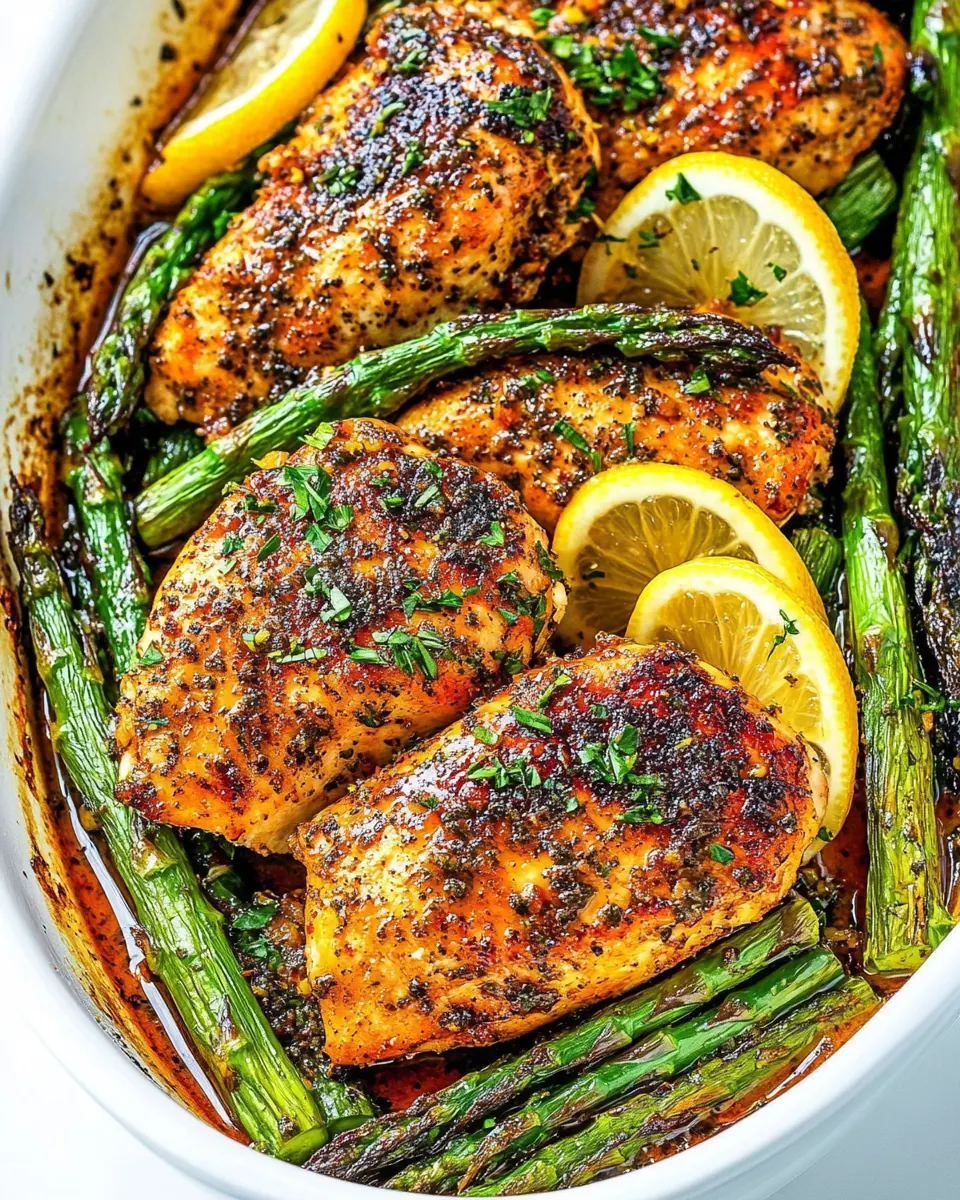
Lemon Pepper Chicken and Asparagus
Lemon Pepper Chicken and Asparagus is the kind of weeknight supper I turn to when I want something bright, savory, and quick on the table.
I first cooked this dish on a tight weekday evening when friends dropped by unexpectedly, and I only had a skillet and a bunch of asparagus in the fridge. I remember the sizzle as the seasoned chicken hit the pan and how the kitchen filled with a citrusy, peppery aroma that made everyone linger. We ate standing at the counter, laughing between bites, and I promised to write the recipe down so I would not forget the simple trick of finishing the asparagus in the same pan for an effortless one pan meal.
Over the years I have tweaked little things, like massaging the seasoning into the chicken and finishing with a splash of lemon juice to lift the sauce. Those small moves turn a routine protein and vegetable into a meal that feels restaurant worthy but is easy enough for a busy night. I love how the tender green stalks keep a bit of snap next to the juicy, pepper kissed chicken, and how the pan sauce soaks into whatever side you choose. This recipe is honest cooking, built on smart technique and bright flavors, and it’s won over picky eaters and weeknight skeptics alike.
Recipe Snapshot
20 mins
8 mins
12 mins
Easy
350 kcal
American
Gluten-Free, Keto
Dinner
Large skillet, Mixing bowl, Tongs, Instant read thermometer
The Charm of This Lemon Pepper Chicken and Asparagus
Bright, balanced flavor
I love how Lemon Pepper Chicken and Asparagus balances citrus brightness with savory, peppery depth. The lemon juice brightens the sauce, while the lemon pepper seasoning and a touch of paprika give warmth. That contrast keeps every bite interesting, and I find myself reaching for seconds.
Speed without compromise
This recipe comes together fast, which is a major selling point for me. You get a juicy chicken and crisp tender asparagus in about the same time it would take to wait for delivery. The method focuses on quick searing and a short braise, so you keep texture and develop flavor at the same time. In my kitchen, efficiency and great taste can coexist comfortably.
One pan, less fuss
I can’t say enough about finishing everything in the same skillet. After you sear the chicken, the same pan becomes the sauce and vegetable station. That means fewer dishes, concentrated flavor from fond deglazing, and an easy, warm plating moment. For busy cooks, this approach is a relief.
Customizable and forgiving
We often adapt this dish to what’s on hand. If I have smaller chicken pieces I shorten the final cook, and if the stalks are extra large I trim and halve them for even cooking. The seasoning scale is flexible too, so you can nudge salt or pepper to suit your taste. That forgiving nature makes this a repeat in my rotation.
Great for sharing
When I host, this is a dependable recipe because it looks composed and tastes fresh without last minute fuss. The glossy pan sauce, a scattering of herbs, and bright green asparagus make a simple dinner feel intentional. I’ve served it at casual dinners and everyone always asks for the recipe.
Recipe Ingredients for Lemon Pepper Chicken and Asparagus
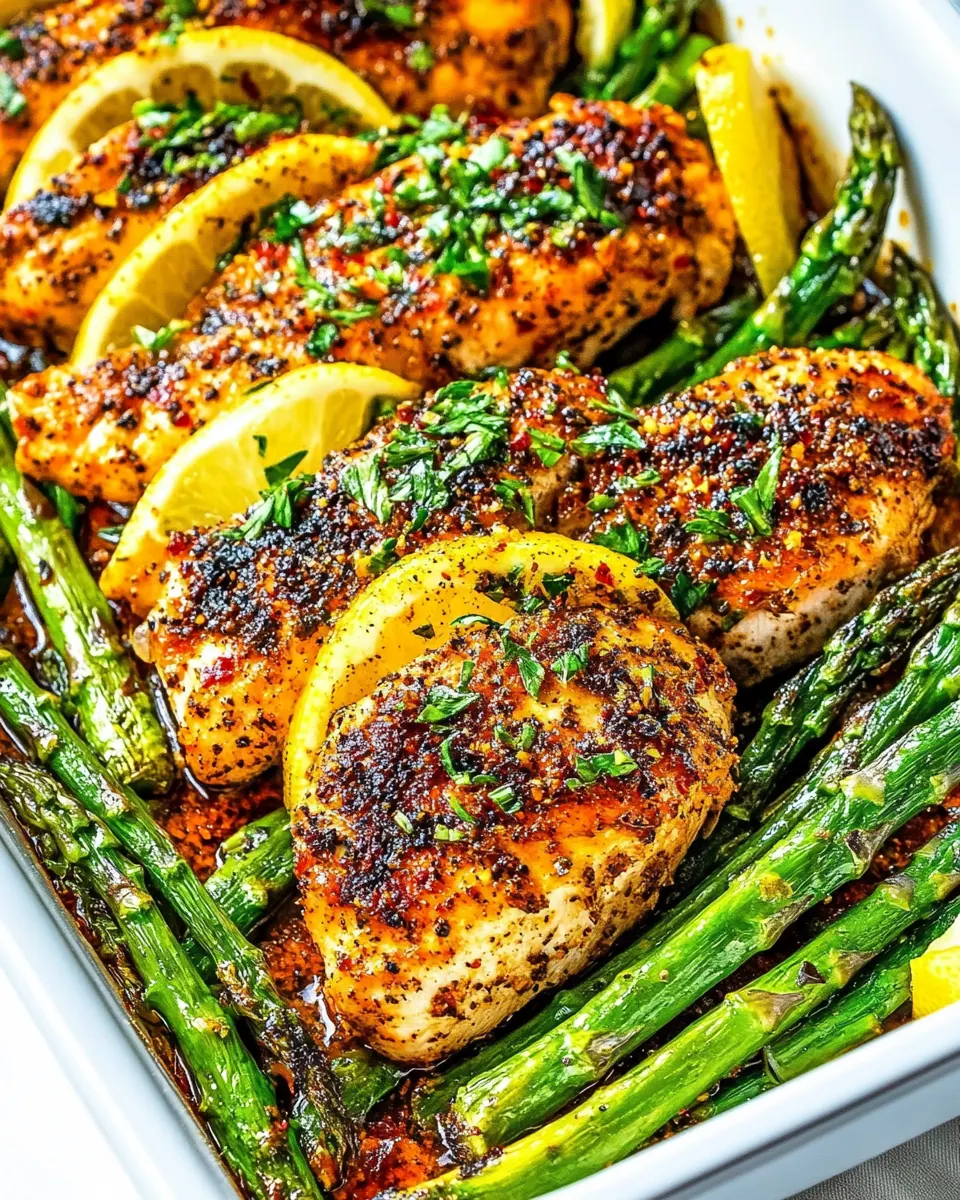
I like to think of these ingredients as a small team where each player has a clear job. The chicken brings protein and a canvas for flavor, while lemon pepper seasoning and lemon juice deliver brightness. The spread and a touch of olive oil help with browning and carry flavor, and the chicken broth forms the base of a glossy pan sauce. Finally, the asparagus adds fresh texture and a grassy contrast that completes the plate.
- 4 boneless, skinless chicken fillets (large chicken breasts sliced through the equator) or thighs: Season and brown proteins evenly to develop a golden crust and lock in juices; helps build the base flavor for the dish and creates Maillard reaction notes that complement the lemon pepper.
- 1 tablespoon olive oil: Coat and sauté ingredients with a small amount of healthy fat to prevent sticking and facilitate even browning; contributes a mild fruity aroma and helps carry fat-soluble flavors through the dish.
- 1 tablespoon lemon pepper seasoning: Season proteins and vegetables early to infuse bright, citrusy heat and create a prominent lemon–pepper profile; provides both acidity perception and peppery bite that defines the dish.
- 1 tsp EACH garlic powder, onion powder: Sprinkle as a dry seasoning to add savory depth and aromatic background; enhances overall flavor by rounding out garlic and onion undertones without adding moisture.
- 1/2 tsp EACH paprika, salt: Enhance color and balance seasoning by adding a touch of warmth and necessary sodium; paprika contributes subtle smokiness while salt amplifies other flavors without overpowering.
- 2 tablespoons lemon juice divided: Brighten and tenderize with acidity while dissolving seasonings; divided use ensures fresh lemon brightness both during cooking and as a finishing lift for balance.
- 3 tablespoons Brummel and Brown® Original Spread divided (may sub butter): Enrich texture and add creamy buttery notes while preventing sticking; divided amounts allow initial cooking richness and a final gloss for presentation and mouthfeel.
- 3 garlic cloves minced: Infuse pungent aromatic layers and savory depth when minced and sautéed; releases essential oils that form a fragrant base and meld seamlessly with lemon flavors.
- 2/3 cups low sodium chicken broth: Deglaze the pan and provide gentle savory liquid for simmering components; low-sodium broth adds body and umami while allowing control over final salt level.
- 1/4 tsp EACH dried oregano, dried parsley, dried thyme: Layer Mediterranean herb complexity to support citrus and pepper flavors; dried oregano, parsley, and thyme contribute earthy, slightly floral notes that hold up to heat.
- 1 pound asparagus (1 bunch) ends trimmed, cut in half: Add vegetal crunch and fresh green flavor while absorbing seasonings; trimming and halving makes asparagus cook evenly and become tender-crisp to complement the chicken.
Instructions for Lemon Pepper Chicken and Asparagus
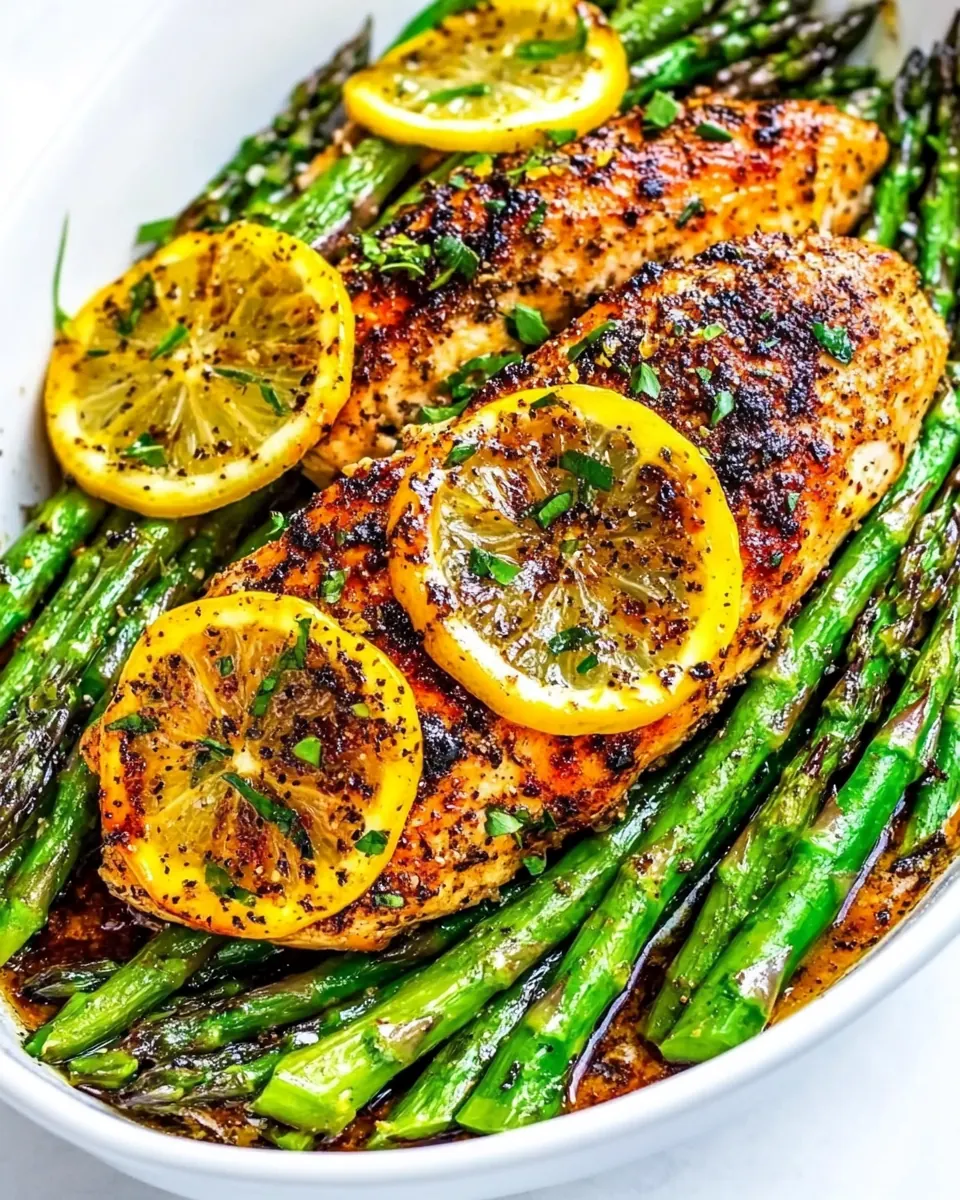
These instructions will walk you through seasoning, searing, deglazing, and finishing everything in one pan for maximum flavor with minimal fuss. Move steadily from seasoning to searing, then to a short braise that yields a glossy sauce and perfectly cooked asparagus.
- Add lemon pepper, garlic powder, onion powder, paprika and salt to a large bowl and whisk together with 1 tablespoon olive oil and 1 tablespoon lemon juice. Add chicken and evenly coat, massaging spices into chicken. Let sit at room temperature 15-30 minutes, time permitting (you can prep your garlic, asparagus, etc. at this time).: The moment your hand moves to whisk, notice how the dry spices bloom and release aroma; you should smell citrus and warm pepper immediately. This step matters because coating the chicken in a spiced oil helps the seasoning stick and promotes even browning, which builds the foundation of flavor. A common problem is undercoating the meat, which yields uneven seasoning and pale edges, so be thorough when whisking. If your spices look clumpy, break them apart with the back of a spoon until evenly mixed, and ensure your bowl is large enough to toss the chicken without spilling.
- Melt one tablespoon Brummel and Brown® Original Spread with one tablespoon olive oil in a large skillet over medium high heat. Add chicken and cook for 3-4 minutes until golden. Flip chicken over and add garlic and 2 tablespoons Brummel and Brown® Original Spread to the middle of the pan and sauté 30 seconds. Reduce heat to medium and stir in chicken broth, lemon juice, oregano, parsley and thyme.: When you press the seasoning into the surface, you should feel the slightly tacky oil helping it adhere, and the meat will take on a matte, evenly seasoned look. Massaging helps the flavors penetrate shallowly and ensures every bite tastes consistent. Avoid overworking the meat, which can change its texture; gentle but purposeful rubs are best. If the pieces are very cold they will resist the spices, so bring them closer to room temperature for a few minutes when possible so the seasoning integrates more easily.
- Spoon sauce over chicken a few times, cover chicken, and cook an additional 3-5 minutes (depending on thickness) or until chicken is cooked through/registers 165 degrees F. Remove chicken to a plate and tent with foil.: During this resting period, the surface seasoning lightly melds with the chicken and the meat relaxes, which promotes even cooking. You will notice the spices settle into the surface rather than sitting loosely on top, and this gives a more uniform crust when seared. A frequent misstep is skipping the rest and putting fridge cold meat directly into a hot pan, which can drop pan temperature and cause steaming rather than browning. If time is tight, allow at least 15 minutes for a better sear and flavor integration.
- Add the asparagus to the pan with the remaining sauce and sauté until crisp tender, 3-4 minutes. Add chicken back to the pan along with any accumulated juices and warm for a minute. Serve with rice, potatoes, pasta, etc.: As the fat heats, watch for a gentle shimmer and a faint buttery aroma; that is your cue to add the chicken . This blend of spread and olive oil raises the smoke point slightly and encourages a rich, golden crust. If you overheat the pan the fat will smoke and leave a bitter note, so maintain medium high and adjust as needed. Also, ensure the pan is large enough so the pieces are not overcrowded, or the meat will steam instead of sear.
- Add chicken and cook for 3-4 minutes until golden: You will hear a steady sizzle when the chicken makes contact. Let it cook undisturbed so a deep golden crust forms, then gently lift a corner to check color before flipping. That crust locks juices in and creates fond for the sauce, which is essential. A common error is flipping too soon; if the chicken sticks, wait a moment more and it will release cleanly when the crust has formed.
- Flip chicken over and add garlic and 2 tablespoons Brummel and Brown® Original Spread to the middle of the pan and sauté 30 seconds: When you flip, you will notice the second side sears faster since the pan is now fully hot. Adding minced garlic and the remaining spread at this point floods the pan with aroma, and the oils will carry those flavors into the fond. Keep the sauté brief so the garlic softens and perfumes the pan without burning. Burnt garlic becomes acrid, so stir and watch the clock for that thirty second window.
- Reduce heat to medium and stir in chicken broth, lemon juice, oregano, parsley and thyme: Adding the chicken broth and the remaining lemon juice deglazes the pan, lifting those browned bits into a flavorful sauce, and the dried herbs will infuse the liquid. You should hear a gentle simmer and see the fond dissolve into the broth, creating a glossy base. If the pan is too hot the liquid will evaporate quickly and the herbs will concentrate too sharply; lower to medium to build a balanced sauce. Stir gently to incorporate the fond completely for maximum depth.
- Spoon sauce over chicken a few times, cover chicken, and cook an additional 3-5 minutes (depending on thickness) or until chicken is cooked through/registers 165 degrees F: As the covered pan braises, the steam helps the chicken cook through while the sauce reduces and thickens slightly; you will see the surface go from glossy to slightly syrupy. Using a thermometer ensures accuracy and prevents overcooking, which dries out white meat. A frequent mistake is relying solely on time; thickness varies, so check internal temperature and look for juices that run clear when pierced.
- Remove chicken to a plate and tent with foil: Resting the chicken under foil lets juices redistribute, resulting in a moister bite. You may notice the meat relax and the residual heat finishing the cook a touch, which is normal. Avoid leaving it tightly sealed for too long or the crust will soften; a light tent is enough to hold warmth without steaming the exterior.
- Add the asparagus to the pan with the remaining sauce and sauté until crisp tender, 3-4 minutes: When the asparagus hits the pan you will hear a lively sizzle and see the sauce cling to the stalks, glazing them. Cook until they turn bright green and yield to gentle pressure with a fork, keeping a little snap. Overcooking steals the fresh note and leads to a mushy texture, so aim for that crisp tender stage. Stir frequently so each stalk touches the pan and picks up flavor from the sauce.
- Add chicken back to the pan along with any accumulated juices and warm for a minute: Returning the chicken allows it to pick up the pan sauce and marry with the asparagus , and you will hear a brief gentle hiss as everything warms. This final minute melds flavors and is where the dish comes together visually and aromatically. Avoid prolonged reheating which can dry the meat; a quick warm through is all that is needed. Serve promptly so the sauce is glossy and the components retain their textures.
- Serve with rice, potatoes, pasta, etc: At the table the tangy sauce and vibrant asparagus pair well with starchy sides that soak up the pan juices, creating a satisfying plate. The aroma of citrus and herbs will invite everyone to dig in, and the contrast of textures makes each bite interesting. A mistake to avoid is letting the dish sit too long before serving, which dulls the colors and cools the sauce; serve while warm for best results.
Tips and Tricks about Lemon Pepper Chicken and Asparagus
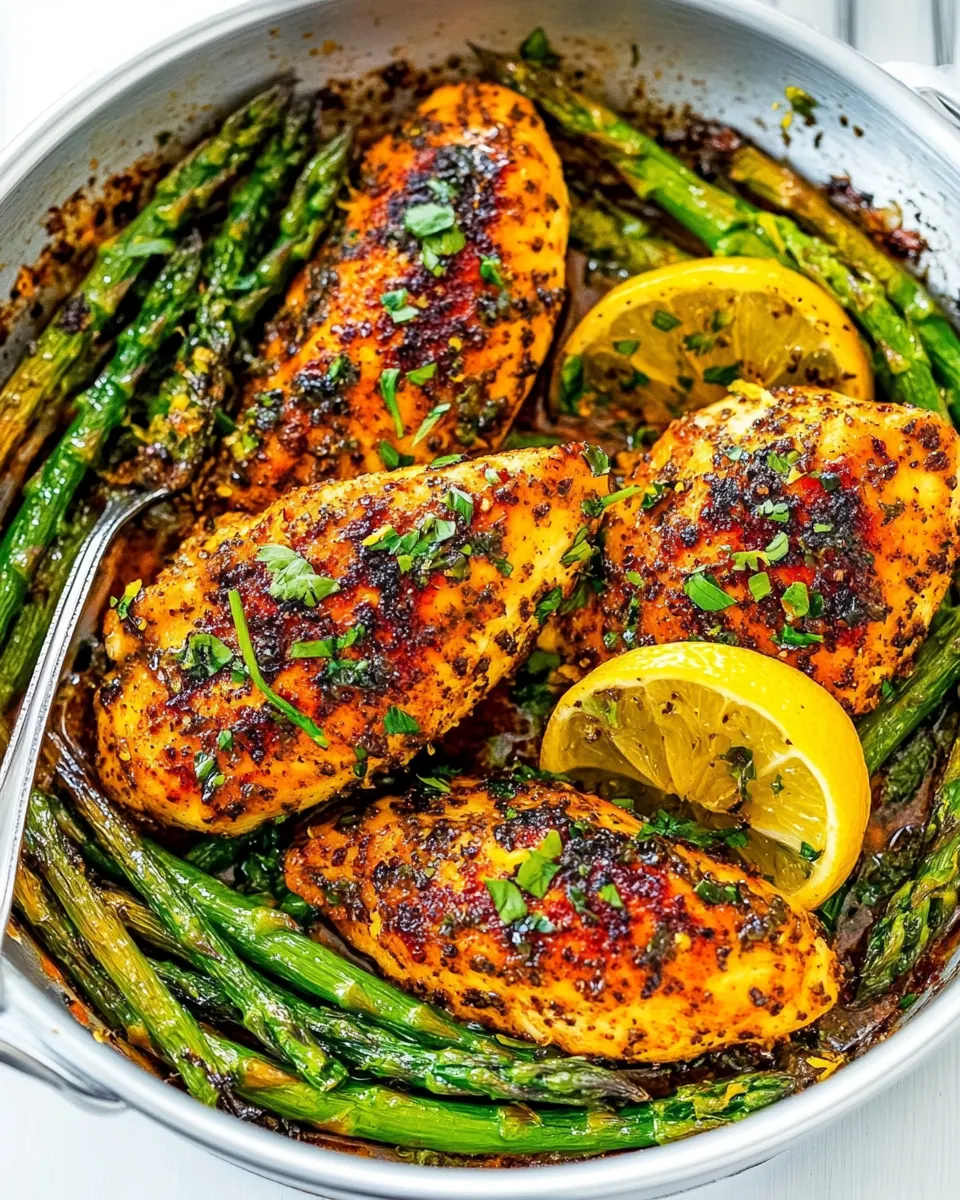
This recipe is forgiving, and small adjustments can make a big difference. Below are practical tips I rely on every time I make Lemon Pepper Chicken and Asparagus, from prepping to finishing touches.
- Brine for juicier chicken: If you have time, brine the chicken briefly in a saltwater solution for 15 to 30 minutes to boost moisture retention and yield a more tender result.
- Room temperature meat: Let the chicken sit out for a short time before cooking so it sears evenly and reduces the chance of overcooking the exterior while the center finishes.
- Don’t overcrowd the pan: Sear in batches if needed so each piece gets direct contact with the skillet, generating good fond for the sauce rather than steaming the meat.
- Finish with fresh lemon: A final splash of fresh lemon juice brightens the sauce right before serving, enhancing the aroma and balancing richness.
- Keep asparagus crisp: Sauté the asparagus briefly in the pan sauce until bright green and tender crisp, avoid overcooking to preserve color and texture.
Perfect Pairings for Lemon Pepper Chicken and Asparagus
This dish pairs beautifully with simple, absorbent sides and suits many occasions from casual weeknights to small dinners. Below are serving ideas and storage tips to help you plan the meal.
- Rice or pilaf: A bowl of plain steamed rice or lemon herb pilaf soaks up the pan sauce and makes a comforting base for the chicken and asparagus.
- Roasted potatoes: Crisp roasted baby potatoes complement the tender chicken, offering a satisfying contrast in texture while holding sauce well.
- Pasta: Toss short pasta with a little olive oil and add the pan sauce for a simple pasta entree that turns the meal into a heartier plate.
- Occasions: Works well for weeknight dinners, casual weekend lunches, or small gatherings where you want a polished but simple main course.
- Storage: Refrigerate leftovers in an airtight container for up to 3 days. Reheat gently in a skillet over low heat to preserve texture, adding a splash of broth if the sauce has thickened too much.
- Seasonal pairings: In spring the fresh asparagus shines, and the citrus notes keep the dish feeling light and appropriate for warmer weather.
FAQ
Conclusion
This recipe stands out for its bright citrus notes, peppery depth, and simple one pan technique that keeps cleanup minimal and flavor concentrated. Give it a try on a weeknight when you want something that feels thoughtful but comes together quickly. I hope you enjoy the contrast of juicy chicken and crisp tender asparagus as much as I do, and that it becomes a reliable favorite in your meal rotation.
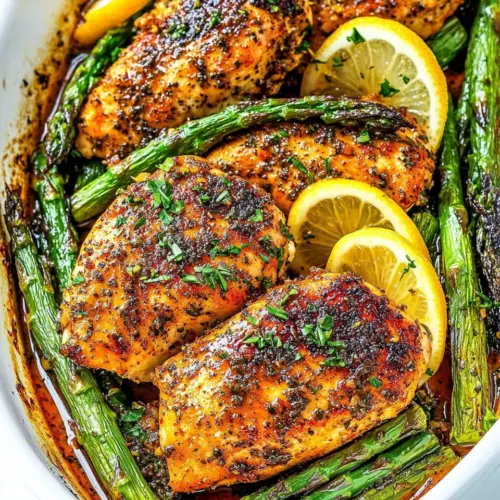
Lemon Pepper Chicken and Asparagus
Equipment
- Large Skillet
- Mixing Bowl
- Tongs
- Instant read thermometer
Ingredients
- 4 boneless, skinless chicken fillets (large chicken breasts sliced through the equator) or thighs Season and brown proteins evenly to develop a golden crust and lock in juices; helps build the base flavor for the dish and creates Maillard reaction notes that complement the lemon pepper.
- 1 tablespoon olive oil Coat and sauté ingredients with a small amount of healthy fat to prevent sticking and facilitate even browning; contributes a mild fruity aroma and helps carry fat-soluble flavors through the dish.
- 1 tablespoon lemon pepper seasoning Season proteins and vegetables early to infuse bright, citrusy heat and create a prominent lemon-pepper profile; provides both acidity perception and peppery bite that defines the dish.
- 1 tsp EACH garlic powder, onion powder Sprinkle as a dry seasoning to add savory depth and aromatic background; enhances overall flavor by rounding out garlic and onion undertones without adding moisture.
- 1/2 tsp EACH paprika, salt Enhance color and balance seasoning by adding a touch of warmth and necessary sodium; paprika contributes subtle smokiness while salt amplifies other flavors without overpowering.
- 2 tablespoons lemon juice divided Brighten and tenderize with acidity while dissolving seasonings; divided use ensures fresh lemon brightness both during cooking and as a finishing lift for balance.
- 3 tablespoons Brummel and Brown® Original Spread divided (may sub butter) Enrich texture and add creamy buttery notes while preventing sticking; divided amounts allow initial cooking richness and a final gloss for presentation and mouthfeel.
- 3 garlic cloves minced Infuse pungent aromatic layers and savory depth when minced and sautéed; releases essential oils that form a fragrant base and meld seamlessly with lemon flavors.
- 2/3 cups low sodium chicken broth Deglaze the pan and provide gentle savory liquid for simmering components; low-sodium broth adds body and umami while allowing control over final salt level.
- 1/4 tsp EACH dried oregano, dried parsley, dried thyme Layer Mediterranean herb complexity to support citrus and pepper flavors; dried oregano, parsley, and thyme contribute earthy, slightly floral notes that hold up to heat.
- 1 pound asparagus (1 bunch) ends trimmed, cut in half Add vegetal crunch and fresh green flavor while absorbing seasonings; trimming and halving makes asparagus cook evenly and become tender-crisp to complement the chicken.
Instructions
- Add lemon pepper, garlic powder, onion powder, paprika and salt to a large bowl and whisk together with 1 tablespoon olive oil and 1 tablespoon lemon juice. Add chicken and evenly coat, massaging spices into chicken. Let sit at room temperature 15-30 minutes, time permitting (you can prep your garlic, asparagus, etc. at this time).: The moment your hand moves to whisk, notice how the dry spices bloom and release aroma; you should smell citrus and warm pepper immediately. This step matters because coating the chicken in a spiced oil helps the seasoning stick and promotes even browning, which builds the foundation of flavor. A common problem is undercoating the meat, which yields uneven seasoning and pale edges, so be thorough when whisking. If your spices look clumpy, break them apart with the back of a spoon until evenly mixed, and ensure your bowl is large enough to toss the chicken without spilling.
- Melt one tablespoon Brummel and Brown® Original Spread with one tablespoon olive oil in a large skillet over medium high heat. Add chicken and cook for 3-4 minutes until golden. Flip chicken over and add garlic and 2 tablespoons Brummel and Brown® Original Spread to the middle of the pan and sauté 30 seconds. Reduce heat to medium and stir in chicken broth, lemon juice, oregano, parsley and thyme.: When you press the seasoning into the surface, you should feel the slightly tacky oil helping it adhere, and the meat will take on a matte, evenly seasoned look. Massaging helps the flavors penetrate shallowly and ensures every bite tastes consistent. Avoid overworking the meat, which can change its texture; gentle but purposeful rubs are best. If the pieces are very cold they will resist the spices, so bring them closer to room temperature for a few minutes when possible so the seasoning integrates more easily.
- Spoon sauce over chicken a few times, cover chicken, and cook an additional 3-5 minutes (depending on thickness) or until chicken is cooked through/registers 165 degrees F. Remove chicken to a plate and tent with foil.: During this resting period, the surface seasoning lightly melds with the chicken and the meat relaxes, which promotes even cooking. You will notice the spices settle into the surface rather than sitting loosely on top, and this gives a more uniform crust when seared. A frequent misstep is skipping the rest and putting fridge cold meat directly into a hot pan, which can drop pan temperature and cause steaming rather than browning. If time is tight, allow at least 15 minutes for a better sear and flavor integration.
- Add the asparagus to the pan with the remaining sauce and sauté until crisp tender, 3-4 minutes. Add chicken back to the pan along with any accumulated juices and warm for a minute. Serve with rice, potatoes, pasta, etc.: As the fat heats, watch for a gentle shimmer and a faint buttery aroma; that is your cue to add the chicken . This blend of spread and olive oil raises the smoke point slightly and encourages a rich, golden crust. If you overheat the pan the fat will smoke and leave a bitter note, so maintain medium high and adjust as needed. Also, ensure the pan is large enough so the pieces are not overcrowded, or the meat will steam instead of sear.
- Add chicken and cook for 3-4 minutes until golden: You will hear a steady sizzle when the chicken makes contact. Let it cook undisturbed so a deep golden crust forms, then gently lift a corner to check color before flipping. That crust locks juices in and creates fond for the sauce, which is essential. A common error is flipping too soon; if the chicken sticks, wait a moment more and it will release cleanly when the crust has formed.
- Flip chicken over and add garlic and 2 tablespoons Brummel and Brown® Original Spread to the middle of the pan and sauté 30 seconds: When you flip, you will notice the second side sears faster since the pan is now fully hot. Adding minced garlic and the remaining spread at this point floods the pan with aroma, and the oils will carry those flavors into the fond. Keep the sauté brief so the garlic softens and perfumes the pan without burning. Burnt garlic becomes acrid, so stir and watch the clock for that thirty second window.
- Reduce heat to medium and stir in chicken broth, lemon juice, oregano, parsley and thyme: Adding the chicken broth and the remaining lemon juice deglazes the pan, lifting those browned bits into a flavorful sauce, and the dried herbs will infuse the liquid. You should hear a gentle simmer and see the fond dissolve into the broth, creating a glossy base. If the pan is too hot the liquid will evaporate quickly and the herbs will concentrate too sharply; lower to medium to build a balanced sauce. Stir gently to incorporate the fond completely for maximum depth.
- Spoon sauce over chicken a few times, cover chicken, and cook an additional 3-5 minutes (depending on thickness) or until chicken is cooked through/registers 165 degrees F: As the covered pan braises, the steam helps the chicken cook through while the sauce reduces and thickens slightly; you will see the surface go from glossy to slightly syrupy. Using a thermometer ensures accuracy and prevents overcooking, which dries out white meat. A frequent mistake is relying solely on time; thickness varies, so check internal temperature and look for juices that run clear when pierced.
- Remove chicken to a plate and tent with foil: Resting the chicken under foil lets juices redistribute, resulting in a moister bite. You may notice the meat relax and the residual heat finishing the cook a touch, which is normal. Avoid leaving it tightly sealed for too long or the crust will soften; a light tent is enough to hold warmth without steaming the exterior.
- Add the asparagus to the pan with the remaining sauce and sauté until crisp tender, 3-4 minutes: When the asparagus hits the pan you will hear a lively sizzle and see the sauce cling to the stalks, glazing them. Cook until they turn bright green and yield to gentle pressure with a fork, keeping a little snap. Overcooking steals the fresh note and leads to a mushy texture, so aim for that crisp tender stage. Stir frequently so each stalk touches the pan and picks up flavor from the sauce.
- Add chicken back to the pan along with any accumulated juices and warm for a minute: Returning the chicken allows it to pick up the pan sauce and marry with the asparagus , and you will hear a brief gentle hiss as everything warms. This final minute melds flavors and is where the dish comes together visually and aromatically. Avoid prolonged reheating which can dry the meat; a quick warm through is all that is needed. Serve promptly so the sauce is glossy and the components retain their textures.
- Serve with rice, potatoes, pasta, etc: At the table the tangy sauce and vibrant asparagus pair well with starchy sides that soak up the pan juices, creating a satisfying plate. The aroma of citrus and herbs will invite everyone to dig in, and the contrast of textures makes each bite interesting. A mistake to avoid is letting the dish sit too long before serving, which dulls the colors and cools the sauce; serve while warm for best results.
Notes
- Brine for juicier chicken: If you have time, brine the chicken briefly in a saltwater solution for 15 to 30 minutes to boost moisture retention and yield a more tender result.
- Room temperature meat: Let the chicken sit out for a short time before cooking so it sears evenly and reduces the chance of overcooking the exterior while the center finishes.
- Don't overcrowd the pan: Sear in batches if needed so each piece gets direct contact with the skillet, generating good fond for the sauce rather than steaming the meat.
- Finish with fresh lemon: A final splash of fresh lemon juice brightens the sauce right before serving, enhancing the aroma and balancing richness.
- Keep asparagus crisp: Sauté the asparagus briefly in the pan sauce until bright green and tender crisp, avoid overcooking to preserve color and texture.