
Super Veggie Lasagna
Super Veggie Lasagna is the kind of dish I reach for when I want something both comforting and proud to put on the table. The first time I made it for a weeknight family dinner, the house smelled like a small Italian kitchen, warm tomatoes and herbs rising from the oven while the kids argued over who would get the crispier noodle edges. I remember chopping vegetables while humming, feeling that simple satisfaction of turning a pile of produce into something layered and celebratory.
There is a ritual to assembling Super Veggie Lasagna that I enjoy more than I expected. Grating the carrots and zucchini, thawing the spinach, and stirring the tomato sauce into a fragrant, well seasoned mix becomes almost meditative. Each layer feels deliberate; you can taste the thoughtfulness in the finished piece. Over the years I have learned how small tweaks, like the order of cheeses or the way I press the vegetables into the baking pan, change the mouthfeel from merely good to memorable.
Recipe Snapshot
60 mins
20 mins
40 mins
Medium
350 kcal
Italian
Vegan, Gluten-Free
Dinner
9 x 13-inch baking dish, Large mixing bowl, Stirring spoon
Why This Super Veggie Lasagna Is So Good
Hearty vegetable focus
I love that Super Veggie Lasagna puts vegetables front and center. The combination of carrots, zucchini, spinach, and mushrooms creates a layered texture profile, so every bite has a little crunch or silkiness. I find this makes it both satisfying and bright, a comforting way to get extra veggies into a meal without feeling like a salad.
Deep tomato flavor without fuss
The generous amount of tomato sauce and fresh tomatoes ensures the dish stays saucy and rich, rather than dry. I like using a no salt added canned sauce so I can control seasoning, and the diced fresh tomatoes bring a slight acidity that lifts the whole casserole. This balance is why I return to this recipe when I want something reliable and flavorful.
Cheesy, comforting finish
With layers of Parmesan and mozzarella, the top becomes golden and bubbly in the oven, giving a luscious contrast to the tender vegetables below. I often find myself watching the oven, waiting for that first golden bubble, because it signals everything is melded and ready. The cheeses add umami and binding power, holding the layers together while contributing that classic lasagna texture.
Flexible and approachable
I appreciate how forgiving Super Veggie Lasagna is. The recipe scales up easily, and swapping colors of bell pepper or using fresh versus frozen spinach still yields great results. That adaptability makes it ideal for family dinners or potlucks, and it’s one of those dishes you can make ahead and reheat with very little loss in quality.
Comfort food with a wholesome twist
Finally, this lasagna feels like an indulgence that isn’t guilty. Whole wheat lasagna noodles and a bounty of vegetables make it feel nourishing. When I serve it, people often ask for seconds, which is the highest compliment. It bridges the gap between weeknight practicality and weekend comfort, and that is why I keep it in my repertoire.
Key Ingredients for Super Veggie Lasagna
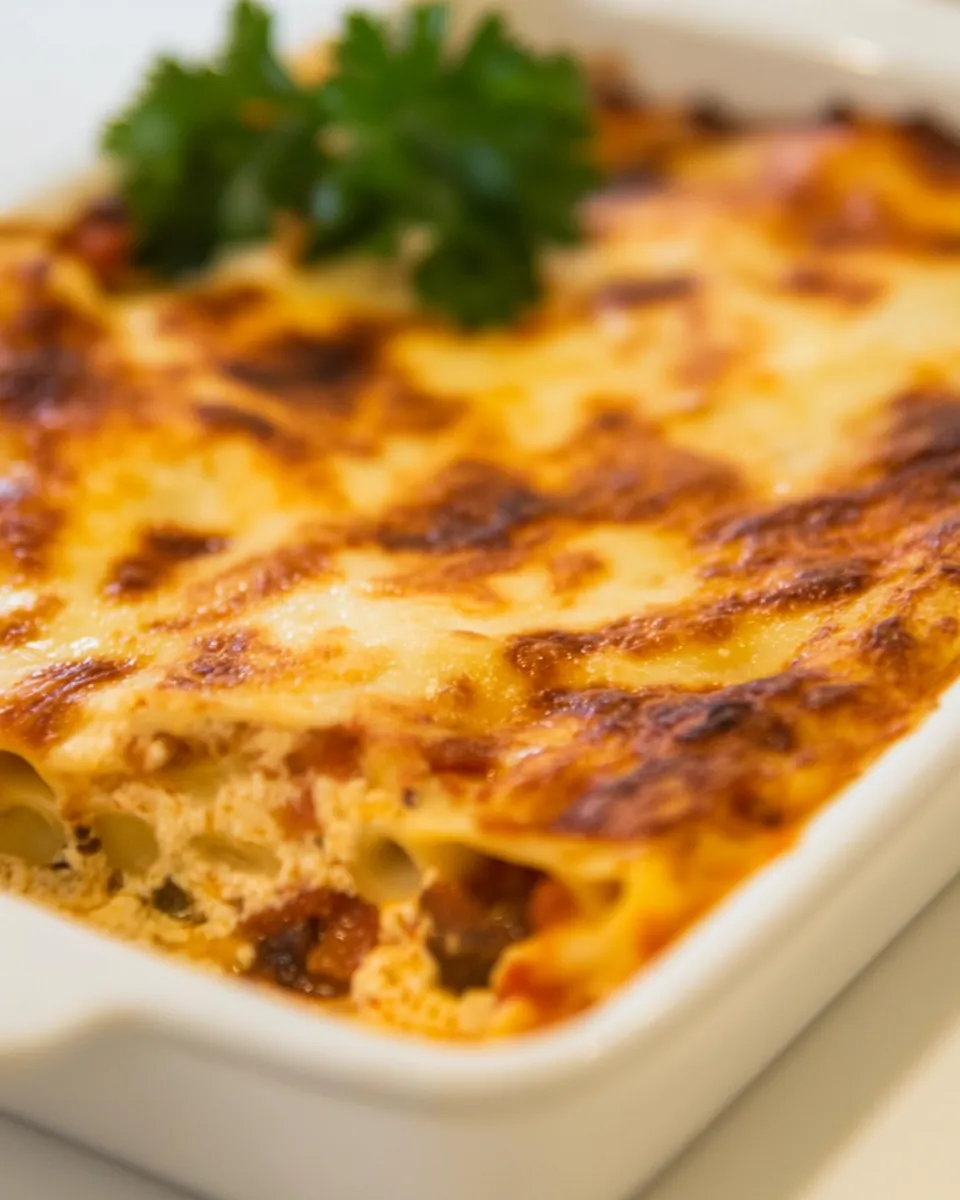
These ingredients are chosen for balance and harmony. The vegetables provide texture and sweetness, the tomatoes supply acidity and depth, and the cheeses add creaminess and binding. Together, the elements create layers that are savory, saucy, and satisfyingly cheesy while keeping the dish rooted in vegetables.
- 3 cups carrots grated: Grated and naturally sweet, adds moisture and a tender texture while blending into the lasagna layers; provides beta-carotene and subtle sweetness that complements tomato sauce and cheeses.
- 2 cups zucchini grated: Shredded and mildly savory, contributes moisture and a delicate texture that reduces the need for extra oil; balances the dish with light vegetal flavor and boosts fiber content.
- 3 cups spinach frozen: Thawed and well-drained, contributes a silky, leafy texture and concentrated nutrients while adding color and volume to the filling; melds with cheeses and sauce to create a creamy mouthfeel.
- 1 bell pepper any color, chopped: Chopped and crisp, brings bursts of fresh crunch and a slightly sweet, peppery note; enhances visual appeal and provides vitamin C and additional texture contrast.
- 3 1/4 cups fresh tomatoes diced: Diced and juicy, supplies fresh acidity and bright tomato flavor that lightens the richness of the cheeses; contributes natural liquid that integrates with the sauce for cohesive layers.
- 30 ounces tomato sauce no salt added – we used Hunt’s brand: Poured and seasoned, provides a consistent tomato base that binds the lasagna and delivers concentrated savory flavor; supplies depth and moisture while simplifying seasoning control.
- 1 teaspoon oregano: Sprinkled and aromatic, lends warm, slightly bitter Mediterranean notes that complement tomato and cheese; helps round out the sauce with classic Italian seasoning tones.
- 2 teaspoons dried basil: Sprinkled and fragrant, offers sweet, slightly peppery herbaceousness that enhances the overall Italian flavor profile and pairs well with tomatoes and garlic.
- 2 teaspoons onion powder: Sprinkled and savory, adds concentrated onion flavor without texture, helping to build umami and background savoriness throughout the sauce and filling.
- 2 teaspoons garlic powder: Sprinkled and pungent, imparts roasted garlic aroma and concentrated garlicky flavor that elevates the sauce and melds with herbs and cheeses.
- kosher or sea salt to taste: Added to taste, enhances all flavors by balancing acidity and sweetness and bringing out savory components; allows customization of seasoning level for the finished dish.
- 1/2 pound brown mushrooms: Sliced and earthy, supplies a meaty, umami-rich element that deepens overall savory character and adds tender bite when cooked; absorbs sauce flavors for added complexity.
- 12 ounces whole wheat lasagna noodles cooked to package directions: Cooked according to package directions, provides sturdy, layered structure to assemble the lasagna and holds fillings together while offering whole-grain texture and added fiber.
- 1 1/2 cups parmesan cheese grated, divided: Grated and divided, brings sharp, salty, nutty flavor that enriches the filling and finishing layers; used both inside and on top to boost savory complexity and add a golden crust.
- 8 ounces mozzarella grated (2 cups): Grated and melty, offers creamy, stringy texture and mild milky flavor that creates gooey, attractive cheese pull when baked; helps bind the layers and adds indulgent richness.
- fresh basil chopped for garnish (optional): Chopped and aromatic, used as an optional garnish to deliver bright herbal freshness and a finishing pop of color; enhances aroma and provides a palate-cleansing contrast.
The Method for Super Veggie Lasagna
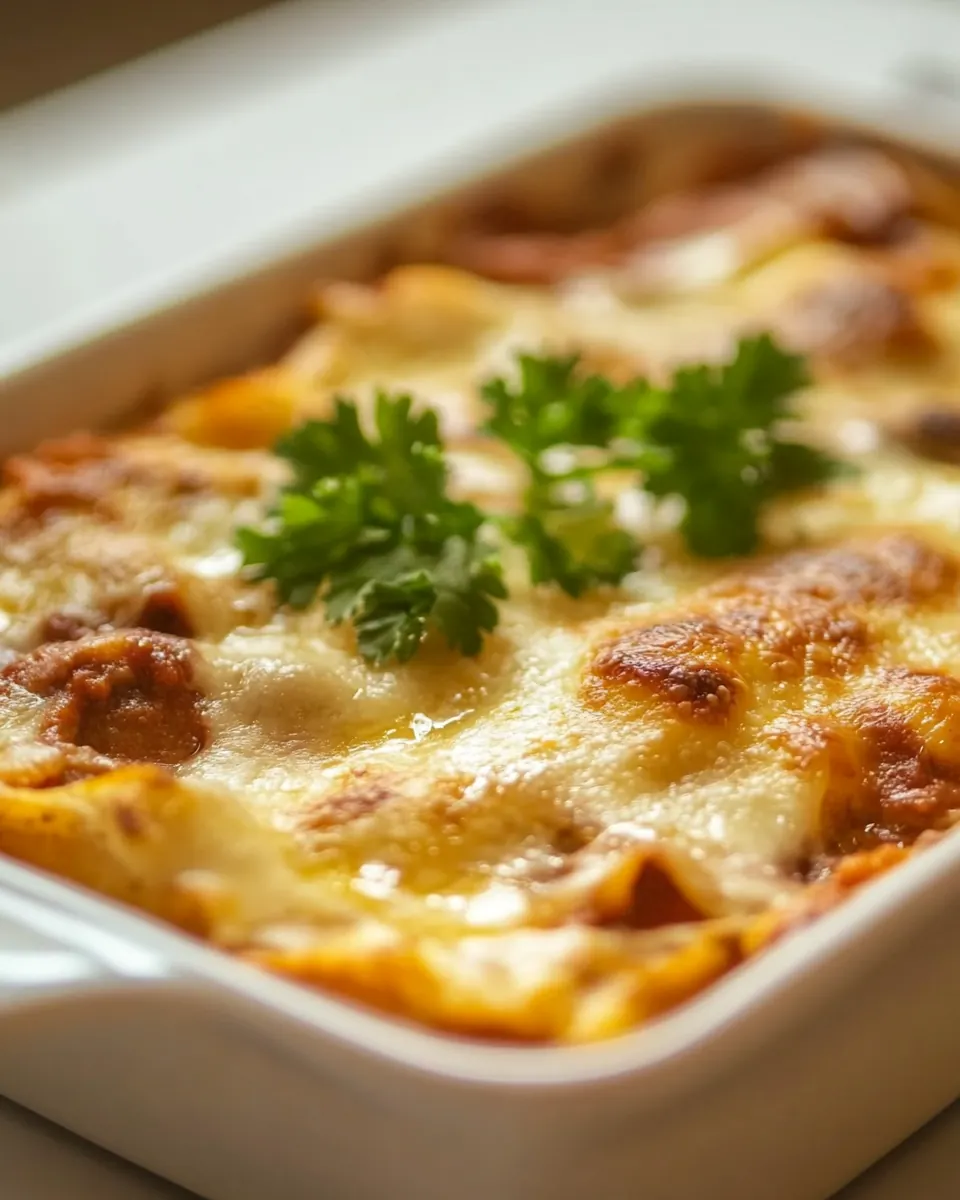
Assembling Super Veggie Lasagna is a mostly hands on process that rewards patience. I like to prepare the vegetables and cheeses first so that the layering goes quickly and confidently. Once it is in the oven, the aromas tell you that the layers have come together and the rest is waiting while it bakes.
- Combine all ingredients, except the noodles and cheeses, in a large mixing bowl. Stir well to combine. Layer in a lightly greased 9 x 13-inch baking dish: noodles, 1/2 cup Parmesan cheese, 1/2 the veggie mix, noodles, 1/2 cup Parmesan cheese, remaining veggie mix, noodles, remaining Parmesan cheese, and all the mozzarella. Bake at 350° for 40 minutes. Garnish with a bit of fresh, chopped basil, if desired. This recipe is featured in our new cookbook, Skinny Ms. Superfoods… check it out here!: The aroma of raw vegetables and tomato will be fresh and green, with a faint sweetness from the carrots and bell pepper . Mixing by hand lets you feel the texture so you can judge moisture content; if it seems overly watery, press gently with a spoon to test consistency. This step is critical because even distribution ensures every slice has balanced flavor. A common mistake is not draining the thawed spinach enough, which can make the filling too wet, so squeeze the greens firmly in a towel or strainer before mixing.
- Stir well to combine: As you stir, you will notice the colors blending and the sauce coating the veggies, bringing out herb and garlic fragrances from the powders and dried herbs. This melding allows the seasoning to penetrate, creating a cohesive filling. Use a sturdy spoon so you can scrape the bowl sides well and avoid leaving dry pockets of seasoning. Avoid over stirring to the point of pureeing the vegetables, which would change the intended texture of the filling.
- Layer in a lightly greased 9 x 13-inch baking dish: The first visual cue is a glossy bottom after greasing, which helps the lasagna release after baking. Greasing also prevents sticking and ensures edges crisp slightly. I prefer a light oil or nonstick spray for even coverage. One pitfall is using too much grease, which can pool and make the bottom greasy, so a thin, even layer is best.
- Layer: noodles, 1/2 cup Parmesan cheese, 1/2 the veggie mix, noodles, 1/2 cup Parmesan cheese, remaining veggie mix, noodles, remaining Parmesan cheese, and all the mozzarella : As you build each layer you will feel the dish firming and see the contrast of pasta and filling; the cheeses act like glue and flavor boosters. The sequential layering ensures pockets of cheese and vegetable throughout the bake, producing alternating textures when sliced. Press lightly on each layer so it settles without compressing entirely, retaining some air for better texture. A frequent error is piling too much filling which prevents even baking, so aim for modest even layers to permit heat penetration.
- Bake at 350° for 40 minutes: As it bakes, the kitchen will fill with tomato and herb aromas and you will hear a faint bubbling from the edges as moisture escapes. The top should slowly turn golden and the mozzarella will begin to brown in places, signaling readiness. Baking at this moderate temperature lets the vegetables cook through without drying out the noodles, preserving moistness. If you open the oven repeatedly, heat escapes and bake time will extend, so check visually near the end rather than opening every few minutes.
- Garnish with a bit of fresh, chopped basil, if desired: The final garnish adds a bright herbal scent and color contrast against the golden top, enhancing the first impression as you carry the dish to the table. Fresh basil releases aromatic oils when torn or chopped, which elevates each serving. Add it just before serving to keep the leaves fresh and vibrant. A common slip is adding basil too early in the oven, which wilts and loses its freshness, so hold it for plating.
Helpful Hints
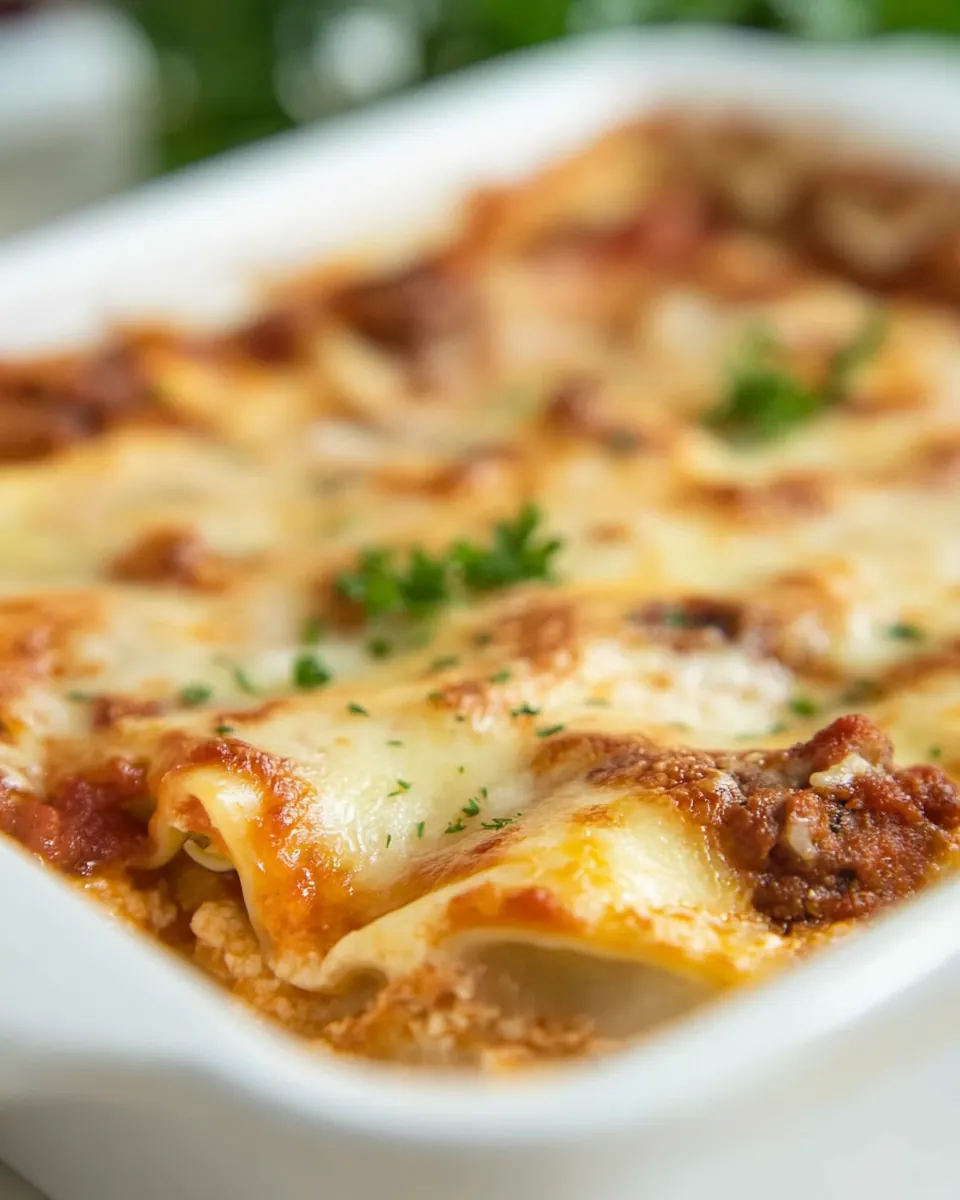
I like to think of these hints as the little details that turn a good casserole into a great one. Below are practical suggestions based on what I have learned from multiple bakes, written to be actionable and easy to follow.
- Drain vegetables well: Excess moisture from thawed spinach or grated zucchini will thin the filling and make the lasagna runny; squeeze and pat dry until no more liquid releases.
- Use no salt added sauce: Choosing a no salt added tomato sauce lets you control seasoning and reduces the chance of an overly salty final dish, especially with salty cheeses like Parmesan.
- Layer with intention: Make sure each layer is even and not overloaded, so heat penetrates to the center and you avoid undercooked pockets in the middle of the dish.
- Rest before slicing: Allowing the lasagna to sit for 10 to 15 minutes after baking helps the cheeses set and makes serving neater, so portions hold together well.
- Garnish last: Add fresh chopped basil right before serving to preserve its color and aroma, it brightens the plate both visually and flavorwise.
Serving This Super Veggie Lasagna
This lasagna is versatile and feels right for many occasions, from a cozy weeknight supper to a casual Sunday gathering. I usually serve it with simple accompaniments that echo its Italian inspiration without competing with the main flavors. Leftovers reheat well and can be enjoyed for several days, making it practical as well as delicious.
- Family dinners: Slice warm and offer with a crisp green salad and a drizzle of olive oil for contrast, letting the lasagna be the comforting centerpiece.
- Potlucks and gatherings: Bring it straight from the oven in the dish, garnished with fresh basil, so guests can serve themselves; it feeds a crowd easily.
- Meal prep and leftovers: Portion into airtight containers and refrigerate up to four days, reheating in the oven to regain some of the original texture and melt.
- Occasions: Fits well for casual dinners, vegetarian friendly holiday sides, or anytime you want a more wholesome comfort dish without meat.
- Serving temperature: Serve warm, not piping hot, to allow the cheeses to settle and flavors to be more pronounced when tasted.
- Storage tips: To freeze, wrap tightly and freeze for up to three months; thaw overnight in the refrigerator before reheating gently in a 350 degree oven until warm through.
FAQ
Conclusion
What makes this recipe special is its ability to be both comfort food and a vegetable packed main in one pan. Super Veggie Lasagna layers tender, seasoned vegetables with rich tomato sauce and a melty cheese crown, offering satisfying textures that please a crowd. Give it a try on a busy night when you want something homey and nourishing, and enjoy the way leftovers taste even better the next day. This is the sort of recipe that becomes a regular in my rotation because it is forgiving, flavorful, and reliably crowd pleasing.
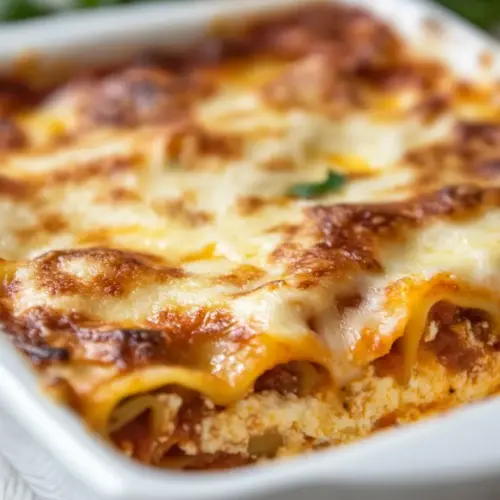
Super Veggie Lasagna
Equipment
- 9 x 13 inch baking dish
- Large Mixing Bowl
- Stirring spoon
Ingredients
- 3 cups carrots grated Grated and naturally sweet, adds moisture and a tender texture while blending into the lasagna layers; provides beta-carotene and subtle sweetness that complements tomato sauce and cheeses.
- 2 cups zucchini grated Shredded and mildly savory, contributes moisture and a delicate texture that reduces the need for extra oil; balances the dish with light vegetal flavor and boosts fiber content.
- 3 cups spinach frozen Thawed and well-drained, contributes a silky, leafy texture and concentrated nutrients while adding color and volume to the filling; melds with cheeses and sauce to create a creamy mouthfeel.
- 1 bell pepper any color, chopped Chopped and crisp, brings bursts of fresh crunch and a slightly sweet, peppery note; enhances visual appeal and provides vitamin C and additional texture contrast.
- 3 1/4 cups fresh tomatoes diced Diced and juicy, supplies fresh acidity and bright tomato flavor that lightens the richness of the cheeses; contributes natural liquid that integrates with the sauce for cohesive layers.
- 30 ounces tomato sauce no salt added - we used Hunt’s brand Poured and seasoned, provides a consistent tomato base that binds the lasagna and delivers concentrated savory flavor; supplies depth and moisture while simplifying seasoning control.
- 1 teaspoon oregano Sprinkled and aromatic, lends warm, slightly bitter Mediterranean notes that complement tomato and cheese; helps round out the sauce with classic Italian seasoning tones.
- 2 teaspoons dried basil Sprinkled and fragrant, offers sweet, slightly peppery herbaceousness that enhances the overall Italian flavor profile and pairs well with tomatoes and garlic.
- 2 teaspoons onion powder Sprinkled and savory, adds concentrated onion flavor without texture, helping to build umami and background savoriness throughout the sauce and filling.
- 2 teaspoons garlic powder Sprinkled and pungent, imparts roasted garlic aroma and concentrated garlicky flavor that elevates the sauce and melds with herbs and cheeses.
- kosher or sea salt to taste Added to taste, enhances all flavors by balancing acidity and sweetness and bringing out savory components; allows customization of seasoning level for the finished dish.
- 1/2 pound brown mushrooms Sliced and earthy, supplies a meaty, umami-rich element that deepens overall savory character and adds tender bite when cooked; absorbs sauce flavors for added complexity.
- 12 ounces whole wheat lasagna noodles cooked to package directions Cooked according to package directions, provides sturdy, layered structure to assemble the lasagna and holds fillings together while offering whole-grain texture and added fiber.
- 1 1/2 cups parmesan cheese grated, divided Grated and divided, brings sharp, salty, nutty flavor that enriches the filling and finishing layers; used both inside and on top to boost savory complexity and add a golden crust.
- 8 ounces mozzarella grated (2 cups) Grated and melty, offers creamy, stringy texture and mild milky flavor that creates gooey, attractive cheese pull when baked; helps bind the layers and adds indulgent richness.
- fresh basil chopped for garnish - optional Chopped and aromatic, used as an optional garnish to deliver bright herbal freshness and a finishing pop of color; enhances aroma and provides a palate-cleansing contrast.
Instructions
- Combine all ingredients, except the noodles and cheeses, in a large mixing bowl. Stir well to combine. Layer in a lightly greased 9 x 13-inch baking dish: noodles, 1/2 cup Parmesan cheese, 1/2 the veggie mix, noodles, 1/2 cup Parmesan cheese, remaining veggie mix, noodles, remaining Parmesan cheese, and all the mozzarella. Bake at 350° for 40 minutes. Garnish with a bit of fresh, chopped basil, if desired. This recipe is featured in our new cookbook, Skinny Ms. Superfoods... check it out here!: The aroma of raw vegetables and tomato will be fresh and green, with a faint sweetness from the carrots and bell pepper . Mixing by hand lets you feel the texture so you can judge moisture content; if it seems overly watery, press gently with a spoon to test consistency. This step is critical because even distribution ensures every slice has balanced flavor. A common mistake is not draining the thawed spinach enough, which can make the filling too wet, so squeeze the greens firmly in a towel or strainer before mixing.
- Stir well to combine: As you stir, you will notice the colors blending and the sauce coating the veggies, bringing out herb and garlic fragrances from the powders and dried herbs. This melding allows the seasoning to penetrate, creating a cohesive filling. Use a sturdy spoon so you can scrape the bowl sides well and avoid leaving dry pockets of seasoning. Avoid over stirring to the point of pureeing the vegetables, which would change the intended texture of the filling.
- Layer in a lightly greased 9 x 13-inch baking dish: The first visual cue is a glossy bottom after greasing, which helps the lasagna release after baking. Greasing also prevents sticking and ensures edges crisp slightly. I prefer a light oil or nonstick spray for even coverage. One pitfall is using too much grease, which can pool and make the bottom greasy, so a thin, even layer is best.
- Layer: noodles, 1/2 cup Parmesan cheese, 1/2 the veggie mix, noodles, 1/2 cup Parmesan cheese, remaining veggie mix, noodles, remaining Parmesan cheese, and all the mozzarella : As you build each layer you will feel the dish firming and see the contrast of pasta and filling; the cheeses act like glue and flavor boosters. The sequential layering ensures pockets of cheese and vegetable throughout the bake, producing alternating textures when sliced. Press lightly on each layer so it settles without compressing entirely, retaining some air for better texture. A frequent error is piling too much filling which prevents even baking, so aim for modest even layers to permit heat penetration.
- Bake at 350° for 40 minutes: As it bakes, the kitchen will fill with tomato and herb aromas and you will hear a faint bubbling from the edges as moisture escapes. The top should slowly turn golden and the mozzarella will begin to brown in places, signaling readiness. Baking at this moderate temperature lets the vegetables cook through without drying out the noodles, preserving moistness. If you open the oven repeatedly, heat escapes and bake time will extend, so check visually near the end rather than opening every few minutes.
- Garnish with a bit of fresh, chopped basil, if desired: The final garnish adds a bright herbal scent and color contrast against the golden top, enhancing the first impression as you carry the dish to the table. Fresh basil releases aromatic oils when torn or chopped, which elevates each serving. Add it just before serving to keep the leaves fresh and vibrant. A common slip is adding basil too early in the oven, which wilts and loses its freshness, so hold it for plating.
Notes
- Drain vegetables well: Excess moisture from thawed spinach or grated zucchini will thin the filling and make the lasagna runny; squeeze and pat dry until no more liquid releases.
- Use no salt added sauce: Choosing a no salt added tomato sauce lets you control seasoning and reduces the chance of an overly salty final dish, especially with salty cheeses like Parmesan.
- Layer with intention: Make sure each layer is even and not overloaded, so heat penetrates to the center and you avoid undercooked pockets in the middle of the dish.
- Rest before slicing: Allowing the lasagna to sit for 10 to 15 minutes after baking helps the cheeses set and makes serving neater, so portions hold together well.
- Garnish last: Add fresh chopped basil right before serving to preserve its color and aroma, it brightens the plate both visually and flavorwise.
