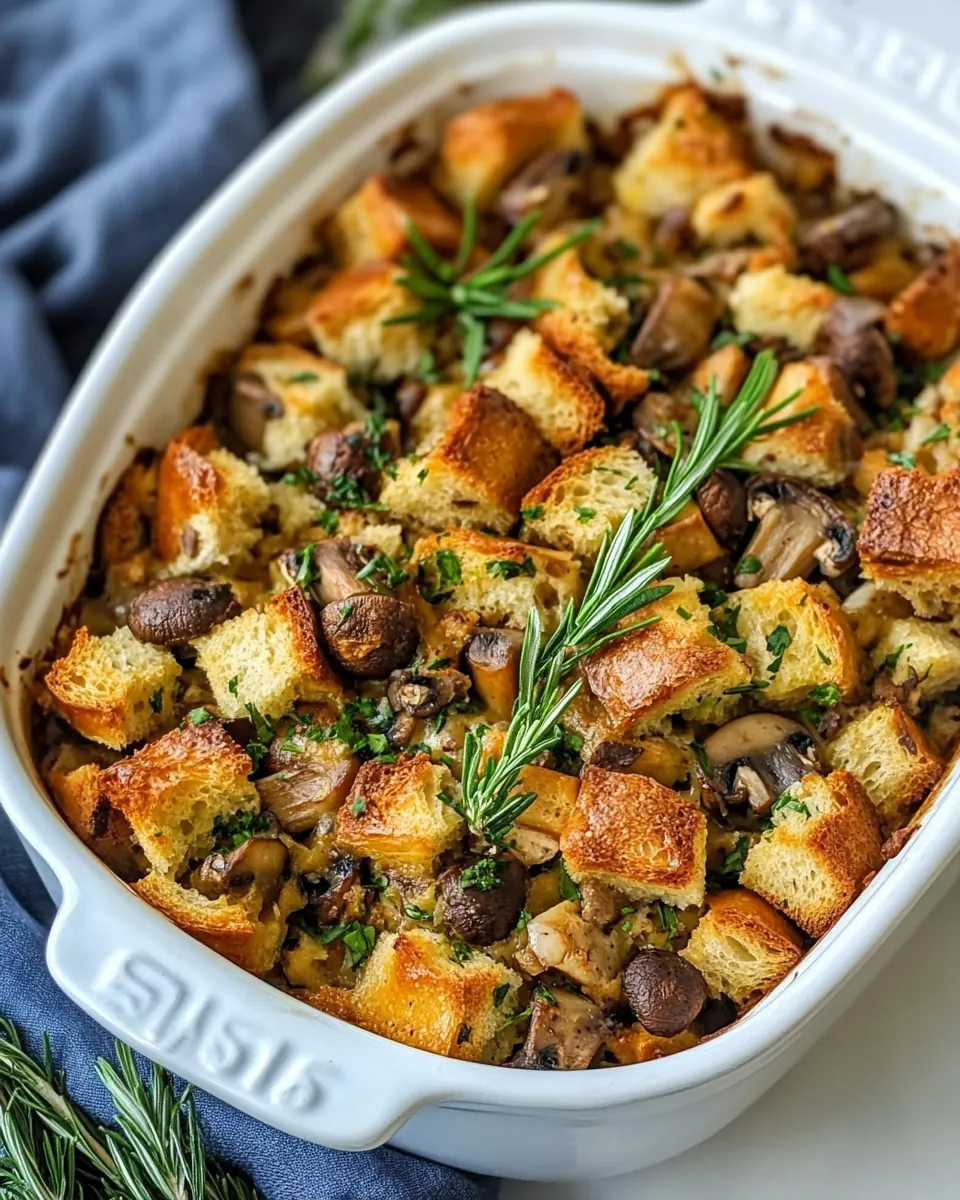
Mushroom Bread Pudding
Mushroom Bread Pudding has become one of those recipes I reach for when I want comfort food that feels thoughtful and seasonal.
The first time I made this, I was juggling a hectic week and a too ripe loaf of bread, and the result surprised me with its cozy aroma and deep savory notes. I remember the house filling with the earthy scent of mushrooms and the warm, toasty perfume of the day old bread. By the time it came out of the oven the edges were crisp and the middle held a gentle, custardy texture that begged for a simple spoonful and a second serving.
Over the years I have tweaked herb ratios and stirring techniques until the balance felt just right, but the core idea remains the same: turn humble pantry items into something that sings at the dinner table. Family and friends always ask for the recipe after a first bite, and I love that this dish feels both homey and slightly elegant. It’s one of those recipes that travels well to potlucks, yet still feels special enough for a quiet Sunday supper.
Recipe Snapshot
2 hr 10 mins
10 mins
120 mins
Hard
250 kcal
American
Gluten-Free, Paleo
Side Dishes
Skillet, Mixing Bowl, 9×13 casserole dish
Why We Love This Mushroom Bread Pudding
Deep, earthy flavor from simple ingredients
I love how Mushroom Bread Pudding harnesses the natural umami of mushrooms and the toasty backbone of stale bread. The mushrooms caramelize and concentrate as they cook, creating a savory base that feels almost meaty without any meat. That depth makes each bite satisfying and layered in flavor.
Flexible and forgiving technique
One of the best things about this dish is how forgiving it is. I often make it when my schedule is unpredictable, because you can toast the bread ahead of time and finish the assembly later. The custard soaks in gradually, and minor timing changes rarely ruin the final texture. I find that this flexibility makes it perfect for entertaining and weeknight dinners alike.
Comforting texture contrasts
The contrast between a slightly crisp top and a soft, custardy interior is why I keep coming back to this dish. The outer edges get golden and slightly chewy, while the center stays tender and spoonable. That variety in mouthfeel turns each forkful into a small reward, especially when paired with fresh herbs for brightness.
Herbs and aromatics lift the whole dish
Fresh parsley, sage, thyme, and rosemary brighten the savory base, making the pudding feel more than the sum of its parts. I always chop the herbs by hand to release their oils, which perfumes the mixture and gives the finished dish a lively finish. These small touches make it suitable for a holiday table or an intimate dinner.
Great make ahead and adaptable
I appreciate how well it travels across time and kitchens. You can assemble it the day before and bake when needed, or swap the stock to suit dietary preferences. That adaptability means I reach for this recipe for gatherings, family meals, and when I want something comforting that still feels composed.
Main Ingredients for Mushroom Bread Pudding
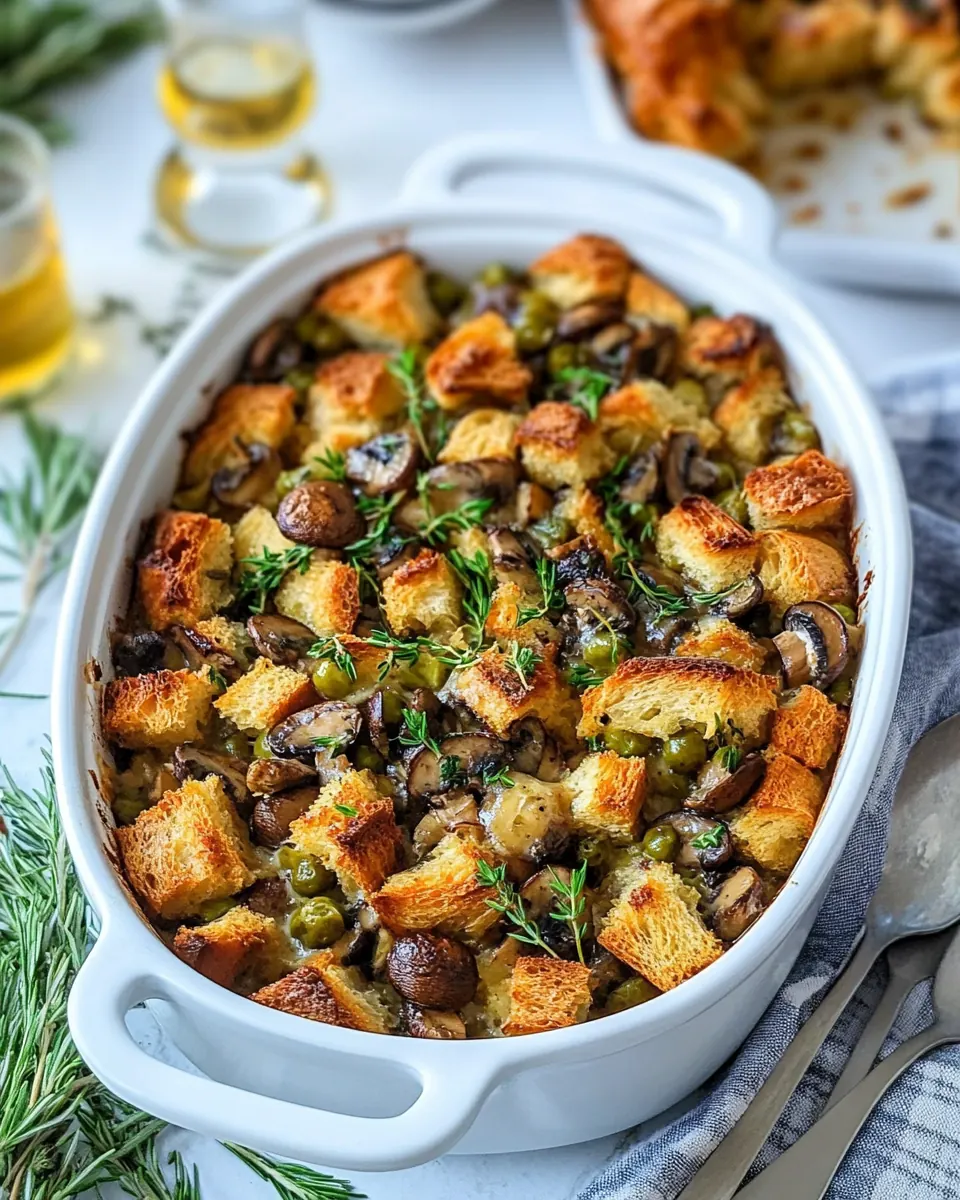
These ingredients work in concert to create a savory custard that is both comforting and textured. The torn or cubed bread soaks up the seasoned vegetable stock and beaten eggs, while the sautéed mushrooms, aromatic onion, and fresh herbs provide flavor lift. Butter and olive oil carry flavor and help brown the vegetables, giving the pudding those golden edges that contrast with the soft interior.
- 1 pound (450 g) firm white sandwich, French, or Italian bread cut into 1/2-3/4 inch cubes, about 10 cups: Cut into cubes to provide structure and absorb the custard; cubes create a hearty texture and exterior crisping when baked. Use slightly stale bread for best absorption and to prevent sogginess while maintaining distinct pieces. Measure about 10 cups to ensure the pudding has a balanced bread-to-moisture ratio throughout.
- 4 tablespoons (52 g) butter: Melt and use for sautéing aromatics and mushrooms; butter adds richness, a glossy finish, and a silky mouthfeel to the stuffing. Browning the butter slightly enhances nutty flavor that complements earthy mushrooms and herbs. Distribute evenly to coat bread cubes lightly if tossing with butter before baking.
- 2 tablespoons (30 ml) olive oil: Heat for sautéing and to extend the frying point of the butter; olive oil contributes fruity, savory undertones and helps prevent burning. Use alongside butter to balance flavor and texture during vegetable cooking. Choose a mild extra-virgin or light olive oil depending on desired intensity.
- 1 medium yellow onion diced: Dice finely to release a sweet, savory base flavor that softens and caramelizes during cooking; onion provides aromatic depth to the pudding. Cook until translucent or lightly browned to develop sweetness and complexity. Stir frequently to evenly distribute onion flavor among other fillings.
- 2 ribs celery diced: Dice small to add mild vegetal crunch and aromatic depth; celery contributes freshness and a subtle bitterness that brightens the dish. Sauté with onions to meld flavors and soften texture while preserving slight bite. Ensure even-sized pieces for consistent cooking alongside mushrooms.
- 1 pound (450 g) mushrooms diced small: Dice small to provide meaty, earthy bulk and absorb savory flavors; mushrooms lend umami and a tender, chewy texture to the bread pudding. Sauté until moisture is released and edges begin to brown to concentrate flavor and prevent a watery finished dish. Choose firm varieties and cook down sufficiently for best texture.
- 2 cloves garlic minced: Mince finely to infuse a pungent, savory hit that enhances overall flavor; garlic imparts aromatic warmth and complexity. Add towards the end of sautéing to avoid bitterness from overcooking while maximizing fragrance. Distribute evenly so small bursts of garlic carry through each bite.
- 1/4 cup fresh parsley chopped: Chop fresh to add bright, herbaceous notes and a clean finish; parsley offers freshness that balances richer components. Stir in near the end of cooking or scatter over the finished pudding to retain color and lively flavor. Use flat-leaf parsley for a more pronounced herbal taste.
- 2 tablespoons fresh sage chopped: Chop fresh to provide aromatic, slightly peppery and citrusy notes that complement mushrooms; sage contributes warm, savory depth. Use finely chopped leaves to avoid leathery texture and to infuse the custard and filling uniformly. Add during cooking to mellow its potency and allow flavors to blend.
- 1 tablespoon fresh thyme chopped: Chop fresh to add subtle lemony, floral layers and to enhance savory depth; thyme brings earthy brightness and complexity. Sprinkle into the sauté to release essential oils without overpowering other herbs. Use small leaves and remove any woody stems for a pleasant texture.
- 1 tablespoon fresh rosemary chopped: Chop fresh to contribute piney, resinous accents that boost savory character; rosemary adds aromatic intensity best used sparingly. Mince finely to avoid tough, fibrous bites and to distribute its strong flavor throughout the pudding. Combine with other herbs to create a balanced herbal profile.
- 1 teaspoon salt: Season to enhance and bind flavors; salt amplifies natural tastes and balances the savory-sweet components of the dish. Add gradually, especially if using salted stock or butter, and taste the custard before baking to avoid overseasoning. Distribute evenly to ensure consistent seasoning in every bite.
- 1/2 teaspoon ground black pepper: Grind to taste for mild heat and aromatic lift; black pepper sharpens and complements the earthy mushrooms and herbs. Add freshly ground pepper for maximum fragrance and flavor complexity. Use sparingly at first and adjust after tasting the assembled mixture.
- 1 3/4 cups (420 ml) vegetable stock divided: Measure and use to provide moisture, savory depth, and a vegetarian liquid base for the custard; vegetable stock seasons and hydrates the bread cubes. Divide the stock to partially cook the vegetables and to create the custard with eggs, ensuring even absorption. Use a flavorful, low-sodium stock to control overall seasoning.
- 2 eggs beaten: Beat and combine to create a custardy binder that sets the pudding and holds the bread and fillings together; eggs contribute richness and structure. Whisk thoroughly to achieve a uniform custard with the stock, ensuring even coating of bread cubes. Temper eggs with warm stock if necessary to avoid curdling and to ensure a smooth texture.
Step by Step Instructions for Mushroom Bread Pudding
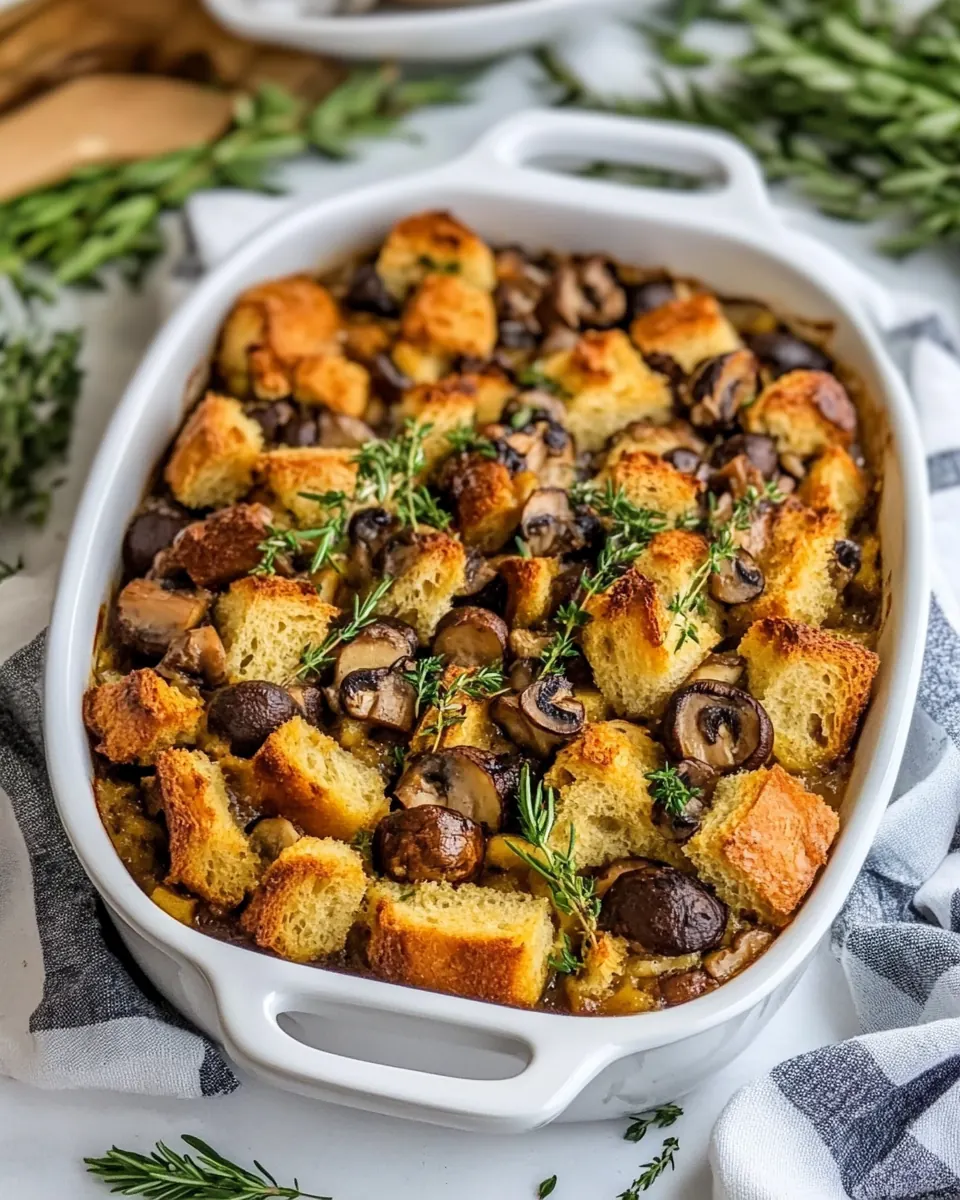
This recipe is approachable, but there are small moments where attention makes a big difference. I like to move through the steps with patience, watching textures and aromas so I know when each part is ready. Keep your tools nearby, and have the vegetable stock warmed slightly so it absorbs more evenly into the bread.
- To lightly toast and dehydrate the bread, place bread cubes on a half size rimmed baking sheet and toast in the oven at 210°F (100°C) for 90 minutes, flipping every 30 minutes. This can be done a few days ahead.: As the bread toasts slowly it loses moisture and develops a faint toasty aroma, which encourages even absorption later. You will notice the cubes becoming drier and slightly firmer to the touch, with subtle color change around the edges. This gradual dehydration prevents the pudding from becoming soggy, and it helps create those crisp edges. A common mistake is to rush this step at too high a temperature, which can brown the cubes unevenly and leave the interior still moist. If your cubes still feel springy, give them more time in the low oven, flipping on schedule so all sides dry evenly.
- Preheat the oven to 350°F (180°C), or 160°C if using a fan oven. Spray a 9×13 inch casserole dish with nonstick spray.: The oven will provide steady heat for the custard to set and the top to brown. You should feel a warm, dry heat when you open the oven, and the rack should sit in the center for even baking. Preheating ensures the pudding starts cooking immediately, which helps the eggs set uniformly. Forgetting to preheat can lead to longer bake times and an uneven finished texture. If your oven runs hot or cold, use an oven thermometer to verify the temperature before you place the dish inside.
- In a large 12 inch skillet, over medium heat, melt the butter, heat olive oil and saute the onion and celery until they start to soften.: As the butter melts and the olive oil shimmers, the onion and celery will begin to soften and release a gentle sweetness. You will hear a gentle sizzle and see the edges of the vegetables turn translucent, which signals they are ready for the next addition. Softening these aromatics develops the base flavors and prevents raw onion bite. A common error is cooking over too high heat, which can brown them too quickly; adjust to medium and stir to avoid sticking.
- Add mushrooms, season with salt and pepper, and cook until the mushrooms are tender.: When the diced mushrooms hit the hot pan they will release moisture, and you will hear a lively sizzle. Continue cooking until the liquid has mostly evaporated and the mushrooms are tender and starting to brown, which concentrates their umami. Visually, look for golden edges and a denser texture. Overcrowding the pan will cause the mushrooms to steam instead of brown, so cook in batches if necessary. If they seem watery, increase heat briefly to evaporate excess moisture, then lower it again to finish gently.
- Add the garlic, and cook for 30 seconds or until it’s fragrant then remove from heat.: The moment you add the minced garlic , a fragrant burst will perfume the pan; that scent is fleeting so move quickly. A short cook of about 30 seconds is enough to release garlic oils without allowing it to turn bitter. Once fragrant, remove the skillet from heat to prevent overcooking. A typical mistake is leaving garlic over the heat, which can lead to a sharp, unpleasant flavor; watch it closely and pull the pan promptly.
- In a bowl, whisk the eggs with 1 cup of the vegetable stock. Set aside.: The whisking should create a smooth, slightly frothy mixture that will become the custard binder. Use a fork or whisk to fully incorporate the eggs and vegetable stock so there are no streaks of raw white, which ensures even setting during baking. This ratio establishes the initial moisture level, and whisking helps the liquid integrate into the bread later. A common oversight is under whisking, which can cause uneven pockets of egg once baked. Whisk until uniform and slightly airy for best texture.
- In a large mixing bowl, combine the toasted bread with the mushroom mixture, and chopped herbs.: As you fold the warm mushroom mix into the toasted bread , you should smell the herbs bloom and see the cubes begin to take on color from the savory mixture. Toss gently to coat each cube so the herbs and aromatics are evenly distributed. This step marries the flavors before the custard is added, so take your time to ensure even mixing. A frequent mistake is vigorous stirring that breaks the bread down too much; be gentle to preserve texture.
- Pour the egg mixture all over the bread, then toss the bread with your hands. Then, gradually add the remaining vegetable stock until the bread is soaked all the way through but not mushy.: When the custard hits the bowl, you will hear a soft slosh and feel the cubes start to absorb the liquid. Using your hands lets you gauge moisture levels, pressing gently so liquid moves into the crumb without crushing the cubes. After an initial toss, gradually add the remaining vegetable stock until the bread is soaked through but not sloppy. Over-saturating will make the pudding heavy and gluey, so stop when cubes feel pliant but intact. A common mistake is adding all the liquid at once, which can lead to uneven absorption.
- Cover with foil, and bake in the oven for 30 minutes (the pudding is ready when the internal temperature reaches 160°C). Remove the foil, and continue cooking for 10 more minutes or until the top starts to brown. Serve warm.: The additional vegetable stock lets you fine tune the moisture. Add it slowly, and pause between additions to press and feel how well the bread has absorbed the liquid. The goal is an even, slightly springy texture that yields to a fork, not a soupy mix. If the mixture looks overly wet, give it a few minutes to settle before adding more. Rushing this can leave you with a watery center, so err on the side of restraint.
- Cover with foil, and bake in the oven for 30 minutes (the pudding is ready when the internal temperature reaches 160°C): While covered, the pudding steams gently and the custard sets without excessive browning. You will notice a faint rise and a set center after this period. The internal temperature guideline ensures the eggs are fully cooked, but look for a gentle jiggle in the center rather than liquid movement. A common error is underbaking; if it still feels loose, give it additional time covered in small increments.
- Remove the foil, and continue cooking for 10 more minutes or until the top starts to brown: Uncovering allows the surface to dry and brown, creating that craveable contrast between crisp edges and a soft interior. Listen for a faint crackle and look for golden spots forming on top. That final browning adds texture and visual appeal. Be careful not to overbake, which can dry the pudding; pull it when the top is golden and the center is set but still tender. Let it rest briefly before serving so the custard firms and slices hold together.
Making Adjustments
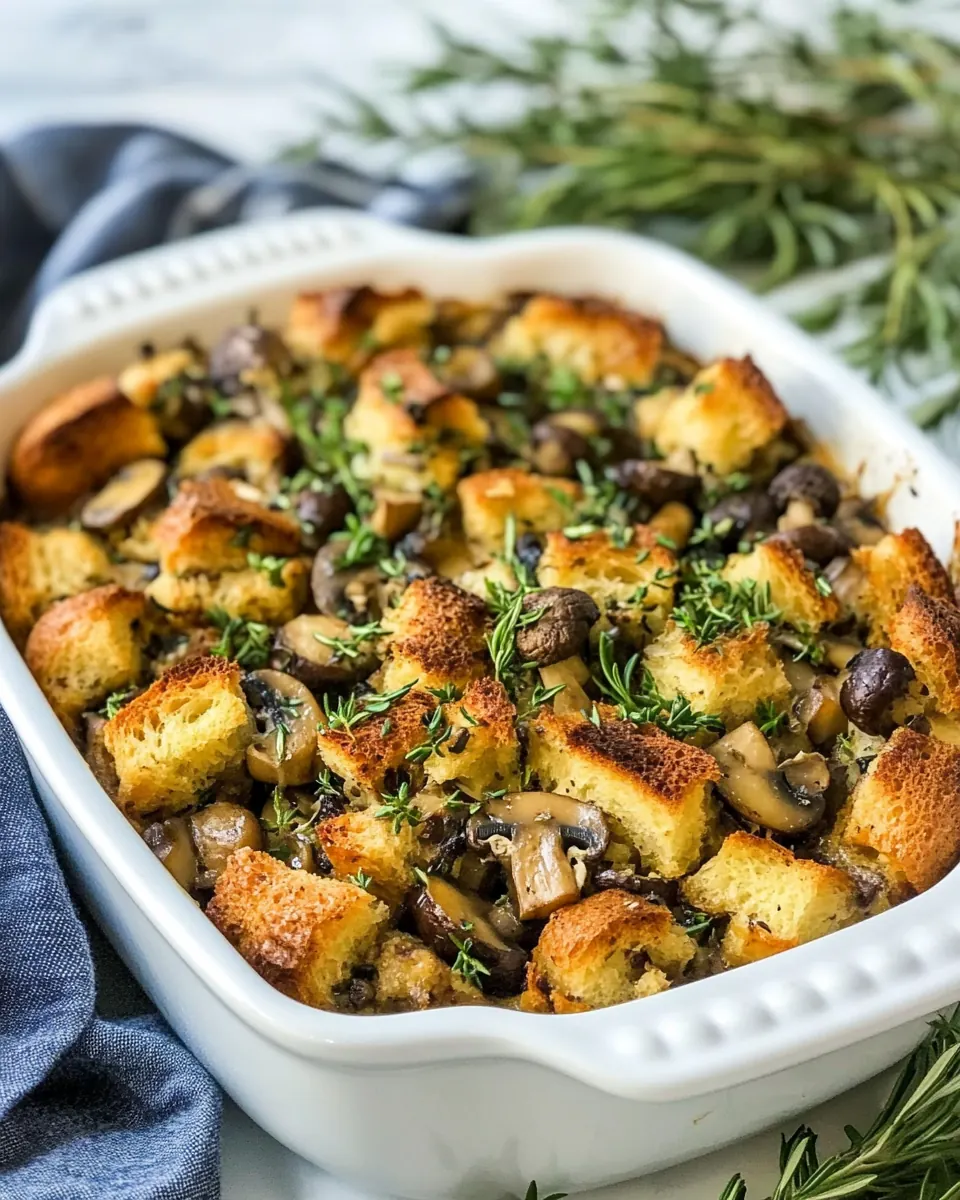
I keep the adjustments practical and focused on improving texture and flavor. These notes expand the recipe’s flexibility while keeping the finished dish faithful to the original savory profile.
- Make ahead: Assemble the pudding the day before, cover, and refrigerate. Bring it to room temperature before baking so the custard sets evenly, and reduce bake time slightly if it feels warm to the touch.
- Control moisture: Add the remaining vegetable stock gradually and test by pressing a cube; it should be moist inside but not collapsing. This helps achieve crisp edges and a creamy center.
- Herb timing: Stir fresh herbs in at the last mixing stage to keep their brightness. Overcooking herbs with the vegetables can dull their flavor, so add most just before combining with the bread.
- Mushroom sear: Cook the mushrooms at a moderate to high heat to encourage browning, which enhances umami. If your pan is crowded, do them in batches to avoid steaming.
- Egg wash consistency: Whisk the eggs thoroughly with 1 cup of vegetable stock to create a smooth custard; any unmixed egg white can bake unevenly and create pockets.
Serving Ideas for Mushroom Bread Pudding
This pudding works for dinners, holiday spreads, and cozy seasonal meals. I like to present it warm, letting guests scoop portions that reveal the golden top and soft interior. It pairs well with simple sides and can anchor a variety of occasions, from family dinners to festive gatherings.
- Casual dinner: Serve warm as a hearty side dish alongside roasted vegetables for a balanced plate, offering a range of textures for each bite.
- Holiday table: Place the pudding on a buffet to provide a comforting, shareable option that complements roasted mains and glazed root vegetables during special occasions.
- Lunch or potluck: Bring it to a potluck in the casserole dish; it travels well and can be reheated covered so the top stays crisp while the center remains tender.
- Storage: Refrigerate leftovers in an airtight container for up to three days; reheat covered in a moderate oven to refresh the texture without drying out the center.
- Seasonal pairing: Enjoy it in the cooler months alongside robust, earthy flavors like roasted squash or a simple green salad dressed with lemon to cut the richness.
FAQ
Conclusion
Mushroom Bread Pudding stands out because it turns simple elements into a dish that is both comforting and elegant. Give it a try the next time you have a day old loaf and a package of mushrooms; the results are reliably satisfying and great for sharing. I hope this recipe becomes one of your go to dishes for cozy dinners and holiday gatherings, bringing warm, savory flavors to your table with minimal fuss.
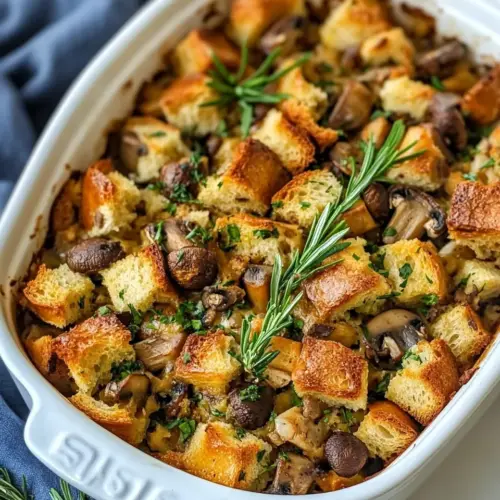
Mushroom Bread Pudding
Equipment
- Skillet
- Mixing Bowl
- 9x13 casserole dish
Ingredients
- 1 pound (450 g) firm white sandwich, French, or Italian bread cut into 1/2-3/4 inch cubes, about 10 cups Cut into cubes to provide structure and absorb the custard; cubes create a hearty texture and exterior crisping when baked. Use slightly stale bread for best absorption and to prevent sogginess while maintaining distinct pieces. Measure about 10 cups to ensure the pudding has a balanced bread-to-moisture ratio throughout.
- 4 tablespoons (52 g) butter Melt and use for sautéing aromatics and mushrooms; butter adds richness, a glossy finish, and a silky mouthfeel to the stuffing. Browning the butter slightly enhances nutty flavor that complements earthy mushrooms and herbs. Distribute evenly to coat bread cubes lightly if tossing with butter before baking.
- 2 tablespoons (30 ml) olive oil Heat for sautéing and to extend the frying point of the butter; olive oil contributes fruity, savory undertones and helps prevent burning. Use alongside butter to balance flavor and texture during vegetable cooking. Choose a mild extra-virgin or light olive oil depending on desired intensity.
- 1 medium yellow onion diced Dice finely to release a sweet, savory base flavor that softens and caramelizes during cooking; onion provides aromatic depth to the pudding. Cook until translucent or lightly browned to develop sweetness and complexity. Stir frequently to evenly distribute onion flavor among other fillings.
- 2 ribs celery diced Dice small to add mild vegetal crunch and aromatic depth; celery contributes freshness and a subtle bitterness that brightens the dish. Sauté with onions to meld flavors and soften texture while preserving slight bite. Ensure even-sized pieces for consistent cooking alongside mushrooms.
- 1 pound (450 g) mushrooms diced small Dice small to provide meaty, earthy bulk and absorb savory flavors; mushrooms lend umami and a tender, chewy texture to the bread pudding. Sauté until moisture is released and edges begin to brown to concentrate flavor and prevent a watery finished dish. Choose firm varieties and cook down sufficiently for best texture.
- 2 cloves garlic minced Mince finely to infuse a pungent, savory hit that enhances overall flavor; garlic imparts aromatic warmth and complexity. Add towards the end of sautéing to avoid bitterness from overcooking while maximizing fragrance. Distribute evenly so small bursts of garlic carry through each bite.
- 1/4 cup fresh parsley chopped Chop fresh to add bright, herbaceous notes and a clean finish; parsley offers freshness that balances richer components. Stir in near the end of cooking or scatter over the finished pudding to retain color and lively flavor. Use flat-leaf parsley for a more pronounced herbal taste.
- 2 tablespoons fresh sage chopped Chop fresh to provide aromatic, slightly peppery and citrusy notes that complement mushrooms; sage contributes warm, savory depth. Use finely chopped leaves to avoid leathery texture and to infuse the custard and filling uniformly. Add during cooking to mellow its potency and allow flavors to blend.
- 1 tablespoon fresh thyme chopped Chop fresh to add subtle lemony, floral layers and to enhance savory depth; thyme brings earthy brightness and complexity. Sprinkle into the sauté to release essential oils without overpowering other herbs. Use small leaves and remove any woody stems for a pleasant texture.
- 1 tablespoon fresh rosemary chopped Chop fresh to contribute piney, resinous accents that boost savory character; rosemary adds aromatic intensity best used sparingly. Mince finely to avoid tough, fibrous bites and to distribute its strong flavor throughout the pudding. Combine with other herbs to create a balanced herbal profile.
- 1 teaspoon salt Season to enhance and bind flavors; salt amplifies natural tastes and balances the savory-sweet components of the dish. Add gradually, especially if using salted stock or butter, and taste the custard before baking to avoid overseasoning. Distribute evenly to ensure consistent seasoning in every bite.
- 1/2 teaspoon ground black pepper Grind to taste for mild heat and aromatic lift; black pepper sharpens and complements the earthy mushrooms and herbs. Add freshly ground pepper for maximum fragrance and flavor complexity. Use sparingly at first and adjust after tasting the assembled mixture.
- 1 3/4 cups (420 ml) vegetable stock divided Measure and use to provide moisture, savory depth, and a vegetarian liquid base for the custard; vegetable stock seasons and hydrates the bread cubes. Divide the stock to partially cook the vegetables and to create the custard with eggs, ensuring even absorption. Use a flavorful, low-sodium stock to control overall seasoning.
- 2 eggs beaten Beat and combine to create a custardy binder that sets the pudding and holds the bread and fillings together; eggs contribute richness and structure. Whisk thoroughly to achieve a uniform custard with the stock, ensuring even coating of bread cubes. Temper eggs with warm stock if necessary to avoid curdling and to ensure a smooth texture.
Instructions
- To lightly toast and dehydrate the bread, place bread cubes on a half size rimmed baking sheet and toast in the oven at 210°F (100°C) for 90 minutes, flipping every 30 minutes. This can be done a few days ahead.: As the bread toasts slowly it loses moisture and develops a faint toasty aroma, which encourages even absorption later. You will notice the cubes becoming drier and slightly firmer to the touch, with subtle color change around the edges. This gradual dehydration prevents the pudding from becoming soggy, and it helps create those crisp edges. A common mistake is to rush this step at too high a temperature, which can brown the cubes unevenly and leave the interior still moist. If your cubes still feel springy, give them more time in the low oven, flipping on schedule so all sides dry evenly.
- Preheat the oven to 350°F (180°C), or 160°C if using a fan oven. Spray a 9×13 inch casserole dish with nonstick spray.: The oven will provide steady heat for the custard to set and the top to brown. You should feel a warm, dry heat when you open the oven, and the rack should sit in the center for even baking. Preheating ensures the pudding starts cooking immediately, which helps the eggs set uniformly. Forgetting to preheat can lead to longer bake times and an uneven finished texture. If your oven runs hot or cold, use an oven thermometer to verify the temperature before you place the dish inside.
- In a large 12 inch skillet, over medium heat, melt the butter, heat olive oil and saute the onion and celery until they start to soften.: As the butter melts and the olive oil shimmers, the onion and celery will begin to soften and release a gentle sweetness. You will hear a gentle sizzle and see the edges of the vegetables turn translucent, which signals they are ready for the next addition. Softening these aromatics develops the base flavors and prevents raw onion bite. A common error is cooking over too high heat, which can brown them too quickly; adjust to medium and stir to avoid sticking.
- Add mushrooms, season with salt and pepper, and cook until the mushrooms are tender.: When the diced mushrooms hit the hot pan they will release moisture, and you will hear a lively sizzle. Continue cooking until the liquid has mostly evaporated and the mushrooms are tender and starting to brown, which concentrates their umami. Visually, look for golden edges and a denser texture. Overcrowding the pan will cause the mushrooms to steam instead of brown, so cook in batches if necessary. If they seem watery, increase heat briefly to evaporate excess moisture, then lower it again to finish gently.
- Add the garlic, and cook for 30 seconds or until it’s fragrant then remove from heat.: The moment you add the minced garlic , a fragrant burst will perfume the pan; that scent is fleeting so move quickly. A short cook of about 30 seconds is enough to release garlic oils without allowing it to turn bitter. Once fragrant, remove the skillet from heat to prevent overcooking. A typical mistake is leaving garlic over the heat, which can lead to a sharp, unpleasant flavor; watch it closely and pull the pan promptly.
- In a bowl, whisk the eggs with 1 cup of the vegetable stock. Set aside.: The whisking should create a smooth, slightly frothy mixture that will become the custard binder. Use a fork or whisk to fully incorporate the eggs and vegetable stock so there are no streaks of raw white, which ensures even setting during baking. This ratio establishes the initial moisture level, and whisking helps the liquid integrate into the bread later. A common oversight is under whisking, which can cause uneven pockets of egg once baked. Whisk until uniform and slightly airy for best texture.
- In a large mixing bowl, combine the toasted bread with the mushroom mixture, and chopped herbs.: As you fold the warm mushroom mix into the toasted bread , you should smell the herbs bloom and see the cubes begin to take on color from the savory mixture. Toss gently to coat each cube so the herbs and aromatics are evenly distributed. This step marries the flavors before the custard is added, so take your time to ensure even mixing. A frequent mistake is vigorous stirring that breaks the bread down too much; be gentle to preserve texture.
- Pour the egg mixture all over the bread, then toss the bread with your hands. Then, gradually add the remaining vegetable stock until the bread is soaked all the way through but not mushy.: When the custard hits the bowl, you will hear a soft slosh and feel the cubes start to absorb the liquid. Using your hands lets you gauge moisture levels, pressing gently so liquid moves into the crumb without crushing the cubes. After an initial toss, gradually add the remaining vegetable stock until the bread is soaked through but not sloppy. Over-saturating will make the pudding heavy and gluey, so stop when cubes feel pliant but intact. A common mistake is adding all the liquid at once, which can lead to uneven absorption.
- Cover with foil, and bake in the oven for 30 minutes (the pudding is ready when the internal temperature reaches 160°C). Remove the foil, and continue cooking for 10 more minutes or until the top starts to brown. Serve warm.: The additional vegetable stock lets you fine tune the moisture. Add it slowly, and pause between additions to press and feel how well the bread has absorbed the liquid. The goal is an even, slightly springy texture that yields to a fork, not a soupy mix. If the mixture looks overly wet, give it a few minutes to settle before adding more. Rushing this can leave you with a watery center, so err on the side of restraint.
- Cover with foil, and bake in the oven for 30 minutes (the pudding is ready when the internal temperature reaches 160°C): While covered, the pudding steams gently and the custard sets without excessive browning. You will notice a faint rise and a set center after this period. The internal temperature guideline ensures the eggs are fully cooked, but look for a gentle jiggle in the center rather than liquid movement. A common error is underbaking; if it still feels loose, give it additional time covered in small increments.
- Remove the foil, and continue cooking for 10 more minutes or until the top starts to brown: Uncovering allows the surface to dry and brown, creating that craveable contrast between crisp edges and a soft interior. Listen for a faint crackle and look for golden spots forming on top. That final browning adds texture and visual appeal. Be careful not to overbake, which can dry the pudding; pull it when the top is golden and the center is set but still tender. Let it rest briefly before serving so the custard firms and slices hold together.
Notes
- Make ahead: Assemble the pudding the day before, cover, and refrigerate. Bring it to room temperature before baking so the custard sets evenly, and reduce bake time slightly if it feels warm to the touch.
- Control moisture: Add the remaining vegetable stock gradually and test by pressing a cube; it should be moist inside but not collapsing. This helps achieve crisp edges and a creamy center.
- Herb timing: Stir fresh herbs in at the last mixing stage to keep their brightness. Overcooking herbs with the vegetables can dull their flavor, so add most just before combining with the bread.
- Mushroom sear: Cook the mushrooms at a moderate to high heat to encourage browning, which enhances umami. If your pan is crowded, do them in batches to avoid steaming.
- Egg wash consistency: Whisk the eggs thoroughly with 1 cup of vegetable stock to create a smooth custard; any unmixed egg white can bake unevenly and create pockets.