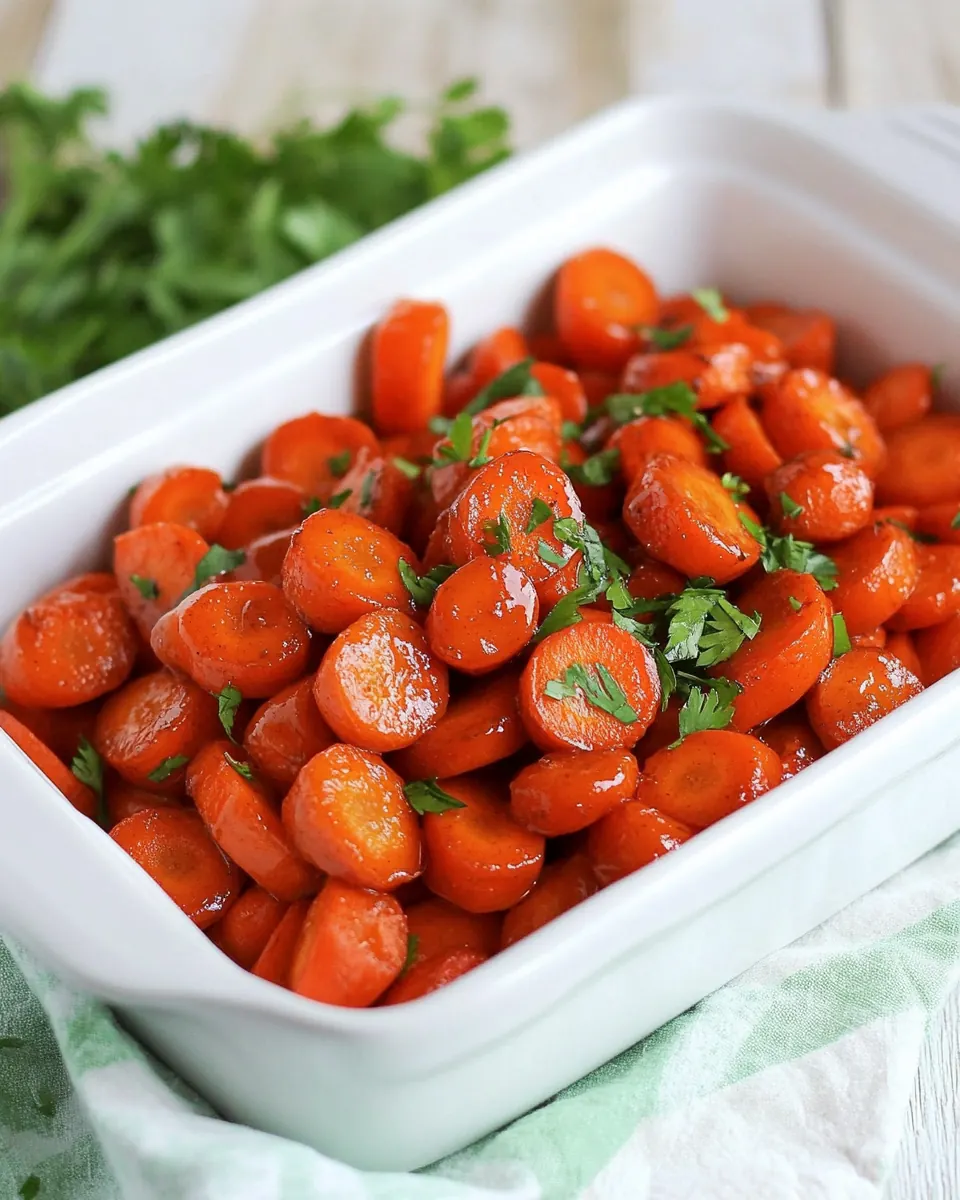
Honey Glazed Carrots
Honey Glazed Carrots started showing up on my table when I wanted something simple that still felt like care on a plate. I remember bringing a tray of warm, glossy carrots to a weekday dinner that was otherwise full of takeout, and watching it change the mood at the table. The sweetness of the glaze softened the edges of a long day, and everyone reached for seconds without hesitation.
Over time I learned tiny tricks that make these carrots sing, like slicing them to a consistent thickness so each piece finishes at the same moment, or saving a spoonful of the glaze to finish the pan so the surface keeps that sticky shine. I like how the aroma of butter and honey drifting through the kitchen feels like a warm welcome. These moments are the reason I keep this recipe in my weeknight rotation, and why guests always ask for the recipe when they taste that buttery, honeyed coating.
Recipe Snapshot
30 mins
10 mins
20 mins
Easy
120 kcal
American
Gluten-Free, Paleo
Side Dishes
Baking sheet, Mixing bowl, Whisk, Tongs
What We Adore About This Honey Glazed Carrots
Bright, approachable flavor
I adore how Honey Glazed Carrots balance natural sweetness and gentle spice. The combination of warm cinnamon and a whisper of nutmeg lifts the humble carrots into something memorable, while the honey gives a glossy, inviting finish.
Effortless weeknight side
We can get this on the table with very little fuss. You do not need special skills, and the steps are forgiving, which makes it great for busy evenings when you still want a vegetable that feels special.
Kid friendly and crowd pleasing
I have served this to picky eaters and to date night guests, and it works every time. The texture is tender but not mushy, and most people love the gentle sweetness. This makes it a reliable choice for family dinners and potlucks alike.
Flexible and seasonal
Though simple, the recipe adapts well to what you have on hand. You can scale it up for a gathering, and the spices give it a cozy, almost holiday feel without being heavy handed.
Small technique, big payoff
Taking the time to evenly slice the carrots and reserve a bit of glaze to finish them makes all the difference. That final drizzle is what gives the surface its shiny, caramelized appeal, and it is a tiny move that yields a professional looking plate.
What Goes Into Honey Glazed Carrots
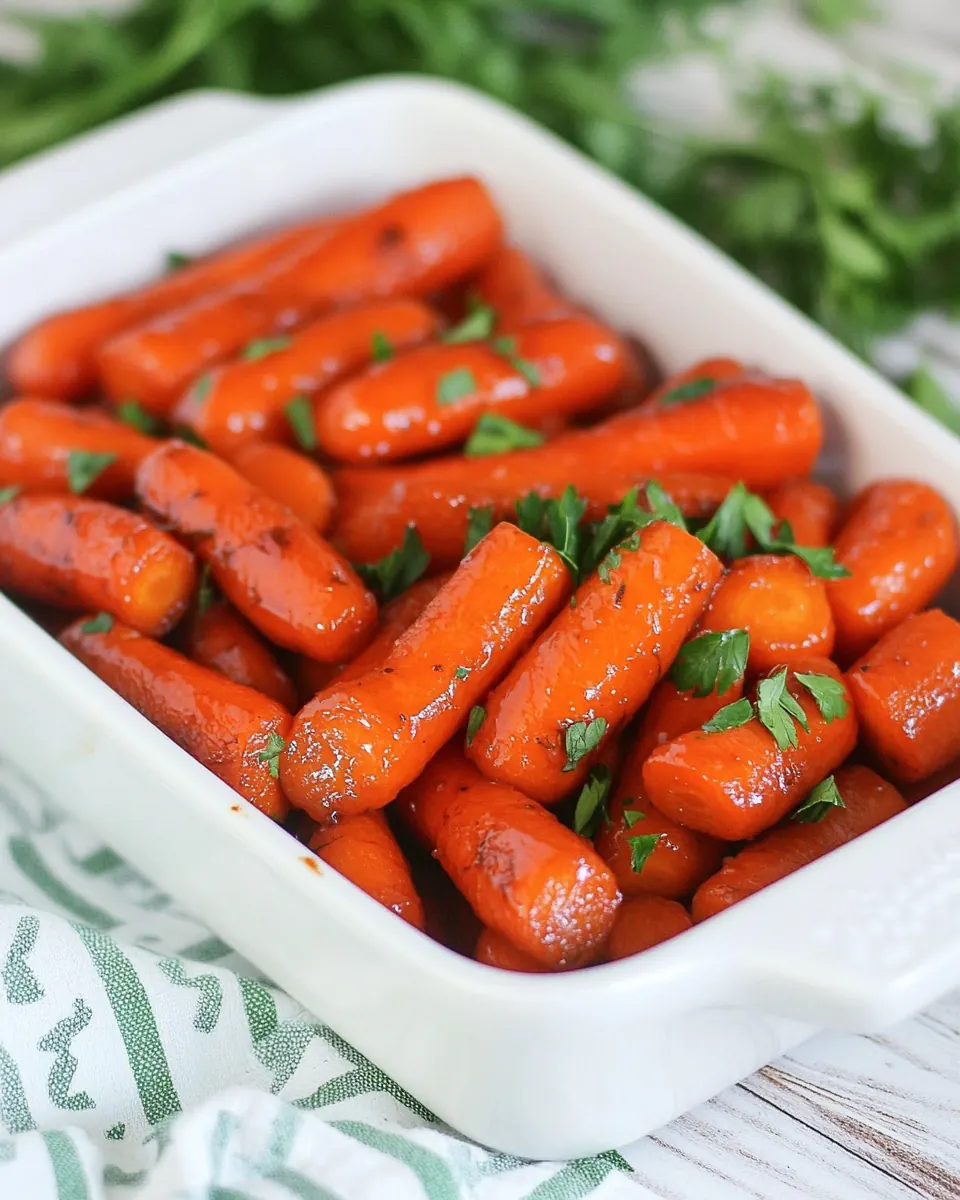
The philosophy here is simple: a few high quality players that work together to transform ordinary carrots into a glossy, warmly spiced side. Each ingredient has a clear job, from providing fat for browning, to lending sweetness and a hint of warmth, to seasoning. When combined, they create contrast between tender interior and sticky, caramelized exterior.
- 1 pound carrots: Provide sweetness and body to the dish while offering a tender texture when cooked; helps carry other flavors and gives a hearty base for glazing. Peel and cut into uniform pieces for even cooking and an attractive presentation. Roast, steam, or simmer until just tender to maximize natural sugars without becoming mushy.
- 2 tablespoons butter: Add richness and a silky mouthfeel while helping to create the glossy glaze; melts quickly to coat the carrots and bind the honey and sugar. Soften gently over low heat to avoid browning and to allow flavors to meld. Use unsalted or adjust salt elsewhere to control seasoning.
- 2 tablespoons honey: Contribute concentrated sweetness and sticky gloss that helps form a shiny, caramelized coating on the carrots. Blend into the warm butter to create an emulsified glaze that clings to the vegetable pieces. Add toward the end of cooking to preserve its floral notes and prevent burning.
- 1 teaspoon brown sugar: Provide a deep, molasses-like sweetness that enhances the caramel flavor and balances the glaze with a hint of complexity. Sprinkle sparingly to avoid overpowering simple sugars while contributing to a rounded finish. Dissolve into the warm butter–honey mixture for even distribution.
- 1/2 teaspoons ea salt: Season and enhance overall flavor by lifting sweetness and balancing richness; promotes taste harmony in the glaze without overwhelming the dish. Dissolve into the glaze so it permeates the carrots as they cook. Adjust quantity to suit dietary sodium preferences.
- 1/2 teaspoon cinnamon: Introduce warm, aromatic undertones that pair beautifully with sweet flavors, adding depth and a cozy spice character to the glaze. Use a light hand to keep the spice subtle and complementary to the carrots' natural sweetness. Stir into the glaze so the spice infuses evenly during cooking.
- 1/8 teaspoon nutmeg: Offer a delicate, nutty warmth that rounds out the spice profile and supports the cinnamon without dominating the palate. Use in very small amounts due to its potency, adding nuance to the overall flavor. Combine into the glaze to ensure a balanced, aromatic finish.
Step by Step Guide for Honey Glazed Carrots
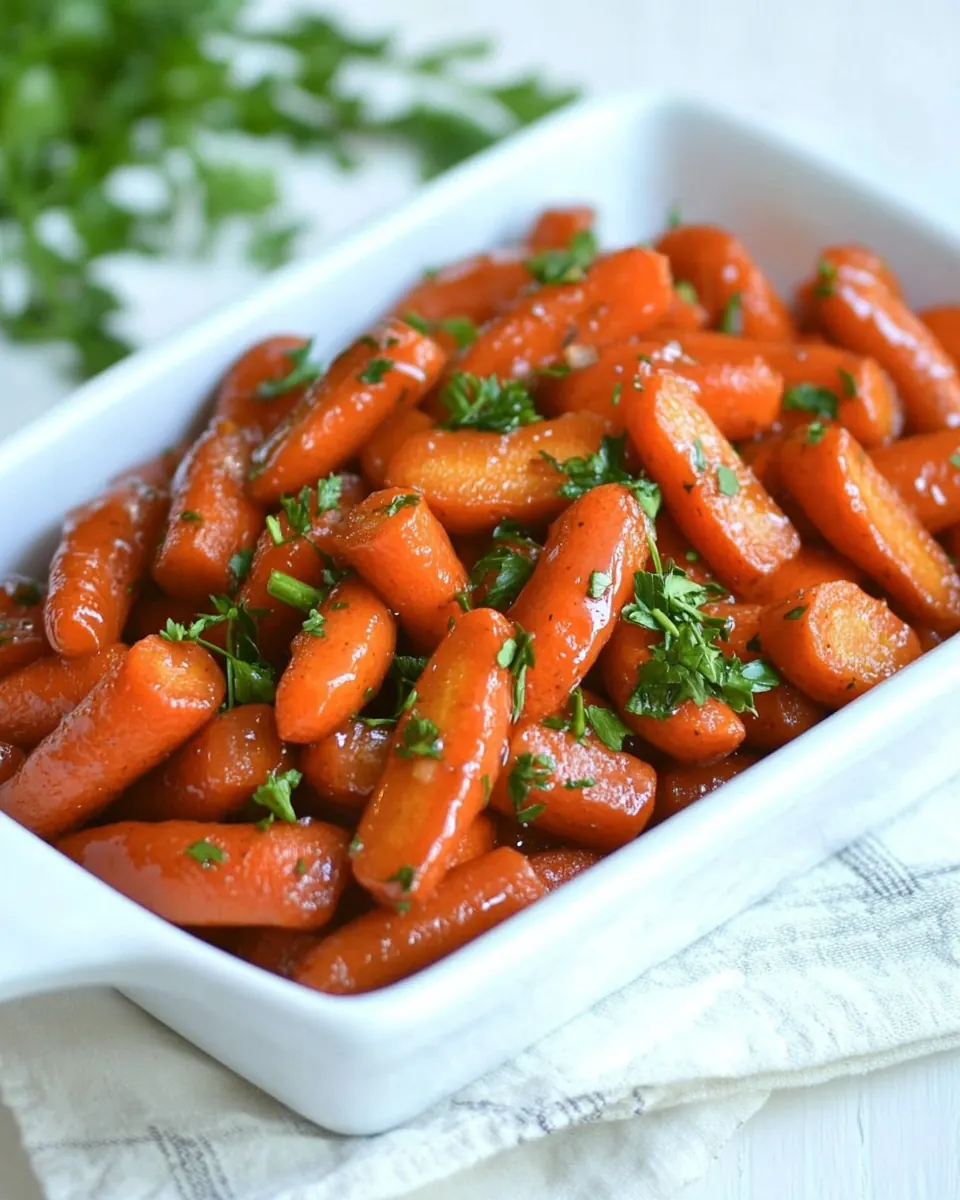
This recipe is straightforward, but I like to walk you through each moment so you can nail texture and flavor. Below I expand the original directions into detailed, sensory rich guidance so you know exactly how things should look, sound, and smell as you go.
- Preheat oven to 400 degrees F. Peel carrots, and cut into coins.: The oven should be hot enough so the carrots roast and develop caramelized edges rather than steam. As it comes up to temperature you may smell the faint warmth of the heating element, and once the oven is ready the air inside feels noticeably warmer. A common mistake is putting vegetables into an oven that is not fully preheated, which can lead to uneven color and a limp texture.
- Melt butter and pour into a small mixing bowl. Add honey, sugar, salt, cinnamon and nutmeg. Whisk to combine.: Slicing into uniform coins ensures consistent cooking and a pleasing mouthfeel. When you cut, listen for the clean snap of a crisp carrot , and look for rounds of similar thickness, about a quarter inch to a half inch, so they finish at the same time. If slices vary widely, thinner pieces will overcook while thicker ones remain firm, so take a few extra moments to match sizes.
- Place carrots onto a baking sheet and drizzle with all but 1 tablespoon of glaze. Toss carrots to more evenly coat.: As the butter melts it should go from opaque to glossy liquid, releasing a gentle, nutty aroma. Pour it into a bowl so you can whisk it easily with the sweeteners and spices. If the butter browns, stop heating immediately to avoid a burnt flavor; brown butter is tasty in some recipes, but here you want pure richness to carry the glaze.
- Roast in oven for 15-20 minutes. Drizzle with reserved glaze and serve.: When you add the honey and brown sugar to the melted butter , you will feel the mixture thicken slightly as the sugar dissolves. The aroma will shift toward warm spice from the cinnamon and a subtle savory lift from the salt. Whisk until smooth and glossy so the glaze is homogeneous; if the sugar has not fully dissolved you may notice tiny grains, which can create uneven texture on the finished surface.
- Whisk to combine: A good whisking yields a cohesive, syrupy glaze that clings to a spoon. Visually it should be smooth and slightly viscous. If the glaze separates, whisk again and a little warm butter can help bring it back together. Avoid overheating, which can thin the glaze and make it run off the carrots instead of coating them.
- Place carrots onto a baking sheet and drizzle with all but 1 tablespoon of glaze: Spread the carrots in a single layer so each piece has contact with the hot sheet, which encourages browning. Drizzle most of the glaze over them, but reserve one tablespoon for finishing so the surface stays shiny after roasting. You should hear a faint sizzle if the sheet is warm, and visually the glaze should make the carrots gleam. Crowding the pan is a common error, it steams vegetables instead of roasting them.
- Toss carrots to more evenly coat: Use tongs or a spatula to gently turn the rounds so every side gets glaze. You want a thin, even coating rather than clumps. When tossed correctly the carrots will look uniformly glossy, which helps them caramelize consistently in the oven. Over tossing can break fragile pieces, so be gentle.
- Roast in oven for 15 to 20 minutes: While roasting you will notice the sweet smell intensify, and the edges of the carrots should take on a golden to deep amber hue. The texture should change from firm to tender with a slight give when pierced. Check at the earlier time point to avoid overcooking; a common mistake is leaving them too long which yields a mushy interior. Rotate the pan halfway through if your oven has hot spots to ensure even color.
- Drizzle with reserved glaze and serve: After the carrots come out of the oven, the heat will be enough to slightly loosen the glaze so it spreads beautifully. Drizzling the reserved tablespoon at the end brings bright shine and a fresh burst of flavor. The surface should glisten and the aroma of warmed honey and spice will be vivid. Avoid pouring too much extra glaze or the dish can become sticky and overly sweet, a light finish is all you need.
Customization Ideas
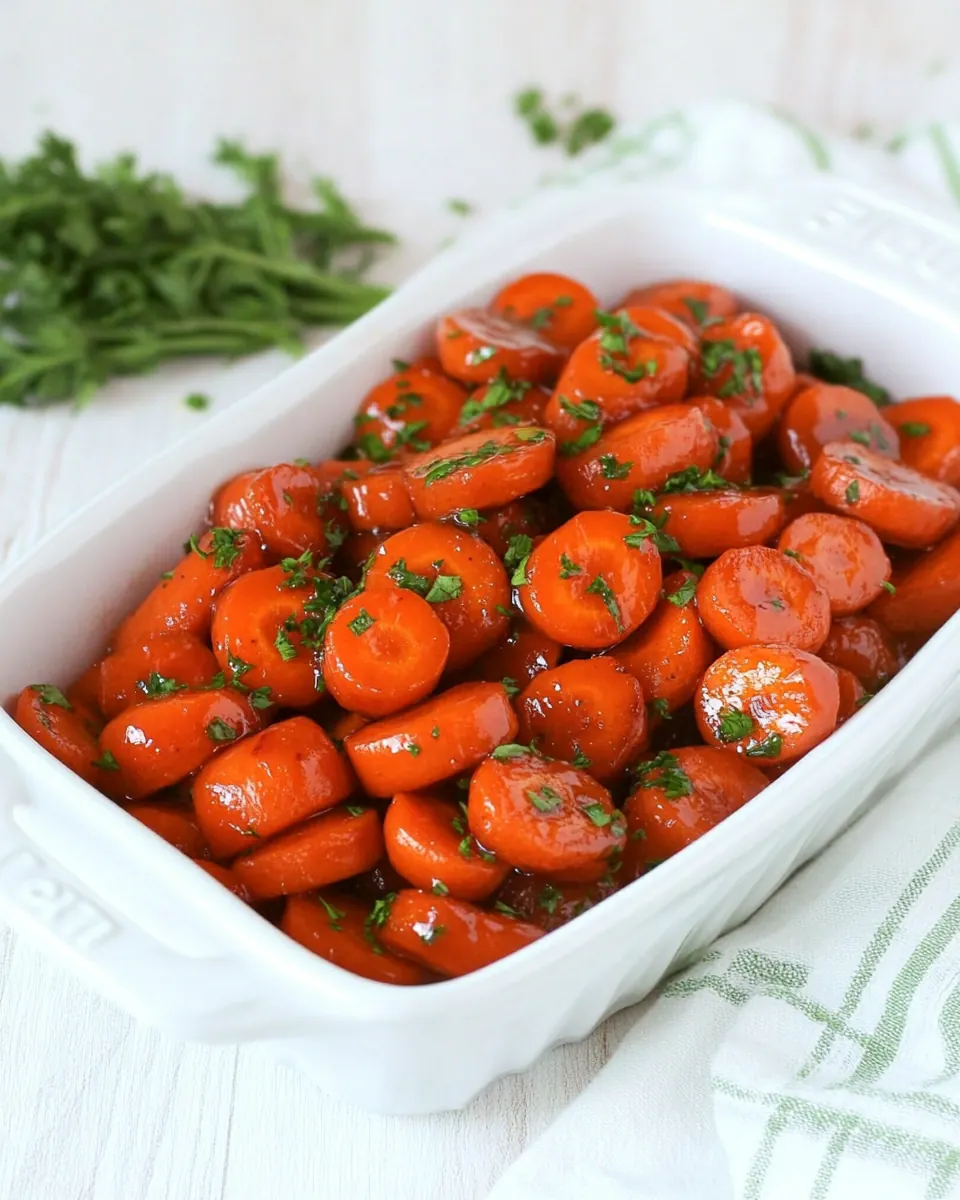
This dish is a great canvas for small changes that reflect your pantry or the season. Below are practical options to tweak texture, warmth, and presentation while keeping the essence of Honey Glazed Carrots intact.
- Swap carrot cut Try slicing the carrots on the bias for longer ovals that present nicely on the plate, they roast similarly but have a more elegant look.
- Adjust sweetness If you prefer less sweet, reduce the honey by half and add a squeeze of fresh citrus to brighten the dish without increasing sugar.
- Boost warmth Increase the cinnamon slightly or add a tiny pinch more nutmeg for a spicier profile that feels cozy in cooler months.
- Make it glitter Hold back an extra teaspoon of glaze and brush it on just before serving to heighten the shine and offer a fresh honey note.
- Batch scaling Double the recipe for gatherings and roast on two sheet pans, rotating them between racks halfway through for even color.
- Serve warm These are best served soon after roasting while the glaze is still glossy and aromatic, if reheating, do it briefly in a hot oven to revive the surface.
Serving Suggestions
These Honey Glazed Carrots work for casual meals and special occasions alike. Serve them warm to showcase the glossy finish and aromatic spices. Below are ideas for pairing and presentation, storage guidance, and seasonal context.
- Weeknight dinners Pair with roasted protein and simple grains for an easy, balanced plate that feels homey and satisfying.
- Holiday tables Their warm spices make them a natural fit for festive occasions when you want a vegetable side that feels slightly elevated.
- Lunch bowls Add these as a sweet roasted component to grain bowls for a contrast in texture and flavor.
- Presentation Serve on a warm platter and finish with a light sprinkle of flaky salt to balance the sweetness and add a textural pop.
- Storage Refrigerate leftovers in an airtight container for up to four days, reheat briefly in a hot oven to restore gloss and texture.
- Seasonal pairing They pair well with autumn and winter mains because of their warm spice notes, but they are equally welcome in spring and summer when you want a colorful, sweet side.
- Occasions Suitable for family dinners, potlucks, and holiday spreads, they scale easily and travel well when transported in a warm container.
FAQ
Conclusion
Honey Glazed Carrots stand out because they take a humble vegetable and elevate it with a buttery, honeyed glaze and warming spice. Try this recipe when you want a side that feels both comforting and a little special, whether for a quiet weeknight or a festive table. It is forgiving, approachable, and reliably delicious, so give it a go and see how such a small effort yields a big payoff in flavor and presentation.
Honey Glazed Carrots
Equipment
- Baking Sheet
- Mixing Bowl
- Whisk
- Tongs
Ingredients
- 1 pound carrots Provide sweetness and body to the dish while offering a tender texture when cooked; helps carry other flavors and gives a hearty base for glazing. Peel and cut into uniform pieces for even cooking and an attractive presentation. Roast, steam, or simmer until just tender to maximize natural sugars without becoming mushy.
- 2 tablespoons butter Add richness and a silky mouthfeel while helping to create the glossy glaze; melts quickly to coat the carrots and bind the honey and sugar. Soften gently over low heat to avoid browning and to allow flavors to meld. Use unsalted or adjust salt elsewhere to control seasoning.
- 2 tablespoons honey Contribute concentrated sweetness and sticky gloss that helps form a shiny, caramelized coating on the carrots. Blend into the warm butter to create an emulsified glaze that clings to the vegetable pieces. Add toward the end of cooking to preserve its floral notes and prevent burning.
- 1 teaspoon brown sugar Provide a deep, molasses-like sweetness that enhances the caramel flavor and balances the glaze with a hint of complexity. Sprinkle sparingly to avoid overpowering simple sugars while contributing to a rounded finish. Dissolve into the warm butter-honey mixture for even distribution.
- 1/2 teaspoons ea salt Season and enhance overall flavor by lifting sweetness and balancing richness; promotes taste harmony in the glaze without overwhelming the dish. Dissolve into the glaze so it permeates the carrots as they cook. Adjust quantity to suit dietary sodium preferences.
- 1/2 teaspoon cinnamon Introduce warm, aromatic undertones that pair beautifully with sweet flavors, adding depth and a cozy spice character to the glaze. Use a light hand to keep the spice subtle and complementary to the carrots' natural sweetness. Stir into the glaze so the spice infuses evenly during cooking.
- 1/8 teaspoon nutmeg Offer a delicate, nutty warmth that rounds out the spice profile and supports the cinnamon without dominating the palate. Use in very small amounts due to its potency, adding nuance to the overall flavor. Combine into the glaze to ensure a balanced, aromatic finish.
Instructions
- Preheat oven to 400 degrees F. Peel carrots, and cut into coins.: The oven should be hot enough so the carrots roast and develop caramelized edges rather than steam. As it comes up to temperature you may smell the faint warmth of the heating element, and once the oven is ready the air inside feels noticeably warmer. A common mistake is putting vegetables into an oven that is not fully preheated, which can lead to uneven color and a limp texture.
- Melt butter and pour into a small mixing bowl. Add honey, sugar, salt, cinnamon and nutmeg. Whisk to combine.: Slicing into uniform coins ensures consistent cooking and a pleasing mouthfeel. When you cut, listen for the clean snap of a crisp carrot , and look for rounds of similar thickness, about a quarter inch to a half inch, so they finish at the same time. If slices vary widely, thinner pieces will overcook while thicker ones remain firm, so take a few extra moments to match sizes.
- Place carrots onto a baking sheet and drizzle with all but 1 tablespoon of glaze. Toss carrots to more evenly coat.: As the butter melts it should go from opaque to glossy liquid, releasing a gentle, nutty aroma. Pour it into a bowl so you can whisk it easily with the sweeteners and spices. If the butter browns, stop heating immediately to avoid a burnt flavor; brown butter is tasty in some recipes, but here you want pure richness to carry the glaze.
- Roast in oven for 15-20 minutes. Drizzle with reserved glaze and serve.: When you add the honey and brown sugar to the melted butter , you will feel the mixture thicken slightly as the sugar dissolves. The aroma will shift toward warm spice from the cinnamon and a subtle savory lift from the salt. Whisk until smooth and glossy so the glaze is homogeneous; if the sugar has not fully dissolved you may notice tiny grains, which can create uneven texture on the finished surface.
- Whisk to combine: A good whisking yields a cohesive, syrupy glaze that clings to a spoon. Visually it should be smooth and slightly viscous. If the glaze separates, whisk again and a little warm butter can help bring it back together. Avoid overheating, which can thin the glaze and make it run off the carrots instead of coating them.
- Place carrots onto a baking sheet and drizzle with all but 1 tablespoon of glaze: Spread the carrots in a single layer so each piece has contact with the hot sheet, which encourages browning. Drizzle most of the glaze over them, but reserve one tablespoon for finishing so the surface stays shiny after roasting. You should hear a faint sizzle if the sheet is warm, and visually the glaze should make the carrots gleam. Crowding the pan is a common error, it steams vegetables instead of roasting them.
- Toss carrots to more evenly coat: Use tongs or a spatula to gently turn the rounds so every side gets glaze. You want a thin, even coating rather than clumps. When tossed correctly the carrots will look uniformly glossy, which helps them caramelize consistently in the oven. Over tossing can break fragile pieces, so be gentle.
- Roast in oven for 15 to 20 minutes: While roasting you will notice the sweet smell intensify, and the edges of the carrots should take on a golden to deep amber hue. The texture should change from firm to tender with a slight give when pierced. Check at the earlier time point to avoid overcooking; a common mistake is leaving them too long which yields a mushy interior. Rotate the pan halfway through if your oven has hot spots to ensure even color.
- Drizzle with reserved glaze and serve: After the carrots come out of the oven, the heat will be enough to slightly loosen the glaze so it spreads beautifully. Drizzling the reserved tablespoon at the end brings bright shine and a fresh burst of flavor. The surface should glisten and the aroma of warmed honey and spice will be vivid. Avoid pouring too much extra glaze or the dish can become sticky and overly sweet, a light finish is all you need.
Notes
- Swap carrot cut Try slicing the carrots on the bias for longer ovals that present nicely on the plate, they roast similarly but have a more elegant look.
- Adjust sweetness If you prefer less sweet, reduce the honey by half and add a squeeze of fresh citrus to brighten the dish without increasing sugar.
- Boost warmth Increase the cinnamon slightly or add a tiny pinch more nutmeg for a spicier profile that feels cozy in cooler months.
- Make it glitter Hold back an extra teaspoon of glaze and brush it on just before serving to heighten the shine and offer a fresh honey note.
- Batch scaling Double the recipe for gatherings and roast on two sheet pans, rotating them between racks halfway through for even color.
- Serve warm These are best served soon after roasting while the glaze is still glossy and aromatic, if reheating, do it briefly in a hot oven to revive the surface.