Placinta Dobrogeana
Placinta Dobrogeana has been a corner of my kitchen memories since I first watched my neighbor fold paper thin sheets of dough over a lumpy, tangy cheese filling while the street outside hummed with vendors. I remember the warm, buttery aroma drifting through the window as she layered and brushed each sheet, chatting about family gatherings and how this pie always went first. That first bite, flaky and slightly salty, felt like a small homecoming, and it convinced me that this recipe belongs in any comfort food rotation.
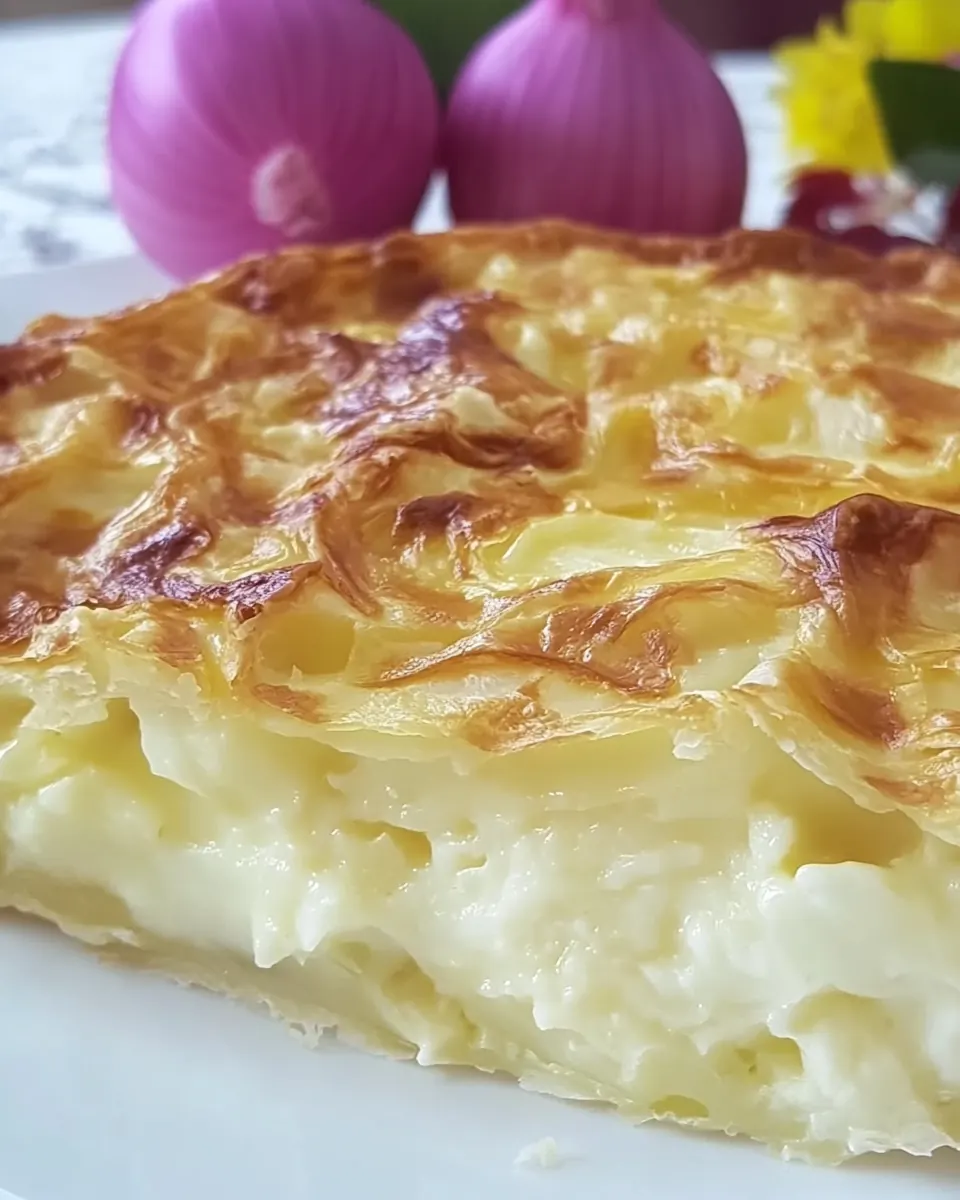
Over the years I’ve adapted small details, but the soul of Placinta Dobrogeana always stays the same: simple pantry staples turned into something celebratory. I like to make it when I want something that feeds a crowd and also shows a little effort without being fussy. The contrast between the crisp top layers and the creamy interior is quietly dramatic, and each forkful tells the story of careful rolling, gentle brushing, and that satisfying sigh when a slice comes away perfectly portioned.
When I bring this to a table, people ask for the recipe between mouthfuls, and I think it is because the textures are so approachable. The dough has a tender elasticity that responds to light kneading, while the cheese filling can be playful depending on what fresh cheeses I have on hand. I often find myself reminiscing about the moment the pie comes out of the oven, glossy from the egg wash, and everyone leans in as if to see whether it will hold together. It usually does, and that always makes me grin.
Recipe Snapshot
1 hr 30 mins
60 mins
30 mins
Medium
350 kcal
Romanian
Gluten-Free, Low FODMAP
Dinner
Mixing bowl, Rolling pin, Baking tray, Frying pan, Pastry brush
Why You’ll Love This Placinta Dobrogeana
Rustic, not fussy
I love how Placinta Dobrogeana feels handmade, not staged. The dough is forgiving, and the recipe lets you take your time. I’ve taught friends who were intimidated by pastry techniques, and they were surprised at how satisfying the process is once you get your hands in the dough. This pie rewards attention but does not punish minor mistakes, which makes it ideal for home cooks.
Creamy and savory contrast
The filling brings a rich, tangy creaminess that plays against the crisp, layered pastry. I always appreciate recipes that balance textures, and this one nails it. The cheese mixture becomes luxuriously soft when mixed with eggs and a touch of sour cream, creating a filling that almost melts on the tongue while the pastry provides structure and a buttery crunch.
Flexible and forgiving
I often change small things based on what I have in the fridge, and Placinta Dobrogeana takes those swaps in stride. You can alter the cheese ratio for a firmer or creamier center, or brush with oil if you need a dairy free edge. That versatility makes it one of my go to recipes when feeding unexpected guests or stretching ingredients over the week.
Great for gatherings
The pie slices neatly into portions, so it’s an effortless showstopper for brunches, potlucks, or a relaxed weekend supper. I love how the scored lines you press before baking act like tiny promises of the portion to come, and when I hand people a warm wedge straight from the tray, they always seem to appreciate the tangible comfort of it.
Layered technique teaches patience
Making the multiple sheets and brushing each layer is meditative. I find that the process slows me down and focuses me in the kitchen. It’s also a great recipe to make with company, because rolling and brushing can easily be shared tasks. The ritual of layering is part of the charm, and it’s why the finished pie feels like more than just food, it feels like time well spent.
What to Buy for Placinta Dobrogeana
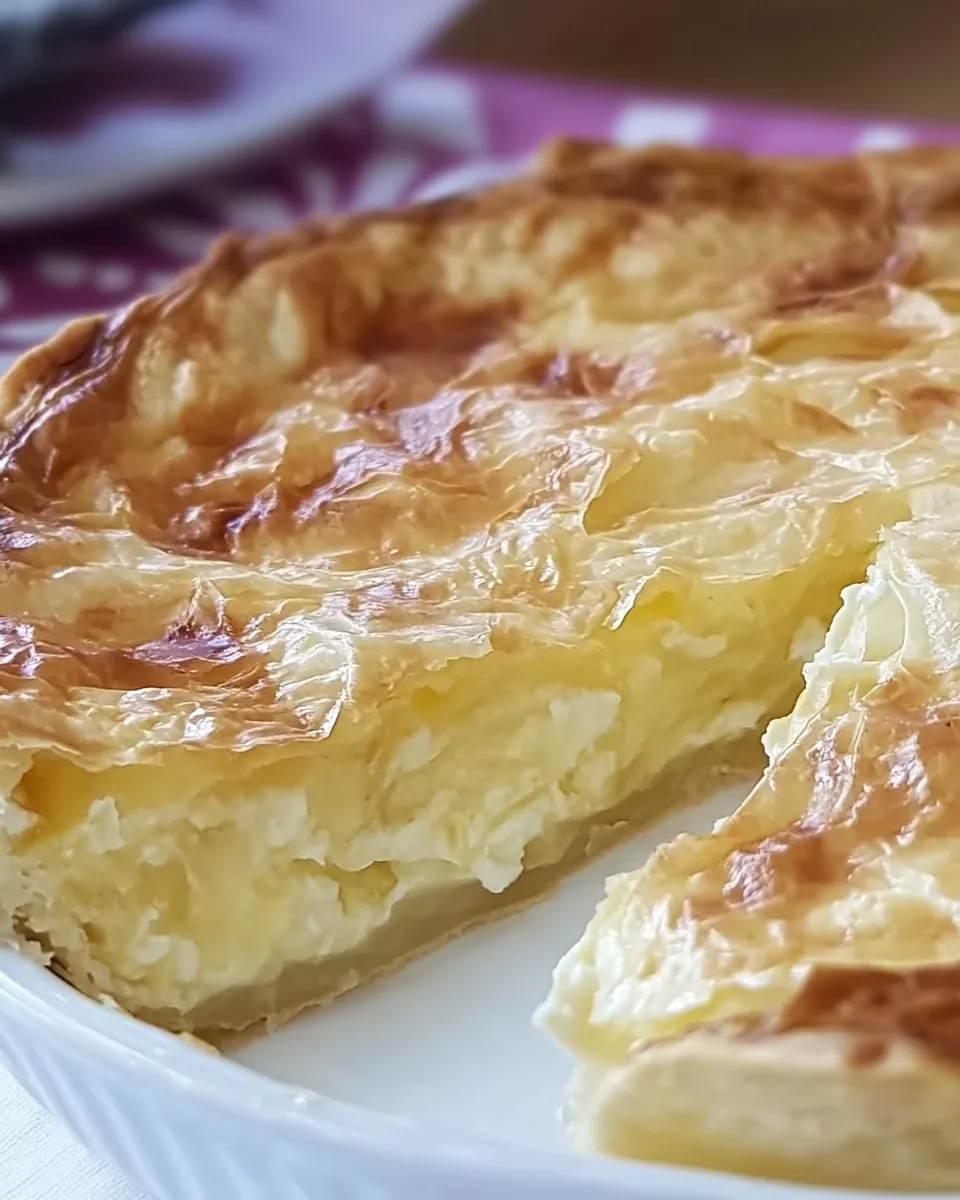
This recipe pairs a handful of pantry staples with a few starring players. The dough is the backbone, requiring simple staples to form a supple, rollable pastry. The cheese filling brings the savory heart, while butter and eggs enrich and bind. Together these ingredients create a balance of crisp, creamy, and slightly tangy notes that make the pie sing.
- 300 g rflour: Measured to provide structure and body to the dough, sifted flour forms the base of the pastry and determines its texture; combine carefully to avoid overworking and to achieve a tender crust. Use room-temperature flour for even hydration and consistent results when mixing with liquids. Adjust handling to produce thin, flexible sheets suitable for layering.
- 160 ml water: Added to hydrate the flour and bind the dough together, water helps form gluten that provides elasticity for rolling the dough thin; warm water can speed mixing but avoid hot temperatures that affect eggs. Use measured amounts to reach a pliable consistency and prevent a sticky or dry dough. Mix gradually to incorporate evenly.
- 1 small egg: Beaten and incorporated to enrich and tenderize the dough, a small egg contributes fat and protein for structure while adding a subtle richness to the pastry layers. Use at room temperature for better emulsification with other wet ingredients. Handle gently to maintain dough pliability.
- 1 tsp oil: Used sparingly as a lubricant and softening agent, a teaspoon of oil helps the dough remain supple and prevents tearing when stretched thin for layering. Choose a neutral oil to avoid interfering with the filling flavors. Incorporate evenly for consistent flexibility.
- 1 tsp salt: Dissolved into the dough to season and enhance flavor perception, a teaspoon of salt balances sweetness and strengthens gluten for better dough handling. Ensure even distribution by mixing with dry ingredients before adding liquids. Small adjustments can noticeably affect overall taste.
- 1 tsp vinegar: Added to slightly relax the dough and enhance tenderness, a teaspoon of vinegar helps inhibit excessive gluten development and improves layering; it also brightens the overall flavor profile subtly. Use diluted if necessary and incorporate with the wet ingredients. Do not exceed recommended amounts to avoid tanginess.
- 500 g rsoft fresh cheese: Crumbled or spread as the primary savory filling, soft fresh cheese provides creamy texture, tangy flavor, and moisture that contrasts with the crisp pastry layers. Drain any excess liquid to prevent sogginess and season as needed for balance. Use high-quality fresh cheese for best flavor.
- 3 eggs: Beaten into the cheese filling to enrich and bind, the additional eggs add structure and help the filling set while baking; they also contribute to a silkier texture and richer taste. Mix thoroughly to achieve a smooth, homogeneous filling. Adjust number of eggs only as recipe specifies for consistency.
- 1 tbsp sour cream: Folded into the cheese mixture for creaminess and slight tang, a tablespoon of sour cream lightens the filling and adds moisture for a tender interior. Use full-fat sour cream for optimal richness and mouthfeel. Incorporate just before baking to maintain texture.
- salt and pepper: Used to season the savory filling, salt and pepper enhance and balance the cheese mixture while amplifying the natural flavors of the other components. Grind pepper freshly for brighter aroma and taste. Add gradually and taste to achieve desired seasoning.
- 100 g rbutter: Melted and brushed between pastry layers to create separation and a golden finish, butter contributes rich flavor and crispness to the baked placinta. Use clarified butter for higher smoke point if browning quickly; cool slightly before handling to prevent soaking the dough. Apply evenly for consistent layers.
- 1 large egg: Beaten and used as an egg wash, a large egg promotes deep golden color and glossy finish on the baked pastry while adding a slight sheen. Whisk thoroughly and brush lightly to avoid pooling. Combine with a little water or milk if a thinner wash is preferred.
- 2 good tbspyoghurt: Stirred into the apple filling to provide moisture and a touch of tang, two tablespoons of yoghurt balance sweetness and contribute a subtle creaminess that enhances fruit flavors. Use plain, unsweetened yoghurt for control over sweetness. Add toward the end of filling preparation for even distribution.
- 750 g rapples: Prepared as the primary fruit component, apples supply natural sweetness, acidity, and body to the filling; they should be peeled, cored, and sliced consistently for even cooking. Choose firm varieties that hold shape when baked for best texture. Toss with sugar and spices to macerate before assembling.
- 200 g rsugar: Added to sweeten the fruit filling, granulated sugar draws juices from the apples and creates syrup that thickens during baking while balancing tartness. Adjust amount to taste and based on apple variety sweetness. Dissolve fully to ensure even caramelization.
- 50 g rbutter: Melted into the apple filling or brushed on top for added richness, butter enhances flavor depth and promotes browning during baking while enriching the syrup formed by the apples and sugar. Use in measured portions to avoid excess greasiness. Distribute evenly for consistent taste.
- 1 barcinnamon: Ground and mixed into the apple filling to add warm, aromatic spice and depth, cinnamon complements the fruitiness and enhances the overall aroma of the pastry. Use the appropriate amount to avoid overpowering the apples. Combine with sugar for even dispersion.
- 1 egg: Whisked and used as part of a glaze or binding agent, an egg contributes to browning and helps set any custardy components within the assembly while imparting a subtle richness. Beat until smooth for a consistent finish. Apply carefully to avoid overcoating.
- 1 tbsp sour cream: Folded into the apple filling to add creaminess and slightly tangy flavor, a tablespoon of sour cream helps create a smoother, more cohesive filling and tempers sweetness. Use full-fat for best texture and integrate just before filling the pastry. Stir gently to maintain fruit pieces.
- brown butter: Used as a finishing element to brush on baked layers or to cook the apples for a nutty, rich flavor, brown butter adds complex toasted notes and amplifies the overall aroma of the dish. Clarify if desired for longer shelf-stable application and brush lightly to avoid greasiness. Incorporate where a deeper buttery flavor is desired.
Making Placinta Dobrogeana
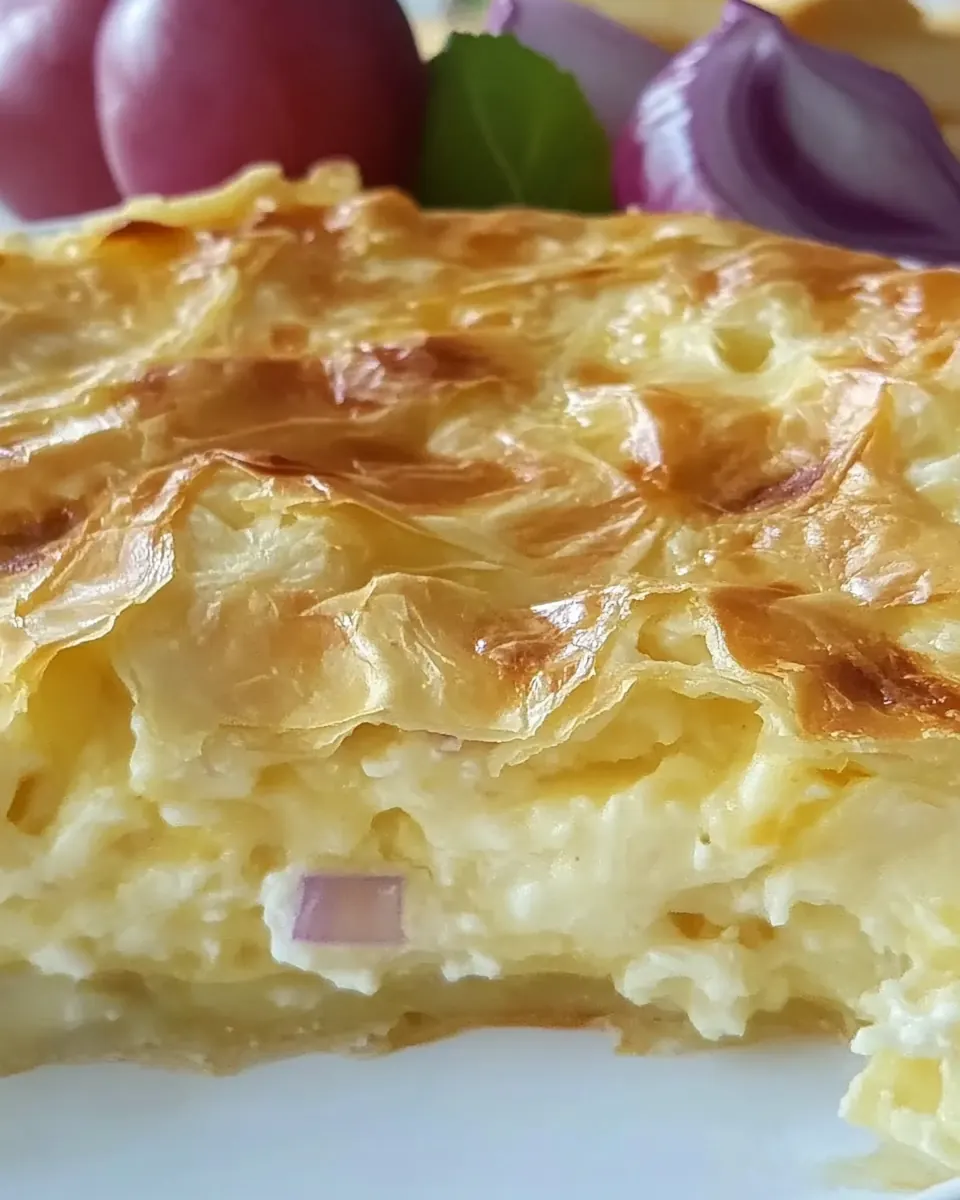
Preparing this pie feels methodical yet satisfying. You will mix dough, rest it, roll several thin sheets, build layers, and finish with a golden glaze. Below I expand the original directions into rich, sensory guided steps so you know what to expect at each turn.
- Pour the flour into a mixing bowl, make a well in the center, and add the egg, oil, water, salt, and vinegar.: The initial mix should smell faintly of fresh flour and egg, with the vinegar adding no noticeable aroma but quietly improving texture. Use your fingertips to bring liquid toward the flour wall, feeling the dough begin to gather in the well. The tactile sensation helps you judge hydration; if the dough feels powdery, a touch more water will help, if it feels sticky, a light dusting of flour is the fix. Common mistake to avoid is dumping all liquid at once, which can make the center overly wet and hard to integrate evenly.
- Combine the ingredients in the well and slowly draw in the flour, mixing with your fingers until a dough starts to form.: As you pull flour in, you should hear a faint rustle and feel the mixture change from loose to cohesive, like a soft crumble turning into a pliable mass. Work gently so you do not overwork the gluten; you want elasticity without toughness. If it feels gummy, it likely needs a light dusting of flour and more kneading time. Avoid using a mixer for this step unless you are experienced, because overmixing can yield a dense texture.
- Form the dough into a ball and turn out onto a floured work surface. Knead the dough until you achieve a soft, elastic dough which is no longer sticky.: The kneading rhythm should feel almost meditative, press fold turn, press fold turn, and you will sense the dough smooth and spring back when pressed. The surface should become satiny, and small air bubbles might appear, indicating gluten development. If it resists stretching or tears, give it a few more minutes; if it becomes too tacky, add flour sparingly. A frequent error is adding too much flour too early, which makes the dough dry and hard to roll thin.
- Put the dough back in the bowl and cover with a damp tea towel and rest on the sideboard for 30 minutes. Alternatively, flour the ball a little and drop it into a plastic freezer bag, give it a twist to get rid of the air, and leave it to rest for 30 minutes.: Resting relaxes the gluten, and you will notice the dough becomes easier to roll thin afterward. The scent should be neutral, and the surface slightly tacky but not wet. If you skip this rest, the dough will snap back when rolled and be difficult to shape. Avoid placing it in a drafty spot, which can form a dry skin on the dough.
- While the dough is resting, preheat the oven to about 200-210 °C (392 – 410 ℉) (medium heat).: Preheating ensures the pie begins baking immediately and develops color evenly. When the oven reaches temperature, you might smell a clean warm air but nothing strong; a properly preheated oven reduces baking time variance. A common oversight is not preheating, which leads to uneven browning and longer bake times, so always allow the oven to reach temp before the pie goes in.
- Now it’s time to start making the cheese filling. You should use about 500 g (1 lb) of cheese, but you can add more if you like a thicker layer of cheese in your pie (or indeed less, if you like it less cheesy). You can use different types of cheeses for this pie, from fresh cow's cheese to fresh or semi-aged sheep's milk cheese. You can also use Feta, goat cheese, Neuchâtel, paneer, or queso fresco.: Working with the cheese, you will notice textures vary wildly, from crumbly to creamy. Mash or break up firmer curds with a fork while keeping softer cheeses smooth. The aroma will be distinctly dairy, earthy, and slightly tangy for sheep or goat cheeses. Taste as you go; the saltiness varies. A pitfall is using extremely wet cheeses without compensating with binders, resulting in a runny filling, so add eggs and sour cream slowly to achieve the right body.
- Combine the cheeses well, and break up the harder ones with a fork, then add sour cream or eggs, little by little, until you reach a nice sloppy consistency. I recommend adding the eggs/cream gradually: the amount you need will depend on the initial consistency of the cheese and the size of the eggs. The consistency you want is quite thick, certainly not ‘pourable’, but something like a thick cake batter or bricklaying mortar (if that helps you at all!). Taste it when you’ve done combining it and add salt if necessary.: the amount you need will depend on the initial consistency of the cheese and the size of the eggs. The consistency you want is quite thick, certainly not ‘pourable’, but something like a thick cake batter or bricklaying mortar (if that helps you at all!). Taste it when you’ve done combining it and add salt if necessary. : As you fold in eggs and sour cream, the mixture should become cohesive and glossy, with a faint tang and dairy sweetness. The sound here is quiet, just the scrape of spoon on bowl; the feel is dense yet yielding. If the filling separates or appears watery, you likely added too much liquid and should stir in more cheese or a beaten egg to firm it up. Avoid overbeating which can aerate the filling and change the texture when baked.
- You’ll need to brush the sheets of dough with a little butter or oil. If you intend to use butter, now is the time to melt it in a pan over a very low heat.: Warm butter will smell nutty and sweet, especially if you brown it slightly, and it spreads easily across the pastry for even browning. Use a pastry brush to apply a thin, consistent layer; too much will make the dough greasy and heavy, too little will limit flakiness. A common mistake is brushing cold butter which clumps, so ensure it is fluid but not hot.
- Once the dough is sufficiently rested, it’s time to roll it out. First of all, roll the dough into a sausage and cut into six equal parts. Form each sixth into a ball and then roll it out until it is the size and shape of the baking tray you intend to use (mine was a 25 cm/ 10-inch diameter circular tray, about 3 cm / 1 1/2 inches deep).: Rolling should feel even, with the dough thinning smoothly under the roller and whispering across the work surface. Keep the rolls relatively uniform so the layers bake evenly. If a sheet springs back, let it rest a minute and try again. A frequent misstep is over stretching a single sheet which tears, so patch carefully with a little dough and press to seal.
- Butter or oil the bottom of the tray well, then put in the first sheet of dough. Brush it with butter/oil, then put in the second sheet, then half the cheese, spreading it out to about 1 cm (1/2 inch) from the edge of the tray. Then add another two sheets of dough (the first, again, brushed with butter/oil). Now add the rest of the cheese, again spreading it out until it’s about 1 cm (1/2 inch) shy of the edge of the tray. Finally, add the last two sheets of dough, brush each with butter/oil.: Building the pie is tactile and rhythmic, layering thin pastry and butter so that each layer crisps independently. The filling should be distributed evenly to avoid lumps that cause uneven baking. If you see gaps, gently press to close them, but don’t compress the layers too much or the pastry will not separate into distinct flakes. Avoid overfilling which leads to leakage and soggy edges.
- Gently run the back of a knife over the top to mark the portions, dividing it into eight wedges (you could use a circular tray). You don’t need to cut through the dough, just depress it so that the cutting point will be more clearly defined at the end of the baking process.: Scoring creates visual guidance and helps steam escape so slices separate cleanly after baking. The top will be easier to portion if you press firmly but not deeply. If you cut through, juices may leak during baking, so resist the urge to slice all the way. A common slip is making uneven marks, which leads to inconsistent portion sizes.
- Now, put the pie into the preheated oven and cook for about 20-30 minutes until the top has started to brown. At this point, make a mixture of one egg and three tablespoons of sour cream or yogurt, according to preference. Spread this mixture over the top of the pie and return it to the oven for another 15-20 minutes, or until once again brown. An egg beaten with one tablespoon of sour cream will help make the pie crust moist but still appealing and the sesame seeds work fine with the cheese.: During baking you will notice the top take on a warm golden hue and a faint, buttery aroma. Applying the egg and sour cream glaze mid bake gives the crust a glossy, tender finish and encourages deeper color without burning. Watch the edges closely; if they darken too fast, lower the oven shelf or cover loosely with foil. Avoid opening the oven repeatedly which can drop the temperature and extend bake time.
- Once it’s nice and brown all over (but not burnt!) take it out of the oven, let it cool down for a few minutes, and then cut into portions using the lines you scored in it earlier.: Cooling allows the filling to set slightly so slices keep their shape. The aroma will be rich and inviting, and the top should crackle gently under a knife. If you cut too soon the filling may spill, yielding messy slices, so be patient for a few minutes to achieve tidy portions.
- For the apple filling, start with grated apples, sautéed in a frying pan with some butter, sugar, and a cinnamon stick. The apples are ready when the apple juice is all evaporated; the point here is not to have any apple juice pouring around in the baking tray.: The apples will sizzle and soften, releasing a sweet perfume as the sugar caramelizes and the cinnamon infuses. Stir frequently so they brown evenly and the juices reduce to a thick jam like texture. If juice remains, the tray can become soggy, so cook until almost dry. Avoid high heat which burns the sugars and produces bitter notes.
Helpful Notes about Placinta Dobrogeana
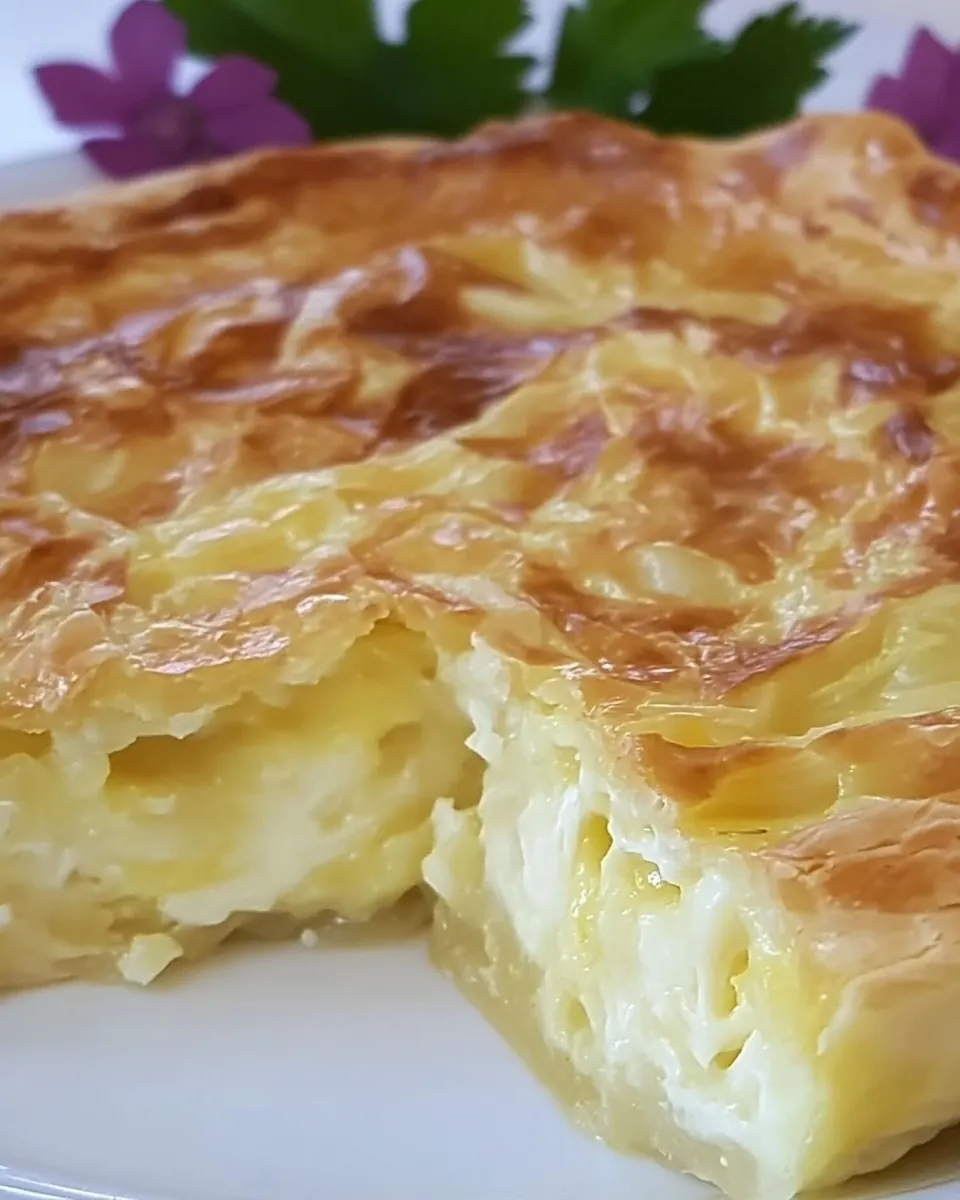
I like to think of these notes as the things I learned after the first dozen pies. They help keep the process calm and the results reliable, whether you are making the cheese version or the apple version.
- Resting matters: Allow the dough to rest undisturbed for 30 minutes so it becomes elastic and easy to roll.
- Gradual binding: Add eggs and sour cream to the cheese filling slowly so you can control texture and avoid a runny center.
- Even brushing: Apply melted butter or oil thinly and consistently between layers to ensure uniform flakiness and color.
- Watch the oven: Browning can happen quickly, so check the pie in the final 10 minutes to prevent burning while achieving a golden finish.
- Dry apple filling: For the apple version, cook until the juices are reduced so the pie stays intact and not soggy.
Serving This Placinta Dobrogeana
Serving is where the pie truly shines, whether it’s a casual family meal or a celebratory spread. Warm slices are classic, and you can present them in a simple, rustic way that highlights the golden top and creamy interior.
- Slice and serve warm: Serve wedges straight from the tray after a brief rest so the filling holds but still feels indulgently soft.
- Brunch star: Pair with a simple green salad for a balanced brunch where the pie is the centerpiece.
- Comfort dinner: Offer alongside roasted vegetables for a cozy dinner, letting the pie be the rich, savory element on the plate.
- Ramadan or festive occasions: Bring to a shared table where warm slices will be passed around; the pie’s generous portions make it suitable for gatherings.
- Storage tips: Store leftovers covered in the refrigerator for up to three days, and reheat in a low oven to restore crispness rather than the microwave.
- Seasonal pairings: In autumn, lean into the apple version with spiced tea; in spring, a light, crisp white salad helps balance richness.
FAQ
Conclusion
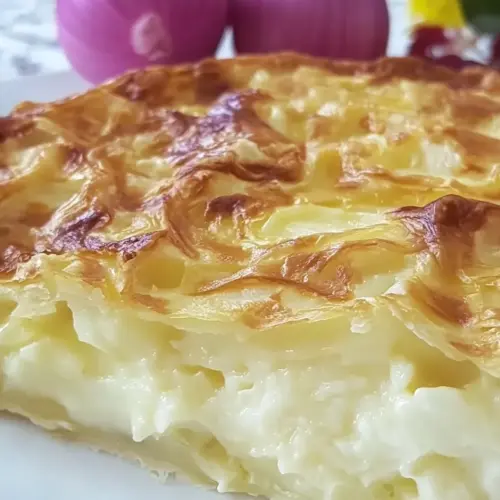
Placinta Dobrogeana is special because it harmonizes flaky, buttery pastry with a lusciously creamy cheese filling in a simple but impressive way. Give it a go when you want a dish that feels both rustic and celebratory, and don’t be intimidated by the layering, it’s forgiving and rewarding. Share slices with friends or family and enjoy how a few basic ingredients transform into a memorable, comforting pie that invites conversation and second helpings.
Placinta Dobrogeana
Equipment
- Mixing Bowl
- Rolling Pin
- Baking Tray
- Frying Pan
- Pastry Brush
Ingredients
- 300 g rflour Measured to provide structure and body to the dough, sifted flour forms the base of the pastry and determines its texture; combine carefully to avoid overworking and to achieve a tender crust. Use room-temperature flour for even hydration and consistent results when mixing with liquids. Adjust handling to produce thin, flexible sheets suitable for layering.
- 160 ml water Added to hydrate the flour and bind the dough together, water helps form gluten that provides elasticity for rolling the dough thin; warm water can speed mixing but avoid hot temperatures that affect eggs. Use measured amounts to reach a pliable consistency and prevent a sticky or dry dough. Mix gradually to incorporate evenly.
- 1 small egg Beaten and incorporated to enrich and tenderize the dough, a small egg contributes fat and protein for structure while adding a subtle richness to the pastry layers. Use at room temperature for better emulsification with other wet ingredients. Handle gently to maintain dough pliability.
- 1 tsp oil Used sparingly as a lubricant and softening agent, a teaspoon of oil helps the dough remain supple and prevents tearing when stretched thin for layering. Choose a neutral oil to avoid interfering with the filling flavors. Incorporate evenly for consistent flexibility.
- 1 tsp salt Dissolved into the dough to season and enhance flavor perception, a teaspoon of salt balances sweetness and strengthens gluten for better dough handling. Ensure even distribution by mixing with dry ingredients before adding liquids. Small adjustments can noticeably affect overall taste.
- 1 tsp vinegar Added to slightly relax the dough and enhance tenderness, a teaspoon of vinegar helps inhibit excessive gluten development and improves layering; it also brightens the overall flavor profile subtly. Use diluted if necessary and incorporate with the wet ingredients. Do not exceed recommended amounts to avoid tanginess.
- 500 g rsoft fresh cheese Crumbled or spread as the primary savory filling, soft fresh cheese provides creamy texture, tangy flavor, and moisture that contrasts with the crisp pastry layers. Drain any excess liquid to prevent sogginess and season as needed for balance. Use high-quality fresh cheese for best flavor.
- 3 eggs Beaten into the cheese filling to enrich and bind, the additional eggs add structure and help the filling set while baking; they also contribute to a silkier texture and richer taste. Mix thoroughly to achieve a smooth, homogeneous filling. Adjust number of eggs only as recipe specifies for consistency.
- 1 tbsp sour cream Folded into the cheese mixture for creaminess and slight tang, a tablespoon of sour cream lightens the filling and adds moisture for a tender interior. Use full-fat sour cream for optimal richness and mouthfeel. Incorporate just before baking to maintain texture.
- salt and pepper Used to season the savory filling, salt and pepper enhance and balance the cheese mixture while amplifying the natural flavors of the other components. Grind pepper freshly for brighter aroma and taste. Add gradually and taste to achieve desired seasoning.
- 100 g rbutter Melted and brushed between pastry layers to create separation and a golden finish, butter contributes rich flavor and crispness to the baked placinta. Use clarified butter for higher smoke point if browning quickly; cool slightly before handling to prevent soaking the dough. Apply evenly for consistent layers.
- 1 large egg Beaten and used as an egg wash, a large egg promotes deep golden color and glossy finish on the baked pastry while adding a slight sheen. Whisk thoroughly and brush lightly to avoid pooling. Combine with a little water or milk if a thinner wash is preferred.
- 2 good tbspyoghurt Stirred into the apple filling to provide moisture and a touch of tang, two tablespoons of yoghurt balance sweetness and contribute a subtle creaminess that enhances fruit flavors. Use plain, unsweetened yoghurt for control over sweetness. Add toward the end of filling preparation for even distribution.
- 750 g rapples Prepared as the primary fruit component, apples supply natural sweetness, acidity, and body to the filling; they should be peeled, cored, and sliced consistently for even cooking. Choose firm varieties that hold shape when baked for best texture. Toss with sugar and spices to macerate before assembling.
- 200 g rsugar Added to sweeten the fruit filling, granulated sugar draws juices from the apples and creates syrup that thickens during baking while balancing tartness. Adjust amount to taste and based on apple variety sweetness. Dissolve fully to ensure even caramelization.
- 50 g rbutter Melted into the apple filling or brushed on top for added richness, butter enhances flavor depth and promotes browning during baking while enriching the syrup formed by the apples and sugar. Use in measured portions to avoid excess greasiness. Distribute evenly for consistent taste.
- 1 barcinnamon Ground and mixed into the apple filling to add warm, aromatic spice and depth, cinnamon complements the fruitiness and enhances the overall aroma of the pastry. Use the appropriate amount to avoid overpowering the apples. Combine with sugar for even dispersion.
- 1 egg Whisked and used as part of a glaze or binding agent, an egg contributes to browning and helps set any custardy components within the assembly while imparting a subtle richness. Beat until smooth for a consistent finish. Apply carefully to avoid overcoating.
- 1 tbsp sour cream Folded into the apple filling to add creaminess and slightly tangy flavor, a tablespoon of sour cream helps create a smoother, more cohesive filling and tempers sweetness. Use full-fat for best texture and integrate just before filling the pastry. Stir gently to maintain fruit pieces.
- brown butter Used as a finishing element to brush on baked layers or to cook the apples for a nutty, rich flavor, brown butter adds complex toasted notes and amplifies the overall aroma of the dish. Clarify if desired for longer shelf-stable application and brush lightly to avoid greasiness. Incorporate where a deeper buttery flavor is desired.
Instructions
- Pour the flour into a mixing bowl, make a well in the center, and add the egg, oil, water, salt, and vinegar.: The initial mix should smell faintly of fresh flour and egg, with the vinegar adding no noticeable aroma but quietly improving texture. Use your fingertips to bring liquid toward the flour wall, feeling the dough begin to gather in the well. The tactile sensation helps you judge hydration; if the dough feels powdery, a touch more water will help, if it feels sticky, a light dusting of flour is the fix. Common mistake to avoid is dumping all liquid at once, which can make the center overly wet and hard to integrate evenly.
- Combine the ingredients in the well and slowly draw in the flour, mixing with your fingers until a dough starts to form.: As you pull flour in, you should hear a faint rustle and feel the mixture change from loose to cohesive, like a soft crumble turning into a pliable mass. Work gently so you do not overwork the gluten; you want elasticity without toughness. If it feels gummy, it likely needs a light dusting of flour and more kneading time. Avoid using a mixer for this step unless you are experienced, because overmixing can yield a dense texture.
- Form the dough into a ball and turn out onto a floured work surface. Knead the dough until you achieve a soft, elastic dough which is no longer sticky.: The kneading rhythm should feel almost meditative, press fold turn, press fold turn, and you will sense the dough smooth and spring back when pressed. The surface should become satiny, and small air bubbles might appear, indicating gluten development. If it resists stretching or tears, give it a few more minutes; if it becomes too tacky, add flour sparingly. A frequent error is adding too much flour too early, which makes the dough dry and hard to roll thin.
- Put the dough back in the bowl and cover with a damp tea towel and rest on the sideboard for 30 minutes. Alternatively, flour the ball a little and drop it into a plastic freezer bag, give it a twist to get rid of the air, and leave it to rest for 30 minutes.: Resting relaxes the gluten, and you will notice the dough becomes easier to roll thin afterward. The scent should be neutral, and the surface slightly tacky but not wet. If you skip this rest, the dough will snap back when rolled and be difficult to shape. Avoid placing it in a drafty spot, which can form a dry skin on the dough.
- While the dough is resting, preheat the oven to about 200-210 °C (392 – 410 ℉) (medium heat).: Preheating ensures the pie begins baking immediately and develops color evenly. When the oven reaches temperature, you might smell a clean warm air but nothing strong; a properly preheated oven reduces baking time variance. A common oversight is not preheating, which leads to uneven browning and longer bake times, so always allow the oven to reach temp before the pie goes in.
- Now it’s time to start making the cheese filling. You should use about 500 g (1 lb) of cheese, but you can add more if you like a thicker layer of cheese in your pie (or indeed less, if you like it less cheesy). You can use different types of cheeses for this pie, from fresh cow's cheese to fresh or semi-aged sheep's milk cheese. You can also use Feta, goat cheese, Neuchâtel, paneer, or queso fresco.: Working with the cheese, you will notice textures vary wildly, from crumbly to creamy. Mash or break up firmer curds with a fork while keeping softer cheeses smooth. The aroma will be distinctly dairy, earthy, and slightly tangy for sheep or goat cheeses. Taste as you go; the saltiness varies. A pitfall is using extremely wet cheeses without compensating with binders, resulting in a runny filling, so add eggs and sour cream slowly to achieve the right body.
- Combine the cheeses well, and break up the harder ones with a fork, then add sour cream or eggs, little by little, until you reach a nice sloppy consistency. I recommend adding the eggs/cream gradually: the amount you need will depend on the initial consistency of the cheese and the size of the eggs. The consistency you want is quite thick, certainly not ‘pourable’, but something like a thick cake batter or bricklaying mortar (if that helps you at all!). Taste it when you’ve done combining it and add salt if necessary.: the amount you need will depend on the initial consistency of the cheese and the size of the eggs. The consistency you want is quite thick, certainly not ‘pourable’, but something like a thick cake batter or bricklaying mortar (if that helps you at all!). Taste it when you’ve done combining it and add salt if necessary. : As you fold in eggs and sour cream, the mixture should become cohesive and glossy, with a faint tang and dairy sweetness. The sound here is quiet, just the scrape of spoon on bowl; the feel is dense yet yielding. If the filling separates or appears watery, you likely added too much liquid and should stir in more cheese or a beaten egg to firm it up. Avoid overbeating which can aerate the filling and change the texture when baked.
- You’ll need to brush the sheets of dough with a little butter or oil. If you intend to use butter, now is the time to melt it in a pan over a very low heat.: Warm butter will smell nutty and sweet, especially if you brown it slightly, and it spreads easily across the pastry for even browning. Use a pastry brush to apply a thin, consistent layer; too much will make the dough greasy and heavy, too little will limit flakiness. A common mistake is brushing cold butter which clumps, so ensure it is fluid but not hot.
- Once the dough is sufficiently rested, it’s time to roll it out. First of all, roll the dough into a sausage and cut into six equal parts. Form each sixth into a ball and then roll it out until it is the size and shape of the baking tray you intend to use (mine was a 25 cm/ 10-inch diameter circular tray, about 3 cm / 1 1/2 inches deep).: Rolling should feel even, with the dough thinning smoothly under the roller and whispering across the work surface. Keep the rolls relatively uniform so the layers bake evenly. If a sheet springs back, let it rest a minute and try again. A frequent misstep is over stretching a single sheet which tears, so patch carefully with a little dough and press to seal.
- Butter or oil the bottom of the tray well, then put in the first sheet of dough. Brush it with butter/oil, then put in the second sheet, then half the cheese, spreading it out to about 1 cm (1/2 inch) from the edge of the tray. Then add another two sheets of dough (the first, again, brushed with butter/oil). Now add the rest of the cheese, again spreading it out until it’s about 1 cm (1/2 inch) shy of the edge of the tray. Finally, add the last two sheets of dough, brush each with butter/oil.: Building the pie is tactile and rhythmic, layering thin pastry and butter so that each layer crisps independently. The filling should be distributed evenly to avoid lumps that cause uneven baking. If you see gaps, gently press to close them, but don’t compress the layers too much or the pastry will not separate into distinct flakes. Avoid overfilling which leads to leakage and soggy edges.
- Gently run the back of a knife over the top to mark the portions, dividing it into eight wedges (you could use a circular tray). You don’t need to cut through the dough, just depress it so that the cutting point will be more clearly defined at the end of the baking process.: Scoring creates visual guidance and helps steam escape so slices separate cleanly after baking. The top will be easier to portion if you press firmly but not deeply. If you cut through, juices may leak during baking, so resist the urge to slice all the way. A common slip is making uneven marks, which leads to inconsistent portion sizes.
- Now, put the pie into the preheated oven and cook for about 20-30 minutes until the top has started to brown. At this point, make a mixture of one egg and three tablespoons of sour cream or yogurt, according to preference. Spread this mixture over the top of the pie and return it to the oven for another 15-20 minutes, or until once again brown. An egg beaten with one tablespoon of sour cream will help make the pie crust moist but still appealing and the sesame seeds work fine with the cheese.: During baking you will notice the top take on a warm golden hue and a faint, buttery aroma. Applying the egg and sour cream glaze mid bake gives the crust a glossy, tender finish and encourages deeper color without burning. Watch the edges closely; if they darken too fast, lower the oven shelf or cover loosely with foil. Avoid opening the oven repeatedly which can drop the temperature and extend bake time.
- Once it’s nice and brown all over (but not burnt!) take it out of the oven, let it cool down for a few minutes, and then cut into portions using the lines you scored in it earlier.: Cooling allows the filling to set slightly so slices keep their shape. The aroma will be rich and inviting, and the top should crackle gently under a knife. If you cut too soon the filling may spill, yielding messy slices, so be patient for a few minutes to achieve tidy portions.
- For the apple filling, start with grated apples, sautéed in a frying pan with some butter, sugar, and a cinnamon stick. The apples are ready when the apple juice is all evaporated; the point here is not to have any apple juice pouring around in the baking tray.: The apples will sizzle and soften, releasing a sweet perfume as the sugar caramelizes and the cinnamon infuses. Stir frequently so they brown evenly and the juices reduce to a thick jam like texture. If juice remains, the tray can become soggy, so cook until almost dry. Avoid high heat which burns the sugars and produces bitter notes.
Notes
- Resting matters: Allow the dough to rest undisturbed for 30 minutes so it becomes elastic and easy to roll.
- Gradual binding: Add eggs and sour cream to the cheese filling slowly so you can control texture and avoid a runny center.
- Even brushing: Apply melted butter or oil thinly and consistently between layers to ensure uniform flakiness and color.
- Watch the oven: Browning can happen quickly, so check the pie in the final 10 minutes to prevent burning while achieving a golden finish.
- Dry apple filling: For the apple version, cook until the juices are reduced so the pie stays intact and not soggy.