
Spaghetti Squash Chow Mein
Spaghetti Squash Chow Mein is the kind of weeknight recipe that quietly sneaks into my routine and refuses to leave. I first made it on a rainy evening when I wanted something comforting yet light, and the way the tender strands of squash soaked up the savory Tamari convinced me this would become a staple. I remember standing at the stove, listening to the gentle sizzle as the carrots and celery softened, and feeling oddly proud that something so simple tasted so complete.
Over time I tweaked the balance of textures so the dish keeps a little snap from the vegetables while the squash stays tender and noodle like. Some evenings I serve it straight from the skillet, other times I plate it for guests who are surprised to find a chow mein without traditional noodles. Each occasion gives the dish a slightly different personality, and that flexibility is what I love most about Spaghetti Squash Chow Mein.
Recipe Snapshot
25 mins
15 mins
10 mins
Easy
220 kcal
American
Vegan, Gluten-Free
Dinner
Large skillet, Fork, Cutting board, Knife
What Makes This Spaghetti Squash Chow Mein Special
Vegetable First, Flavor Forward
I love that Spaghetti Squash Chow Mein celebrates simple produce. The combination of yellow onion, carrots, and celery creates a base that is both aromatic and textural. When sautéed, these vegetables release a sweet savory perfume that becomes the backbone of the dish, and the gentle bite they keep contrasts beautifully with the tender squash strands.
Comfort without Heaviness
This recipe gives you all the cozy satisfaction of a noodle bowl, while staying light. Using spaghetti squash as the noodle stand in keeps the meal lower in starch, so you get volume and satisfaction without feeling weighed down. I often reach for this when I want a nourishing dinner that still feels a bit indulgent.
Umami in a Few Simple Ingredients
A small splash of Tamari and a whisper of maple syrup is all you need to build depth. I appreciate how those two ingredients balance salty and sweet, lifting the natural flavors of the vegetables and squash. The dish proves that thoughtful seasoning beats long ingredient lists every time.
Quick, Flexible, Make Ahead Friendly
One of the best things about this chow mein is how forgiving it is. You can cook the spaghetti squash ahead and keep it chilled for up to five days, which makes weeknight assembly almost instant. I often prepare the squash on weekends so I can toss dinner together in minutes during busy evenings.
Fresh Finishes that Matter
Adding the fresh baby spinach at the very end, and finishing with chopped green onions, gives the dish brightness and contrast. I find those last minute additions keep the flavors lively and the plate visually appealing, which matters when you want something that feels home cooked and cared for.
Ingredients Required for Spaghetti Squash Chow Mein
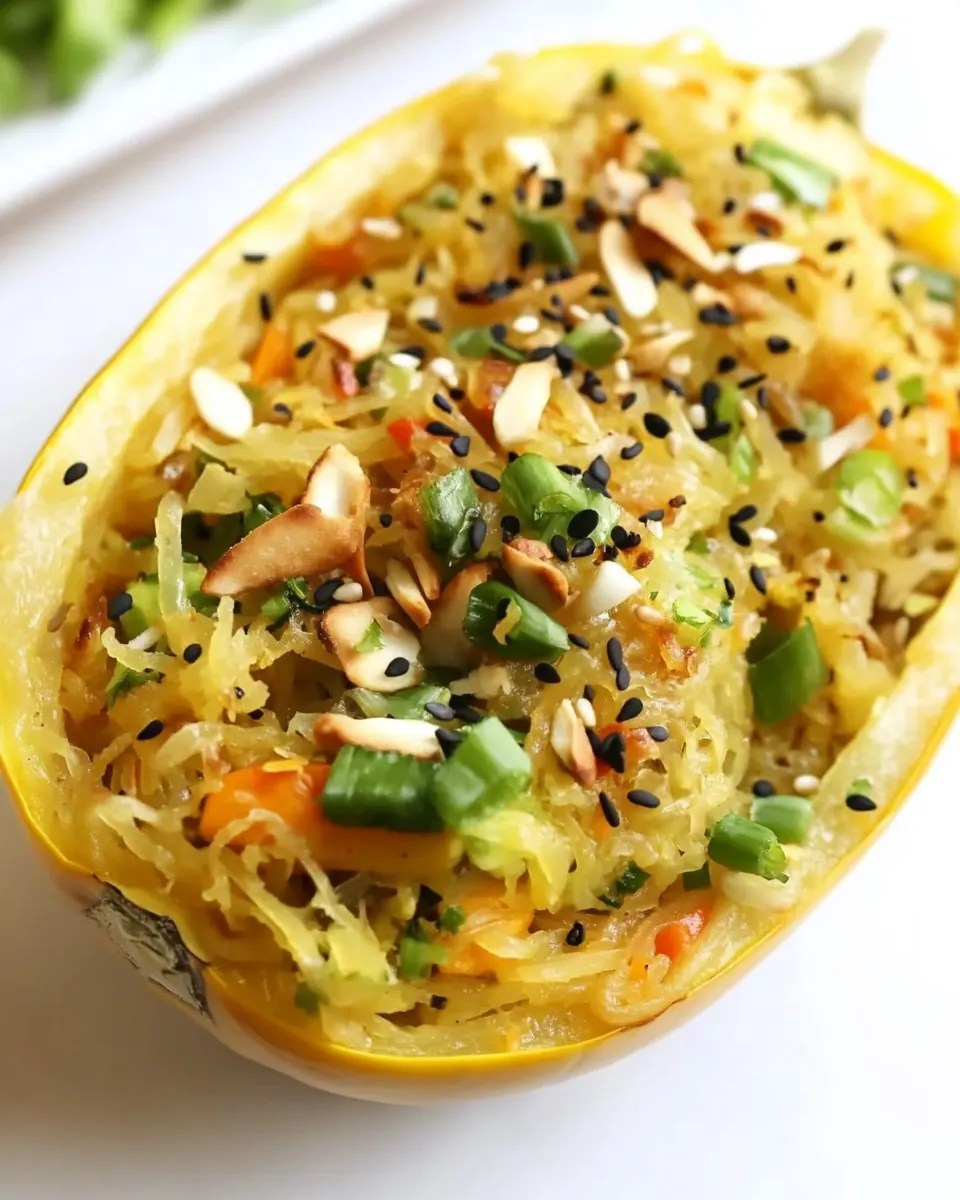
The philosophy behind these ingredients is uncomplicated and deliberate. We are pairing a naturally noodle like vegetable with crisp, aromatic vegetables and a punchy sauce, so each component has a job. The key players are the spaghetti squash as the noodle substitute, the trio of onion, celery, and carrots for texture and sweetness, and the Tamari for savory depth. Little accents like garlic, ginger, and green onions bring brightness and lift.
- 1 (3 pound) spaghetti squash, cooked and seeds removed: Roasted or steamed to tender strands, provides the noodle-like base and absorbs savory sauces while offering a mildly sweet, squashy texture that mimics pasta in chow mein.
- 1 teaspoon olive oil: Lightly used to sauté aromatics and vegetables, helps prevent sticking and adds a subtle fruity richness that supports the other flavors without overpowering them.
- 1 yellow onion, chopped: Finely chopped and sweated until translucent, builds foundational savory sweetness and depth while releasing moisture that softens alongside other vegetables.
- 3 celery stalks, chopped: Sliced and softened to add crisp, vegetal crunch and subtle bitterness, contributes structure and freshness to balance softer components in the dish.
- 2 large carrots, chopped: Cut into small pieces and cooked until tender-crisp, brings natural sweetness, color, and an earthy bite that complements the chow mein's savory elements.
- 1 clove garlic, minced: Minced and briefly cooked to release pungent aroma and sharp flavor, brightens the dish and enhances savory and sweet components through its aromatic oils.
- 3 to 4 tablespoons Tamari (gluten-free soy sauce): Measured and added to taste to deliver salty, umami-rich soy flavor; used to season the squash and vegetables and tie the components together with savory depth.
- 1 teaspoon maple syrup () (optional): Whisked or stirred in sparingly to introduce a touch of caramelized sweetness and to balance the soy's saltiness, optional but helpful for flavor harmony.
- Sea salt, to taste: Sprinkled as needed to adjust overall seasoning and enhance natural flavors; used carefully to avoid over-salting given the presence of tamari.
- 1 cup of fresh baby spinach: Roughly chopped or wilted into the warm squash to add a tender leafy texture and a mild, slightly bitter green note that brightens the chow mein.
- 2 green onions, chopped (white and green parts): Chopped and added near the end to contribute sharp oniony bite and fresh green aroma, providing contrast in texture and a pop of color.
- 1 tablespoon fresh ginger, minced: Finely minced and cooked briefly to impart a warm, peppery zing and aromatic complexity that complements garlic and elevates the overall flavor profile.
The Method for Spaghetti Squash Chow Mein

Making this dish is a relaxed, sensory process that rewards small attentive moments. Start with cooked spaghetti squash and treat the sauté like a conversation between vegetables and seasoning. Keep an eye on texture at every turn and taste as you go, because small adjustments make a big difference in the final balance.
- Make sure you have cooked your spaghetti squash ahead of time, either by cooking it in the Instant Pot or in the oven. You can use cold or hot noodles for this recipe, so feel free to cook it ahead of time and store it in your fridge for up to 5 days in advance. If you're cooking the squash right away, chop the other vegetables as it cooks to be efficient with your time. Use a fork to shred the flesh of the cooked spaghetti squash into "noodles" and set aside.: The bowl of the recipe will smell subtly sweet and toasty when the squash is cooked correctly, with tender flesh that pulls into strands when scraped. When you shred the flesh with a fork you should hear a faint tearing sound and see long noodle like strands that are moist but not watery. This matters because undercooked squash will be firm and underwhelming, while overcooked squash becomes mushy and limp, losing the noodle effect. If your squash seems watery, drain it briefly in a colander and blot with paper towels. A common mistake is shredding while the squash is too hot which can release excess steam and water, so let it cool slightly if you plan to store it for later use.
- Heat the oil in a large skillet, and sauté the onion, celery, and carrots until they are crisp-tender, about 8 minutes. Use a splash of water, if needed, to prevent sticking. Add in the garlic and ginger and stir for one more minute, just until fragrant.: Chilled squash has a firmer texture and a slightly different mouthfeel, which can be pleasing when you want a quicker reheat, while warm strands will meld into the sauce more readily and taste freshly made. Store in an airtight container to preserve texture and prevent drying, and when reheating add a small splash of water or oil to revive the strands and prevent sticking. The key reason to prep in advance is time savings on busy nights, however avoid storing it beyond the suggested window as the texture will degrade and the squash may become watery.
- Once the veggies are cooked to your liking, add in the tamari to taste, starting with just 3 tablespoons, maple syrup, and the spaghetti squash "noodles.": While the squash softens, the kitchen fills with a light roasted aroma, a good cue to begin prepping the aromatics. Chop the onion , celery , and carrots to similar sizes so they cook evenly and produce a pleasing mix of tender and crisp bites. Efficiency here saves you from overcooking components, and having mise en place reduces stress once you start the skillet. One trap is rushing the chop and ending up with mismatched pieces that cook unevenly, so take a few extra minutes to keep sizes consistent.
- Toss well to heat everything thoroughly and adjust the seasoning, adding sea salt and more tamari if desired. (You may also need another splash of water at this point to prevent sticking.): When you fork the squash you will notice the strands separate cleanly, and they should look glossy, not dull, indicating they retained moisture without being soggy. Shredding releases a subtle sweet scent that pairs well with the sauté aromas to come. Set the strands aside in a bowl to keep them warm or chilled based on your plan, and avoid overmixing which can break the delicate strands into shorter pieces. A common issue is using too much force which can mash the squash, so gently coax the flesh into strands instead of aggressive scraping.
- Add the fresh spinach at the very end, as it will wilt quickly from the heat, then serve warm with a garnish of chopped green onions on top. Leftovers can be stored in the fridge for up to 3 days in an airtight container.: As the vegetables hit the hot pan you will hear a gentle sizzle and soon smell the onion sweetening and the carrots softening, creating a layered savory aroma. Keep the heat moderate so the vegetables cook through without burning, stirring occasionally to encourage even browning. If the pan seems too dry, add a splash of water to deglaze and prevent sticking while preserving moisture. Avoid cranking the heat which can char the exterior before the interior softens, leading to uneven texture.
- Use a splash of water, if needed, to prevent sticking: The small hiss of water hitting the skillet helps lift flavorful browned bits without adding oil, and it keeps the vegetables moving so they cook evenly while maintaining moisture. This technique preserves color and prevents scorching when the pan becomes dry, especially important if you are using a stainless steel skillet. Be cautious not to add too much liquid which can steam the vegetables and strip away desirable caramelization, resulting in bland texture.
- Add in the garlic and ginger and stir for one more minute, just until fragrant: The moment you add minced garlic and ginger you will notice the aroma sharpen and brighten, signaling that the base is ready to receive sauce. Move quickly so these aromatics release their oils but do not brown, which would impart bitterness. Stir gently and pay attention to the minute when their fragrance blooms; if you smell any burnt notes, reduce heat immediately. Overcooking these fine aromatics is a frequent misstep, so keep them moving in the pan.
- Once the veggies are cooked to your liking, add in the tamari to taste, starting with just 3 tablespoons, maple syrup, and the spaghetti squash "noodles": When the sauce hits the pan you will see a sheen form on the vegetables as the Tamari glazes them, and the maple syrup, if used, will add a subtle gloss and rounded sweetness. Toss so the strands of spaghetti squash are coated and warmed through, absorbing the savory sauce. This step matters because it allows flavors to marry and for the squash to carry the seasoning; a common error is adding too much sauce at once which can oversalt the dish, so add gradually and taste.
- Toss well to heat everything thoroughly and adjust the seasoning, adding sea salt and more tamari if desired: As you toss, listen for a gentle sizzle and watch for steam to rise, which indicates the components are coming together. Taste frequently and adjust with small additions of sea salt or more Tamari to reach balance, remembering that Tamari contributes most of the salt. If the pan seems sticky, a splash of water helps loosen the mixture without diluting flavor. Avoid assuming the first bite reflects the final balance; flavors often deepen as the dish rests briefly off the heat.
- Add the fresh spinach at the very end, as it will wilt quickly from the heat, then serve warm with a garnish of chopped green onions on top: When you add the fresh baby spinach you will see it collapse in seconds, turning glossy and bright green, which signals it is ready. Finish with the chopped green onions to add a crisp, fresh counterpoint and release a sharp, grassy scent. Serve right away so textures remain distinct, as leaving it too long will let the spinach and squash soften further and lose their contrast. A typical slip is overcooking the spinach, so add it literally at the last moment.
- Leftovers can be stored in the fridge for up to 3 days in an airtight container: Properly cooled and sealed, the flavors will meld and the dish will keep well for several days, making it an excellent leftover meal. Reheat gently in a skillet with a splash of water or oil to revive the texture and prevent drying out, and taste before serving to adjust seasoning. Beware of reheating too aggressively in the microwave which can make the squash watery and the vegetables limp, detracting from the original textural interplay.
Recipe Notes about Spaghetti Squash Chow Mein
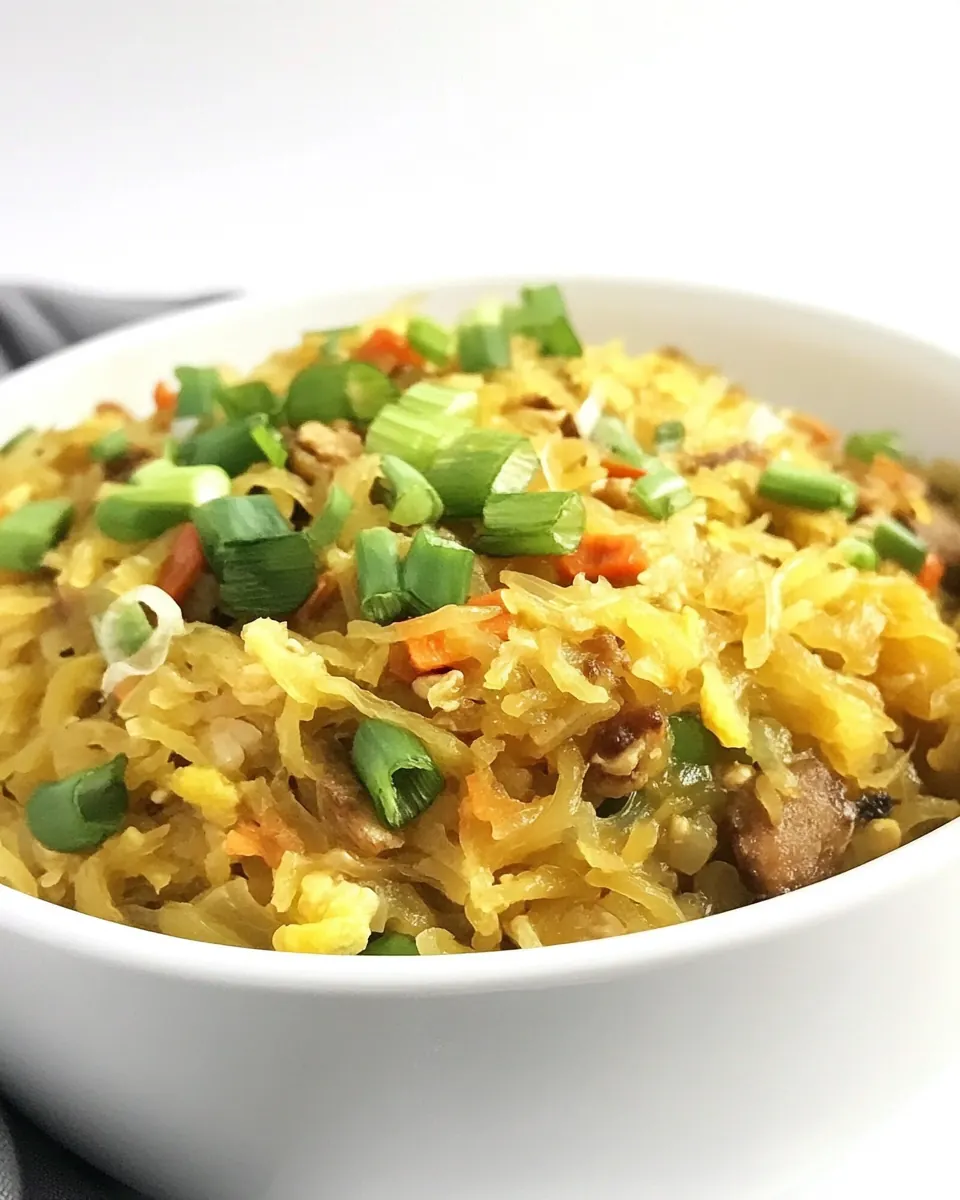
This section expands on small practices that make a big difference. These notes include timing hacks, seasoning guidance, and little fixes I rely on when I want consistent results. Read through and keep the tips in mind while you cook.
- Prep the squash ahead, by roasting or pressure cooking it and storing strands in the fridge for up to five days, which makes weeknight assembly quick and stress free. When reheating, warm gently to preserve texture.
- Use quality Tamari, because it delivers richer umami than lighter soy sauces; start with three tablespoons and increase if needed, tasting as you go to avoid oversalting the dish.
- Control moisture, by draining any excess liquid from the squash and using a splash of water instead of oil to prevent sticking, preserving the vegetables caramelized flavor.
- Uniform chopping, helps the onion, carrots, and celery cook evenly, ensuring every bite has balanced texture and flavor instead of mixed doneness.
- Add delicate greens last, so spinach wilts quickly and maintains its vivid color and tender texture, rather than turning soggy and dark.
- Adjust seasoning at the end, because the flavors concentrate as the dish cools slightly; small adjustments of sea salt or more Tamari are usually all that is needed.
How to Serve Spaghetti Squash Chow Mein
This dish is versatile and can be presented casually or as part of a composed meal. Think about contrasts in texture and temperature when serving, and use simple garnishes to add brightness. Below are ideas for occasions, pairings, and storage, framed as practical serving suggestions.
- Family weeknight dinner, serve warm straight from the skillet for a cozy, quick meal that feels satisfying without heaviness; place bowls on the table and let everyone garnish with chopped green onions.
- Light lunch, portion into shallow bowls and add a small side salad for a bright midday meal that wont weigh you down, pairing well with crisp vegetables or a citrus based dressing if desired.
- Ramadan iftar or communal meals, this recipe works well to break a fast; its gentle flavors are comforting and digestible, and the dish can be prepared ahead to serve when needed.
- Seasonal pairing, in fall when spaghetti squash is at its best, serve with roasted root vegetables or a simple steamed green to emphasize harvest flavors and textures.
- Storage and reheating, keep leftovers in an airtight container for up to three days; reheat gently in a skillet with a splash of water or oil to restore texture, stirring until warmed through.
- Presentation tip, finish with a scatter of chopped green onions so the dish looks lively and fresh, and offer extra Tamari at the table for those who want more savory punch.
FAQ
Conclusion
Spaghetti Squash Chow Mein stands out because it transforms humble squash into a satisfying noodle alternative that sings with savory Tamari and bright aromatics. The balance of textures from the crisp vegetables and tender squash makes it both comforting and light. Give it a try on a busy weeknight or prepare the squash in advance for easy assembly; I think youll appreciate how quickly it comes together and how well it keeps. Serve it warm, garnish with green onions, and enjoy a bowl that feels intentionally simple and thoroughly comforting.

Spaghetti Squash Chow Mein
Equipment
- Large Skillet
- Fork
- Cutting Board
- Knife
Ingredients
- 1 (3 pound) spaghetti squash, cooked and seeds removed Roasted or steamed to tender strands, provides the noodle-like base and absorbs savory sauces while offering a mildly sweet, squashy texture that mimics pasta in chow mein.
- 1 teaspoon olive oil Lightly used to sauté aromatics and vegetables, helps prevent sticking and adds a subtle fruity richness that supports the other flavors without overpowering them.
- 1 yellow onion, chopped Finely chopped and sweated until translucent, builds foundational savory sweetness and depth while releasing moisture that softens alongside other vegetables.
- 3 celery stalks, chopped Sliced and softened to add crisp, vegetal crunch and subtle bitterness, contributes structure and freshness to balance softer components in the dish.
- 2 large carrots, chopped Cut into small pieces and cooked until tender-crisp, brings natural sweetness, color, and an earthy bite that complements the chow mein's savory elements.
- 1 clove garlic, minced Minced and briefly cooked to release pungent aroma and sharp flavor, brightens the dish and enhances savory and sweet components through its aromatic oils.
- 3 to 4 tablespoons Tamari (gluten-free soy sauce) Measured and added to taste to deliver salty, umami-rich soy flavor; used to season the squash and vegetables and tie the components together with savory depth.
- 1 teaspoon maple syrup (optional) Whisked or stirred in sparingly to introduce a touch of caramelized sweetness and to balance the soy's saltiness, optional but helpful for flavor harmony.
- Sea salt, to taste Sprinkled as needed to adjust overall seasoning and enhance natural flavors; used carefully to avoid over-salting given the presence of tamari.
- 1 cup of fresh baby spinach Roughly chopped or wilted into the warm squash to add a tender leafy texture and a mild, slightly bitter green note that brightens the chow mein.
- 2 green onions, chopped (white and green parts) Chopped and added near the end to contribute sharp oniony bite and fresh green aroma, providing contrast in texture and a pop of color.
- 1 tablespoon fresh ginger, minced Finely minced and cooked briefly to impart a warm, peppery zing and aromatic complexity that complements garlic and elevates the overall flavor profile.
Instructions
- Make sure you have cooked your spaghetti squash ahead of time, either by cooking it in the Instant Pot or in the oven. You can use cold or hot noodles for this recipe, so feel free to cook it ahead of time and store it in your fridge for up to 5 days in advance. If you're cooking the squash right away, chop the other vegetables as it cooks to be efficient with your time. Use a fork to shred the flesh of the cooked spaghetti squash into "noodles" and set aside.: The bowl of the recipe will smell subtly sweet and toasty when the squash is cooked correctly, with tender flesh that pulls into strands when scraped. When you shred the flesh with a fork you should hear a faint tearing sound and see long noodle like strands that are moist but not watery. This matters because undercooked squash will be firm and underwhelming, while overcooked squash becomes mushy and limp, losing the noodle effect. If your squash seems watery, drain it briefly in a colander and blot with paper towels. A common mistake is shredding while the squash is too hot which can release excess steam and water, so let it cool slightly if you plan to store it for later use.
- Heat the oil in a large skillet, and sauté the onion, celery, and carrots until they are crisp-tender, about 8 minutes. Use a splash of water, if needed, to prevent sticking. Add in the garlic and ginger and stir for one more minute, just until fragrant.: Chilled squash has a firmer texture and a slightly different mouthfeel, which can be pleasing when you want a quicker reheat, while warm strands will meld into the sauce more readily and taste freshly made. Store in an airtight container to preserve texture and prevent drying, and when reheating add a small splash of water or oil to revive the strands and prevent sticking. The key reason to prep in advance is time savings on busy nights, however avoid storing it beyond the suggested window as the texture will degrade and the squash may become watery.
- Once the veggies are cooked to your liking, add in the tamari to taste, starting with just 3 tablespoons, maple syrup, and the spaghetti squash "noodles.": While the squash softens, the kitchen fills with a light roasted aroma, a good cue to begin prepping the aromatics. Chop the onion , celery , and carrots to similar sizes so they cook evenly and produce a pleasing mix of tender and crisp bites. Efficiency here saves you from overcooking components, and having mise en place reduces stress once you start the skillet. One trap is rushing the chop and ending up with mismatched pieces that cook unevenly, so take a few extra minutes to keep sizes consistent.
- Toss well to heat everything thoroughly and adjust the seasoning, adding sea salt and more tamari if desired. (You may also need another splash of water at this point to prevent sticking.): When you fork the squash you will notice the strands separate cleanly, and they should look glossy, not dull, indicating they retained moisture without being soggy. Shredding releases a subtle sweet scent that pairs well with the sauté aromas to come. Set the strands aside in a bowl to keep them warm or chilled based on your plan, and avoid overmixing which can break the delicate strands into shorter pieces. A common issue is using too much force which can mash the squash, so gently coax the flesh into strands instead of aggressive scraping.
- Add the fresh spinach at the very end, as it will wilt quickly from the heat, then serve warm with a garnish of chopped green onions on top. Leftovers can be stored in the fridge for up to 3 days in an airtight container.: As the vegetables hit the hot pan you will hear a gentle sizzle and soon smell the onion sweetening and the carrots softening, creating a layered savory aroma. Keep the heat moderate so the vegetables cook through without burning, stirring occasionally to encourage even browning. If the pan seems too dry, add a splash of water to deglaze and prevent sticking while preserving moisture. Avoid cranking the heat which can char the exterior before the interior softens, leading to uneven texture.
- Use a splash of water, if needed, to prevent sticking: The small hiss of water hitting the skillet helps lift flavorful browned bits without adding oil, and it keeps the vegetables moving so they cook evenly while maintaining moisture. This technique preserves color and prevents scorching when the pan becomes dry, especially important if you are using a stainless steel skillet. Be cautious not to add too much liquid which can steam the vegetables and strip away desirable caramelization, resulting in bland texture.
- Add in the garlic and ginger and stir for one more minute, just until fragrant: The moment you add minced garlic and ginger you will notice the aroma sharpen and brighten, signaling that the base is ready to receive sauce. Move quickly so these aromatics release their oils but do not brown, which would impart bitterness. Stir gently and pay attention to the minute when their fragrance blooms; if you smell any burnt notes, reduce heat immediately. Overcooking these fine aromatics is a frequent misstep, so keep them moving in the pan.
- Once the veggies are cooked to your liking, add in the tamari to taste, starting with just 3 tablespoons, maple syrup, and the spaghetti squash "noodles": When the sauce hits the pan you will see a sheen form on the vegetables as the Tamari glazes them, and the maple syrup, if used, will add a subtle gloss and rounded sweetness. Toss so the strands of spaghetti squash are coated and warmed through, absorbing the savory sauce. This step matters because it allows flavors to marry and for the squash to carry the seasoning; a common error is adding too much sauce at once which can oversalt the dish, so add gradually and taste.
- Toss well to heat everything thoroughly and adjust the seasoning, adding sea salt and more tamari if desired: As you toss, listen for a gentle sizzle and watch for steam to rise, which indicates the components are coming together. Taste frequently and adjust with small additions of sea salt or more Tamari to reach balance, remembering that Tamari contributes most of the salt. If the pan seems sticky, a splash of water helps loosen the mixture without diluting flavor. Avoid assuming the first bite reflects the final balance; flavors often deepen as the dish rests briefly off the heat.
- Add the fresh spinach at the very end, as it will wilt quickly from the heat, then serve warm with a garnish of chopped green onions on top: When you add the fresh baby spinach you will see it collapse in seconds, turning glossy and bright green, which signals it is ready. Finish with the chopped green onions to add a crisp, fresh counterpoint and release a sharp, grassy scent. Serve right away so textures remain distinct, as leaving it too long will let the spinach and squash soften further and lose their contrast. A typical slip is overcooking the spinach, so add it literally at the last moment.
- Leftovers can be stored in the fridge for up to 3 days in an airtight container: Properly cooled and sealed, the flavors will meld and the dish will keep well for several days, making it an excellent leftover meal. Reheat gently in a skillet with a splash of water or oil to revive the texture and prevent drying out, and taste before serving to adjust seasoning. Beware of reheating too aggressively in the microwave which can make the squash watery and the vegetables limp, detracting from the original textural interplay.
Notes
- Prep the squash ahead, by roasting or pressure cooking it and storing strands in the fridge for up to five days, which makes weeknight assembly quick and stress free. When reheating, warm gently to preserve texture.
- Use quality Tamari, because it delivers richer umami than lighter soy sauces; start with three tablespoons and increase if needed, tasting as you go to avoid oversalting the dish.
- Control moisture, by draining any excess liquid from the squash and using a splash of water instead of oil to prevent sticking, preserving the vegetables caramelized flavor.
- Uniform chopping, helps the onion, carrots, and celery cook evenly, ensuring every bite has balanced texture and flavor instead of mixed doneness.
- Add delicate greens last, so spinach wilts quickly and maintains its vivid color and tender texture, rather than turning soggy and dark.
- Adjust seasoning at the end, because the flavors concentrate as the dish cools slightly; small adjustments of sea salt or more Tamari are usually all that is needed.
