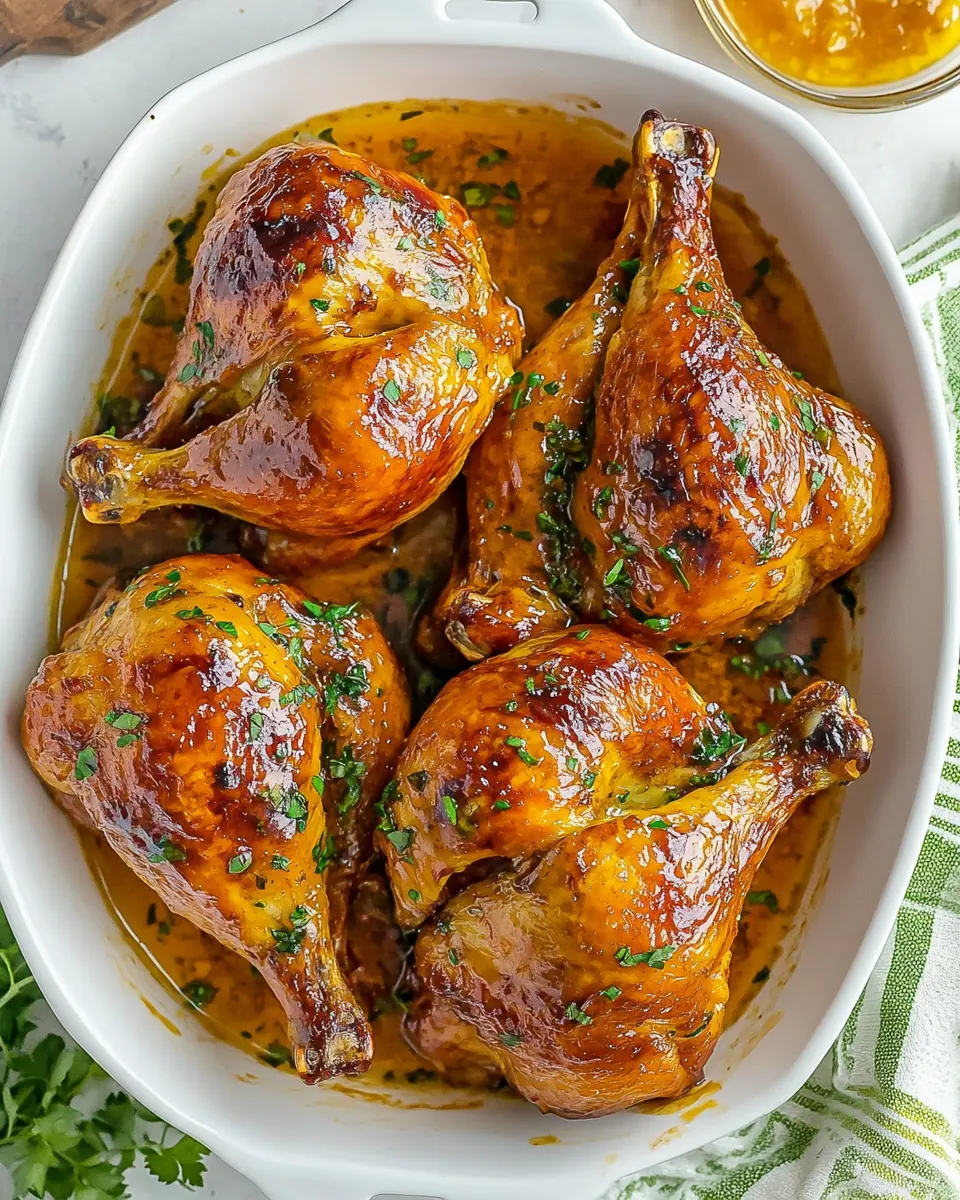
Roasted Apricot Ginger Glazed Game Hens
Roasted Apricot Ginger Glazed Game Hens landed on my table the first time I hosted a small autumn supper and it instantly became the dish people asked about for months after.
I remember juggling oven racks and a flurry of last minute side dishes while the aroma of apricot and ginger filled the kitchen, and a neighbor popped by because the smell was too good to ignore. I had buttered the pan, but the secret, I learned, was in the glossy glaze that caramelized just enough to give the skin a sweet, tangy finish without turning it cloying. That contrast of crisped skin with tender meat underneath made each bite feel celebratory, even though the method is straightforward and forgiving.
Since then I reach for this recipe when I want something impressive that does not demand babysitting. Whether I am serving a cozy family meal or a holiday evening, the balance of apricot, bright lemon, and warming ginger lifts the humble game hen into something memorable. I like how the recipe scales and how little hands on time it requires, which frees me to enjoy my guests instead of hovering near the oven.
Recipe Snapshot
1 hr 5 mins
25 mins
40 mins
Medium
450 kcal
American
Paleo, Gluten-Free
Dinner
Oven, Rimmed baking sheet, Wire rack, Small saucepan, Instant read thermometer, Poultry shears
Why This Roasted Apricot Ginger Glazed Game Hens Stands Out
Bright, balanced flavors that sing together
The combination of sweet apricot jam, sharp ginger, and a squeeze of lemon creates a glaze that is both fruity and lively. I love how the glaze forms a shiny coating on the skin, giving you an instant contrast between savory roasted meat and a sweet citrus finish. The soy sauce and honey add layered umami and caramel notes, so every bite feels complete.
Simple technique, impressive result
I adore recipes that make me look like I spent hours, and this one does exactly that. With a quick spatchcock or halving of the birds, a roast, and a brief glaze step, you end up with crisp skin and meat that stays juicy. It’s a comfortable technique to repeat, and I often use it when I want to serve something special without complicated steps.
Flexible and crowd friendly
These game hens are naturally portioned, which makes them perfect for small dinner parties or holiday plates. I also appreciate that the components are pantry friendly: jam, honey, and a little soy sauce. You can prepare parts of the glaze ahead of time, so you are relaxed when guests arrive.
Seasonal and festive
This dish feels right for fall gatherings, thanks to the warming ginger and stone fruit notes from apricot. I often reach for it for Thanksgiving when I want an alternative to a large bird, or when I am feeding a mixed crowd with varied appetites.
Textural satisfaction
The roast produces crisp, bronzed skin while the inside stays tender and juicy. That crispness against a sticky, slightly caramelized glaze is exactly why I keep making this recipe. It’s the kind of mouthfeel that keeps people reaching for another serving.
Ingredient List for Roasted Apricot Ginger Glazed Game Hens
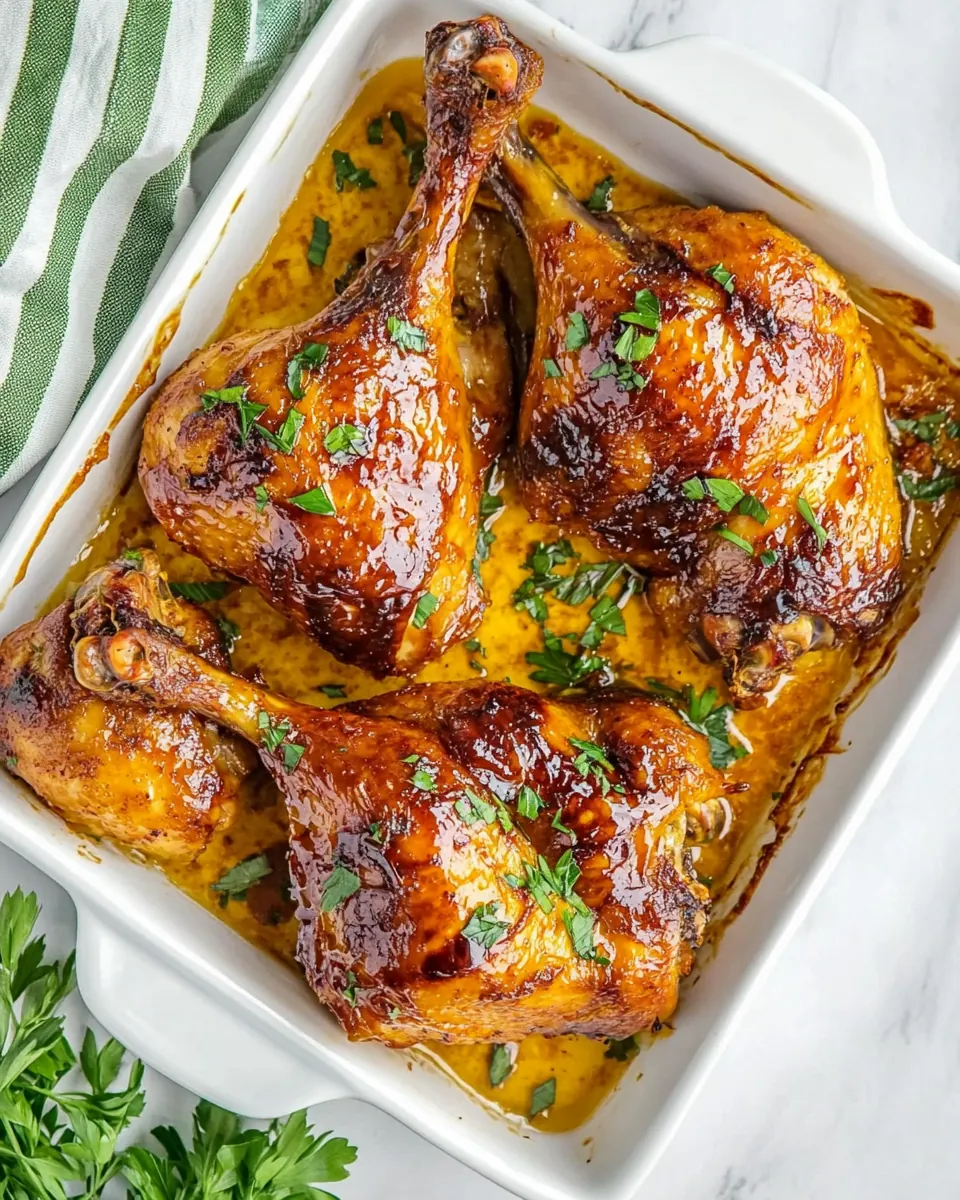
I believe that a short ingredient list should perform like a small orchestra: each player clear, purposeful, and harmonious. The key players here are the game hens, which provide tender, single portions; the apricot jam and honey for sweetness and body; and the ginger and garlic for aromatic lift. Tiny additions like soy sauce and lemon juice balance the glaze with umami and acidity, while a touch of cornstarch gives it the right cling.
- Two 1 1/2-pound Cornish game hens: Roast to golden-brown perfection, providing two evenly sized 1 1/2-pound Cornish game hens that serve as the tender, flavorful main protein for the dish. Brown skin crisps nicely under high heat while the small size ensures quick, even cooking and an appealing presentation for two servings. Allow the birds to rest after roasting so juices redistribute for moist meat.
- 2 teaspoons toasted sesame oil: Infuse a subtle nutty aroma by adding 2 teaspoons toasted sesame oil to the marinade or brush, enhancing the glaze and complementing Asian-inspired flavors. Use sparingly to avoid overpowering other components while contributing depth and a hint of richness to the finished hens.
- Kosher salt and freshly ground black pepper: Season generously with kosher salt and freshly ground black pepper to build foundational savory flavor and balance sweetness in the glaze. Adjust quantities to taste, seasoning both inside the cavity and on the skin to ensure even seasoning throughout the meat.
- 2 teaspoons toasted sesame oil: Enhance browning and add a second layer of toasted sesame oil flavor by incorporating an additional 2 teaspoons during glazing or cooking. Apply it to the skin before roasting to promote crispness and to the glaze mixture for a cohesive nutty undertone.
- 1 tablespoon minced fresh ginger: Pound or mince fresh to yield 1 tablespoon minced fresh ginger, which brings bright, spicy warmth that cuts through richness and pairs beautifully with apricot sweetness. Add to the glaze for aromatic lift and to the cavity or under the skin for infusion during roasting.
- 1 medium garlic clove, minced: Mince finely to produce 1 medium garlic clove, providing aromatic savory depth and a subtle pungent bite that complements ginger and soy in the glaze. Incorporate into the glaze and rub onto the hens for balanced, layered savory notes.
- 1/2 cup apricot jam: Sweeten and thicken with 1/2 cup apricot jam, creating the fruity base of the ginger–apricot glaze that caramelizes during roasting. Combine with aromatics and acids so the jam both flavors and helps form a sticky, glossy coating on the hens.
- 2 teaspoons honey: Sweeten gently with 2 teaspoons honey to enhance glaze viscosity and add floral sweetness that complements the apricot jam. Stir into the glaze so it helps with caramelization and provides rounded complexity to the final sauce.
- 2 teaspoons soy sauce: Season umami-rich with 2 teaspoons soy sauce to introduce salty depth and savory balance to the sweet components of the glaze. Use low-sodium if desired to control overall saltiness while contributing color and glaze complexity.
- 2 teaspoons freshly squeezed lemon juice: Brighten flavors by adding 2 teaspoons freshly squeezed lemon juice to cut sweetness and add a lively acidic note that balances the glaze. Mix into the jam-based glaze to lift flavors and prevent cloying richness.
- 1 teaspoon cornstarch: Thicken slightly with 1 teaspoon cornstarch when dissolved in a small amount of cold water, helping to stabilize and glossy the glaze during the final cooking stage. Stir into the heated glaze briefly until translucent to achieve the desired coating consistency.
Making This Roasted Apricot Ginger Glazed Game Hens
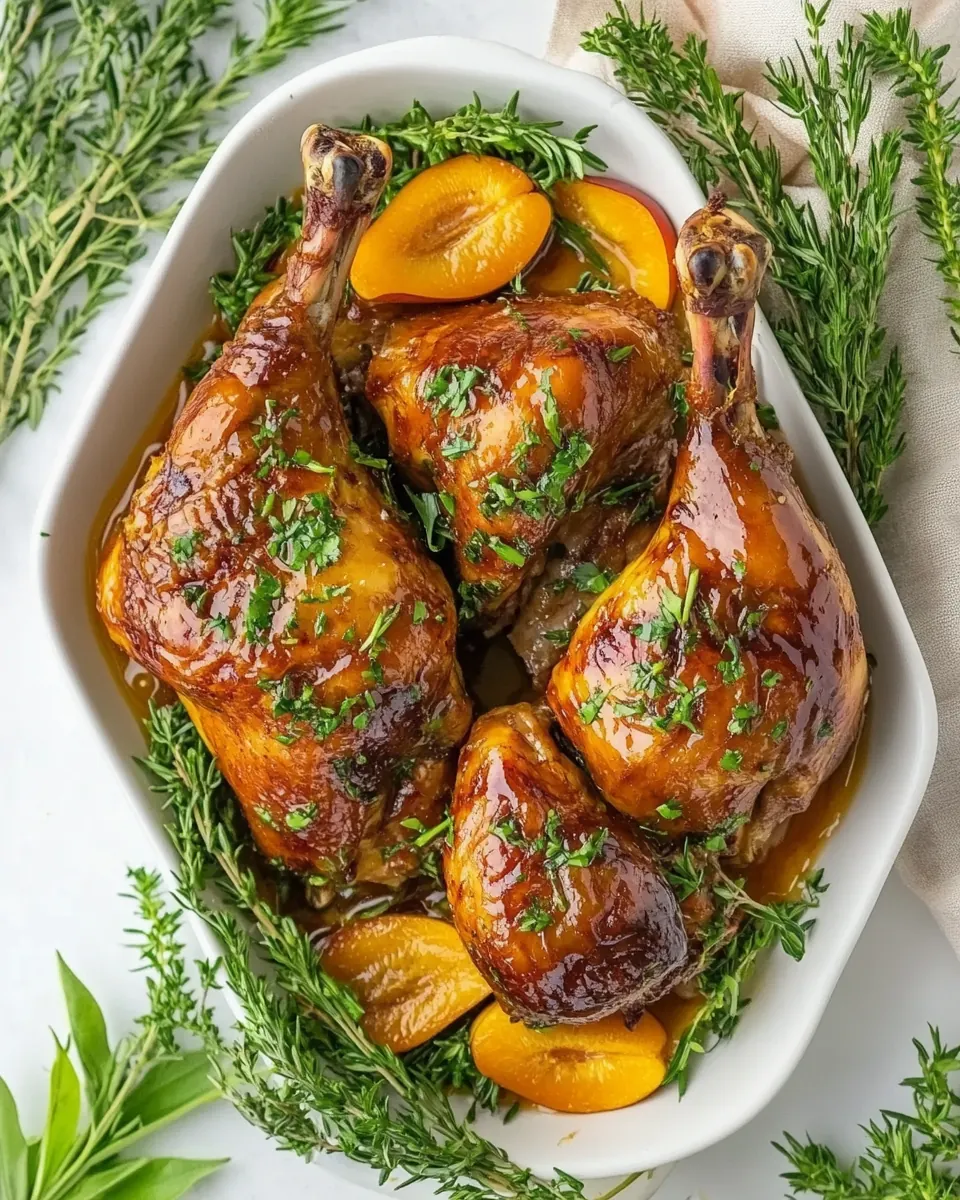
These instructions are friendly and conversational, and they guide you through each stage so you can feel confident at the oven. Below, I expand the original steps into sensory rich guidance, with reasons and troubleshooting to help you get the texture and glaze just right.
- Set a rack in the center of the oven and heat the oven to 450°F.: The oven screaming to temperature creates immediate dry heat that encourages the skin to brown and crisp, producing audible crackles as fat renders; you will smell the faint toasty warmth of the oven as it stabilizes. Preheating is crucial, because placing the hens into a cold oven will lengthen cooking time and prevent a quick skin sear, which can lead to soggy skin. One common misstep is not allowing the oven enough time to fully preheat, which makes the initial roasting ineffective.
- With a sharp knife or poultry shears, remove the backbones from the hens and slice through the breastbone, cutting the hens in half.: When you cut the birds, the room fills with a clean, meaty scent and you can see the structure of the breast and thigh, which allows more even roasting. Spatchcocking or halving increases surface area so the skin crisps and the meat cooks faster and more uniformly, ensuring tender dark meat without drying the breast. Avoid dull blades that tear the skin rather than cut cleanly, which can make presentation messy and affect even cooking.
- Brush the skin of the hens with 2 teaspoons of the sesame oil and set them, skin-side-up, on a wire rack set in a rimmed baking sheet. Sprinkle the skin with 1/2 teaspoon salt and several grinds of pepper.: The sesame oil gives a glossy sheen and a toasty aroma as it heats, and the rack lets air circulate so fat drips away and the underside is not steamed. Salt on the skin draws out a little moisture then encourages browning and crisping, while pepper gives a background bite. A frequent error is placing hens directly on the pan without a rack which leads to pooling fat and less crisp skin.
- Roast until the hens are almost cooked through (an instant-read thermometer inserted into the thickest part of the thigh should register 165°F), about 25 minutes.: During this roast you will notice the skin changing from pale to golden then deeper brown, and the kitchen will fill with roasted, slightly sweet aromas. Hitting the temperature target ensures safe, juicy meat; pulling too early leaves connective tissues undercooked, while over roasting dries the breast. One troubleshooting tip is to rotate the pan halfway through if your oven has hot spots, preventing uneven browning.
- Heat 2 teaspoons of sesame oil in a small saucepan over medium heat. Add the ginger and garlic and cook, stirring often, until soft and fragrant, 2 to 3 minutes. Stir in the preserves/jam, honey, soy sauce, and lemon juice; bring to a boil and cook, stirring occasionally, until the mixture has thickened slightly, 4 to 5 minutes. Dissolve the cornstarch in 1 teaspoon of water, add to the saucepan, and cook until the mixture thickens, another 1 minute.: As you cook the aromatics the pan will perfume the kitchen with sharp, warming ginger and toasted garlic , then the jam will melt and bubble into a glossy syrup; you can hear a steady light simmer and see the texture change from runny to syrupy. Thickening concentrates flavors and lets the glaze cling to skin, which creates that lacquered finish. Avoid cooking on too high heat, which can burn the sugars and make the glaze bitter; if it begins to darken too quickly, lower the heat and stir more often.
- Brush the hens with the apricot ginger glaze and continue to roast until the glaze has browned in spots and the thermometer registers 170°F in the thigh, another 5 to 7 minutes.: When you lacquer the hens the aroma shifts to bright fruit and warm spice, and the glaze will begin to bubble and caramelize at the edges, creating glossy browned spots that catch the light. The final few minutes allow the glaze to set and the internal temperature to reach the safe target, which also helps the meat relax and reabsorb juices. A common mistake is brushing too many coats too early which can lead to burnt sugar; instead apply one good layer and finish in the oven, watching closely.
- Season with salt and pepper, and serve immediately.: At the finish you will notice the skin crackle slightly when you move the hens and the glaze will be tacky and fragrant, with a balance of sweet, tart, and savory notes. Resting is minimal here because these small birds cool quickly, so season subtly to taste and plate while the skin remains appealingly crisp. One misstep is letting the finished hens sit too long uncovered, which causes the glaze to lose its glossy appeal and the skin to soften.
Recipe Variations about Roasted Apricot Ginger Glazed Game Hens
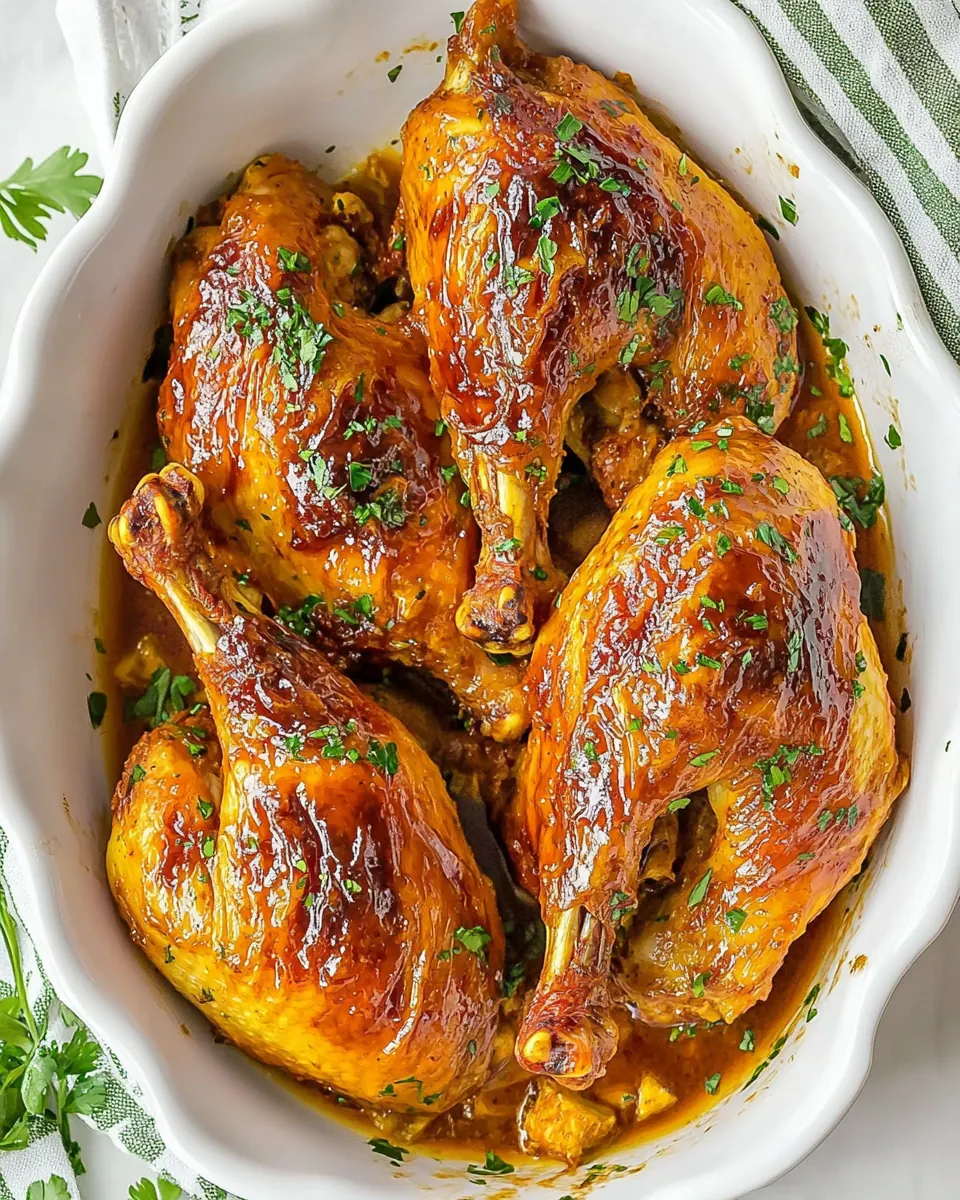
I like to experiment with small tweaks that accentuate different aspects of this dish without changing the spirit of the recipe. Below are practical variations and serving ideas that remain true to the original balance of sweet, savory, and bright.
- Smoky touch Add a tiny pinch of smoked paprika to the glaze to give a warm, smoky undertone that pairs well with roasted flavors without overwhelming the fruitiness.
- Extra citrus brightness Stir an extra teaspoon of lemon juice into the glaze right before glazing to sharpen the finish and cut through sweetness on the palate.
- Ginger forward Increase the minced ginger to 1 1/2 tablespoons if you enjoy a more pronounced spicy warmth; finely grate it for smoother texture.
- Gluten free swap Use a gluten free soy sauce or tamari with the same quantity so the glaze remains savory while being safe for gluten free guests.
- Make ahead glaze Prepare the glaze up to two days in advance and store in the fridge then gently reheat and brush on during the final roast for quicker assembly.
Serving Ideas for Roasted Apricot Ginger Glazed Game Hens
This dish is versatile enough for weeknight dinners and special occasions. Below are detailed serving approaches that highlight different aspects of the hens, with suggestions for sides, occasions, and storage.
- Family style dinner Serve each halved hen on a large platter with roasted root vegetables and a simple green salad, so guests can help themselves and the meal feels warm and communal.
- Holiday alternative Use this recipe for Thanksgiving when you want individual portions; pair with traditional sides such as mashed root vegetables and a tart cranberry accompaniment to balance sweetness.
- Weeknight simplicity Plate a single halved hen with steamed grains and quick sautéed greens for an easy weeknight meal that still feels special.
- Seasonal pairings In the fall, pair with braised cabbage or roasted squash to echo the warm, fruity notes in the glaze and create a cozy plate.
- Storage tips Refrigerate leftovers within two hours in an airtight container, and reheat gently in a low oven to preserve the crispness; glazed skin will soften in the fridge so reheat slowly to avoid burning the sugars.
- Occasion matching I often select this recipe for intimate dinner parties and small holiday gatherings where elegant plating and individual portions make service effortless.
FAQ
Conclusion
What makes this recipe special is the way glossy apricot sweetness, warm ginger, and a touch of umami transform small roasted birds into an elegant, celebratory plate. The technique is approachable, and the payoff is a crisp, caramelized skin paired with moist, flavorful meat that feels impressive yet effortless. I encourage you to give it a try the next time you want a memorable meal without a lot of fuss. Serve it with simple sides, enjoy the aromas as it roasts, and notice how a few pantry ingredients elevate a humble protein into something people remember.
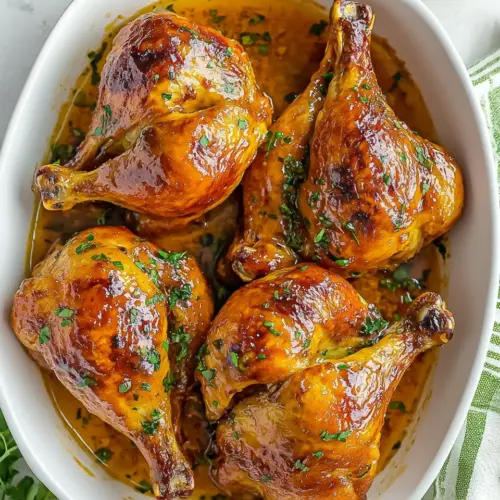
Roasted Apricot Ginger Glazed Game Hens
Equipment
- Oven
- Rimmed Baking Sheet
- Wire Rack
- Small Saucepan
- Instant read thermometer
- Poultry shears
Ingredients
- Two 1 1/2-pound Cornish game hens Roast to golden-brown perfection, providing two evenly sized 1 1/2-pound Cornish game hens that serve as the tender, flavorful main protein for the dish. Brown skin crisps nicely under high heat while the small size ensures quick, even cooking and an appealing presentation for two servings. Allow the birds to rest after roasting so juices redistribute for moist meat.
- 2 teaspoons toasted sesame oil Infuse a subtle nutty aroma by adding 2 teaspoons toasted sesame oil to the marinade or brush, enhancing the glaze and complementing Asian-inspired flavors. Use sparingly to avoid overpowering other components while contributing depth and a hint of richness to the finished hens.
- Kosher salt and freshly ground black pepper Season generously with kosher salt and freshly ground black pepper to build foundational savory flavor and balance sweetness in the glaze. Adjust quantities to taste, seasoning both inside the cavity and on the skin to ensure even seasoning throughout the meat.
- 2 teaspoons toasted sesame oil Enhance browning and add a second layer of toasted sesame oil flavor by incorporating an additional 2 teaspoons during glazing or cooking. Apply it to the skin before roasting to promote crispness and to the glaze mixture for a cohesive nutty undertone.
- 1 tablespoon minced fresh ginger Pound or mince fresh to yield 1 tablespoon minced fresh ginger, which brings bright, spicy warmth that cuts through richness and pairs beautifully with apricot sweetness. Add to the glaze for aromatic lift and to the cavity or under the skin for infusion during roasting.
- 1 medium garlic clove, minced Mince finely to produce 1 medium garlic clove, providing aromatic savory depth and a subtle pungent bite that complements ginger and soy in the glaze. Incorporate into the glaze and rub onto the hens for balanced, layered savory notes.
- 1/2 cup apricot jam Sweeten and thicken with 1/2 cup apricot jam, creating the fruity base of the ginger-apricot glaze that caramelizes during roasting. Combine with aromatics and acids so the jam both flavors and helps form a sticky, glossy coating on the hens.
- 2 teaspoons honey Sweeten gently with 2 teaspoons honey to enhance glaze viscosity and add floral sweetness that complements the apricot jam. Stir into the glaze so it helps with caramelization and provides rounded complexity to the final sauce.
- 2 teaspoons soy sauce Season umami-rich with 2 teaspoons soy sauce to introduce salty depth and savory balance to the sweet components of the glaze. Use low-sodium if desired to control overall saltiness while contributing color and glaze complexity.
- 2 teaspoons freshly squeezed lemon juice Brighten flavors by adding 2 teaspoons freshly squeezed lemon juice to cut sweetness and add a lively acidic note that balances the glaze. Mix into the jam-based glaze to lift flavors and prevent cloying richness.
- 1 teaspoon cornstarch Thicken slightly with 1 teaspoon cornstarch when dissolved in a small amount of cold water, helping to stabilize and glossy the glaze during the final cooking stage. Stir into the heated glaze briefly until translucent to achieve the desired coating consistency.
Instructions
- Set a rack in the center of the oven and heat the oven to 450°F.: The oven screaming to temperature creates immediate dry heat that encourages the skin to brown and crisp, producing audible crackles as fat renders; you will smell the faint toasty warmth of the oven as it stabilizes. Preheating is crucial, because placing the hens into a cold oven will lengthen cooking time and prevent a quick skin sear, which can lead to soggy skin. One common misstep is not allowing the oven enough time to fully preheat, which makes the initial roasting ineffective.
- With a sharp knife or poultry shears, remove the backbones from the hens and slice through the breastbone, cutting the hens in half.: When you cut the birds, the room fills with a clean, meaty scent and you can see the structure of the breast and thigh, which allows more even roasting. Spatchcocking or halving increases surface area so the skin crisps and the meat cooks faster and more uniformly, ensuring tender dark meat without drying the breast. Avoid dull blades that tear the skin rather than cut cleanly, which can make presentation messy and affect even cooking.
- Brush the skin of the hens with 2 teaspoons of the sesame oil and set them, skin-side-up, on a wire rack set in a rimmed baking sheet. Sprinkle the skin with 1/2 teaspoon salt and several grinds of pepper.: The sesame oil gives a glossy sheen and a toasty aroma as it heats, and the rack lets air circulate so fat drips away and the underside is not steamed. Salt on the skin draws out a little moisture then encourages browning and crisping, while pepper gives a background bite. A frequent error is placing hens directly on the pan without a rack which leads to pooling fat and less crisp skin.
- Roast until the hens are almost cooked through (an instant-read thermometer inserted into the thickest part of the thigh should register 165°F), about 25 minutes.: During this roast you will notice the skin changing from pale to golden then deeper brown, and the kitchen will fill with roasted, slightly sweet aromas. Hitting the temperature target ensures safe, juicy meat; pulling too early leaves connective tissues undercooked, while over roasting dries the breast. One troubleshooting tip is to rotate the pan halfway through if your oven has hot spots, preventing uneven browning.
- Heat 2 teaspoons of sesame oil in a small saucepan over medium heat. Add the ginger and garlic and cook, stirring often, until soft and fragrant, 2 to 3 minutes. Stir in the preserves/jam, honey, soy sauce, and lemon juice; bring to a boil and cook, stirring occasionally, until the mixture has thickened slightly, 4 to 5 minutes. Dissolve the cornstarch in 1 teaspoon of water, add to the saucepan, and cook until the mixture thickens, another 1 minute.: As you cook the aromatics the pan will perfume the kitchen with sharp, warming ginger and toasted garlic , then the jam will melt and bubble into a glossy syrup; you can hear a steady light simmer and see the texture change from runny to syrupy. Thickening concentrates flavors and lets the glaze cling to skin, which creates that lacquered finish. Avoid cooking on too high heat, which can burn the sugars and make the glaze bitter; if it begins to darken too quickly, lower the heat and stir more often.
- Brush the hens with the apricot ginger glaze and continue to roast until the glaze has browned in spots and the thermometer registers 170°F in the thigh, another 5 to 7 minutes.: When you lacquer the hens the aroma shifts to bright fruit and warm spice, and the glaze will begin to bubble and caramelize at the edges, creating glossy browned spots that catch the light. The final few minutes allow the glaze to set and the internal temperature to reach the safe target, which also helps the meat relax and reabsorb juices. A common mistake is brushing too many coats too early which can lead to burnt sugar; instead apply one good layer and finish in the oven, watching closely.
- Season with salt and pepper, and serve immediately.: At the finish you will notice the skin crackle slightly when you move the hens and the glaze will be tacky and fragrant, with a balance of sweet, tart, and savory notes. Resting is minimal here because these small birds cool quickly, so season subtly to taste and plate while the skin remains appealingly crisp. One misstep is letting the finished hens sit too long uncovered, which causes the glaze to lose its glossy appeal and the skin to soften.
Notes
- Smoky touch Add a tiny pinch of smoked paprika to the glaze to give a warm, smoky undertone that pairs well with roasted flavors without overwhelming the fruitiness.
- Extra citrus brightness Stir an extra teaspoon of lemon juice into the glaze right before glazing to sharpen the finish and cut through sweetness on the palate.
- Ginger forward Increase the minced ginger to 1 1/2 tablespoons if you enjoy a more pronounced spicy warmth; finely grate it for smoother texture.
- Gluten free swap Use a gluten free soy sauce or tamari with the same quantity so the glaze remains savory while being safe for gluten free guests.
- Make ahead glaze Prepare the glaze up to two days in advance and store in the fridge then gently reheat and brush on during the final roast for quicker assembly.
