Cornbread Recipe
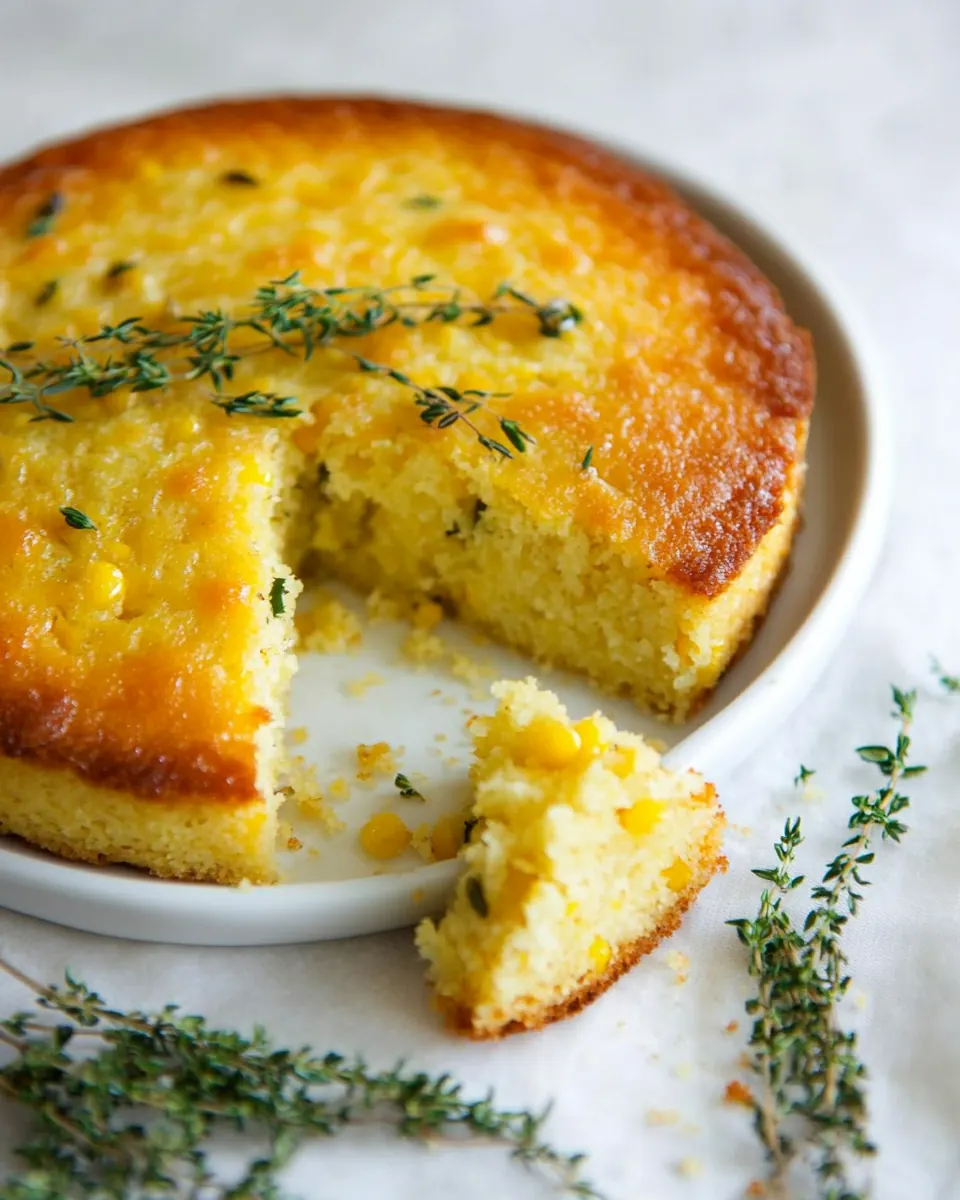
Cornbread Recipe has been one of my kitchen comforts for as long as I can remember, a warm, crumbly loaf that always smells like home the moment it comes out of the oven.
I first started making Cornbread Recipe when a neighbor handed me a jar of fresh corn <strong>kernelsstrong> and a handful of <strong>zucchinistrong> from her garden, insisting I try a loaf with both. That first batch was rustic, unevenly golden, and utterly addictive, and I kept tweaking the balance of flour and cornmeal until it felt just right. Over the years, this recipe became my go to when friends dropped by unexpectedly or when I wanted something that paired beautifully with hearty soups. The mix of textures from the tender crumb and the occasional burst of sweet corn convinced me to always keep a stash of buttermilk or plain yogurt in the fridge.
On busy mornings I slice a piece and eat it warm with a pat of <strong>butterstrong>, and during cooler evenings it stands proudly beside stews or roasted vegetables. I love how flexible Cornbread Recipe is, welcoming extra vegetables or a little sharp cheddar cheese without losing its soul. Some versions are slightly sweet, others savory and studded with <strong>kernelsstrong> that pop as you bite into them. I’ll never forget the time I brought this to a potluck and someone guessed it was made with secret herbs, when really the magic was simply in fresh ingredients and not overworking the batter.
Recipe Snapshot
55 mins
10 mins
45 mins
Medium
210 kcal
American
Gluten-Free, Low FODMAP
Side Dishes
Oven, 9 inch round cake pan, Mixing bowls, Spatula, Whisk
The Charm of This Cornbread Recipe
Comforting texture and familiar flavor
I adore how Cornbread Recipe gives you a tender, slightly crumbly crumb that still holds together when sliced. The interplay between cornmeal and flour delivers a rustic mouthfeel, and when you include fresh corn, each bite offers little bursts of sweetness. I often tell guests the texture is the reason to come back for seconds.
Versatility on the table
One of the best parts is how adaptable this loaf is. I make it for casual weeknight dinners, and I also bring it to more formal gatherings. You can swap baking vessels and it still sings, and I love that it pairs with everything from soups to roasted mains. That kind of flexibility makes it a staple in my rotation.
Vegetable friendly without fuss
Adding <strong>shreddedstrong> zucchini and carrots in this recipe gives moisture and subtle sweetness, and it is an easy way to sneak vegetables into family meals. I appreciate that the veggies keep the crumb tender, and I always squeeze excess moisture out of grated items to prevent a gummy center.
A balanced sweet savory profile
The sugar level here is forgiving, so you can nudge it toward sweet or keep it restrained. The optional sharp cheddar cheese creates a savory counterpoint to the natural sweetness of the corn, and that balance is what makes this loaf suitable for many occasions in my house.
Reliable technique for beautiful results
I love that the method is straightforward, making it easy for home bakers to succeed. The simple step of not overmixing the batter and trusting a hot oven produces a golden exterior and tender inside. I often reassure friends that small imperfections in the surface do not affect the flavor at all.
Main Ingredients for <strong><strong>Cornbreadstrong> Recipestrong>
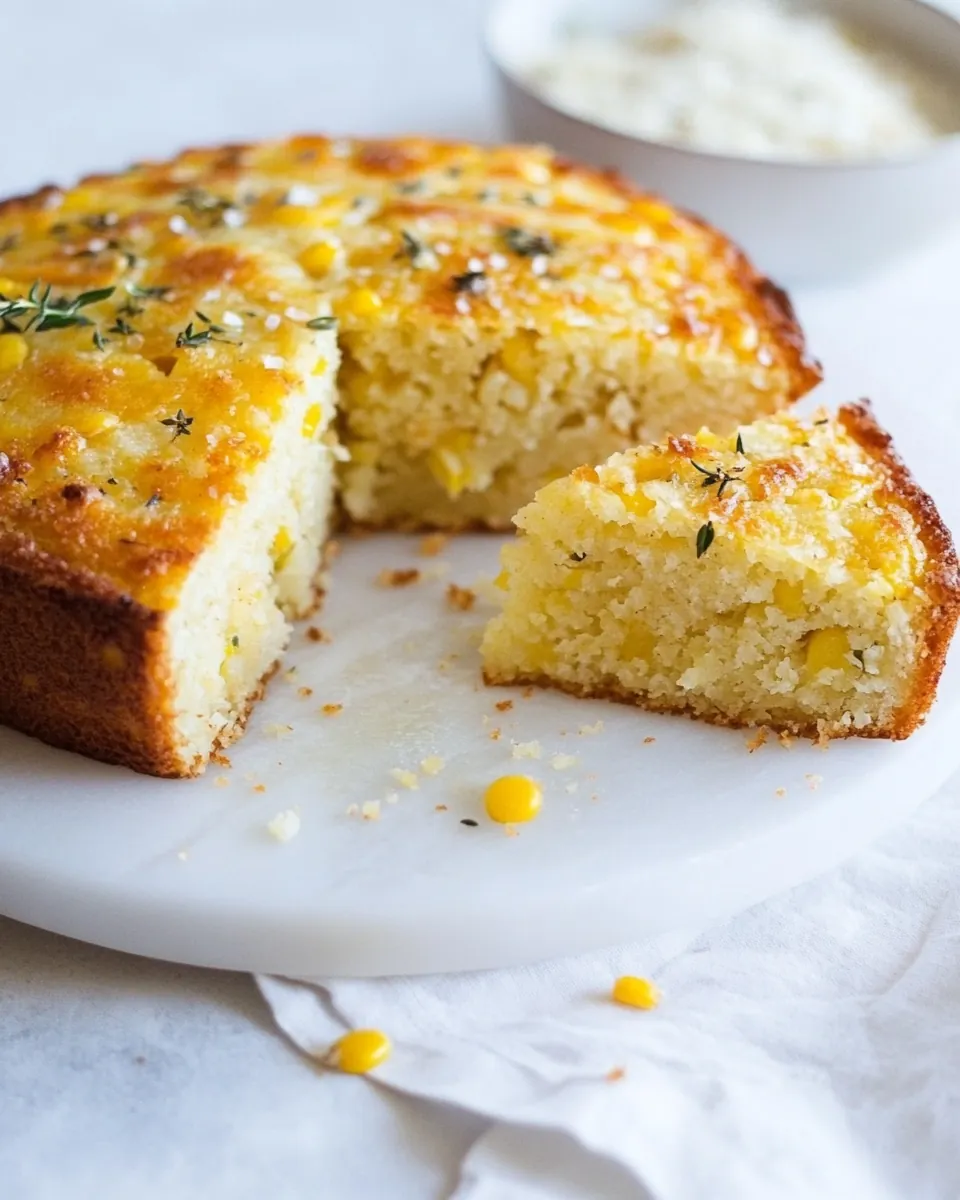
These ingredients come together with a clear philosophy, each playing a role in texture and flavor. The combination of flour and cornmeal creates structure and that distinctive <strong>cornbreadstrong> bite, while leaveners like baking powder and baking soda lift the loaf. Dairy like buttermilk or yogurt keeps the crumb tender, and <strong>shreddedstrong> vegetables and cheddar cheese add moisture, color, and savory notes. The result is a balanced loaf that can be tweaked to taste.
- 1 cup flour: Provide structure and body to the <strong>cornbreadstrong> by combining with <strong>cornmealstrong>; contributes gluten for chew and browning when baked, and helps absorb moisture from wet ingredients to form the batter.
- 1 cup cornmeal: Add rustic corn flavor and gritty texture that distinguishes <strong>cornbreadstrong>; pairs with flour to balance tenderness and creates a fuller corn profile in each bite.
- 2 teaspoon baking powder: Leaven batter gently by producing carbon dioxide when heated, lending lift and a light crumb; also contributes a subtle rise that prevents dense, heavy <strong>cornbreadstrong>.
- 1/2 teaspoon baking soda: React with acidic components to create additional rise and tenderize the crumb; helps neutralize any excess acidity from <strong><strong>buttermilkstrong> or <strong>yogurtstrong>strong> for balanced flavor.
- 1 teaspoon salt: Enhance overall flavor profile by seasoning the batter, balancing sweetness and savory notes; aids in bringing out natural flavors of corn and vegetables.
- 1 egg: Bind wet and dry elements together while adding richness and contributing to a tender crumb; helps with leavening and gives structure during baking.
- 1/3 cup melted butter: Add fat and moisture for richness and tender texture, promoting browning at the edges; melting beforehand ensures even distribution through the batter.
- 2 tablespoon oil: Provide additional fat for moistness and a softer crumb while preventing dryness; also contributes to a slightly richer mouthfeel and helps with pan release.
- 1/3 cup sugar (use 3 tablespoons for less sweet cornbread): Add sweetness and help with browning through caramelization; quantity can be adjusted to control overall sweetness level without affecting texture much.
- 1 cup buttermilk or yogurt: Contribute acidity and tang for improved flavor complexity while reacting with <strong>baking sodastrong> for leavening; provides moisture and promotes a tender crumb when stirred into batter.
- 1 1/2 cups shredded zucchini: Introduce moisture, subtle vegetal sweetness, and bulk without overpowering flavor; grated <strong>zucchinistrong> helps keep <strong>cornbreadstrong> moist and adds a delicate texture throughout.
- 1 cup shredded carrots: Supply natural sweetness, color, and a slight crunch when <strong>shreddedstrong> into the batter; adds nutrients and pairs well with corn for a balanced vegetable profile.
- 2 cups corn kernels (fresh preferably, but canned or frozen are ok): Deliver bursts of sweet corn flavor and juicy texture that complement the <strong>cornmealstrong> base; fresh <strong>kernelsstrong> add brightness, while <strong>cannedstrong> or <strong>frozenstrong> are convenient alternatives.
- 1/2 cup grated strong cheddar cheese (up to 1 cup): Impart sharp, savory depth and meltiness that contrasts with sweet corn and vegetables; grated strong <strong>cheddarstrong> adds richness and creates pockets of flavorful <strong>cheesestrong> throughout.
How to Prepare <strong><strong>Cornbreadstrong> Recipestrong>

This recipe is straightforward yet rewarding, and I like to walk you through the process so every loaf turns out with a golden crust and tender inside. Below I expand each step with sensory cues, the reasoning behind each technique, and troubleshooting advice so you can bake with confidence.
- Preheat the oven to 425 degrees F.: You will notice a warm, dry heat that helps create an immediate lift and a nicely browned crust, which signals the Maillard reaction starting on the surface. Ensure the oven reaches the full temperature before the batter goes in because putting the batter into a cool oven can lead to a dense, under risen loaf. One common error is not positioning the rack in the center, which can cause uneven browning, so place the rack centrally. Also, if your oven runs hot or cool, use an oven thermometer to confirm accuracy. The preheated environment is essential for creating a crisp exterior while the interior sets gently.
- In a medium bowl, whisk the dry ingredients together.: Right away you should smell the faint toasted note of <strong>cornmealstrong> and the <strong>baking <strong>powderstrong>strong>'s faint minerality. Whisking distributes the <strong>baking <strong>powderstrong>strong> , <strong>baking sodastrong> , and salt evenly, preventing pockets of leavening that could make tunnels or uneven rise. A frequent pitfall is adding liquids to unmixed dry ingredients, which can cause inconsistent texture, so take the extra minute to combine them thoroughly. The visual cue is a uniform pale mixture with no streaks of one component; use a sifter if you have clumps.
- In another bowl, whisk the sugar, egg, yogurt (or buttermilk), butter and oil until well blended. Add in the dry ingredients, all veggies and cheese and then use a spatula to fold everything together until the batter looks mixed and blended. It doesn't have to be smooth and perfect.: As you blend these, you'll notice the mixture smooth and glossy, and the <strong>butterstrong> emulsifying into the wet base. This emulsion helps trap tiny air bubbles that expand in the oven, contributing to lift and tenderness. If the <strong>butterstrong> is too hot, it can scramble the egg , so ensure it has cooled slightly before combining. A common mistake is using cold liquids which can prevent proper mixing, leaving streaks of fat; room temperature ingredients blend more evenly. The sound is minimal here, just the gentle whisking turning ingredients into a cohesive batter base.
- Pour the batter into a 9 inch round cake pan (lined with parchment) and bake for 50 mins until a toothpick inserted in the centre of the bread comes out clean. Cool for 10 mins, slice and serve.: At this stage, you will see flecks of orange and green from the <strong>carrotsstrong> and <strong>zucchinistrong> , and <strong>kernelsstrong> of corn studding the batter. Folding preserves air and avoids overworking gluten, which keeps the crumb tender. Expect a slightly chunky batter; that is desirable. A common error is vigorous stirring that creates a tough loaf, so fold gently until you no longer see streaks of dry flour . The spatula should scrape the bowl clean in broad turns, and the batter will be thick but scoopable.
- Pour the batter into a 9 inch round cake pan (lined with parchment) and bake for 50 mins until a toothpick inserted in the centre of the bread comes out clean.: As the loaf bakes you will see the edges pull slightly from the pan and the top deepen to a golden brown, with an aroma that grows richer and corn scented. The bake time ensures the interior sets while the crust forms; a too short bake yields a wet center, while overbaking dries the crumb. If the top browns too quickly, tent with foil to prevent burning before the center is done. The toothpick test should show only a few moist crumbs, not wet batter. Once you remove it, the bread will continue to firm up as it rests—a final gentle oven sound is the settling of the bake.
- Cool for 10 mins, slice and serve.: Cooling allows the structure to stabilize so slices hold their shape, and you will notice steam easing out and the crumb settling into a perfect tender texture. Cutting too early can cause tearing and a gummy center, so wait the brief cooling period. The crust will still be pleasantly warm, and the aroma will be strongest now. Use a serrated knife for cleaner slices when the crumb is tender. If you must store leftovers, wrap cooled slices to retain moisture and prevent the surface from drying.
Helpful Notes about <strong><strong>Cornbreadstrong> Recipestrong>
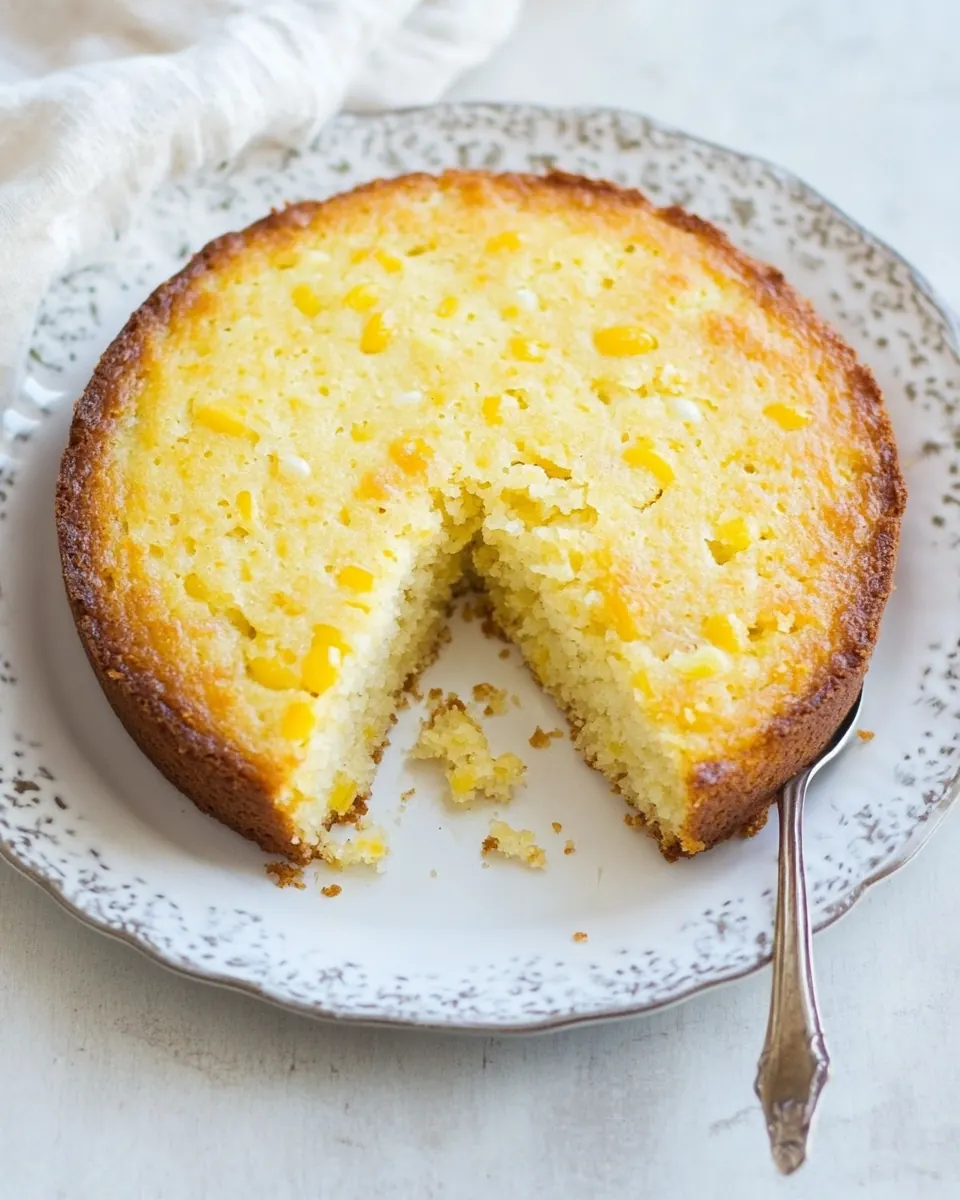
This section gathers practical tips I have learned from many loaves. They address timing, textures, substitutions, and storage in everyday language so you can bake confidently and adapt the recipe to your pantry.
- Adjust sweetness consciously by reducing the sugar to 3 <strong>tablespoonsstrong> if you prefer a less sweet <strong>cornbreadstrong>; this keeps the savory notes like cheddar cheese and corn more prominent.
- Use fresh corn when possible because it gives a bright, juicy pop; if using <strong>frozenstrong>, thaw and drain thoroughly to avoid extra moisture in the batter.
- Pan choice affects baking time use a cast iron skillet for crispier edges, or a loaf pan for taller slices, and expect modest differences in bake time depending on the vessel depth.
- Don’t skimp on draining grated veggies as watery zucchini or carrots will lengthen bake time and can make the center gummy if not removed.
- Grate your own cheese for best melting and distribution; pre <strong>shreddedstrong> <strong>cheesestrong> sometimes contains anti clumping agents that affect texture.
- Serve slightly warm to enjoy the aroma and tender crumb at its best; reheat slices briefly in a low oven to refresh leftovers.
What to Serve With <strong><strong>Cornbreadstrong> Recipestrong>
This loaf plays well with many dishes and occasions, from casual lunches to holiday dinners. Below I outline complementary sides, serving styles, and storage ideas so your meal feels cohesive and seasonal.
- Hearty soups and stews such as bean or vegetable soups, where the bread soaks up brothy goodness, make a comforting pairing.
- Roasted vegetables and grain bowls benefit from a slice on the side, adding texture contrast and a slightly sweet corn note.
- Weeknight dinners like grilled proteins or pan seared mains gain a rustic side with the bread, suitable for casual family meals.
- Potlucks and gatherings because slices are easy to serve and the loaf travels well, making it a reliable crowd pleaser for shared meals.
- Storage tips include cooling completely then storing in a zipper bag at room temperature for a few days, or freezing slices individually for longer storage and reheating them in a toaster or oven.
- Seasonal pairings such as autumnal squash dishes or spring salads highlight the loaf’s versatility; it works equally well for cozy fall suppers and bright spring lunches.
FAQ
Conclusion
This cornbread recipe stands out for its balance of tender crumb, bursts of sweet corn, and the moistness from shredded vegetables. I encourage you to give it a try because it adapts easily to your pantry and pairs beautifully with many meals, making it a reliable favorite. Baking this loaf is forgiving, and a warm slice straight from the oven is a small, satisfying reward that brings people together and elevates simple dinners.

Cornbread Recipe
Equipment
- Oven
- 9-inch Round Cake Pan
- Mixing Bowls
- Spatula
- Whisk
Ingredients
- 1 cup flour Provide structure and body to the cornbread by combining with cornmeal; contributes gluten for chew and browning when baked, and helps absorb moisture from wet ingredients to form the batter.
- 1 cup cornmeal Add rustic corn flavor and gritty texture that distinguishes cornbread; pairs with flour to balance tenderness and creates a fuller corn profile in each bite.
- 2 teaspoon baking powder Leaven batter gently by producing carbon dioxide when heated, lending lift and a light crumb; also contributes a subtle rise that prevents dense, heavy cornbread.
- 1/2 teaspoon baking soda React with acidic components to create additional rise and tenderize the crumb; helps neutralize any excess acidity from buttermilk or yogurt for balanced flavor.
- 1 teaspoon salt Enhance overall flavor profile by seasoning the batter, balancing sweetness and savory notes; aids in bringing out natural flavors of corn and vegetables.
- 1 egg Bind wet and dry elements together while adding richness and contributing to a tender crumb; helps with leavening and gives structure during baking.
- 1/3 cup melted butter Add fat and moisture for richness and tender texture, promoting browning at the edges; melting beforehand ensures even distribution through the batter.
- 2 tablespoon oil Provide additional fat for moistness and a softer crumb while preventing dryness; also contributes to a slightly richer mouthfeel and helps with pan release.
- 1/3 cup sugar (use 3 tablespoons for less sweet cornbread) Add sweetness and help with browning through caramelization; quantity can be adjusted to control overall sweetness level without affecting texture much.
- 1 cup buttermilk or yogurt Contribute acidity and tang for improved flavor complexity while reacting with baking soda for leavening; provides moisture and promotes a tender crumb when stirred into batter.
- 1 1/2 cups shredded zucchini Introduce moisture, subtle vegetal sweetness, and bulk without overpowering flavor; grated zucchini helps keep cornbread moist and adds a delicate texture throughout.
- 1 cup shredded carrots Supply natural sweetness, color, and a slight crunch when shredded into the batter; adds nutrients and pairs well with corn for a balanced vegetable profile.
- 2 cups corn kernels (fresh preferably, but canned or frozen are ok) Deliver bursts of sweet corn flavor and juicy texture that complement the cornmeal base; fresh kernels add brightness, while canned or frozen are convenient alternatives.
- 1/2 cup grated strong cheddar cheese (up to 1 cup) Impart sharp, savory depth and meltiness that contrasts with sweet corn and vegetables; grated strong cheddar adds richness and creates pockets of flavorful cheese throughout.
Instructions
- Preheat the oven to 425 degrees F.: You will notice a warm, dry heat that helps create an immediate lift and a nicely browned crust, which signals the Maillard reaction starting on the surface. Ensure the oven reaches the full temperature before the batter goes in because putting the batter into a cool oven can lead to a dense, under risen loaf. One common error is not positioning the rack in the center, which can cause uneven browning, so place the rack centrally. Also, if your oven runs hot or cool, use an oven thermometer to confirm accuracy. The preheated environment is essential for creating a crisp exterior while the interior sets gently.
- In a medium bowl, whisk the dry ingredients together.: Right away you should smell the faint toasted note of cornmeal and the baking powder's faint minerality. Whisking distributes the baking powder , baking soda , and salt evenly, preventing pockets of leavening that could make tunnels or uneven rise. A frequent pitfall is adding liquids to unmixed dry ingredients, which can cause inconsistent texture, so take the extra minute to combine them thoroughly. The visual cue is a uniform pale mixture with no streaks of one component; use a sifter if you have clumps.
- In another bowl, whisk the sugar, egg, yogurt (or buttermilk), butter and oil until well blended. Add in the dry ingredients, all veggies and cheese and then use a spatula to fold everything together until the batter looks mixed and blended. It doesn't have to be smooth and perfect.: As you blend these, you'll notice the mixture smooth and glossy, and the butter emulsifying into the wet base. This emulsion helps trap tiny air bubbles that expand in the oven, contributing to lift and tenderness. If the butter is too hot, it can scramble the egg , so ensure it has cooled slightly before combining. A common mistake is using cold liquids which can prevent proper mixing, leaving streaks of fat; room temperature ingredients blend more evenly. The sound is minimal here, just the gentle whisking turning ingredients into a cohesive batter base.
- Pour the batter into a 9 inch round cake pan (lined with parchment) and bake for 50 mins until a toothpick inserted in the centre of the bread comes out clean. Cool for 10 mins, slice and serve.: At this stage, you will see flecks of orange and green from the carrots and zucchini , and kernels of corn studding the batter. Folding preserves air and avoids overworking gluten, which keeps the crumb tender. Expect a slightly chunky batter; that is desirable. A common error is vigorous stirring that creates a tough loaf, so fold gently until you no longer see streaks of dry flour . The spatula should scrape the bowl clean in broad turns, and the batter will be thick but scoopable.
- Pour the batter into a 9 inch round cake pan (lined with parchment) and bake for 50 mins until a toothpick inserted in the centre of the bread comes out clean.: As the loaf bakes you will see the edges pull slightly from the pan and the top deepen to a golden brown, with an aroma that grows richer and corn scented. The bake time ensures the interior sets while the crust forms; a too short bake yields a wet center, while overbaking dries the crumb. If the top browns too quickly, tent with foil to prevent burning before the center is done. The toothpick test should show only a few moist crumbs, not wet batter. Once you remove it, the bread will continue to firm up as it rests—a final gentle oven sound is the settling of the bake.
- Cool for 10 mins, slice and serve.: Cooling allows the structure to stabilize so slices hold their shape, and you will notice steam easing out and the crumb settling into a perfect tender texture. Cutting too early can cause tearing and a gummy center, so wait the brief cooling period. The crust will still be pleasantly warm, and the aroma will be strongest now. Use a serrated knife for cleaner slices when the crumb is tender. If you must store leftovers, wrap cooled slices to retain moisture and prevent the surface from drying.
Notes
- Adjust sweetness consciously by reducing the sugar to 3 tablespoons if you prefer a less sweet cornbread; this keeps the savory notes like cheddar cheese and corn more prominent.
- Use fresh corn when possible because it gives a bright, juicy pop; if using frozen, thaw and drain thoroughly to avoid extra moisture in the batter.
- Pan choice affects baking time use a cast iron skillet for crispier edges, or a loaf pan for taller slices, and expect modest differences in bake time depending on the vessel depth.
- Don’t skimp on draining grated veggies as watery zucchini or carrots will lengthen bake time and can make the center gummy if not removed.
- Grate your own cheese for best melting and distribution; pre shredded cheese sometimes contains anti clumping agents that affect texture.
- Serve slightly warm to enjoy the aroma and tender crumb at its best; reheat slices briefly in a low oven to refresh leftovers.