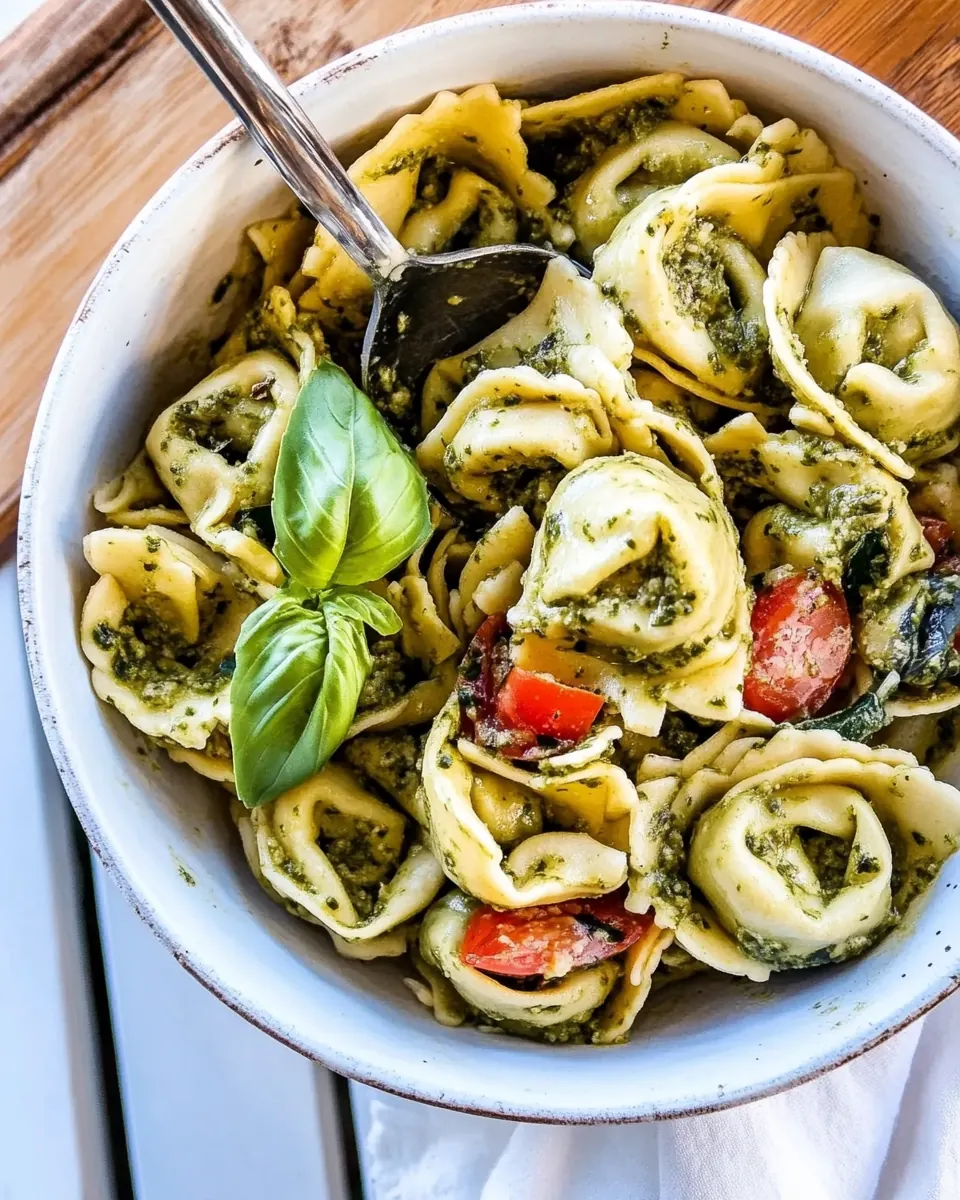
Pesto Tortellini
Pesto Tortellini is the kind of dish I reach for when I want something comforting yet bright, a bowl that sings with herbaceousness and creamy textures. I first made this for an impromptu summer picnic when friends swung by with guitars and mismatched chairs, and everyone asked for seconds before the sunset faded. The combination of pillowy cheese tortellini and a hit of basil pesto felt like a small celebration in a bowl, something simple that still tasted like effort and care.
That weekend I learned how flexible this recipe really is. I remember stirring together caesar salad dressing with just a touch of garlic powder and parmesan cheese, and thinking, why not let the dressing play the role of a creamy binder rather than a straight salad condiment. The cherry tomatoes burst with sweet juice, and the sunflower seeds added the sort of crunch that kept the dish from feeling one note. I kept some extra parmesan cheese for garnishing, because a little finishing cheese always makes me smile.
Recipe Snapshot
20 mins
10 mins
10 mins
Easy
450 kcal
Italian
Gluten-Free, Keto
Dinner
Large Pot, Colander, Large Bowl, Spoon or Spatula
What We Adore About This Pesto Tortellini
1. Comfort without heaviness
I love that Pesto Tortellini feels indulgent, yet it does not weigh you down. The creamy dressing and cheese tortellini give it body, while the cherry tomatoes and chopped basil leaves brighten every forkful. It satisfies those cravings for something rich, and still leaves room for a second course or dessert.
2. Speed and simplicity
This recipe comes together quickly, which is why I turn to it on busy evenings. Boiling the tortellini takes about the same time as a quick phone call, and most of the mixing is tossing and folding. I appreciate recipes that let me chat with guests instead of hiding in the kitchen, and this one absolutely does that.
3. Textural contrast
The crunchy sunflower seeds are a small but powerful addition. They give a nutty snap against the soft cheese tortellini and the silky dressing. I find that thoughtful textures make a recipe memorable, not just the flavors.
4. Versatile serving options
Serve Pesto Tortellini warm if you want comfort, or cold if you prefer a chilled pasta salad for an afternoon get together. The dish adapts to the season and the mood, and that flexibility is a reason I keep it in my regular rotation.
5. Crowd pleasing and customizable
When friends are coming over I can scale this easily by doubling the package of cheese tortellini. People tend to ask for the dressing recipe or a tip on making it heartier. The balance of creamy, fresh, and crunchy elements means it appeals to a wide range of tastes.
Ingredients to Make Pesto Tortellini
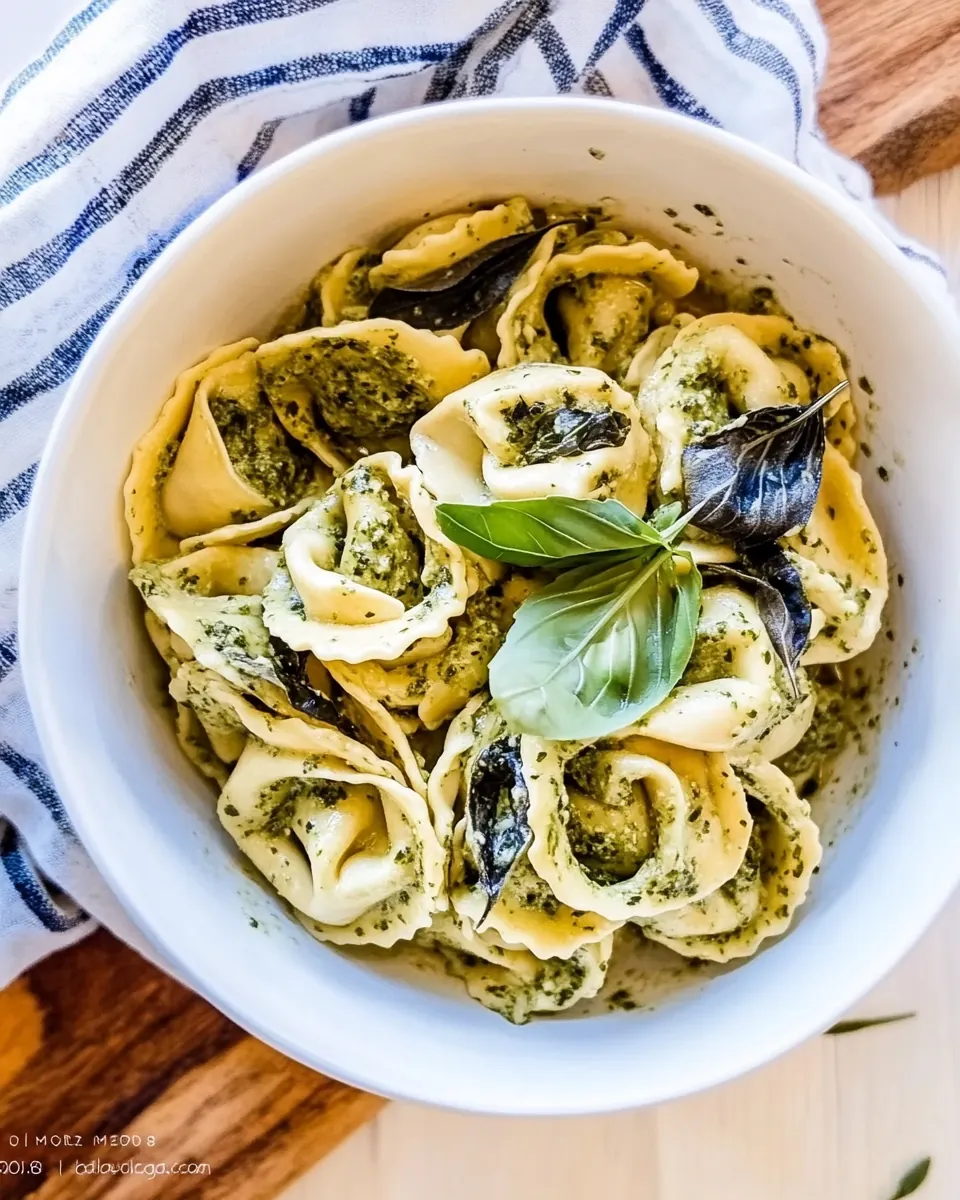
These ingredients combine to create a pasta dish that is creamy, fresh, and texturally interesting. I like to think of the players as the base, the binder, the brighteners, and the finishers. The base is the cheese tortellini, the binder is the caesar salad dressing and pesto, the brighteners are cherry tomatoes and green onions, and the finishers are parmesan cheese and sunflower seeds. Each item has a job, and together they make a cohesive dish.
- 20 ounce package cheese tortellini, refrigerated kind: Cooked and tender, provides the hearty pasta base that holds the dressing and mix-ins together for a satisfying main or side.
- 1 cup caesar salad dressing, homemade or store-bought: Creamy and tangy, acts as the primary dressing to coat the tortellini and add richness with balanced acidity and flavor.
- 1 1/2 cups cherry tomatoes, halved: Sweet and juicy when halved, brightens the salad with fresh acidity and a pop of color and texture contrast.
- 6 ounces black olives, drained and chopped: Briny and slightly firm when chopped, contributes salty depth and a savory contrast that complements the creamy dressing.
- 3 green onions, chopped: Mild and crisp when chopped, adds a fresh oniony bite and slight crunch without overpowering the other flavors.
- 1/4 cup basil pesto, homemade or store-bought: Aromatic and herbaceous, lends concentrated basil flavor and umami notes that enhance the overall pesto profile.
- salt and freshly ground black pepper, to taste: Seasoning to taste, balances and elevates all the flavors while allowing personal control over saltiness and pepper heat.
- 1/4 teaspoon garlic powder: Earthy and savory powder, provides a subtle garlic note without moisture, helping to evenly distribute garlic flavor.
- 1/3 cup sunflower seeds: Crunchy and nutty, offers textural contrast and a toasted, slightly sweet seed flavor that complements the salad elements.
- 2/3 cup freshly grated parmesan cheese, divided: Sharp and savory when freshly grated, adds umami, depth, and a finishing salty richness; reserve some to garnish.
- 6 8 fresh basil leaves, chopped, for garnish: Fragrant and leafy when chopped, serves as a fresh garnish that reinforces basil aroma and adds visual appeal.
Recipe Steps for Pesto Tortellini
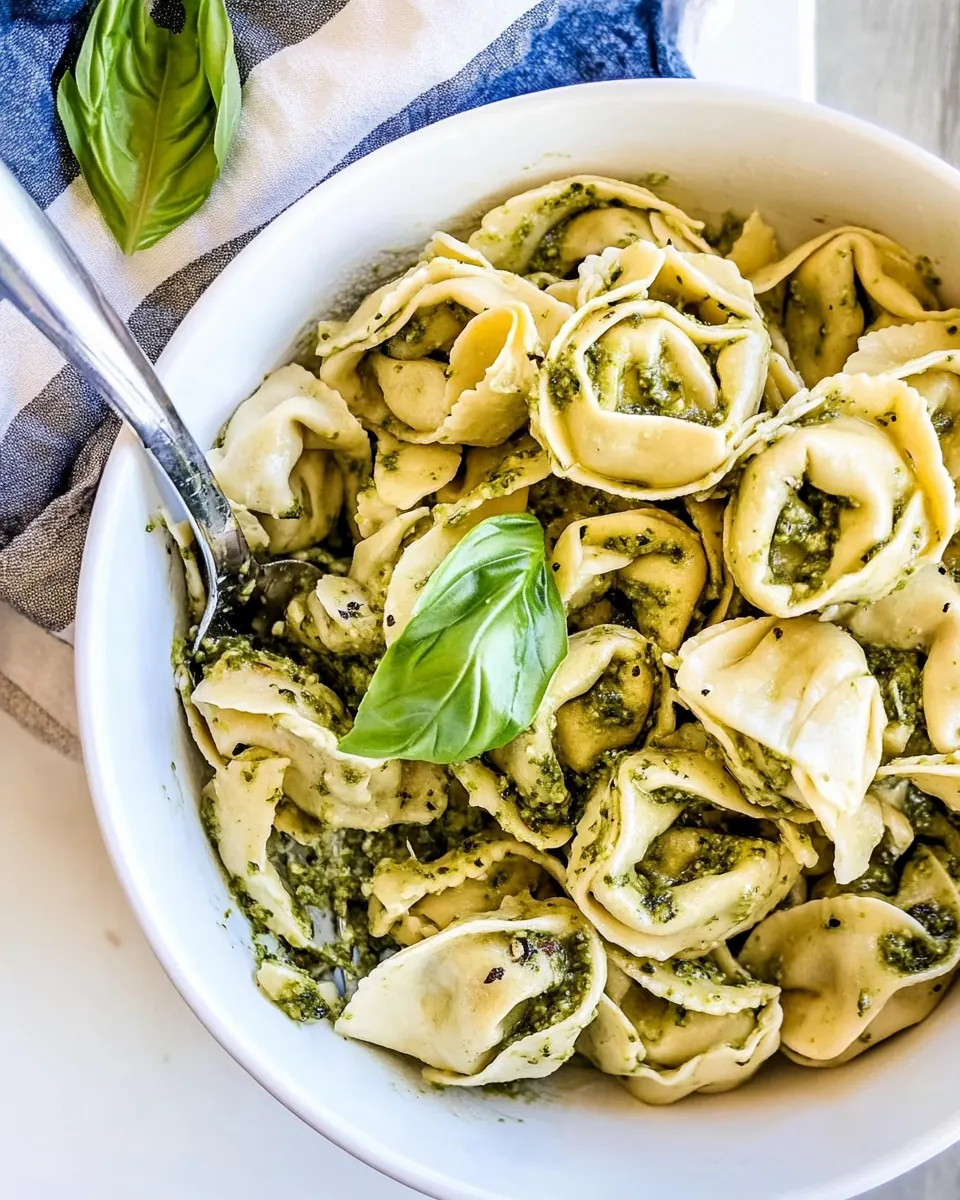
This recipe is straightforward and forgiving, but a few small details make a big difference. The following steps guide you through cooking the pasta, building the dressing, and combining everything so each bite delivers creamy, herbaceous, and crunchy contrasts.
- Cook tortellini according to package instructions. Drain and allow to cool.: As the pot comes to a rolling boil, you will hear a lively bubbling and smell a faint yeasty pasta aroma, signaling a vigorous boil is ready. Use a large pot with plenty of salted water so the cheese tortellini has room to move and cook evenly, which prevents sticking and tearing. Stir gently during the first minute to keep pieces separate, then occasionally; this helps maintain the pasta's integrity and avoids gummy clumps. The ideal visual cue is when the tortellini float and look plump rather than collapsed, usually in about eight to twelve minutes depending on the brand. A common error is overcrowding the pot, which can lead to uneven cooking and a gummy texture, so use enough water or cook in batches if necessary.
- Add tortellini to a large bowl and toss with 1/2 the caesar dressing. Add tomatoes, olives, green onion, pesto, salt, pepper and garlic powder, 1/3 cup fresh parmesan, and sunflower seeds and toss to combine. Add more caesar dressing, to make it saucier, if desired.: After pouring the pasta into a colander, you will notice a gentle steam and a warm, comforting scent. Shake off excess water and spread the tortellini on a rimmed tray or bowl to cool slightly, which helps the dressing stick without wilting the other ingredients. Cooling also helps prevent the dressing from thinning too much, preserving a creamier coating. If serving cold, rinse briefly with cool water to stop the cooking and chill the pasta, but be aware this can wash away some surface starch that helps sauce cling. Avoid letting the pasta sit in a pool of water, which will dilute flavor and prevent proper dressing adhesion.
- Serve warm or cold. Garnish with remaining fresh parmesan and fresh chopped basil before serving.: The sound of gentle tossing is almost rhythmic, as the creamy dressing begins to cling to the warm pasta, creating a silken coat. Using half the caesar salad dressing first allows you to gauge how saucy the salad will be, preventing overdressing. Toss with a large spoon or spatula to distribute evenly, folding rather than smashing, so the cheese tortellini stay intact and the filling does not ooze out. This step matters because it forms the base flavor profile, letting the dressing penetrate the pasta surface. Common mistakes include adding all the dressing at once, which can make the dish too heavy, and vigorous stirring that can break the pasta pockets.
- Add tomatoes, olives, green onion, pesto, salt, pepper and garlic powder, 1/3 cup fresh parmesan, and sunflower seeds and toss to combine: When you add the cherry tomatoes their bright red color contrasts with the pale pasta, and halving releases a sweet fragrance. The chopped black olives introduce a briny depth, while the green onions give a fresh, sharp lift. Stir in the basil pesto so its herbaceous oils coat the pasta and mingle with the dressing. Sprinkle in the first portion of parmesan cheese for nuttiness and fold in the sunflower seeds for crunch. As you toss, look for a glossy coat and even distribution of ingredients; this visual cue means the flavors are integrating. Watch out for oversalting, since olives and cheese already add salt; taste before adjusting. Another pitfall is aggressive mixing, which can burst the cherry tomatoes and make the salad watery.
- Add more caesar dressing to make it saucier, if desired: After the initial toss you can decide if you want a creamier mouthfeel, indicated by a thicker sheen and richer flavor. Add dressing in small increments, tasting between additions, to achieve the balance you prefer. The dressing not only adds moisture, it amplifies umami and melds the pesto with the other elements. A small spoonful can transform a dry salad into a luscious one, but too much will mask the pesto and tomato brightness. A typical mistake is adding a large pour at once rather than seasoning gradually, which is harder to correct.
- Serve warm or cold: Serving temperature changes the dish's character; warm Pesto Tortellini feels comforting and releases aromatic notes, while chilled brings a refreshing, picnic friendly profile. If serving warm, plate immediately so the textures stay pleasingly varied, and if serving cold, chill briefly to allow flavors to meld. Garnish with the remaining parmesan cheese and freshly chopped basil leaves to add vivid aroma and a finishing visual pop. Common mistakes include refrigerating too long, which can dull flavors, or serving directly from a hot pot, which can make the dressing too thin and separate. Aim for the temperature that matches your occasion and desired mouthfeel.
- Garnish with remaining fresh parmesan and fresh chopped basil before serving: The final flourish of parmesan cheese and basil leaves adds bright color and a last lift of scent, which guests will notice immediately. Sprinkle evenly so each portion gets a bit of the finishing cheese and herb, enhancing both presentation and flavor. This finishing touch is more than cosmetic, it reconnects all the flavors and gives that restaurant style moment. Avoid tossing the garnish in too early, which will cause the basil to wilt and lose its aromatic punch.
Recipe Variations about Pesto Tortellini
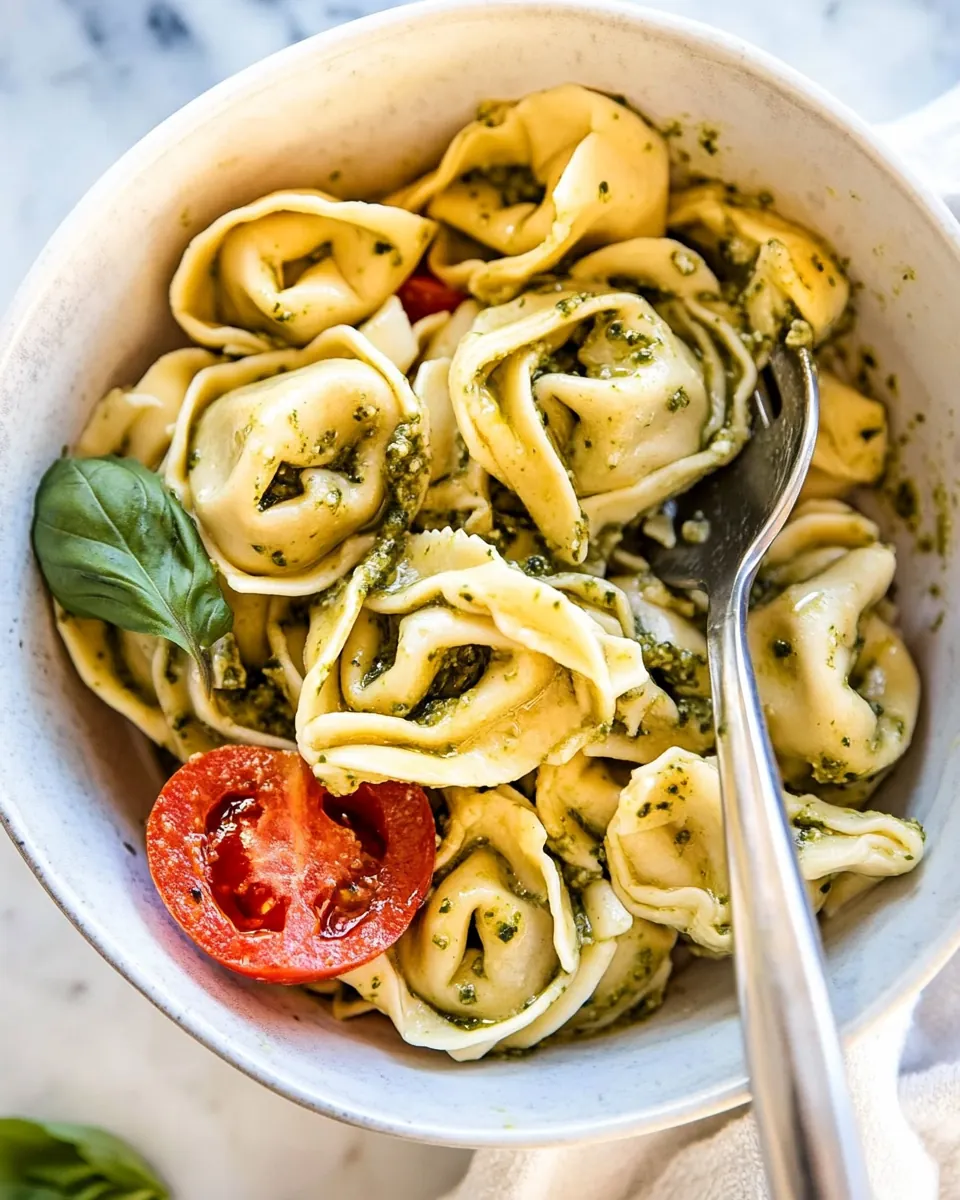
This section offers flexible ideas to tweak Pesto Tortellini without changing the heart of the recipe. Below are practical variations and enhancements you can try, each starting with a focused suggestion and followed by reasons and execution tips.
- Add protein to make it heartier by stirring in cooked, shredded chicken or cooked shrimp once the tortellini are warm; this extends the dish into a main course and increases satiety without altering the core flavor balance.
- Extra veggies such as sautéed zucchini or chopped bell peppers can be folded in, adding bulk, color, and nutrients while maintaining a light summer feel when cooked briefly to preserve crunch.
- Change the seeds by swapping sunflower seeds for toasted pine nuts or chopped almonds for a different nutty profile and varying textures that pair well with the basil pesto.
- Make it dairy free by choosing a dairy free cheese tortellini or omitting the additional parmesan cheese, and using a dairy free creamy dressing to retain creaminess for allergic or vegan eaters.
- Turn it into a warm skillet by finishing the tossed tortellini in a hot skillet for one to two minutes to crisp edges slightly, creating a contrast between tender centers and caramelized exteriors while intensifying aroma.
- Balance salt by tasting before adding salt, since black olives and parmesan cheese contribute saline notes; this helps prevent oversalting and keeps the flavors balanced.
What to Pair With Pesto Tortellini
Pesto Tortellini pairs well with a variety of sides and occasions, and the pairing you choose can nudge the meal toward casual lunch, weeknight dinner, or a summer potluck. Here are thoughtful serving ideas and storage notes presented as a list so you can mix and match based on time and company.
- Simple green salad, for a light contrast to the creamy pasta; a bed of crisp lettuce dressed lightly with lemon vinaigrette brightens the meal and adds a refreshing crunch.
- Grilled vegetables, like zucchini or bell peppers, for a smoky component that complements the herbaceous basil pesto, ideal for outdoor summer dinners or barbecues.
- Crusty bread, such as a torn baguette, to scoop up any extra dressing and give a satisfying chew that balances the soft cheese tortellini.
- Occasion suggestion, this is great for potlucks, summer picnics, and casual dinner parties because it travels well and can be served warm or cold, making hosting much easier.
- Storage tip, keep leftovers in an airtight container in the refrigerator for up to three days; toss with a little extra dressing before serving to revive creaminess because pasta tends to absorb sauce over time.
- Seasonal pairing, highlight it in summer when cherry tomatoes and fresh basil leaves are at peak ripeness; in cooler months, add roasted vegetables for warmth and depth.
FAQ
Conclusion
This Pesto Tortellini stands out because it balances creamy dressing, herbaceous pesto, and bright fresh ingredients in a single, satisfying dish. I encourage you to give it a try on a busy weeknight or as a shareable summer salad; it scales easily and adapts to what you have on hand. Once you taste the contrast of soft tortellini, popping tomatoes, and crunchy seeds, it will become one of your go to recipes for effortless entertaining and simple weeknight meals. Enjoy the small ritual of tossing the pasta and garnishing with fresh basil, and share it with people you like to feed.
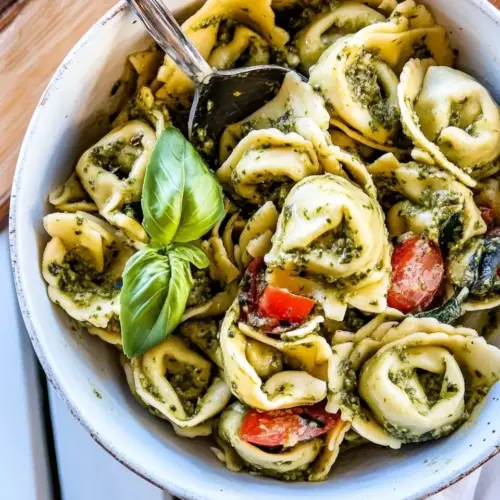
Pesto Tortellini
Equipment
- Large Pot
- Colander
- Large Bowl
- Spoon or spatula
Ingredients
- 20 ounce package cheese tortellini, refrigerated kind Cooked and tender, provides the hearty pasta base that holds the dressing and mix-ins together for a satisfying main or side.
- 1 cup caesar salad dressing, homemade or store-bought Creamy and tangy, acts as the primary dressing to coat the tortellini and add richness with balanced acidity and flavor.
- 1 1/2 cups cherry tomatoes, halved Sweet and juicy when halved, brightens the salad with fresh acidity and a pop of color and texture contrast.
- 6 ounces black olives, drained and chopped Briny and slightly firm when chopped, contributes salty depth and a savory contrast that complements the creamy dressing.
- 3 green onions, chopped Mild and crisp when chopped, adds a fresh oniony bite and slight crunch without overpowering the other flavors.
- 1/4 cup basil pesto, homemade or store-bought Aromatic and herbaceous, lends concentrated basil flavor and umami notes that enhance the overall pesto profile.
- salt and freshly ground black pepper, to taste Seasoning to taste, balances and elevates all the flavors while allowing personal control over saltiness and pepper heat.
- 1/4 teaspoon garlic powder Earthy and savory powder, provides a subtle garlic note without moisture, helping to evenly distribute garlic flavor.
- 1/3 cup sunflower seeds Crunchy and nutty, offers textural contrast and a toasted, slightly sweet seed flavor that complements the salad elements.
- 2/3 cup freshly grated parmesan cheese, divided Sharp and savory when freshly grated, adds umami, depth, and a finishing salty richness; reserve some to garnish.
- 6 -8 fresh basil leaves, chopped, for garnish Fragrant and leafy when chopped, serves as a fresh garnish that reinforces basil aroma and adds visual appeal.
Instructions
- Cook tortellini according to package instructions. Drain and allow to cool.: As the pot comes to a rolling boil, you will hear a lively bubbling and smell a faint yeasty pasta aroma, signaling a vigorous boil is ready. Use a large pot with plenty of salted water so the cheese tortellini has room to move and cook evenly, which prevents sticking and tearing. Stir gently during the first minute to keep pieces separate, then occasionally; this helps maintain the pasta's integrity and avoids gummy clumps. The ideal visual cue is when the tortellini float and look plump rather than collapsed, usually in about eight to twelve minutes depending on the brand. A common error is overcrowding the pot, which can lead to uneven cooking and a gummy texture, so use enough water or cook in batches if necessary.
- Add tortellini to a large bowl and toss with 1/2 the caesar dressing. Add tomatoes, olives, green onion, pesto, salt, pepper and garlic powder, 1/3 cup fresh parmesan, and sunflower seeds and toss to combine. Add more caesar dressing, to make it saucier, if desired.: After pouring the pasta into a colander, you will notice a gentle steam and a warm, comforting scent. Shake off excess water and spread the tortellini on a rimmed tray or bowl to cool slightly, which helps the dressing stick without wilting the other ingredients. Cooling also helps prevent the dressing from thinning too much, preserving a creamier coating. If serving cold, rinse briefly with cool water to stop the cooking and chill the pasta, but be aware this can wash away some surface starch that helps sauce cling. Avoid letting the pasta sit in a pool of water, which will dilute flavor and prevent proper dressing adhesion.
- Serve warm or cold. Garnish with remaining fresh parmesan and fresh chopped basil before serving.: The sound of gentle tossing is almost rhythmic, as the creamy dressing begins to cling to the warm pasta, creating a silken coat. Using half the caesar salad dressing first allows you to gauge how saucy the salad will be, preventing overdressing. Toss with a large spoon or spatula to distribute evenly, folding rather than smashing, so the cheese tortellini stay intact and the filling does not ooze out. This step matters because it forms the base flavor profile, letting the dressing penetrate the pasta surface. Common mistakes include adding all the dressing at once, which can make the dish too heavy, and vigorous stirring that can break the pasta pockets.
- Add tomatoes, olives, green onion, pesto, salt, pepper and garlic powder, 1/3 cup fresh parmesan, and sunflower seeds and toss to combine: When you add the cherry tomatoes their bright red color contrasts with the pale pasta, and halving releases a sweet fragrance. The chopped black olives introduce a briny depth, while the green onions give a fresh, sharp lift. Stir in the basil pesto so its herbaceous oils coat the pasta and mingle with the dressing. Sprinkle in the first portion of parmesan cheese for nuttiness and fold in the sunflower seeds for crunch. As you toss, look for a glossy coat and even distribution of ingredients; this visual cue means the flavors are integrating. Watch out for oversalting, since olives and cheese already add salt; taste before adjusting. Another pitfall is aggressive mixing, which can burst the cherry tomatoes and make the salad watery.
- Add more caesar dressing to make it saucier, if desired: After the initial toss you can decide if you want a creamier mouthfeel, indicated by a thicker sheen and richer flavor. Add dressing in small increments, tasting between additions, to achieve the balance you prefer. The dressing not only adds moisture, it amplifies umami and melds the pesto with the other elements. A small spoonful can transform a dry salad into a luscious one, but too much will mask the pesto and tomato brightness. A typical mistake is adding a large pour at once rather than seasoning gradually, which is harder to correct.
- Serve warm or cold: Serving temperature changes the dish's character; warm Pesto Tortellini feels comforting and releases aromatic notes, while chilled brings a refreshing, picnic friendly profile. If serving warm, plate immediately so the textures stay pleasingly varied, and if serving cold, chill briefly to allow flavors to meld. Garnish with the remaining parmesan cheese and freshly chopped basil leaves to add vivid aroma and a finishing visual pop. Common mistakes include refrigerating too long, which can dull flavors, or serving directly from a hot pot, which can make the dressing too thin and separate. Aim for the temperature that matches your occasion and desired mouthfeel.
- Garnish with remaining fresh parmesan and fresh chopped basil before serving: The final flourish of parmesan cheese and basil leaves adds bright color and a last lift of scent, which guests will notice immediately. Sprinkle evenly so each portion gets a bit of the finishing cheese and herb, enhancing both presentation and flavor. This finishing touch is more than cosmetic, it reconnects all the flavors and gives that restaurant style moment. Avoid tossing the garnish in too early, which will cause the basil to wilt and lose its aromatic punch.
Notes
- Add protein to make it heartier by stirring in cooked, shredded chicken or cooked shrimp once the tortellini are warm; this extends the dish into a main course and increases satiety without altering the core flavor balance.
- Extra veggies such as sautéed zucchini or chopped bell peppers can be folded in, adding bulk, color, and nutrients while maintaining a light summer feel when cooked briefly to preserve crunch.
- Change the seeds by swapping sunflower seeds for toasted pine nuts or chopped almonds for a different nutty profile and varying textures that pair well with the basil pesto.
- Make it dairy free by choosing a dairy free cheese tortellini or omitting the additional parmesan cheese, and using a dairy free creamy dressing to retain creaminess for allergic or vegan eaters.
- Turn it into a warm skillet by finishing the tossed tortellini in a hot skillet for one to two minutes to crisp edges slightly, creating a contrast between tender centers and caramelized exteriors while intensifying aroma.
- Balance salt by tasting before adding salt, since black olives and parmesan cheese contribute saline notes; this helps prevent oversalting and keeps the flavors balanced.