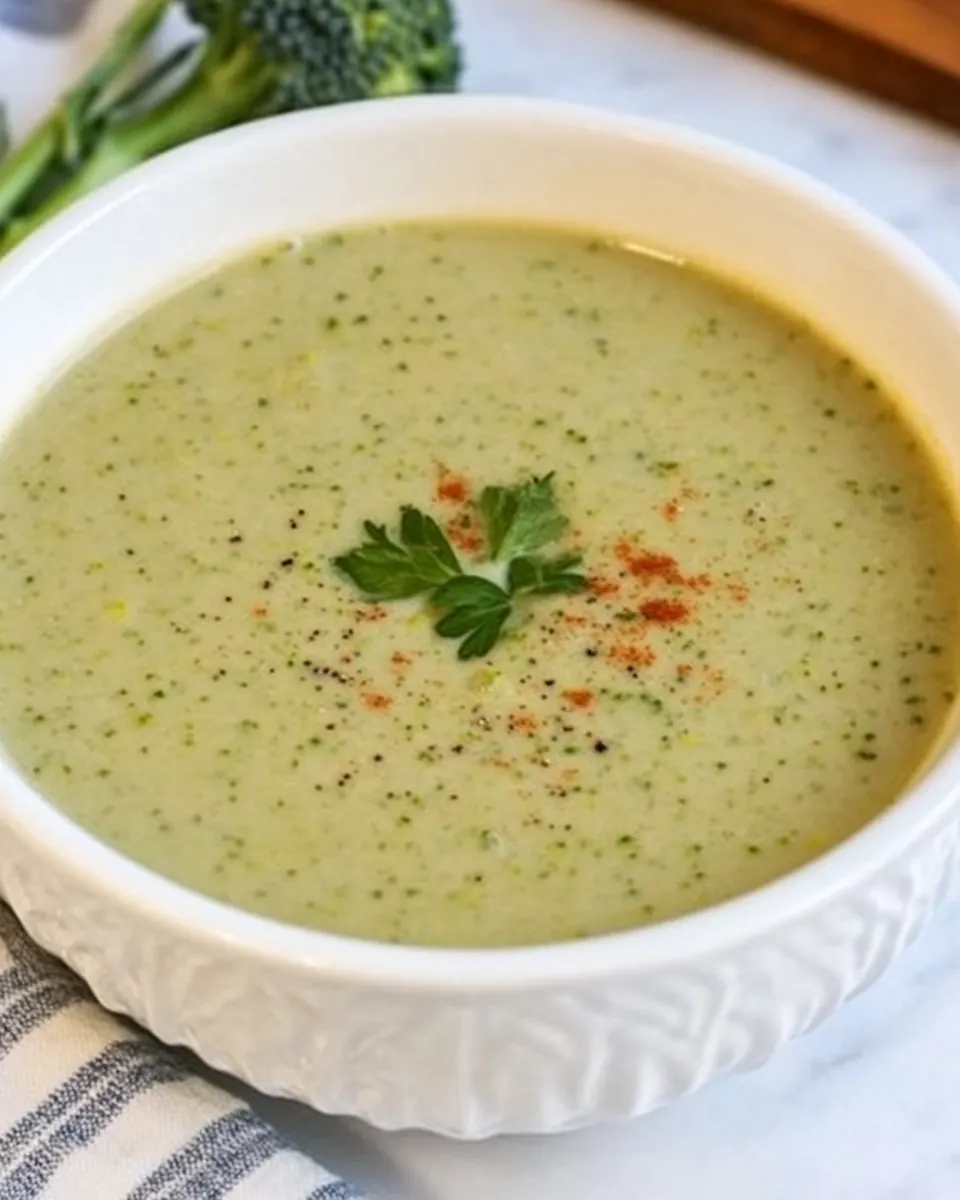
Creamy Broccoli Tahini Soup
Creamy Broccoli Tahini Soup has been my go to when I want something soothing yet unexpected, a bowl that comforts while feeling bright and nutritious.
I first made Creamy Broccoli Tahini Soup on a raw, gray afternoon when I wanted to lift spirits without turning to heavy cream or cheese. I recall standing at the stove, the kitchen filling with the warm scent of sautéed onion and the faint nuttiness of tahini paste as it loosened into the broth. That first spoonful surprised me with its velvet mouthfeel and the way the subtle spices hummed behind the fresh broccoli notes.
Since then, this bowl has shown up at my weekday lunches, casual dinners with friends, and quiet nights when I want something nourishing but simple. There is something very satisfying about stirring a pot and watching humble roots like russet potatoes and parsnip melt into a silky base, while the broccoli florets keep their verdant character thanks to quick cooking and a pulse in the food processor. I love how the tahini rounds everything out, adding a savory, almost tahini butter like richness, without weighing the soup down.
Every time I serve Creamy Broccoli Tahini Soup, someone asks for seconds and the leftovers always taste even better, the spices singing more clearly after a night in the fridge. I like to finish bowls with a sprig of fresh dill, which brightens the nutty base and gives each bite a lively lift. If you are curious about a plant forward soup that still feels indulgent, this one is worth a try.
Recipe Snapshot
60 mins
15 mins
45 mins
Medium
210 kcal
Mediterranean
Vegan, Gluten-Free
Soups
Large pot, Food processor, Immersion blender
Why You Need This Creamy Broccoli Tahini Soup
Comfort meets brightness
I adore how Creamy Broccoli Tahini Soup balances cozy texture with lively flavors. The creamy body from the cooked russet potatoes and the presence of tahini paste makes each spoonful feel luxurious, while the bright broccoli keeps it from feeling heavy. I serve this when I want something that hugs you, yet leaves you energized.
Simple pantry players
Most of the time I can pull the ingredients from the pantry and fridge without a special trip. Staples like extra virgin olive oil, dried spices such as cumin and cinnamon, and a can or carton of vegetable broth are all you need to make this shine. That makes it ideal for weeknight cooking when you want an easy, satisfying dinner.
Textural magic
I love that this recipe uses both chunky and puréed elements. The initial simmer softens the roots so they break down into a velvety base, then a quick blitz of the soup locks in silkiness. The technique preserves the vibrant green of the broccoli florets, which I find more appealing than an overcooked, dull bowl of soup.
Flavor complexity from minimal effort
Adding warm spices like cumin, a pinch of cayenne pepper, and a whisper of cardamom takes this from predictable to memorable. I appreciate how a little goes a long way, so the tahini and the herbs can remain center stage without being drowned out by heavy seasoning.
Versatile and forgiving
This soup is forgiving if you slightly overcook or under-season it. You can tweak thickness by adjusting the potato ratio, and it still tastes great reheated. I often recommend it for cooks who want a reliable recipe that still rewards a little attention to detail.
What’s In This Creamy Broccoli Tahini Soup
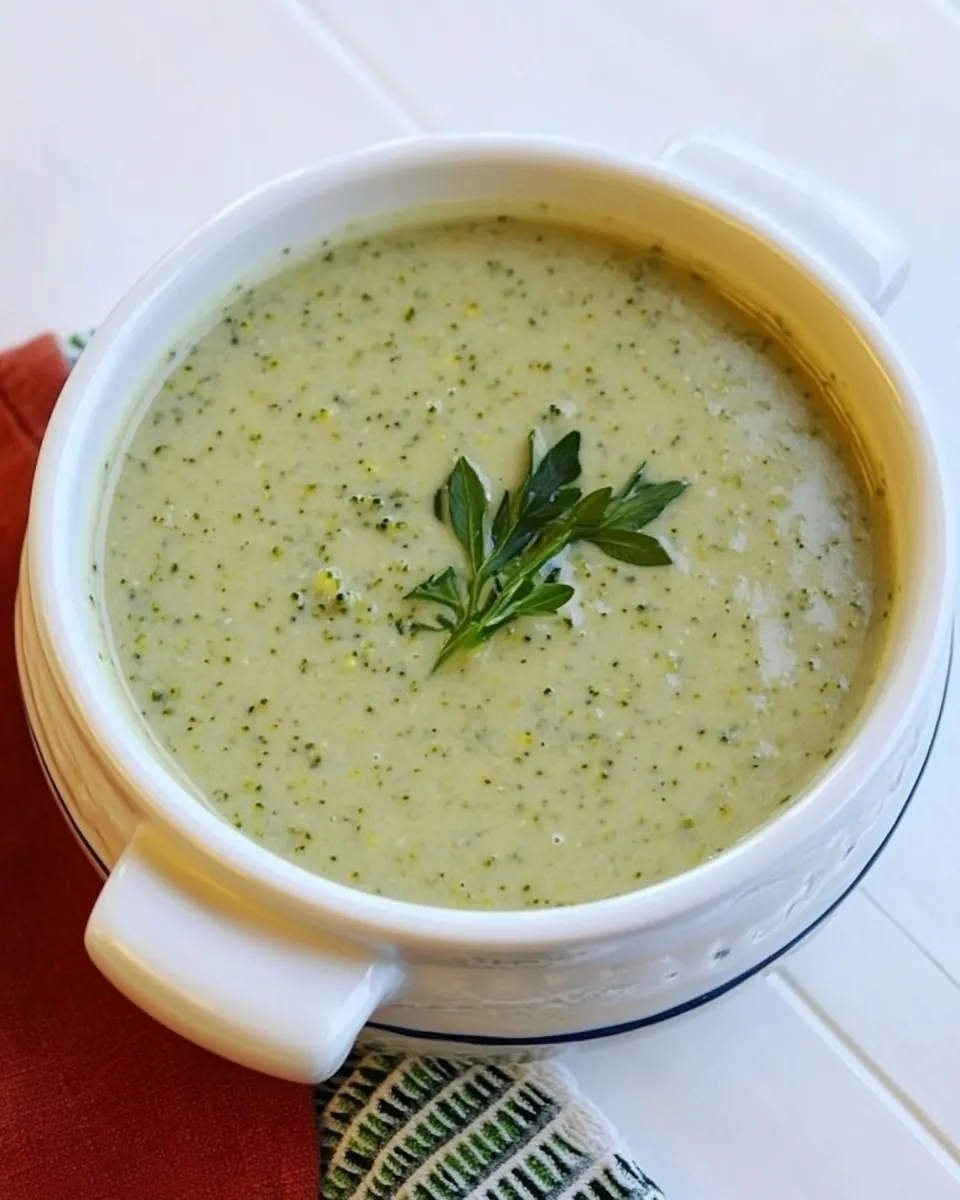
These ingredients work together to create a soup that is both nourishing and layered. The tubers form a rich, creamy foundation, while the broccoli florets bring color and vegetal clarity. Tahini adds a nutty, emulsified depth, while the spices introduce warmth and aromatics that keep every spoonful interesting. Fresh dill at the end brightens the palate and ties the flavors together.
- 2 tablespoons extra virgin olive oil: Enhance the soup's mouthfeel and provide a subtle fruity base flavor while gently sautéing aromatics and preventing sticking; extra virgin olive oil also helps carry fat-soluble flavors and gives a glossy finish to the finished broth.
- 1 large yellow onion, minced: Add a sweet and savory foundation by releasing natural sugars and aromatic compounds when minced finely; yellow onion contributes body and depth as it softens and caramelizes during the initial sauté.
- 2 teaspoons crushed garlic: Introduce a pungent, savory kick and aromatic sharpness when crushed; garlic brightens savory flavors and complements the onion while melding with spices as it cooks briefly.
- 1 1/2 pounds russet potatoes, peeled and diced (about 3 medium potatoes): Contribute creamy texture and natural starch to thicken the soup while providing a mild, earthy flavor when peeled and diced; russet potatoes also help create a smooth, velvety consistency after blending.
- 5 6 ounces parsnip, peeled and chopped: Offer a sweet, slightly nutty root-vegetable note and additional body once peeled and chopped; parsnip complements the potatoes by adding complexity and a hint of sweetness to the broth.
- 2 bay leaves: Infuse subtle herbal and slightly floral notes during simmering without overpowering the dish; bay leaves add depth and an undercurrent of savory complexity while being removed before serving.
- 8 cups vegetable broth: Provide the liquid base and savory backbone that carries and dissolves flavors from aromatics and spices; vegetable broth also contributes umami and salt balance to the soup.
- 1 pound broccoli florets (about 3 heads of broccoli – if weighing with stems, 1 1/2 lbs): Supply bright green vegetal character and a fresh, slightly bitter edge that contrasts the creamy base; broccoli florets also add nutrients and texture that blend into a vibrant, wholesome puree.
- 1/4 cup chopped fresh dill: Lend a fresh, anise-like herbal brightness and a fragrant finish when chopped and stirred in near the end or used as garnish; fresh dill also complements broccoli and tahini flavors.
- 3/4 teaspoon cumin: Introduce warm, earthy undertones and a slight smokiness to the spice profile; cumin enhances savory depth and pairs well with root vegetables and tahini.
- 1/4 teaspoon cinnamon: Add a warm, sweet, and slightly woody background note that deepens the spice complexity; cinnamon should be used sparingly to accentuate sweetness in the soup.
- 1/4 teaspoon cayenne pepper (if sensitive to spice, use just a pinch): Provide controlled heat and a lively spiciness that lifts the overall flavor; cayenne pepper should be adjusted to taste to avoid overpowering the delicate vegetables.
- Pinch cardamom: Contribute a small, floral-citrus warmth and aromatic lift with minimal quantity; cardamom adds an intriguing complexity that pairs subtly with cinnamon and tahini.
- Salt and pepper: Season and balance flavors by enhancing natural sweetness and controlling bitterness; salt and pepper are adjusted to taste to bring out the full profile of the soup.
- 1/2 cup tahini paste (from raw seeds is best): Add a rich, nutty, and slightly bitter creaminess that emulsifies into the soup for silky texture; tahini also lends sesame flavor and helps achieve a luscious, satisfying mouthfeel.
- Fresh dill for garnish () (optional): Finish with a bright, herbaceous garnish that adds color and fresh aroma when sprinkled on top; fresh dill provides an optional visual and flavor accent to each bowl.
How to Prepare Creamy Broccoli Tahini Soup
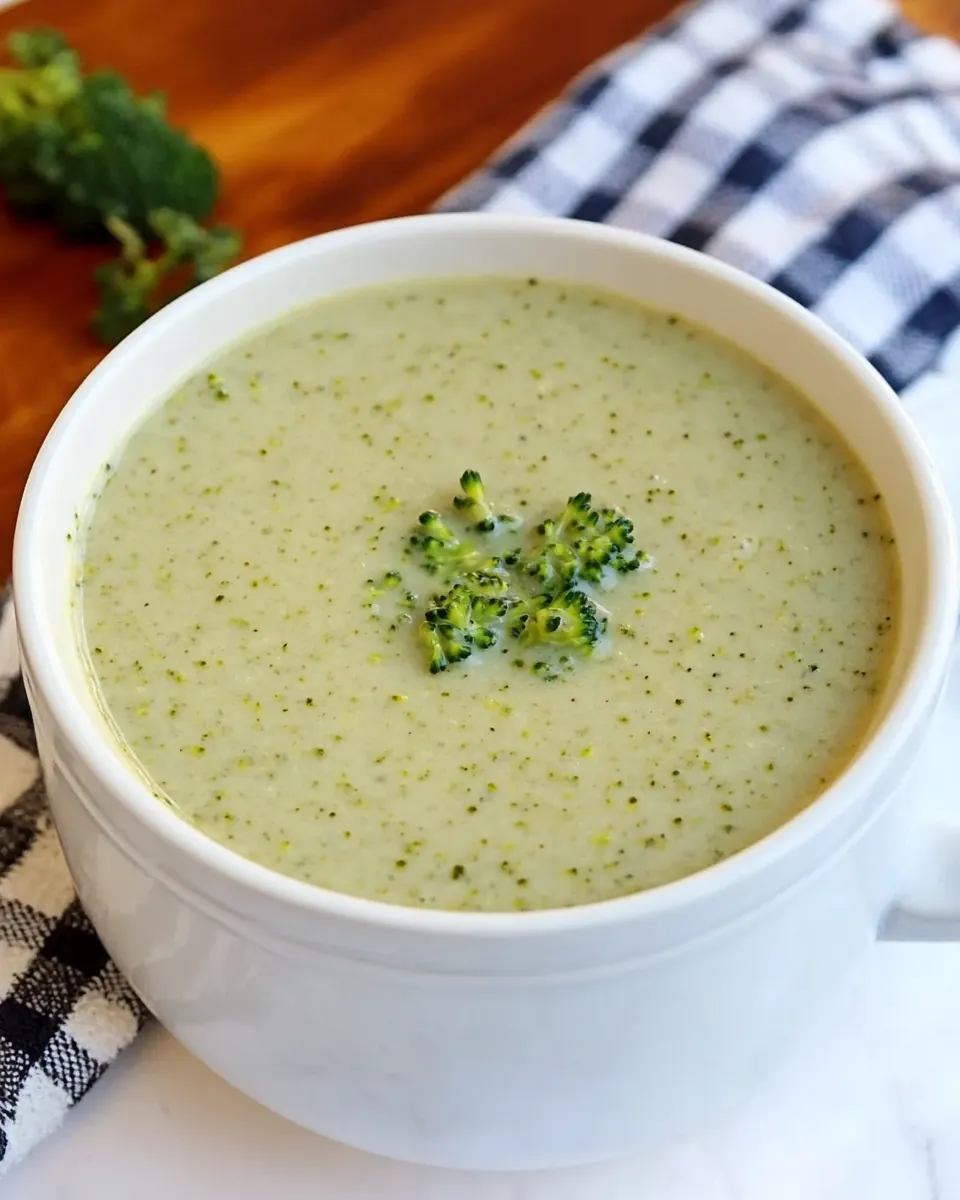
I’ll walk you through the steps I follow at the stove, keeping things relaxed and sensory focused so you know exactly how the soup should look and feel. The following sequence respects the original directions while offering notes on texture, smells, and common missteps to avoid.
- Heat the olive oil in a large pot over medium. Add the minced onion and saute for about 10 minutes, till softened. Add the garlic and saute for another 2 minutes till fragrant.: The first sign you are on the right track is the sheen that forms across the bottom of the pot and the gentle shimmer of the extra virgin olive oil , releasing a soft, fruity aroma. As the oil warms, it becomes a flavor carrier for the minced onion , allowing sugars to bloom and aromatics to develop. Listen for a barely audible sizzle when you add the onion, and watch the pieces go from raw and opaque to translucent and glossy. The technique matters because properly softened onion yields a sweet, savory base rather than a sharp, raw bite. A common mistake here is overheating the oil and burning the onion, which will impart bitterness; if you notice dark edges, lower the heat and add a splash of broth to cool the pan.
- Stir in the diced russet potatoes, parsnip, and bay leaves. Cover the ingredients with vegetable broth, stir, and bring to a boil. Let the ingredients simmer for about 20 minutes till the potatoes and parsnips are soft.: As the onion sautés, the kitchen fills with a mellow, sweet scent and the pieces collapse and caramelize lightly at the edges. These visual cues indicate the Maillard reactions that build depth. Stir periodically to prevent sticking, and aim for a tender, slightly golden result rather than heavy browning. If the onion starts to brown too fast, reduce the heat; cooking slowly ensures a rounder flavor that will meld into the soup.
- Meanwhile, remove the broccoli florets from their stems (you should end up with about 1 lb of florets) and place them into a food processor. Pulse till the florets have been chopped into tiny pieces. If you have a smaller food processor, you may have to do this in batches. You can also chop the broccoli by hand, but make sure it is chopped very fine– this will speed cooking time, ensuring that the broccoli stays green and retains its vitamins.: When you add the crushed garlic , you should immediately notice a sharp, fragrant lift that quickly mellows as it warms. Garlic cooks very fast, so two minutes is usually enough to release its aromas without turning bitter. Keep the heat moderate and stir constantly. Avoid letting the garlic darken, since burned garlic produces unpleasant bitterness that can overshadow the tahini.
- When the potatoes and parsnip have softened, remove the bay leaves. Add the chopped broccoli florets to the soup along with the chopped dill, cumin, cinnamon, cayenne and cardamom. If you're sensitive to spice, add the cayenne with care– it's spicy! Using 1/4 tsp as the recipe suggests will give it a slight kick, which I really like. Bring the soup back to a simmer for about 5 minutes till the broccoli has softened. While the broccoli cooks, season with salt and pepper to taste. I use about 3/4 tsp of salt and a dash of pepper, more or less, depending on how salty my vegetable broth is.: Introducing the 1 1 2 pounds russet potatoes , 5 6 ounces parsnip , and 2 bay leaves adds substance and structure to the pot. The potatoes begin to release starches that will thicken the soup, while the parsnip contributes a gentle sweetness. The bay leaves offer a subtle herbal backbone as they steep. Make sure the diced pieces are uniform so they soften evenly; uneven cuts can leave some pieces undercooked and others mushy. A common oversight is not rinsing excess starch from potatoes, which can cause clumping in thinner broths.
- As soon as the broccoli softens, remove from heat. Stir in 1/2 cup tahini paste till smooth. Use an immersion blender to blend the soup till it's pureed and creamy. Serve hot. Garnish each bowl with a small sprig of fresh dill, if desired.: Pouring in the 8 cups vegetable broth is when the pot transitions from sauté to simmer. Stir to incorporate any browned bits on the bottom, then increase the heat until the liquid reaches a steady boil, visible as rolling bubbles and rising steam. The sound becomes more pronounced as it approaches boiling. Boiling briefly then lowering to a simmer is key because a high boil can break down the vegetables too aggressively. One pitfall is covering and keeping the heat too high, which may cause rapid boil over or uneven cooking.
- Notes: for a slightly thinner, more appetizer-like soup texture, reduce 1 1/2 lbs of potatoes to 1 lb of potatoes. If you aren't worried about keeping the soup vegan, you can use chicken broth in the place of vegetable broth. For those who don't have an issue with gluten, I highly recommend serving the soup in a sourdough bowl, or stirring in a few toasted sourdough pieces to soak up the soup. Delish!: During this simmer, the kitchen smells like warm, savory comfort and the vegetables slowly collapse into tenderness. Test doneness by piercing a potato cube with a fork; it should slide through with little resistance. This time lets starches mellow and flavors marry. If the pieces are still firm, continue simmering and check every five minutes. Overcooking will produce a gluey texture, while undercooking will result in a grainy, under blended soup.
- Meanwhile, remove the broccoli florets from their stems and place them into a food processor: While the roots simmer, the prep of the 1 pound broccoli florets speeds the later cooking step. Processed finely, the broccoli softens quickly and blends smoothly into the soup, preserving its vivid green color. The food processor should pulse in short bursts until the pieces are finely chopped. If you skip this and add large florets, they will take longer to cook and may not integrate into the creamy texture as well. If you do not have a food processor, chopping by hand is fine, but be meticulous to achieve a fine dice.
- Pulse till the florets have been chopped into tiny pieces: The chopped broccoli should look almost granular, with little florets reduced to tiny flecks. This increases surface area so the broccoli softens quickly in the simmering broth and blends into the soup without large fibrous bits. The aroma at this stage is fresh and green, signaling that vitamins and chlorophyll remain intact. A common mistake is over processing into a paste, which can make the soup feel grainy rather than naturally creamy after blending.
- When the potatoes and parsnip have softened, remove the bay leaves: Pulling out the bay leaves prevents their sharp, bitter edges from intensifying during further cooking. At this point the pot should have a gentle steam and the broth tasting rounded and savory. Removing the leaves also avoids unexpected leathery bits in the final puree. Forgetting to remove them can leave an unpleasant textural surprise in the blended soup.
- Add the chopped broccoli florets to the soup along with the chopped dill, cumin, cinnamon, cayenne and cardamom: Adding the chopped broccoli florets , 1 4 cup chopped fresh dill , and the spice mix introduces bright herbal and warm aromatic layers. Smell the pot as these ingredients hit the hot liquid; the scent shifts from starchy to lively and complex. The spices bloom in the hot broth, releasing oils that deepen the flavor. Be cautious with the 1 4 teaspoon cayenne pepper if you are sensitive to heat, and taste the broth as the flavors meld to avoid over spicing.
- Bring the soup back to a simmer for about 5 minutes till the broccoli has softened: A brief simmer allows the broccoli to cook through while preserving its color. The surface will show gentle ripples and the aroma will be green and aromatic. Five minutes is generally sufficient when the broccoli is finely chopped. Over simmering can dull the green and flatten the flavors, so keep a close eye and check fork tenderness.
- While the broccoli cooks, season with salt and pepper to taste: Tasting the pot now helps you calibrate seasoning before the tahini changes the soup's profile. Season incrementally, since the vegetable broth may already contain sodium. I usually start with a modest amount and refine after blending. A common error is oversalting early, which becomes harder to correct once the tahini has been incorporated.
- As soon as the broccoli softens, remove from heat: Pulling the pot from the heat at the right moment preserves the fresh green notes of the broccoli and prevents the spices from turning bitter. The surface will still be gently steaming, and the ingredients will be tender but not falling apart. Leaving the pot on residual heat can push the flavors into an overcooked zone, so act promptly for best results.
- Stir in 1/2 cup tahini paste till smooth: When you add the 1 2 cup tahini paste , it thickens and enriches the liquid, producing a silky mouthfeel and a savory nuttiness. Stirring until smooth ensures even distribution and prevents pockets of concentrated tahini. The aroma becomes slightly toasted and nutty, and the texture transitions toward luxuriousness. If the tahini looks clumpy, whisk vigorously and consider adding a splash of broth to help it emulsify.
- Use an immersion blender to blend the soup till it's pureed and creamy: Blending transforms the pot into a cohesive, velvety soup. As the blade moves, you will notice the color become uniformly pale green and the texture glossy. The sound shifts to a steady whir and the smell mellows into a harmonious whole. Take care to keep the blender moving and avoid over aerating, which can add foam. If you do not have an immersion blender, transfer the soup to a standing blender in batches, but be cautious with hot liquids to avoid splatter.
- Serve hot and garnish each bowl with a small sprig of fresh dill: The final step is presentation and contrast. Ladle into bowls while hot so the aromas lift, and add a small sprig of fresh dill for color and freshness. The first spoonful should feel warm and silky, with nutty tahini and bright herbaceous notes dancing together. A typical mistake is serving lukewarm soup, which flattens flavors, so serve promptly.
Ways to Adapt This Recipe
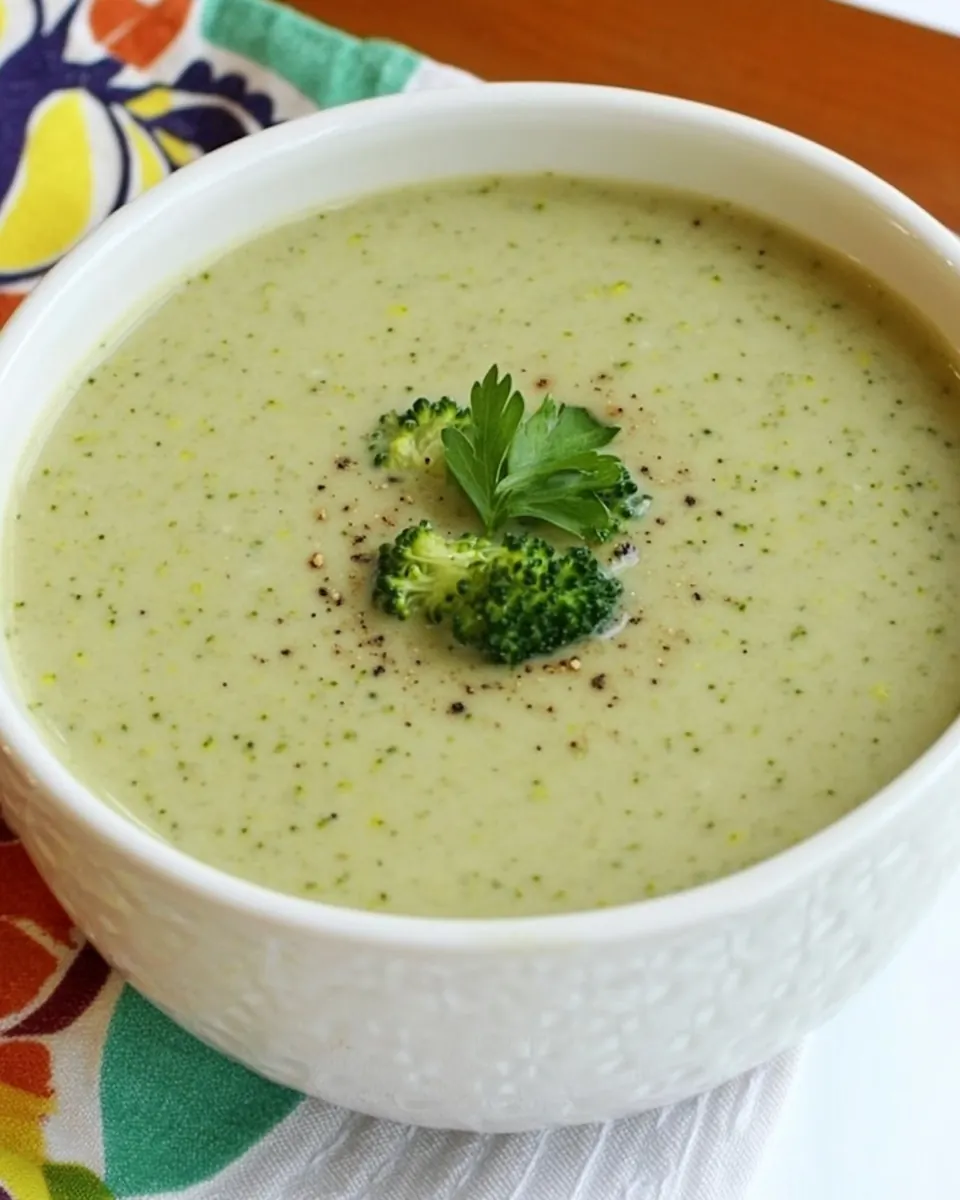
This section explores flexible ideas to make Creamy Broccoli Tahini Soup suit your pantry and preferences. Below are practical adaptations that keep the spirit of the recipe while offering variety in texture, spice level, and presentation.
- Boost the protein by stirring in cooked legumes like lentils after blending, which will subtly thicken the soup and add hearty plant protein without changing the core flavors.
- Make it thinner for an appetizer by reducing the amount of russet potatoes used, or by adding an extra cup or two of vegetable broth to achieve a lighter, brothlike texture ideal for a starter.
- Increase the herbal brightness by folding extra chopped dill into the soup just before serving, which lifts the final bowl and adds a fresh contrast to the tahini richness.
- Mildly spicy option: scale the 1 4 teaspoon cayenne pepper back to a pinch if you prefer a gentler warmth, and add it gradually while tasting so you control the heat precisely.
- Make ahead and reheat by storing the soup in an airtight container in the refrigerator for up to three days, reheating gently on the stovetop while stirring to preserve texture and color.
Serving Suggestions
This section describes how I like to serve Creamy Broccoli Tahini Soup depending on the occasion, plus storage and pairing ideas to make it a complete meal experience.
- Casual weeknight dinner: Serve the soup warm with thick slices of toasted bread, allowing diners to spoon soup over the toast for a simple, satisfying meal.
- Lunch: Present a bowl alongside a crisp green salad for contrast, using the soup as the warm, comforting component of a balanced midday plate.
- Special occasion starter: Ladle smaller portions into shallow bowls and garnish with a delicate sprig of fresh dill for an elegant first course before a larger dinner.
- Ramadan or communal meal: Offer the soup as a gentle, nourishing option to break a fast, pairing with soft flatbread to scoop and enjoy; its warmth and gentle spices are soothing.
- Storing leftovers: Cool the soup quickly, transfer to airtight containers, and refrigerate for up to three days. Reheat slowly over low heat, stirring to recombine any separated fats from the tahini paste.
- Freezing: Freeze in portion sized containers for up to two months, leaving some headspace for expansion. Thaw overnight in the refrigerator and reheat gently, stirring to restore creaminess.
- Seasonal pairings: In winter, serve with roasted root vegetables on the side for a hearty plate; in spring, pair with light, citrusy salads to balance the soup’s richness.
- Occasion suggestion: Use this soup at cozy family dinners or informal gatherings where you want to offer something both nourishing and a little different from classic creamy soups.
- Presentation: Finish each bowl with a delicate drizzle of olive oil and a small dill sprig for visual contrast and an aromatic lift.
- Portion ideas: For a starter, serve about half a cup per guest; for a main, plan on a cup to a cup and a half per person.
FAQ
Conclusion
This soup stands out because it combines creamy texture with bright, herbaceous flavor in a wholly plant forward bowl. It is comforting yet light, thanks to the interplay of starchy russet potatoes, verdant broccoli florets, and nutty tahini paste. I encourage you to make Creamy Broccoli Tahini Soup when you want a nourishing meal that feels indulgent but stays simple to prepare. Serve it warm, garnish with fresh dill, and enjoy the layered flavors that develop even more after sitting for a day.
Creamy Broccoli Tahini Soup
Equipment
- Large Pot
- Food Processor
- Immersion Blender
Ingredients
- 2 tablespoons extra virgin olive oil Enhance the soup's mouthfeel and provide a subtle fruity base flavor while gently sautéing aromatics and preventing sticking; extra virgin olive oil also helps carry fat-soluble flavors and gives a glossy finish to the finished broth.
- 1 large yellow onion, minced Add a sweet and savory foundation by releasing natural sugars and aromatic compounds when minced finely; yellow onion contributes body and depth as it softens and caramelizes during the initial sauté.
- 2 teaspoons crushed garlic Introduce a pungent, savory kick and aromatic sharpness when crushed; garlic brightens savory flavors and complements the onion while melding with spices as it cooks briefly.
- 1 1/2 pounds russet potatoes, peeled and diced (about 3 medium potatoes) Contribute creamy texture and natural starch to thicken the soup while providing a mild, earthy flavor when peeled and diced; russet potatoes also help create a smooth, velvety consistency after blending.
- 5 -6 ounces parsnip, peeled and chopped Offer a sweet, slightly nutty root-vegetable note and additional body once peeled and chopped; parsnip complements the potatoes by adding complexity and a hint of sweetness to the broth.
- 2 bay leaves Infuse subtle herbal and slightly floral notes during simmering without overpowering the dish; bay leaves add depth and an undercurrent of savory complexity while being removed before serving.
- 8 cups vegetable broth Provide the liquid base and savory backbone that carries and dissolves flavors from aromatics and spices; vegetable broth also contributes umami and salt balance to the soup.
- 1 pound broccoli florets (about 3 heads of broccoli - if weighing with stems, 1 1/2 lbs) Supply bright green vegetal character and a fresh, slightly bitter edge that contrasts the creamy base; broccoli florets also add nutrients and texture that blend into a vibrant, wholesome puree.
- 1/4 cup chopped fresh dill Lend a fresh, anise-like herbal brightness and a fragrant finish when chopped and stirred in near the end or used as garnish; fresh dill also complements broccoli and tahini flavors.
- 3/4 teaspoon cumin Introduce warm, earthy undertones and a slight smokiness to the spice profile; cumin enhances savory depth and pairs well with root vegetables and tahini.
- 1/4 teaspoon cinnamon Add a warm, sweet, and slightly woody background note that deepens the spice complexity; cinnamon should be used sparingly to accentuate sweetness in the soup.
- 1/4 teaspoon cayenne pepper (if sensitive to spice, use just a pinch) Provide controlled heat and a lively spiciness that lifts the overall flavor; cayenne pepper should be adjusted to taste to avoid overpowering the delicate vegetables.
- Pinch cardamom Contribute a small, floral-citrus warmth and aromatic lift with minimal quantity; cardamom adds an intriguing complexity that pairs subtly with cinnamon and tahini.
- Salt and pepper Season and balance flavors by enhancing natural sweetness and controlling bitterness; salt and pepper are adjusted to taste to bring out the full profile of the soup.
- 1/2 cup tahini paste (from raw seeds is best) Add a rich, nutty, and slightly bitter creaminess that emulsifies into the soup for silky texture; tahini also lends sesame flavor and helps achieve a luscious, satisfying mouthfeel.
- Fresh dill for garnish (optional) Finish with a bright, herbaceous garnish that adds color and fresh aroma when sprinkled on top; fresh dill provides an optional visual and flavor accent to each bowl.
Instructions
- Heat the olive oil in a large pot over medium. Add the minced onion and saute for about 10 minutes, till softened. Add the garlic and saute for another 2 minutes till fragrant.: The first sign you are on the right track is the sheen that forms across the bottom of the pot and the gentle shimmer of the extra virgin olive oil , releasing a soft, fruity aroma. As the oil warms, it becomes a flavor carrier for the minced onion , allowing sugars to bloom and aromatics to develop. Listen for a barely audible sizzle when you add the onion, and watch the pieces go from raw and opaque to translucent and glossy. The technique matters because properly softened onion yields a sweet, savory base rather than a sharp, raw bite. A common mistake here is overheating the oil and burning the onion, which will impart bitterness; if you notice dark edges, lower the heat and add a splash of broth to cool the pan.
- Stir in the diced russet potatoes, parsnip, and bay leaves. Cover the ingredients with vegetable broth, stir, and bring to a boil. Let the ingredients simmer for about 20 minutes till the potatoes and parsnips are soft.: As the onion sautés, the kitchen fills with a mellow, sweet scent and the pieces collapse and caramelize lightly at the edges. These visual cues indicate the Maillard reactions that build depth. Stir periodically to prevent sticking, and aim for a tender, slightly golden result rather than heavy browning. If the onion starts to brown too fast, reduce the heat; cooking slowly ensures a rounder flavor that will meld into the soup.
- Meanwhile, remove the broccoli florets from their stems (you should end up with about 1 lb of florets) and place them into a food processor. Pulse till the florets have been chopped into tiny pieces. If you have a smaller food processor, you may have to do this in batches. You can also chop the broccoli by hand, but make sure it is chopped very fine-- this will speed cooking time, ensuring that the broccoli stays green and retains its vitamins.: When you add the crushed garlic , you should immediately notice a sharp, fragrant lift that quickly mellows as it warms. Garlic cooks very fast, so two minutes is usually enough to release its aromas without turning bitter. Keep the heat moderate and stir constantly. Avoid letting the garlic darken, since burned garlic produces unpleasant bitterness that can overshadow the tahini.
- When the potatoes and parsnip have softened, remove the bay leaves. Add the chopped broccoli florets to the soup along with the chopped dill, cumin, cinnamon, cayenne and cardamom. If you're sensitive to spice, add the cayenne with care-- it's spicy! Using 1/4 tsp as the recipe suggests will give it a slight kick, which I really like. Bring the soup back to a simmer for about 5 minutes till the broccoli has softened. While the broccoli cooks, season with salt and pepper to taste. I use about 3/4 tsp of salt and a dash of pepper, more or less, depending on how salty my vegetable broth is.: Introducing the 1 1 2 pounds russet potatoes , 5 6 ounces parsnip , and 2 bay leaves adds substance and structure to the pot. The potatoes begin to release starches that will thicken the soup, while the parsnip contributes a gentle sweetness. The bay leaves offer a subtle herbal backbone as they steep. Make sure the diced pieces are uniform so they soften evenly; uneven cuts can leave some pieces undercooked and others mushy. A common oversight is not rinsing excess starch from potatoes, which can cause clumping in thinner broths.
- As soon as the broccoli softens, remove from heat. Stir in 1/2 cup tahini paste till smooth. Use an immersion blender to blend the soup till it's pureed and creamy. Serve hot. Garnish each bowl with a small sprig of fresh dill, if desired.: Pouring in the 8 cups vegetable broth is when the pot transitions from sauté to simmer. Stir to incorporate any browned bits on the bottom, then increase the heat until the liquid reaches a steady boil, visible as rolling bubbles and rising steam. The sound becomes more pronounced as it approaches boiling. Boiling briefly then lowering to a simmer is key because a high boil can break down the vegetables too aggressively. One pitfall is covering and keeping the heat too high, which may cause rapid boil over or uneven cooking.
- Notes: for a slightly thinner, more appetizer-like soup texture, reduce 1 1/2 lbs of potatoes to 1 lb of potatoes. If you aren't worried about keeping the soup vegan, you can use chicken broth in the place of vegetable broth. For those who don't have an issue with gluten, I highly recommend serving the soup in a sourdough bowl, or stirring in a few toasted sourdough pieces to soak up the soup. Delish!: During this simmer, the kitchen smells like warm, savory comfort and the vegetables slowly collapse into tenderness. Test doneness by piercing a potato cube with a fork; it should slide through with little resistance. This time lets starches mellow and flavors marry. If the pieces are still firm, continue simmering and check every five minutes. Overcooking will produce a gluey texture, while undercooking will result in a grainy, under blended soup.
- Meanwhile, remove the broccoli florets from their stems and place them into a food processor: While the roots simmer, the prep of the 1 pound broccoli florets speeds the later cooking step. Processed finely, the broccoli softens quickly and blends smoothly into the soup, preserving its vivid green color. The food processor should pulse in short bursts until the pieces are finely chopped. If you skip this and add large florets, they will take longer to cook and may not integrate into the creamy texture as well. If you do not have a food processor, chopping by hand is fine, but be meticulous to achieve a fine dice.
- Pulse till the florets have been chopped into tiny pieces: The chopped broccoli should look almost granular, with little florets reduced to tiny flecks. This increases surface area so the broccoli softens quickly in the simmering broth and blends into the soup without large fibrous bits. The aroma at this stage is fresh and green, signaling that vitamins and chlorophyll remain intact. A common mistake is over processing into a paste, which can make the soup feel grainy rather than naturally creamy after blending.
- When the potatoes and parsnip have softened, remove the bay leaves: Pulling out the bay leaves prevents their sharp, bitter edges from intensifying during further cooking. At this point the pot should have a gentle steam and the broth tasting rounded and savory. Removing the leaves also avoids unexpected leathery bits in the final puree. Forgetting to remove them can leave an unpleasant textural surprise in the blended soup.
- Add the chopped broccoli florets to the soup along with the chopped dill, cumin, cinnamon, cayenne and cardamom: Adding the chopped broccoli florets , 1 4 cup chopped fresh dill , and the spice mix introduces bright herbal and warm aromatic layers. Smell the pot as these ingredients hit the hot liquid; the scent shifts from starchy to lively and complex. The spices bloom in the hot broth, releasing oils that deepen the flavor. Be cautious with the 1 4 teaspoon cayenne pepper if you are sensitive to heat, and taste the broth as the flavors meld to avoid over spicing.
- Bring the soup back to a simmer for about 5 minutes till the broccoli has softened: A brief simmer allows the broccoli to cook through while preserving its color. The surface will show gentle ripples and the aroma will be green and aromatic. Five minutes is generally sufficient when the broccoli is finely chopped. Over simmering can dull the green and flatten the flavors, so keep a close eye and check fork tenderness.
- While the broccoli cooks, season with salt and pepper to taste: Tasting the pot now helps you calibrate seasoning before the tahini changes the soup's profile. Season incrementally, since the vegetable broth may already contain sodium. I usually start with a modest amount and refine after blending. A common error is oversalting early, which becomes harder to correct once the tahini has been incorporated.
- As soon as the broccoli softens, remove from heat: Pulling the pot from the heat at the right moment preserves the fresh green notes of the broccoli and prevents the spices from turning bitter. The surface will still be gently steaming, and the ingredients will be tender but not falling apart. Leaving the pot on residual heat can push the flavors into an overcooked zone, so act promptly for best results.
- Stir in 1/2 cup tahini paste till smooth: When you add the 1 2 cup tahini paste , it thickens and enriches the liquid, producing a silky mouthfeel and a savory nuttiness. Stirring until smooth ensures even distribution and prevents pockets of concentrated tahini. The aroma becomes slightly toasted and nutty, and the texture transitions toward luxuriousness. If the tahini looks clumpy, whisk vigorously and consider adding a splash of broth to help it emulsify.
- Use an immersion blender to blend the soup till it's pureed and creamy: Blending transforms the pot into a cohesive, velvety soup. As the blade moves, you will notice the color become uniformly pale green and the texture glossy. The sound shifts to a steady whir and the smell mellows into a harmonious whole. Take care to keep the blender moving and avoid over aerating, which can add foam. If you do not have an immersion blender, transfer the soup to a standing blender in batches, but be cautious with hot liquids to avoid splatter.
- Serve hot and garnish each bowl with a small sprig of fresh dill: The final step is presentation and contrast. Ladle into bowls while hot so the aromas lift, and add a small sprig of fresh dill for color and freshness. The first spoonful should feel warm and silky, with nutty tahini and bright herbaceous notes dancing together. A typical mistake is serving lukewarm soup, which flattens flavors, so serve promptly.
Notes
- Boost the protein by stirring in cooked legumes like lentils after blending, which will subtly thicken the soup and add hearty plant protein without changing the core flavors.
- Make it thinner for an appetizer by reducing the amount of russet potatoes used, or by adding an extra cup or two of vegetable broth to achieve a lighter, brothlike texture ideal for a starter.
- Increase the herbal brightness by folding extra chopped dill into the soup just before serving, which lifts the final bowl and adds a fresh contrast to the tahini richness.
- Mildly spicy option: scale the 1 4 teaspoon cayenne pepper back to a pinch if you prefer a gentler warmth, and add it gradually while tasting so you control the heat precisely.
- Make ahead and reheat by storing the soup in an airtight container in the refrigerator for up to three days, reheating gently on the stovetop while stirring to preserve texture and color.