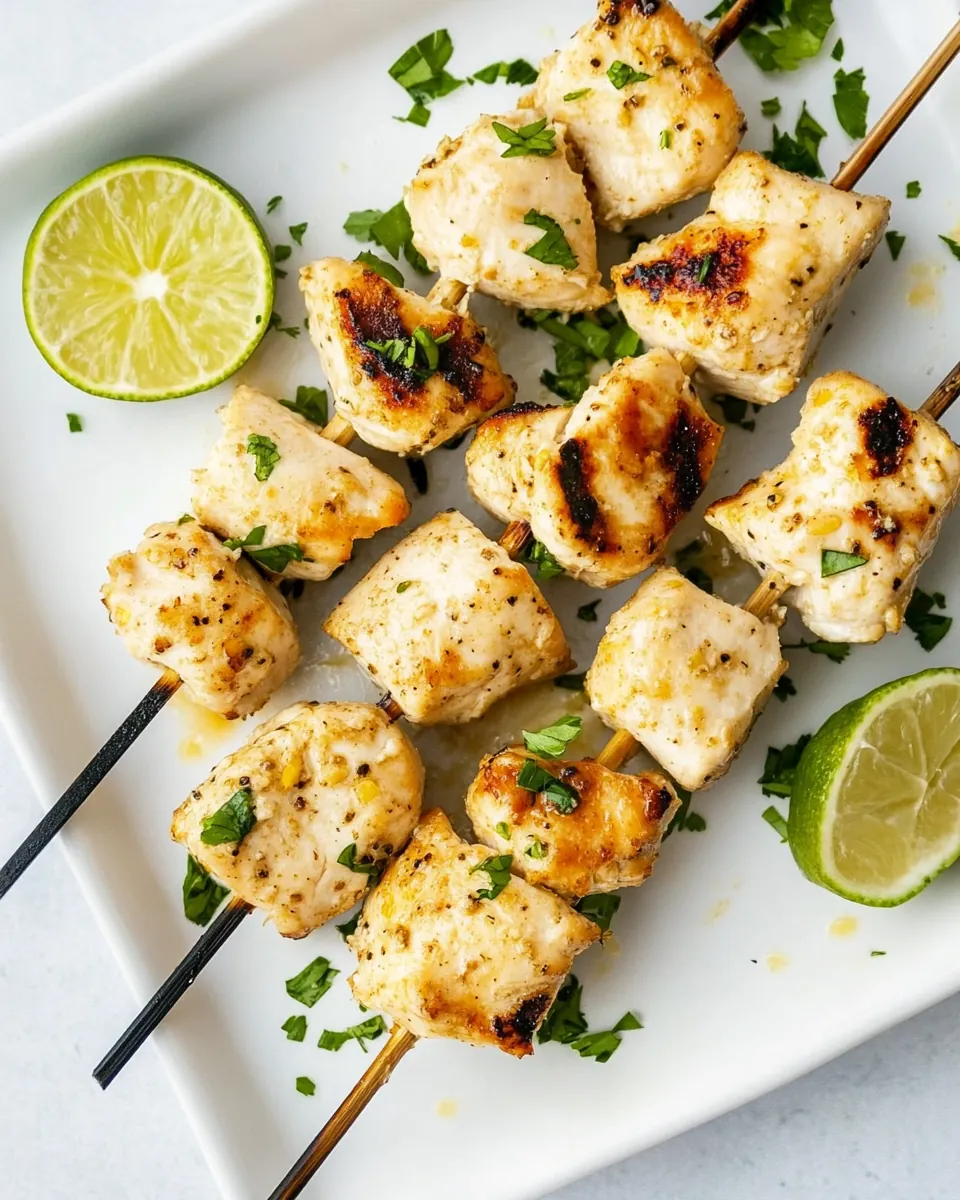
Low Carb Coconut Lime Chicken Skewers
Low Carb Coconut Lime Chicken Skewers has been a backyard favorite of mine since the first summer I tried marinating chicken in coconut and lime, and I still recall the first bite, bright and tangy with a whisper of tropical creaminess. That first grilling day felt like a small celebration, with kids chasing the sprinklers and the aroma of sizzling chicken drawing everyone to the patio. I kept the recipe simple so the flavors sing, and it quickly became my go to for easy dinners when the week feels long but I still want something special.
Over the years I’ve tweaked the balance of coconut milk to lime juice, and I learned that a short rest in the fridge makes a huge difference in texture. You do not need a complicated mise en place to pull this off, just a few fresh pantry staples and a hot cooking surface. I love serving these skewers with something light, and guests always comment on how juicy the chicken stays despite the quick cook time. This dish proves you can have bright flavor and low carbs in one satisfying bite.
Recipe Snapshot
2 hr 10 mins
120 mins
10 mins
Hard
400 kcal
American
Gluten-Free, Keto
Dinner
Griddle, Outdoor Grill, Large Skillet, Tongs, Glass Bowl
What Makes This Low Carb Coconut Lime Chicken Skewers Special
Bold, Balanced Flavors
I love how Low Carb Coconut Lime Chicken Skewers combines creamy coconut milk with zesty lime, creating a marinade that clings to the chicken and caramelizes slightly when it hits the heat. The interplay of sweet, tangy, and a touch of heat from black pepper makes each bite layered and interesting.
Quick Weeknight Win
We often need dinners that come together fast, and after a two hour soak the actual cook time is just minutes. I appreciate recipes that let the fridge do the heavy lifting, so when dinner time arrives you get sizzling, fragrant chicken on the table with minimal fuss.
Low Carb, Big Satisfaction
For anyone watching carbs, this recipe delivers on taste without relying on starchy sides. I find the richness of the coconut milk keeps the mouthfeel satisfying, so you do not miss heavier additions.
Flexible Cooking Options
I call this a versatile recipe because it works on an outdoor grill, a hot stovetop griddle, or a skillet. Each method adds its own signature char or fond, letting you adapt based on equipment and occasion.
Simple, Fresh Ingredients
Everything here plays a clear role. The grated ginger gives warmth and aroma, while the splash of maple syrup tames acidity if you choose to include it. Fresh cilantro as a finishing touch lifts the whole plate with herbaceous brightness.
Key Ingredients for Low Carb Coconut Lime Chicken Skewers
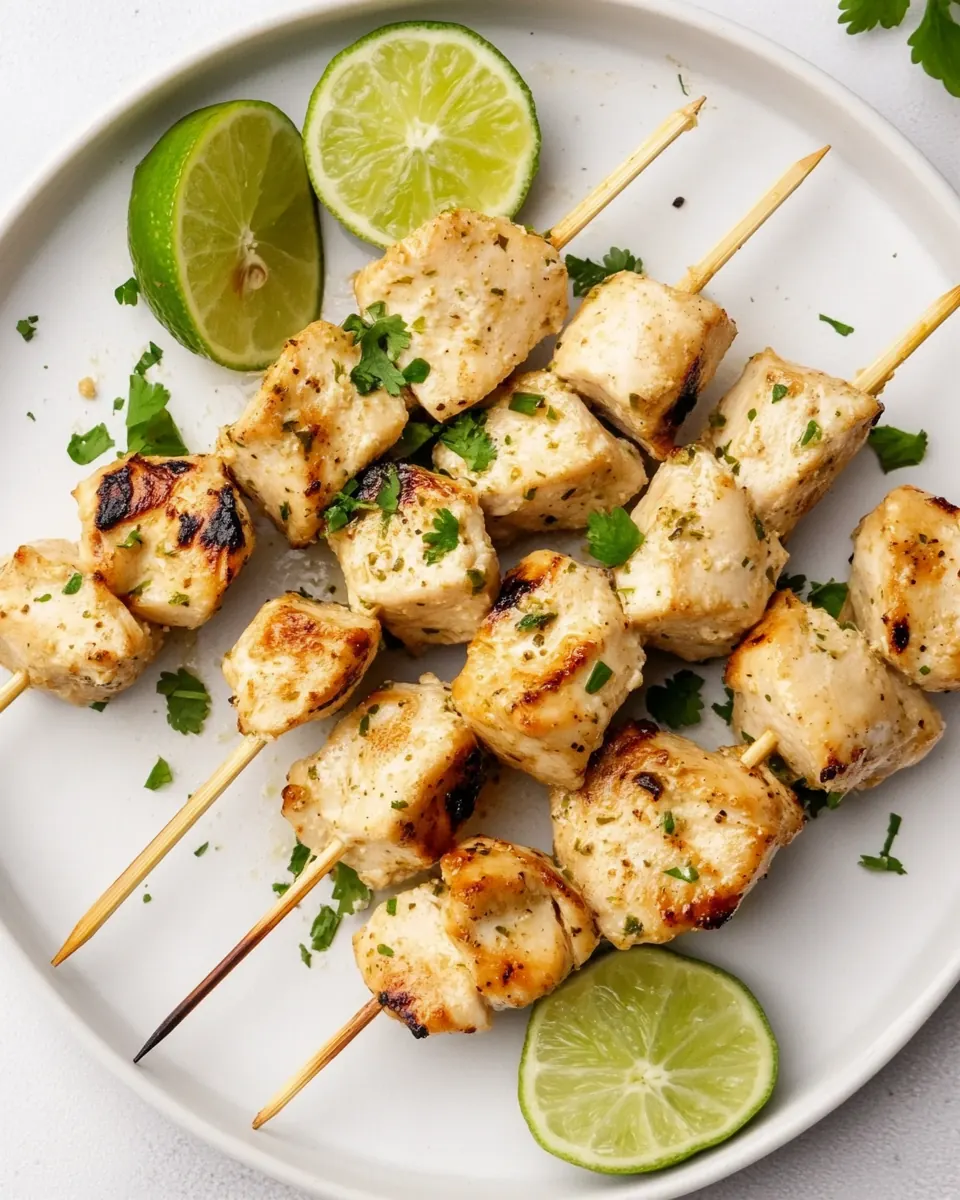
These ingredients were chosen to create a marinade that is both bright and creamy. The main players, coconut milk and lime, provide contrasting textures and flavors, while aromatics like shallot and ginger deepen the profile. Together they tenderize and flavor the chicken so the quick cooking time turns out juicy and fragrant.
- 1/2 shallot diced: Finely dice to release a mild onion-like sweetness and gentle crunch that brightens the marinade and complements the chicken; sautéing briefly can mellow pungency while retaining aromatic depth.
- 1/2 cup coconut milk canned: Use canned coconut milk to provide rich, creamy body and subtle tropical flavor that tenderizes the chicken; shaken or stirred to recombine solids and liquid ensures even coating in the marinade.
- 1 inch piece of ginger grated: Grate to extract vibrant, peppery warmth and citrusy undertones that cut through richness; fresh ginger also aids digestion and lifts the overall flavor profile when mixed into the marinade.
- 1 tablespoon maple syrup (optional): Drizzle sparingly to introduce a touch of natural sweetness and caramel notes that balance tangy lime and spicy ginger; include only if a hint of sweetness is desired to soften savory edges.
- 1 teaspoon kosher salt: Sprinkle to season and enhance all other flavors while helping to tenderize meat; kosher salt’s coarse texture makes it easy to distribute evenly throughout the marinade.
- 1/2 teaspoon ground black pepper: Crack or grind to add sharp, aromatic heat that contrasts creamy coconut and sweet elements; freshly ground pepper preserves volatile oils for brighter, more penetrating spice.
- juice of 1 lime: Squeeze to provide bright, acidic citrus that brightens the dish and cuts through the coconut’s richness; lime juice also helps tenderize chicken and unify marinade flavors.
- 2 tablespoons avocado oil: Measure and whisk in as the primary cooking fat to promote even searing and prevent sticking while adding a neutral, high-smoke-point oiliness that carries flavors into the chicken.
- 2 pounds boneless, skinless chicken breast cut into 1 inch chunks: Cube into uniform chunks so pieces cook evenly and absorb marinade efficiently; boneless, skinless breast offers lean protein that benefits from marinating to remain moist during grilling.
- fresh cilantro for serving: Chop or pluck leaves to finish and add a fresh, herbaceous contrast that lifts the plate with bright green fragrance and a clean, slightly citrusy flavor when sprinkled over cooked skewers.
Recipe Directions for Low Carb Coconut Lime Chicken Skewers
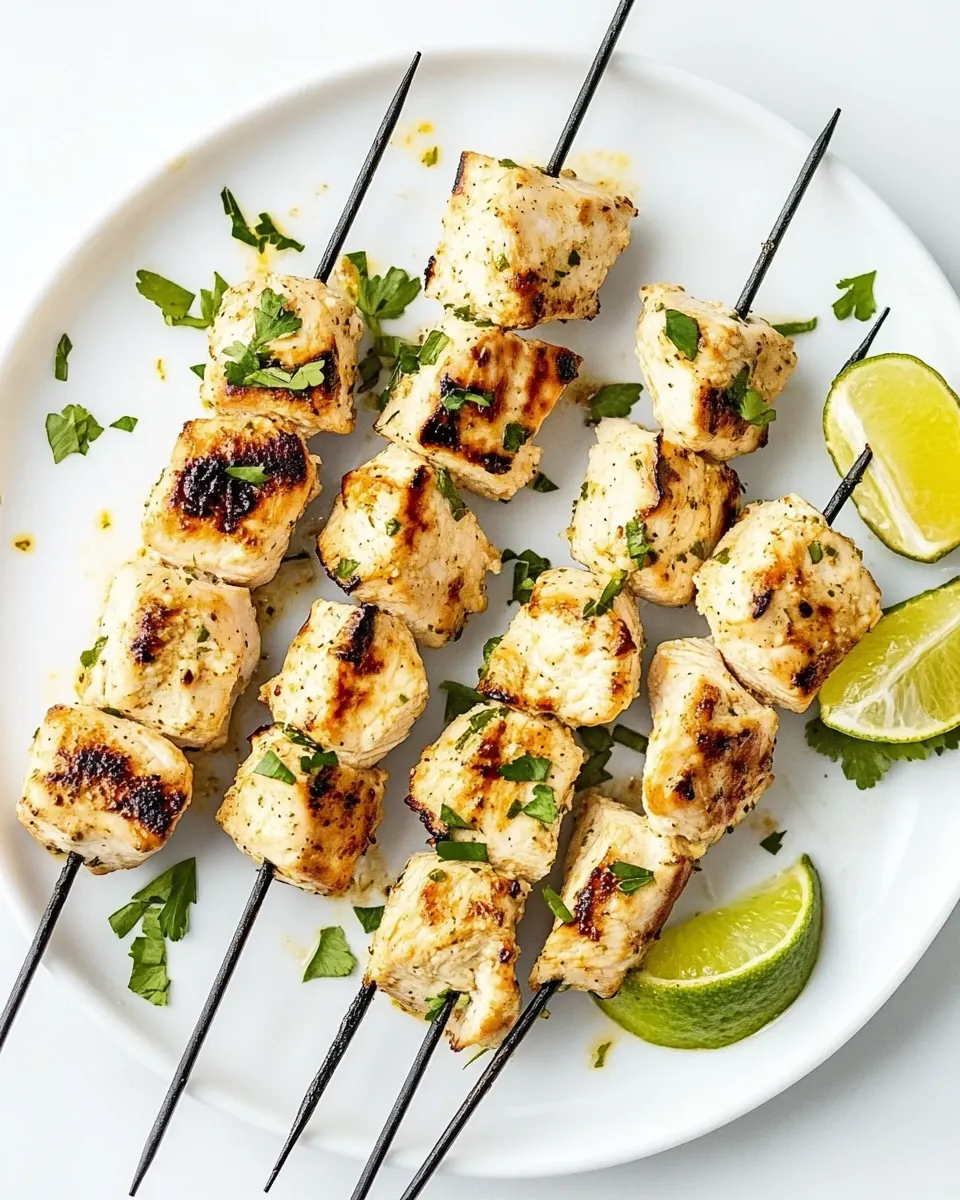
I like to think of these directions as a gentle arc from marinade to sear, with each step sharpening the flavors and textures. Follow them patiently and you will be rewarded with juicy, aromatic chicken skewers that hold up beautifully to a quick cook. Keep your tools ready and take in the sensory cues at each stage so you know when you are on track.
- In a large glass bowl, whisk the shallots, coconut milk, ginger, maple syrup, kosher salt, black pepper, lime juice and avocado oil.: The aroma here will be bright and slightly sweet, the citrus cutting through the creamy scent of coconut milk while the grated ginger adds a spicy perfume. Whisking creates an emulsion so the oil and coconut milk bind with the lime juice, ensuring even flavor distribution across every piece of chicken . As you whisk notice the mixture thicken subtly, and the shallot pieces will start to soften as they release their juices. A common mistake is to under-whisk, leaving flavors separated, which can cause uneven seasoning on the meat; take a full minute to blend everything until cohesive.
- Place the chicken chunks in the bowl, and toss with tongs to make sure they are coated with marinade. Cover the bowl and refrigerate for 2 hours.: When you first add the chicken , the cold meat will sink into the mixture and you will hear a soft splash, then the marinade will cling to each chunk, glistening. Using tongs helps you flip and separate pieces so each one gets an even coat, which is essential for uniform browning later. Let the chicken sit in the liquid for a minute while you ensure none of the pieces are stuck together, because overcrowding can lead to uneven marinating. Avoid the temptation to skimp on tossing; uneven coating is the main reason some bites taste bland while others are seasoned.
- Heat an oiled stovetop griddle or outdoor grill to medium/high heat. Alternatively, use a large skillet or pan. Cook the chicken for about 5 minutes per side. Use tongs to flip the chicken.: As the mixture chills the flavors deepen, and you'll notice the scent becomes rounded rather than sharp. The lime begins to gently tenderize the surface proteins, while the coconut milk and oil soak into the meat, improving juiciness during the quick cooking stage. Refrigeration also lets the shallot and grated ginger relax, distributing their aromatics through the pieces. Do not skip this rest if you can; rushing this step often yields a less flavorful interior. If you need to stretch the time a bit, two hours is ideal but up to four hours is fine; however, avoid marinating overnight because excessive acid contact can make the texture mushy.
- Top with fresh cilantro before serving: Preheating is critical, you want a surface that sizzles as soon as the chicken hits it, sealing in juices and creating that coveted browning. The aroma at this point should be faintly sweet and tangy, and when oil on the surface shimmers you know it is ready. A common error is cooking on a surface that is too cool, which leads to gray, steamed meat rather than flavorful sear. If you are using a skillet, give it a good two to three minutes to get really hot, and if flames flare up outside, move the skewers to a cooler zone to prevent burning.
- Alternatively, use a large skillet or pan: If a griddle or grill is not available, a heavy skillet will still produce excellent results because it holds heat well and promotes even browning. When using a skillet the sound you want is a confident sizzle when the chicken touches the pan, and you will see browning develop around the edges within a minute or two. Keep pieces spaced so steam can escape and you get a proper sear. A frequent pitfall is crowding the pan which lowers the temperature and results in soggy, unevenly cooked meat; cook in batches if necessary to maintain a hot cooking surface.
- Cook the chicken for about 5 minutes per side: As the chicken cooks you will notice the surface turning golden with small browned bits, and the smell will shift to nutty coconut and caramelized sugars if you used the maple syrup. The flesh should be firm but still springy to the touch when done, and juices will run clear. Use an instant read thermometer if you want certainty; internal temperature should hit 165 degrees F for safety. Avoid overcooking which dries the meat; if you see the edges tighten excessively, reduce heat slightly for the remaining time.
- Use tongs to flip the chicken: Flipping with tongs gives you control and helps preserve the seared crust you worked to develop. When you flip, listen for that satisfying sizzle which signals the surface is hot enough to continue browning. If the pieces stick when you try to turn them, give them a few more seconds; premature flipping tears the crust and releases juices. One troubleshooting tip is to use a flat spatula for stuck pieces to gently nudge without ripping the exterior.
- Top with fresh cilantro before serving: The bright green herb adds an herbal lift and a fresh aroma that contrasts with the warm, toasted notes from cooking. Sprinkle it over the hot chicken so the residual heat releases its oils, delivering a fragrant finishing touch. A common oversight is to cook the cilantro with the meat which wilts it and mutes the flavor; save it for just before serving to keep its color and freshness vibrant.
Customization Ideas
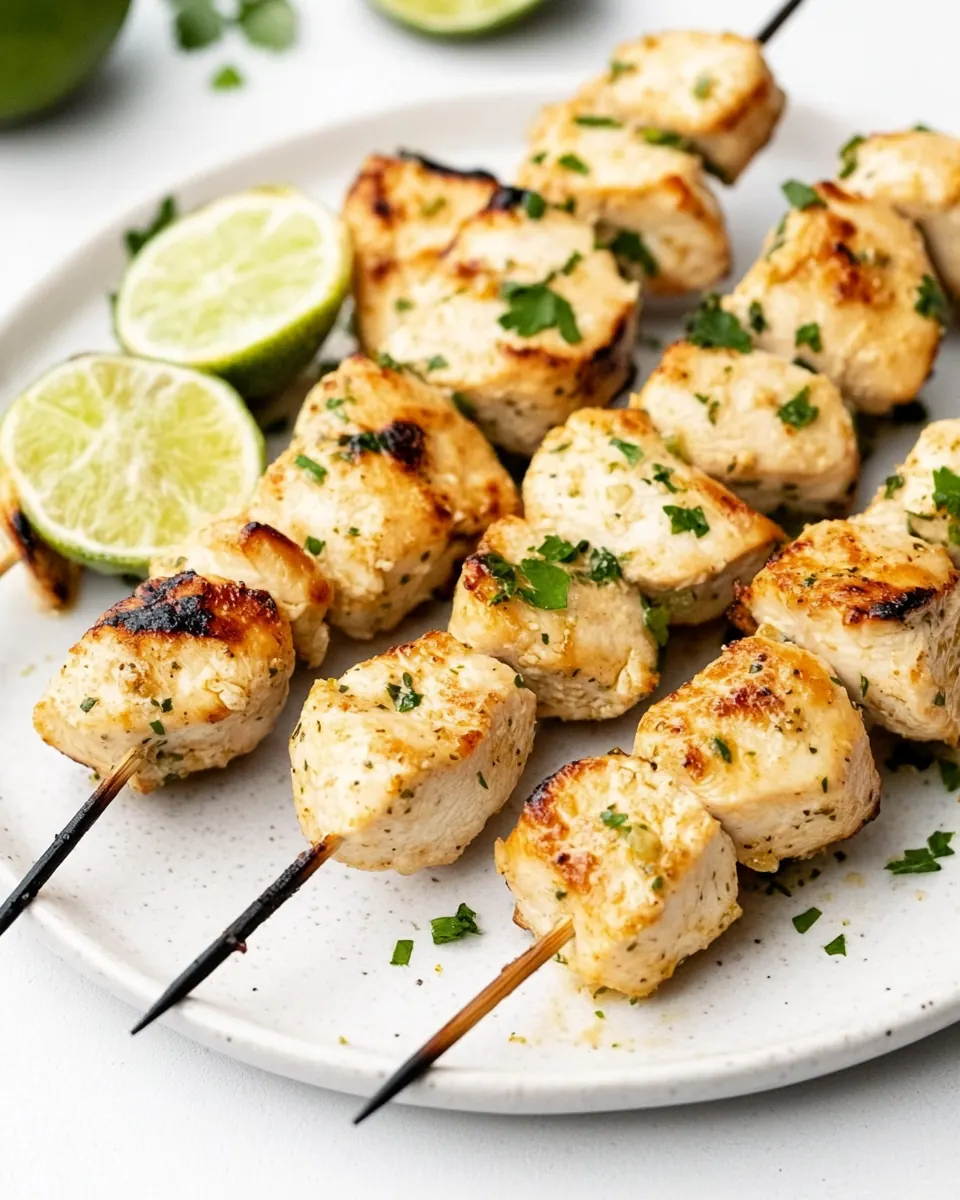
These suggestions help you tweak Low Carb Coconut Lime Chicken Skewers for personal taste or occasion. I like offering ideas that are simple to implement and that preserve the core profile of coconut and lime. Below are focused tips you can try at home.
- Boost the aromatics: Add a touch more grated ginger for a spicier, more pungent profile that stands up well to grilling.
- Maple syrup usage: Keep the 1 tablespoon as optional, because it aids caramelization; skip it for a lower sugar plate.
- Herb variation: Swap or combine cilantro with fresh mint for a different herbal lift that pairs nicely with citrus.
- Marinade time: If short on time, a 30 to 60 minute soak still imparts flavor, though two hours is ideal for deeper penetration.
- Cooking surface: Use a cast iron skillet if you want an intense sear and fond to scrape up for a quick pan sauce.
- Searing technique: Ensure pieces are spaced so steam escapes and you get golden brown edges rather than pale, steamed surfaces.
Serving This Low Carb Coconut Lime Chicken Skewers
I often serve these skewers dressed simply and let the flavors shine. This section outlines pairing ideas, occasions, and storage tips so you can plan the full plate. Read through and choose the options that fit your meal.
- Light low carb sides: Serve with cauliflower rice to keep the meal low carb while adding a rice like base that soaks up the marinade juices beautifully.
- Casual family dinners: Plate alongside a crisp green salad for a quick weeknight meal that feels fresh and balanced without heavy sides.
- Weekend grilling: Bring these to a backyard cookout where the medley of citrus and coconut will stand out among typical grilled fare.
- Meal prep: Store cooked skewers in an airtight container for up to four days and reheat gently to preserve juiciness.
- Serving style: Arrange skewers on a platter with extra lime wedges and a scattering of fresh cilantro so guests can customize each bite.
- Occasion pairing: Perfect for summer dinners, casual gatherings, and anytime you want something bright, approachable, and low carb.
FAQ
Conclusion
This recipe stands out because it pairs creamy coconut milk with bright lime, resulting in juicy, fragrant skewers that are both low carb and highly satisfying. Give these skewers a try the next time you want a quick, flavor forward meal that feels special without fuss. I hope they become a reliable option in your rotation, whether for a weeknight dinner or a weekend grill session; friends and family tend to ask for seconds when I bring these to the table.
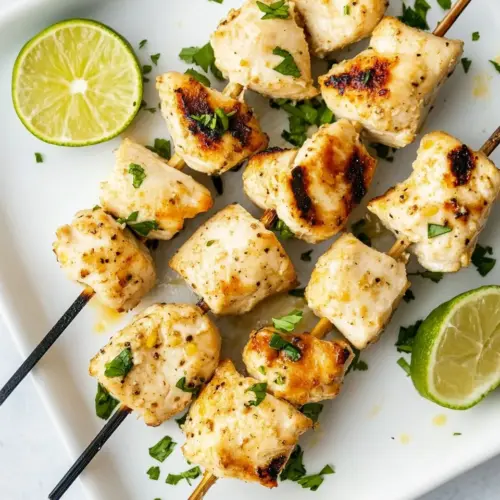
Low Carb Coconut Lime Chicken Skewers
Equipment
- Griddle
- outdoor grill
- Large Skillet
- Tongs
- Glass bowl
Ingredients
- 1/2 shallot diced Finely dice to release a mild onion-like sweetness and gentle crunch that brightens the marinade and complements the chicken; sautéing briefly can mellow pungency while retaining aromatic depth.
- 1/2 cup coconut milk canned Use canned coconut milk to provide rich, creamy body and subtle tropical flavor that tenderizes the chicken; shaken or stirred to recombine solids and liquid ensures even coating in the marinade.
- 1 inch piece of ginger grated Grate to extract vibrant, peppery warmth and citrusy undertones that cut through richness; fresh ginger also aids digestion and lifts the overall flavor profile when mixed into the marinade.
- 1 tablespoon maple syrup optional Drizzle sparingly to introduce a touch of natural sweetness and caramel notes that balance tangy lime and spicy ginger; include only if a hint of sweetness is desired to soften savory edges.
- 1 teaspoon kosher salt Sprinkle to season and enhance all other flavors while helping to tenderize meat; kosher salt’s coarse texture makes it easy to distribute evenly throughout the marinade.
- 1/2 teaspoon ground black pepper Crack or grind to add sharp, aromatic heat that contrasts creamy coconut and sweet elements; freshly ground pepper preserves volatile oils for brighter, more penetrating spice.
- juice of 1 lime Squeeze to provide bright, acidic citrus that brightens the dish and cuts through the coconut’s richness; lime juice also helps tenderize chicken and unify marinade flavors.
- 2 tablespoons avocado oil Measure and whisk in as the primary cooking fat to promote even searing and prevent sticking while adding a neutral, high-smoke-point oiliness that carries flavors into the chicken.
- 2 pounds boneless, skinless chicken breast cut into 1 inch chunks Cube into uniform chunks so pieces cook evenly and absorb marinade efficiently; boneless, skinless breast offers lean protein that benefits from marinating to remain moist during grilling.
- fresh cilantro for serving Chop or pluck leaves to finish and add a fresh, herbaceous contrast that lifts the plate with bright green fragrance and a clean, slightly citrusy flavor when sprinkled over cooked skewers.
Instructions
- In a large glass bowl, whisk the shallots, coconut milk, ginger, maple syrup, kosher salt, black pepper, lime juice and avocado oil.: The aroma here will be bright and slightly sweet, the citrus cutting through the creamy scent of coconut milk while the grated ginger adds a spicy perfume. Whisking creates an emulsion so the oil and coconut milk bind with the lime juice, ensuring even flavor distribution across every piece of chicken . As you whisk notice the mixture thicken subtly, and the shallot pieces will start to soften as they release their juices. A common mistake is to under-whisk, leaving flavors separated, which can cause uneven seasoning on the meat; take a full minute to blend everything until cohesive.
- Place the chicken chunks in the bowl, and toss with tongs to make sure they are coated with marinade. Cover the bowl and refrigerate for 2 hours.: When you first add the chicken , the cold meat will sink into the mixture and you will hear a soft splash, then the marinade will cling to each chunk, glistening. Using tongs helps you flip and separate pieces so each one gets an even coat, which is essential for uniform browning later. Let the chicken sit in the liquid for a minute while you ensure none of the pieces are stuck together, because overcrowding can lead to uneven marinating. Avoid the temptation to skimp on tossing; uneven coating is the main reason some bites taste bland while others are seasoned.
- Heat an oiled stovetop griddle or outdoor grill to medium/high heat. Alternatively, use a large skillet or pan. Cook the chicken for about 5 minutes per side. Use tongs to flip the chicken.: As the mixture chills the flavors deepen, and you'll notice the scent becomes rounded rather than sharp. The lime begins to gently tenderize the surface proteins, while the coconut milk and oil soak into the meat, improving juiciness during the quick cooking stage. Refrigeration also lets the shallot and grated ginger relax, distributing their aromatics through the pieces. Do not skip this rest if you can; rushing this step often yields a less flavorful interior. If you need to stretch the time a bit, two hours is ideal but up to four hours is fine; however, avoid marinating overnight because excessive acid contact can make the texture mushy.
- Top with fresh cilantro before serving: Preheating is critical, you want a surface that sizzles as soon as the chicken hits it, sealing in juices and creating that coveted browning. The aroma at this point should be faintly sweet and tangy, and when oil on the surface shimmers you know it is ready. A common error is cooking on a surface that is too cool, which leads to gray, steamed meat rather than flavorful sear. If you are using a skillet, give it a good two to three minutes to get really hot, and if flames flare up outside, move the skewers to a cooler zone to prevent burning.
- Alternatively, use a large skillet or pan: If a griddle or grill is not available, a heavy skillet will still produce excellent results because it holds heat well and promotes even browning. When using a skillet the sound you want is a confident sizzle when the chicken touches the pan, and you will see browning develop around the edges within a minute or two. Keep pieces spaced so steam can escape and you get a proper sear. A frequent pitfall is crowding the pan which lowers the temperature and results in soggy, unevenly cooked meat; cook in batches if necessary to maintain a hot cooking surface.
- Cook the chicken for about 5 minutes per side: As the chicken cooks you will notice the surface turning golden with small browned bits, and the smell will shift to nutty coconut and caramelized sugars if you used the maple syrup. The flesh should be firm but still springy to the touch when done, and juices will run clear. Use an instant read thermometer if you want certainty; internal temperature should hit 165 degrees F for safety. Avoid overcooking which dries the meat; if you see the edges tighten excessively, reduce heat slightly for the remaining time.
- Use tongs to flip the chicken: Flipping with tongs gives you control and helps preserve the seared crust you worked to develop. When you flip, listen for that satisfying sizzle which signals the surface is hot enough to continue browning. If the pieces stick when you try to turn them, give them a few more seconds; premature flipping tears the crust and releases juices. One troubleshooting tip is to use a flat spatula for stuck pieces to gently nudge without ripping the exterior.
- Top with fresh cilantro before serving: The bright green herb adds an herbal lift and a fresh aroma that contrasts with the warm, toasted notes from cooking. Sprinkle it over the hot chicken so the residual heat releases its oils, delivering a fragrant finishing touch. A common oversight is to cook the cilantro with the meat which wilts it and mutes the flavor; save it for just before serving to keep its color and freshness vibrant.
Notes
- Boost the aromatics: Add a touch more grated ginger for a spicier, more pungent profile that stands up well to grilling.
- Maple syrup usage: Keep the 1 tablespoon as optional, because it aids caramelization; skip it for a lower sugar plate.
- Herb variation: Swap or combine cilantro with fresh mint for a different herbal lift that pairs nicely with citrus.
- Marinade time: If short on time, a 30 to 60 minute soak still imparts flavor, though two hours is ideal for deeper penetration.
- Cooking surface: Use a cast iron skillet if you want an intense sear and fond to scrape up for a quick pan sauce.
- Searing technique: Ensure pieces are spaced so steam escapes and you get golden brown edges rather than pale, steamed surfaces.