Pistachio Pesto Pasta Salad with Burrata
Pistachio Pesto Pasta Salad with Burrata started showing up in my summer rotations the year I decided salads needed more soul than leaf piles and vinaigrettes. It began as a buzzy experiment on a sleepy afternoon when I found a bag of shelled pistachios in the pantry and a ball of burrata in the fridge, and I wanted something that felt both indulgent and easy to share. I remember the first bite, how the creamy burrata met the nutty, herbaceous pistachio pesto and the pasta carried everything like a soft, warm blanket. That combination stuck with me.
Over time I refined the balance of textures and the ratio of bright to rich, learning small tricks that change the whole dish. I now always toss the warm fusilli pasta with a little olive oil right after draining so the pesto clings beautifully. When I chill it for a few hours the flavors knit together in a way that makes this salad perfect for potlucks, backyard meals, or a relaxed weeknight where you want to feel like you made something special without fussing for hours. Friends began asking for the recipe after one summer party, which is how this version became my go to.
What I love about Pistachio Pesto Pasta Salad with Burrata is that it behaves like a team player at the table. It sits comfortably beside grilled vegetables or a simple green salad, but it can also be the star when you want something that reads a little luxe. I’ll often make extra pesto and keep it in the fridge to enliven sandwiches and roasted vegetables all week. You will notice that the pesto is greener and brighter when you use fresh basil and a touch of peppery arugula, and that splash of extra virgin olive oil matters more than you might expect. This recipe honors simple ingredients, and it rewards small intentions.
Recipe Snapshot
30 mins
15 mins
15 mins
Easy
400 kcal
Italian
Gluten-Free, Paleo
Salads
Food processor, Large pot, Colander, Large mixing bowl
What Sets This Pistachio Pesto Pasta Salad with Burrata Apart
Fresh, nut forward pesto that stands out
I am drawn to how the pistachio brings a toasted, slightly sweet nuttiness that sets this pesto apart from more familiar pine nut versions. The texture is delightfully coarse if you leave some chopped bits, and that contrast against soft burrata makes every bite interesting. I find myself noticing the toasted aroma as soon as I pulse the nuts, and that smell alone signals comfort.
Bright herbal lift
I love how the mix of basil and arugula provides both aromatic sweetness and a peppery kick. The herbs make the entire dish feel summer ready, and using fresh leaves changes the color and aroma dramatically. When I prep the herbs with my hands, tearing them rather than chopping, the release of oils is subtle but meaningful.
Creamy, show stopping cheese
The burrata is the reason guests pause, it offers a rich, milky center that melds into warm fusilli pasta creating a silky mouthfeel. I often pull the cheese apart in pieces so it scatters through the bowl, creating pockets of creaminess that surprise with each forkful. That creamy contrast elevates a simple pasta salad into a dish that feels indulgent yet approachable.
Flexible, make ahead friendly
I appreciate that you can make extra pesto and refrigerate it, letting the flavors mellow and deepen. The pasta salad actually benefits from some rest time in the fridge, where the pecorino romano cheese and olive oil integrate with the herbs. I often assemble early and finish with crunchy chopped pistachios and fresh leaves for texture right before serving.
Visually appealing and texturally dynamic
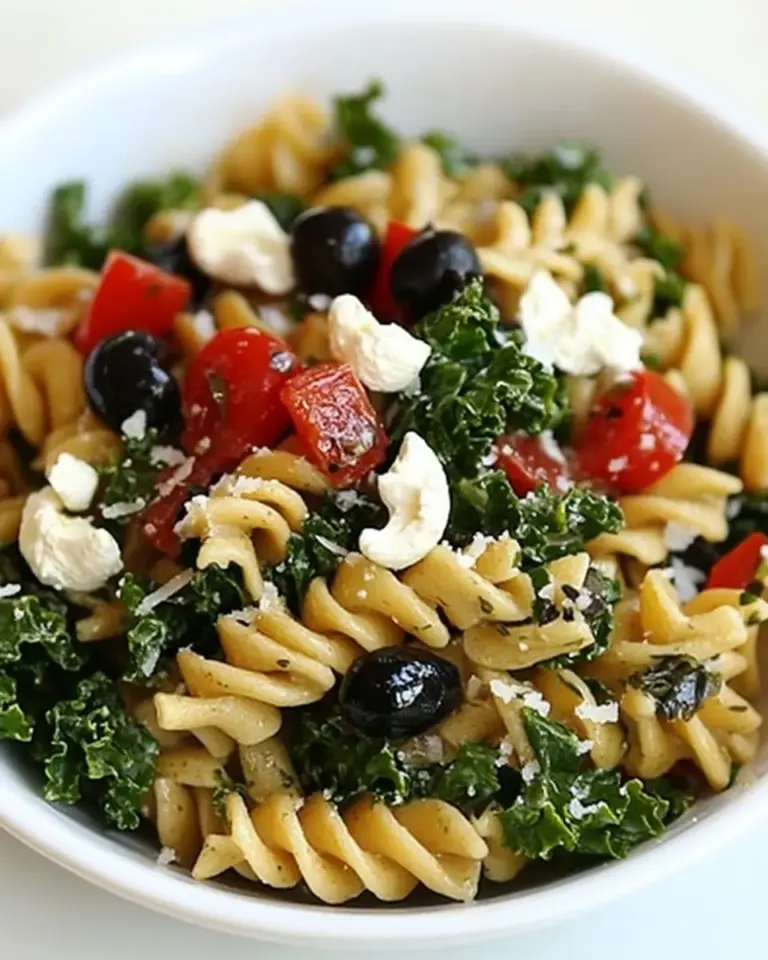
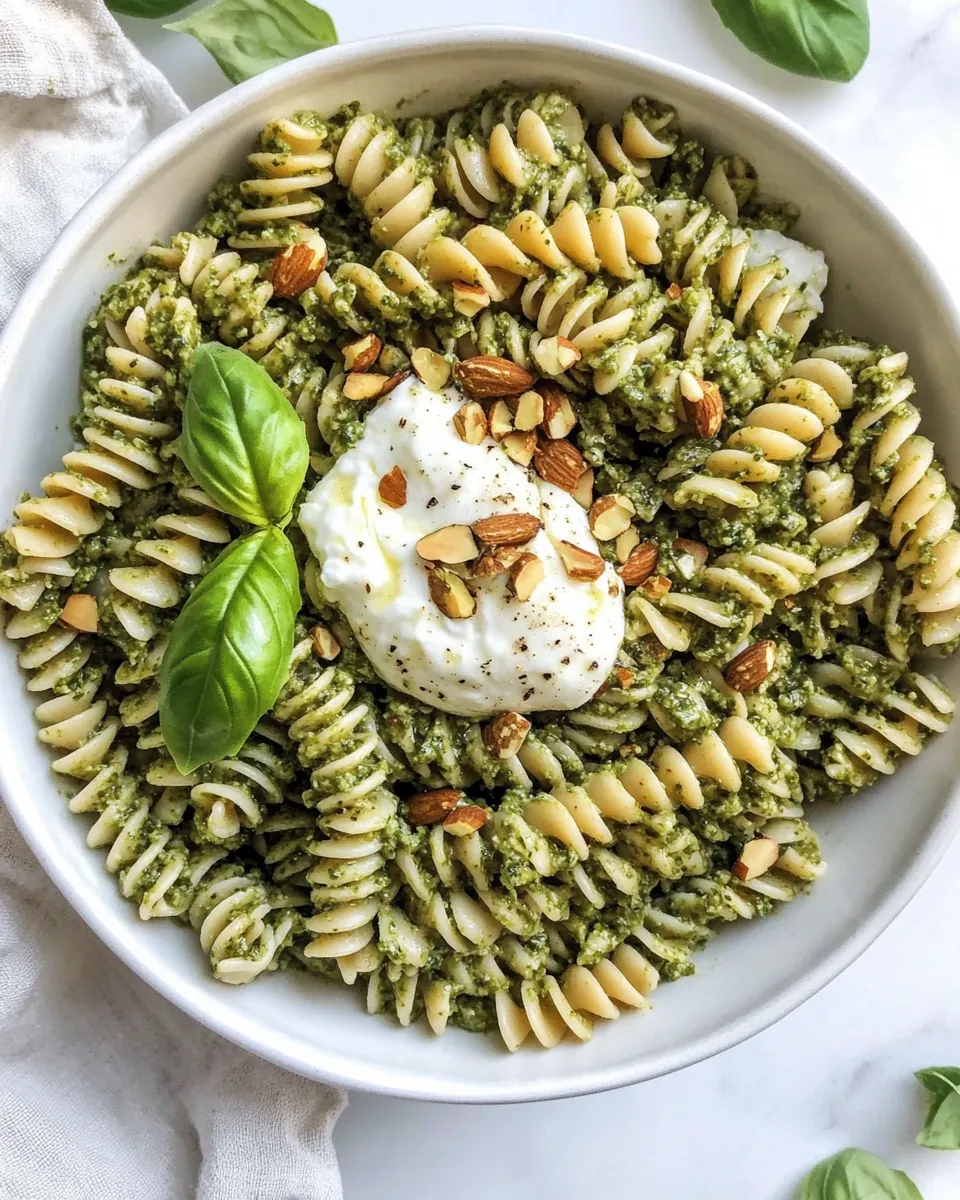
The vibrant green pesto, the pale pearls of burrata, the ivory parmesan cheese shavings and the scattered pistachios make this a pretty dish for gatherings. I’m always pleased when a recipe looks as good as it tastes, and this one delivers in both departments, giving you bright color, creamy richness, and satisfying crunch in every bowl.
What Goes Into Pistachio Pesto Pasta Salad with Burrata
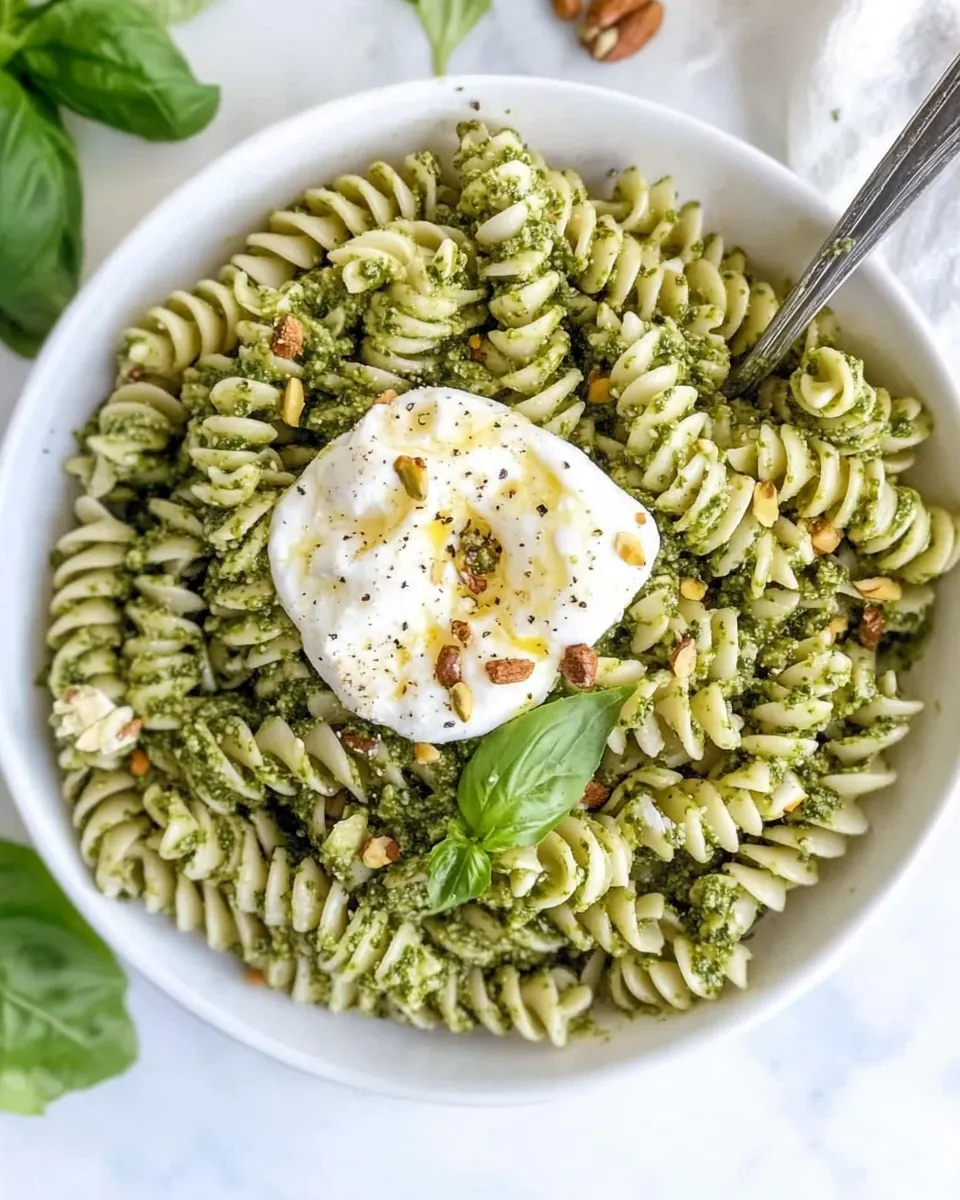
For me, this ingredient list is a study in harmony. Each element plays a clear role: the herbs bring brightness, the nuts bring body, the cheeses deliver savory depth, and the pasta provides a comforting vehicle. Together they create a summer friendly dish that is both elegant and forgiving.
- 1 cups helled pistachios: Provide a crunchy, nutty base for the pesto, contributing rich flavor and a slightly creamy texture when blended; toast lightly to intensify aroma and remove any papery skins for smoother consistency.
- 1 1/2 cups loosely packed fresh basil leaves torn: Add bright, herbaceous freshness and aromatic lift to the pesto; tear leaves to release essential oils and pack loosely to avoid bruising while preserving vibrant green color.
- 1/2 cup fresh arugula: Bring a peppery, slightly bitter note that balances the sweetness of the basil and richness of the nuts; use fresh leaves to add depth and a subtle green color to the sauce.
- 2 tablespoons fresh oregano: Introduce aromatic, savory undertones with a slight minty-citrus character that complements basil; chop or bruise the leaves to release oils and enhance complexity in the pesto.
- 3 garlic cloves: Deliver pungent, spicy sharpness that cuts through the richness of the nuts and cheese; mince or crush to evenly distribute flavor throughout the pesto.
- 1/3 cup finely grated pecorino romano cheese: Contribute sharp, salty, and tangy umami that deepens the pesto’s savory profile; grate finely so it melts into the mixture and helps thicken the sauce.
- 1/3 to 1/2 cup extra virgin olive oil: Provide silky mouthfeel and richness to emulsify the pesto into a cohesive sauce; add gradually while blending to achieve desired consistency between 1/3 and 1/2 cup.
- 1/4 teaspoons salt: Enhance and balance flavors while rounding out the pesto; add sparingly and taste as you go to avoid oversalting the sauce.
- 1 pound fusilli pasta: Supply hearty texture and a neutral base to carry the pesto coating; cook until al dente, then toss hot pasta with pesto so the sauce clings to the spirals.
- 1 ball burrata cheese: Offer a creamy, luscious centerpiece with rich milky interior that contrasts with the pasta and pesto; tear open and nestle onto the salad just before serving for maximum creaminess.
- 1/4 cup parmesan cheese: Add a salty, nutty finish and a touch of umami when sprinkled over the salad; grate or shave to distribute small bursts of savory flavor across the dish.
- 2 tablespoons chopped pistachios: Provide a final crunchy garnish and visual contrast to the blended pistachios in the pesto; chop coarsely and sprinkle on top for texture and color.
- 1 handful fresh basil for tossing: Introduce fresh herbal brightness and a pop of color when tossed with the finished pasta; use a generous handful to lightly wilt into the warm pasta for aroma and visual appeal.
How to Cook Pistachio Pesto Pasta Salad with Burrata
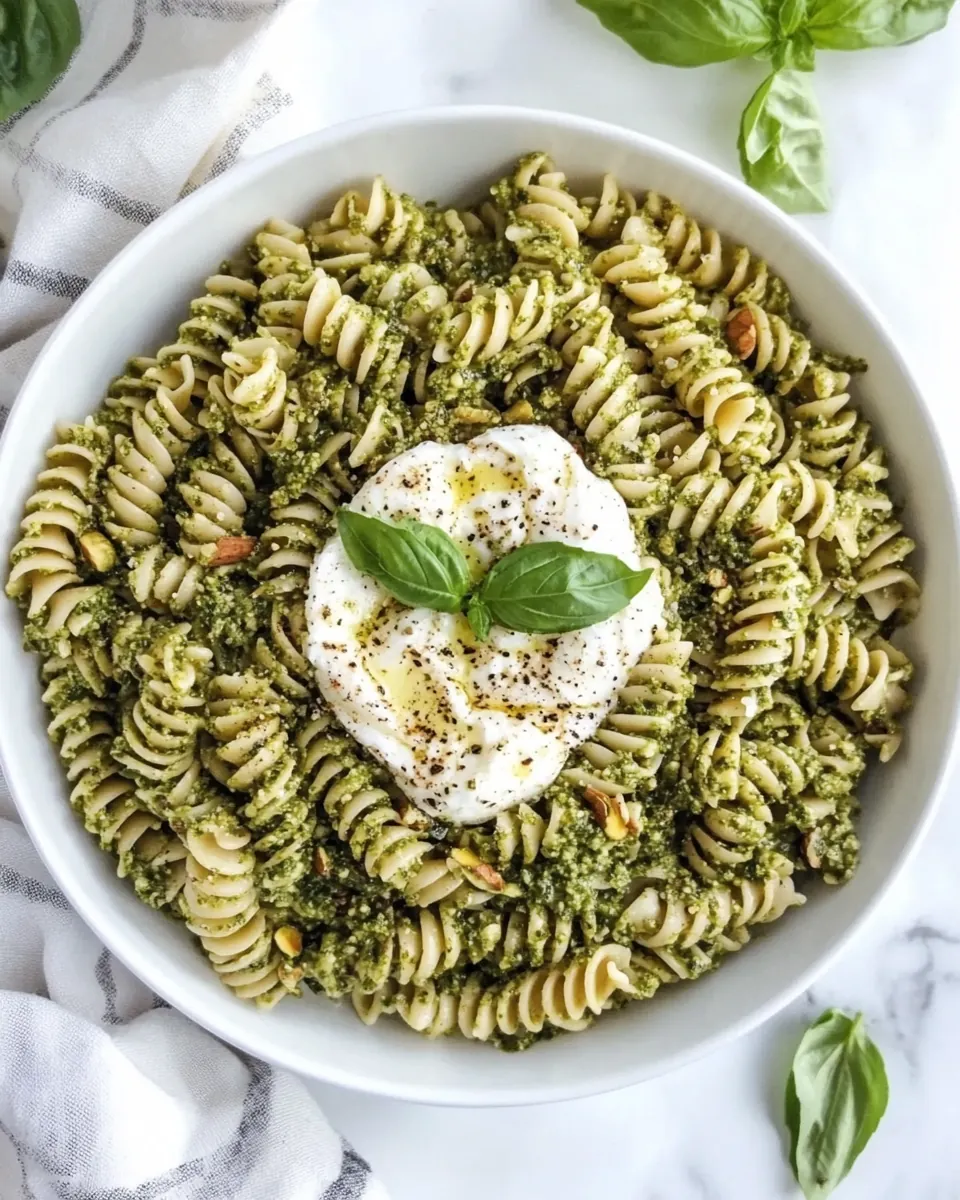
Making this pasta salad is straightforward, but I like to approach it with intention so the textures and flavors sing. The directions below expand each step into sensory cues, reasons why the technique matters, and common pitfalls to avoid so your result feels effortless and polished.
- Place the pistachios, basil, arugula, oregano, garlic and cheese in a food processor. Pulse and blend until the nuts are coarsely chopped, then with the processor on, stream in 1/3 cup of olive oil. Add a little more if necessary, depending on how “spreadable” you want your pesto to be. Taste the pesto and add in the salt, blending once more. This will make a little extra pesto than needed, so store it sealed tightly in the fridge for up to a week.: Close your eyes to appreciate the immediate burst of herbaceous aroma when you first pulse the basil and arugula , a bright green scent that signals freshness. As the processor moves, listen for the change in pitch as the nuts break down, and watch for a coarse paste forming, studded with tiny pistachio pieces. The olive oil stream is crucial because it emulsifies the mixture, creating a glossy texture that will cling to the pasta rather than pool on the plate. If the mixture feels too dry, add bit by bit until it reaches a spreadable consistency; the right balance ensures the pesto both coats and flavors each spiral of fusilli pasta . A common mistake is overprocessing, which can make the pesto pasty rather than pleasantly textured. Another trap is adding all the oil at once, which can make it slippery and prevent proper integration of the herbs. Taste and adjust salt at the end because the pecorino romano cheese already contributes saltiness, and refrigerating leftover pesto in a tight container will preserve its fresh flavor for several days.
- Cook the pasta according to the directions on the package. Once you drain the pasta, immediately toss it with the olive oil and a few scoops of the pesto – as much as you’d like! You can use all of it or just a few tablespoons. Pull apart the burrata cheese and toss it into the pasta over and over. Toss in the parmesan cheese. At this point, you can serve it warm, but I love to stick the whole bowl in the fridge and let it cool down for a few hours. The flavor is unreal!: As the pot of water comes to a rolling boil, add a generous pinch of salt so the fusilli pasta absorbs flavor from within. Stir gently to prevent sticking and watch the timer closely to reach al dente, where the pasta is tender but still offers a subtle resistance. Drain the pasta promptly and do not rinse, because the residual starch helps the pesto adhere to each spiral. The steam rising from the colander should still smell faintly of wheat and salt, and that warmth will help the burrata meld into the dish when you add it. Overcooking is the usual misstep here, as soft pasta will not provide the textural contrast needed against the creamy burrata and crunchy pistachios . If your water boils over or the pasta clumps, use a fork to separate pieces and adjust heat and stirring frequency next time.
- Before serving, top with the extra pistachios and fresh basil leaves.: Right after draining, transfer the steaming fusilli pasta into a large bowl and drizzle extra virgin olive oil to coat each piece. The oil prevents sticking and acts as glue for the pesto. When you add the pesto, do so gradually so the pasta is evenly dressed and has a glossy sheen rather than clumps of sauce. Smell the bowl as you toss; you should get a layered scent of herbs, nuts, and savory cheese. Texturally, you want each spiral to feel coated, not saturated, because the burrata will add additional creaminess later. A frequent error is overdressing, which makes the salad heavy; adjust in small increments and taste as you go.
- Pull apart the burrata cheese and toss it into the pasta over and over: Tear the burrata into pieces and fold them gently into the warm, pesto dressed fusilli pasta , allowing the creamy center to soften and coat nearby pasta strands. You will see small pockets of milky richness forming, and the texture will become luxuriously silky. Folding carefully protects the delicate curd from breaking down completely, which keeps textural contrast. If you add the cheese while the pasta is piping hot, some melting will occur and the dish will feel more cohesive; chilling it later produces a different, firmer finish. One mistake to avoid is overmixing, which will dissolve the burrata completely and remove those delightful cream pockets.
- Toss in the parmesan cheese: Sprinkle the parmesan cheese and fold it through so the nutty, salty shards integrate and cling to the pasta. The fine dust of cheese brings umami that deepens the overall flavor, and you can slightly vary the amount to your taste. I prefer finely grated for an even distribution, but small shards also make for a pleasing textural contrast. If you find the mixture too dry after adding cheese, a light additional drizzle of extra virgin olive oil will smooth it out. Avoid using pre grated powdery versions, which lack texture and fresh flavor.
- At this point, you can serve it warm, but I love to stick the whole bowl in the fridge and let it cool down for a few hours: Chilling the salad allows the flavors to marry and the pesto to settle into the pasta, producing a more integrated profile in each bite. When you open the bowl after refrigeration, the aroma will be calmer and deeper, and the texture will firm slightly, making each chew satisfying. If you prefer warm service, let it rest just a few minutes to encourage the burrata to soften without melting away. A common misstep is refrigerating in a shallow container uncovered, which dries out the surface; keep it covered to maintain moisture and flavor.
- Before serving, top with the extra pistachios and fresh basil leaves: Right before plating, scatter the chopped pistachios and torn fresh basil over the chilled or room temperature salad to reintroduce crunch and bright herbal notes. The contrast between the crisp nuts and soft cheese is essential for a balanced mouthfeel, and the basil provides an aromatic lift that feels festive. Serve immediately so the topping stays crisp. A common error is adding crunchy toppings too early, which causes them to lose texture in the fridge.
Customization Ideas
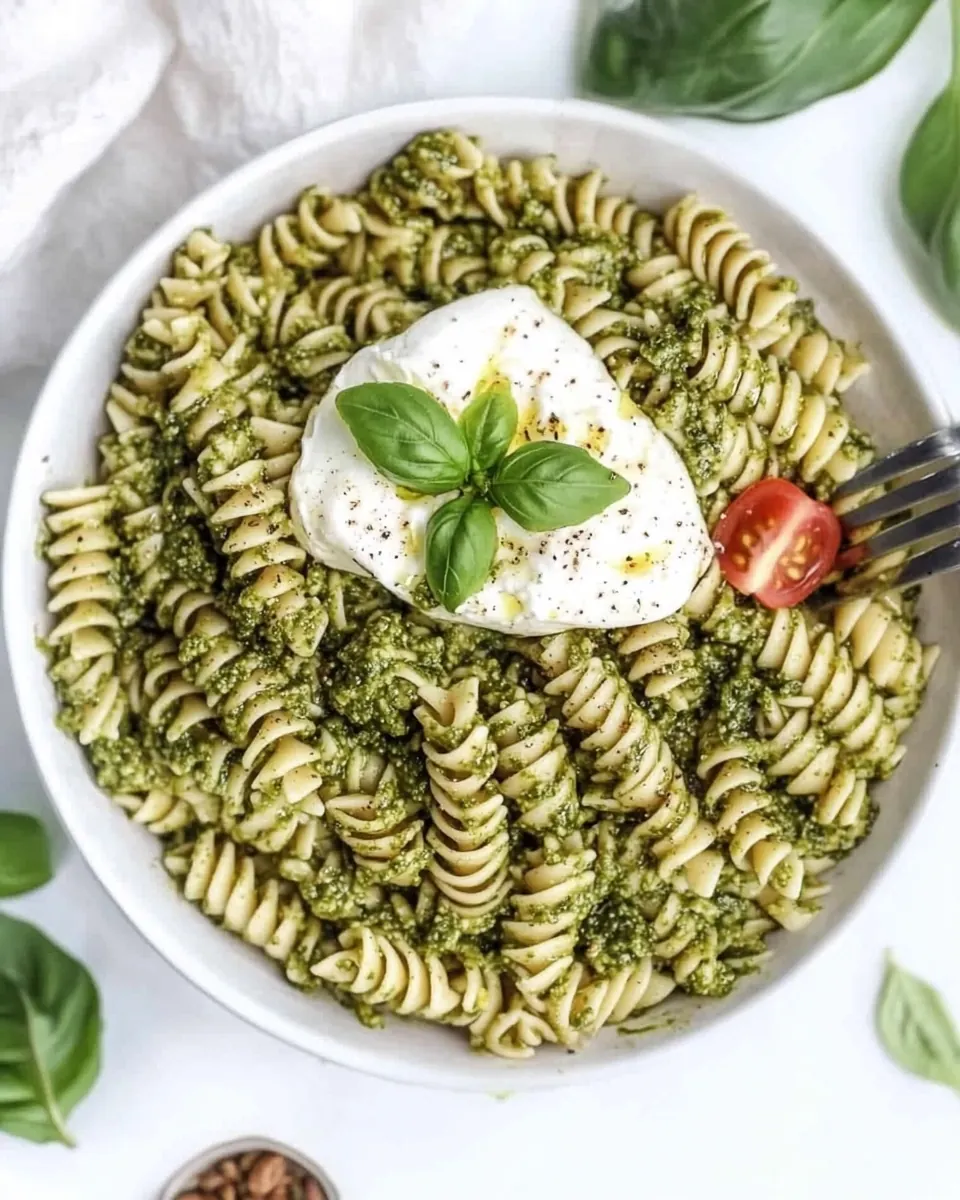
This salad is a great platform for small adjustments to match your pantry or mood. Below are ideas you can use to personalize texture, heat level, and richness while keeping the core profile intact.
- Swap greens sparingly by adjusting the proportion of arugula to basil to tune the pepperiness, using more basil for a sweeter aroma.
- Adjust pesto texture by pulsing less for chunkier bits of pistachio, or longer for a creamier, more spreadable sauce that cloaks the fusilli pasta.
- Control salt by adding the salt gradually and tasting; the pecorino romano cheese and parmesan cheese already contribute sodium.
- Make it ahead by preparing the pesto first and refrigerating, then tossing with freshly cooked fusilli pasta before adding the burrata.
- Enhance crunch by increasing the final chopped pistachios or lightly toasting them for extra aroma and bite.
Serving This Pistachio Pesto Pasta Salad with Burrata
This dish pairs well with simple sides and suits many occasions, from casual lunches to special gatherings. Below I outline serving ideas, storage notes, and seasonal pairings so you can present it with confidence.
- Serve slightly chilled or room temperature for potlucks, the flavors are more integrated and it travels well.
- Present as a centerpiece at a summer dinner with small plates around it, letting guests help themselves to creamy pockets of burrata.
- Pair with grilled vegetables like zucchini or asparagus for a balanced plate that adds smoky notes alongside the pesto.
- Store pesto separately if you want the salad to stay bright; keep it in an airtight jar and add when ready to serve.
- Ideal for brunch or lunch since it feels both light and satisfying, and it scales easily for groups when made ahead.
- Refrigeration tip store leftovers in a covered container up to three days but add chopped pistachios fresh to maintain crunch.
- Occasion suggestions include backyard gatherings, casual dinners, summer picnics and Ramadan if serving after sunset as part of a larger spread.
FAQ
Conclusion
This recipe shines because of its balance of nutty pesto, creamy burrata, and al dente pasta that together create a memorable summer dish. Try making it for a casual gathering or a weeknight when you want something that feels special without fuss. When you share it, people will comment on the bright herb flavors and the surprising texture contrast, and you may find yourself keeping a jar of the pesto in the fridge for weeknight rescues.
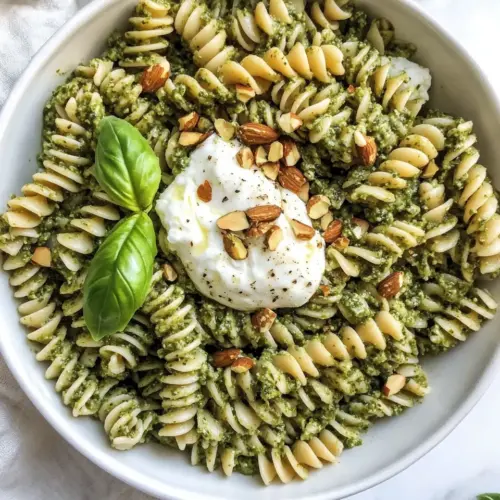
Pistachio Pesto Pasta Salad with Burrata
Equipment
- Food Processor
- Large Pot
- Colander
- Large Mixing Bowl
Ingredients
- 1 cups helled pistachios Provide a crunchy, nutty base for the pesto, contributing rich flavor and a slightly creamy texture when blended; toast lightly to intensify aroma and remove any papery skins for smoother consistency.
- 1 1/2 cups loosely packed fresh basil leaves torn Add bright, herbaceous freshness and aromatic lift to the pesto; tear leaves to release essential oils and pack loosely to avoid bruising while preserving vibrant green color.
- 1/2 cup fresh arugula Bring a peppery, slightly bitter note that balances the sweetness of the basil and richness of the nuts; use fresh leaves to add depth and a subtle green color to the sauce.
- 2 tablespoons fresh oregano Introduce aromatic, savory undertones with a slight minty-citrus character that complements basil; chop or bruise the leaves to release oils and enhance complexity in the pesto.
- 3 garlic cloves Deliver pungent, spicy sharpness that cuts through the richness of the nuts and cheese; mince or crush to evenly distribute flavor throughout the pesto.
- 1/3 cup finely grated pecorino romano cheese Contribute sharp, salty, and tangy umami that deepens the pesto’s savory profile; grate finely so it melts into the mixture and helps thicken the sauce.
- 1/3 to 1/2 cup extra virgin olive oil Provide silky mouthfeel and richness to emulsify the pesto into a cohesive sauce; add gradually while blending to achieve desired consistency between 1/3 and 1/2 cup.
- 1/4 teaspoons salt Enhance and balance flavors while rounding out the pesto; add sparingly and taste as you go to avoid oversalting the sauce.
- 1 pound fusilli pasta Supply hearty texture and a neutral base to carry the pesto coating; cook until al dente, then toss hot pasta with pesto so the sauce clings to the spirals.
- 1 ball burrata cheese Offer a creamy, luscious centerpiece with rich milky interior that contrasts with the pasta and pesto; tear open and nestle onto the salad just before serving for maximum creaminess.
- 1/4 cup parmesan cheese Add a salty, nutty finish and a touch of umami when sprinkled over the salad; grate or shave to distribute small bursts of savory flavor across the dish.
- 2 tablespoons chopped pistachios Provide a final crunchy garnish and visual contrast to the blended pistachios in the pesto; chop coarsely and sprinkle on top for texture and color.
- 1 handful fresh basil for tossing Introduce fresh herbal brightness and a pop of color when tossed with the finished pasta; use a generous handful to lightly wilt into the warm pasta for aroma and visual appeal.
Instructions
- Place the pistachios, basil, arugula, oregano, garlic and cheese in a food processor. Pulse and blend until the nuts are coarsely chopped, then with the processor on, stream in 1/3 cup of olive oil. Add a little more if necessary, depending on how “spreadable” you want your pesto to be. Taste the pesto and add in the salt, blending once more. This will make a little extra pesto than needed, so store it sealed tightly in the fridge for up to a week.: Close your eyes to appreciate the immediate burst of herbaceous aroma when you first pulse the basil and arugula , a bright green scent that signals freshness. As the processor moves, listen for the change in pitch as the nuts break down, and watch for a coarse paste forming, studded with tiny pistachio pieces. The olive oil stream is crucial because it emulsifies the mixture, creating a glossy texture that will cling to the pasta rather than pool on the plate. If the mixture feels too dry, add bit by bit until it reaches a spreadable consistency; the right balance ensures the pesto both coats and flavors each spiral of fusilli pasta . A common mistake is overprocessing, which can make the pesto pasty rather than pleasantly textured. Another trap is adding all the oil at once, which can make it slippery and prevent proper integration of the herbs. Taste and adjust salt at the end because the pecorino romano cheese already contributes saltiness, and refrigerating leftover pesto in a tight container will preserve its fresh flavor for several days.
- Cook the pasta according to the directions on the package. Once you drain the pasta, immediately toss it with the olive oil and a few scoops of the pesto – as much as you’d like! You can use all of it or just a few tablespoons. Pull apart the burrata cheese and toss it into the pasta over and over. Toss in the parmesan cheese. At this point, you can serve it warm, but I love to stick the whole bowl in the fridge and let it cool down for a few hours. The flavor is unreal!: As the pot of water comes to a rolling boil, add a generous pinch of salt so the fusilli pasta absorbs flavor from within. Stir gently to prevent sticking and watch the timer closely to reach al dente, where the pasta is tender but still offers a subtle resistance. Drain the pasta promptly and do not rinse, because the residual starch helps the pesto adhere to each spiral. The steam rising from the colander should still smell faintly of wheat and salt, and that warmth will help the burrata meld into the dish when you add it. Overcooking is the usual misstep here, as soft pasta will not provide the textural contrast needed against the creamy burrata and crunchy pistachios . If your water boils over or the pasta clumps, use a fork to separate pieces and adjust heat and stirring frequency next time.
- Before serving, top with the extra pistachios and fresh basil leaves.: Right after draining, transfer the steaming fusilli pasta into a large bowl and drizzle extra virgin olive oil to coat each piece. The oil prevents sticking and acts as glue for the pesto. When you add the pesto, do so gradually so the pasta is evenly dressed and has a glossy sheen rather than clumps of sauce. Smell the bowl as you toss; you should get a layered scent of herbs, nuts, and savory cheese. Texturally, you want each spiral to feel coated, not saturated, because the burrata will add additional creaminess later. A frequent error is overdressing, which makes the salad heavy; adjust in small increments and taste as you go.
- Pull apart the burrata cheese and toss it into the pasta over and over: Tear the burrata into pieces and fold them gently into the warm, pesto dressed fusilli pasta , allowing the creamy center to soften and coat nearby pasta strands. You will see small pockets of milky richness forming, and the texture will become luxuriously silky. Folding carefully protects the delicate curd from breaking down completely, which keeps textural contrast. If you add the cheese while the pasta is piping hot, some melting will occur and the dish will feel more cohesive; chilling it later produces a different, firmer finish. One mistake to avoid is overmixing, which will dissolve the burrata completely and remove those delightful cream pockets.
- Toss in the parmesan cheese: Sprinkle the parmesan cheese and fold it through so the nutty, salty shards integrate and cling to the pasta. The fine dust of cheese brings umami that deepens the overall flavor, and you can slightly vary the amount to your taste. I prefer finely grated for an even distribution, but small shards also make for a pleasing textural contrast. If you find the mixture too dry after adding cheese, a light additional drizzle of extra virgin olive oil will smooth it out. Avoid using pre grated powdery versions, which lack texture and fresh flavor.
- At this point, you can serve it warm, but I love to stick the whole bowl in the fridge and let it cool down for a few hours: Chilling the salad allows the flavors to marry and the pesto to settle into the pasta, producing a more integrated profile in each bite. When you open the bowl after refrigeration, the aroma will be calmer and deeper, and the texture will firm slightly, making each chew satisfying. If you prefer warm service, let it rest just a few minutes to encourage the burrata to soften without melting away. A common misstep is refrigerating in a shallow container uncovered, which dries out the surface; keep it covered to maintain moisture and flavor.
- Before serving, top with the extra pistachios and fresh basil leaves: Right before plating, scatter the chopped pistachios and torn fresh basil over the chilled or room temperature salad to reintroduce crunch and bright herbal notes. The contrast between the crisp nuts and soft cheese is essential for a balanced mouthfeel, and the basil provides an aromatic lift that feels festive. Serve immediately so the topping stays crisp. A common error is adding crunchy toppings too early, which causes them to lose texture in the fridge.
Notes
- Swap greens sparingly by adjusting the proportion of arugula to basil to tune the pepperiness, using more basil for a sweeter aroma.
- Adjust pesto texture by pulsing less for chunkier bits of pistachio, or longer for a creamier, more spreadable sauce that cloaks the fusilli pasta.
- Control salt by adding the salt gradually and tasting; the pecorino romano cheese and parmesan cheese already contribute sodium.
- Make it ahead by preparing the pesto first and refrigerating, then tossing with freshly cooked fusilli pasta before adding the burrata.
- Enhance crunch by increasing the final chopped pistachios or lightly toasting them for extra aroma and bite.