Caprese Garlic Bread
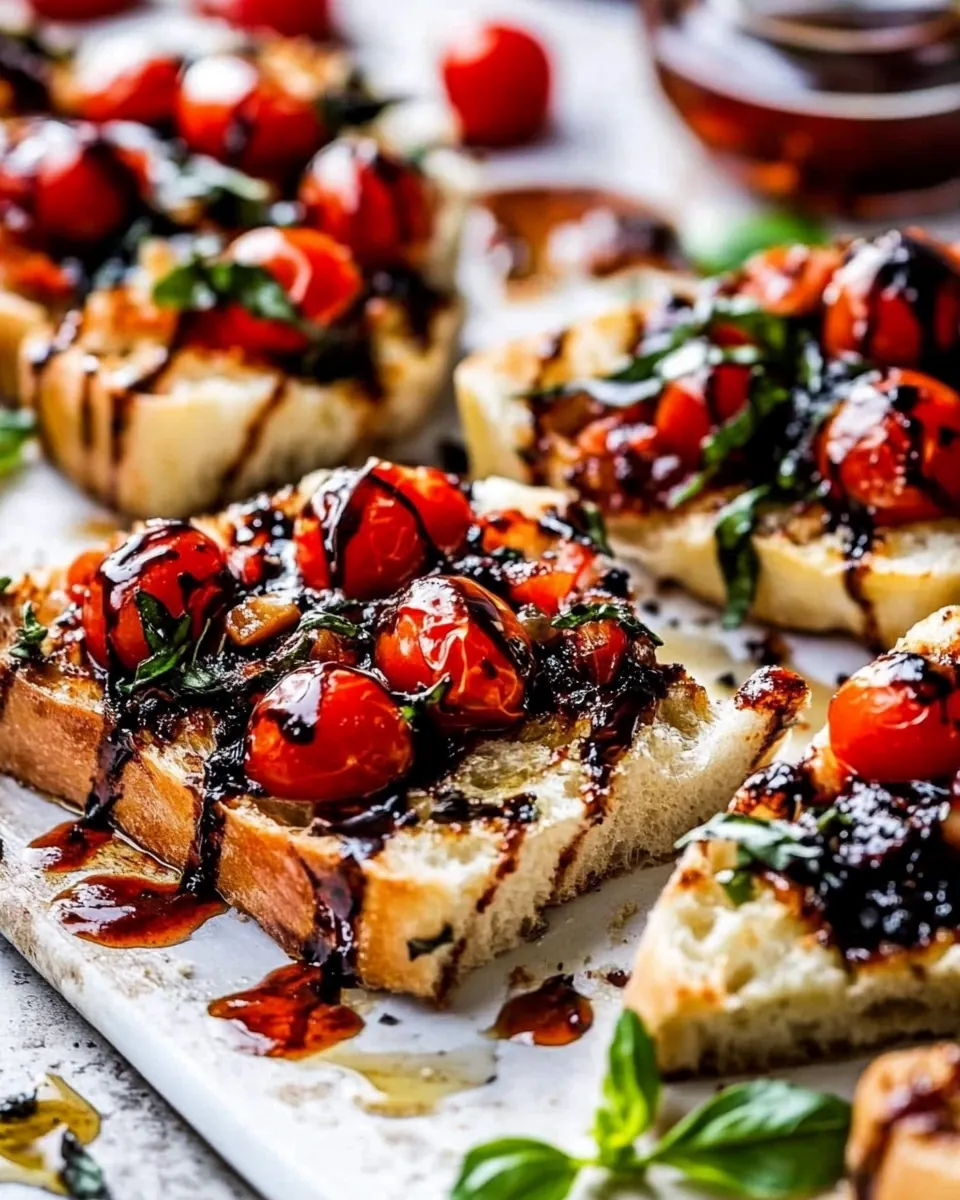
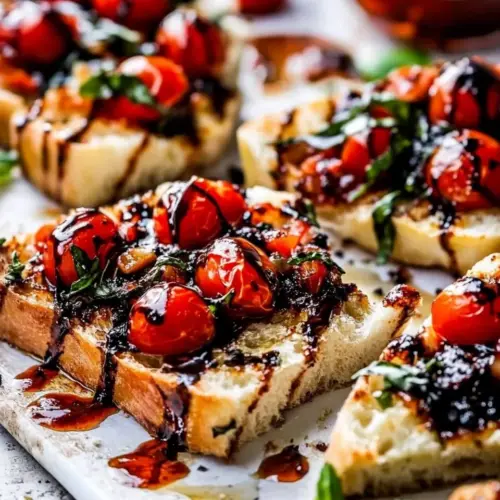
Caprese Garlic Bread is the kind of recipe I reach for when I want something that feels fancy but comes together in a heartbeat. The first time I made it I was rushing to bring a shareable snack to a summer evening with friends, and the warm, cheesy slices vanished before I could sit down. I remember the bright hit of basil against sweet tomato, and how the balsamic glaze pooled on the plate like tiny gems. That contrast of warm, toasty bread and cool, milky mozzarella still makes me smile.
Since then I’ve turned this into my go to for casual entertaining, weekday dinners stretched into something special, and even tray bakes for picnics. I love how the simple ingredients behave together: the butter and garlic soak into the crumb, the mozzarella melts into gooey ribbons, and the tomato basil mix stays bright and fresh. Whenever guests ask for the recipe, I tell them it is proof that a few quality ingredients can make an unforgettable bite.
Recipe Snapshot
25 mins
10 mins
15 mins
Easy
300 kcal
Italian
Gluten-Free, Keto
Appetizers
Oven, Skillet, Small saucepan
The Magic of This Caprese Garlic Bread
Fresh, familiar flavors
I adore how Caprese Garlic Bread takes classic Caprese components and turns them into something shareable. The interplay between juicy grape tomatoes and aromatic basil keeps every bite lively, so you rarely reach for a palate cleanser. When I serve this, people immediately recognize the flavors, and that familiarity comforts them while surprising them with the crunchy, buttery foundation.
Speed without sacrifice
One reason I keep this recipe in heavy rotation is its speed. From chopping to the table in under half an hour, it proves you do not need hours to impress. I like offering this when guests arrive a little early, because it bakes quickly and still tastes like you labored over it. You get roasted tomato sweetness, melted mozzarella, and a glossy balsamic glaze, all with minimal hands on time.
Textural contrast
The crunchy, toasted crust against soft, melted cheese and juicy tomato is what keeps me coming back. I pay attention to how the ciabatta soaks up butter yet stays sturdy enough to hold toppings. That balance makes each bite satisfying, so nobody complains about soggy slices. I also love how the glaze adds a silky finish that ties everything together.
Flexible and forgiving
I appreciate recipes that adapt to what I have on hand. This one lets you choose between sliced or shredded mozzarella, and you can easily scale it for a crowd. When I am improvising, small swaps do not wreck the result. That forgiving nature makes it a weekday favorite and a party reliable option.
Great for gatherings
Finally, Caprese Garlic Bread is inherently social. It is easy to assemble on a sheet tray and serve family style. I find that its bright, shareable profile fits summer patios, casual dinners, and potlucks equally well. It invites conversation, and that is a reason I bring it back to the table again and again.
Essential Ingredients for Caprese Garlic Bread
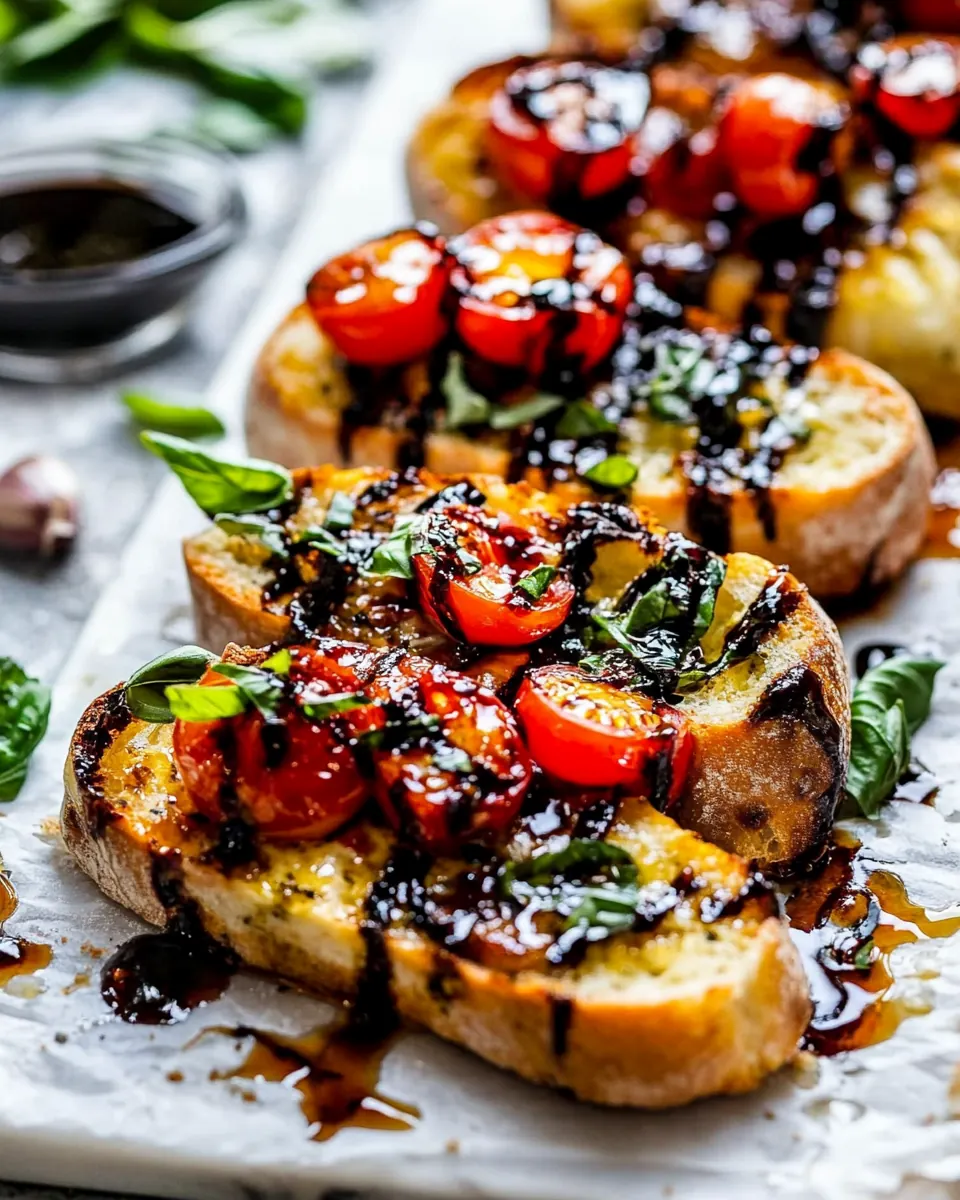
These components are intentionally simple, each playing a clear role. The base of sturdy ciabatta soaks up the savory butter and garlic, while mozzarella provides melty richness. Bright grape tomatoes and fragrant basil bring freshness, and the balsamic glaze finishes with concentrated sweetness and acidity. Together they balance texture, temperature, and flavor.
- 1 teaspoon olive oil: Lightly coats bread or vegetables to prevent sticking and to add a fruity, slightly peppery flavor; useful for sautéing garlic before assembling the dish. Adds moisture to toasted bread and helps carry other flavors across the loaf.
- 2 teaspoons garlic minced, 2 large cloves garlic: Finely flavors the dish with a pungent, aromatic bite; mincing releases oils that infuse olive oil and butter for a robust savory base. Provides depth to both the tomato topping and the garlic butter spread.
- 1 cup grape tomatoes halved: Provides bright, juicy acidity and fresh sweetness when halved, contributing texture and color contrast to the assembled bread. Releases flavorful juices when mixed with basil and salt, balancing the cheese and balsamic components.
- 1/2 cup fresh basil leaves stems removed, finely sliced or shredded: Adds an aromatic, slightly peppery herbal freshness when stems are removed and leaves are thinly sliced; helps lift the rich cheese and tomato flavors. Serves as a classic Caprese element that brightens each bite and enhances presentation.
- 1 pinch salt (optional): Enhances and balances the sweetness and acidity of tomatoes and balsamic components with a small amount of seasoning; optional to adjust to personal taste. Helps draw out tomato juices and unify the overall flavor profile.
- 1 cup fresh mozzarella cheese slice thinly into rounds, or shredded mozzarella cheese: Melts into a creamy, milky layer that provides rich, gooey texture and mild saltiness when sliced thin or shredded and broiled. Acts as the primary melty binding element that contrasts with crisp toasted bread and fresh toppings.
- 1 loaf Ciabatta sliced into 8 slices: Provides the crunchy, chewy base for the dish when sliced into portions; ciabatta holds up well to toppings and toasting without becoming soggy. Offers a rustic texture and airy crumb ideal for absorbing garlic butter and balsamic reduction.
- 1 cup balsamic vinegar: Reduces to a sweet, tangy glaze when simmered with sugar to make a balsamic reduction; supplies concentrated acidity and complex sweetness to finish the dish. Adds a glossy, flavorful drizzle that complements tomatoes and mozzarella.
- 1/4 cup sugar: Combines with balsamic vinegar to create a syrupy reduction that balances acidity with sweetness; dissolves during simmering to produce a caramelized glaze. Helps thicken and sweeten the balsamic for a concentrated finishing sauce.
- 1/2 cup butter: Creates a rich, spreadable base when melted and mixed with garlic; adds buttery flavor and helps toast the bread to golden perfection. Enhances mouthfeel and provides a comforting richness that complements fresh toppings.
- 2 cloves garlic minced: Imparts an additional layer of fresh pungency when minced and incorporated into the butter or topping; reinforces garlic flavor throughout the recipe. Works well mixed into the spread or sprinkled on top before toasting for aromatic impact.
- 2 tablespoons fresh parsley chopped: Contributes bright herbaceousness and color when chopped and mixed into butter or sprinkled over the finished bread; balances richness with freshness. Provides a subtle clean finish and aroma that complements basil and garlic.
- 1 pinch salt to taste: Adjusts seasoning to personal preference when added sparingly to the tomato and cheese components; balances sweetness and acidity. Used to taste to enhance overall flavor without overpowering the fresh ingredients.
Directions for Caprese Garlic Bread
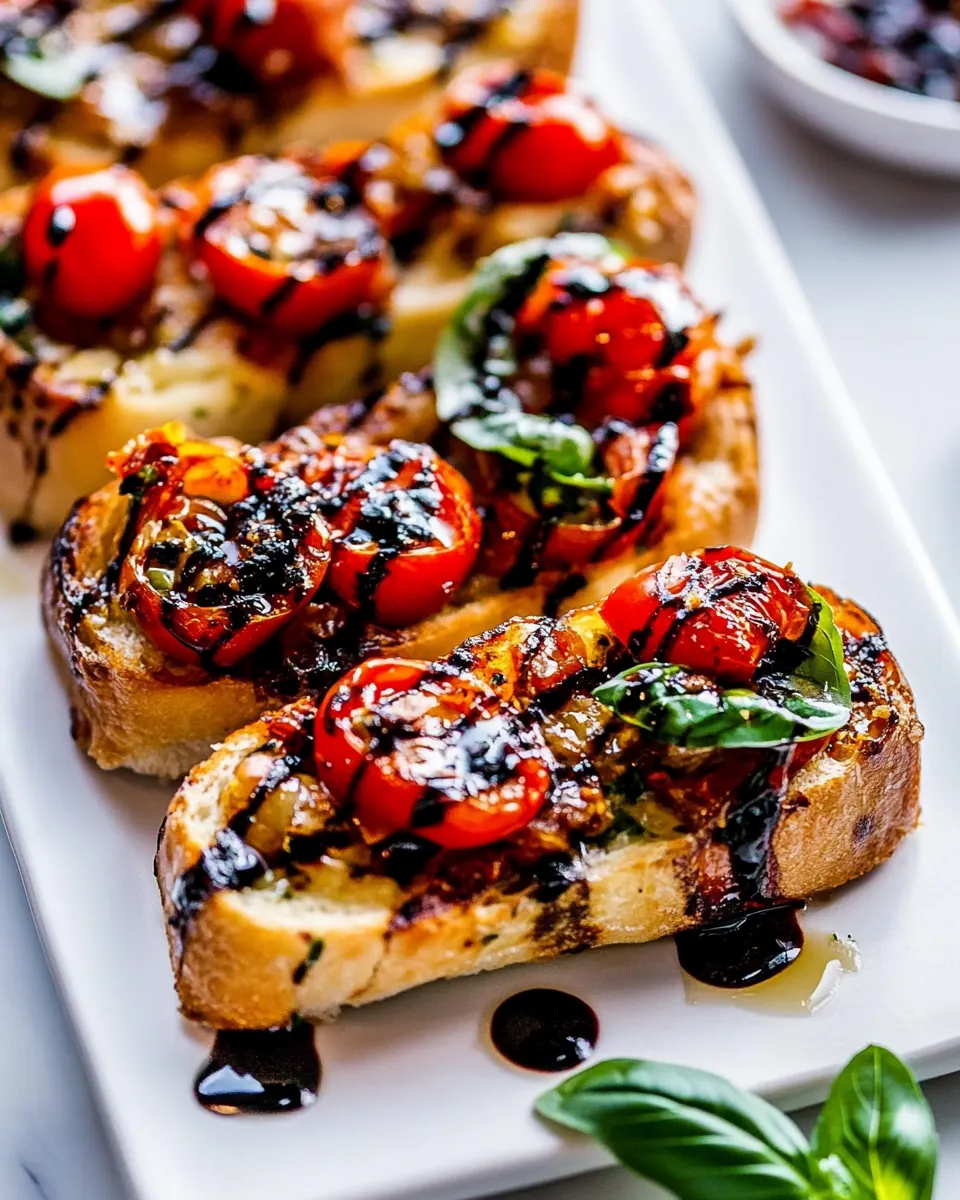
This recipe is approachable and rewarding, and the directions below will walk you through assembly to finish. I like to line up my components before I start so the process feels fluid, and I keep an eye on the oven during broiling because cheese can go from perfectly melted to over browned quickly. Below are detailed steps that highlight what to watch and why each task matters.
- Preheat your oven to broil or grill setting on medium heat.: As you heat the oven you will notice a faint warmth in the air, and the racks will begin to glow gently when the element is ready. This higher heat source is crucial because it melts the mozzarella rapidly while crisping the top of the ciabatta without drying it out. One thing to avoid is placing the slices too close to the element, which can char the edges before the cheese softens; position the rack in the middle to upper third for even results. You will also want to let the oven preheat fully so the first batch receives consistent heat rather than a slow ramp that affects texture.
- Heat oil in a skillet or pan over medium-high heat. Sauté the tomatoes and basil; cook until the tomatoes are slightly blistered and soft. Add the garlic and cook until fragrant (30 seconds).: When the oil shimmers and becomes aromatic, the tomatoes will begin to sizzle and soften, releasing sweet juices that create a concentrated, jam like scent. The basil will wilt and perfume the pan, while the brief hit of minced garlic should be added last so it remains bright; overcooking garlic at this stage will make it bitter and dry. Listen for gentle popping as the tomato skins blister, and watch for the color shift from pale to deeper red, which signals the right moment to remove from heat. A common pitfall is crowding the pan, which steams the tomatoes rather than blistering them, so use a skillet that gives them space.
- Spread the garlic butter over each slice of bread and top with 1 slice of cheese (or just enough to cover the bread).: When you brush the softened, aromatic butter onto the ciabatta , you should feel the bread yield slightly as it absorbs the fat, and the surface will take on a glossy sheen. The heat from the butter helps to pull the garlic aroma into the crumb. Placing a thin layer of mozzarella on top creates a barrier that melts into a tender sheet rather than sinking into the bread. Be careful not to overload with butter, since too much can make the slices soggy rather than crisping the edges. Dab excess butter from the plate before baking.
- Broil (grill) until the cheese has melted.: Under the broiler you will hear a soft bubbling as the mozzarella loosens into an elastic, glossy blanket, and the bread edges will become golden and lightly crisp. Keep the oven door slightly ajar only if you need to observe, otherwise monitor through the window because the transformation happens fast under direct heat. The visual cue to pull them is when the cheese is uniformly melted and begins to show the faintest hint of golden spots. Avoid leaving them unattended, as broiling can quickly shift from perfect to overdone.
- Top bread with tomatoes, season with salt (if needed) and drizzle over the glaze.: As you spoon the warm tomato and basil mixture onto the melty cheese , the contrast between warm bread and bright topping will be immediately obvious in aroma and texture. A light sprinkle of salt will elevate the tomato sweetness and balance the glaze, but taste first because the other elements might supply enough seasoning. Drizzle the balsamic glaze in a slow, steady stream so it forms glossy ribbons rather than pooling too much in one spot. One mistake to avoid is piling on the tomato so high that the slices become difficult to handle; aim for a harmonious stack that stays elegant.
- Pour vinegar into a small, nonstick saucepan. Bring to a boil over medium heat while stirring occasionally until the glaze coats your spoon and thickens to a syrupy consistency, (it will also be reduced by half). Remove from the stove and allow to cool. Makes 1/2 cup glaze.: As the balsamic vinegar and sugar simmer, the aroma will deepen into a rich, sweet tang, and steam will rise in a fragrant ribbon from the pan. The transformation from thin liquid to glossy glaze is visible and tactile when it coats the back of a spoon and leaves a trail when you drag your finger through it. Stir gently to prevent the sugars from scorching on the pan sides, and watch closely toward the end because the mixture thickens quickly. Letting it cool will thicken it further and make it easier to control when drizzling. A common error is boiling too rapidly, which can turn the sugars bitter, so use moderate heat and patience.
Recipe Tips about Caprese Garlic Bread
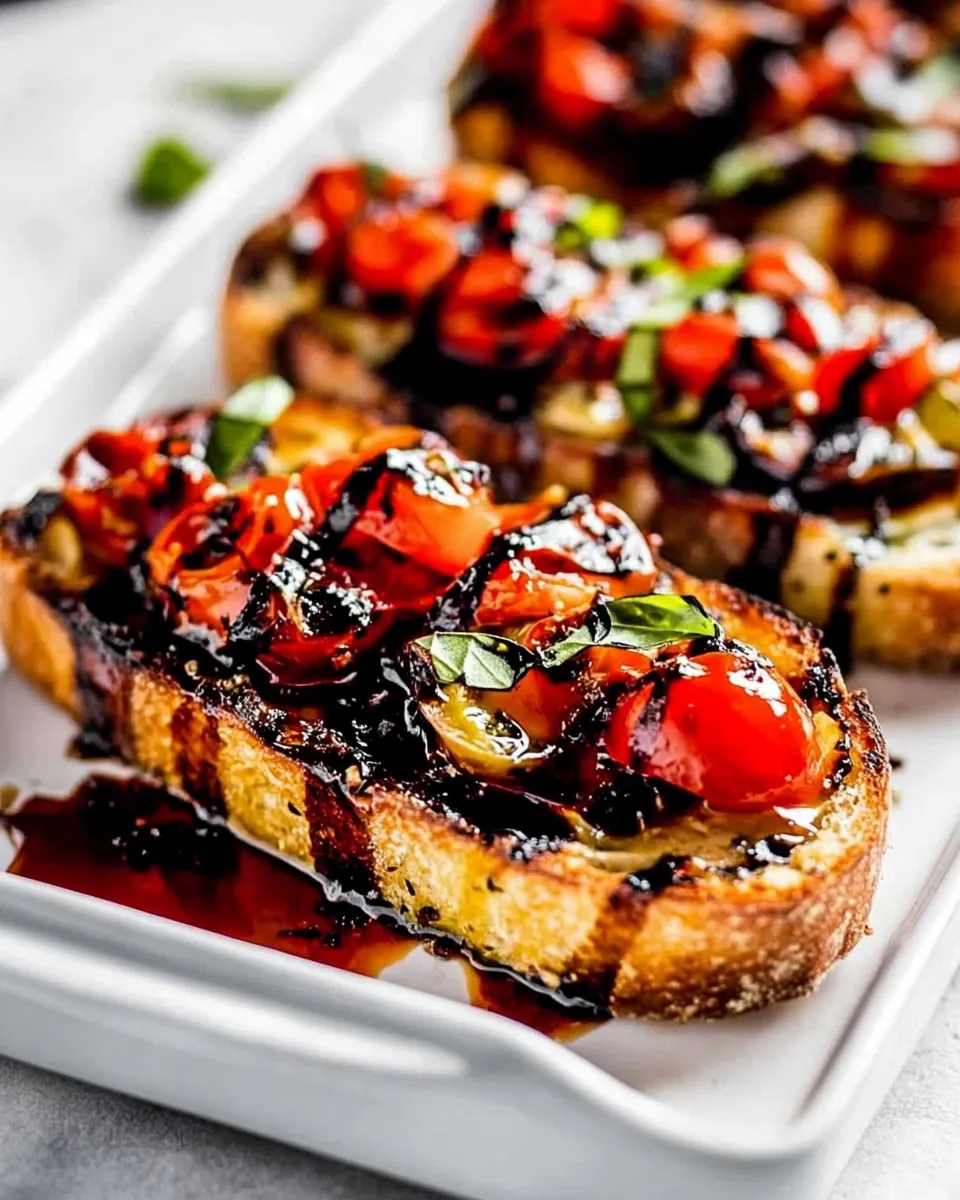
I like to collect little habits that make this recipe turn out reliably. Below are practical tips I use every time I make Caprese Garlic Bread, expanded into actionable steps you can adopt. These will help with texture, timing, and presentation so the final tray looks as good as it tastes.
- Use room temperature mozzarella to help it melt quickly and evenly without cooling the bread when you place it on top.
- Pat tomatoes dry if very juicy to avoid excess moisture that can make the bread soggy; gently blot with a paper towel before halving and sautéing.
- Brush edges with butter only so they get extra crisp without saturating the center, giving you a nice contrast between crust and crumb.
- Watch the glaze closely near the end as it can go from syrupy to burnt in moments, reduce on medium heat and test by coating a spoon.
- Assemble just before serving so the topping stays fresh and the bread retains its crispness, especially if hosting a gathering.
How to Enjoy Caprese Garlic Bread
This is a friendly, shareable dish that suits many moments. Whether you serve it as an appetizer, a side, or a light meal, the freshness of the tomato and basil keeps it feeling summery. Below are serving suggestions, storage notes, and occasion ideas organized to help you match the dish to the moment.
- As an appetizer lay slices on a large platter so guests can grab them easily at cocktail hour or before dinner.
- For a casual dinner pair with a simple green salad and a bowl of olives for a balanced, no fuss meal.
- At outdoor gatherings make the glaze ahead and finish topping on site so the bread stays crisp and bright.
- Storage tip cool completely then store in an airtight container in the refrigerator for up to two days; reheat briefly in a warm oven to refresh crispness.
- Occasion perfect for summer patios, potlucks, or whenever you want a quick crowd pleasing shareable.
- Seasonal pairing highlight fresh tomatoes and basil in summer, and keep extras of the glaze for drizzling over other grilled vegetables or cheeses.
FAQ
Conclusion
This Caprese Garlic Bread shines because it transforms a few fresh ingredients into a shareable, flavor packed treat. The combination of warm, buttery ciabatta, gooey mozzarella, blistered tomatoes, and a sweet tangy glaze makes each bite feel thoughtfully crafted. Give it a try the next time you want something quick that still wows guests, and enjoy how easy it is to bring classic Italian flavors to a simple slice of bread. It is one of those dishes that makes hosting feel effortless and memorable.
Caprese Garlic Bread
Equipment
- Oven
- Skillet
- Small Saucepan
Ingredients
- 1 teaspoon olive oil Lightly coats bread or vegetables to prevent sticking and to add a fruity, slightly peppery flavor; useful for sautéing garlic before assembling the dish. Adds moisture to toasted bread and helps carry other flavors across the loaf.
- 2 teaspoons garlic minced, 2 large cloves garlic Finely flavors the dish with a pungent, aromatic bite; mincing releases oils that infuse olive oil and butter for a robust savory base. Provides depth to both the tomato topping and the garlic butter spread.
- 1 cup grape tomatoes halved Provides bright, juicy acidity and fresh sweetness when halved, contributing texture and color contrast to the assembled bread. Releases flavorful juices when mixed with basil and salt, balancing the cheese and balsamic components.
- 1/2 cup fresh basil leaves stems removed, finely sliced or shredded Adds an aromatic, slightly peppery herbal freshness when stems are removed and leaves are thinly sliced; helps lift the rich cheese and tomato flavors. Serves as a classic Caprese element that brightens each bite and enhances presentation.
- 1 pinch salt optional Enhances and balances the sweetness and acidity of tomatoes and balsamic components with a small amount of seasoning; optional to adjust to personal taste. Helps draw out tomato juices and unify the overall flavor profile.
- 1 cup fresh mozzarella cheese slice thinly into rounds, or shredded mozzarella cheese Melts into a creamy, milky layer that provides rich, gooey texture and mild saltiness when sliced thin or shredded and broiled. Acts as the primary melty binding element that contrasts with crisp toasted bread and fresh toppings.
- 1 loaf Ciabatta sliced into 8 slices Provides the crunchy, chewy base for the dish when sliced into portions; ciabatta holds up well to toppings and toasting without becoming soggy. Offers a rustic texture and airy crumb ideal for absorbing garlic butter and balsamic reduction.
- 1 cup balsamic vinegar Reduces to a sweet, tangy glaze when simmered with sugar to make a balsamic reduction; supplies concentrated acidity and complex sweetness to finish the dish. Adds a glossy, flavorful drizzle that complements tomatoes and mozzarella.
- 1/4 cup sugar Combines with balsamic vinegar to create a syrupy reduction that balances acidity with sweetness; dissolves during simmering to produce a caramelized glaze. Helps thicken and sweeten the balsamic for a concentrated finishing sauce.
- 1/2 cup butter Creates a rich, spreadable base when melted and mixed with garlic; adds buttery flavor and helps toast the bread to golden perfection. Enhances mouthfeel and provides a comforting richness that complements fresh toppings.
- 2 cloves garlic minced Imparts an additional layer of fresh pungency when minced and incorporated into the butter or topping; reinforces garlic flavor throughout the recipe. Works well mixed into the spread or sprinkled on top before toasting for aromatic impact.
- 2 tablespoons fresh parsley chopped Contributes bright herbaceousness and color when chopped and mixed into butter or sprinkled over the finished bread; balances richness with freshness. Provides a subtle clean finish and aroma that complements basil and garlic.
- 1 pinch salt to taste Adjusts seasoning to personal preference when added sparingly to the tomato and cheese components; balances sweetness and acidity. Used to taste to enhance overall flavor without overpowering the fresh ingredients.
Instructions
- Preheat your oven to broil or grill setting on medium heat.: As you heat the oven you will notice a faint warmth in the air, and the racks will begin to glow gently when the element is ready. This higher heat source is crucial because it melts the mozzarella rapidly while crisping the top of the ciabatta without drying it out. One thing to avoid is placing the slices too close to the element, which can char the edges before the cheese softens; position the rack in the middle to upper third for even results. You will also want to let the oven preheat fully so the first batch receives consistent heat rather than a slow ramp that affects texture.
- Heat oil in a skillet or pan over medium-high heat. Sauté the tomatoes and basil; cook until the tomatoes are slightly blistered and soft. Add the garlic and cook until fragrant (30 seconds).: When the oil shimmers and becomes aromatic, the tomatoes will begin to sizzle and soften, releasing sweet juices that create a concentrated, jam like scent. The basil will wilt and perfume the pan, while the brief hit of minced garlic should be added last so it remains bright; overcooking garlic at this stage will make it bitter and dry. Listen for gentle popping as the tomato skins blister, and watch for the color shift from pale to deeper red, which signals the right moment to remove from heat. A common pitfall is crowding the pan, which steams the tomatoes rather than blistering them, so use a skillet that gives them space.
- Spread the garlic butter over each slice of bread and top with 1 slice of cheese (or just enough to cover the bread).: When you brush the softened, aromatic butter onto the ciabatta , you should feel the bread yield slightly as it absorbs the fat, and the surface will take on a glossy sheen. The heat from the butter helps to pull the garlic aroma into the crumb. Placing a thin layer of mozzarella on top creates a barrier that melts into a tender sheet rather than sinking into the bread. Be careful not to overload with butter, since too much can make the slices soggy rather than crisping the edges. Dab excess butter from the plate before baking.
- Broil (grill) until the cheese has melted.: Under the broiler you will hear a soft bubbling as the mozzarella loosens into an elastic, glossy blanket, and the bread edges will become golden and lightly crisp. Keep the oven door slightly ajar only if you need to observe, otherwise monitor through the window because the transformation happens fast under direct heat. The visual cue to pull them is when the cheese is uniformly melted and begins to show the faintest hint of golden spots. Avoid leaving them unattended, as broiling can quickly shift from perfect to overdone.
- Top bread with tomatoes, season with salt (if needed) and drizzle over the glaze.: As you spoon the warm tomato and basil mixture onto the melty cheese , the contrast between warm bread and bright topping will be immediately obvious in aroma and texture. A light sprinkle of salt will elevate the tomato sweetness and balance the glaze, but taste first because the other elements might supply enough seasoning. Drizzle the balsamic glaze in a slow, steady stream so it forms glossy ribbons rather than pooling too much in one spot. One mistake to avoid is piling on the tomato so high that the slices become difficult to handle; aim for a harmonious stack that stays elegant.
- Pour vinegar into a small, nonstick saucepan. Bring to a boil over medium heat while stirring occasionally until the glaze coats your spoon and thickens to a syrupy consistency, (it will also be reduced by half). Remove from the stove and allow to cool. Makes 1/2 cup glaze.: As the balsamic vinegar and sugar simmer, the aroma will deepen into a rich, sweet tang, and steam will rise in a fragrant ribbon from the pan. The transformation from thin liquid to glossy glaze is visible and tactile when it coats the back of a spoon and leaves a trail when you drag your finger through it. Stir gently to prevent the sugars from scorching on the pan sides, and watch closely toward the end because the mixture thickens quickly. Letting it cool will thicken it further and make it easier to control when drizzling. A common error is boiling too rapidly, which can turn the sugars bitter, so use moderate heat and patience.
Notes
- Use room temperature mozzarella to help it melt quickly and evenly without cooling the bread when you place it on top.
- Pat tomatoes dry if very juicy to avoid excess moisture that can make the bread soggy; gently blot with a paper towel before halving and sautéing.
- Brush edges with butter only so they get extra crisp without saturating the center, giving you a nice contrast between crust and crumb.
- Watch the glaze closely near the end as it can go from syrupy to burnt in moments, reduce on medium heat and test by coating a spoon.
- Assemble just before serving so the topping stays fresh and the bread retains its crispness, especially if hosting a gathering.
