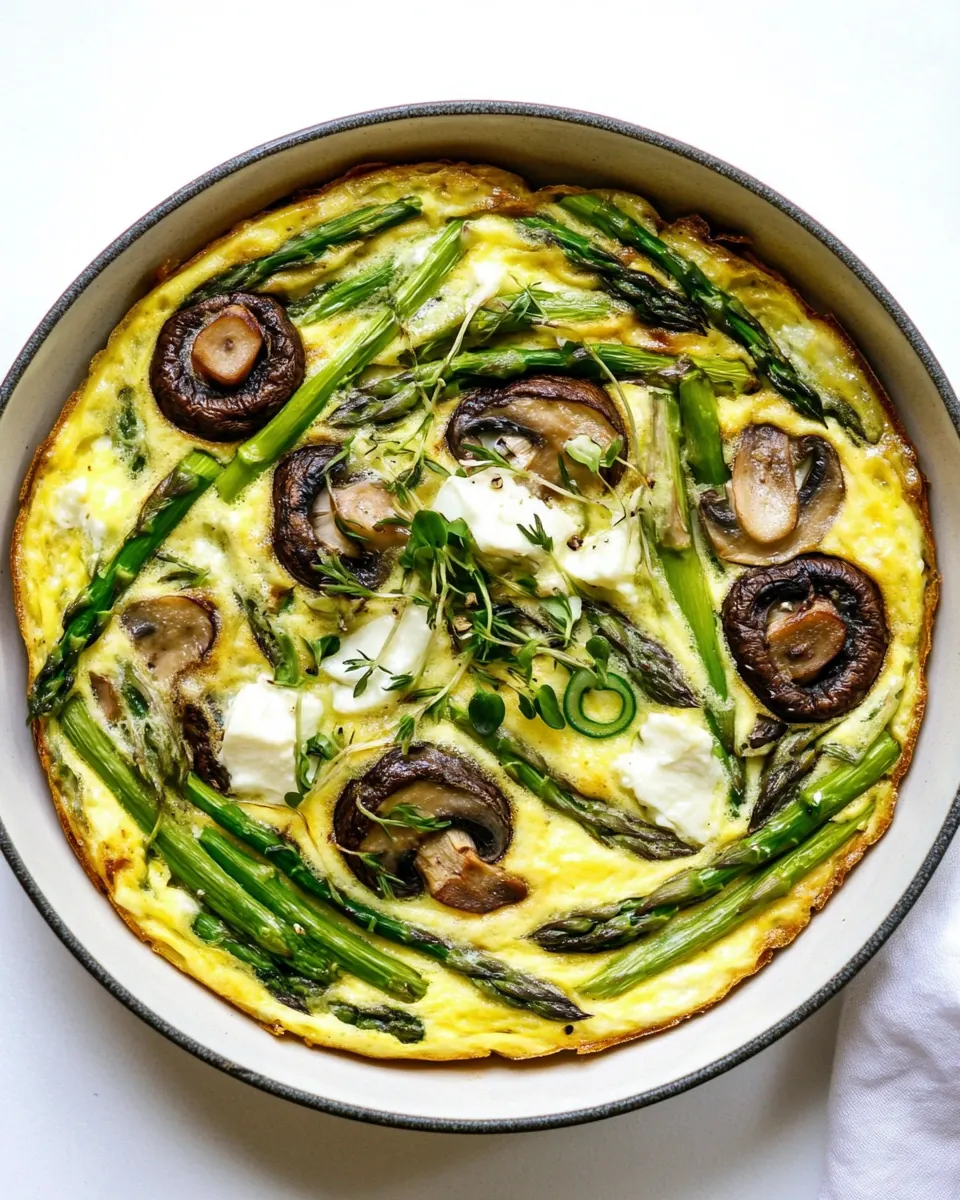
Asparagus and Mushroom Frittata with Goat Cheese
Asparagus and Mushroom Frittata with Goat Cheese is one of those breakfasts I turn to when I want something that feels both simple and a little indulgent. The first time I made it, I was racing to get out the door but wanted something that tasted like I had a chef in the kitchen. I remember the steam rising as I lifted the lid, the scent of sautéed mushrooms mingling with bright, green asparagus, and the soft tang of goat cheese melting into the custardy eggs. It immediately became my favorite single plate meal for busy mornings and lazy brunches alike.
I’ve learned to cherish recipes that require minimal fuss yet reward you with depth of flavor, and this Asparagus and Mushroom Frittata with Goat Cheese fits that bill perfectly. I don’t always have the patience for complicated techniques, so I love how this comes together with a quick sauté, a whisk, and a brief stint under the broiler to puff and finish. Over time I’ve adjusted heat and timing to coax out the most from the vegetables without losing that tender, creamy interior. When friends drop by unexpectedly, I’ll often whip this up and serve it at room temperature, which somehow feels both intimate and effortless.
What I appreciate most about this dish is how forgiving it is. You can change quantities slightly, swap small details, and still end up with a glorious, sliceable frittata. The little crunch of the asparagus pieces contrasts so well with the velvety eggs and creamy pockets of goat cheese, and the mushrooms bring an earthy backbone that grounds the whole thing. It’s become my go to when I want something nourishing, quick, and worth savoring.
Recipe Snapshot
15 mins
5 mins
10 mins
Easy
200 kcal
American
Gluten-Free, Keto
Breakfast
Nonstick Frying Pan, Oven Broiler or Toaster Oven, Mixing Bowl, Whisk
What’s Great About This Asparagus and Mushroom Frittata with Goat Cheese
1. Fast and Impressive
I love that Asparagus and Mushroom Frittata with Goat Cheese comes together in minutes yet looks like you fussed for an hour. The quick sauté of mushrooms and asparagus builds layers of flavor fast, and the final broil gives a restaurant worthy finish. If you are short on time, this dish gives maximum payoff with minimal effort.
2. Balanced Textures and Flavors
We get a brilliant balance here: tender, slightly crisp asparagus, meaty mushrooms, creamy pockets of goat cheese, and custardy eggs. That contrast keeps every bite interesting, so you never feel like you are eating the same mouthful twice. I often note how the tang of the cheese brightens the whole dish, cutting through the richness of the eggs.
3. Perfect for Solo Meals or Sharing
This recipe scales naturally. I routinely make it for one when I want a nourishing solo meal, yet it slices into wedges for sharing. I’ve brought it to impromptu brunches, and it always lands well because it travels easily and tastes great warm or at room temperature.
4. Minimal Equipment Needs
You don’t need a fancy setup to make this shine. A small nonstick pan and your oven broiler are all you need. I appreciate recipes that keep the tool list short, especially on hectic mornings. That simplicity lets the quality of the ingredients show through.
5. Seasonal and Fresh
When asparagus is in season, it transforms the dish into something bright and spring forward. I love leaning into seasonal produce, and this frittata is a great canvas for the freshest stalks and earthy mushrooms. The result is homey, fresh, and full of personality.
What to Buy for Asparagus and Mushroom Frittata with Goat Cheese
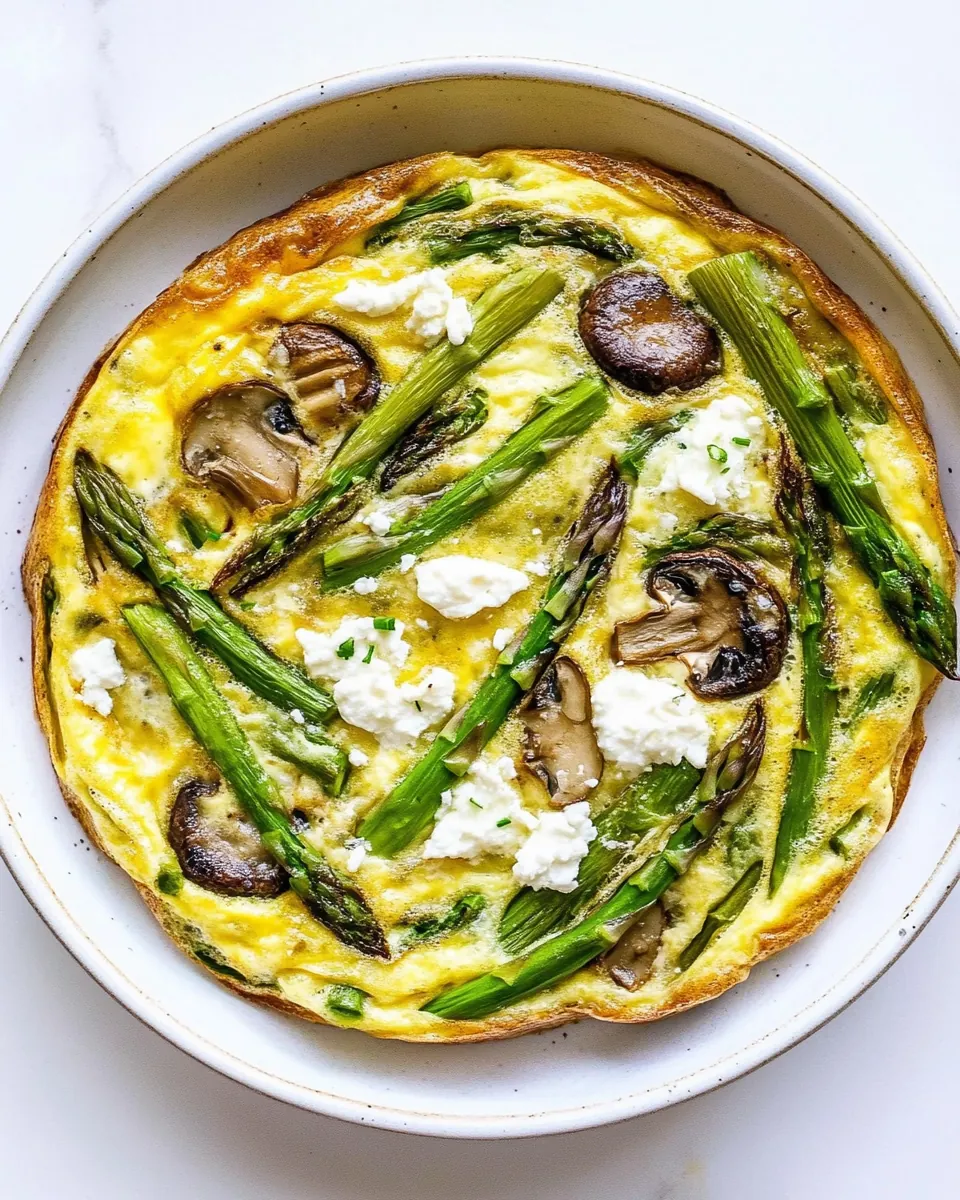
This ingredient list is built around a simple philosophy: let quality small items shine. The key players are the eggs for a silky custard, the sautéed mushrooms and crisp asparagus for texture, and the tangy goat cheese to elevate every bite. A little butter and green onion finish the dish with aroma and richness.
- 2 eggs: Whisk together to create the egg base that binds and provides structure for the frittata; gently beaten eggs yield a tender, custardy texture when cooked slowly and evenly. Season lightly before pouring to ensure uniform flavor throughout the dish.
- 1 teaspoon water, (or milk): Add to the eggs to help loosen the mixture and promote a silkier, more tender curd; milk or water both thin the eggs slightly and assist in even cooking without overpowering flavor. Use sparingly to avoid an overly runny mixture.
- pinch of kosher salt: Season subtly to enhance the natural flavors and balance richness; a pinch of kosher salt brings out the savory notes in eggs, vegetables, and cheese without becoming salty. Sprinkle into the beaten eggs and adjust at the end if needed.
- 1 tablespoon butter, (or Cooking spray): Melt to sauté vegetables and prevent sticking while contributing a rich, buttery flavor; butter adds depth and helps develop slight browning on mushrooms and asparagus. Alternatively, use cooking spray to reduce added fat for a lighter result.
- 3 brown mushrooms, sliced: Slice and sauté to impart an earthy, umami-rich component that adds texture and savory depth; browning mushrooms concentrates their flavor and complements the creamy eggs and goat cheese. Cook until tender and golden to maximize taste.
- 5 asparagus spears, trimmed and cut into 1/2-inch pieces: Trim and chop to provide a tender-crisp, slightly grassy element that brightens the frittata; short pieces distribute through the egg mixture for pleasant bites with varied texture. Quickly sauté to preserve color and slight snap.
- 1 tablespoon chopped green onion: Chop finely to add mild oniony aroma and delicate sharpness that lifts the overall flavor; green onion contributes freshness and a subtle bite when scattered through or atop the finished frittata. Add near the end of cooking to retain brightness.
- 2 tablespoons goat cheese: Crumble to introduce a tangy, creamy richness that contrasts the eggs and vegetables; goat cheese melts into pockets of savory, slightly goat-like flavor that elevate the dish. Scatter evenly for balanced creaminess in every forkful.
The Process for Making Asparagus and Mushroom Frittata with Goat Cheese
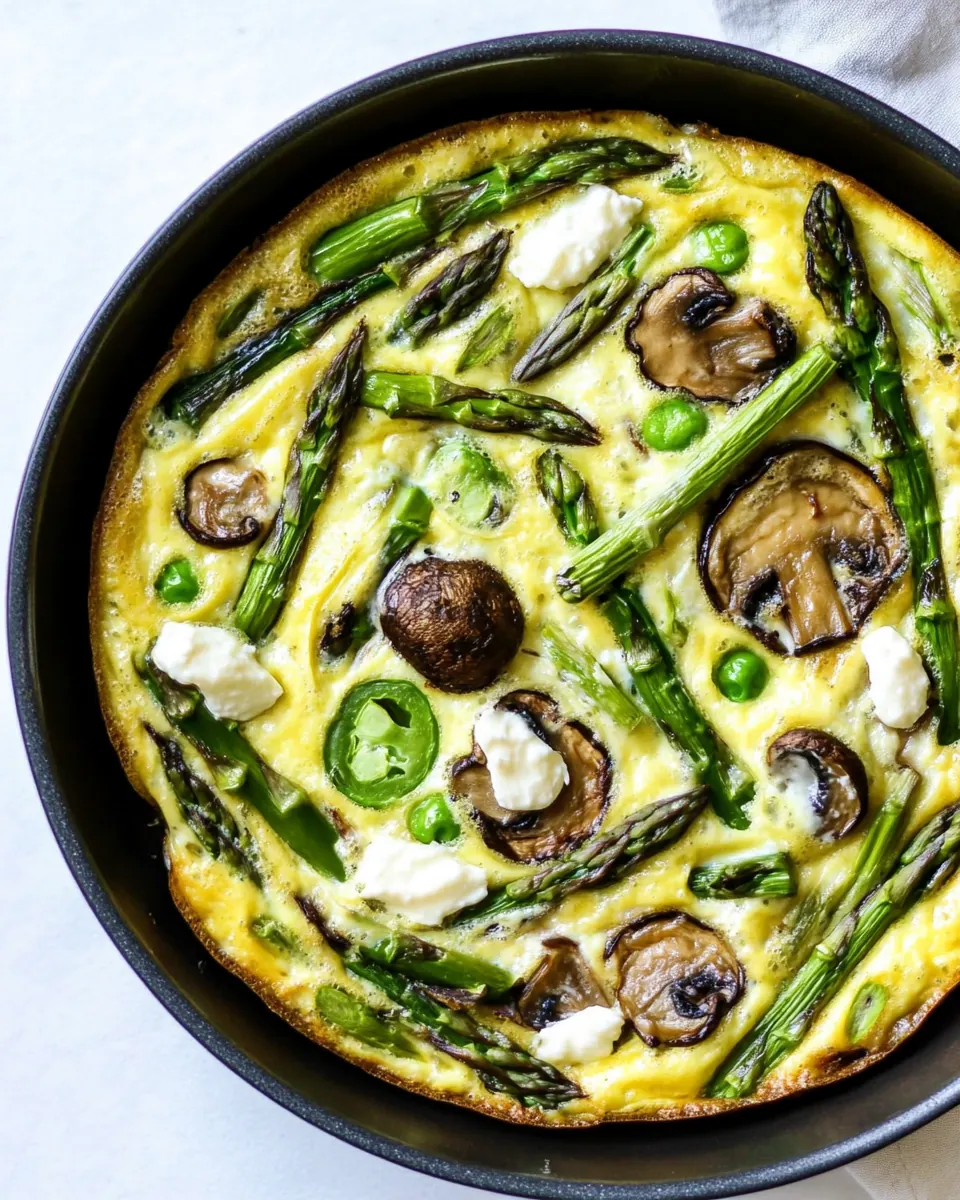
This recipe is straightforward, but timing and sensory cues make all the difference. I walk you through each moment so you can sense when it is right, what to listen for, and how to troubleshoot common issues. Follow the sequence and pay attention to the visual and aromatic cues.
- Preheat the oven or toaster oven to broil.: The air will warm and become ready to finish the top with direct heat, giving the frittata a lightly puffed, golden surface. You should smell a faint warm oven scent when you open the door, and the element will glow if your appliance is functioning normally. This final high heat cooks the top quickly while preserving a creamy interior. If you skip preheating, the frittata may take longer under the broiler and the center could overcook while waiting for the top to brown. Make sure the oven rack is positioned so the pan sits a few inches below the broiler for an even finish.
- Spray a 7- to 8-inch non-stick fry pan with cooking spray and warm on medium heat. Add the sliced mushrooms and cook for 2-3 minutes, turning once or twice. Add the asparagus and cook for 1-2 minutes more.: As the pan warms, you will hear a light sizzle when you add fat, and the surface should feel evenly hot to the touch at a safe distance. Warming the pan first helps the butter or spray coat properly, preventing sticking and encouraging quick browning of the mushrooms . If the pan is too cool, the vegetables will steam instead of sear, producing less flavor. Avoid using excessively high heat, which can burn the fat and create bitter notes.
- Whisk the eggs in a bowl with 1 teaspoon water and a pinch of kosher salt until light and frothy, then pour into the mushroom and asparagus mixture. Sprinkle with the green onion and the goat cheese.: The mushrooms will release moisture and then begin to concentrate and brown, producing a deep, savory aroma. You should see edges darken and a reduction in their size as water evaporates. Turn them sparingly so they develop a light sear but remain tender. A common pitfall is stirring constantly, which prevents browning and gives a bland result. Let them rest briefly on the hot surface to form color.
- Cook the eggs undisturbed until the edges begin to pull away from the edge of the pan and begin to set. Gently lift the edges of the egg and tilt the pan so the uncooked egg runs under the cooked part and cook for another minute or so.: When the asparagus hits the pan you will notice a brightening of scent, and the pieces will change to a more vivid green as they heat. They should become tender crisp in this short time, adding contrast to the softer mushrooms. Overcooking here will make them soft and sodden, losing the pleasant bite, so test one piece for texture. If the pan seems dry, add a dab of butter to prevent sticking and to boost aroma.
- Transfer the fry pan to the oven and broil for 2-3 minutes or until the eggs have puffed and have cooked through.: As you whisk, you want the eggs to gain volume and become slightly foamy, which yields a lighter interior. The added water helps steam and lift the mixture while cooking. Pouring the mixture should create an immediate soft sizzle as the edges hit the hot pan. If the eggs are under whisked, the texture can be uneven, so take a moment to froth them. Ensure the pan is level so the eggs distribute evenly around the vegetables.
- Remove from the oven and sprinkle with more goat cheese if desired. Cut into wedges and serve warm or at room temperature.: The green onion will lend a fresh, slightly peppery scent while the goat cheese fragments offer tangy, creamy pockets. Distribute them evenly so every slice has balance. If you mound too much cheese in one spot it may not melt evenly and could create cold pockets. Use crumbled cheese for better melting and distribution.
- Cook the eggs undisturbed until the edges begin to pull away from the edge of the pan and begin to set: At this stage you will see the outer rim firm up and the center remain slightly glossy and soft. That rim pulling away is a clear visual cue it is time to coax the unset egg underneath. This gentle, patient cook produces a tender set without drying out the interior. Rushing with high heat will push the center to overcook while the edges darken excessively.
- Gently lift the edges of the egg and tilt the pan so the uncooked egg runs under the cooked part and cook for another minute or so: You should hear a faint slosh and see the glossy liquid flow under the set portions, smoothing into place. This technique ensures even cooking and prevents a raw center while avoiding overfirm texture. If you skip this step, you risk leaving uncooked pockets or needing longer broiling to finish, which dries the surface. Use a spatula gently to avoid tearing the set edges.
- Transfer the fry pan to the oven and broil for 2 to 3 minutes or until the eggs have puffed and have cooked through: Under the broiler the top will rise slightly and develop a pale golden color, with the goat cheese softening into creamy dots. You should watch closely, because broilers can go from perfect to overdone quickly; expect a light bubbling sound and a warming sweet scent. If the top browns too fast, lower the rack or reduce broil time. Never leave it unattended during this step.
- Remove from the oven and sprinkle with more goat cheese if desired: Once out of the oven the frittata will settle as it cools, and the extra goat cheese will soften into cool creamy highlights. Allowing a short rest helps slices hold their shape when you cut wedges. A common mistake is slicing immediately while piping hot, which can cause the interior to run. Let the frittata rest a couple minutes for clean, tender slices.
- Cut into wedges and serve warm or at room temperature: Listen for the subtle change in texture as you slice, a gentle resistance that indicates set custard. Serving warm brings forward the aromas, while room temperature eating lets the flavors become more pronounced. Avoid refrigerating and serving cold right away, which dulls the aromas; if you plan ahead, serve at room temperature for best complexity.
Helpful Hints
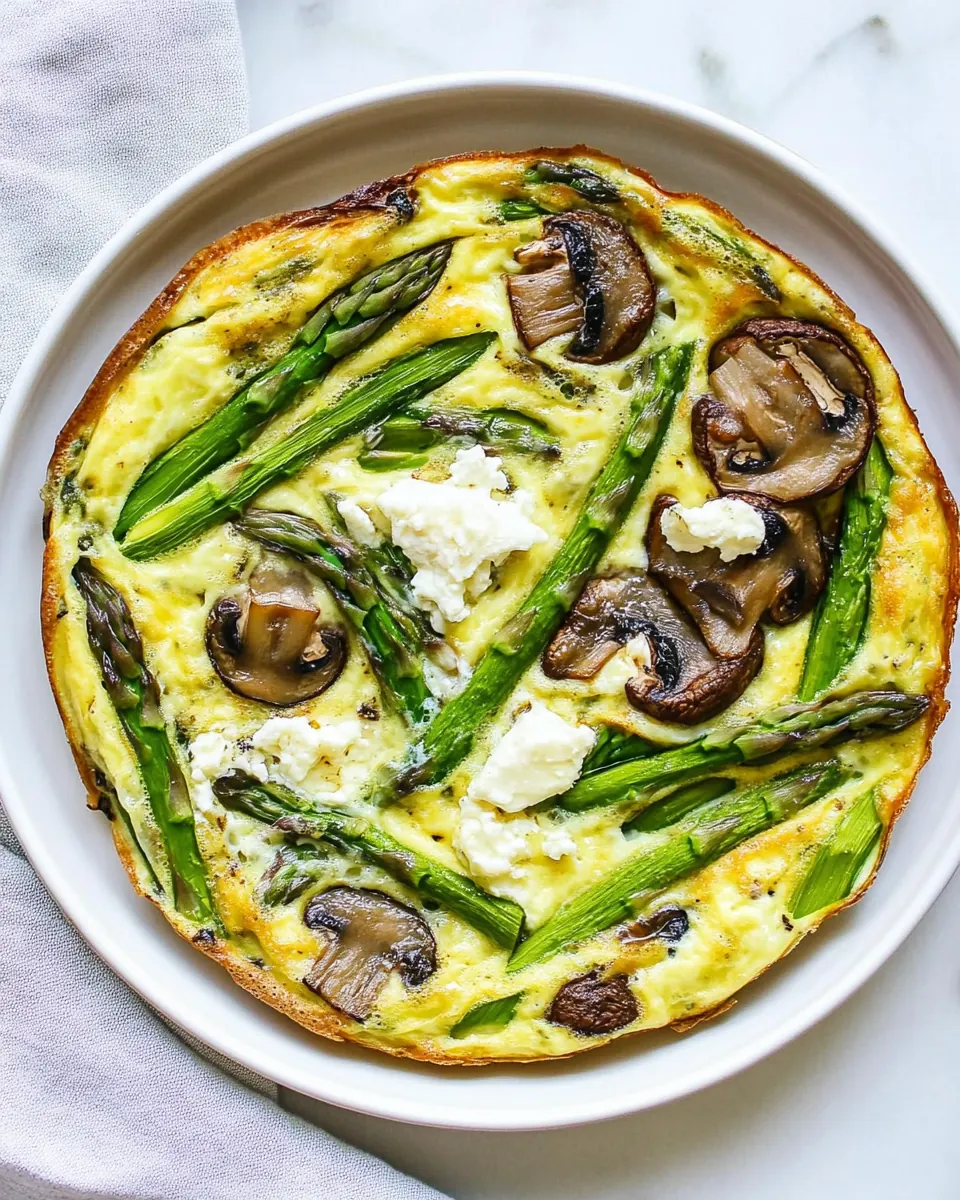
This short intro will guide how to get consistent results every time. Below, each hint begins with a strong lead that highlights the focus of the tip, followed by practical detail I have refined through repetition.
- Choose fresh eggs for the best texture and color, and let them come close to room temperature so they whisk up more easily and cook more evenly.
- Dry mushrooms well on a paper towel before slicing to reduce excess moisture, which helps them brown instead of steam in the pan.
- Trim asparagus properly by snapping or cutting off woody ends, then slice into uniform 1 2 inch pieces for consistent tenderness across all pieces.
- Use moderate heat during sautéing to coax flavor without burning, which preserves a sweet aroma and prevents bitter notes from developing.
- Whisk until slightly frothy so the eggs incorporate air, producing a lighter, more tender interior after cooking and broiling.
- Position the oven rack a few inches below the broiler element to ensure even browning without scorching the top in seconds.
Best Served With
This frittata is flexible when it comes to pairing, working beautifully as a stand alone meal or as part of a composed brunch. Think light, fresh accompaniments that echo the spring profile of the asparagus and the tang of goat cheese.
- Light greens such as a simple mixed salad dressed with lemon and olive oil make a bright counterpoint to the creamy frittata.
- Fresh fruit like berries or sliced stone fruit add a sweet contrast and keep the meal feeling balanced for midday serving.
- Whole grain toast provides a hearty vehicle to scoop up any remaining custard and adds a pleasant nutty texture on the side.
- Casual brunch gatherings are ideal occasions, because the frittata can be served warm or at room temperature and sliced into wedges for sharing.
- Picnic friendly serving works well, as the frittata travels and tastes great at room temperature, making it a good choice for outdoor meals in springtime.
- Storage tips include refrigeration in an airtight container for up to two days, and gently reheating in a warm oven to preserve texture without drying.
FAQ
Conclusion
This Asparagus and Mushroom Frittata with Goat Cheese stands out for its balance of textures and the bright tang of goat cheese against tender eggs and springy asparagus. It’s a straightforward, adaptable dish that feels special without demanding a lot of time. I encourage you to give it a try on a busy morning or for an easy brunch, and notice how a few quality ingredients transform into a satisfying, flavorful meal. Enjoy the ritual of cooking it, and don’t be afraid to make small adjustments to suit your taste.
Asparagus and Mushroom Frittata with Goat Cheese
Equipment
- Nonstick Frying Pan
- Oven Broiler or Toaster Oven
- Mixing Bowl
- Whisk
Ingredients
- 2 eggs Whisk together to create the egg base that binds and provides structure for the frittata; gently beaten eggs yield a tender, custardy texture when cooked slowly and evenly. Season lightly before pouring to ensure uniform flavor throughout the dish.
- 1 teaspoon water, (or milk) Add to the eggs to help loosen the mixture and promote a silkier, more tender curd; milk or water both thin the eggs slightly and assist in even cooking without overpowering flavor. Use sparingly to avoid an overly runny mixture.
- pinch of kosher salt Season subtly to enhance the natural flavors and balance richness; a pinch of kosher salt brings out the savory notes in eggs, vegetables, and cheese without becoming salty. Sprinkle into the beaten eggs and adjust at the end if needed.
- 1 tablespoon butter, (or Cooking spray) Melt to sauté vegetables and prevent sticking while contributing a rich, buttery flavor; butter adds depth and helps develop slight browning on mushrooms and asparagus. Alternatively, use cooking spray to reduce added fat for a lighter result.
- 3 brown mushrooms, sliced Slice and sauté to impart an earthy, umami-rich component that adds texture and savory depth; browning mushrooms concentrates their flavor and complements the creamy eggs and goat cheese. Cook until tender and golden to maximize taste.
- 5 asparagus spears, trimmed and cut into 1/2-inch pieces Trim and chop to provide a tender-crisp, slightly grassy element that brightens the frittata; short pieces distribute through the egg mixture for pleasant bites with varied texture. Quickly sauté to preserve color and slight snap.
- 1 tablespoon chopped green onion Chop finely to add mild oniony aroma and delicate sharpness that lifts the overall flavor; green onion contributes freshness and a subtle bite when scattered through or atop the finished frittata. Add near the end of cooking to retain brightness.
- 2 tablespoons goat cheese Crumble to introduce a tangy, creamy richness that contrasts the eggs and vegetables; goat cheese melts into pockets of savory, slightly goat-like flavor that elevate the dish. Scatter evenly for balanced creaminess in every forkful.
Instructions
- Preheat the oven or toaster oven to broil.: The air will warm and become ready to finish the top with direct heat, giving the frittata a lightly puffed, golden surface. You should smell a faint warm oven scent when you open the door, and the element will glow if your appliance is functioning normally. This final high heat cooks the top quickly while preserving a creamy interior. If you skip preheating, the frittata may take longer under the broiler and the center could overcook while waiting for the top to brown. Make sure the oven rack is positioned so the pan sits a few inches below the broiler for an even finish.
- Spray a 7- to 8-inch non-stick fry pan with cooking spray and warm on medium heat. Add the sliced mushrooms and cook for 2-3 minutes, turning once or twice. Add the asparagus and cook for 1-2 minutes more.: As the pan warms, you will hear a light sizzle when you add fat, and the surface should feel evenly hot to the touch at a safe distance. Warming the pan first helps the butter or spray coat properly, preventing sticking and encouraging quick browning of the mushrooms . If the pan is too cool, the vegetables will steam instead of sear, producing less flavor. Avoid using excessively high heat, which can burn the fat and create bitter notes.
- Whisk the eggs in a bowl with 1 teaspoon water and a pinch of kosher salt until light and frothy, then pour into the mushroom and asparagus mixture. Sprinkle with the green onion and the goat cheese.: The mushrooms will release moisture and then begin to concentrate and brown, producing a deep, savory aroma. You should see edges darken and a reduction in their size as water evaporates. Turn them sparingly so they develop a light sear but remain tender. A common pitfall is stirring constantly, which prevents browning and gives a bland result. Let them rest briefly on the hot surface to form color.
- Cook the eggs undisturbed until the edges begin to pull away from the edge of the pan and begin to set. Gently lift the edges of the egg and tilt the pan so the uncooked egg runs under the cooked part and cook for another minute or so.: When the asparagus hits the pan you will notice a brightening of scent, and the pieces will change to a more vivid green as they heat. They should become tender crisp in this short time, adding contrast to the softer mushrooms. Overcooking here will make them soft and sodden, losing the pleasant bite, so test one piece for texture. If the pan seems dry, add a dab of butter to prevent sticking and to boost aroma.
- Transfer the fry pan to the oven and broil for 2-3 minutes or until the eggs have puffed and have cooked through.: As you whisk, you want the eggs to gain volume and become slightly foamy, which yields a lighter interior. The added water helps steam and lift the mixture while cooking. Pouring the mixture should create an immediate soft sizzle as the edges hit the hot pan. If the eggs are under whisked, the texture can be uneven, so take a moment to froth them. Ensure the pan is level so the eggs distribute evenly around the vegetables.
- Remove from the oven and sprinkle with more goat cheese if desired. Cut into wedges and serve warm or at room temperature.: The green onion will lend a fresh, slightly peppery scent while the goat cheese fragments offer tangy, creamy pockets. Distribute them evenly so every slice has balance. If you mound too much cheese in one spot it may not melt evenly and could create cold pockets. Use crumbled cheese for better melting and distribution.
- Cook the eggs undisturbed until the edges begin to pull away from the edge of the pan and begin to set: At this stage you will see the outer rim firm up and the center remain slightly glossy and soft. That rim pulling away is a clear visual cue it is time to coax the unset egg underneath. This gentle, patient cook produces a tender set without drying out the interior. Rushing with high heat will push the center to overcook while the edges darken excessively.
- Gently lift the edges of the egg and tilt the pan so the uncooked egg runs under the cooked part and cook for another minute or so: You should hear a faint slosh and see the glossy liquid flow under the set portions, smoothing into place. This technique ensures even cooking and prevents a raw center while avoiding overfirm texture. If you skip this step, you risk leaving uncooked pockets or needing longer broiling to finish, which dries the surface. Use a spatula gently to avoid tearing the set edges.
- Transfer the fry pan to the oven and broil for 2 to 3 minutes or until the eggs have puffed and have cooked through: Under the broiler the top will rise slightly and develop a pale golden color, with the goat cheese softening into creamy dots. You should watch closely, because broilers can go from perfect to overdone quickly; expect a light bubbling sound and a warming sweet scent. If the top browns too fast, lower the rack or reduce broil time. Never leave it unattended during this step.
- Remove from the oven and sprinkle with more goat cheese if desired: Once out of the oven the frittata will settle as it cools, and the extra goat cheese will soften into cool creamy highlights. Allowing a short rest helps slices hold their shape when you cut wedges. A common mistake is slicing immediately while piping hot, which can cause the interior to run. Let the frittata rest a couple minutes for clean, tender slices.
- Cut into wedges and serve warm or at room temperature: Listen for the subtle change in texture as you slice, a gentle resistance that indicates set custard. Serving warm brings forward the aromas, while room temperature eating lets the flavors become more pronounced. Avoid refrigerating and serving cold right away, which dulls the aromas; if you plan ahead, serve at room temperature for best complexity.
Notes
- Choose fresh eggs for the best texture and color, and let them come close to room temperature so they whisk up more easily and cook more evenly.
- Dry mushrooms well on a paper towel before slicing to reduce excess moisture, which helps them brown instead of steam in the pan.
- Trim asparagus properly by snapping or cutting off woody ends, then slice into uniform 1 2 inch pieces for consistent tenderness across all pieces.
- Use moderate heat during sautéing to coax flavor without burning, which preserves a sweet aroma and prevents bitter notes from developing.
- Whisk until slightly frothy so the eggs incorporate air, producing a lighter, more tender interior after cooking and broiling.
- Position the oven rack a few inches below the broiler element to ensure even browning without scorching the top in seconds.