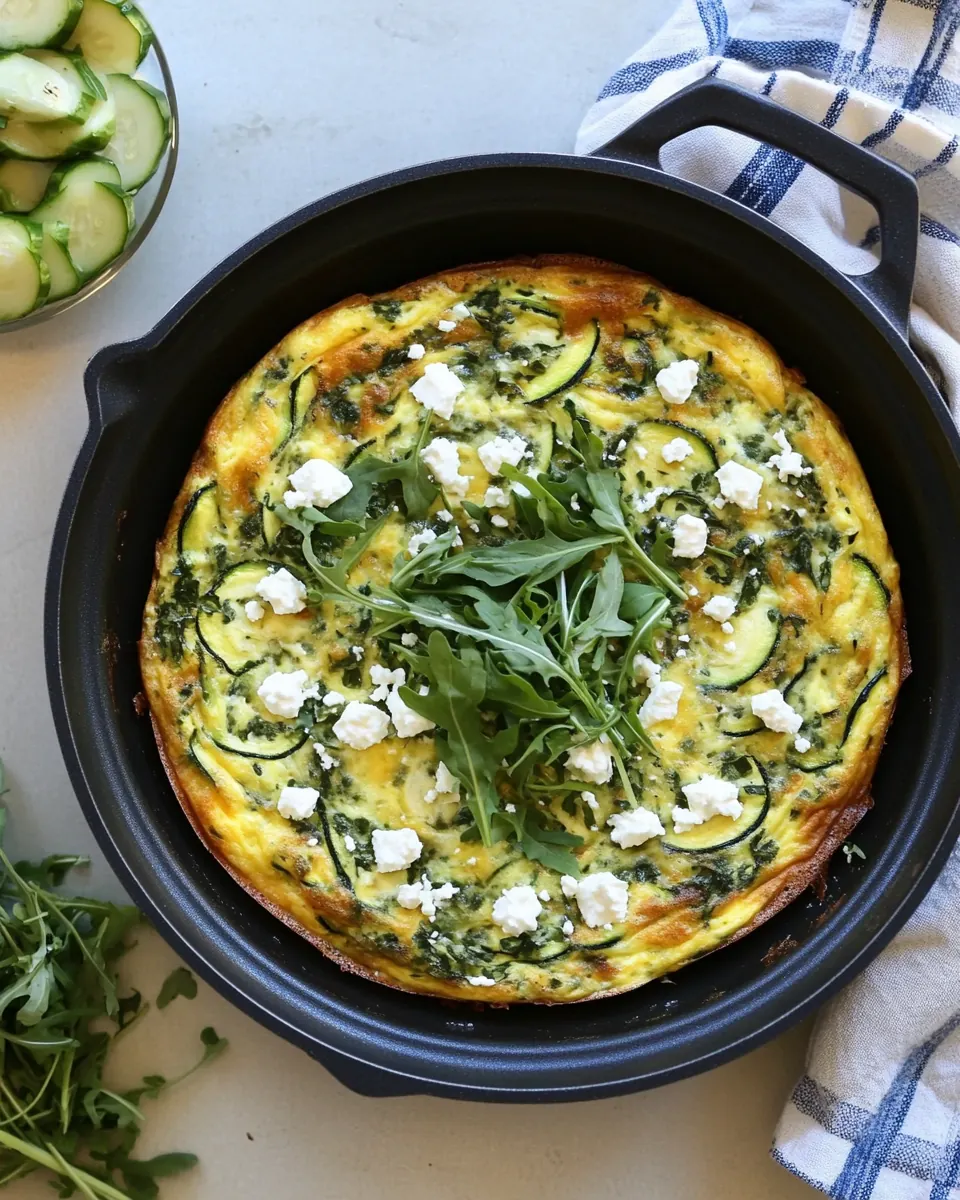
Zucchini Arugula and Feta Frittata
Zucchini Arugula and Feta Frittata is the sort of dish I reach for when I want something bright, rustic, and satisfying without a lot of fuss. The first time I made this, I was wrestling with an overflowing basket of zucchini from a friend who gardens with zeal, and a handful of peppery arugula that needed saving. I combined them with a few eggs and crumbled feta, and the result felt like a small triumph, a breezy weekday meal that somehow became my go to for casual entertaining.
There is a particular kind of calm that comes over me while grating zucchini, the soft drag of the grater, the fresh green scent rising up. When I toss in a generous handful of arugula, it wilts into the pan in seconds, releasing an almost nutty aroma that pairs beautifully with the salty tang of feta cheese. Making Zucchini Arugula and Feta Frittata has become my Sunday ritual when I want leftovers for a lively Monday morning, or a centerpiece for an easy brunch with friends.
I like to think of this recipe as forgiving and improvisational. If I have extra herbs, I toss them in. If I want a little more richness, I let the eggs sit a touch longer for creamier texture. The cast iron skillet I use gives the edges a little chew and a golden crust that always gets compliments. Overall, it is a straightforward recipe that rewards patience at a few small moments, and it always yields a comforting yet fresh result that feels special without being precious. It has become a weekend staple, and I hope it finds a place in your kitchen too.
Recipe Snapshot
1 hr 40 mins
70 mins
30 mins
Medium
250 kcal
Mediterranean
Keto, Gluten-Free
Breakfast
10 inch cast iron skillet, Grater, Colander, Mixing bowl
What’s Great About This Zucchini Arugula and Feta Frittata
Fresh and Seasonal
I love how Zucchini Arugula and Feta Frittata celebrates spring produce, letting the bright flavors of zucchini and arugula shine. The ingredients are light but vibrant, and when combined they feel like a portable spring garden in a pan. It’s one of those recipes that makes me excited to visit the farmer market.
Fast to Assemble, Slow to Shine
Although there is a little waiting for the zucchini to drain, the hands on time is pleasantly short. Once everything is mixed, the oven does the heavy lifting. I appreciate recipes that respect my time yet reward a bit of patience, and this frittata fits that bill perfectly.
Textural Contrast
The creamy lift from the eggs and the tangy crumble of feta cheese contrast with the tender, slightly chewy cooked zucchini and the peppery bite of wilted arugula. That interplay keeps every forkful interesting, and I always find myself smiling at the layered textures.
Adaptable and Crowd Friendly
I often make this for a small group because it travels well from pan to table and slices into neat wedges. It’s easy to scale, and you can adjust herbs to suit what’s on hand. When hosting, I love that I can prep much of it ahead and simply slide it into the oven when guests arrive.
Comfort with a Light Touch
This frittata manages to be comforting without feeling heavy. The balance of eggs and vegetables gives it substance, while the feta adds just enough salt and personality. For me, that makes it an everyday winner for breakfast, lunch, or a simple dinner.
Ingredients You’ll Need for Zucchini Arugula and Feta Frittata
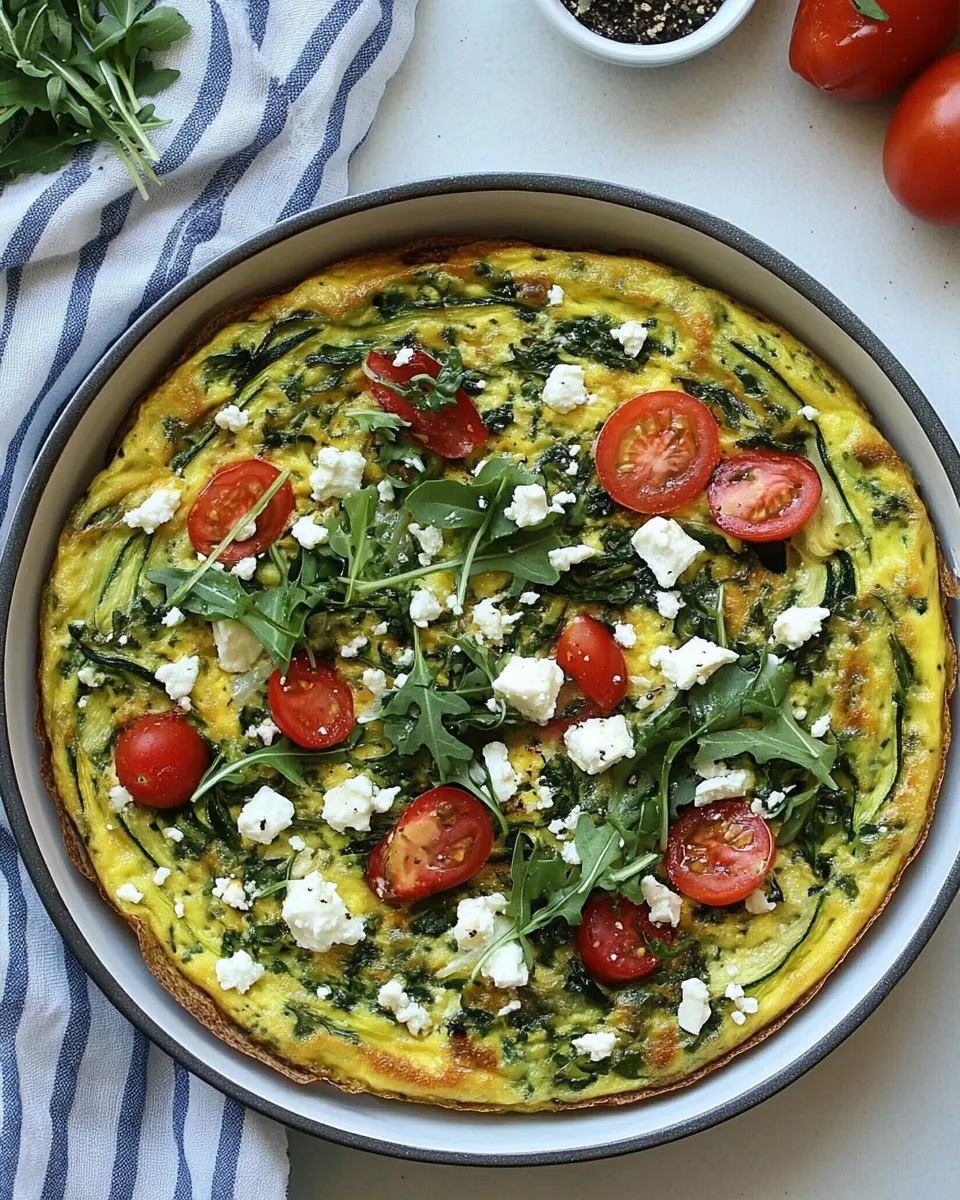
These ingredients work together like a small chorus. The creamy structure of the eggs binds everything, while the grated zucchini provides moisture and a tender bite. The peppery arugula and salty feta cheese add contrast, and the olive oil gives a silky mouthfeel and aids browning. Altogether, they create a balanced, savory dish that feels elegant yet simple.
- 1 medium zucchini squash grated: Grated to add moisture and a tender texture while distributing mild squash flavor throughout the frittata; releases water when cooked so squeeze or drain slightly to prevent excess sogginess and ensure even browning.
- 1 tablespoon olive oil: Used to sauté and lightly caramelize vegetables for a flavorful base; provides a pleasant fruity richness and helps prevent sticking in the skillet while building layers of savory aroma.
- 4 cups baby arugula: Added fresh to introduce a peppery, bright contrast and tender leafy bite; wilts quickly when added to the hot eggs, contributing vibrant color and a subtle bitter balance to richer components.
- 1/3 cup fresh herbs I used basil and sage: Chopped finely to impart aromatic complexity with sweet, floral, and earthy notes; blends into the egg mixture to enhance overall flavor depth and elevate the herbal profile of the dish.
- 12 large eggs: Beaten to create structure and a fluffy, cohesive custard for the frittata; proteins coagulate when cooked, trapping air and setting around the fillings to produce a tender yet firm texture.
- 1/2 cup feta cheese crumbles: Crumpled sparingly to introduce salty, tangy creaminess and a briny finish; melts slightly when warmed, creating pockets of savory richness that complement the greens and eggs.
- 1/2 teaspoons ea salt: Measured to season and amplify all flavors while balancing richness; dissolve evenly into beaten eggs to ensure consistent seasoning throughout the frittata without overpowering delicate ingredients.
The Process for Making Zucchini Arugula and Feta Frittata
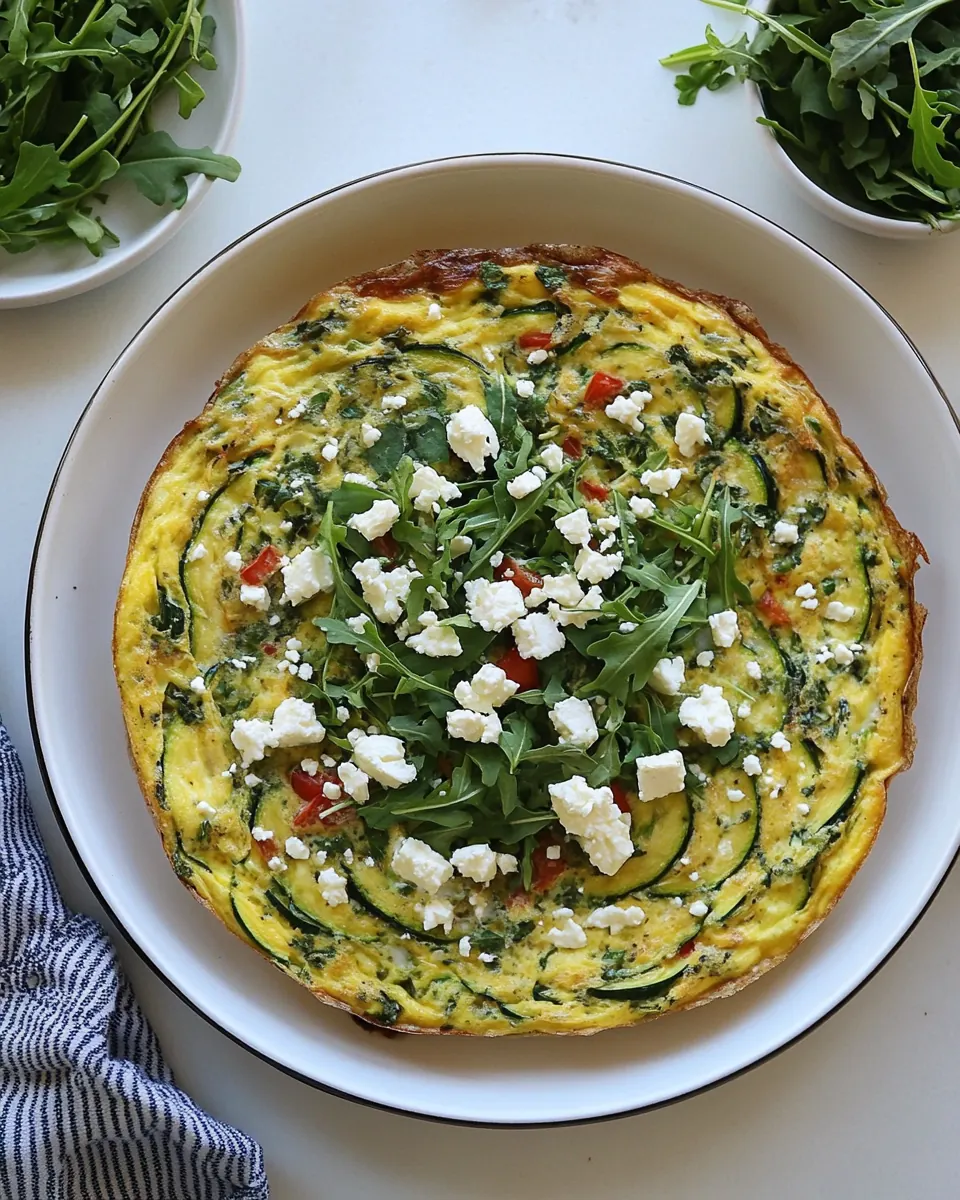
This is a very tactile recipe where small attentions make a big difference. I’ll guide you through each stage with sensory cues so you can feel, smell, and see when you’re on the right track. The goal is a creamy interior with a golden top and flavorful pockets of feta cheese and herbs.
- Grate the zucchini and transfer it to a colander. Sprinkle with sea salt and allow zucchini to sit at least 1 hour (up to 3) to allow it to drain. Squeeze any remaining water out of the zucchini.: Right away you will notice the fresh vegetal scent as the zucchini hits the grater, and dampness will bead on the strands. Letting it sit with a sprinkle of salt draws out water, concentrating flavor and preventing a watery frittata. After about an hour the zucchini will feel markedly less slimy and more like packed threads, and you should squeeze firmly to remove remaining moisture. One common mistake is skipping the draining, which leads to a soggy, under set middle; be patient and press firmly with a clean towel or your hands to avoid that issue.
- Preheat the oven to 375 degrees F, and add the oil to a 10-inch cast iron skillet. Spread the oil around the full surface and sides of the skillet (I use a paper towel). Place skillet on the stove top over medium heat.: As the oven warms, the cast iron will become evenly hot, which is important for even cooking and a crisp edge. Coat the skillet surface and sides with olive oil using a paper towel, spreading until it glistens but not pools. When the pan is hot on the stove at medium heat you may hear a faint sizzle if you touch a tiny drop of water to it; that sound means the skillet will promote a nice crust. A common error is using too much oil which causes the frittata to fry rather than bake, so a thin, even layer is best.
- Place the arugula in the heated skillet and cover. Cook, stirring occasionally just until wilted, about 1 to 2 minutes. Remove from heat and allow arugula to cool.: The moment the arugula hits the warm oil it will begin to wilt and release a peppery aroma that fills the kitchen. Covering traps steam and shortens the wilting time to just one to two minutes, which keeps some of the bright flavor intact. Stir occasionally so the leaves wilt evenly and dark green patches form without becoming slimy. Avoid overcooking, as overly soft arugula loses its texture and turns pasty; remove the pan from heat promptly when it is just wilted.
- Whisk the eggs, feta, and sea salt together in a mixing bowl. Add the grated zucchini, arugula, and chopped fresh herbs. Stir together until everything is well combined. Pour the egg and veggie mixture into the cast iron skillet and place on the center rack of the preheated oven. Bake 25 to 30 minutes, or until the center has set up and the top is beginning to turn golden-brown. Remove from the oven and allow frittata to rest 10 minutes before cutting and serving.: The bowl will take on a pale, frothy sheen as you whisk, and the aroma of salty feta cheese will mingle with the eggs. Whisk until the mixture is homogenous and slightly airy, which helps the frittata have a tender lift. Fold in the grated and squeezed zucchini , wilted arugula , and chopped herbs so they are evenly distributed. A frequent slip up is under seasoning; taste a tiny bit of the mixture or trust the salt, but remember that the feta cheese already contributes salinity, so balance is key.
- Pour the egg and veggie mixture into the cast iron skillet and place on the center rack of the preheated oven: When the skillet goes into the oven you will see the mixture level out and small bubbles begin to form around the edges. Baking at 375 degrees F encourages even rise and a golden top without drying the interior. The visual cue you want is the center transitioning from glossy to matte and the edges pulling slightly away from the pan after about twenty five minutes. Avoid opening the oven too often, which causes temperature fluctuation and can yield uneven setting; trust the process and check near the end of the suggested bake time.
- Bake 25 to 30 minutes, or until the center has set up and the top is beginning to turn golden brown: As the frittata bakes you will smell the melding of herbs and the tang of the feta cheese . The surface will go from wet to firm, with a few browned peaks showing through; that golden color signals Maillard reactions that add depth of flavor. The center should feel springy when gently nudged, not liquid; if it still jiggles, continue baking a little longer. A typical mistake is removing it too soon which leaves a runny middle, so allow it the full time if needed for a confident set.
- Remove from the oven and allow frittata to rest 10 minutes before cutting and serving: Resting is a quiet step where the residual heat finishes the cooking gently, yielding a creamier texture and easier slicing. In those ten minutes the steam redistributes and the flavors settle, so when you cut wedges they hold together without crumbling. If you slice immediately, the interior can be loose and messy, so patience here improves presentation and mouthfeel.
Tips and Variations
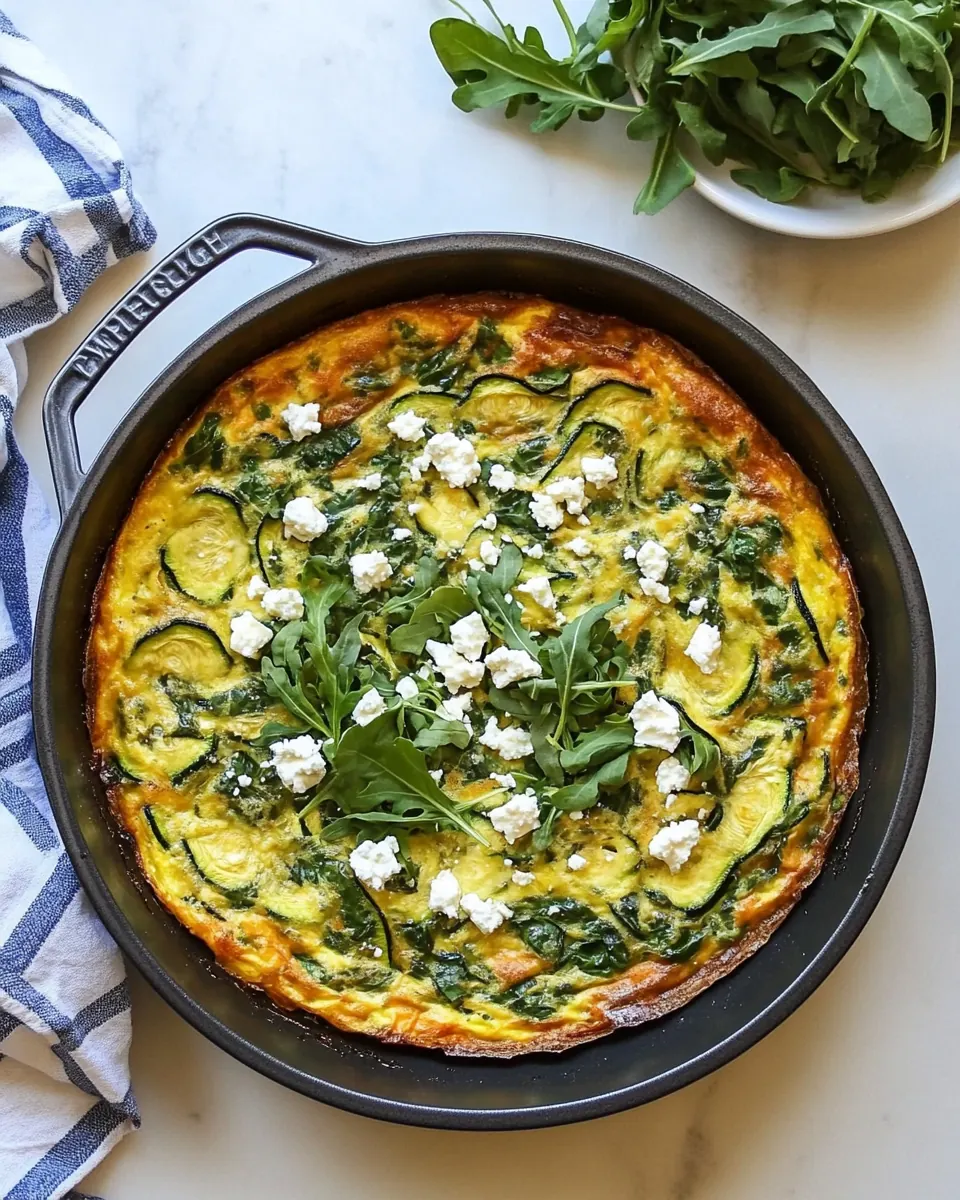
This section offers practical ways to tweak texture, flavor, and presentation while staying true to the spirit of the recipe. I focus on small shifts that make a noticeable difference without complicating the process.
- Properly drain the zucchini for best results: After grating, salt and let the zucchini sit so excess water is drawn out. Squeeze tightly to remove moisture, because leftover liquid leads to a runny center and prevents the frittata from setting firmly.
- Use room temperature eggs for a tender interior: Taking the eggs out of the fridge ahead of time helps them incorporate air more easily when whisked, which yields a lighter, creamier texture in the finished frittata.
- Distribute the feta evenly to balance saltiness: Crumble the feta cheese and scatter it so each wedge gets a bit of tang. If your feta is particularly salty, reduce the added salt slightly to avoid overpowering the dish.
- Give the skillet a gentle preheat before adding arugula: Warm the pan and oil until you hear a faint sizzle from a water test; this ensures an immediate wilt and prevents the greens from steaming and turning soggy.
- Let it rest for cleaner slices to improve presentation: Allow the baked frittata to cool for ten minutes so the interior firms up. Cutting too soon leads to ragged wedges and lost fillings.
- Swap or add herbs sparingly to complement rather than overwhelm: Fresh basil and sage are lovely together, but add them in small amounts so their flavors enhance the eggs rather than dominate.
Perfect Pairings for Zucchini Arugula and Feta Frittata
This section covers occasions, sides, and serving ideas so you can present the frittata in ways that suit the moment. From casual brunch to light dinner, I suggest complementary flavors and practical storage notes.
- Serve with a crisp salad, such as simple mixed greens dressed with lemon and olive oil, to add refreshing contrast to the warm, savory frittata.
- Offer toasted bread to accompany slices, which gives crunch and helps scoop up any soft interior for a satisfying bite.
- Bring it to brunch for gatherings, as the frittata slices easily and pairs well with fruit plates and a vegetable platter for variety.
- Make it a light dinner with a side of roasted vegetables or a grain salad to round out the meal without adding heavy flavors.
- Store leftovers properly by cooling completely, covering, and refrigerating for up to three days, then gently reheating in a low oven to preserve texture.
- Seasonal pairing works beautifully in spring, when fresh herbs and young zucchini are at their best, creating a bright and seasonal table presence.
FAQ
Conclusion
This recipe stands out for its bright spring flavors, satisfying textures, and effortless charm. It pairs tender grated zucchini and peppery arugula with creamy eggs and tangy feta to create a comforting yet light dish that works for breakfast, brunch, or a simple dinner. Give it a try soon, especially when zucchini is abundant, and you may find it becoming a reliable favorite in your weekly rotation. It’s approachable, adaptable, and always a welcoming presence at the table.

Zucchini Arugula and Feta Frittata
Equipment
- 10-inch cast iron skillet
- Grater
- Colander
- Mixing Bowl
Ingredients
- 1 medium zucchini squash grated Grated to add moisture and a tender texture while distributing mild squash flavor throughout the frittata; releases water when cooked so squeeze or drain slightly to prevent excess sogginess and ensure even browning.
- 1 tablespoon olive oil Used to sauté and lightly caramelize vegetables for a flavorful base; provides a pleasant fruity richness and helps prevent sticking in the skillet while building layers of savory aroma.
- 4 cups baby arugula Added fresh to introduce a peppery, bright contrast and tender leafy bite; wilts quickly when added to the hot eggs, contributing vibrant color and a subtle bitter balance to richer components.
- 1/3 cup fresh herbs I used basil and sage Chopped finely to impart aromatic complexity with sweet, floral, and earthy notes; blends into the egg mixture to enhance overall flavor depth and elevate the herbal profile of the dish.
- 12 large eggs Beaten to create structure and a fluffy, cohesive custard for the frittata; proteins coagulate when cooked, trapping air and setting around the fillings to produce a tender yet firm texture.
- 1/2 cup feta cheese crumbles Crumpled sparingly to introduce salty, tangy creaminess and a briny finish; melts slightly when warmed, creating pockets of savory richness that complement the greens and eggs.
- 1/2 teaspoons ea salt Measured to season and amplify all flavors while balancing richness; dissolve evenly into beaten eggs to ensure consistent seasoning throughout the frittata without overpowering delicate ingredients.
Instructions
- Grate the zucchini and transfer it to a colander. Sprinkle with sea salt and allow zucchini to sit at least 1 hour (up to 3) to allow it to drain. Squeeze any remaining water out of the zucchini.: Right away you will notice the fresh vegetal scent as the zucchini hits the grater, and dampness will bead on the strands. Letting it sit with a sprinkle of salt draws out water, concentrating flavor and preventing a watery frittata. After about an hour the zucchini will feel markedly less slimy and more like packed threads, and you should squeeze firmly to remove remaining moisture. One common mistake is skipping the draining, which leads to a soggy, under set middle; be patient and press firmly with a clean towel or your hands to avoid that issue.
- Preheat the oven to 375 degrees F, and add the oil to a 10-inch cast iron skillet. Spread the oil around the full surface and sides of the skillet (I use a paper towel). Place skillet on the stove top over medium heat.: As the oven warms, the cast iron will become evenly hot, which is important for even cooking and a crisp edge. Coat the skillet surface and sides with olive oil using a paper towel, spreading until it glistens but not pools. When the pan is hot on the stove at medium heat you may hear a faint sizzle if you touch a tiny drop of water to it; that sound means the skillet will promote a nice crust. A common error is using too much oil which causes the frittata to fry rather than bake, so a thin, even layer is best.
- Place the arugula in the heated skillet and cover. Cook, stirring occasionally just until wilted, about 1 to 2 minutes. Remove from heat and allow arugula to cool.: The moment the arugula hits the warm oil it will begin to wilt and release a peppery aroma that fills the kitchen. Covering traps steam and shortens the wilting time to just one to two minutes, which keeps some of the bright flavor intact. Stir occasionally so the leaves wilt evenly and dark green patches form without becoming slimy. Avoid overcooking, as overly soft arugula loses its texture and turns pasty; remove the pan from heat promptly when it is just wilted.
- Whisk the eggs, feta, and sea salt together in a mixing bowl. Add the grated zucchini, arugula, and chopped fresh herbs. Stir together until everything is well combined. Pour the egg and veggie mixture into the cast iron skillet and place on the center rack of the preheated oven. Bake 25 to 30 minutes, or until the center has set up and the top is beginning to turn golden-brown. Remove from the oven and allow frittata to rest 10 minutes before cutting and serving.: The bowl will take on a pale, frothy sheen as you whisk, and the aroma of salty feta cheese will mingle with the eggs. Whisk until the mixture is homogenous and slightly airy, which helps the frittata have a tender lift. Fold in the grated and squeezed zucchini , wilted arugula , and chopped herbs so they are evenly distributed. A frequent slip up is under seasoning; taste a tiny bit of the mixture or trust the salt, but remember that the feta cheese already contributes salinity, so balance is key.
- Pour the egg and veggie mixture into the cast iron skillet and place on the center rack of the preheated oven: When the skillet goes into the oven you will see the mixture level out and small bubbles begin to form around the edges. Baking at 375 degrees F encourages even rise and a golden top without drying the interior. The visual cue you want is the center transitioning from glossy to matte and the edges pulling slightly away from the pan after about twenty five minutes. Avoid opening the oven too often, which causes temperature fluctuation and can yield uneven setting; trust the process and check near the end of the suggested bake time.
- Bake 25 to 30 minutes, or until the center has set up and the top is beginning to turn golden brown: As the frittata bakes you will smell the melding of herbs and the tang of the feta cheese . The surface will go from wet to firm, with a few browned peaks showing through; that golden color signals Maillard reactions that add depth of flavor. The center should feel springy when gently nudged, not liquid; if it still jiggles, continue baking a little longer. A typical mistake is removing it too soon which leaves a runny middle, so allow it the full time if needed for a confident set.
- Remove from the oven and allow frittata to rest 10 minutes before cutting and serving: Resting is a quiet step where the residual heat finishes the cooking gently, yielding a creamier texture and easier slicing. In those ten minutes the steam redistributes and the flavors settle, so when you cut wedges they hold together without crumbling. If you slice immediately, the interior can be loose and messy, so patience here improves presentation and mouthfeel.
Notes
- Properly drain the zucchini for best results: After grating, salt and let the zucchini sit so excess water is drawn out. Squeeze tightly to remove moisture, because leftover liquid leads to a runny center and prevents the frittata from setting firmly.
- Use room temperature eggs for a tender interior: Taking the eggs out of the fridge ahead of time helps them incorporate air more easily when whisked, which yields a lighter, creamier texture in the finished frittata.
- Distribute the feta evenly to balance saltiness: Crumble the feta cheese and scatter it so each wedge gets a bit of tang. If your feta is particularly salty, reduce the added salt slightly to avoid overpowering the dish.
- Give the skillet a gentle preheat before adding arugula: Warm the pan and oil until you hear a faint sizzle from a water test; this ensures an immediate wilt and prevents the greens from steaming and turning soggy.
- Let it rest for cleaner slices to improve presentation: Allow the baked frittata to cool for ten minutes so the interior firms up. Cutting too soon leads to ragged wedges and lost fillings.
- Swap or add herbs sparingly to complement rather than overwhelm: Fresh basil and sage are lovely together, but add them in small amounts so their flavors enhance the eggs rather than dominate.