Mushroom Barley Soup with Flanken
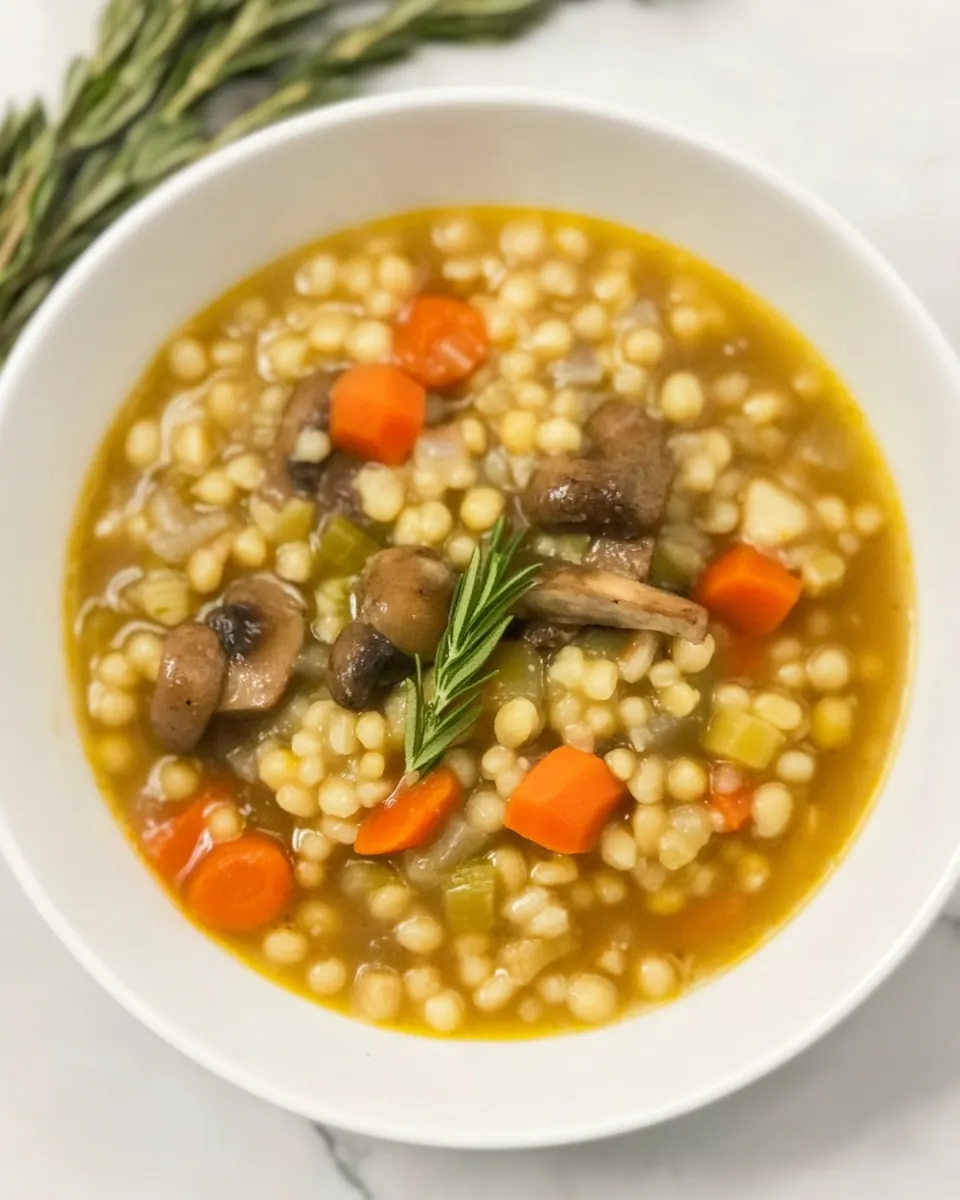
Mushroom Barley Soup with Flanken is one of those bowls that feels like home as soon as the lid lifts and steam pours out, and I still remember the first time I spooned it into a bowl after an afternoon of slow simmering. I was drawn to the way the short ribs softened into silky threads and how the barley gave the broth a comforting, toothsome body. That initial taste stuck with me, so I began to make small changes until it became the version I crave now.
There is a quiet ritual to building this soup that I cherish. I like to brown the short ribs until they put a nice fond in the pot, then brown the mushrooms in stages so they develop a deep, roasted note that the broth absorbs. While it simmers, the kitchen fills with an earthy aroma that always coaxed family and neighbors in, curious for a bowl. Over the years I learned little tricks, like soaking the dried mushrooms and rinsing their soaking liquid carefully to capture flavor without grit. Little rituals like these make a big difference.
Whenever I serve Mushroom Barley Soup with Flanken, someone asks for the recipe. It works for weekday dinners when you want something substantial, and it shines on a chilly weekend when you have time to let the flavors deepen. I often ladle it alongside a simple green salad and a crusty bite, but honestly it stands on its own. After hours of simmering the barley swells and softens, the short ribs practically fall off the bone, and each spoonful tastes layered and generous. I hope this version brings you the same cozy satisfaction it has given my table for years.
Recipe Snapshot
2 hr 45 mins
45 mins
120 mins
Hard
300 kcal
American
Gluten-Free, Paleo
Soups
Large stockpot, Small mixing bowl, Mesh strainer, Coffee filter or cheesecloth
Why Try This Mushroom Barley Soup with Flanken
Hearty Comfort in Every Spoon
I love how Mushroom Barley Soup with Flanken delivers pure comfort without being heavy. The combination of tender short ribs and chewy barley creates a bowl that feels substantial, yet the broth stays bright and sipable. For me, this is the kind of soup you come back to again and again, especially on cold days.
Layered, Deep Mushroom Flavor
Using both dried and fresh mushrooms is a trick I favor because the dried variety brings concentrated umami while the fresh ones add texture and roastiness. I soak the dried mushrooms and strain their liquid into the pot, which captures a savory backbone that you will notice in every bite. I find this dual approach makes the soup taste more complex than a single mushroom type could.
Rich Meaty Notes Without Overpowering Fat
The short ribs add a luxurious mouthfeel and deep savory notes, but because the meat simmers low and slow, it imparts richness rather than greasiness. I brown the short ribs first to build flavor, then simmer gently so the collagen melts into the broth. That technique turns a simple stock into something velvety and satisfying.
Barley Adds Body and Comforting Texture
I prefer pearl barley in this recipe because it swells and softens without becoming mushy, giving the soup a pleasing chew. The barley soaks up the meaty mushroom broth, which makes each spoonful feel complete and nourishing. It also stretches the recipe so a pot easily feeds a group, which is something I appreciate when friends drop by.
Flexible and Crowd Friendly
This soup is forgiving and adaptable, which is why I love it for gatherings. You can make it ahead and reheat it gently, and it often tastes even better the next day as the flavors marry. I also value how you can tweak the seasoning to suit your palate, making it a dependable go to for hosting.
What to Gather for Mushroom Barley Soup with Flanken
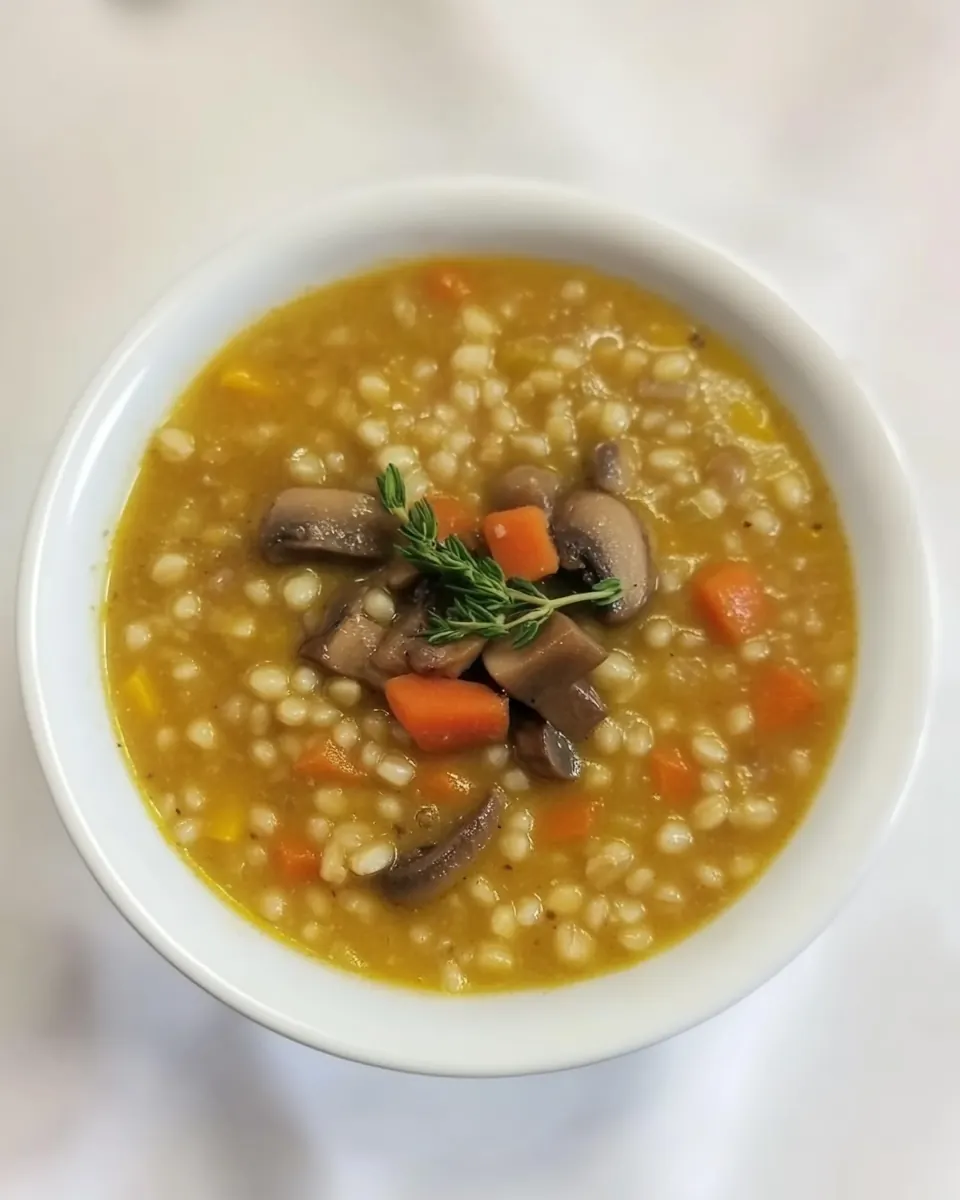
The ingredients in this recipe are about harmony and depth. The short ribs supply body and collagen, the dried and fresh mushrooms layer umami, and the barley brings chew and substance. Vegetables like carrots, celery, and onion form the aromatic base that brightens the stock. Together these parts create a balanced, soulful soup that is both nourishing and richly flavored.
- 8 meaty short ribs (flanken), trimmed about 2 1/2 lbs: Brown and sear to develop deep, caramelized flavor on the short ribs, which provide rich beefy depth and collagen for body in the soup.
- 2 tablespoons olive or grapeseed oil or more as needed: Heat and coat the pan to sauté vegetables and brown meat without smoking, using oil to transfer heat and prevent sticking during initial cooking.
- 6 dried mushrooms: Rehydrate to concentrate umami and earthy notes; dried mushrooms intensify the soup's mushroom flavor when soaked and added to the stock.
- 1 pound white mushrooms scrubbed and sliced: Slice and soften to contribute a fresh, meaty mushroom texture and add additional savory, earthy flavor that complements both barley and meat.
- 1 cup peeled and chopped carrots about 2-3 medium carrots: Peel and dice to add natural sweetness, texture, and color; carrots also contribute aromatic sugars that balance savory elements during simmering.
- 1 cup chopped celery, including leaves about 3-4 stalks: Chop to provide aromatic backbone and mild bitterness from the leaves; celery adds flavor complexity and a subtle crunchy texture when not fully broken down.
- 1 whole large onion chopped: Chop to create a savory aromatic foundation; onions release sugars and savory compounds that round out the broth as they soften and caramelize.
- 2 cloves crushed garlic: Crush and release pungent, aromatic compounds that brighten and deepen the overall flavor profile; garlic is added toward the end of sautéing to avoid burning.
- 3 quarts low sodium chicken, beef or mushroom stock: Simmer as the primary liquid to extract flavors from meat, mushrooms, and aromatics; low-sodium stock allows control over final seasoning and richness.
- 1 1/4 cups pearl barley: Rinse and simmer to absorb flavors and provide chewy, tender grain body; pearl barley thickens the broth slightly and adds wholesome texture.
- 2 bay leaves: Add whole to infuse subtle herbal, slightly floral notes; bay leaves lend background complexity and a gentle savory lift during long simmering.
- Salt and pepper: Season finally to taste with salt and pepper to balance flavors, enhance savory notes, and adjust the soup's overall seasoning at the end of cooking.
Instructions for Mushroom Barley Soup with Flanken
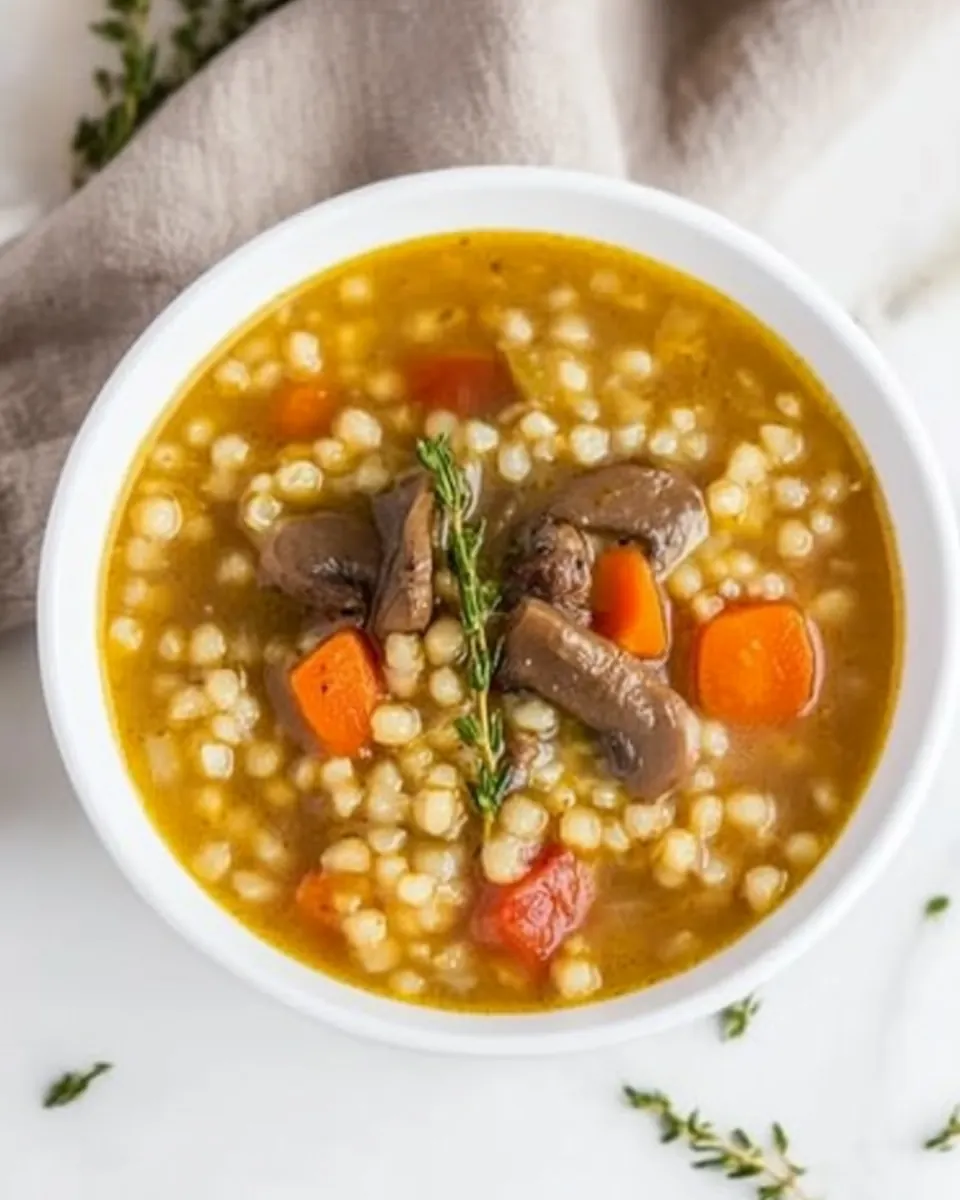
These steps guide you through the full process, from browning the short ribs to coaxing flavors out of dried mushrooms and finishing the soup with tender barley. Read each step fully so you can sense the visual and aromatic cues that signal progress.
- Rinse short ribs and pat dry. Generously salt and pepper them. With a knife, score the back side along the bone (this allows the meat to absorb more of the cooking liquid).: When you rinse and thoroughly pat the short ribs dry, you remove surface moisture so they can brown properly, producing a browned crust and those deep caramelized aromas. Scoring near the bone helps seasonings and simmering liquid penetrate the meat, so the interior becomes flavorful as collagen breaks down. As you salt, notice the meat's texture change as the salt begins to draw moisture, which strengthens the crust during searing. A common mistake is skipping the drying step, which can cause steaming rather than browning, so be patient and get the pieces dry before the pan. If the ribs are very cold from the fridge, let them sit a short while so they brown more evenly.
- In a large stockpot, heat 2 tbsp olive or grapeseed oil over medium high heat. Add short ribs and brown on all sides, about 4 minutes on each side.: As the pot heats, you will see the oil shimmer, which indicates it is hot enough to sear. Add the short ribs in a single layer so each side makes direct contact and sizzles; that sizzle is the sound of flavor forming. Browning for about 4 minutes per side creates a rich mahogany crust and leaves browned bits on the pot bottom, which we will later deglaze into the soup. Be mindful not to crowd the pot, as crowding releases moisture and prevents a good sear. If your pan looks crowded, brown in batches and keep the browned pieces aside so they go back in later.
- While the meat is browning, place dried mushrooms in a small bowl and cover with 3 cups of hot water. Allow to soak for 20 minutes.: The soaking process is where concentrated mushroom flavor moves into the liquid, and you will notice a rich, earthy perfume begin to build. Use hot water but avoid boiling it aggressively, which can make the rehydrated pieces too soft. After 20 minutes the mushrooms should be plump and pliable, and the soaking liquid will look darker and aromatic. One pitfall is discarding the soaking liquid without straining, which loses a lot of flavor; instead strain it carefully later to harvest that umami gold.
- Once the meat has finished browning, remove and set aside. Add roughly half of the white mushrooms to the stockpot and brown over medium high heat. Remove and set aside.: With the short ribs removed, the pot still holds flavorful fond. Add half of the sliced white mushrooms and let them contact the hot surface so they develop brown edges and a nutty aroma. Browning in batches prevents steaming and concentrates flavor; the mushrooms will release juices at first, then sizzle and reduce, creating delicious caramelization. Take note of the change in smell from raw earthiness to toasty mushroom sweetness, and avoid stirring constantly, which hampers browning.
- Add remaining half of white mushrooms to the pan and brown, adding additional oil as needed. Add carrots, celery, onion and the rest of the browned mushrooms. Cook until onions are translucent. Add garlic and cook until fragrant, then reduce the heat to medium.: The second mushroom batch creates more caramelized bits and balances the pot. When you add the chopped carrots , celery , and onion , they will release their own moisture and begin to soften; the mixture should smell sweeter as the onion approaches translucency. Stir occasionally so nothing sticks, and add a splash more oil if the pan looks dry. Add the crushed garlic last in this sequence so its aroma blooms without burning. Reduce to medium so the vegetables sweat gently, which encourages a rounded, savory base rather than sharp raw notes.
- By now the dried mushrooms will have softened. Drain the mushroom soaking water by straining it through a coffee filter or multiple layers of cheesecloth (use a mesh strainer or colander to hold the filter or cheesecloth) directly into the stockpot. Stir, scraping any brown bits from the bottom of the pan as the liquid heats up. Give the soaked, softened mushrooms another quick rinse under running water to remove any remaining residue (wash carefully, grit can be hiding in the gills of the mushrooms). Chop the mushrooms into small pieces and add them to the stock pot.: Straining the soaking liquid through a fine filter captures concentrated flavor while leaving behind any grit. As you pour it into the pot, use a spatula to scrape the browned bits from the bottom, which dissolves into the broth and deepens the overall taste. Rinsing the rehydrated pieces removes hidden particles; after chopping them, add them so their concentrated umami enhances the vegetable base. A common oversight is not filtering well enough and ending up with a gritty texture, so take the extra minute to strain carefully.
- Add the chicken, beef or mushroom stock, barley, bay leaves and seared short ribs to the stockpot. Stir to combine all ingredients. Reduce heat to a low simmer. Allow soup to cook, uncovered, for 2 hours or until the barley and short ribs are completely tender and the soup is nicely thickened. Add water during the simmer if the soup becomes overly thick. After cooking, season with salt and pepper to taste. I use about 1 1/2 tsp salt and a heaping 1/4 tsp pepper. Use whatever amount of seasoning tastes best for you.: As you add the stock , barley , bay leaves, and the browned short ribs , you will notice the pot become aromatic and the liquid level rise. Bring it to a gentle simmer, then lower the flame so bubbles barely break the surface, which allows collagen to melt slowly and the barley to soften uniformly. Over two hours the broth will concentrate, and the meat will yield to your fork. If it thickens too much, add hot water a bit at a time to keep the texture soupy. Taste at the end and adjust the salt and pepper ; underseasoning is a frequent error because flavors develop over long cooking, so taste before final adjustments.
- Remove all of the short ribs from the soup and shred, then mix the meat back into the soup before serving. Alternatively you may serve whole short ribs on the bone, 1-2 per bowl of soup.: Pulling the short ribs out and shredding them concentrates meatiness throughout the pot, letting tender strands meld with the barley and broth. Shredded meat blends seamlessly and makes every spoonful substantial, while serving them on the bone creates a striking presentation and allows diners to enjoy the ritual of eating off the bone. One thing to avoid is leaving excess bone fragments in the soup when shredding; take care to pick out any small pieces before returning the meat to the pot.
Helpful Hints
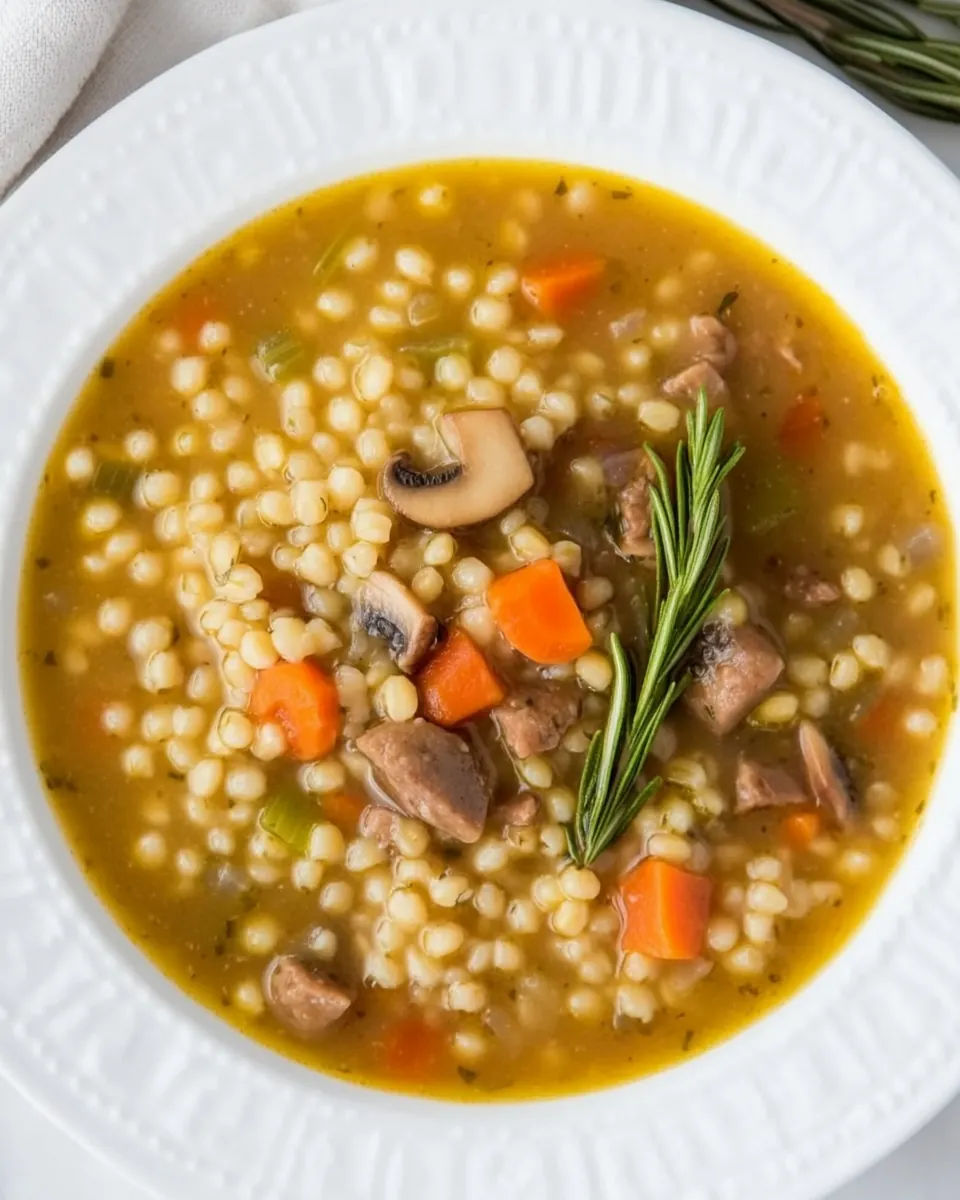
I like to share hands on tips that make this soup easier and more rewarding. These practical hints reflect techniques I use to get consistent results and to save time without sacrificing flavor.
- Make ahead advantage: This soup often tastes better the next day after the flavors have melded, so I frequently prepare it a day in advance and reheat gently the following day.
- Skim fat if desired: After chilling, the top may firm slightly, making it easy to remove excess fat for a cleaner finish while retaining the meaty depth.
- Use low sodium stock: Starting with low sodium gives you control over the final seasoning, as the soup reduces and intensifies during the long simmer.
- Batch browning: Browning mushrooms and meat in smaller batches prevents steaming and produces better caramelization and richer flavors.
- Careful mushroom cleaning: Soak and rinse rehydrated mushrooms thoroughly to avoid grit, and strain soaking liquid through a coffee filter or cheesecloth.
- Stretch the recipe: The pearl barley expands beautifully, so a modest amount of meat and stock will feed more people while keeping the bowl satisfying.
Accompaniments for Mushroom Barley Soup with Flanken
When I serve this soup, I like to pair it with simple items that complement its rustic richness. These accompaniments enhance texture contrasts and make the meal feel complete without competing with the soup’s deep flavor.
- Crusty bread: A warm, dense loaf is perfect for dipping, soaking up the savory broth and adding a satisfying chew.
- Simple green salad: A light dressed salad with lemon and olive oil cuts through the richness and adds a fresh, bright counterpoint to the bowl.
- Pickled vegetables: A small side of pickles provides an acidic lift that wakes up the palate between spoonfuls.
- Family dinners: This soup works well for intimate dinners or casual gatherings, since it can be made ahead and reheats beautifully for guests.
- Seasonal fit: It is especially welcome in colder months, including winter occasions, where its warmth and heartiness feel most appropriate.
- Storage tips: Refrigerate leftover soup in an airtight container for up to four days, or freeze portions for up to three months; reheat gently to preserve texture.
FAQ
Conclusion
This recipe stands out because it marries deep mushroom umami with tender short ribs and the comforting chew of pearl barley, resulting in a bowl that is both rustic and refined. I encourage you to give it a try, especially on a chilly afternoon when you have time to let the flavors develop slowly. The hands on moments, like browning the meat and straining the mushroom soaking liquid, are small rituals that yield big rewards. Serve it simply, savor the layers, and enjoy how a long simmer turns basic ingredients into something truly comforting and memorable.
Mushroom Barley Soup with Flanken
Equipment
- Large Stockpot
- Small mixing bowl
- Mesh strainer
- Coffee filter or cheesecloth
Ingredients
- 8 meaty short ribs (flanken), trimmed about 2 1/2 lbs Brown and sear to develop deep, caramelized flavor on the short ribs, which provide rich beefy depth and collagen for body in the soup.
- 2 tablespoons olive or grapeseed oil or more as needed Heat and coat the pan to sauté vegetables and brown meat without smoking, using oil to transfer heat and prevent sticking during initial cooking.
- 6 dried mushrooms Rehydrate to concentrate umami and earthy notes; dried mushrooms intensify the soup's mushroom flavor when soaked and added to the stock.
- 1 pound white mushrooms scrubbed and sliced Slice and soften to contribute a fresh, meaty mushroom texture and add additional savory, earthy flavor that complements both barley and meat.
- 1 cup peeled and chopped carrots about 2-3 medium carrots Peel and dice to add natural sweetness, texture, and color; carrots also contribute aromatic sugars that balance savory elements during simmering.
- 1 cup chopped celery, including leaves about 3-4 stalks Chop to provide aromatic backbone and mild bitterness from the leaves; celery adds flavor complexity and a subtle crunchy texture when not fully broken down.
- 1 whole large onion chopped Chop to create a savory aromatic foundation; onions release sugars and savory compounds that round out the broth as they soften and caramelize.
- 2 cloves crushed garlic Crush and release pungent, aromatic compounds that brighten and deepen the overall flavor profile; garlic is added toward the end of sautéing to avoid burning.
- 3 quarts low sodium chicken, beef or mushroom stock Simmer as the primary liquid to extract flavors from meat, mushrooms, and aromatics; low-sodium stock allows control over final seasoning and richness.
- 1 1/4 cups pearl barley Rinse and simmer to absorb flavors and provide chewy, tender grain body; pearl barley thickens the broth slightly and adds wholesome texture.
- 2 bay leaves Add whole to infuse subtle herbal, slightly floral notes; bay leaves lend background complexity and a gentle savory lift during long simmering.
- Salt and pepper Season finally to taste with salt and pepper to balance flavors, enhance savory notes, and adjust the soup's overall seasoning at the end of cooking.
Instructions
- Rinse short ribs and pat dry. Generously salt and pepper them. With a knife, score the back side along the bone (this allows the meat to absorb more of the cooking liquid).: When you rinse and thoroughly pat the short ribs dry, you remove surface moisture so they can brown properly, producing a browned crust and those deep caramelized aromas. Scoring near the bone helps seasonings and simmering liquid penetrate the meat, so the interior becomes flavorful as collagen breaks down. As you salt, notice the meat's texture change as the salt begins to draw moisture, which strengthens the crust during searing. A common mistake is skipping the drying step, which can cause steaming rather than browning, so be patient and get the pieces dry before the pan. If the ribs are very cold from the fridge, let them sit a short while so they brown more evenly.
- In a large stockpot, heat 2 tbsp olive or grapeseed oil over medium high heat. Add short ribs and brown on all sides, about 4 minutes on each side.: As the pot heats, you will see the oil shimmer, which indicates it is hot enough to sear. Add the short ribs in a single layer so each side makes direct contact and sizzles; that sizzle is the sound of flavor forming. Browning for about 4 minutes per side creates a rich mahogany crust and leaves browned bits on the pot bottom, which we will later deglaze into the soup. Be mindful not to crowd the pot, as crowding releases moisture and prevents a good sear. If your pan looks crowded, brown in batches and keep the browned pieces aside so they go back in later.
- While the meat is browning, place dried mushrooms in a small bowl and cover with 3 cups of hot water. Allow to soak for 20 minutes.: The soaking process is where concentrated mushroom flavor moves into the liquid, and you will notice a rich, earthy perfume begin to build. Use hot water but avoid boiling it aggressively, which can make the rehydrated pieces too soft. After 20 minutes the mushrooms should be plump and pliable, and the soaking liquid will look darker and aromatic. One pitfall is discarding the soaking liquid without straining, which loses a lot of flavor; instead strain it carefully later to harvest that umami gold.
- Once the meat has finished browning, remove and set aside. Add roughly half of the white mushrooms to the stockpot and brown over medium high heat. Remove and set aside.: With the short ribs removed, the pot still holds flavorful fond. Add half of the sliced white mushrooms and let them contact the hot surface so they develop brown edges and a nutty aroma. Browning in batches prevents steaming and concentrates flavor; the mushrooms will release juices at first, then sizzle and reduce, creating delicious caramelization. Take note of the change in smell from raw earthiness to toasty mushroom sweetness, and avoid stirring constantly, which hampers browning.
- Add remaining half of white mushrooms to the pan and brown, adding additional oil as needed. Add carrots, celery, onion and the rest of the browned mushrooms. Cook until onions are translucent. Add garlic and cook until fragrant, then reduce the heat to medium.: The second mushroom batch creates more caramelized bits and balances the pot. When you add the chopped carrots , celery , and onion , they will release their own moisture and begin to soften; the mixture should smell sweeter as the onion approaches translucency. Stir occasionally so nothing sticks, and add a splash more oil if the pan looks dry. Add the crushed garlic last in this sequence so its aroma blooms without burning. Reduce to medium so the vegetables sweat gently, which encourages a rounded, savory base rather than sharp raw notes.
- By now the dried mushrooms will have softened. Drain the mushroom soaking water by straining it through a coffee filter or multiple layers of cheesecloth (use a mesh strainer or colander to hold the filter or cheesecloth) directly into the stockpot. Stir, scraping any brown bits from the bottom of the pan as the liquid heats up. Give the soaked, softened mushrooms another quick rinse under running water to remove any remaining residue (wash carefully, grit can be hiding in the gills of the mushrooms). Chop the mushrooms into small pieces and add them to the stock pot.: Straining the soaking liquid through a fine filter captures concentrated flavor while leaving behind any grit. As you pour it into the pot, use a spatula to scrape the browned bits from the bottom, which dissolves into the broth and deepens the overall taste. Rinsing the rehydrated pieces removes hidden particles; after chopping them, add them so their concentrated umami enhances the vegetable base. A common oversight is not filtering well enough and ending up with a gritty texture, so take the extra minute to strain carefully.
- Add the chicken, beef or mushroom stock, barley, bay leaves and seared short ribs to the stockpot. Stir to combine all ingredients. Reduce heat to a low simmer. Allow soup to cook, uncovered, for 2 hours or until the barley and short ribs are completely tender and the soup is nicely thickened. Add water during the simmer if the soup becomes overly thick. After cooking, season with salt and pepper to taste. I use about 1 1/2 tsp salt and a heaping 1/4 tsp pepper. Use whatever amount of seasoning tastes best for you.: As you add the stock , barley , bay leaves, and the browned short ribs , you will notice the pot become aromatic and the liquid level rise. Bring it to a gentle simmer, then lower the flame so bubbles barely break the surface, which allows collagen to melt slowly and the barley to soften uniformly. Over two hours the broth will concentrate, and the meat will yield to your fork. If it thickens too much, add hot water a bit at a time to keep the texture soupy. Taste at the end and adjust the salt and pepper ; underseasoning is a frequent error because flavors develop over long cooking, so taste before final adjustments.
- Remove all of the short ribs from the soup and shred, then mix the meat back into the soup before serving. Alternatively you may serve whole short ribs on the bone, 1-2 per bowl of soup.: Pulling the short ribs out and shredding them concentrates meatiness throughout the pot, letting tender strands meld with the barley and broth. Shredded meat blends seamlessly and makes every spoonful substantial, while serving them on the bone creates a striking presentation and allows diners to enjoy the ritual of eating off the bone. One thing to avoid is leaving excess bone fragments in the soup when shredding; take care to pick out any small pieces before returning the meat to the pot.
Notes
- Make ahead advantage: This soup often tastes better the next day after the flavors have melded, so I frequently prepare it a day in advance and reheat gently the following day.
- Skim fat if desired: After chilling, the top may firm slightly, making it easy to remove excess fat for a cleaner finish while retaining the meaty depth.
- Use low sodium stock: Starting with low sodium gives you control over the final seasoning, as the soup reduces and intensifies during the long simmer.
- Batch browning: Browning mushrooms and meat in smaller batches prevents steaming and produces better caramelization and richer flavors.
- Careful mushroom cleaning: Soak and rinse rehydrated mushrooms thoroughly to avoid grit, and strain soaking liquid through a coffee filter or cheesecloth.
- Stretch the recipe: The pearl barley expands beautifully, so a modest amount of meat and stock will feed more people while keeping the bowl satisfying.