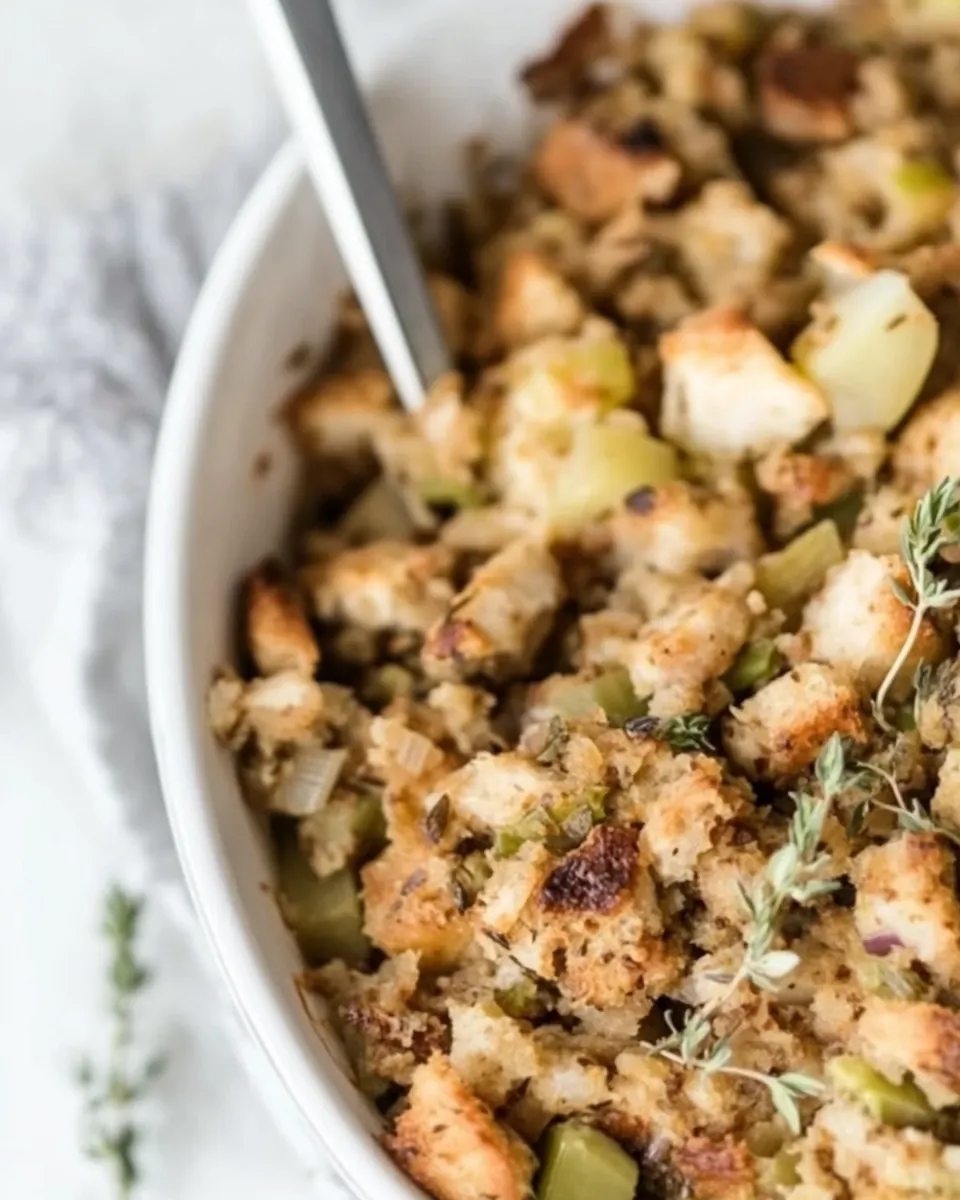
Keto Stuffing
Keto Stuffing has been my go to when I want the cozy, nostalgic flavors of holiday stuffing without the heavy carbs, and that first spoonful always brings back a memory of a chilly afternoon testing recipes in my kitchen. I remember the morning I decided to swap traditional bread for roasted cauliflower, thinking it might lose the soul of stuffing, but it surprised me by offering a tender, slightly nutty base that soaks up savory juices beautifully.
Over the years I have tweaked the balance of herbs, nuts, and sausages to get a texture that is both fluffy and satisfying. I like toasting the nuts just so they snap against the roasted cauliflower, and the chestnuts add a delicate sweetness that ties everything together. Each bake feels like a quiet experiment where I learn a little more about how small changes in technique nudge the final dish toward comfort food perfection.
Recipe Snapshot
45 mins
15 mins
30 mins
Medium
300 kcal
American
Keto, Gluten-Free
Side Dishes
Oven, Baking tray, Non stick frying pan, Large roasting pan
What’s Great About This Keto Stuffing
It captures classic stuffing character without the carbs
I love that Keto Stuffing keeps the soul of traditional stuffing, the savory herb notes, and the cozy mouthfeel, while replacing bread with roasted cauliflower. This swap preserves the texture you crave, and the roasted edges give you that toasty contrast you miss with low carb swaps.
Layered textures keep every bite interesting
The combination of tender roasted cauliflower, crunchy pistachios, and soft chopped chestnuts creates a complex mouthfeel. I find that the pistachios add a buttery crunch that makes the dish feel indulgent, while the chestnuts offer a subtle sweetness that balances savory sausages.
Herbs make the difference
Fresh rosemary, sage, and thyme lift the whole mix from good to memorable. I always say herbs are the secret handshake of great stuffing, and in this Keto Stuffing they perfume the cauliflower as it roasts, giving you aromatic steam with every stir.
Flexible technique for different kitchens
You can roast the base and brown the sausages on the stovetop, which makes this recipe adaptable to busy holiday timelines. I appreciate recipes that let me prep ahead, and this one reheats very well without losing its layers of flavor.
Sensory payoff that convinces skeptics
When friends who usually avoid low carb dishes try this, they remark on the caramelized edges and the rich savory filling, not the absence of bread. That reaction is why I keep making this recipe at holiday gatherings, because it delivers on comfort and surprise in equal measure.
Key Ingredients for Keto Stuffing
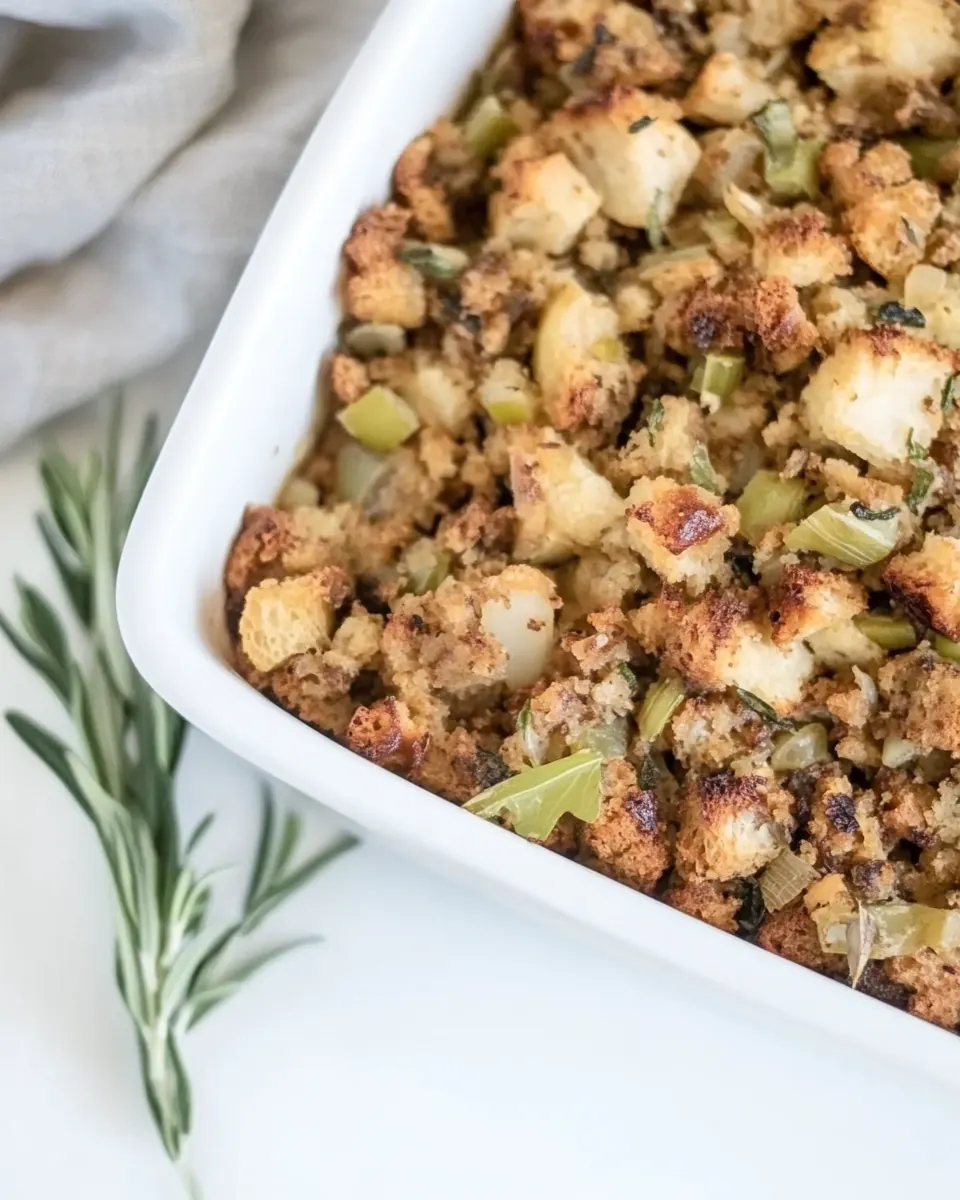
These ingredients are chosen to recreate the comforting structure of traditional stuffing while staying low in carbs. The key players work together: roasted cauliflower provides bulk and caramelized notes, aromatics like onion and garlic add depth, nuts and chestnuts introduce texture and sweetness, and savory sausages bring fat and umami that make the dish feel indulgent.
- 1 medium head cauliflower florets only, chopped small (500 g): Chopped small to create a rice-like base that soaks up flavors and provides bulk and texture similar to traditional stuffing; steams and softens during cooking while retaining mild bite. Adds low-carb volume and a neutral backdrop for herbs, nuts, and sausage to shine.
- 1 onion finely diced (40 g): Finely diced to release sweet, savory aromatics when sautéed and to build the flavor foundation; caramelizes slightly to add depth and a subtle sweetness. Helps balance richer components and enhances overall savory complexity.
- 2 garlic cloves minced: Minced to provide a sharp, pungent aromatic that infuses the fat with savory intensity; disperses evenly to complement herbs and vegetables. Boosts umami and brightens the stuffing without overwhelming other flavors.
- 2 sticks celery finely diced (150 g): Finely diced to contribute subtle vegetal crunch and a slightly bitter, aromatic note; softens when cooked and blends with onion and garlic for a classic mirepoix base. Adds moisture and structural contrast to the cauliflower.
- 3 tablespoon olive oil or ghee/butter, melted: Melted to coat vegetables and promote even sautéing while carrying and distributing flavors; provides richness and a silky mouthfeel. Helps brown ingredients and bind components together for cohesive stuffing.
- 1/2 1 teaspoon salt or to taste (depends on the quality of your sausages): Adjusted to taste to season and enhance natural flavors while balancing the saltiness of the sausages; measured range allows flexibility based on ingredient salt content. Ensures overall seasoning is balanced without overpowering herbs and nuts.
- 1/4 teaspoon pepper: Ground to season and add mild warmth and subtle heat that brightens savory flavors; sprinkled sparingly to maintain balance. Enhances complexity and contrasts the richer fatty elements.
- 4 cooked vacuum packed chestnuts chopped (35 g): Chopped to add tender, slightly sweet, and creamy morsels that contribute a festive chestnut flavor; provides textural contrast and a hint of earthiness. Compliments both nuts and herbs for a traditional stuffing note.
- 1 tablespoon rosemary chopped (3 g): Chopped to release piney, resinous citrus-like aroma and to anchor the herby profile; used sparingly to avoid overpowering other herbs. Enhances savory depth and evokes classic stuffing flavors.
- 1.5 teaspoon fresh sage chopped (1.5 g): Chopped to impart warm, slightly peppery, and lemony sage notes that evoke traditional stuffing character; used in small amounts for aromatic lift. Provides herbaceous richness that pairs especially well with sausage.
- 1 teaspoon thyme chopped (0.5 g): Chopped to add subtle, floral, and slightly minty notes that brighten the stuffing; complements rosemary and sage without dominating. Lends delicate savory complexity and freshness to the mixture.
- 1/4 cups shelled pistachios chopped (35 g): Chopped to contribute buttery crunch, rich nuttiness, and a pleasant contrast to soft cauliflower and sausage; also adds visual interest and healthy fats. Helps mimic bread-like texture by providing bite and heft.
- 400 g 0.88 pounds sausages: Included to supply savory, fatty, and meaty richness that serves as the primary protein and flavor driver; crumbled or sliced into the mix to distribute juicy, seasoned pockets throughout. Binds with the other ingredients to create a hearty, satisfying stuffing.
Keto Stuffing Instructions
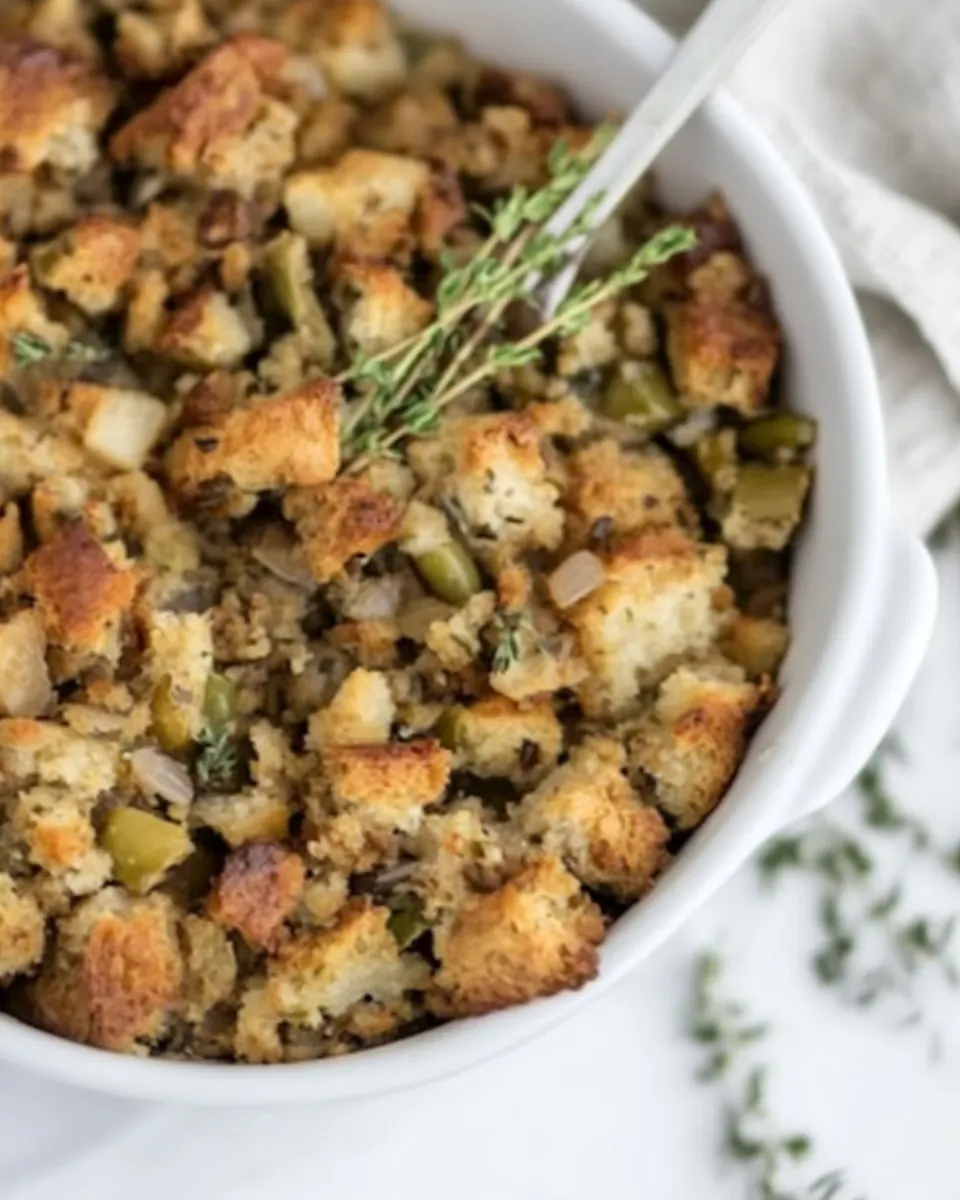
These directions move you from prepping the vegetables to finishing the assembled bake, with attention to texture and timing. Read them through, then follow step by step so each element gets its moment to brown and develop aroma.
- Preheat oven to 220 C / 200 fan. Line a baking tray with greaseproof paper.: You will notice the oven filling with dry hot air that encourages Maillard browning, and the paper prevents sticking while making cleanup easier. This high heat is important to get deep color on the cauliflower , which provides caramelized sweetness, and it also crisps any exposed surfaces. A common mistake is using a lower temperature to "be safe," which results in pale, steamed vegetables instead of roasted ones. Make sure the oven truly reaches the temperature before you slide the tray in, and arrange racks so the tray sits in the middle for even heat circulation.
- Mix the cauliflower florets, onion, celery, and garlic. Toss with 2 tablespoon the olive oil, ghee or butter and seasoning.: As you toss, the oil glazes each piece and helps heat transfer, so the cauliflower and diced onion begin to shimmer and release faint aromas of sweet onion and raw garlic . This coating encourages crisp edges, which are essential for texture contrast. If you skip thorough tossing, pockets of dry vegetable will underbrown, and the seasoning will be uneven. Use your hands or a large spoon to ensure even coverage, and taste a small cooked piece later to adjust seasoning if needed.
- Spread in a single layer and roast for 15 minutes. Add the herbs, pistachios and chestnuts. Stir to combine and roast for a further 15 minutes until the cauliflower is browned and the onion caramelized.: The first roast blast softens interiors while the second phase deepens color and concentrates sugars, releasing a sweet, nutty smell. When you stir in the rosemary , sage , thyme , pistachios , and chestnuts , their oils bloom and perfume the pan. Look for golden edges and audible faint crackles from the nuts. A common issue is stirring too often, which prevents the surface from browning; instead, let the vegetables sit undisturbed for the roasting intervals so caramelization can occur.
- Meanwhile add the remaining oil, ghee or butter to a pan. You may choose to omit this and dry fry depending on how fatty your sausages are. Remove the sausage meat from the skin using a sharp knife to slice the skin. Crumble the sausage meat into a non stick frying pan and break with a wooden spatula. Cook for approximately 7 minutes on a medium heat until it is browned.: As the sausages hit the pan, they will sizzle and release flavorful browned bits that are essential for umami. Browning creates tiny caramelized pieces that deepen the overall taste and render fat to coat the other ingredients. Watch for even browning and break up clumps so you get small, crisped bits rather than large lumps. A frequent error is to cook on too high heat, which can burn the outside before the interior is cooked; keep the temperature at medium and stir occasionally to create consistent color and texture.
- Combine all ingredients in a large roasting pan and cook in the oven for about a further 10 minutes, or until the sausage is slightly crisp on top. Option to scatter with fresh thyme to serve.: At this final stage the oven heat helps the flavors marry and any rendered fat from the sausages lightly crisps the surface, adding textural contrast. You will smell a heady mix of herbs and roasted nuts, and the top will take on a slight crust, which I find irresistible. If you skip this finishing bake, the flavors may remain separate and the dish will lack that cohesive roasted aroma. Keep an eye on the top so you hit a golden finish without overbrowning, and add fresh thyme at the end for a bright herbal lift.
Ways to Customize
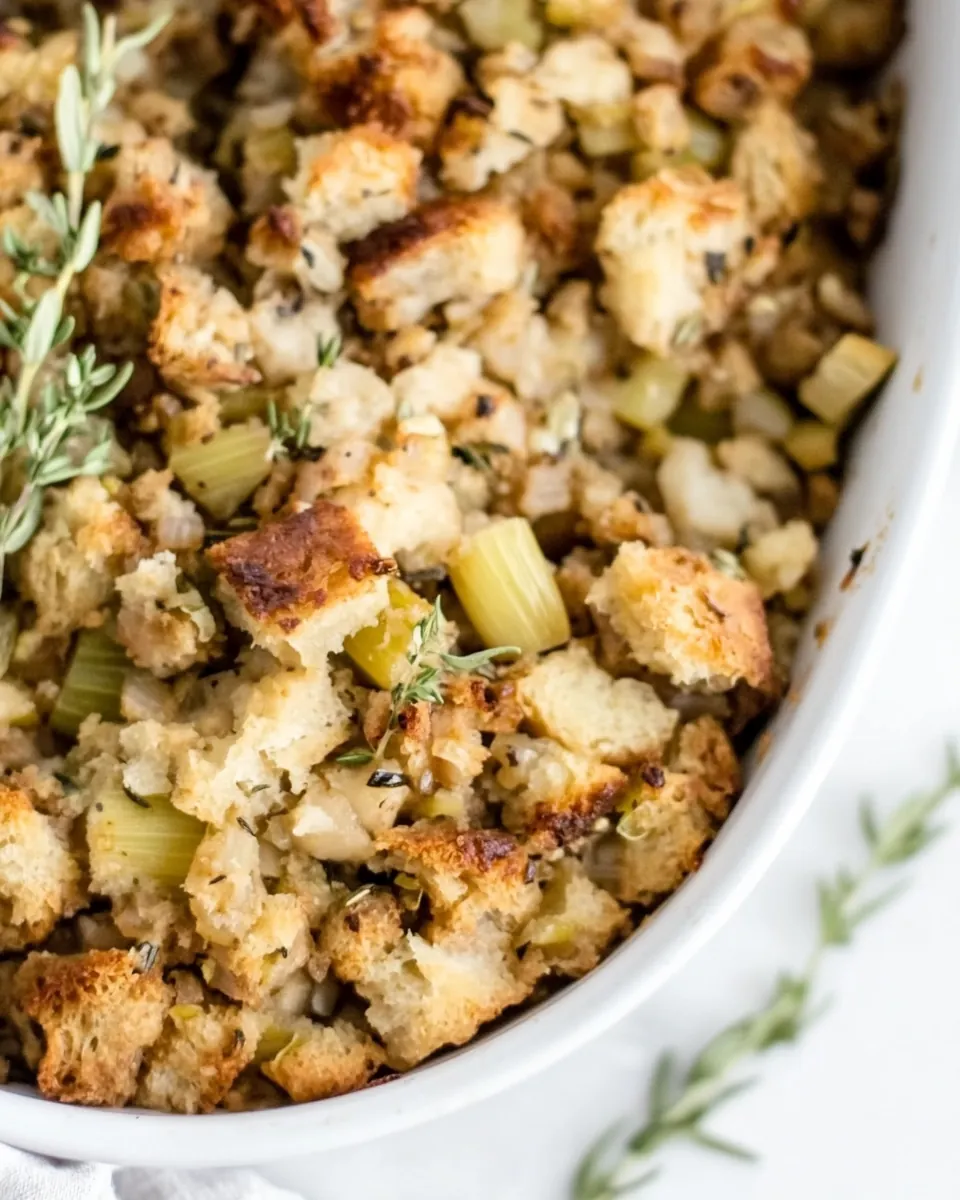
This section gives practical variations to make the recipe your own while staying true to the spirit of Keto Stuffing. Each tip starts with a bold phrase to highlight the strategy.
- Swap the fat: Choose olive oil for a lighter profile or ghee for a richer, nutty finish, which will change the aroma and mouthfeel without altering technique.
- Control salt by tasting: After combining with the sausages, taste a small spoonful to judge if additional salt is needed, because pre seasoned sausages can vary widely in sodium.
- Chestnut option: Use fewer chestnuts if you want to reduce carbs, but include a few for authentic stuffing sweetness, distributed evenly so each bite has balance.
- Make ahead strategy: Roast and brown components a day ahead, then combine and finish baking just before serving to preserve crispness and simplify holiday timing.
- Nut handling: Chop and lightly toast pistachios to enhance crunch and remove any raw vegetal flavor, then add them during the second roast so they do not burn.
Pairing Suggestions for Keto Stuffing
This recipe pairs well with hearty mains and seasonal sides, and it works across occasions from casual dinners to holiday feasts. Below are serving ideas, storage notes, and suggestions for occasions where this dish shines.
- Holiday roast pairing: Serve alongside a roasted turkey or chicken for a traditional Thanksgiving or festive meal, letting the savory sausages in the stuffing echo the roast’s savory notes.
- Weeknight dinner: Plate as a side with roasted vegetables and a simple salad for an easy weeknight dinner that feels special without long prep.
- Make ahead and reheat: Store in an airtight container in the fridge for up to 3 days; reheat in the oven to refresh the roasted edges and maintain texture.
- Freezing guidance: Freeze portions for up to 3 months, thaw overnight in the fridge, then reheat in the oven until warmed through to restore crispness.
- Occasion suitability: Great for Thanksgiving and fall gatherings because of its cozy herb profile and seasonal nuts, but also excellent for quiet family dinners when you want comfort without heavy carbs.
FAQ
Conclusion
This Keto Stuffing stands out for its ability to deliver the flavor and texture comfort of classic stuffing while keeping carbohydrates low. It uses roasted cauliflower, aromatic herbs, crunchy pistachios, sweet chestnuts, and browned sausages to recreate a satisfying holiday side. I encourage you to give it a try at your next gathering or for a cozy weeknight as it reheats and holds up beautifully. Share it with friends who are skeptical about low carb swaps, because this recipe often converts them with its familiar, layered flavors.
Keto Stuffing
Equipment
- Oven
- Baking Tray
- Non-stick frying pan
- Large roasting pan
Ingredients
- 1 medium head cauliflower florets only, chopped small (500 g) Chopped small to create a rice-like base that soaks up flavors and provides bulk and texture similar to traditional stuffing; steams and softens during cooking while retaining mild bite. Adds low-carb volume and a neutral backdrop for herbs, nuts, and sausage to shine.
- 1 onion finely diced (40 g) Finely diced to release sweet, savory aromatics when sautéed and to build the flavor foundation; caramelizes slightly to add depth and a subtle sweetness. Helps balance richer components and enhances overall savory complexity.
- 2 garlic cloves minced Minced to provide a sharp, pungent aromatic that infuses the fat with savory intensity; disperses evenly to complement herbs and vegetables. Boosts umami and brightens the stuffing without overwhelming other flavors.
- 2 sticks celery finely diced (150 g) Finely diced to contribute subtle vegetal crunch and a slightly bitter, aromatic note; softens when cooked and blends with onion and garlic for a classic mirepoix base. Adds moisture and structural contrast to the cauliflower.
- 3 tablespoon olive oil or ghee/butter, melted Melted to coat vegetables and promote even sautéing while carrying and distributing flavors; provides richness and a silky mouthfeel. Helps brown ingredients and bind components together for cohesive stuffing.
- 1/2 - 1 teaspoon salt or to taste (depends on the quality of your sausages) Adjusted to taste to season and enhance natural flavors while balancing the saltiness of the sausages; measured range allows flexibility based on ingredient salt content. Ensures overall seasoning is balanced without overpowering herbs and nuts.
- 1/4 teaspoon pepper Ground to season and add mild warmth and subtle heat that brightens savory flavors; sprinkled sparingly to maintain balance. Enhances complexity and contrasts the richer fatty elements.
- 4 cooked vacuum packed chestnuts chopped (35 g) Chopped to add tender, slightly sweet, and creamy morsels that contribute a festive chestnut flavor; provides textural contrast and a hint of earthiness. Compliments both nuts and herbs for a traditional stuffing note.
- 1 tablespoon rosemary chopped (3 g) Chopped to release piney, resinous citrus-like aroma and to anchor the herby profile; used sparingly to avoid overpowering other herbs. Enhances savory depth and evokes classic stuffing flavors.
- 1.5 teaspoon fresh sage chopped (1.5 g) Chopped to impart warm, slightly peppery, and lemony sage notes that evoke traditional stuffing character; used in small amounts for aromatic lift. Provides herbaceous richness that pairs especially well with sausage.
- 1 teaspoon thyme chopped (0.5 g) Chopped to add subtle, floral, and slightly minty notes that brighten the stuffing; complements rosemary and sage without dominating. Lends delicate savory complexity and freshness to the mixture.
- 1/4 cups shelled pistachios chopped (35 g) Chopped to contribute buttery crunch, rich nuttiness, and a pleasant contrast to soft cauliflower and sausage; also adds visual interest and healthy fats. Helps mimic bread-like texture by providing bite and heft.
- 400 g 0.88 pounds sausages Included to supply savory, fatty, and meaty richness that serves as the primary protein and flavor driver; crumbled or sliced into the mix to distribute juicy, seasoned pockets throughout. Binds with the other ingredients to create a hearty, satisfying stuffing.
Instructions
- Preheat oven to 220 C / 200 fan. Line a baking tray with greaseproof paper.: You will notice the oven filling with dry hot air that encourages Maillard browning, and the paper prevents sticking while making cleanup easier. This high heat is important to get deep color on the cauliflower , which provides caramelized sweetness, and it also crisps any exposed surfaces. A common mistake is using a lower temperature to "be safe," which results in pale, steamed vegetables instead of roasted ones. Make sure the oven truly reaches the temperature before you slide the tray in, and arrange racks so the tray sits in the middle for even heat circulation.
- Mix the cauliflower florets, onion, celery, and garlic. Toss with 2 tablespoon the olive oil, ghee or butter and seasoning.: As you toss, the oil glazes each piece and helps heat transfer, so the cauliflower and diced onion begin to shimmer and release faint aromas of sweet onion and raw garlic . This coating encourages crisp edges, which are essential for texture contrast. If you skip thorough tossing, pockets of dry vegetable will underbrown, and the seasoning will be uneven. Use your hands or a large spoon to ensure even coverage, and taste a small cooked piece later to adjust seasoning if needed.
- Spread in a single layer and roast for 15 minutes. Add the herbs, pistachios and chestnuts. Stir to combine and roast for a further 15 minutes until the cauliflower is browned and the onion caramelized.: The first roast blast softens interiors while the second phase deepens color and concentrates sugars, releasing a sweet, nutty smell. When you stir in the rosemary , sage , thyme , pistachios , and chestnuts , their oils bloom and perfume the pan. Look for golden edges and audible faint crackles from the nuts. A common issue is stirring too often, which prevents the surface from browning; instead, let the vegetables sit undisturbed for the roasting intervals so caramelization can occur.
- Meanwhile add the remaining oil, ghee or butter to a pan. You may choose to omit this and dry fry depending on how fatty your sausages are. Remove the sausage meat from the skin using a sharp knife to slice the skin. Crumble the sausage meat into a non stick frying pan and break with a wooden spatula. Cook for approximately 7 minutes on a medium heat until it is browned.: As the sausages hit the pan, they will sizzle and release flavorful browned bits that are essential for umami. Browning creates tiny caramelized pieces that deepen the overall taste and render fat to coat the other ingredients. Watch for even browning and break up clumps so you get small, crisped bits rather than large lumps. A frequent error is to cook on too high heat, which can burn the outside before the interior is cooked; keep the temperature at medium and stir occasionally to create consistent color and texture.
- Combine all ingredients in a large roasting pan and cook in the oven for about a further 10 minutes, or until the sausage is slightly crisp on top. Option to scatter with fresh thyme to serve.: At this final stage the oven heat helps the flavors marry and any rendered fat from the sausages lightly crisps the surface, adding textural contrast. You will smell a heady mix of herbs and roasted nuts, and the top will take on a slight crust, which I find irresistible. If you skip this finishing bake, the flavors may remain separate and the dish will lack that cohesive roasted aroma. Keep an eye on the top so you hit a golden finish without overbrowning, and add fresh thyme at the end for a bright herbal lift.
Notes
- Swap the fat: Choose olive oil for a lighter profile or ghee for a richer, nutty finish, which will change the aroma and mouthfeel without altering technique.
- Control salt by tasting: After combining with the sausages, taste a small spoonful to judge if additional salt is needed, because pre seasoned sausages can vary widely in sodium.
- Chestnut option: Use fewer chestnuts if you want to reduce carbs, but include a few for authentic stuffing sweetness, distributed evenly so each bite has balance.
- Make ahead strategy: Roast and brown components a day ahead, then combine and finish baking just before serving to preserve crispness and simplify holiday timing.
- Nut handling: Chop and lightly toast pistachios to enhance crunch and remove any raw vegetal flavor, then add them during the second roast so they do not burn.